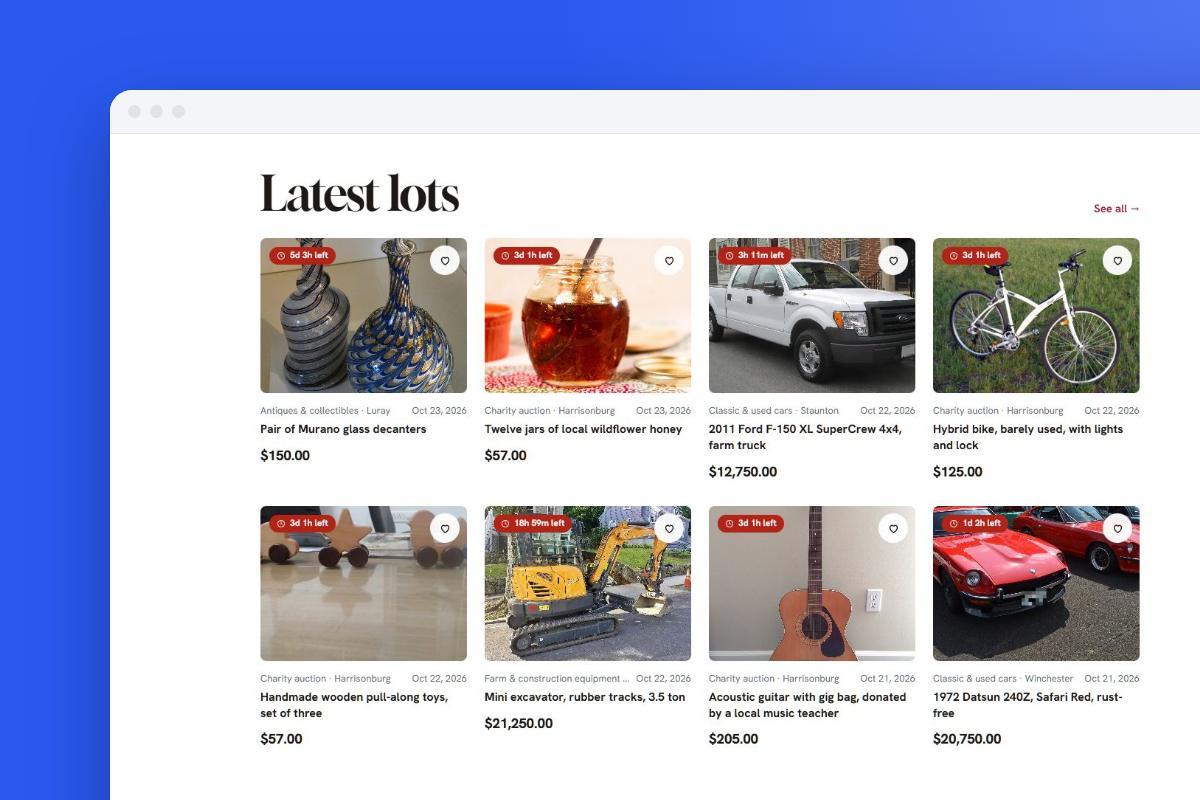
What sells best online in 2026? By money spent, electronics, clothing and furniture lead: in the 2025 US holiday season those three categories took 54% of all online spending. If you want to start selling as an individual, the strongest growth is in second-hand and refurbished goods: pre-owned clothing, refurbished phones, collectibles and handmade items. This guide shows the latest numbers for each category, the five classic best sellers for small sellers, 20 ideas to sell on marketplaces and classifieds sites, and the fees and rules to check before you start.
In short
- Electronics ($59.8 billion), apparel ($49.0 billion) and furniture ($31.1 billion) drove 54% of US online holiday spending in 2025.
- Second-hand grows fastest: ThredUp projects the global second-hand apparel market at $393 billion by 2030, and refurbished phones outgrew new ones in 2024.
- For individual sellers, the classic best sellers are women's clothing, children's clothing, technology, sporting goods and handmade products, plus 20 more specific ideas.
- On a $50 sale, Etsy fees come to about $5.20 and eBay fees to about $7.20, so price small items with fees included and check the rules for cosmetics and homemade food.
What sells best online in 2026
Online shopping keeps taking a bigger share of retail. The US Census Bureau's quarterly e-commerce report (released August 18, 2026) puts US online retail sales at $340.2 billion in the second quarter of 2026, seasonally adjusted. That is 17.1% of all retail sales and 12.2% more than a year earlier.
Adobe's 2025 holiday season report (published January 2026) shows which categories that money goes to. Consumers spent a record $257.8 billion online in the US between November 1 and December 31, 2025, up 6.8%:
| Category | US online spend, Nov-Dec 2025 | Growth year over year |
|---|---|---|
| Electronics | $59.8 billion | +8.2% |
| Apparel | $49.0 billion | +7.4% |
| Furniture | $31.1 billion | +6.6% |
| Groceries | $23.7 billion | +10.2% |
| Toys | $8.8 billion | +7.8% |
| Cosmetics | $8.4 billion | +9.3% |
| Sporting goods | $8.4 billion | +7.7% |
Online spending in the US from November 1 to December 31, 2025, per Adobe Analytics. Sources are in the table above.
Show the numbers
| Category | Online spend ($ billion) | Notes |
|---|---|---|
| Electronics | $59.8 billion | +8.2% year over year |
| Apparel | $49.0 billion | +7.4% |
| Furniture | $31.1 billion | +6.6% |
| Groceries | $23.7 billion | +10.2% |
| Toys | $8.8 billion | +7.8% |
| Cosmetics | $8.4 billion | +9.3% |
Adobe's list of hot sellers that season included LEGO sets and other toys, game consoles and video games, smartwatches, headphones, fragrance sets, cordless vacuum cleaners, air fryers, cookware and stainless steel tumblers. Two more findings matter if you sell: shoppers bought more expensive items when discounts were good (the share of units sold for the most expensive goods rose 20% compared with the rest of the year), and social media's share of online revenue rose 40.3% to 4.6%, a sign that more people discover products there.
Where the growth is: second-hand and refurbished
The big categories above are mostly new goods sold by retailers. For an individual seller, the strongest growth in 2026 is in second-hand and refurbished goods. This table pulls together the latest figures published by the companies and analysts that track each market.
| Category | Latest data | Source |
|---|---|---|
| Second-hand clothing | The global second-hand apparel market is projected to reach $393 billion by 2030, about 10% of all clothing spending. In 2025, the US second-hand market grew nearly 4 times faster than clothing retail overall, and 71% of growth through 2030 is expected to come from Gen Z and Millennials. | ThredUp 2026 Resale Report (April 2, 2026) |
| Phones and electronics | Refurbished smartphone sales grew 5% in 2024, faster than new phones (3%). Apple's share rose from 51% to 56%, led by the iPhone 11 and 12 series. The average refurbished price fell from $445 to $394. | Counterpoint Research, as reported by Display Daily (February 2025) |
| Handmade and vintage | The Etsy marketplace sold $10.46 billion of goods in 2025. The company had about 93.5 million active buyers across its marketplaces at year end, 2% fewer than a year earlier (the 2024 figure still included Reverb, which Etsy has sold). Its resale app Depop grew 37.2% in Q4 2025, and Etsy sold Depop to eBay for $1.2 billion (completed July 30, 2026). | Etsy Q4 and FY2025 results (February 19, 2026) |
| Collectibles, sneakers, refurbished tech, car parts | eBay processed $79.6 billion of goods in 2025, up 7%, and had 135 million active buyers. It called Q4 another standout quarter for collectibles, and its results highlight pre-loved fashion, sneakers, refurbished tech and parts on eBay Motors. | eBay Q4 and FY2025 results (February 18, 2026) |
What this means if you are choosing what to sell
- Second-hand beats new. The fastest-growing categories are pre-owned clothing and refurbished electronics. Both suit marketplaces and classifieds sites, where people sell items they own rather than stock from a supplier.
- Specialist apps are growing fast. Depop, a younger, resale-focused app, grew much faster in 2025 than the general Etsy marketplace. A focused community can still win against a general marketplace.
- Plan for social discovery. ThredUp found that nearly half of second-hand shoppers now discover items through social media and creators rather than search. Make your listings easy to share.
- Go narrow. Even eBay puts specific categories in the spotlight (collectibles, sneakers, refurbished tech, car parts) rather than "everything". A narrow range such as children's clothes, used bikes or refurbished phones is easier to build a name in.
The five classic best sellers for small sellers
These five categories have long been among the best-selling products on the Internet for individuals and small shops, and they match the data above.
1. Clothes for women
Clothing is always the star product in any store, physical or online, and above all women's clothing. With the growth of second-hand shopping, a varied wardrobe no longer has to cost a lot, which keeps a steady supply of good pre-owned pieces coming onto the market.
2. Children's clothing
Children grow out of clothes in months, often before the clothes wear out. That makes children's fashion one of the easiest categories to buy and resell, and online stores specializing in it have grown strongly in recent years.
3. Technology
Mobile phones are one of the best-selling items of all. People who upgrade sell their old models, and buyers get them at a good price; clean and test a used phone so it looks and works like new. Laptops, cameras, tablets and second-hand video games also sell well: many players sell their old games to buy new ones, at prices that move fast.
4. Sporting goods
More people go to the gym, run, hike and cycle, so there are more products for them, and sportswear and equipment in good condition are in demand. Adobe counted $8.4 billion of US online sporting goods sales in the 2025 holiday season alone.
5. Handmade products
Handmade items, especially ones the buyer can customize, are very popular. This category needs good craft skills, and originality is key: a drawing, a piece of clothing, a clay figure, a bracelet or anything else you make with your own hands.
20 ideas to sell on marketplaces and classifieds sites
If you want something more specific, these ideas suit individuals and small makers. Many combine the trends above: second-hand, handmade, personalized or eco-friendly.
Things you make
- Handcrafted jewelry: beads, gemstones or metal, with custom designs. See the top marketplaces for jewelry.
- Custom artwork: personalized portraits, paintings or calligraphy, shown off on social media.
- Homemade gourmet foods: jams, flavored oils, chocolates or baked goods (check the food rules below first).
- Personalized stationery: notepads, greeting cards and envelopes with monograms or your own designs.
- Organic skincare: handmade soaps, facial oils, scrubs and moisturizers (check the cosmetics rules below).
- Handmade bath and body products: bath bombs, bath salts and body butter.
- Personalized gifts: engraved jewelry, monogrammed towels, photo frames or wooden keepsakes.
- Home decor: wall art, cushions, planters, candles or handmade ceramics.
Things you find, fix or resell
- Vintage clothing: pieces from thrift stores, estate sales and flea markets, curated by style or era.
- Upcycled furniture: discarded furniture revived with paint, new upholstery or other changes.
- Vintage electronics: retro game consoles, record players, vintage cameras or typewriters, tested and described in detail.
- Sustainable fashion: clothing made from organic or recycled fabrics, or upcycled garments.
Products for a specific group of buyers
- Eco-friendly products: stainless steel water bottles, organic cotton tote bags or bamboo toothbrushes.
- Tech accessories: phone cases, laptop sleeves, cable organizers or wireless chargers.
- Fitness and wellness products: yoga mats, resistance bands, aromatherapy oils or fitness clothing.
- Health and fitness gadgets: smartwatches, fitness trackers or smart scales.
- Specialty pet products: organic treats, custom pet beds or handmade toys, promoted in pet communities.
- Home organization: storage baskets, drawer dividers and closet organizers.
- Specialty coffee and tea: your own blends from good beans and leaves, with tasting notes.
- Digital products and services: graphic design, content writing or web development, or e-books, online courses and digital art.
Whatever you sell, a clear title, honest photos and a full description sell faster. Our guide on how to write a classified ad that sells goes into detail, and the template below gives you a starting point.
Template
A classified ad that answers the buyer's questions
Use it whenever you post an item or service; replace every bracket and delete any line that does not apply.
Write the title last, after the details, using the exact words you would type if you were searching for this item yourself. More free tools →
What it costs to sell, and the rules to know
Your profit depends on where you list and which rules apply to you. Here is what the two largest US marketplaces for handmade, vintage and resale goods charge, as published on their own pages in October 2026:
| Fee | Etsy | eBay (most categories, no Store) |
|---|---|---|
| Listing fee | $0.20 per listing, active 4 months or until sold | 250 free listings per month, then $0.35 each |
| Sale fee | 6.5% transaction fee on the price including shipping | 13.6% final value fee on the total sale (up to $7,500 per item) |
| Payment / order fee | 3% + $0.25 payment processing (US) | $0.30 per order up to $10, $0.40 above $10 |
| Other | 12-15% Offsite Ads fee when a sale comes from Etsy's ads, 2.5% currency conversion | Store subscribers pay 12.7% instead of 13.6% (on the sale up to $2,500 per item) in most categories |
| Example: $50 sale | $0.20 + $3.25 + $1.75 = $5.20 (about 10%) | $6.80 + $0.40 = $7.20 (about 14%) |
Price your products with these fees included. On a $15 bath bomb or a $20 jar of jam, fees take a bigger share of a small margin than they do on a $300 piece of upcycled furniture. Local classifieds work differently: buyers usually pay cash or by bank transfer when they collect, so selling fees are low or zero. The trade-off is less built-in buyer protection.
US rules for sellers (checked November 2026)
- Seller verification (INFORM Consumers Act). Since June 27, 2023, US online marketplaces must verify "high-volume" sellers: 200 or more sales of new or unused products and $5,000 or more in revenue in any continuous 12 months within the past 24 months. Within 10 days of you crossing the threshold, the marketplace must collect your bank account, tax ID and contact details. Above $20,000 a year, your name, address and contact details are shown to buyers. Home-based sellers can show just their state and country. Source: the FTC's guide to the act.
- Tax reporting (Form 1099-K). The IRS page on Form 1099-K (updated October 28, 2026) says payment apps and online marketplaces must report your payments when they exceed $20,000 in more than 200 transactions. If you receive less, you still owe tax on any profit.
- Skincare and bath products (MoCRA). Under the Modernization of Cosmetics Regulation Act, cosmetic makers must register facilities, list products and their ingredients, keep safety records, and report serious adverse events to the FDA within 15 business days. Some small businesses are exempt from registration and listing. The exemption doesn't cover products that contact the mucous membrane of the eye, are injected or used internally, or change your appearance for more than 24 hours. Check before you sell scrubs, body butters or bath bombs.
- Homemade food. Gourmet jams, baked goods and coffee blends fall under state or national food-safety rules, which vary a lot. Check your local rules for homemade food (in the US, state "cottage food" laws) before listing, and check each marketplace's food policy.
Turning selling into a small business
Many sellers start with a few items and end up running a business. The odds are worth knowing: under the BLS Business Employment Dynamics survival data, 79.6% of establishments opened in the year to March 2015 were still open a year later, 50.2% after five years and 34.6% after ten. Pick a category with growing demand, price in platform fees before you count on a margin, check licensing and local rules before you spend money, and keep fixed costs low in the first year. Real fee schedules for the main marketplaces help with the first two.
Marketplace or your own site?
Start on a big marketplace if you need buyers on day one and your margins can absorb a 10-14% fee. Consider your own niche site once you have a loyal audience or a whole category to yourself, such as local vintage furniture, pet products in your city or a coffee-roaster directory. There you keep the customer relationship and set the rules. Hosted builders such as Yclas let you launch a niche classifieds marketplace without writing code. A narrow niche is also easier to fill: you need far fewer listings before the site looks alive.
Calculator
How many listings do you need at launch?
Visitors leave a category that looks empty. Pick how many listings a category page needs to look alive, for the categories and places you launch with.
Too many weeks? Launch with fewer categories or one area first, and add more as listings come in. More free tools →