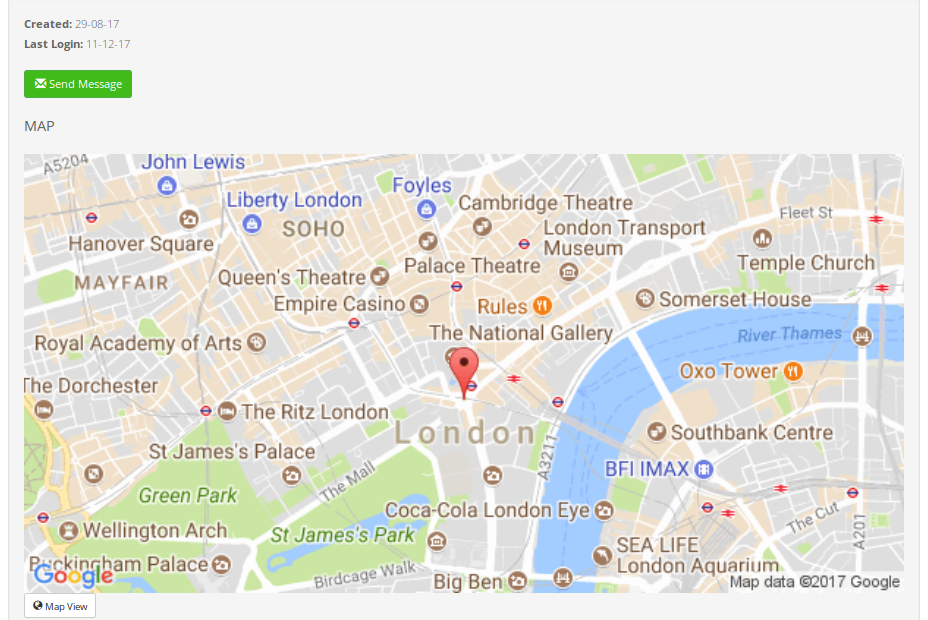
Location for users is a feature that allows you to show the location of the user on a map on the profile page. This way sellers can show their location and attract more local customers.
Prerequisites
On Settings -> Advertisement -> Display Option, enable Google Maps on Ad and Profile page
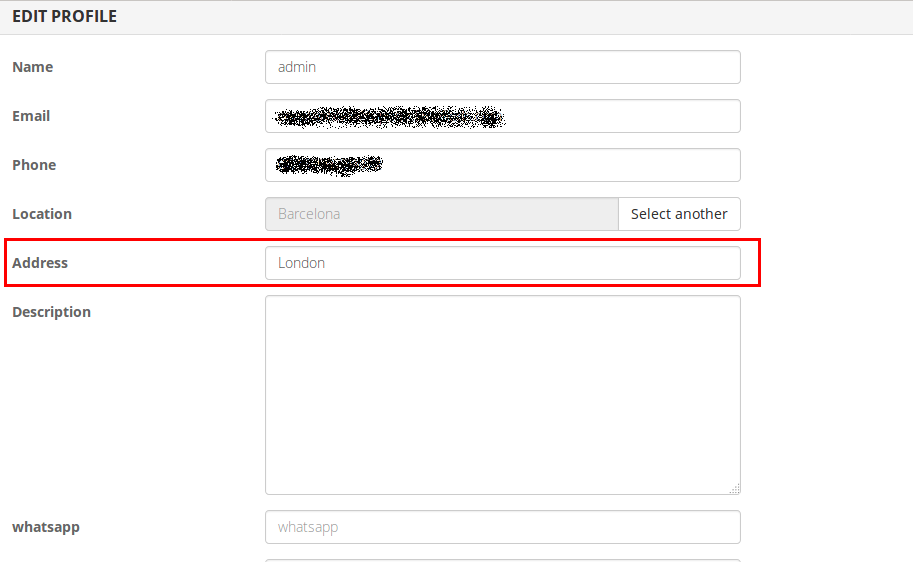
The user needs to edit his profile, fill the address field, and press Update
Before you switch it on: API key, 2026 Google Maps costs and seller privacy
Settings you need today
The map options have moved since this guide was written. Go to Panel > Integrations > Google Maps and:
- Enter your Google Maps API key. Without a key, no map appears.
- Tick Google Maps in Ad and Profile page. This shows the map on public profiles.
- Tick Google Maps in Publish New. This adds a small map with a pin under the Address field when a user edits their profile. The site only saves the user's coordinates from this pin, and without coordinates no map appears on the profile.
When a user types an address, the pin moves to it. They can then drag the pin to the exact spot before pressing Update. Their public profile then shows a map image and a Map View button. The button opens your site's map with only that seller's ads. A user who hasn't entered an address yet sees a reminder link on their own profile.
What it costs on Google's side
On 1 March 2025, Google replaced the old USD 200 monthly credit with a free monthly allowance for each SKU. This feature uses three SKUs, all in the Essentials category. Prices are from Google's core services pricing list (checked October 2026):
| Where it is used | Google SKU | Free per month | Then, per 1,000 (up to 100,000) |
|---|---|---|---|
| Map image on each public profile view | Static Maps | 10,000 | $2.00 |
| Pin map in the profile edit form | Dynamic Maps | 10,000 | $7.00 |
| Turning the typed address into a pin, and the pin back into an address | Geocoding | 10,000 | $5.00 |
Every view of a profile with a saved location loads one static map image, so busy sites should watch their Static Maps usage. The other two SKUs only count when users edit their profiles.
Protect your key and your sellers
- Restrict the API key. Google's API security best practices recommend a website (HTTP referrer) restriction, for example
https://yourdomain.com/*, and limiting the key to the APIs you use. Google warns that you are financially responsible for charges caused by abuse of unrestricted keys. Your key is visible in the page source of every profile that shows a map. - Don't push private sellers to share a home address. The pin is public. Suggest that private sellers enter only their street or neighbourhood and drag the pin to a public spot nearby. Shops and dealers should use their business address.
- Mention it in your privacy policy, since profile locations are sent to Google to display the map.
How it works
The user enters his address into his profile and a static map is automatically displayed as an image on the user profile page. Below the map, there’s an option to show the location of the user in a map view.