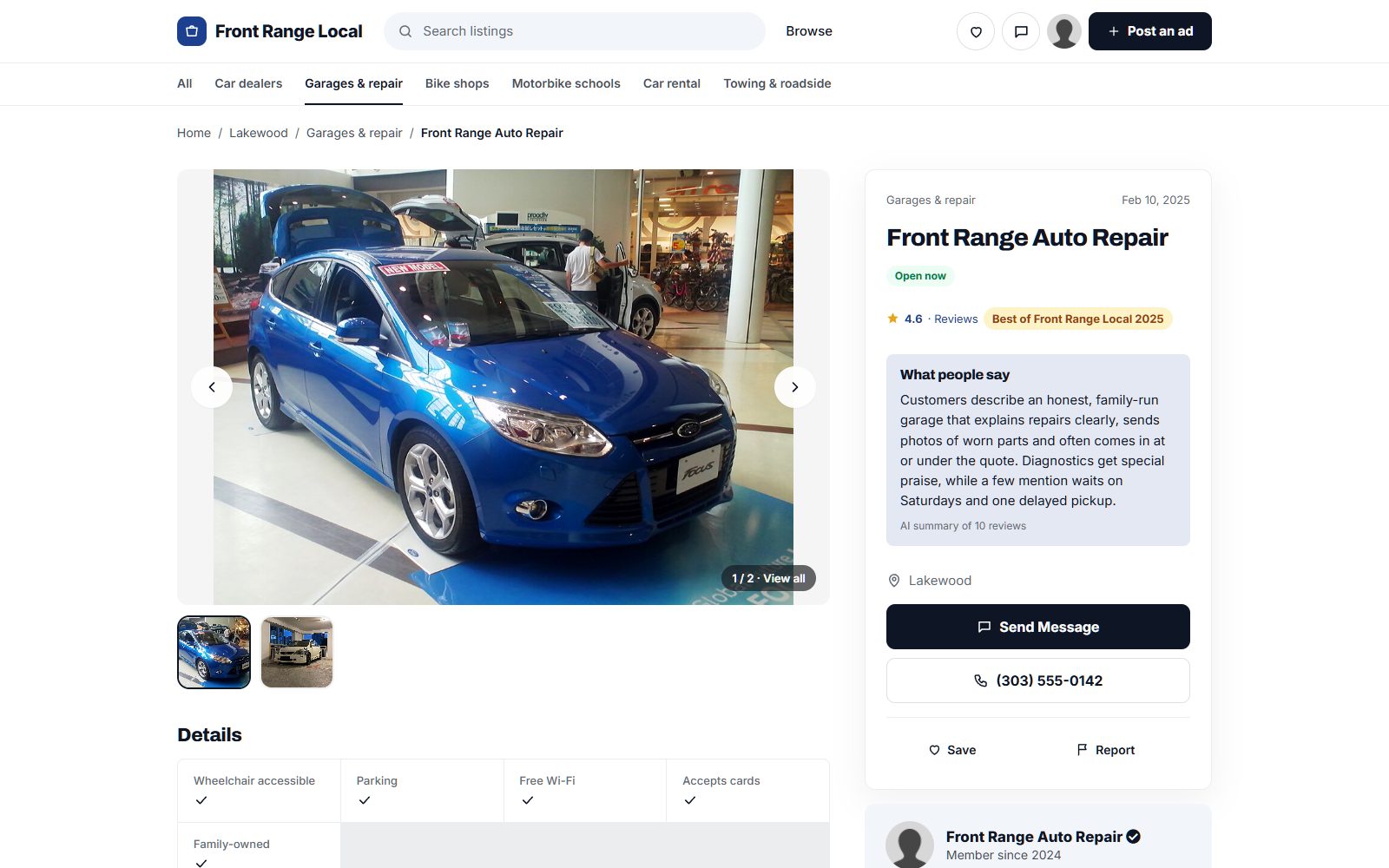
How to build an auto repair directory drivers trust with their car.
This guide shows how to build an auto repair directory for one city or region: who looks for a mechanic and why map results let them down, the shop details drivers filter on, how garages pay you through featured places and quote requests, how to seed hundreds of shops, how to keep reviews honest, and how to rank for repair searches.
Free for 15 days · No credit card · Plans from $19 a month
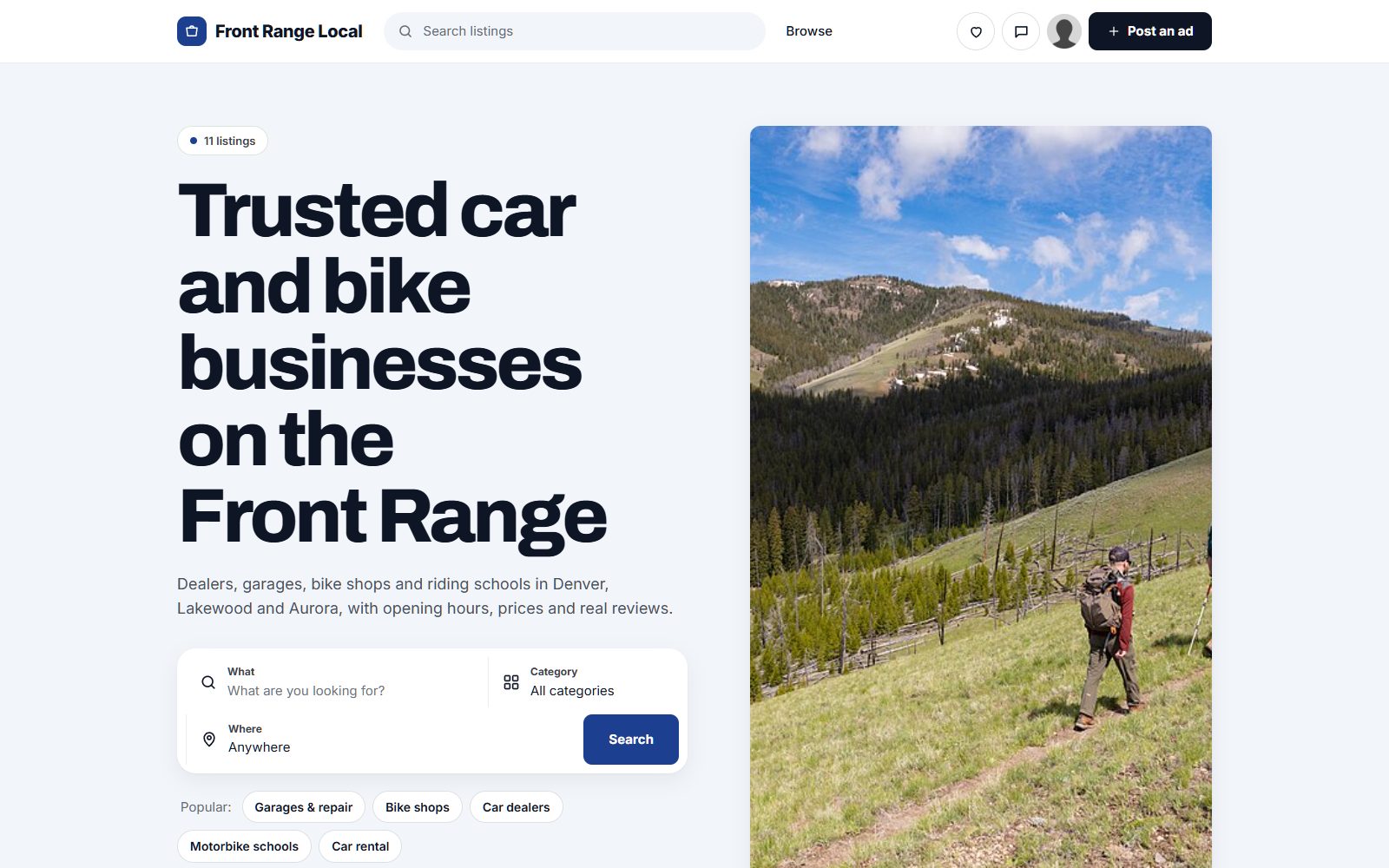
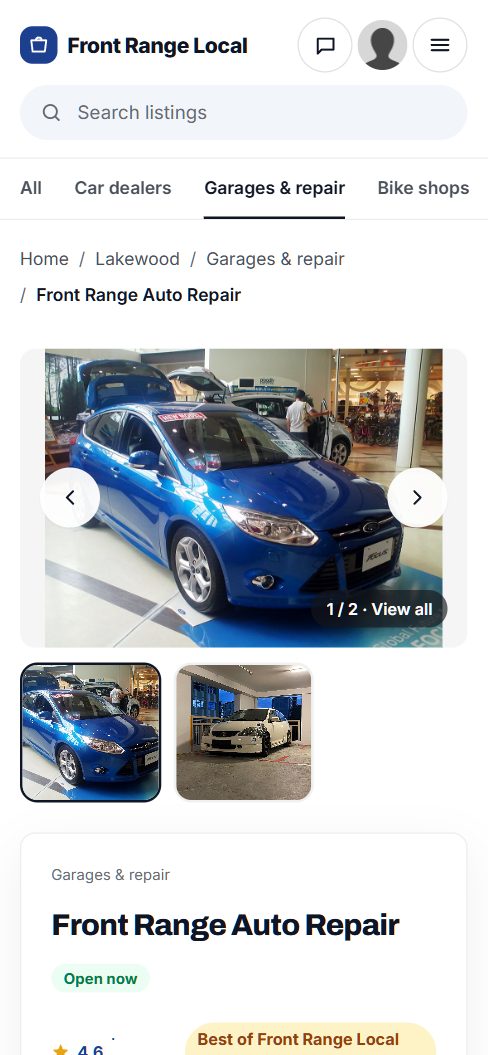
Build for the driver with a warning light and no mechanic.
Nobody browses repair shops for fun. People search when something has gone wrong: a check engine light, a grinding noise from the front wheels, a failed inspection, a quote from the dealer that looks too high. They want three answers fast: who near me works on my car, can I trust them, and can they look at it this week.
General map results answer none of those well. They mix dealers, tire chains, body shops, car washes and shops that closed two years ago. Reviews talk about the waiting room. You cannot filter by "works on diesels", "does hybrid batteries" or "has a technician certified on European cars". That gap is your site.
Pick an angle
- Area first. One metro or one county, covered properly, beats a thin national list. Drivers will not travel far for a brake job.
- A specialty layer. European imports, diesel pickups, classic cars, hybrids and EVs, motorcycles or RVs. Owners of these vehicles struggle most to find someone, and they talk to each other.
- A type of driver. Fleet managers with ten vans, new residents, students with older cars, rideshare drivers who lose money every day the car sits.
Today the recommending happens in neighborhood Facebook groups ("anyone know an honest mechanic?"), on Nextdoor, in city subreddits and in car club forums. Read those threads before you build. The same five or six shops come up again and again, and those are your first pages.
A repair directory wins when a driver can find a shop that knows their exact car, not just any garage nearby.
List shops by the work they do and the cars they know.
Keep categories to the kind of shop, and put the real detail in fields. The field drivers care about most is the one map sites skip: makes serviced. A Subaru owner wants a shop that sees head gaskets every week, and a Ram diesel owner wants someone with the right scan tool.
- Makes serviced as checkboxes, not free text, so filters work.
- Services: brakes, suspension, timing belts, AC, electrical, diagnostics, state inspection.
- Certifications: ASE certified technicians, manufacturer training, hybrid or EV training.
- Warranty on repairs in months and miles, a strong signal of quality.
- Convenience: loaner car, shuttle, after-hours key drop, Saturday hours, walk-ins for oil changes.
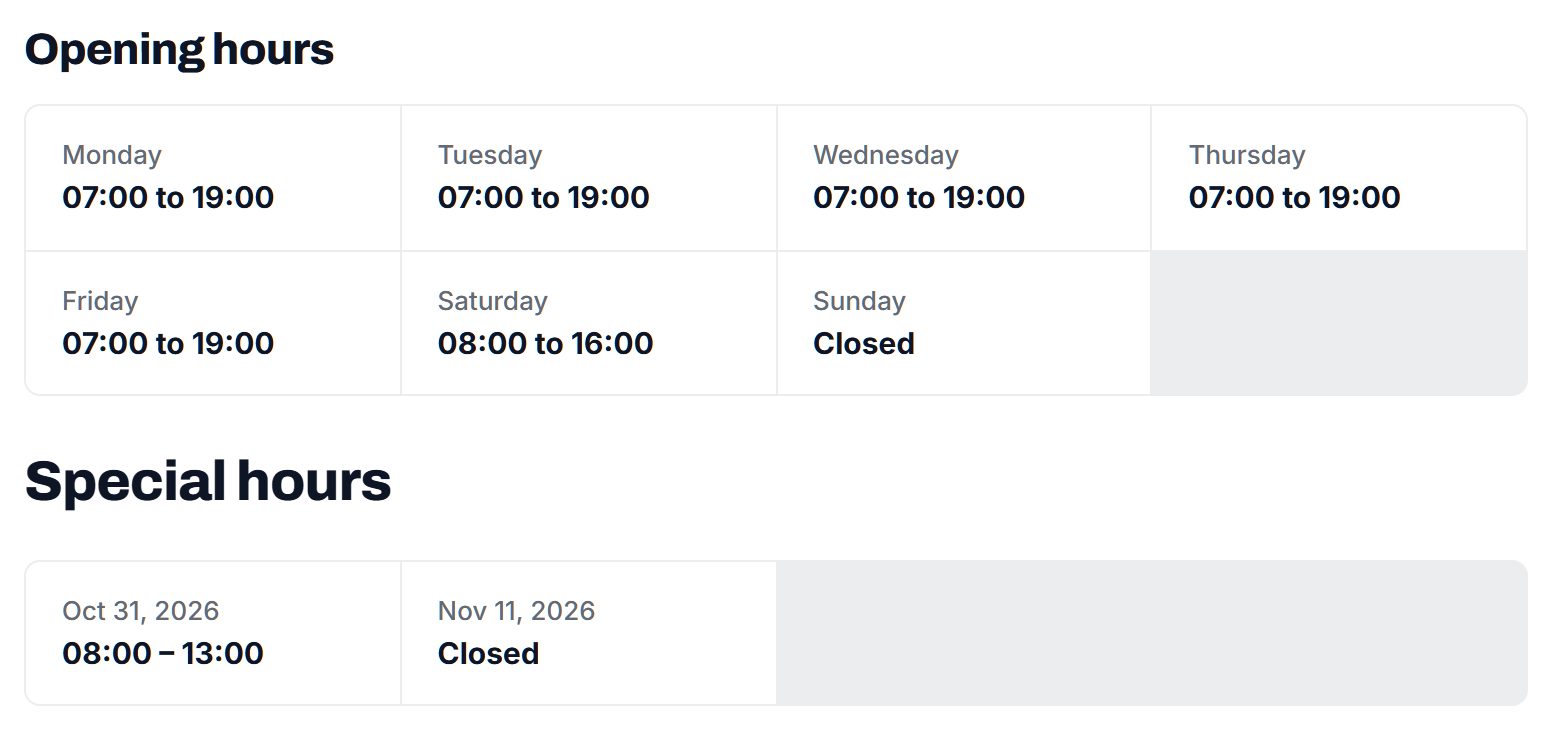
Opening hours matter more than in most directories, because drivers often search at 7 a.m. with a car that will not start. Show them clearly on every page. Skip fields for prices per job: labor rates and parts costs move too often, and a stale number makes the whole page look unreliable.
| Category | Example listings | Details drivers filter on |
|---|---|---|
| General repair | Independent garages, neighborhood service centers | Makes serviced, services, loaner car, Saturday hours |
| Specialists | European, Japanese, diesel, hybrid and EV shops | Makes and engines, dealer-level scan tools, manufacturer training |
| Transmission, brakes and exhaust | Transmission rebuilders, brake and muffler shops | Rebuild or replace, warranty months and miles |
| Body and collision | Collision repair shops, paintless dent repair | Insurers worked with, frame repair, estimates from photos |
| Tires and alignment | Independent tire shops, mobile tire fitters | Tire brands stocked, alignment, wheels repaired |
| Inspection and emissions | State inspection stations | Inspection types, walk-ins accepted, languages spoken |
| Mobile mechanics | Mechanics who come to the driveway | Area covered, jobs done on site, fleet accounts |
In Yclas these are custom fields (dropdowns, checkboxes, numbers or text), each shown as a search filter.
Sell visibility and leads, never ratings.
Every shop gets a basic page for free, always. A directory with gaps is useless to drivers, and shops that never pay are still the reason people visit. What you sell is extra visibility and new customers, and you start selling once drivers are actually using the site.
Repair shops already understand paying for customers: many spend on local ads, coupon mailers and online review platforms. A quote request is an easy sell to them because it arrives with the car, the year and the problem already described. Send requests free for the first few months, keep a count of how many each shop received, then show that number when you ask them to pay.
One firm rule: paid placement never changes a rating, never hides a review, and is always labeled. Drivers who suspect the top shop paid to be there will stop trusting the list, and then nothing you sell is worth anything.
The shop that pays gets seen first. It never gets rated better.
| Model | Works when | Switch it on |
|---|---|---|
| Featured places | Drivers browse a category like "brakes" or "BMW specialists" | Once that category gets steady visits |
| Quote requests sent to shops | Drivers describe a job and want prices from several shops | Free at first, then per lead or in a membership |
| Shop memberships | Shops want photos, a badge and a spot on top of their category | When three or four shops ask how to stand out |
| Banner spaces | Parts stores, towing firms and detailers want local drivers | When you can show monthly visitor numbers |
| Sponsored seasonal guides | A winter tire or AC checklist with one shop's name on it | A month before the season starts |
Seed every shop in the area before you launch.
A driver who finds three shops on your site and fifty on a map will not come back. Cover the area properly before anyone sees it.
- Import the base list. Google Places brings in each shop's name, address, phone, website and opening hours, using your own Google key. It brings no photos, so pages start plain. Yclas imports businesses this way, and you can add more from a spreadsheet (CSV).
- Check public lists. Some states register repair shops or publish lists of licensed inspection stations. Use them to fill gaps and to spot shops your import missed.
- Add the specialty data by hand. No import tells you which shop knows Volvos. Call shops, read their websites, and ask in car club forums. This is the work that makes your site better than a map.
- Remove the noise. Delete car washes, closed shops and dealer service lanes you do not want, or move dealers to their own category.
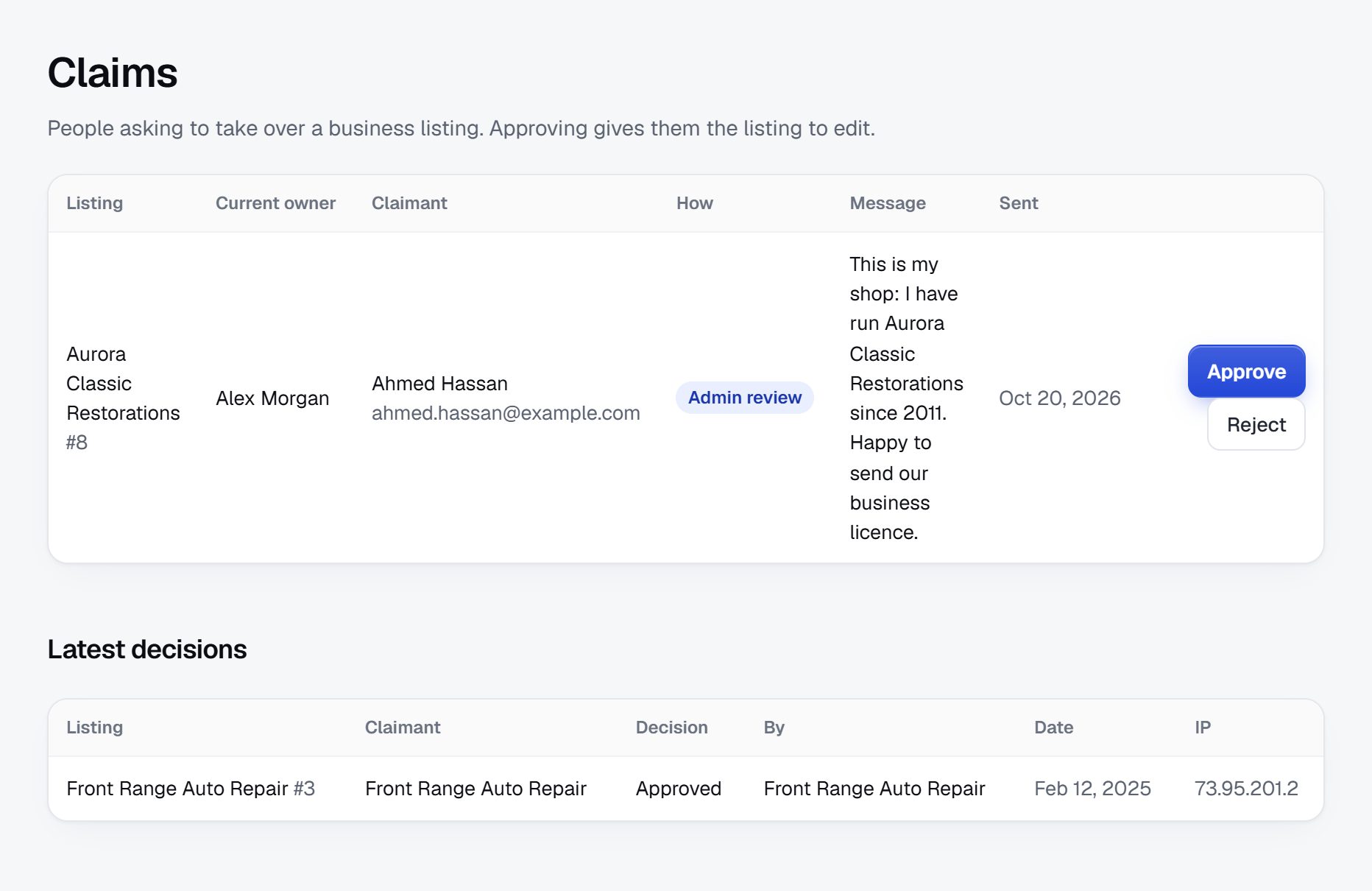
- Invite owners to claim their page. A letter or a visit with a printed card works better than email for busy shop owners. Claimed pages get photos, correct hours and the services the owner is proud of.
Visit in person where you can. Mid-morning on a weekday, after the drop-offs, is when shop owners have five minutes to talk.
Keep reviews honest and shop claims checked.
Repair is a trust business, and so is a repair directory. The problems you will meet are predictable.
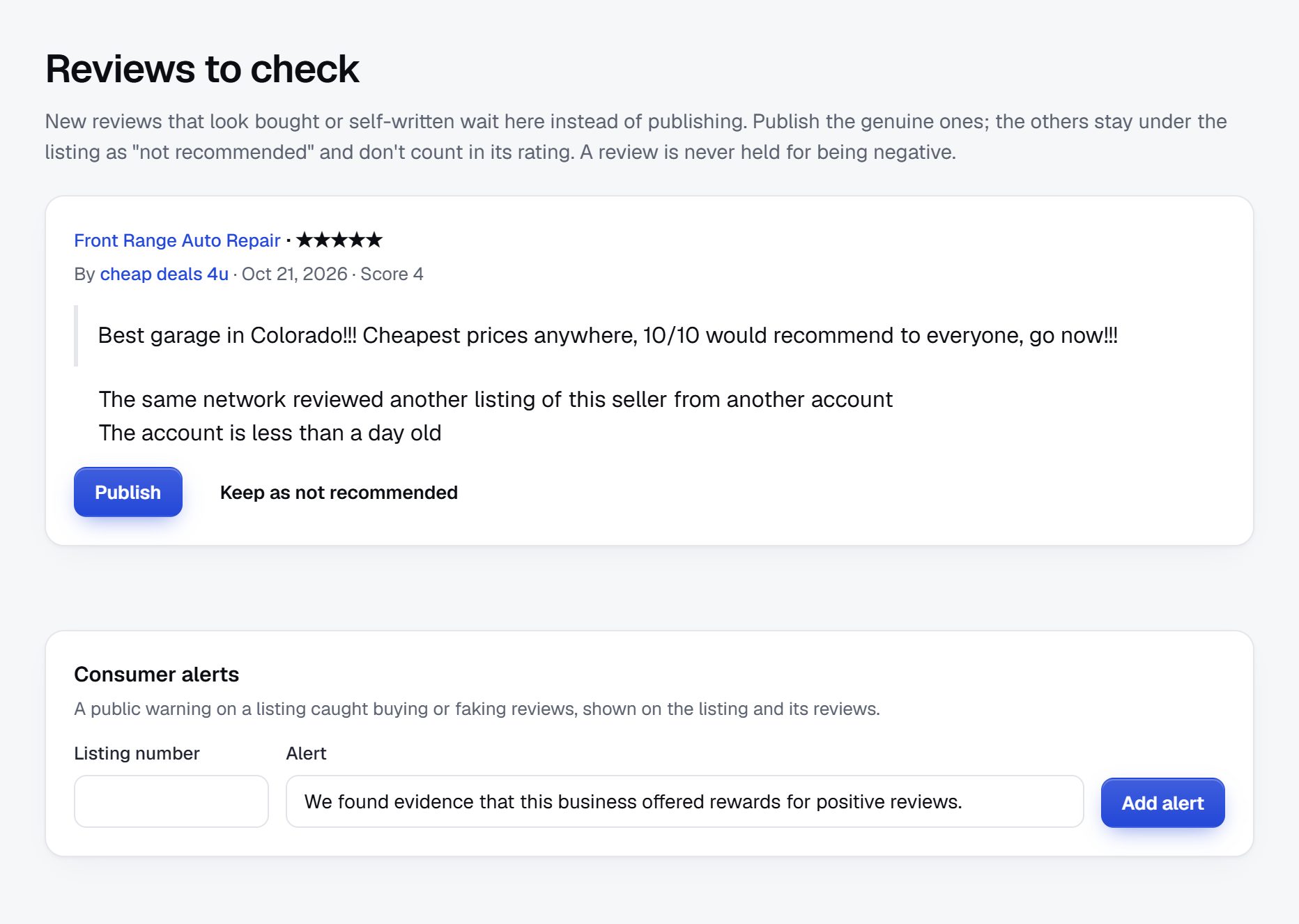
- Fake reviews. Shops reviewing themselves, staff accounts, and competitors posting one-star attacks. Watch for bursts of reviews from new accounts, reviews that name no car or job, and the same phrasing across several reviews.
- Claims that are not true. A shop that lists ASE certified technicians or EV training should be able to show it. Ask for a photo of the certificate before you show a certification badge.
- Upsell complaints. Many negative reviews describe a shop finding extra work. Allow them, but let the owner answer. Owner replies on reviews turn a complaint into a conversation other drivers can judge.
- Outdated pages. Shops close and change hands often. Add a "report a problem" route and check reported pages within a week.
Use moderation that holds new reviews and listing edits for a look before they go live, at least in the first year.
Advice to publish for drivers
Get a written estimate before work starts, ask for old parts back, and ask how long the repair is guaranteed. Consumer protection rules for auto repair differ by state, so check the rules where you operate before you describe anyone's rights.
Rank for the make, the repair and the town.
Repair searches combine three things: a car, a job and a place. Your page structure should match.
- "mechanic near me" and "auto repair Tucson": category pages per city and neighborhood.
- "Subaru mechanic Denver" and "BMW repair Portland": one page per make per city, listing the shops that service that make.
- "transmission repair Columbus" and "brake shop open Saturday": service plus location pages.
- "emissions testing near me" and "state inspection walk in": inspection station pages with hours.
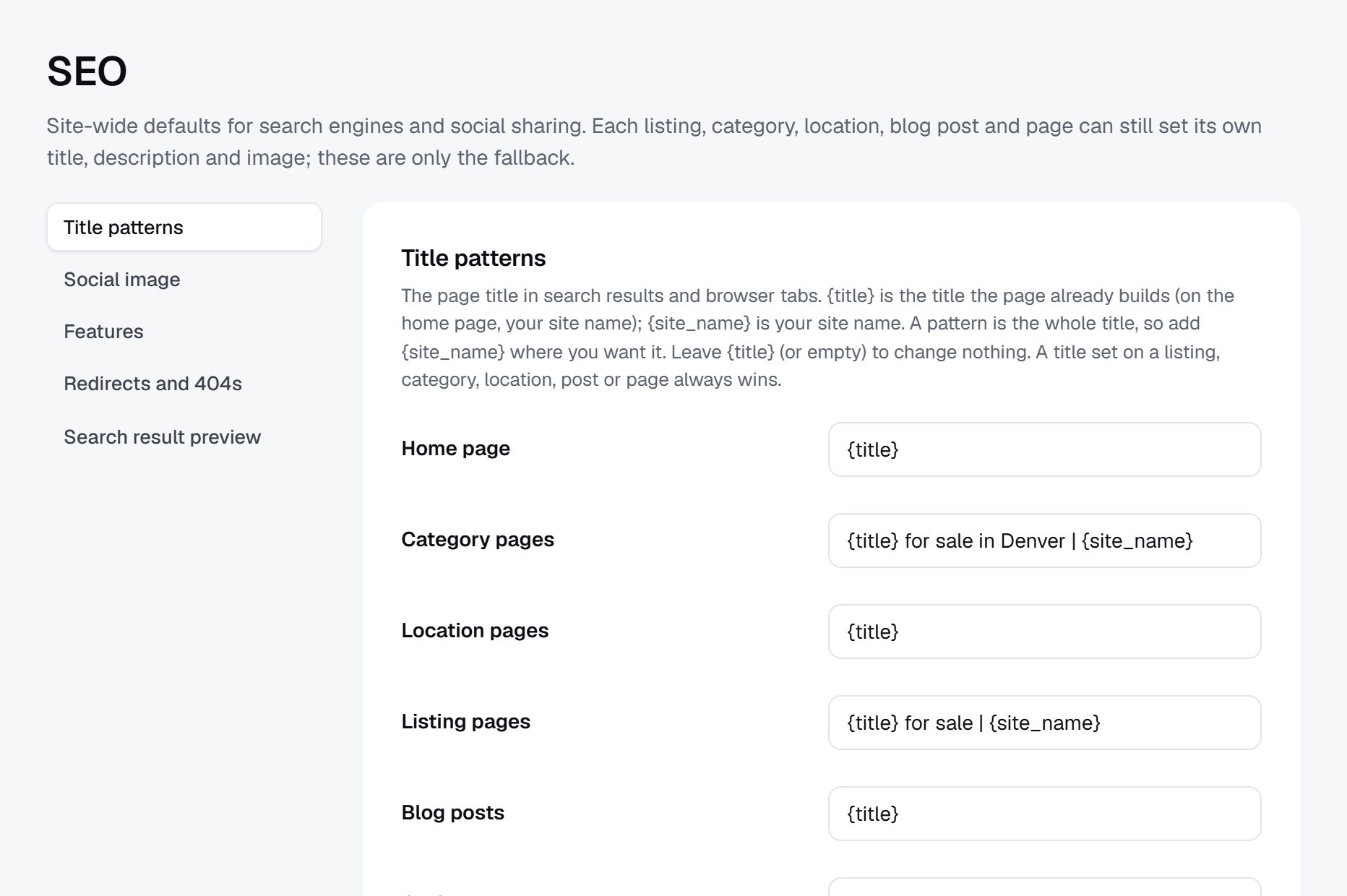
Every shop, category and location gets its own page, and you set the SEO title pattern once so a page reads like "Brake repair in Mesa, AZ".
Content that earns links and repeat visits
- What a check engine light can mean, and when to stop driving.
- Dealer service or independent shop: how to choose.
- How to read a repair estimate, line by line.
- Seasonal checklists: winter batteries and tires, summer AC and cooling systems.
- Specialist guides: finding someone for an older diesel or a hybrid battery.
Avoid printing repair prices you cannot back up. Explain what changes the cost of a job instead, and point drivers to quote requests.
Launch in one metro, ahead of the hard season.
Choose one metro you can cover completely, ideally one where you already know a few shops or a car club. Launch timing follows the weather: cold climates have a rush on batteries, tires and heaters in the fall, and pothole season in spring sends cars to alignment shops. Hot climates have AC season. Launching four to six weeks before your local rush gives the pages time to be found.
Partners worth calling
- Car clubs and make-specific forums know the best specialists and will share a good list.
- Towing operators decide where broken cars go and often know which shops are reliable.
- Auto parts stores see every independent shop's buyer at the counter and may let you leave cards.
- Local news and community groups like a "best independent mechanics" story.
Checklist
- Every shop in the area imported, cleaned, and sorted into categories.
- Makes serviced filled in for at least the top fifty shops.
- Twenty shops have claimed their pages.
- Quote requests working and tested with a real shop.
- Make and city pages live for the five most common makes in your area.
- A post in each neighborhood group that asks for mechanic recommendations.
A worked example: Lehigh Valley Wrench List, eastern Pennsylvania.
Here is one invented case to show how the parts connect. Lehigh Valley Wrench List is a fictional directory for Allentown, Bethlehem, Easton and the boroughs around them in eastern Pennsylvania. Its founder worked the counter at an auto parts store for six years and kept hearing the same question across it: who in town really knows diesels, or Volvos, or old Jeeps.
How the categories are arranged
- General repair
- Domestic and Asian makes
- Work vans and small fleets
- Specialists
- European imports
- Diesel pickups
- Hybrids and EVs
- State inspection and emissions
- Body and collision
- Mobile mechanics
Who uses it
Most visitors arrive with one car and one worry: an inspection sticker that runs out at the end of the month, a hybrid warning on the dash, or a dealer quote they want to check against an independent shop. The second group is small business owners, such as plumbers and landscapers, who need a shop that will turn a van around in a day because a parked van means lost jobs. Students at the local colleges with high-mileage cars are a smaller but loyal third group, and they share the site with each other every fall.
How it got going
The founder imported every repair shop in Lehigh and Northampton counties, deleted the car washes and parts stores that came with them, then spent two months on the phone and in person filling in makes serviced, repair warranties and whether each shop does state inspections. Counter staff at two parts stores let him leave cards next to the register. A regional Subaru club shared its own list of trusted shops in return for a page built around it. The first real traffic came in March, when inspection deadlines and pothole damage sent drivers searching in the same weeks.
How it makes money
Every shop page is free and stays free. After four months of free quote requests, with a monthly note to each shop saying how many it had received, about a dozen shops took a yearly membership that features them in one make or service category. A towing company and a tire distributor rent the two banner spaces, and a local credit union sponsors the fall guide to getting a car ready for winter. No shop can pay to change its rating, and every featured spot carries a label.
| Shop | Category | Key details |
|---|---|---|
| Bethlehem Euro Motorworks | Specialists: European imports | Audi, BMW and Volvo; factory scan tools; 24-month or 24,000-mile warranty |
| Saucon Diesel and Truck | Specialists: diesel pickups | Ram Cummins and Ford Power Stroke; fleet accounts; Saturday mornings |
| Easton Hybrid Care | Specialists: hybrids and EVs | Toyota and Honda hybrid batteries; EV-trained technician; loaner car |
| Fourth Ward Garage | General repair, state inspection | Inspection and emissions; walk-ins before 10 a.m.; Spanish spoken |
| Route 22 Mobile Mechanic | Mobile mechanics | Brakes, batteries and starters in the driveway; covers both counties |
The site and every shop in this table are invented for the example.
The first 90 days, week by week.
The first three months of an auto repair directory are mostly phone calls and shop visits, and the order of that work matters. Get the base list clean before you collect any detail, because an hour spent describing a garage that turns out to be closed is an hour lost. Then fill in the fields that map results lack, starting with makes serviced, since that is the filter drivers reach for first.
Keep a plain tracker: the shop, who you spoke to, what they confirmed and the date. Service writers move between shops, and a garage drops a specialty when the technician who knew it leaves. A dated record tells you which pages to recheck first.
Sell nothing in this period. The aim for week twelve is one metro covered completely, a few dozen claimed pages, quote requests that shops actually answer, and a count of requests per shop that you can show when you start offering memberships. If your local rush, such as fall battery and tire season, falls inside these weeks, move the launch posts so they land two to four weeks ahead of it.
| Weeks | Focus | Done when |
|---|---|---|
| 1-2 | Choose the metro; import shops; delete car washes, parts stores and closed garages | Every repair shop in the area has exactly one page in the right category |
| 3-4 | Phone shops about makes serviced, inspections and repair warranty | The fifty busiest shops have makes serviced and warranty filled in |
| 5-6 | Walk the auto row and visit parts counters with printed claim cards | Fifteen owners have claimed their page and added photos and hours |
| 7-8 | Build make and city pages and the first two driver guides | Pages live for the five most common makes, plus the check engine light guide |
| 9-10 | Switch on quote requests and test them with friendly shops | Three test requests answered by real shops within one working day |
| 11-12 | Post in neighborhood groups and car club forums; work through reported pages | Visits grow week on week and every reported problem is closed within seven days |
Ways to build an auto repair directory, compared.
A repair directory has a short list of needs that decide how you build it: checkbox fields for makes and services that work together as filters, opening hours on every page, owners who can claim and edit their own page, reviews with owner replies, quote requests that reach several shops at once, and thousands of make, service and town pages without writing each by hand.
Building it with developers
A custom build is worth it only if you plan something no directory product offers, such as pulling estimates straight from shop management software. Otherwise you pay for months of work to reach features that already exist, and you pay again every time drivers teach you something new about what they search for.
A script or WordPress plugin on your own server
Directory scripts and WordPress listing plugins can cover most of the list above. They suit a founder who already manages hosting and likes doing it. Expect real time on updates, plugins that conflict, spam reviews and backups, all of which competes with the calls and visits that make the directory worth using.
A hosted builder
A hosted builder such as Yclas runs the software and the server, so your hours go into shop data instead. Before you commit to any builder, check that it supports multi-select filters, claiming, owner replies and quote requests, and that businesses can be imported in bulk.
| Route | Fits when | Watch out for |
|---|---|---|
| Custom development | You need something no product has, such as live estimates from shop software | A long build, and a developer bill for every later change |
| Script or WordPress plugin | You already run servers and want full control of the code | Updates, plugin conflicts, review spam and backups are all on you |
| Hosted builder | You want shop data, not software, to take your time | Confirm filters, claiming, owner replies and bulk import before choosing |
| A map list and a spreadsheet | You want to test interest in one town before building anything | No filters and no claimed pages, so it only works as a short test |
What an auto repair directory costs to run.
The software is the smallest part of the bill. Most of the cost is your time in the first months: finding the first listings, answering questions and checking what gets posted.
The main extra cost is Google Places usage on your own key, billed by Google, which stays small for one metro. Budget for printed cards and fuel for shop visits, and possibly a few local ads before the seasonal rush.
| Cost | Typical range | On Yclas |
|---|---|---|
| Domain | $10 to $20 a year | Your own, with SSL included |
| Software and hosting | $0 to $100+ a month, plus plugins and updates | Starter $19 a month, Professional $99 |
| Design | $0 to $100 for a theme, or a designer | 109 looks included |
| Payment fees | About 3% per payment | Your Stripe or PayPal fees; Yclas takes nothing |
| Business data | Free if you collect it, or a few cents per page of Google results | Paid to Google, with your key |
| Your time | 5 to 10 hours a week at the start | Finding listings, moderation, support |
Mistakes that sink auto repair directories.
- Treating every garage as the same. A list sorted by distance is what drivers already have on their phone. Without makes serviced and specialties, your directory adds nothing. Collect those fields first, even if it means launching with fewer shops described in depth.
- Letting shops tick every make. Owners worry about losing work, so many tick every brand on the form. A BMW owner sent to a shop that has never used the right scan tool will not trust your filters again. Ask which makes the shop sees every week, and question any garage that claims all of them.
- Mixing collision work with mechanical repair. Body shops work through insurance claims and photo estimates, and drivers search for them differently. Keep body and collision in its own category so a driver with a dying alternator never lands on a paint booth.
- Printing labor rates you heard once. Hourly rates change, differ by job and are often quoted loosely on the phone. A stale rate angers the shop and makes the driver suspicious of every other number. Explain what moves the price and point drivers to quote requests.
- Leaving dead shops online. Independent garages close, sell or retire more often than founders expect. A driver who has a car towed to a locked door blames you, not the shop. Recheck pages with no owner activity every six months and act on every report.
- Skipping inspection stations. In states with periodic inspections, searches for a station nearby are some of the steadiest in the trade. Station pages with hours and walk-in policy bring visitors who then find a mechanic on the same site.
- Asking for money before the leads arrive. Shop owners have been burned by ad sellers before. Asking them to pay before you can show quote requests per shop gets a no that is hard to reverse. Keep requests free until the numbers speak for you.
- Moderating reviews only after complaints. Repair reviews attract praise written by staff and one-star attacks from rivals. If you wait until an owner complains, the damage is already public. Hold new reviews for approval in the first year and look for bursts from new accounts.
- Writing for mechanics instead of drivers. Pages full of trade terms such as "TPMS relearn" or "CV axle" lose the person who only knows the car shakes at highway speed. Use the words drivers type, and add the trade term alongside where it helps a search.
Glossary of auto repair directory terms.
These are the words you will hear at the service counter and in shop owners' replies.
| Term | What it means |
|---|---|
| ASE certification | A US certification for technicians who pass tests in specific repair areas and have work experience, kept current by retesting. |
| Master technician | An ASE title for a technician who holds every certification in a test series, such as the core car and light truck tests. |
| Independent shop | A repair business not tied to a car brand, as opposed to a dealer service department. |
| Service writer | The person at the front desk who records the driver's complaint, writes up the work and explains the estimate. |
| Repair order | The document listing the car, the complaint, the work the driver approved and the final charges. |
| Diagnostic fee | A charge for finding the cause of a problem, which some shops credit toward the repair if the driver goes ahead. |
| Book time | The labor hours a repair guide assigns to a job, which many shops multiply by their hourly rate whatever the actual time. |
| OEM parts | Parts made by or for the vehicle's manufacturer, usually priced above aftermarket parts. |
| Aftermarket parts | Parts made by other companies to fit a vehicle, varying widely in quality and price. |
| OBD-II code | A standard fault code stored by the engine computer and read through the diagnostic port of cars sold in the US since the mid-1990s. |
| Factory scan tool | Diagnostic equipment with the full functions a manufacturer's dealers use, which some specialist shops buy for the makes they serve. |
| Comeback | A car that returns because the first repair did not fix the problem, a figure good shops track closely. |
| Fleet account | An arrangement where a business sends all its vehicles to one shop on agreed terms and monthly billing. |
The same steps for an auto repair directory on Yclas.
- Describe your directoryThe setup wizard writes the categories, an About page and example listings from one sentence.
- Add fieldsHours, services, areas served, prices: the details people search by, as filters.
- Fill itImport businesses from a spreadsheet or Google Places, then check them.
- Bring owners inOwners claim their page, update it and answer reviews.
- EarnSwitch on featured places, banners or memberships when visits arrive.
How much does it take to get an auto repair directory going?
Mostly your time. Software, a domain and a small Google Places bill cover the technical side; the real work is calling and visiting shops to fill in makes serviced and getting owners to claim their pages.
Can I list shops without their permission?
Listing public business details such as name, address, phone and hours is common practice for directories, but check the rules where you operate, give every owner an easy way to claim or correct their page, and remove a shop that asks.
How do I get repair shops to pay?
Send them free quote requests first and tell them how many they received. When a shop can see real jobs coming from your site, a membership or paid leads is an easy conversation.
Should I include dealer service departments?
Yes, in their own category. Some drivers want the dealer for warranty work, and keeping dealers separate lets independent shops stand out for everyone else.
How do I stop shops from writing fake reviews?
Hold new reviews for approval, watch for clusters from new accounts, and remove reviews that describe no car or job. Telling owners clearly that fake reviews mean removal of the featured place helps too.
Can I compete with Google Maps and Yelp?
Not on breadth. You compete on depth: makes serviced, certifications, warranties and specialties that the big sites do not collect or let drivers filter on.
Should I publish repair prices?
Only general ranges you can support, and say they vary. Prices change with the car, parts and labor rate, so a quote request to several shops is more useful to drivers than a number on a page.
Should mobile mechanics be listed next to shops?
Yes, in their own category, with the area they cover and the jobs they can do in a driveway. Drivers with a car that will not start value them, but heavy work still needs a lift, so make the limits clear on each page.
How often should I recheck shop details?
Call the shops on your busiest pages every few months and the rest at least once a year. Specialties follow technicians, so a garage that loses its diesel person may quietly stop taking diesel work without updating anything.
Can I cover more than one metro early on?
You can, but thin coverage in two places does less than full coverage in one. Open a second metro once the first has claimed pages, regular quote requests and makes serviced filled in for the busy shops.
What do I do when a driver and a shop dispute a review?
Ask both sides for what they can show, such as the estimate or repair order. Keep the review if it describes a real visit and let the owner reply; remove it only if it breaks your published rules.
Are hybrid and EV specialists worth their own category?
Usually. Many independent shops still turn away high-voltage work, so owners of older hybrids and out-of-warranty EVs struggle to find help. A short, checked list of shops trained for it tends to be one of the most shared pages on a repair directory.
Related pages.
The parts of Yclas this leans on.
The shops are already out there. Put them on one honest list and drivers will find it.
Describe your site in a sentence and the setup wizard writes the categories, example listings and a look. Free for 15 days, no credit card.
Start my directory