How to build a brewery directory that beer travelers plan their trips with.
This guide covers how to build a brewery directory of breweries, taprooms and tours for a state or region: who plans brewery visits and what they need, the details visitors filter on, how the directory earns money from breweries and beer tourism, how to list every brewery from public sources, age gates and alcohol advertising rules, the searches to rank for, and a launch around beer festivals.
Free for 15 days · No credit card · Plans from $19 a month
Help people plan a day of brewery visits, not just find one taproom.
Craft beer drinkers travel for breweries. They plan weekend trips around a cluster of taprooms, check which ones serve food or allow dogs, and want to know which day the new release drops. The information is scattered: brewery Instagram accounts, a state guild map that is a year old, review apps that list every bar with a tap, and beer rating apps built for logging beers rather than planning visits.
Who uses a brewery directory
- Beer tourists planning a weekend in a beer town or a route through a region.
- Locals looking for a taproom with a patio, trivia night or a food truck tonight.
- Groups organizing a birthday, a bachelor party or a team outing, often with a tour bus.
- Families and dog owners who need to know who allows kids and dogs on the patio.
Picking the angle
Most brewery directories work by geography: one state, one region such as a mountain range or coast, or one city with dozens of breweries. Other angles include breweries on a trail or byway, farm breweries, or brewery-plus-cidery-plus-distillery guides for a region. Pick an area you can drive around and where breweries are dense enough to visit several in a day.
A visitor's question is "where can we go on Saturday", so build every page to answer it.
Record what decides a visit: hours, food, kids, dogs and what is pouring.
Use the type of place as the main category: production breweries with taprooms, brewpubs, nanobreweries, cideries and meaderies if you include them. Put location in the address and map, and everything a visitor checks before driving out in fields.
Details visitors filter on
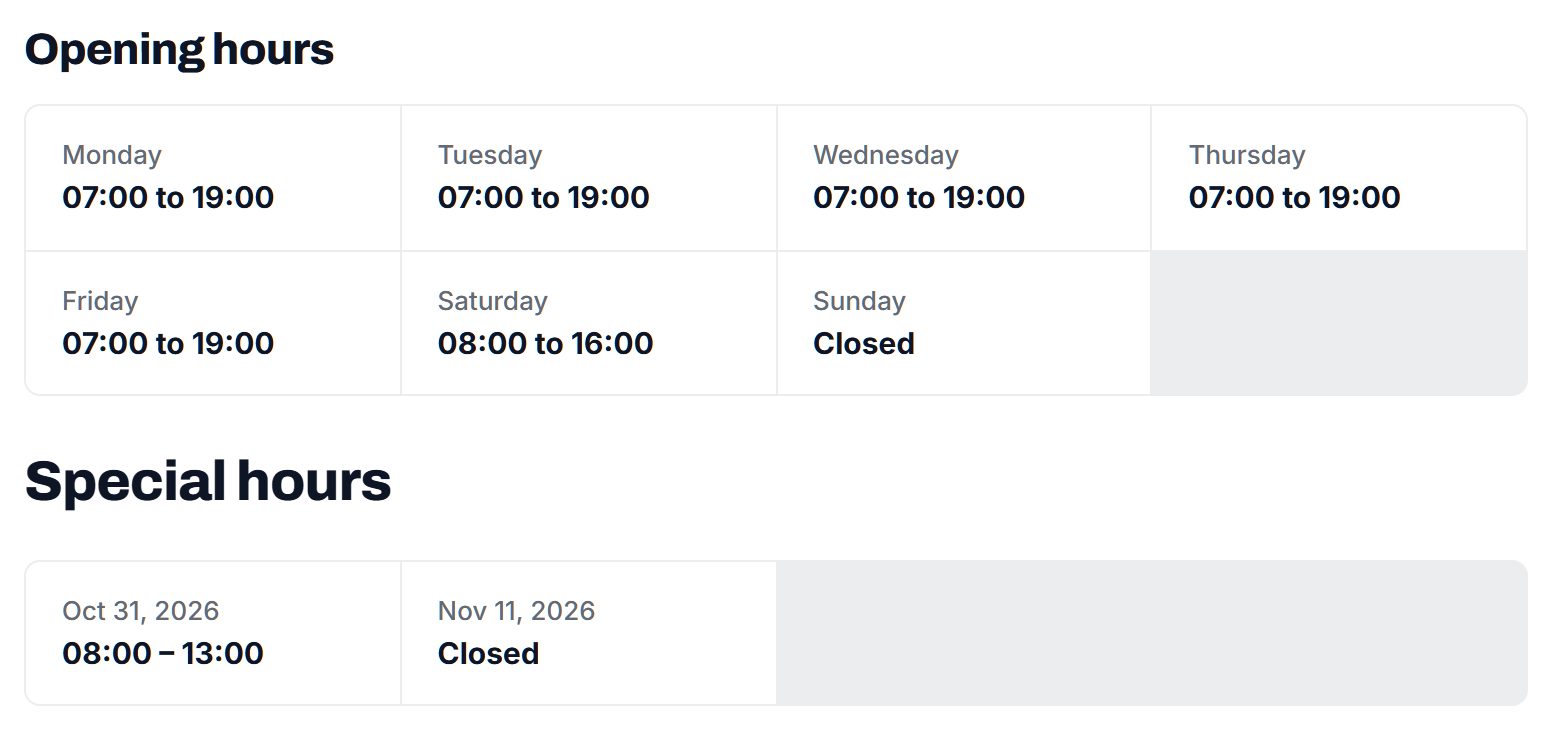
- Taproom hours: many breweries open only Thursday to Sunday, so this matters more than for most businesses.
- Food: full kitchen, rotating food trucks, snacks only, or bring your own food.
- Family and pets: kids allowed (and until what time), dogs allowed inside, outside or not at all.
- Tours: none, scheduled, by appointment, and whether they cost extra.
- To go: cans, crowlers, growler fills, and whether they ship beer where the law allows.
- Styles they are known for: hazy IPAs, lagers, sours, stouts, barrel-aged, gluten-reduced.
- Space: patio, beer garden, private room for groups, live music, games.
A free text field for "what to order first" gives each page personality. Ask the brewer, not the marketing manager.
| Category | Example listings | Fields visitors filter on |
|---|---|---|
| Taproom breweries | Production breweries with a tasting room | Taproom days, food trucks, dogs allowed, styles |
| Brewpubs | Breweries with a full restaurant | Kitchen hours, kids allowed, reservations, gluten-free options |
| Nano and farm breweries | Small-batch and rural farm breweries | Open days, outdoor space, tours by appointment |
| Cideries and meaderies | Cider houses, orchard cideries, mead makers | Tasting flights, orchard visits, dry or sweet styles |
| Brewery tours and trails | Guided bus tours, bike tours, ale trails | Stops included, group size, pickup points, price range |
Yclas directories handle opening hours and maps, and custom fields like dogs allowed or food trucks become search filters.
Earn from breweries and beer tourism, carefully, within alcohol advertising rules.
Breweries spend on marketing in small amounts: festival booths, merch, social media, the occasional ad in a regional beer magazine. Tour companies, hotels and visitor bureaus in beer towns spend more. Keep every brewery listed free, because a complete map is what visitors come for, and sell to the businesses that benefit from beer tourism.
What pays in a brewery directory
- Featured places on a city or region page, for breweries that want weekend visitors.
- Brewery memberships with photos, events, a tap list text and a badge.
- Group visit requests: a group describes its trip and it goes as a quote request to tour companies and breweries with private rooms.
- Banner spaces for tour operators, hotels, ride services and beer festivals.
- Sponsored trail pages paid for by a visitor bureau or a group of breweries.
Alcohol advertising is regulated in many places, with rules on targeting minors, health claims and how drinking is shown, and ad platforms have their own alcohol policies. Check the rules where you operate before selling ads, and do not sell or take orders for alcohol on the directory.
Visitor bureaus are often the best first customer: beer tourism is their job.
| Model | Works when | Switch it on |
|---|---|---|
| Featured places | Regional pages get weekend trip planners | When a region has more breweries than fit on one screen |
| Brewery memberships | Breweries want events and photos shown | After breweries start claiming pages unprompted |
| Group visit requests | Groups plan tours and private events | Once tour companies are listed and answer requests |
| Banner spaces | Hotels, tours and festivals want beer travelers | When you can show visitors per region |
| Sponsored trail pages | A town or bureau promotes its beer scene | As soon as you have one strong trail page |
Map every brewery in the region from public data, then let brewers fill in the rest.
Breweries are a countable group. Your goal is every one in your area, open or recently closed, before launch, because visitors judge a brewery guide on whether it has the place they visited last month.
Where the breweries come from
- State brewers guild member lists and maps: most states have a guild, and members are the breweries most interested in visitors.
- Federal permit lists: in the US, the Alcohol and Tobacco Tax and Trade Bureau publishes lists of permit holders. A permit does not mean a taproom is open, so check each one.
- Open datasets such as Open Brewery DB, a public list of breweries you can use as a starting point.
- Google Places import for "brewery" and "brewpub" in each county gives addresses, phone numbers and hours. No photos come across, so ask breweries for theirs.
- Beer festival exhibitor lists, which include new breweries before they appear anywhere else.
Getting brewers to claim
Brewery owners are busy brewing and pouring. Visit in a quiet weekday hour, buy a beer, and show them their page. The ones who claim add events and tap lists for you. Brewers can claim their page on Yclas and reply to reviews from visitors.
Taproom hours change with the seasons: recheck them every spring and fall.
Handle alcohol responsibly: age gates, drinking and driving, and honest reviews.
A brewery directory promotes places that serve alcohol, so it carries responsibilities a restaurant guide does not. Requirements differ by country and state, and some are rules for advertisers rather than for directories. Treat what follows as good practice, and check the rules where you operate.
Points to handle
- Age gate: many alcohol sites ask visitors to confirm they are of legal drinking age before entering. It may not be required for a directory, but it is expected in this niche and some advertisers will ask for it.
- Drinking and driving: brewery trails encourage visiting several places in a day. Put designated driver, ride service and tour bus options on every trail page.
- No alcohol sales: link to breweries' own shops if you like, but do not take orders or payments for beer. Shipping alcohol is tightly controlled.
- Health claims: keep descriptions to taste and style, never "healthy" or similar claims.
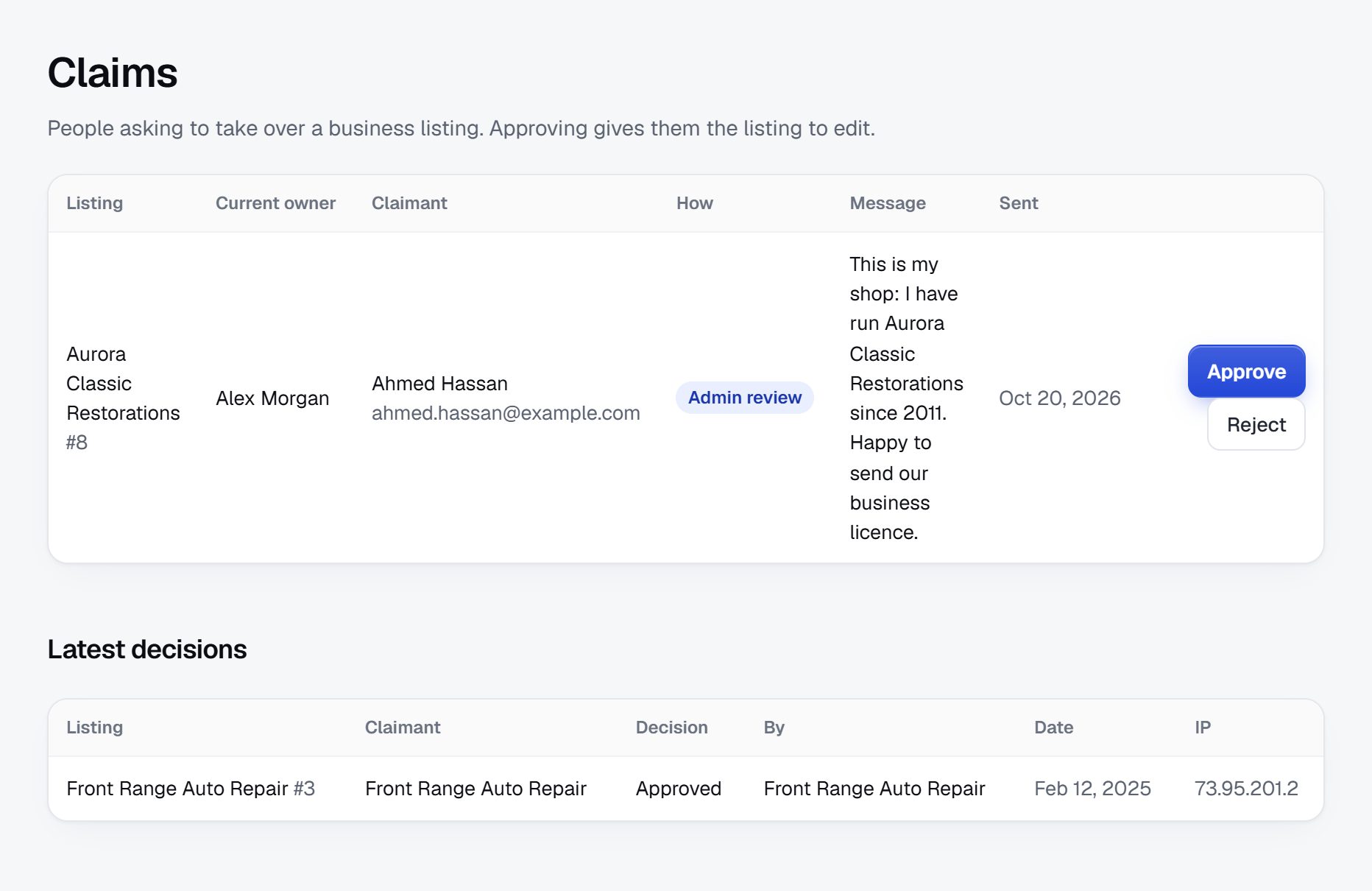
- Reviews: brewers and their friends reviewing themselves, rivals posting bad reviews. Hold reviews from new accounts and let owners reply.
- Kids and dogs: wrong information here causes real problems at the door. Show it as provided by the brewery and dated.
Publish a short page that explains your age policy, how you choose featured places and how reviews are moderated.
Rank for trip planning searches: beer towns, trails and "near me".
Brewery searches are about places and plans. People search before a trip, and again on their phone when they arrive.
Searches to target
- "breweries in Asheville" and "best breweries in Grand Rapids"
- "dog friendly breweries Denver"
- "breweries with food near me"
- "Vermont brewery tour" and "Hood River ale trail"
- "kid friendly breweries in San Diego"
- "breweries open Monday" plus the city
Pages to build
- City and region pages listing every brewery with a map, sorted so the closest cluster is easy to visit.
- Filter pages that match searches: dog-friendly, kid-friendly, with food, open Monday.
- Trail and itinerary pages: a one-day route with four breweries, drive times and a lunch stop.
- Brewery pages with hours, food, styles, what to order first and events.
Content ideas
- A weekend itinerary for each beer town you cover.
- New brewery openings each season.
- A guide to the region's beer festivals with dates and ticket info.
- Brewer interviews about one beer and why they make it.
Launch at a beer festival or when the patio season starts.
Beer drinkers gather at festivals and taprooms, and brewers talk to each other. A launch that starts there spreads by word of mouth.
The order that works
- List every brewery in your region and get the guild or a handful of well-known breweries to claim their pages first.
- Publish three itineraries for the region's best known beer towns.
- Print table cards or coasters with a QR code to the brewery's own page and leave them in taprooms that agree.
- Reach out to the visitor bureau and offer them a trail page to share.
- Get a booth or a table at a regional beer festival and show visitors the map.
Seasons that matter
Patio and beer garden season from spring, summer beer festivals, Oktoberfest events in September and October, and holiday releases and gift shopping in December. Most taproom traffic comes on weekends, so post new guides on Thursdays.
Launch checklist
- Every brewery in your region, with closed ones removed and hours checked.
- An age confirmation screen, and a drink-responsibly line on every trail page.
- Trail pages with ride service and designated driver advice.
- Review policy and how featured places work published.
- Terms of use, a privacy policy and SSL on your own domain.
A worked example: a taproom map for the Maine coast.
Consider a fictional directory called Tidewater Taproom Map, covering the coast of Maine from Portland up to the Penobscot Bay towns. The region has a dense cluster of breweries in and around Portland and a long string of small ones in harbor towns further north, many open only from late spring to early fall. Summer visitors drive Route 1 and want to know which taprooms are worth a stop between lobster shacks.
Categories
- Breweries
- Taproom breweries
- Brewpubs with kitchens
- Farm and nano breweries
- Other craft drinks
- Cideries
- Meaderies
- Getting around
- Brewery tours and shuttles
- Ride services and drivers
Two fields carry more weight here than in an inland directory: a season field (year-round, summer only, or reduced winter days) and a "reachable without a car" checkbox for taprooms within walking distance of a ferry, a bus stop or a downtown hotel.
Who it serves
Summer visitors planning a coast road trip, Portland residents looking for a Saturday out, groups booking a brewery shuttle for a wedding weekend, and the hotels and inns that get asked "where should we go for a beer?" at the front desk every evening.
How it started
The founder drove a brewery shuttle for three summers and kept being asked which taprooms were still open in October. He built the list from the state guild map, public business data and a federal permit list, then removed permit holders with no taproom. He visited every taproom over one spring, a few a day, and asked each for its winter days before the season ended. The launch was a printed coaster with a QR code, placed in 20 taprooms on Memorial Day weekend, and an itinerary for each of the main coastal towns.
How it makes money
Every brewery is listed free. Shuttle and tour companies buy featured places on the itinerary pages and receive group visit requests as quote requests. A membership gives breweries photos, an events list and a badge. The banners are sold to inns, a ferry operator and a summer beer festival, never to brands of spirits or anything aimed at younger audiences. A coastal visitor bureau sponsors the off-season page, "taprooms open all winter", which keeps traffic going in the quiet months and gives breweries a reason to keep their winter hours current.
Nothing is sold through the site: no beer, no tickets, no merchandise. That keeps the founder clear of alcohol sales rules, which he left to the breweries themselves.
| Place (fictional) | Type | Key details |
|---|---|---|
| Ledge Light Brewing | Taproom brewery, Portland | Open daily, food trucks Friday to Sunday, dogs on the patio, known for lagers |
| Kelp and Kettle Brewpub | Brewpub, harbor town | Full kitchen, kids welcome until 8 pm, summer only, walk from the ferry |
| Blueberry Barrens Farm Brewery | Farm brewery, inland | Weekends only, picnic tables, beers brewed with farm-grown fruit |
| Spruce Point Cider House | Cidery | Tasting flights of dry ciders, orchard walks in fall, year-round |
| Coast Road Brew Shuttle | Tour and shuttle | Four stops per tour, pickup at two hotels, private groups up to 14 |
The first 90 days, from guild list to a launch weekend.
A brewery directory has a natural deadline: the start of the busy season in your region, usually late spring. Count back 12 weeks from that weekend and you have your plan. The early weeks are desk work on lists and permits, the middle weeks are driving and drinking very little, and the last weeks are about getting the guide into taprooms and visitor centers where travelers pick up ideas.
Breweries are a short, countable list, so aim for completeness rather than volume. A visitor who finds the taproom they loved last summer missing will not trust the rest. Check every permit holder against reality: many brew for distribution only, some are not open yet, and a few closed without telling anyone.
Two outside partners make a big difference early: the state brewers guild, whose members want visitors, and the local visitor bureau, whose job is to bring them. Ask both for a meeting in the first month, so they can share the directory when you launch rather than months later. Bring a sample page and a draft itinerary to each meeting; a concrete page gets a faster yes than a description of an idea.
| Weeks | Focus | Done when |
|---|---|---|
| 1-2 | Set the region, categories and fields for hours, food, kids, dogs and season | Three brewers have looked at a sample page and say nothing is missing |
| 3-4 | Combine the guild list, permit list and public business data, remove duplicates | Every known brewery appears once, with permit-only ones flagged |
| 5-6 | Check each place by phone or visit, record taproom days and winter hours | No listing lacks taproom days, and closed ones are gone |
| 7-8 | Get claims from the best-known breweries and add events and photos | Twenty claimed pages, including the three busiest taprooms |
| 9-10 | Write itineraries for each beer town with drive times and ride options | Every itinerary has a lunch stop and a no-driving option |
| 11-12 | Place coasters or table cards, meet the visitor bureau, launch before the busy weekend | Cards are in at least 15 taprooms and the bureau has shared the map |
Ways to build a brewery directory, and what this niche asks of the software.
The software needs are clear. Taproom hours that differ by day and season, a map that can show a cluster of breweries and a driving order, filters for food, kids and dogs, claims so brewers can post events, reviews with owner replies, quote requests for group visits, and an age confirmation screen. The directory does not need a shop or checkout, and should not have one, because selling beer is tightly regulated.
Building with developers fits if you want something no directory does, such as a route planner that orders stops by drive time, or live tap lists pulled from each brewery's own system. Those are real projects with real maintenance, especially when breweries change how they publish tap lists.
A directory script or WordPress plugin on your own server works well for beer writers who already publish on WordPress. You control everything, including the age gate, but you also own spam, updates, backups and the slow pages that come from too many plugins.
A hosted builder such as Yclas brings opening hours, maps, claims, reviews with owner replies, quote requests and featured places without a server to run. Your time goes into the parts that make a beer guide good: visiting, writing itineraries and keeping winter hours current.
Whichever you choose, make sure custom fields can hold the details beer travelers care about, and that the map is quick on a phone in a parking lot, where most of your visitors will open it. Test it with the patchy signal of a rural road, not on office wifi.
| Route | Fits when | Watch out for |
|---|---|---|
| Custom build | You want a route planner or live tap lists | Ongoing integration work, launching after the season starts |
| Script or WordPress plugin | You already write about beer on WordPress | Plugin conflicts, age gate setup, map speed on phones |
| Hosted builder | You want the map live before patio season | Check that fields cover season, kids and dogs before you load data |
What a brewery directory costs to run.
The software is the smallest part of the bill. Most of the cost is your time in the first months: finding the first listings, answering questions and checking what gets posted.
Costs specific to a brewery directory include Google Places API usage for imports, a festival booth or table fee, printed coasters or table cards for taprooms, and a lot of driving between breweries. If you sell ads, budget time to check the alcohol advertising rules that apply to you.
| Cost | Typical range | On Yclas |
|---|---|---|
| Domain | $10 to $20 a year | Your own, with SSL included |
| Software and hosting | $0 to $100+ a month, plus plugins and updates | Starter $19 a month, Professional $99 |
| Design | $0 to $100 for a theme, or a designer | 109 looks included |
| Payment fees | About 3% per payment | Your Stripe or PayPal fees; Yclas takes nothing |
| Business data | Free if you collect it, or a few cents per page of Google results | Paid to Google, with your key |
| Your time | 5 to 10 hours a week at the start | Finding listings, moderation, support |
Mistakes that send beer travelers elsewhere.
- Copying permit lists without checking them. A federal permit means a business can brew, not that it has a taproom you can visit. Listing production-only breweries as places to visit sends people to locked warehouse doors. Mark them clearly or leave them out. The same goes for breweries that have announced a taproom but not opened it: list them only once the doors are open.
- One set of hours all year. Many taprooms cut days in winter and add them in summer, and seasonal towns close completely. Ask every brewery for winter and summer hours, and recheck at each change of season. Holiday weeks and private events close taprooms too, so let brewers post a closure note on their page.
- Itineraries with no plan for getting home. A route of four taprooms in an afternoon, with no word about drivers, shuttles or ride services, invites the kind of story nobody wants linked to their site. Put a transport option at the top of every itinerary.
- Selling ads to anyone who asks. Alcohol advertising has rules on targeting and content in many places, and some advertisers will push past them. Decide early which kinds of ads you accept, check the rules where you operate, and turn down the rest.
- Turning the directory into a beer rating site. Rating apps already log individual beers in great depth. Your value is the visit: hours, food, families, dogs, space and routes. Leave beer scores to them. Reviews on your site should be about the visit: the space, the service, the food truck and whether it suited the group.
- Wrong kids and dogs information. A family turned away at the door, or a dog owner told to leave the dog in a hot car, will remember the directory that sent them. Show these details as provided by the brewery, with the date they were confirmed.
- Ignoring cideries, meaderies and farm breweries. Visitors planning a day often mix them in, and smaller places are the discoveries people share. Include them as their own categories so beer purists can still filter them out.
- Visiting brewers on a Saturday afternoon. That is their busiest few hours. Go on a weekday when the taproom has just opened, buy something, and ask for five minutes. Bring the page ready on your phone so the brewer only has to correct it.
- Launching after the summer festivals. The traffic that makes or breaks a beer guide comes from spring to early fall. A launch in November means months of silence before anyone tests the idea. Aim to be live before the first warm weekend.
Brewery terms a directory founder should know.
These words turn up in brewery profiles, guild lists and the questions visitors ask.
| Term | What it means |
|---|---|
| Taproom | A bar at the brewery where its own beer is served to visitors. |
| Brewpub | A restaurant that brews beer on site and sells most of it in its own dining room. |
| Nanobrewery | A very small brewery making beer in small batches, often with limited taproom hours. |
| Flight | A set of small pours, usually four to six, for tasting several beers. |
| Growler | A refillable jug, often 64 ounces, filled from the tap to take home. |
| Crowler | A large can filled and sealed at the taproom for takeaway. |
| Can release | A day when a brewery sells a new or limited beer in cans, sometimes with lines. |
| Tap takeover | An event where one brewery takes over most of the taps at a bar or another brewery. |
| ABV | Alcohol by volume, the share of alcohol in a beer. |
| IBU | International Bitterness Units, a measure of how bitter a beer is. |
| Barrel-aged | Beer aged in wooden barrels, often ones that held spirits or wine. |
| Contract brewing | One company brewing beer for a brand that has no brewery of its own. |
| Brewer's Notice | In the US, the federal permit that allows a business to brew beer. |
| Three-tier system | The US setup that separates brewers, distributors and retailers, with exceptions that vary by state. |
The same steps for a brewery directory on Yclas.
- Describe your directoryThe setup wizard writes the categories, an About page and example listings from one sentence.
- Add fieldsHours, services, areas served, prices: the details people search by, as filters.
- Fill itImport businesses from a spreadsheet or Google Places, then check them.
- Bring owners inOwners claim their page, update it and answer reviews.
- EarnSwitch on featured places, banners or memberships when visits arrive.
What should I budget for before a brewery directory makes money?
Beyond hosting and a domain, plan for a modest Google Places API bill, a festival booth fee, printing for taprooms, and fuel for brewery visits. Most of the work is time.
Do I need an age gate on a brewery directory?
It depends on where you operate and whether you carry alcohol advertising, so check the rules that apply to you. Many beer sites use one anyway, and some advertisers expect it.
Are there special rules for advertising breweries?
In many places alcohol advertising has rules on targeting minors, claims and placement, and ad platforms have their own policies. Check the rules where you operate before selling ads to breweries.
Can I sell beer or tour tickets on the directory?
Do not sell beer: alcohol sales and shipping are tightly regulated. For tours, list the tour companies and send group requests to them, rather than taking payments yourself.
Where do I find a list of breweries to start with?
State brewers guild member lists, US federal permit lists, open datasets such as Open Brewery DB, and a Google Places import for your area. Check every entry, because permits and datasets include places that have closed or never opened a taproom.
How do I compete with beer rating apps?
Rating apps log beers. Your directory plans visits: hours, food, kids, dogs, tours and routes for one region, kept current.
How will breweries pay me if they have small budgets?
Many will not pay much. Sell featured places and memberships to the ones that want visitors, and sell larger sponsorships to tour companies, hotels and visitor bureaus.
Should I list breweries that do not have a taproom?
Only if you mark them clearly, for example "beer available in stores, no visits". Most visitors want places they can go, so a separate category or a filter keeps them from planning a trip to a closed door. Beer fans still like to see them, because they explain where a beer on a store shelf comes from.
Can I show tap lists on brewery pages?
A short "usually pouring" text written by the brewery works well. Live tap lists change daily and go stale fast unless the brewery updates them, so do not promise what is on tap today. Point visitors to the social accounts of the brewery for the latest list.
How do I handle breweries that close for the winter?
Keep the page, mark it as seasonal with the expected reopening month, and hide it from "open now" searches. A short note such as "back in May, follow their page for the opening date" saves visitors a wasted drive. Removing it would lose its reviews and its place in search results.
Is it fine to include cideries, meaderies and distilleries?
Cideries and meaderies fit well because visitors mix them into the same day. Distilleries may bring different advertising and age rules, so check the rules where you operate before adding them. Start with beer and cider, and add others once the core map is complete and current.
How do I make sure my itineraries are responsible?
Keep stops to a sensible number, add food stops, list shuttles, tours and ride services first, and include a line that encourages a designated driver. Never frame an itinerary around how much people can drink. Suggest flights or half pours, and list a nonalcoholic option where the brewery offers one.
Related pages.
The parts of Yclas this leans on.
You know the breweries and the routes. Now build your brewery directory.
Describe your site in a sentence and the setup wizard writes the categories, example listings and a look. Free for 15 days, no credit card.
Start my directory