How to build a hotel and B&B directory that helps guests find the right place to stay in one region.
This guide is for founders who want to run the directory of places to stay in one region: small hotels, inns, bed and breakfasts, guest houses and cabins. It covers who searches a regional lodging guide and why, the details guests filter on, how the site earns without taking booking commissions, where the first properties come from, the risks, search and a launch timed to the busy weekends.
Free for 15 days · No credit card · Plans from $19 a month
Small inns pay large commissions to be found, and guests still cannot compare them well.
Independent hotels, inns and bed and breakfasts depend on the big booking sites for many of their guests, and pay a commission on every booking those sites send. Guests, for their part, scroll through hundreds of results ranked partly by what each property pays, and still cannot easily answer simple questions: which inns in this village allow dogs, which B&Bs serve a cooked breakfast, which ones have a ground-floor room.
A regional lodging directory answers those questions for one area, and sends the guest to the property to book directly. Owners like that, because a direct booking costs them nothing.
Who searches it
- Couples looking for a romantic inn or an adults-only B&B for a weekend.
- Families and groups who need connecting rooms, a whole house or a cabin with a kitchen.
- Dog owners, who are badly served by most filters.
- Event guests for a wedding, a graduation or a race weekend, often needing a block of rooms.
- Business and contract travelers who stay for weeks.
Pick the angle
Choose a region that visitors name when they search: a wine country, a coastline, a group of mountain towns. Then decide whether to cover every kind of stay or only independent ones. Leaving out the large chains is a clear angle: "every independent place to stay in the valley" is a promise guests understand.
Your value to owners is direct contact with guests. Your value to guests is honest filters.
Sort by type of stay, then filter on what guests ask before they book.
Keep categories to the type of property; the details that decide a stay go into fields. Guests filter for pets, breakfast and room types far more than for star ratings.
- Number of rooms as a number, so guests can choose between a three-room B&B and a forty-room hotel.
- Price band per night as a dropdown, with a note that rates vary by season.
- Breakfast as a dropdown: none, continental, cooked, included or extra.
- Pet policy: no pets, dogs welcome, dogs in some rooms, with a fee or not.
- Guests as checkboxes: adults only, families welcome, groups, long stays.
- Accessibility as checkboxes: ground-floor room, step-free entrance, accessible bathroom, elevator.
- Amenities as checkboxes: free parking, EV charging, hot tub, kitchen, Wi-Fi, air conditioning.
- Minimum stay as a number of nights, and check-in from and check-out by times.
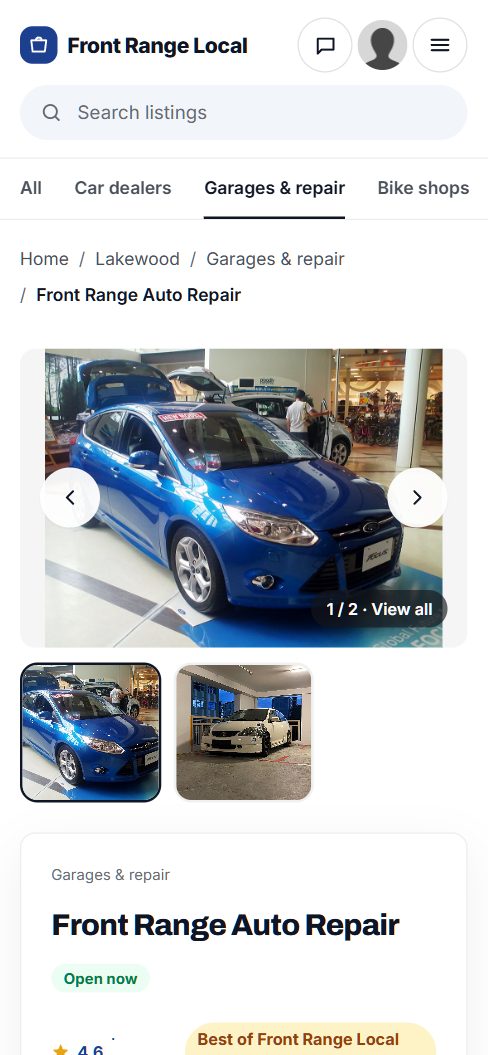
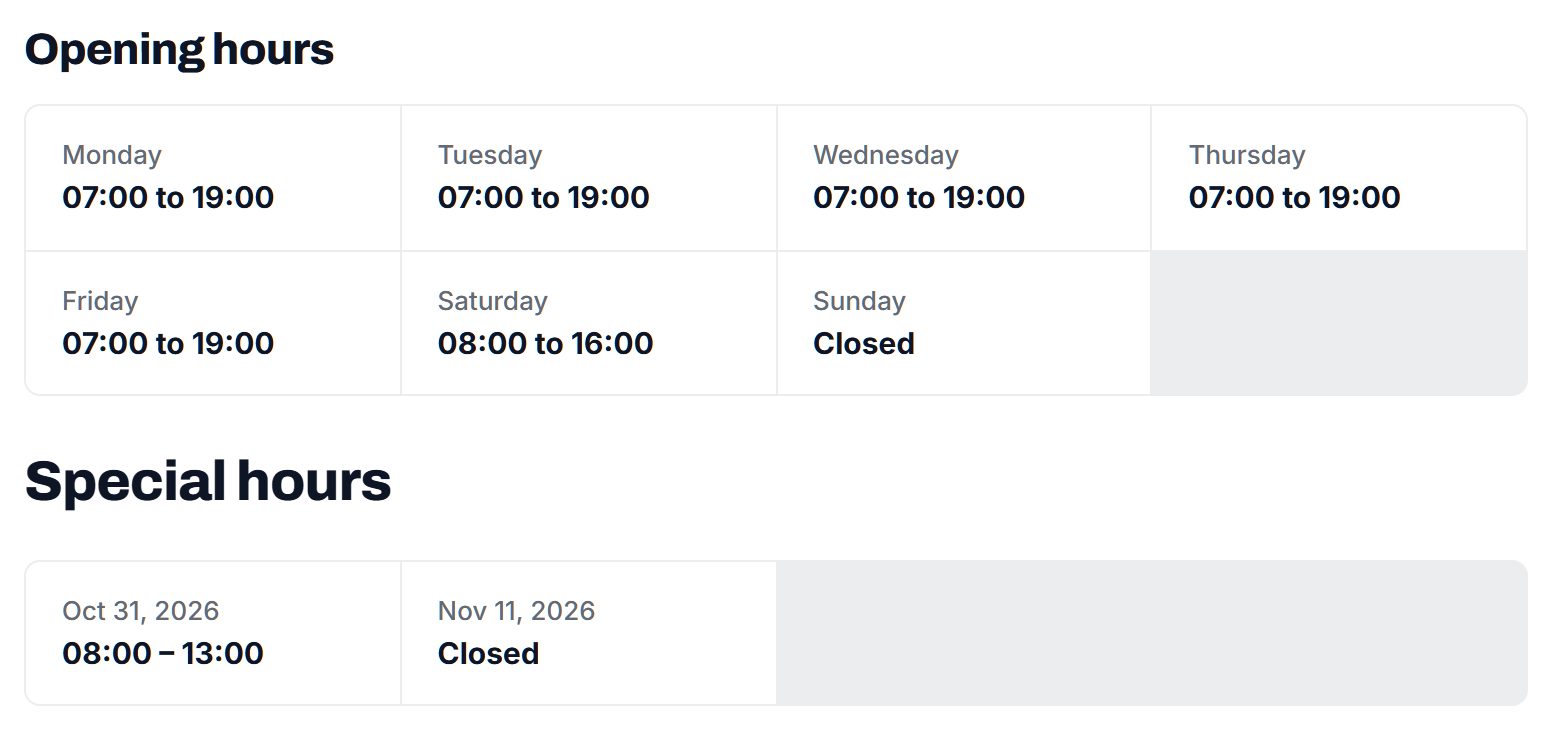
Opening hours matter for the front desk or office, and seasonal closing dates matter for inns that shut in winter.
| Category | Example properties | Fields guests filter on |
|---|---|---|
| Bed and breakfasts | Owner-run B&Bs, historic homes, farm stays | Breakfast, adults only, rooms, pet policy |
| Inns and boutique hotels | Country inns, small hotels, restaurant with rooms | Price band, accessibility, amenities, rooms |
| Hotels and motels | Independent hotels, roadside motels, small chains | Price band, parking, EV charging, pet policy |
| Cabins and cottages | Lake cabins, mountain cottages, tiny houses | Hot tub, kitchen, dogs welcome, minimum stay |
| Guest houses and hostels | Guest houses, hostels, rooms above a pub | Price band, shared or private bath, long stays |
| Group and event stays | Lodges, whole houses, venues with rooms | Rooms, groups, minimum stay, event friendly |
Pet policy and breakfast type are the two dropdowns guests use most, so add them before anything else.
Charge for visibility and leads, not a commission on every stay.
Owners of small properties know exactly what the big booking sites cost them. A directory that charges a predictable amount for visibility, and sends guests to book direct, is an easy pitch once it brings real inquiries.
List every property free so guests can trust the directory is complete. Then sell featured places on the busiest pages: the town pages, the pet-friendly page, the romantic weekend page. The weeks before peak season, and before big event weekends, are when owners want to be seen.
Group requests are the most valuable lead. A couple planning a wedding needs twenty rooms near the venue; a cycling club needs eight rooms for a race weekend. One request sent to the properties that fit is worth a lot to a small inn.
Yearly memberships suit owners who want a verified badge, a complete profile and priority on group requests. Banners suit businesses that sell to every guest: restaurants, wineries, spas, wedding venues and tour operators.
Promise owners one thing: guests who contact them directly. Then measure it for them.
| Model | Works when | Switch it on |
|---|---|---|
| Featured properties | Town and filter pages draw steady guest searches | Before your region's first busy season |
| Owner memberships | Inns and B&Bs want a badge and a full profile | Once 40 or more properties have claimed pages |
| Group and event requests | Wedding couples and organizers use the site for room blocks | From launch, for properties that take groups |
| Banner spaces | Restaurants, spas and venues want overnight guests | When town pages have regular weekend traffic |
| Event weekend pages | A festival, race or graduation sells out the region | A few months before each big event |
Inn associations, tourism lists and a lodging import give you the first properties.
Places to stay are easy to find but slow to describe well. The import gives you the list; the owners give you the details guests care about.
Where to look
- A Google Places import for lodging, hotels, motels, inns and bed and breakfasts in your region. You will remove closed places and some short-term rentals listed as businesses.
- State and regional B&B and inn associations, which publish member lists.
- The tourism office's lodging list and the chamber of commerce directory.
- Wedding venues, which keep lists of nearby places that host their guests.
- Campground and cabin associations for the rustic end of the market.
Get owners to claim their page
B&B owners answer email in the evening and the phone in the late morning, after breakfast service and before check-in. Send each one a link to their page and ask them to confirm three things: pet policy, breakfast and accessibility. Owners who see their inn described accurately, next to their competitors, usually want to fill in the rest.
Offer to add their direct booking phone number and website in the description, since that is the reason they will care.
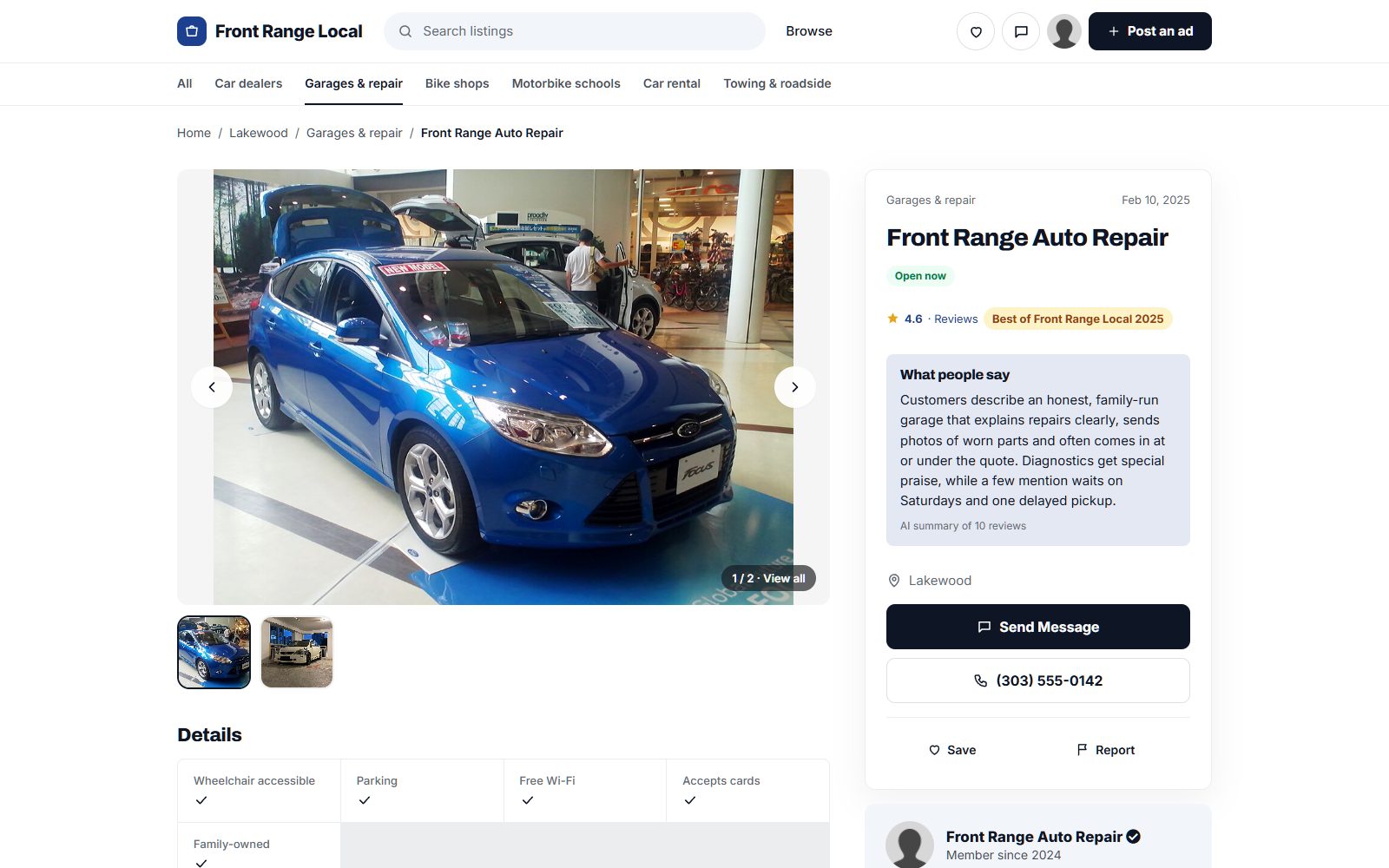
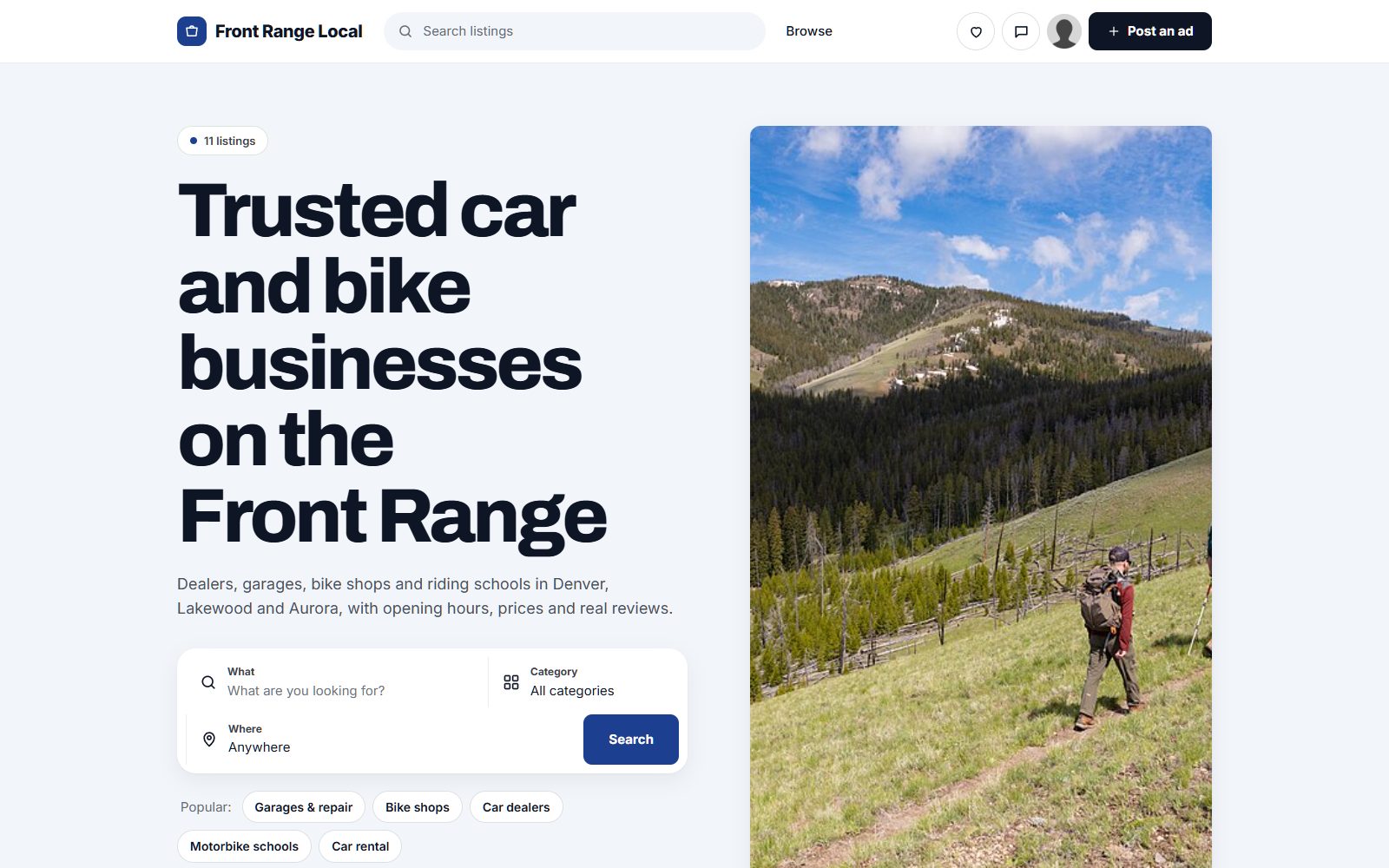
With Yclas, lodging can be imported from Google Places using your own Google key, owners claim their page, and guests leave reviews that owners can answer.
Fake rentals, review fights and permits are the risks in a lodging directory.
Guests send deposits to people they have never met, for rooms they have never seen. That is why lodging attracts some of the most common travel scams, and why a directory must be careful.
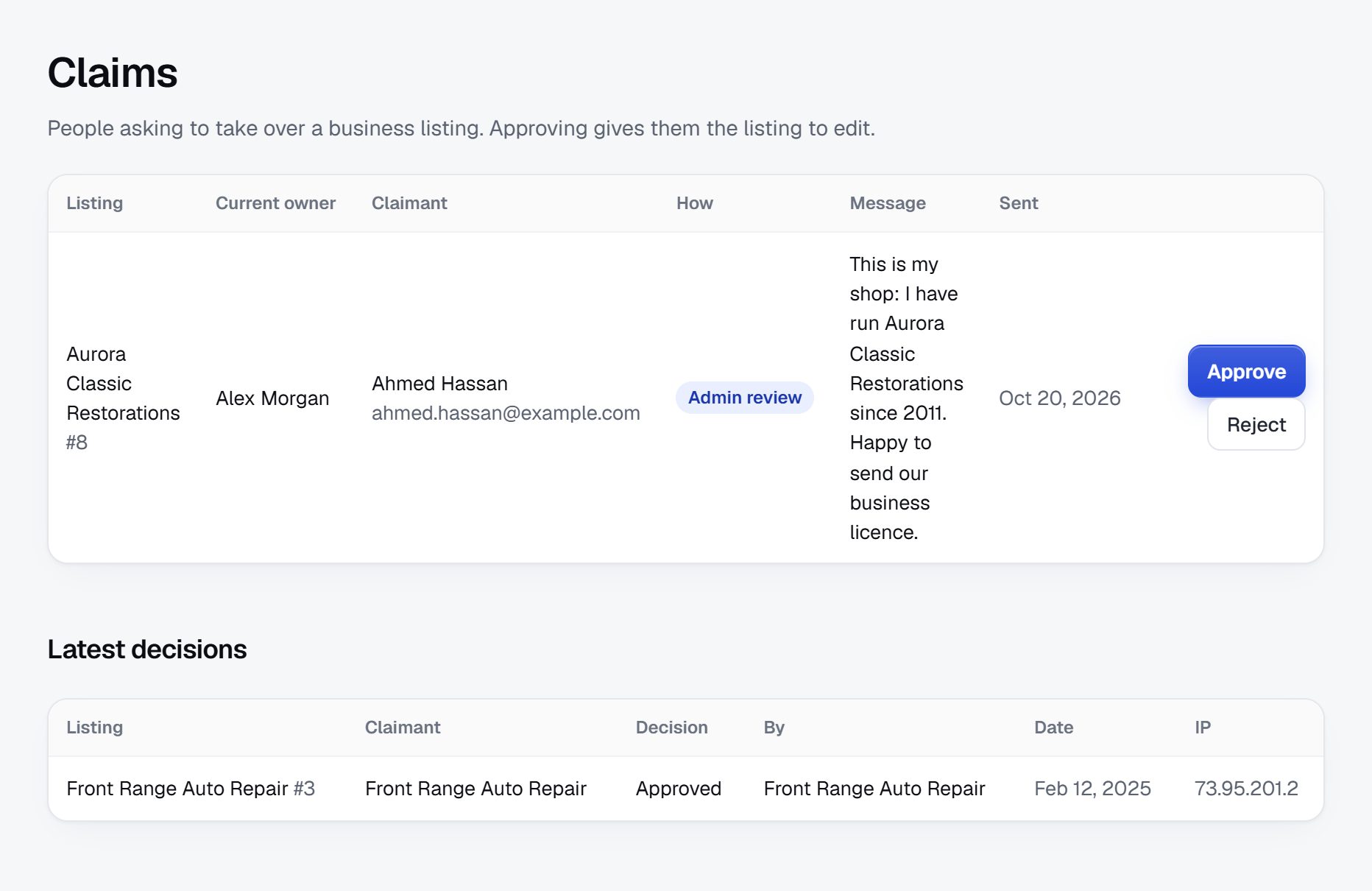
- Cloned listings: scammers copy a real inn's photos and description, list it under a new name, and ask for a deposit by wire or payment app. Only show claimed pages as verified, check that the owner's contact details match the property's known phone and website, and warn guests never to pay by wire or gift card.
- Fake owners claiming a page: before approving a claim, call the property on its public number.
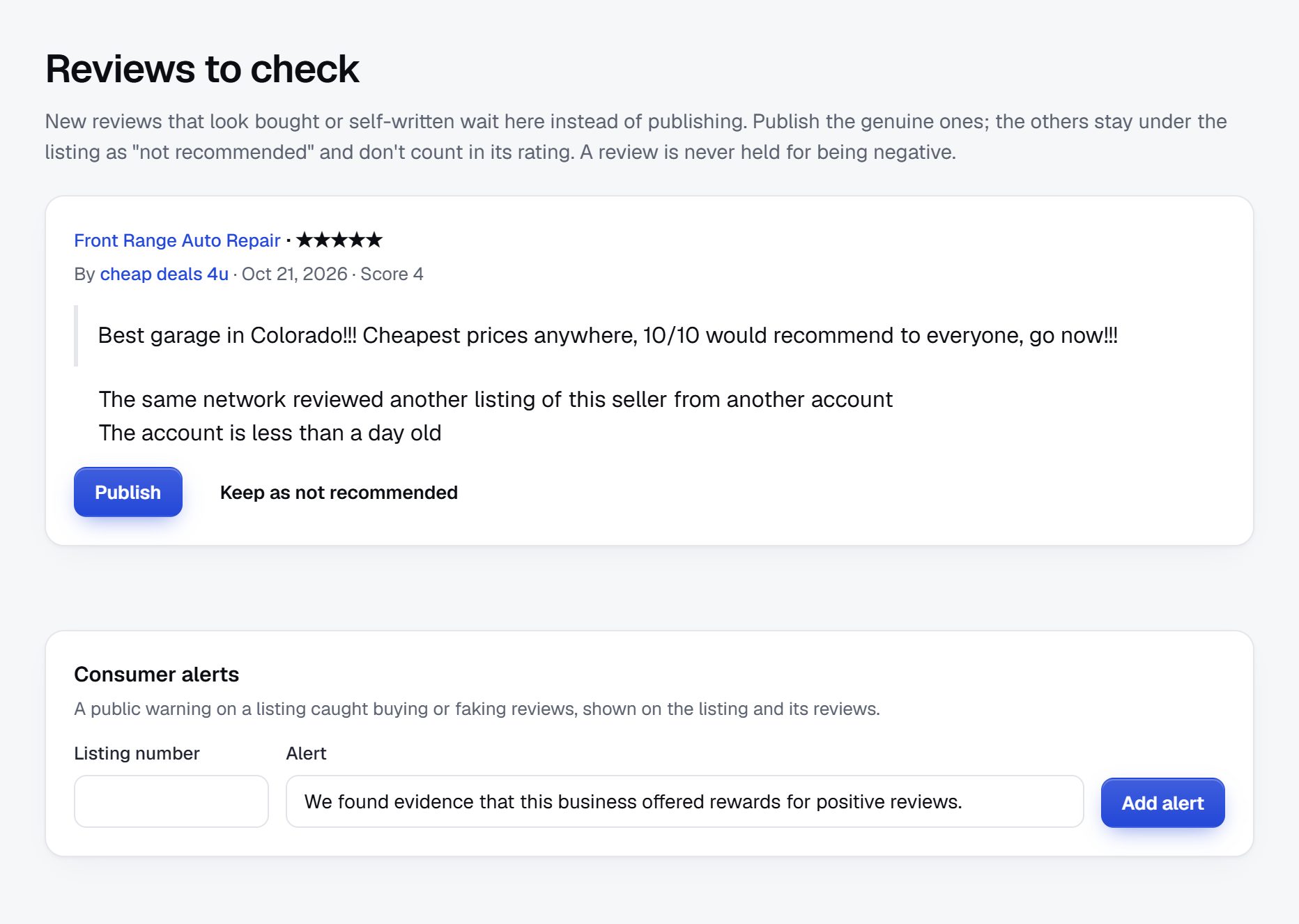
- Review fights: small inns care intensely about reviews, and some will attack a neighbor's page. Hold reviews from new accounts for moderation, let owners reply, and remove any review that names a competitor.
- Permits and short-term rentals: many towns require permits or registration for B&Bs and short-term rentals, and some limit them. Check the rules where you operate, and consider asking for a permit number in places that require one.
- Accessibility claims: guests who need an accessible room rely on these details. Ask owners to describe the room plainly, with door widths or step counts if they can, rather than just ticking a box.
Show plainly that guests book with the property, so nobody expects your site to handle refunds.
Win the narrow lodging searches that the booking sites answer with a long list.
The booking sites own "hotels in [city]". They answer narrower questions badly, and those narrower questions are where a regional directory wins visitors.
Searches to target
- "bed and breakfast [town]" and "B&B near [landmark]"
- "pet friendly hotels [region]" and "dog friendly cabins [lake]"
- "romantic inn [valley]" and "adults only B&B [state]"
- "cabins with hot tub near [park]"
- "where to stay for [festival or race]" and "hotels near [wedding venue]"
Pages to build
- A page per town and type: B&Bs in each village, cabins on each lake.
- Filter pages that match searches: pet friendly, adults only, with breakfast, accessible rooms.
- Event pages for the weekends that sell out, published months ahead, with group request forms.
- Venue pages listing the places to stay near each wedding venue.
- Guides: choosing between an inn and a cabin, what B&B etiquette guests should expect, staying in the region off season.
Short owner interviews make good content: the history of the house, what guests ask for, the best local breakfast spot when they are not cooking.
Sign owners up in the quiet months, launch before the first sold-out weekend.
Inn owners have time in the off season and none at all in peak weeks. Do the sign-up work in the quiet months, and go live with complete town pages a few months before the busiest weekends, when guests start looking.
First area
Start with the town or valley visitors know best, and cover every place to stay there. Twenty accurate pages with pet policy, breakfast and accessibility filled in will beat any national site on those filters.
Partners
- The regional B&B or inn association, which may value a public directory of its members.
- Wedding venues and planners, who field room block questions every week.
- Event organizers for races, festivals and college graduations that fill the region.
- Restaurants and wineries whose guests ask where to stay.
Checklist
- Property types and the guest fields set up.
- Lodging imported and cleaned of closed places.
- Pet policy, breakfast and accessibility confirmed with each owner.
- Claims checked by calling the property's public number.
- Event weekend pages published three to six months ahead.
- Group request form tested with a real wedding couple or organizer.
A worked example: Bramble Gate Stays, the Shenandoah Valley of Virginia.
Think of Bramble Gate Stays, a fictional directory of independent places to stay in the Shenandoah Valley: historic B&Bs in the old towns, cabins near the national park, roadside motels along the old highway and farm stays among the orchards. The founder and her husband ran a two-room B&B for eight years and watched a large share of every booking go to commission. She built the directory she wished had existed for her own inn, one that sends guests to call or email the owner directly.
Categories
- B&Bs and inns
- Historic B&Bs
- Country inns
- Farm stays
- Hotels and motels
- Independent hotels
- Roadside motels
- Cabins and cottages
- Mountain cabins
- River cottages
- Group stays
- Lodges and whole houses
- Stays near wedding venues
Who it serves
Couples from the Washington, DC area looking for a weekend away, hikers who want a cabin close to the trailheads, dog owners who are tired of vague pet policies, and wedding guests attending the barns and wineries that dot the valley. Wedding couples are a small group with a big effect, because one couple may need twenty rooms across four properties.
How it started
Over one winter she imported lodging from Places for each county, removed the closed properties and the chain hotels, and added the members of the state B&B association. In January and February she phoned every owner after breakfast service, asking about pets, breakfast and accessibility, and offering to write their page while they talked. She approved each claim only after calling the property's public number. The site went live in March, before spring wedding season, with 120 properties and 70 of them claimed. The owners who claimed first were mostly small inns with fewer than six rooms, the places most dependent on the large booking sites.
How it makes money
Nothing on the site is a booking, and that is the pitch: guests contact the property, and the property keeps the whole rate. Owners pay for featured spots on the busiest pages, such as dog-friendly cabins and romantic weekends. Inns that host events buy a yearly membership for priority on group requests. Two wineries and a wedding barn hold banner spaces, and the valley's fall festival weekend has its own sponsored page each year.
Every paid product is sold as visibility or leads. None of it depends on tracking a booking.
| Property | Price per night | Key details |
|---|---|---|
| Linden House B&B (Historic B&Bs) | $160 to $240 | Four rooms; cooked breakfast included; adults only; two-night minimum on weekends |
| Riverbend Cabins (River cottages) | $140 to $210 | Six cabins with kitchens and hot tubs; dogs welcome in two cabins for a fee; check-in from 4 pm |
| Old Pike Motor Court (Roadside motels) | $85 to $120 | Restored motel; free parking and EV charging; ground-floor rooms with step-free entry |
| Cedar Run Farm Stay (Farm stays) | $120 to $180 | Three rooms in a farmhouse; continental breakfast with farm eggs; families welcome; closed in January |
| Ridgeview Lodge (Lodges and whole houses) | $650 to $900 for the house | Sleeps 18; two-night minimum; event friendly; ten minutes from two wedding venues |
These properties and rates are invented for the example; real rates move with the season.
The first 90 days: phone calls in the quiet months, live before the wedding season.
For most regions, the 90 days should finish before the first busy run of weekends, which in many US areas means spring weddings and graduations, or the summer holidays at a lake or beach. Start in the quietest stretch of the off season, when innkeepers have empty rooms and time to talk. In a ski region the calendar flips, and the quiet months are late spring and early fall.
Most of the plan is calls. Imports give you names and addresses, but the details guests filter on, pets, breakfast, accessibility, minimum stays, only come from the owners. Plan on reaching each property more than once, and on visiting a few, because an owner who has met you is far more likely to claim the page and keep it current.
Leave a full block of time for checking claims. Approving a claim without calling the property's public number is how cloned listings get onto lodging sites, and one fake inn that takes a deposit can undo months of trust. Finish with real group requests: they show owners, in their own inbox, why the directory is worth their time.
| Weeks | Focus | Done when |
|---|---|---|
| 1 to 2 | Choose the region and set up property types, pet policy, breakfast, accessibility and minimum stay fields | Fields reviewed by two innkeepers who would use them |
| 3 to 4 | Import lodging by county and add association and tourism office lists | One clean list with closed places, chains you exclude and duplicates removed |
| 5 to 7 | Phone owners to confirm pets, breakfast, accessibility and seasonal closing | Most properties confirmed and every claim checked against the public phone number |
| 8 to 9 | Publish town pages and filter pages for pets, adults only, breakfast and accessible rooms | Each town and filter page has at least five confirmed properties |
| 10 to 11 | Build event weekend and wedding venue pages with group request forms | Pages live for the next three sold-out weekends and the five busiest venues |
| 12 | Send real group requests from couples and organizers you know | Two requests answered by at least three properties each |
Ways to build a lodging directory, and why you can skip the booking engine.
The first temptation is to add live availability and booking. Resist it. A booking engine means connecting to each property's reservation system, handling payments, refunds and complaints, and competing head-on with the largest companies in travel. A directory that sends guests to book directly needs none of that, and owners like it precisely because it stays out of the money.
What a lodging directory does need is honest filters, claim checks, reviews with owner replies, maps, and a group request that reaches several properties at once.
Developers building it from scratch makes sense if you want features beyond a directory, such as availability pulled from property systems. That work is complex and ongoing, and it changes the business you are in, from sending guests to owners into handling reservations for them.
A directory script or WordPress plugin on your own server gives you control and many themes. You handle the hosting, updates and backups, and you need a way to verify claims and hold reviews from new accounts, since lodging attracts both fake owners and review fights.
A hosted builder such as Yclas provides claimed pages, reviews with owner replies, maps and quote requests sent to businesses, without running a server. There is no live availability, which suits a directory where guests contact the property anyway.
Build the directory owners wish existed: one that sends them guests and never sits between them and the payment.
| Route | Fits when | Watch out for |
|---|---|---|
| Custom build with developers | You want availability feeds or features no directory tool has | Reservation system connections, ongoing cost, and becoming a booking site by accident |
| Script or WordPress plugin on your server | You run WordPress already and want control of every detail | Claim checks, review spam and plugin updates you manage yourself |
| Hosted builder | You want claims, owner replies, maps and group requests ready for the season | No live availability, so make clear that guests contact the property |
| A shared list from the inn association | A regional association wants a simple public list of members first | Members only, no filters or reviews, and nobody owns keeping it current |
What a hotel and B&B directory costs to run.
The software is the smallest part of the bill. Most of the cost is your time in the first months: finding the first listings, answering questions and checking what gets posted.
Costs include Google Places API usage for the lodging import, the time to phone each property when checking claims, and perhaps a membership or vendor table at a state inn association meeting.
| Cost | Typical range | On Yclas |
|---|---|---|
| Domain | $10 to $20 a year | Your own, with SSL included |
| Software and hosting | $0 to $100+ a month, plus plugins and updates | Starter $19 a month, Professional $99 |
| Design | $0 to $100 for a theme, or a designer | 109 looks included |
| Payment fees | About 3% per payment | Your Stripe or PayPal fees; Yclas takes nothing |
| Business data | Free if you collect it, or a few cents per page of Google results | Paid to Google, with your key |
| Your time | 5 to 10 hours a week at the start | Finding listings, moderation, support |
Mistakes that cost a lodging directory the trust of owners and guests.
- Promising availability you cannot show. A "check availability" button that only opens an email form disappoints guests and annoys owners who get flooded with vague inquiries. Call it what it is, contact the property, and ask guests for dates and party size up front. Owners answer complete inquiries quickly and ignore vague ones.
- Approving the first claim that arrives. Scammers claim real inns to collect deposits. Call the number the property publishes on its own signage or long-standing listings, never the one in the claim form. Ask the person who answers to confirm the claim by email from the inn's known address.
- Filling pages with chain hotels. Chains make the list look long, but guests looking for an inn do not want them first, and the chains will not claim their pages. Leave them out or keep them in a clearly separate category. A shorter list of independent places is a promise guests understand.
- Reducing pets to one checkbox. "Pet friendly" can mean one small dog in one room for a nightly fee. Use a dropdown and a short text field, so the guest with two large dogs knows before calling. Ask about size limits, the number of pets per room and whether dogs may be left alone in the room.
- Ignoring seasonal closures. Many inns close for weeks in winter, and some cabins only open in summer. A closed property at the top of a page is a wasted inquiry, so ask owners for closing dates every fall and hide closed properties from the filter pages while they are shut.
- Inventing your own star ratings. Ratings you make up imply inspection you have not done. Show guest reviews, owner replies and the facts owners confirmed, and leave grading to official schemes where they exist. Guests trust a plain description of the room more than a number you invented.
- Charging a fee per booking. Bookings happen off your site, so you cannot count them, and owners will dispute every invoice. Charge for featured placement and memberships, priced by the season or the year. Owners can plan around a known cost; they resent a bill they cannot check.
- Missing the big weekends. Graduations, festivals and races fill a region months ahead, and guests search early. Publish event weekend pages three to six months before, or the rooms are gone before you are found. Ask organizers to share the page with their participants.
- Adding vacation rentals without checking local rules. Many towns require permits or limit short-term rentals. Check the rules where you operate before you open that category, and ask for a permit number where one is required.
Lodging terms a directory founder should know.
Words innkeepers, hotel managers and wedding planners will use with you.
| Term | What it means |
|---|---|
| OTA | Online travel agency: a large booking site that takes a commission on each reservation. |
| Direct booking | A reservation made with the property itself, by phone, email or its own website, with no commission. |
| Innkeeper | The owner or manager who runs a B&B or small inn, often living on site. |
| Room block | A set of rooms held for a wedding or event, which guests book under the group's name. |
| Attrition | The share of a room block a group may release without penalty, set in the block agreement. |
| Minimum stay | The fewest nights a property accepts for a booking, often two on weekends and more on holidays. |
| Rack rate | A property's standard published price for a room before discounts or packages. |
| Rate parity | The practice of offering the same room price on every sales channel, sometimes required by booking site contracts. |
| Property management system | The software a hotel or inn uses for reservations, check-in and billing, often called a PMS. |
| Channel manager | Software that sends a property's rooms and prices to several booking sites at once. |
| Accessible room | A room designed for guests with disabilities, with features set by the accessibility rules where the property operates. |
| Short-term rental | A home or apartment rented by the night, often regulated or permitted separately from B&Bs. |
| Occupancy tax | A tax charged on overnight stays, collected by the property under local rules. |
| Shoulder season | The quieter weeks either side of peak season, when owners have time and often lower rates. |
The same steps for a hotel and B&B directory on Yclas.
- Describe your directoryThe setup wizard writes the categories, an About page and example listings from one sentence.
- Add fieldsHours, services, areas served, prices: the details people search by, as filters.
- Fill itImport businesses from a spreadsheet or Google Places, then check them.
- Bring owners inOwners claim their page, update it and answer reviews.
- EarnSwitch on featured places, banners or memberships when visits arrive.
How much do I need to launch a hotel and B&B directory?
Budget for a domain, a lodging import and many phone calls. A table at the regional inn association's meeting is optional but puts you in front of many owners at once.
Do I need permission to list a hotel or B&B?
A property's name, address and phone number are usually treated as public, but check the rules where you operate, get the owner's consent before showing their photos, and take a page down on request.
Can guests book rooms on my site?
Guests contact the property or send a group request through the site, and the booking happens with the property. That is part of your pitch: no commission.
How do I stop fake rental listings?
Verify every claim by calling the property's public number, show which pages are verified, and warn guests never to pay deposits by wire or gift card.
How does a lodging directory make money?
From featured properties, owner memberships, group and event requests, banners for restaurants and venues, and event weekend pages.
Should I include vacation rentals?
You can, as a category, but check local short-term rental rules first, and consider asking for a permit number where one is required.
How can I compete with the big booking sites?
Do not compete on general hotel searches. Win the narrow ones, like dog-friendly cabins or B&Bs near a wedding venue, and offer owners guests who book direct.
Should I show room rates on property pages?
Show a price band per night rather than exact rates, since rates change by season, weekday and event. Owners are more comfortable with a range, and guests still get a fair idea before they call. Ask owners to review their band each year, since a band that is too low leads to awkward calls.
Should I include chain hotels?
Most regional directories do better leaving them out or putting them in a separate category. Your strength is independent places guests cannot easily compare elsewhere, and chains rarely claim or update their pages. If you do include them, keep them out of the B&B and inn pages.
Can I charge properties a referral fee?
It is hard, because the booking happens off your site and you cannot see it. A fixed price for featured placement or a yearly membership is easier to sell and causes far fewer arguments.
How do I check accessibility details?
Ask owners for specifics: steps to the entrance, door widths, grab bars, a roll-in shower. Show the answers as plain sentences, and encourage guests with access needs to confirm by phone before booking. Photos of the bathroom and entrance help more than any checkbox.
Do I need to collect occupancy taxes?
Guests book and pay the property, not your site, so taxes on the stay are normally the property's matter. Rules differ, so check the rules where you operate before taking any payment connected to a stay. If you ever sell paid stays directly, that changes, so take advice first.
Related pages.
The parts of Yclas this leans on.
You know the region's best places to stay. Now build the directory that sends guests to them.
Describe your site in a sentence and the setup wizard writes the categories, example listings and a look. Free for 15 days, no credit card.
Start my directory