How to build a startup directory that maps your whole local ecosystem.
This guide covers how to build a startup directory for one city, region or sector: who looks startups up and why the global databases miss them, the details investors and job seekers filter on, how the directory pays for itself, where the first startups come from, fake companies and investment scams, the searches to rank for, and a launch timed with demo days.
Free for 15 days · No credit card · Plans from $19 a month
Map one startup scene so well that the people in it use your directory as their reference.
Ask a founder in a mid-size city how many startups are in town and you will get a guess. The global startup databases cover companies that raised money and got press; they miss the two-person team in the university incubator, the bootstrapped software company with twenty customers, and the hardware startup working out of a garage. Many of them are also behind a paid account.
Who looks startups up
- Angel investors and local funds scanning for companies before the first round.
- Job seekers who want to work at a startup without moving cities.
- Corporates and public bodies looking for pilot partners or suppliers.
- Journalists and ecosystem reports that need a list of who is building what.
- Founders looking for peers, cofounders or a startup in the same space to learn from.
Choosing the angle
The strongest startup directories are tied to a place people identify with: one city, one state, one university's spinouts, one country's climate tech scene. A sector angle works too when the sector is spread out, such as agtech across the Midwest or health startups in one language.
Today this information lives in accelerator portfolio pages, meetup attendee lists, spreadsheets kept by an economic development office, and the memory of a few well-connected people.
Be the map, not the cheerleader: list every real startup, not only the ones that raised.
Organize by sector, then let people filter by stage, team and what the startup needs.
Investors think in sectors and stages. Job seekers think in sectors and whether the company is hiring. Make the sector the category, keep it to one level with a few subcategories, and put stage, size and needs in fields.
Details people filter on
- Stage: idea, pre-seed, seed, Series A, later, bootstrapped and profitable.
- Founded year and team size as ranges.
- Business model: B2B, B2C, marketplace, hardware, deep tech.
- Currently: raising, hiring, looking for pilot customers, looking for a cofounder. These checkboxes are the most useful filters for investors and job seekers.
- Neighborhood or campus, for cities with several startup hubs.
- Programs: accelerators and incubators the startup went through.
Keep the ecosystem around the startups in the same directory: investors, accelerators, coworking spaces and service providers who work with startups. They are listings too, in their own categories, and they are often the ones who pay.
| Category | Example listings | Fields people filter on |
|---|---|---|
| Software and SaaS | B2B tools, developer tools, vertical software | Stage, team size, raising, hiring |
| Health and biotech | Medical devices, digital health apps, lab spinouts | Stage, regulatory path, university spinout |
| Climate and energy | Solar installers' software, battery startups, recycling | Business model, stage, looking for pilots |
| Consumer and food | Beverage brands, direct to consumer goods, food tech | Sales channels, stage, bootstrapped |
| Investors and programs | Angel groups, seed funds, accelerators, incubators | Check size range, sectors, stage they invest in |
| Startup services | Coworking spaces, startup lawyers, accountants, design studios | Services, startup discounts, neighborhood |
Stage, team size and the raising or hiring checkboxes work best as dropdown and checkbox fields shown as search filters.
Let the ecosystem pay, and keep startup listings free.
Early startups have little cash and many people asking them for it. Charging them to be listed shrinks your map, and a map with holes is not trusted. The organizations around startups have budgets for exactly this kind of reach, so the money mostly comes from them.
Where the money comes from
- Service provider memberships: law firms, accountants, banks, recruiters and agencies who want to be the name founders see.
- Featured places for startups that want visibility while raising or hiring, labeled as featured.
- Quote requests: a founder describes what they need (incorporation, bookkeeping, a website) and the request goes to service providers who pay for the lead or receive it as part of their membership.
- Banner spaces on sector pages for coworking spaces, cloud credits programs and events.
- Sponsorship from an economic development agency, a university or a corporate innovation program, which may fund the directory as a public good.
A public sponsor is often the first real revenue. Pitch the directory as the city's startup map.
| Model | Works when | Switch it on |
|---|---|---|
| Ecosystem sponsor | A city, region or university wants a startup map | From the start, if a sponsor is willing |
| Service provider memberships | Firms compete for founders as clients | After the first hundred startups are listed |
| Quote requests to providers | Founders ask for help with legal, finance, hiring | Once requests arrive every week |
| Featured startups | Investors and job seekers browse sector pages | When search traffic is steady |
| Banner spaces | Events and programs want founder attention | When you can show monthly visitors |
Collect the first hundred startups from the programs and events that already count them.
Startups cluster around a few institutions, and most of those publish lists. Your job is to gather them, check them and invite each founder to take over their page.
Where the startups are
- Accelerator and incubator portfolios: almost every program lists its cohorts publicly.
- University tech transfer offices and student venture programs, which track spinouts.
- Demo day and pitch competition lineups, published before and after each event.
- Startup week, meetup and hackathon pages, where speakers and sponsors are listed.
- Local tech news and newsletters covering funding rounds and launches.
- Economic development offices, which often keep a spreadsheet and are glad to share it with a partner.
Getting them on the site
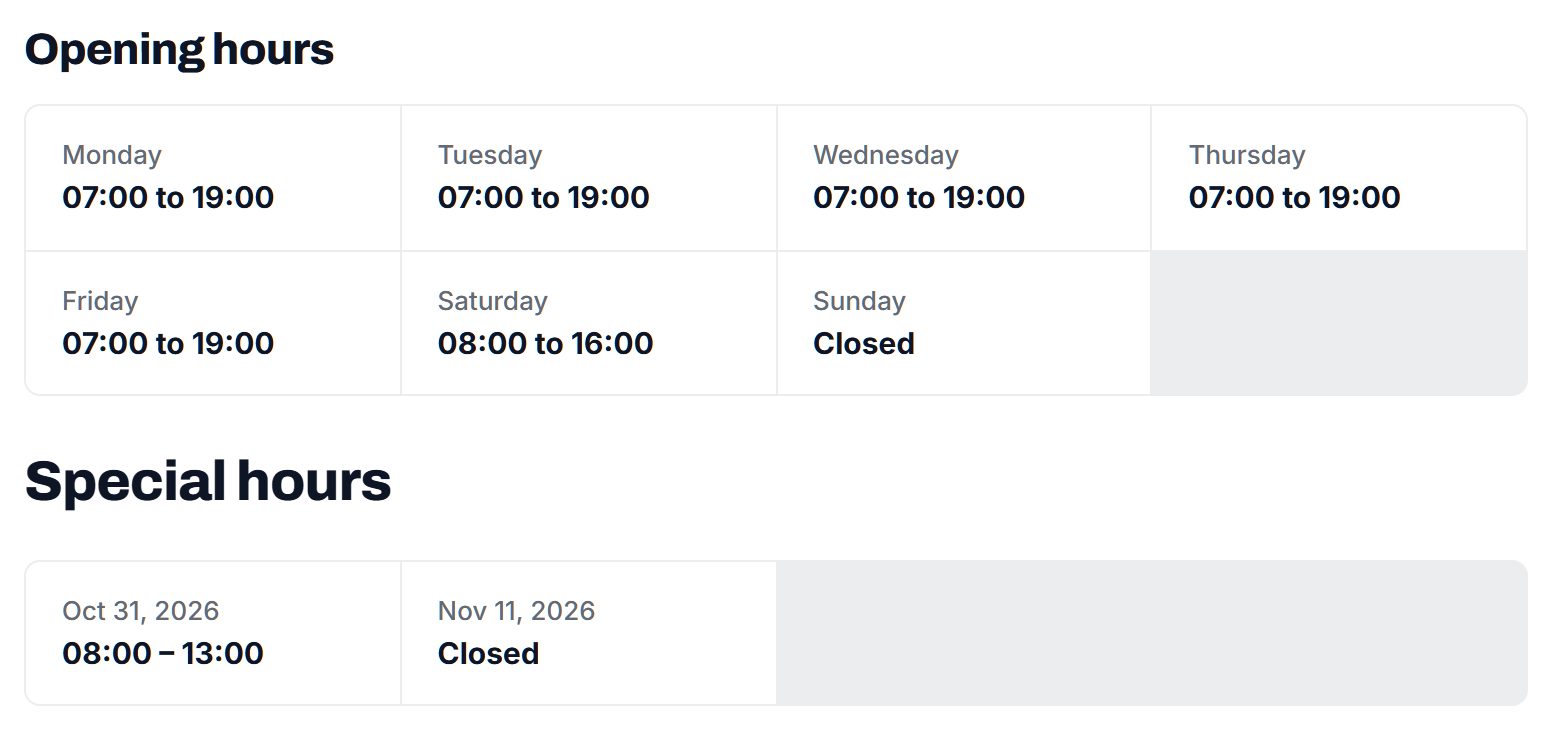
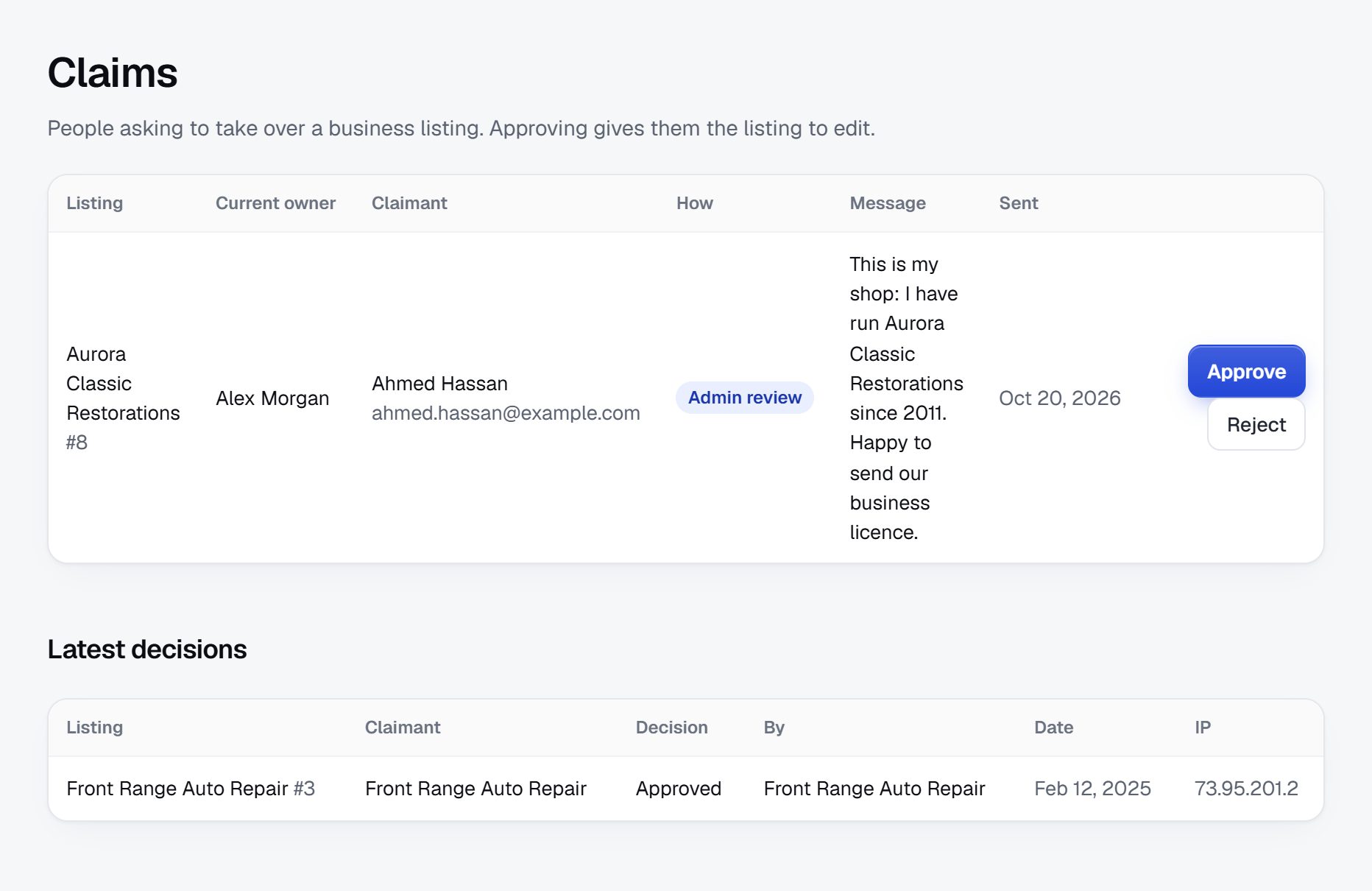
Put what you collect into one spreadsheet and import it as a CSV file: name, website, sector, stage, founded year and a one-line description. For coworking spaces, banks and service firms with a street address, a Google Places import fills name, address, phone, website and opening hours, though not photos. Then email each founder: "Your startup is on the city startup map. Claim the page to add your logo, team and what you are looking for." On Yclas, owners claim their page and keep it current themselves.
Check each startup is still alive before publishing. Dead companies are the most common complaint about startup lists.
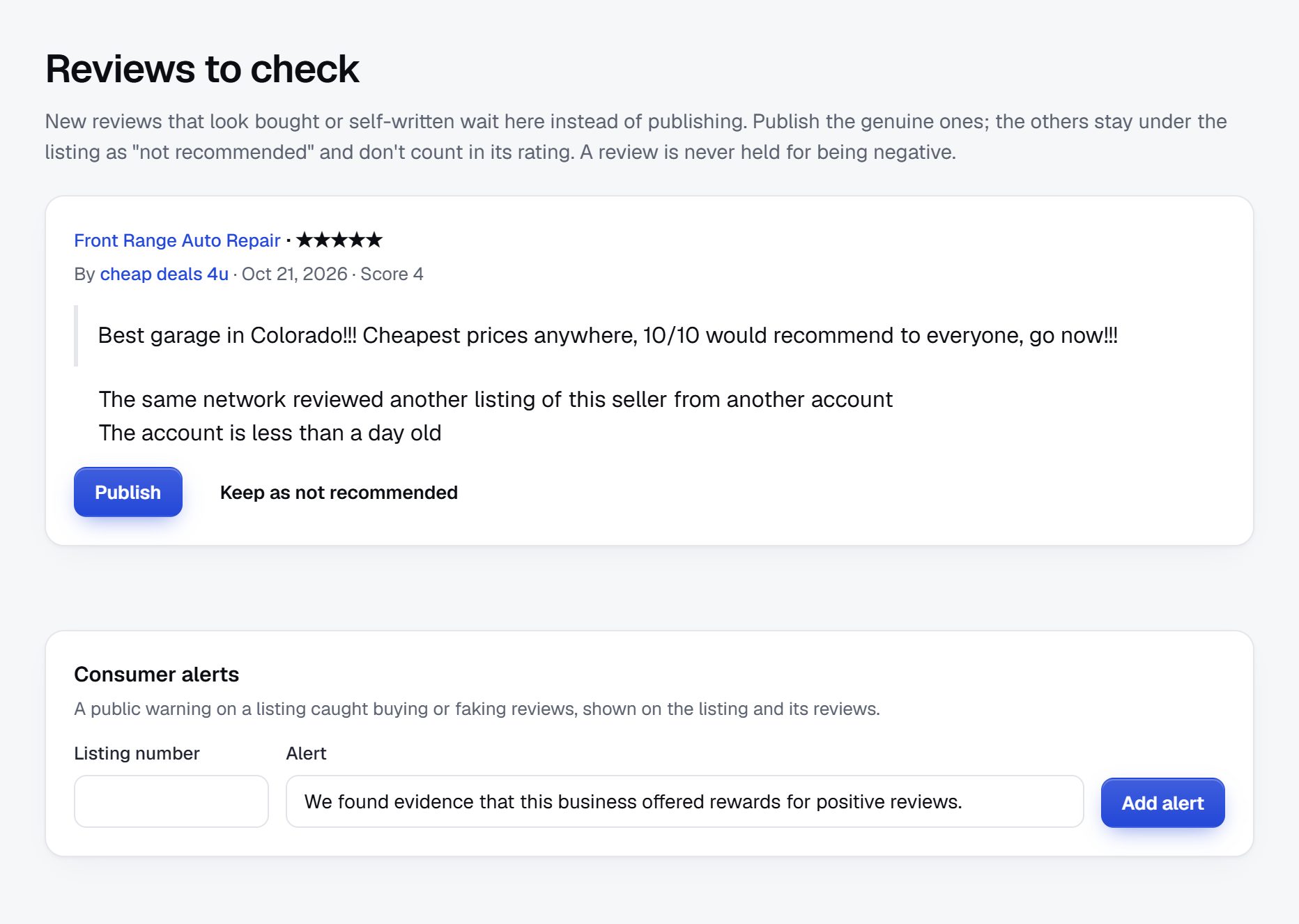
Keep out fake companies, inflated claims and investment pitches aimed at the public.
A startup directory looks like a list of investment opportunities to some visitors, and that brings its own risks.
Risks typical of a startup directory
- Investment solicitation: listings that invite the public to invest, sell tokens or promise returns. Offering securities to the public is regulated in most places. Ban investment offers in listings, remove token sales on sight, and check the rules where you operate.
- Fake or shell companies created to look credible to investors or to sell services. Check a website, a real founder profile and, where available, a company registry entry before approving.
- Inflated claims: funding that was never raised, customers that are only pilots, partnerships that are a single meeting. Mark funding and customer claims as reported by the startup, and fix them when someone shows they are wrong.
- False claims of a page: a former cofounder or a competitor claiming a startup. Verify claims with an email at the company domain.
- Stale data: startups pivot, rename and shut down. Ask owners to confirm their details twice a year and archive pages that do not answer.
Publish a short page explaining what a listing means: the directory shows who is building in the region, and a listing is not an investment recommendation.
Approve every new startup by hand. At this size it takes minutes a day.
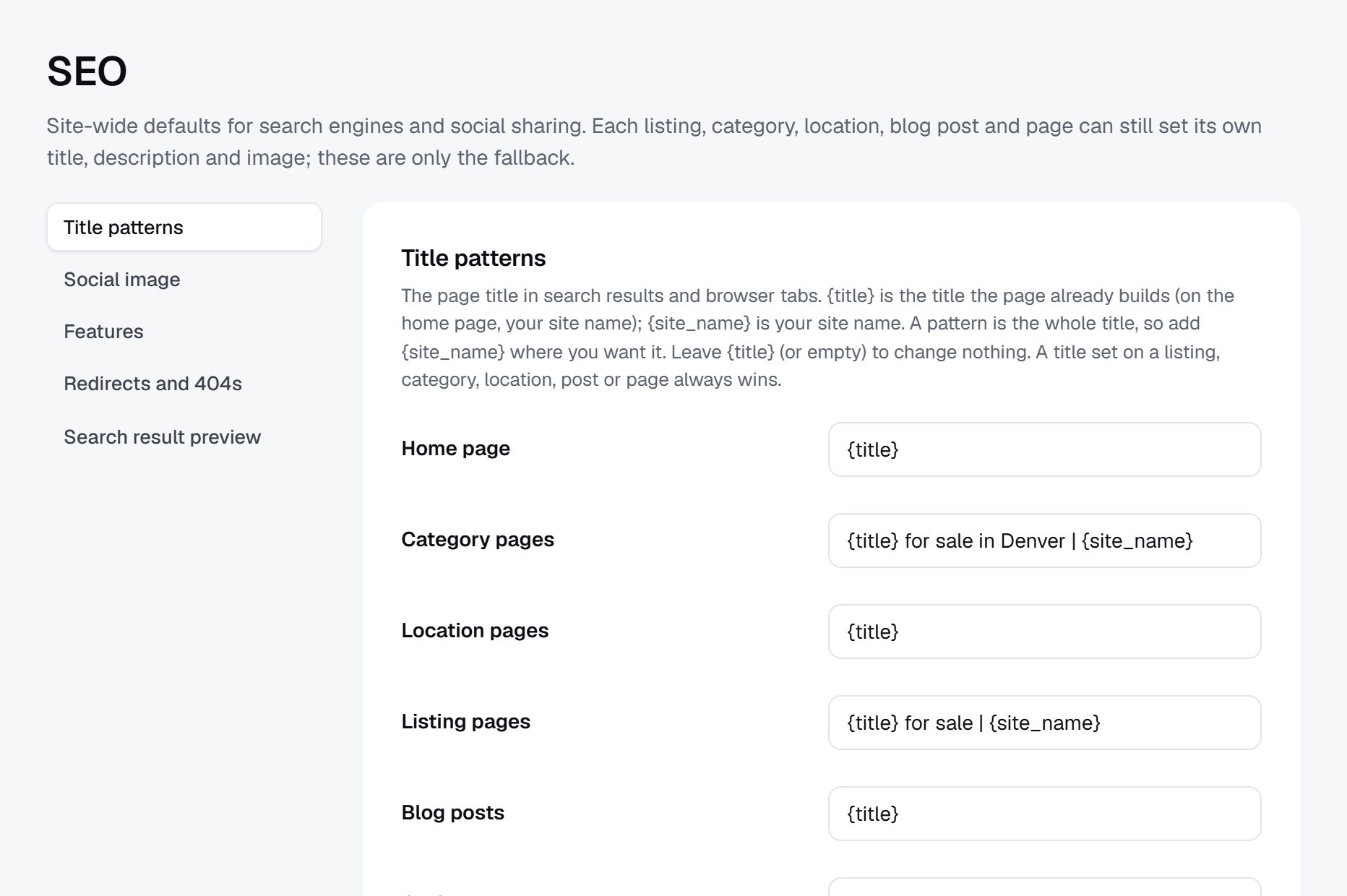
Rank for the city and sector searches founders, investors and job seekers type.
Startup searches combine a place with a sector or a goal. Each combination is a page you can fill with real listings.
Searches to target
- "startups in Pittsburgh"
- "fintech startups in Miami hiring"
- "climate tech startups Colorado"
- "angel investors in Ohio"
- "accelerators for food startups"
- "startup lawyer Raleigh"
Pages to build
- Sector pages for each category, with a short written introduction to the local scene.
- City or neighborhood pages when the region covers several towns.
- Hiring and raising pages that filter on the checkboxes from step 2.
- Investor and program pages listing who invests at which stage.
Content ideas
- A yearly report on the local scene built from your own data: startups by sector, by stage, by founded year.
- A guide to the region's accelerators with their application dates.
- Funding round roundups each quarter, with links from each round to the startup page.
- Short profiles of local investors describing the sectors and stages they back.
- A first-time founder checklist covering incorporation, bank accounts and the local programs that help.
Launch at the event where the whole scene is in one room.
Most cities have one or two moments when the startup community gathers: a startup week, a large demo day, a yearly pitch competition, a regional tech conference. Launch there, with the directory already full, and ask people to find their own startup on it.
Partners to line up
- The main accelerator or incubator, which can ask its founders to claim pages.
- An economic development office or university, as sponsor or simply as a voice that shares it.
- A local tech newsletter or podcast that will cover the launch.
- Two or three service firms willing to be the first members.
Timing
Accelerator application windows and demo days follow a calendar. A directory launched a month before a demo day gets traffic from investors preparing for it, and the cohort becomes your next batch of listings.
Launch checklist
- Every startup from the main programs listed and checked as active.
- Sector and stage filters tested on a phone.
- A page explaining what a listing means and how to get listed.
- Clear rules against investment offers and token sales.
- Claim emails sent to every founder with a deadline before the event.
- Your own domain, terms and a privacy policy.
A worked example: a startup map for eastern Nebraska.
Picture a fictional directory called Platte Valley Startup Map, covering startups in Omaha, Lincoln and the towns between them in eastern Nebraska. The region has large insurance and finance employers, a farm economy that buys a lot of technology, two universities with spinout programs, and a steady group of software founders who never moved to the coasts. Before the map existed, nobody could say with any confidence how many startups the area had.
Categories
- Startups
- Agtech and food
- Fintech and insurtech
- Software and SaaS
- Health and life sciences
- Capital and programs
- Angel groups and funds
- Accelerators and university programs
- Startup services
- Coworking spaces
- Lawyers, accountants and recruiters
Who it serves
Angel investors in both cities who want to see companies before a round is announced, students and engineers looking for startup jobs close to home, insurers and farm cooperatives searching for pilot partners, and reporters writing the yearly piece on the state of the local scene.
How it started
The founder hosted a monthly founder breakfast and kept its attendee list in a spreadsheet. A regional economic development group asked to borrow the list for a grant application. Instead, she published it as a directory, added the cohorts of two accelerators and the university spinout list, and emailed every founder to claim and correct their page. Startups with no working website and no reply after two emails were left out, which kept the first version short but accurate. Within a quarter the map listed about 180 active startups, roughly half of them bootstrapped companies that had never appeared in a funding announcement.
How it makes money
Startup pages are free. The economic development group pays a yearly sponsorship to call the map the region's reference list of startups. Two law firms, an accounting firm and a bank pay for service provider memberships that include quote requests from founders. A coworking space and the yearly regional tech conference rent the banner spaces on the sector pages, and startups that are hiring can pay for a featured place on the jobs-focused pages during recruiting season.
Ask who already counts the local startups. Someone always does, usually by hand and for their own reasons.
| Startup | Stage and team | Key details |
|---|---|---|
| Rowline Soil Data, agtech in Lincoln | Seed, 6 to 10 people | Soil sensor data for corn and soybean growers, university spinout, hiring two engineers |
| Hedgerow Claims Lab, insurtech in Omaha | Pre-seed, 2 to 5 people | Claims triage software for small insurers, raising, looking for pilot customers |
| Sandhill Ledger, fintech in Omaha | Bootstrapped and profitable, 11 to 25 people | Bookkeeping software for farm businesses, not raising, hiring support staff |
| Brightvial Diagnostics, health in Omaha | Series A, 26 to 50 people | Rapid test devices for veterinary clinics, regulatory path as reported by the startup |
| Grain Hall Coworking, services in Lincoln | Coworking space, 3 staff | Day passes, startup discount, hosts the monthly founder breakfast |
The first 90 days, from scattered lists to a launch at the big event.
A startup directory is judged on completeness and accuracy the day it is shared, because the people who open it know the scene. Investors notice a missing portfolio company; founders notice a competitor listed and themselves left out. So the first 90 days are mostly collecting, checking and asking founders to claim, with the launch set for a moment when the community is gathered in one room.
Pick that moment first: a startup week, a demo day, a pitch competition or a regional tech conference about twelve weeks away. Then work backward. The early weeks set the fields that matter most here, such as stage, team size and the raising, hiring and looking-for-pilots checkboxes. The middle weeks go to sources: accelerator portfolios, spinout lists and event lineups. The final weeks are claims, a sponsor conversation and the launch itself.
Write your inclusion rule before you add the first startup. Decide what counts as a startup in your region, what counts as active, and when a company graduates off the map, so you have a clear answer for every founder who asks why they were or were not listed. Show that rule on the site, in two or three sentences, so the answer is public before anyone asks. Keep a log of the edge cases you decide, so the same question gets the same answer next year.
| Weeks | Focus | Done when |
|---|---|---|
| 1-2 | Set the region, the inclusion rule, the sectors and the stage, team and raising or hiring fields | The rule fits in one paragraph and two local founders agree with it |
| 3-4 | Collect accelerator portfolios, university spinouts, demo day lineups and the economic development list | One spreadsheet with every source merged and duplicates removed |
| 5-6 | Check each startup is alive: a working website, recent activity and a named founder | Every row marked active, unclear or closed, with closed ones set aside |
| 7-8 | Import active startups, investors, programs and service firms, then send claim emails | At least half of the active startups have claimed or confirmed their page |
| 9-10 | Pitch a sponsor and the first service firms, write sector introductions and the accelerator guide | One sponsor or two paying service firms agreed, and every sector page has text |
| 11-12 | Launch at the event, help founders claim on the spot, follow up with the rest | Two thirds of startups claimed and the fixes founders asked for are done |
Ways to build a startup directory, and what a local map really needs.
The parts a startup directory needs are specific. Startups, investors, programs and service firms are different kinds of listings with different details, so the software should let you shape fields for each. Founders must claim and update their own pages, because stage and hiring status change from month to month. Quote requests from founders to service firms are often the first thing a paying member wants. And the data must come out cleanly as a spreadsheet, because a yearly ecosystem report built from your own data is one of the most useful things you can publish.
Building it yourself with developers fits a well-funded ecosystem organization that wants deeper features, such as funding round histories, investor portfolios linked to startups, or lookups in company registries. Those are larger projects, and someone has to keep them running after the grant that paid for them ends.
A directory script or WordPress plugin on your own server fits a tech community that already has a volunteer developer. It is cheap to start, but volunteers move on, and an unpatched directory holding founder contact details is a liability.
A hosted builder such as Yclas covers custom fields shown as filters, owner claims, quote requests to service firms, featured places and import from a spreadsheet, without a server to run. It suits one organizer or a small team who would rather spend the hours checking startups than maintaining software.
| Route | Fits when | Watch out for |
|---|---|---|
| Custom build with developers | An ecosystem body wants funding histories or registry links and has a multi-year budget | Who maintains it once the grant or the developer is gone |
| Script or plugin on your own server | A community has a volunteer developer and an existing WordPress site | Security updates, spam claims and founder data on a server nobody watches |
| Hosted directory builder | One organizer or a small team needs a working map before a launch event | Data export, and using the region's own domain from day one |
| Shared spreadsheet or public database view | You are testing whether founders and investors care at all | No claims, no pages that rank in search, and edits by anyone with the link |
What a startup directory costs to run.
The software is the smallest part of the bill. Most of the cost is your time in the first months: finding the first listings, answering questions and checking what gets posted.
Company registry lookups are free in many places but paid in some, and a paid startup data source, if you use one, can cost more than the rest of the site. Plan for an event table or sponsorship at the launch event.
| Cost | Typical range | On Yclas |
|---|---|---|
| Domain | $10 to $20 a year | Your own, with SSL included |
| Software and hosting | $0 to $100+ a month, plus plugins and updates | Starter $19 a month, Professional $99 |
| Design | $0 to $100 for a theme, or a designer | 109 looks included |
| Payment fees | About 3% per payment | Your Stripe or PayPal fees; Yclas takes nothing |
| Business data | Free if you collect it, or a few cents per page of Google results | Paid to Google, with your key |
| Your time | 5 to 10 hours a week at the start | Finding listings, moderation, support |
Mistakes that make founders and investors stop trusting the map.
- Listing only startups that raised money. Funded companies are easy to find in the news, so they fill the first draft. Bootstrapped and very early startups make up most of most scenes, and leaving them out makes your map look like the global databases you set out to beat. Go to the meetups, student programs and incubators for the rest.
- No rule for what counts as a startup. Without one, you end up listing agencies, consultancies and small shops that call themselves startups, and arguing case by case. Write a short rule, for example a company building a product meant to scale and founded within the last ten years, and apply it the same way to everyone.
- Keeping dead companies on the map. Startups fold quietly. A directory where one link in five goes to an expired domain loses investors fast. Check websites every quarter, ask for confirmation twice a year, and move the silent ones to an archive instead of deleting them.
- Letting listings read like investment offers. "Invest now, ten times your money" on a public page can bring you close to regulated territory. Ban offers, return promises and token sales in listings, and state plainly that the directory is not investment advice.
- Depending on one sponsor without a written deal. A city or university sponsor is a good start, but budgets change with each election or new dean. Get a year in writing, and build service provider memberships alongside it so the map survives losing the sponsor.
- Making the sponsor bigger than the map. When the directory looks like a marketing page for one agency or accelerator, founders outside its programs feel left out and stop claiming pages. Keep the sponsor credit clear and modest, and list every startup that meets the rule.
- Ignoring job seekers. Many visitors want to work at a startup, not invest in one. Without a hiring filter and a jobs-focused page, you lose the audience that shares the directory most widely and that brings recruiters in as paying members.
- Publishing a yearly report with unchecked numbers. The report is your strongest content and your biggest risk. Count only what you verified, label reported figures as reported, and give founders a week to correct their data before you publish.
- Leaving out the organizations around startups. A map with only startups gives founders half of what they came for. Investors, accelerators, coworking spaces and the lawyers and accountants who work with early companies are searched for constantly, and they are your likeliest paying members. Give them their own categories from the first import, with fields such as check size or startup discounts.
Startup terms a directory founder should know.
These terms show up in stage fields, program pages and the questions investors ask about listings.
| Term | What it means |
|---|---|
| Pre-seed | The earliest funding stage, often from founders, friends, family or a first angel, before there is much traction. |
| Seed round | An early round, usually from angels or seed funds, meant to find a product the market wants. |
| Series A | Typically the first larger round from venture funds, raised once a startup shows growth. |
| Bootstrapped | Funded by the founders and by revenue, without outside investors. |
| Angel investor | An individual who invests their own money in early startups. |
| Accelerator | A fixed-length program that gives a group of startups mentoring, often a small investment and a demo day. |
| Incubator | A program or space that supports early startups over a longer and less structured period. |
| Demo day | The event at the end of an accelerator where startups pitch to investors. |
| Cohort | The group of startups that go through a program at the same time. |
| Spinout | A company formed to turn research from a university or a larger company into a business. |
| Runway | How many months a startup can operate before its money runs out. |
| Pivot | A major change of product or market by a startup. |
| Cap table | A record of who owns what share of a company, including founders, investors and option holders. |
| Accredited investor | In the US, an investor who meets income or wealth thresholds that allow them into certain private offerings. |
The same steps for a startup directory on Yclas.
- Describe your directoryThe setup wizard writes the categories, an About page and example listings from one sentence.
- Add fieldsHours, services, areas served, prices: the details people search by, as filters.
- Fill itImport businesses from a spreadsheet or Google Places, then check them.
- Bring owners inOwners claim their page, update it and answer reviews.
- EarnSwitch on featured places, banners or memberships when visits arrive.
What does a startup directory cost to run in the first year?
Mostly your time collecting and checking startups. Add a domain, the software, and any event costs for the launch; paid data sources are optional and often unnecessary for one city.
Can I list startups without their permission?
Company names, websites and public program listings are usually fine to list as a directory, but keep only public business information and remove any startup that asks. Check the rules where you operate.
How do I keep the directory up to date?
Ask owners to claim their pages, send a reminder twice a year, and archive startups that have stopped answering or whose websites are gone.
Can startups raise money through my directory?
Avoid it. Offering investments to the public is regulated in most places. Let startups say they are raising and let investors contact them, but do not host investment offers.
Who pays for a startup directory?
Usually the ecosystem around startups: service firms, coworking spaces, event organizers, and sometimes a city or university as sponsor.
How is this different from the big startup databases?
You cover one place in depth, including bootstrapped and very early startups, and your data is checked by someone who knows the scene.
Should I include investors and accelerators?
Yes. Founders search for them as much as investors search for startups, and they are among your likeliest paying members.
What about startups that were acquired or have grown large?
Keep acquired startups in an alumni category, because they show the track record of the scene. For companies that have grown large, set a graduation rule based on team size or age, and move them to the alumni list rather than deleting their pages.
Can I show how much money each startup has raised?
You can show what was publicly announced or what the founder reports, labeled as such. Never guess, and let founders leave the field blank if they prefer; many bootstrapped founders would rather not answer.
How do I get a city or university to sponsor the map?
Bring them a working directory, not a proposal. Show how many startups you found that were missing from their own lists, and offer them something they need, such as data for a grant application or a yearly report on the scene.
Do remote startups with local founders count?
Decide it in your inclusion rule. Many local maps count a startup if a founder or a meaningful part of the team lives in the region, even when the company is registered elsewhere. Be consistent, and show the rule on the site.
Should investors be able to message founders through the site?
Yes, through on-site messages or the contact on each page, but keep founders' personal emails off public pages. Watch for people who pose as investors to sell paid services, and remove them as soon as founders report it.
Related pages.
The parts of Yclas this leans on.
You have the plan. Now put your startup scene on the map.
Describe your site in a sentence and the setup wizard writes the categories, example listings and a look. Free for 15 days, no credit card.
Start my directory