How to build a veterinarian directory pet owners can count on at 2 a.m.
This guide covers how to build a veterinarian directory for a region or a kind of animal: why pet and livestock owners struggle to find the right vet, the animals, services and hours they filter on, how the directory makes money, seeding clinics and getting them claimed, license checks and accurate emergency hours, the searches to rank for, and a launch plan built around the pet community.
Free for 15 days · No credit card · Plans from $19 a month
Find the animals and areas where finding a vet is hardest.
Most people can find a vet down the road for a dog or cat vaccination. The hard searches are the others: an emergency clinic open at night, a vet who knows rabbits, reptiles or parrots, someone who will come to the farm for a lame horse, a clinic accepting new clients when the local one is full, or a house-call vet for a frightened old cat.
Map listings show every clinic as if they were the same. They rarely say which animals a clinic sees, whether it takes emergencies, or that "open 24 hours" means only boarding staff are there overnight. Owners learn this on the phone, with a sick animal in the car.
Choosing the angle
- Emergency and after-hours care across a metro area, kept to the hour.
- Exotic animals: birds, reptiles, small mammals and fish, a national audience that travels far.
- Horses and farm animals: equine and large-animal vets for a rural region, many of them mobile.
- One city, complete: every clinic with its animals, services and new-client status.
Pet owners ask for vets in neighborhood groups, breed club forums, rescue networks and at the dog park. Horse and livestock owners ask at feed stores, barns and county fairs.
The page a pet owner needs most is "who is open now and sees my animal".
Filter by animal, service and hours.
Categories should follow the kind of practice owners look for: general small-animal clinics, emergency and specialty hospitals, exotic vets, equine and farm vets, mobile vets, and low-cost clinics. The animal and the service then narrow it down.
Fields owners filter on
- Animals treated: dogs, cats, rabbits, birds, reptiles, pocket pets, horses, cattle, goats and sheep, pigs.
- Emergency care: during opening hours, after hours, 24 hours with a vet on site.
- Services: dentistry, surgery, X-ray and ultrasound, behavior, end-of-life care, boarding, grooming.
- House calls or farm calls: with the area covered.
- Accepting new clients: yes, waitlist or no.
- Payment: payment plans, pet insurance claims handled, low-cost programs.
- Low-stress handling: cat-friendly or fear-free practices, as stated by the clinic.
Opening hours and a map are essential here. Ask clinics what happens after hours: whether they take calls or refer to an emergency hospital, and which one.
| Category | Example places | Details owners filter on |
|---|---|---|
| Small-animal clinics | Neighborhood vet clinics, corporate group clinics | Animals, new clients, Saturday hours, payment plans |
| Emergency and specialty | 24-hour emergency hospitals, referral hospitals | Vet on site overnight, specialties, walk-ins, distance |
| Exotic animals | Avian and exotic vets, mixed clinics with an exotics vet | Species seen, emergency for exotics, boarding for birds |
| Equine and farm | Equine practices, large-animal vets, mobile farm vets | Species, farm calls, area covered, emergency calls |
| Mobile and house-call | Mobile vans, home euthanasia services | Area covered, services at home, weekend visits |
| Low-cost and shelter clinics | Spay and neuter clinics, vaccine clinics, shelter clinics | Eligibility, appointment or walk-in, services, dates |
For emergency listings, "24 hours" should mean a vet is on site, so ask and label it exactly.
Earn from clinics and the pet businesses around them.
Vet clinics compete for new clients, especially new practices and those adding services such as dentistry or exotic care. Around them sits a wide pet economy that wants the same audience of caring, spending owners.
- Featured places: labeled spots on area and animal pages, valuable for new clinics and mobile vets building a client list.
- Clinic memberships: an enhanced page with the vet team, services in detail and photos.
- Quote requests: farm owners asking several large-animal vets about herd visits, or pet owners comparing quotes for dental work or spay and neuter surgery.
- Banner spaces: pet insurers, groomers, pet sitters and boarding kennels, trainers, pet food stores, feed stores and pet cremation services.
Keep listings free for every clinic, so the emergency page is complete. Banners from the wider pet trade usually come first, because those businesses advertise anyway; clinic payments follow once clinics see enquiries. Keep emergency hospitals out of paid ranking entirely: on the emergency page, order by distance and open status only.
| Model | Works when | Switch it on |
|---|---|---|
| Free clinic listings | Owners need every option in an emergency | At launch |
| Banner spaces | Groomers, sitters and insurers want pet owners | Once local pet groups share the site |
| Featured places | New clinics and mobile vets want clients | After area pages get steady visits |
| Quote requests | Owners compare surgery or farm visit prices | When large-animal and dental pages fill |
| Clinic memberships | Clinics want to show their team and services | After several clinics have claimed pages |
Import every clinic, then confirm hours and animals.
Clinics are easy to find; their details are not. Import the full list for your area, then spend your time on what maps get wrong: animals seen, emergency arrangements and new-client status.
Sources that know the local vets
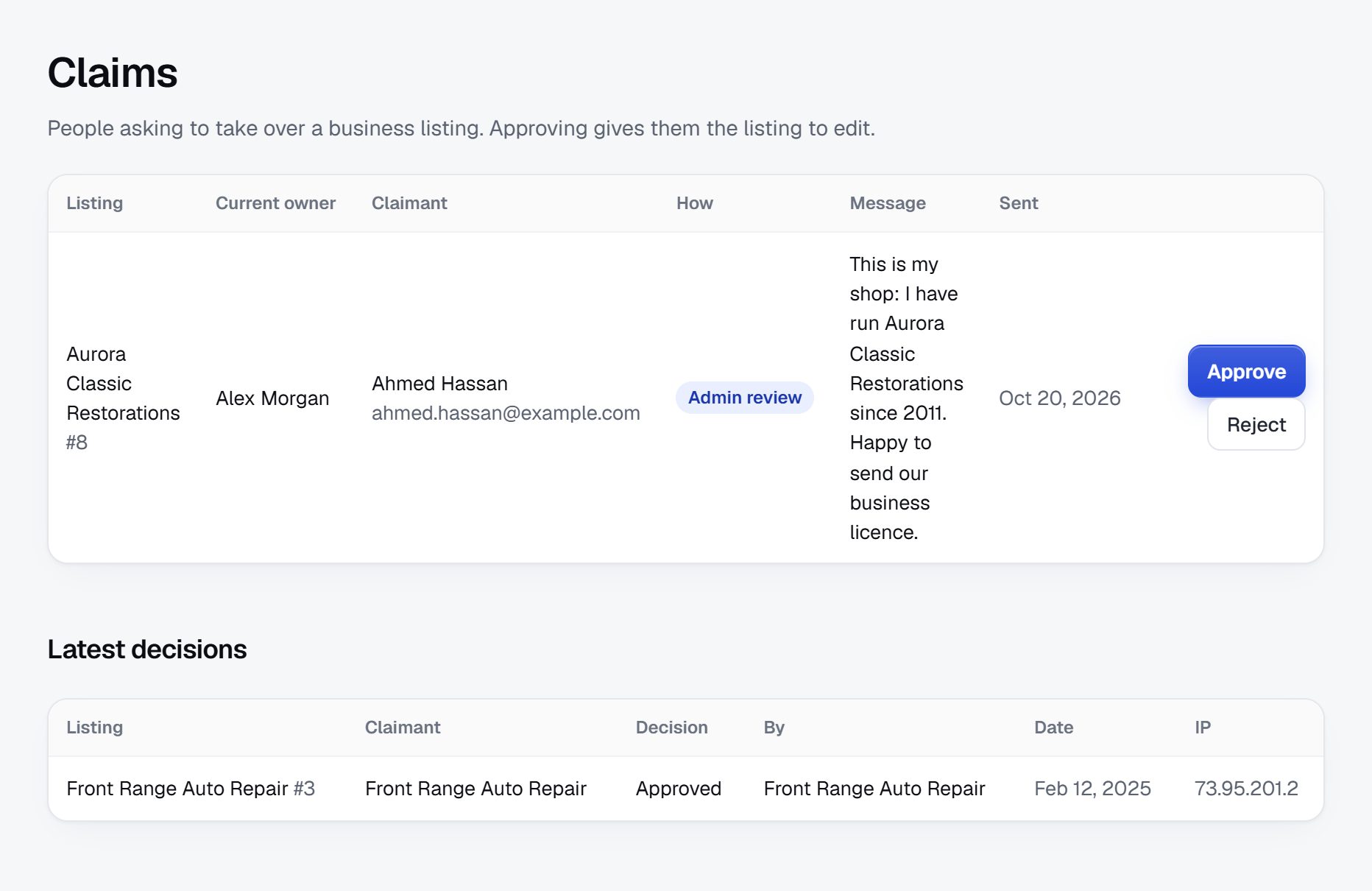
- Google Places: clinic names, addresses, phone numbers and opening hours. Yclas imports businesses from Google Places with your own Google key, without photos, and clinics can then claim their page to correct the details.
- State veterinary board lookups: public license searches confirm who is licensed and often where.
- Veterinary medical associations: state and local associations list member practices and emergency hospitals.
- Shelters and rescues: they know which vets see exotics, which offer low-cost care, and which work with rescues.
- Breed clubs, horse barns and feed stores: the best source for exotic, equine and farm vets who barely advertise.
- Vet schools: teaching hospitals often run emergency and specialty services.
Phone every clinic in your area once with three questions: which animals do you see, are you taking new clients, and where do you send emergencies after hours. Those answers turn a list into a directory.
Get emergency details right and handle grief with care.
Wrong information in a vet directory has a cost measured in hours with a sick animal. Accuracy is the main trust issue, followed by credentials and reviews written in hard moments.
What to handle
- Emergency accuracy: recheck emergency hours and overnight staffing every month, and show the date. Tell owners to call ahead before driving.
- License checks: look up each vet on the state veterinary board before showing a verified badge. Some services, such as lay dental cleaning or animal massage, are regulated differently; check the rules where you operate before listing them.
- Unlicensed practice: remove listings offering vaccinations, surgery or prescriptions without a licensed vet.
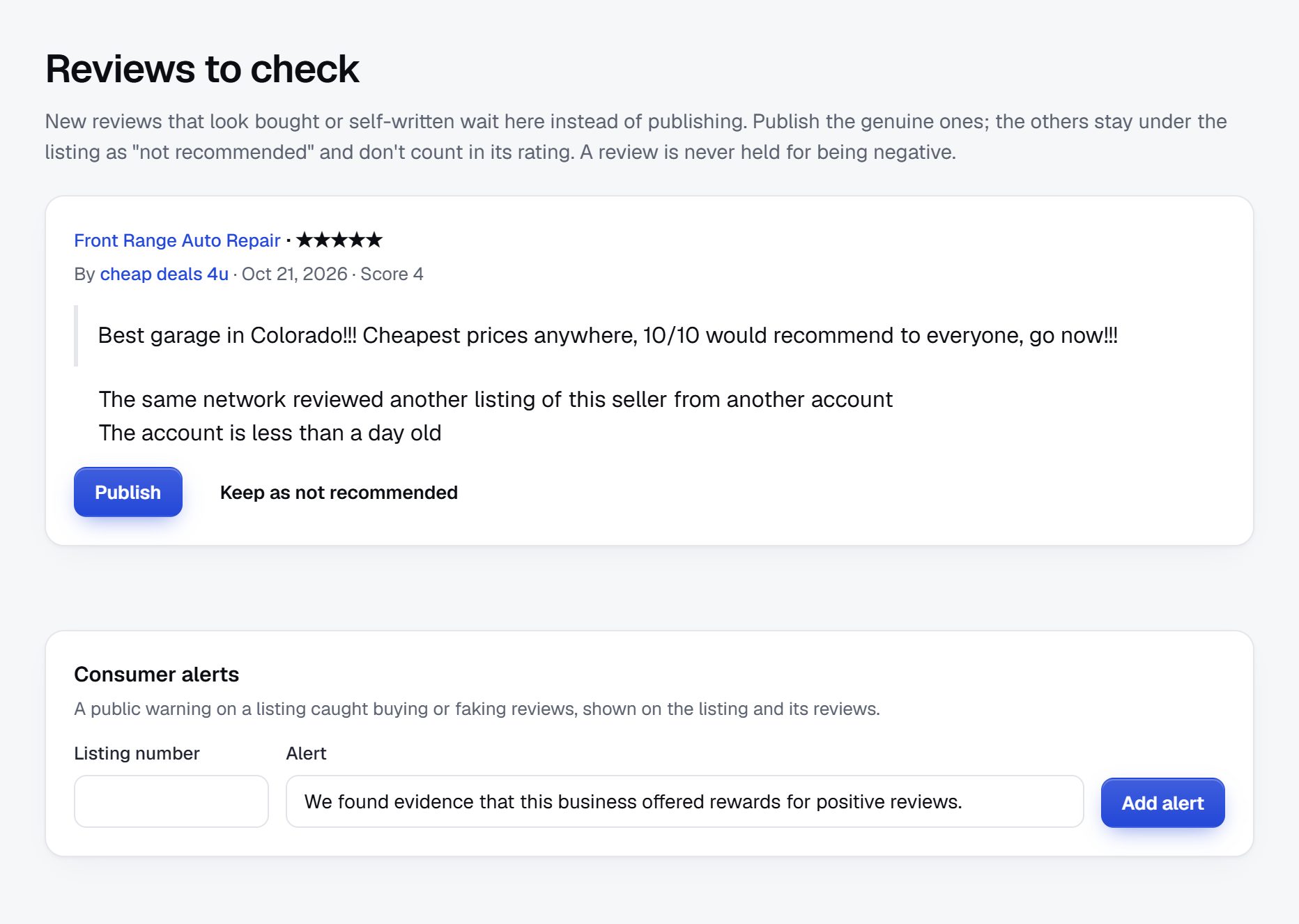
- Fake reviews: watch for bursts of praise or coordinated attacks between clinics.
- Grief reviews: owners sometimes write in anger after losing a pet, and clinics reply in hurt. Moderate for personal attacks and named staff, and encourage calm owner replies.
- Privacy: ask reviewers not to post bills or medical records with names on them.
Add a clear notice: the directory helps owners find vets and does not give veterinary advice. In an emergency, owners should call the nearest emergency clinic.
An emergency page that is checked monthly is worth more than any feature.
Rank for emergencies, animals and places.
Vet searches are local, and many are urgent. A directory that answers "open now" and "sees my animal" fits both.
Searches to aim for
- "24 hour emergency vet [city]"
- "exotic vet for bearded dragon near me"
- "avian vet [state]"
- "equine vet farm calls [county]"
- "low cost spay and neuter [city]"
Pages to build
An emergency page for each city, pages for each animal in each area, and pages for low-cost care. These are the pages people share in local groups, which brings more visitors than any ad.
Content ideas
- A list of emergency hospitals with what each one handles.
- A calendar of low-cost vaccine and microchip days run by shelters and clinics.
- Seasonal reminders written with local clinics, such as fireworks and lost pets in July, or ticks in spring, without treatment advice from you.
- Guides on finding a vet for a new puppy, a rescue cat or a first horse.
Launch through the pet community.
Pet owners share useful things quickly, especially in local groups. Launch with the emergency page complete and the main animals covered, then let the community spread it.
Timing matters. Spring brings new puppies and kittens, ticks and vaccinations. Summer holidays send people looking for boarding and for emergency vets while away. The days around the Fourth of July and New Year bring lost and frightened pets, and winter holidays bring emergencies from food and decorations.
Partners worth having
- Shelters and rescues, who send every adopter to a vet.
- Groomers, trainers, pet sitters and pet stores.
- Breed clubs and exotic pet societies.
- Feed stores, horse barns and 4-H clubs for large-animal coverage.
Launch checklist
- Choose the area and the animals you cover.
- Import every clinic and remove closed ones.
- Phone each clinic about animals, new clients and emergencies.
- Check licenses before showing any verified badge.
- Write the review rules and the no-advice notice.
- Publish the emergency page and share it with rescues.
- Recheck emergency hours every month.
A worked example: High Desert Vet Guide, central Oregon.
To see how this works in practice, take High Desert Vet Guide, a fictional directory for Bend, Redmond, Prineville, Sisters and Madras in central Oregon. The area mixes town pets, hobby farms, ranches and a lot of horses, and the drive between towns can be long on a winter night. The founder, a former veterinary technician, started it after one too many calls from friends asking which clinic would see a colicking horse or a dog that ate something at midnight.
Categories and their branches
- Dogs and cats
- General clinics
- Cat-only and low-stress clinics
- Emergency and after hours
- Overnight hospitals with a vet on site
- Clinics taking their own clients' calls after hours
- Horses
- Equine clinics
- Mobile equine vets
- Farm and ranch animals
- Cattle, sheep and goats
- Camelids and pigs
- Exotic pets
- Low-cost and shelter clinics
Who it serves
Three kinds of owners use it. Town pet owners want a clinic taking new clients, which became hard as the area grew. Horse and hobby farm owners want a vet who will drive out, and they want to know the area each vet covers. Newcomers with a rabbit, a parrot or a tortoise want the one or two vets in the region who see their animal.
How it started
The founder imported every clinic from map data, then spent a month on the phone asking each one which animals it sees, whether it takes new clients, and where it sends emergencies after hours. The answers produced the page that made the directory known: a plain list of who to call at night, by animal, with the date each arrangement was confirmed. Feed stores pinned a printed copy by the register, and a regional horse club shared it before the winter. Two rescues now hand it to every adopter along with the adoption papers.
How it earns
Every clinic is listed free, and the emergency page is never sold. Banner spaces came first: a farrier, a pet sitter, a boarding kennel, a hay supplier and a pet cremation service bought monthly spots. Featured places followed on the horse and new-client pages, bought by a newly opened clinic and two mobile vets building their lists. Quote requests let hobby farm owners ask several large-animal vets about yearly herd visits at once, and the vets like getting requests that already list the animals and the head count. Groomers, sitters and feed stores, who advertise steadily, kept the site paying while clinics made up their minds.
In a rural region, the area a mobile vet covers matters as much as where the clinic sits.
| Clinic or vet | Base and area | Key details |
|---|---|---|
| Juniper Hollow Animal Hospital | Redmond | Dogs, cats and rabbits; new clients yes, confirmed this month; after hours refers to the overnight hospital |
| Sagebrush Trail Mobile Equine | Based near Terrebonne, covers about 40 miles | Horses only; farm calls; dentistry and lameness exams; emergency calls for existing clients |
| Lava Flow Night Pet Hospital | Bend | Open nights, weekends and holidays; vet on site overnight; dogs, cats and some exotics |
| Ochoco Bend Farm Vet | Prineville | Cattle, sheep, goats and camelids; herd visits by quote; haul-in chute at the clinic |
| Feather and Scale Clinic | Bend | Birds, reptiles and small mammals; new clients waitlist about two weeks; boarding for birds |
Your first 90 days, from import to the emergency page.
The first three months of a vet directory are built around one deliverable: an emergency page that is right. Everything else, the animal pages, the area pages and the money, grows from the trust that page earns. Plan your weeks so that the after-hours information is confirmed first, then fill in animals and new-client status.
Write a short call script and use it for every clinic, so answers are comparable: which animals, new clients or not, what happens after hours, and which emergency hospital the clinic sends people to. Keep the answers with a date in a call log, because you will repeat the emergency calls every month. Ask for the name of the person who answered, so the next call goes to someone who already knows you.
Do not wait for clinics to claim pages before publishing. Many clinics are busy and slow to respond, and a confirmed public page often prompts them to claim it. Clinic managers tend to respond fastest when they spot a detail you got wrong, which is one more reason to publish carefully checked pages early. By week twelve, the target is a complete area with every clinic's animals and emergency arrangements confirmed, the pet community sharing the site, and the first banner spaces sold to the pet businesses around the clinics. If the emergency page is solid by week six, start the animal pages early rather than adding a second town.
| Weeks | Focus | Done when |
|---|---|---|
| 1-2 | Choose the area and animals; import clinics; remove closed and duplicate entries | Each open clinic in the area has exactly one page |
| 3-4 | Phone every clinic about after-hours arrangements and which emergency hospital it uses | The emergency page shows every option with a date confirmed this month |
| 5-6 | Confirm animals seen and new-client status; check vet licenses on the state board | Every page lists animals and new-client status, and badges sit only on checked vets |
| 7-8 | Reach exotic, equine and farm vets through clubs, barns and feed stores | Each animal category has at least three confirmed vets or a note on where owners travel |
| 9-10 | Build animal and town pages, a low-cost care page and a calendar of vaccine clinics | The low-cost page lists every shelter clinic and the next vaccine dates |
| 11-12 | Share with rescues, groomers and breed clubs; sell the first banner spaces | Two partner groups share the emergency page and three pet businesses buy banners |
How to build it: three routes for a vet directory.
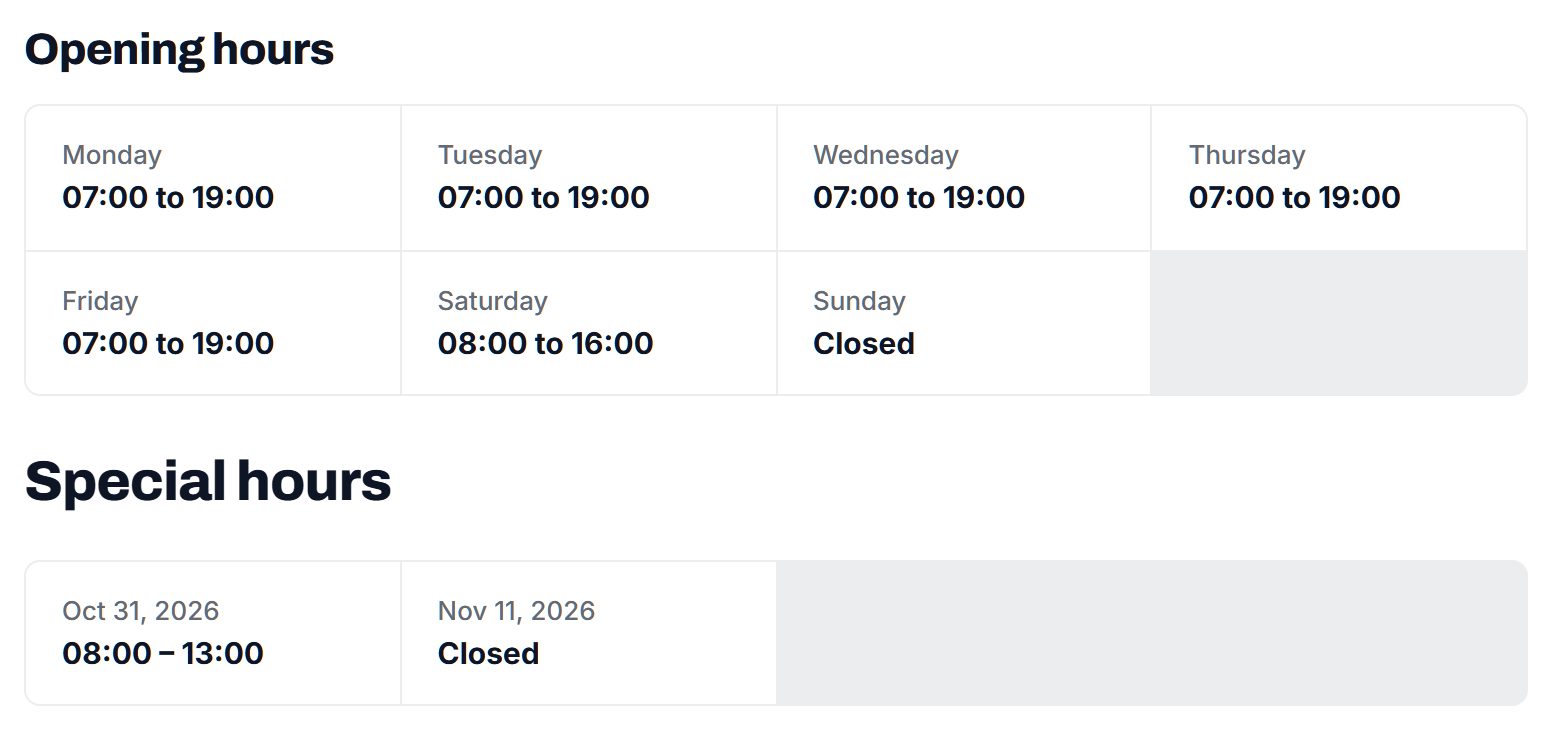
A vet directory needs exact opening hours with an open-now view, a map, long checkbox lists for animals and services, and a way for clinics to claim and correct their pages. Rural directories also need each mobile vet's service area shown clearly, and an emergency page that can be ordered by distance and open status rather than by payment. Reviews need moderation that copes with grief and anger.
A custom build
Hiring developers fits if your idea depends on something products rarely do, such as live wait times fed by emergency hospitals or a map of mobile vets' coverage drawn from their own routes. Those features are attractive, but they depend on clinics sending data reliably, which is hard to arrange. Prove the simple directory first.
Your own server with a script or plugin
Directory scripts and WordPress plugins put everything under your control and suit a founder who already maintains websites. The work does not stop at launch: updates, backups, spam reviews and broken plugins all land on you, often at the same time as the monthly emergency calls.
A hosted builder
A hosted builder such as Yclas covers hosting and updates and gives you opening hours, maps and claimable pages out of the box, so the monthly calls get your attention instead of the server. Check that the emergency page can be kept free of paid placement in the way you want. For most local and regional vet directories, this is the practical place to start. Whichever route you pick, keep your call log outside the site as well, since those dated answers are the asset that makes the directory worth visiting.
| Route | Fits when | Watch out for |
|---|---|---|
| Custom build | You plan live wait times or coverage maps no product offers | Depends on clinics sending data, which they rarely do on time |
| Self-hosted script or WordPress plugin | You maintain websites already and enjoy the server side | Upkeep competes with the monthly emergency calls for your time |
| Hosted builder | Your effort should go into hours, animals and emergency details | Make sure opening hours, maps and unpaid ordering on the emergency page fit your plan |
What a veterinarian directory costs to run.
The software is the smallest part of the bill. Most of the cost is your time in the first months: finding the first listings, answering questions and checking what gets posted.
Budget mainly for the time spent phoning clinics, with a monthly recheck of emergency hours. Small costs include Google key usage for imports, and a table at adoption events or county fairs if you promote there.
| Cost | Typical range | On Yclas |
|---|---|---|
| Domain | $10 to $20 a year | Your own, with SSL included |
| Software and hosting | $0 to $100+ a month, plus plugins and updates | Starter $19 a month, Professional $99 |
| Design | $0 to $100 for a theme, or a designer | 109 looks included |
| Payment fees | About 3% per payment | Your Stripe or PayPal fees; Yclas takes nothing |
| Business data | Free if you collect it, or a few cents per page of Google results | Paid to Google, with your key |
| Your time | 5 to 10 hours a week at the start | Finding listings, moderation, support |
Mistakes that cost vet directories their trust.
- Taking "24 hours" at face value. Some clinics advertise round-the-clock care when only a technician or boarding staff is there overnight. An owner who drives in with a dog in shock finds no vet. Ask each clinic who is on site at night, and label the answer exactly.
- Listing every clinic as seeing every animal. Map data treats a dog and cat clinic, a horse practice and a bird specialist the same. Owners of rabbits, reptiles or goats need to know before they call, so animals seen must be a required field, confirmed by phone. Where only one vet in a clinic sees a species, say so on the page.
- Selling the emergency page. Once a paying clinic appears above a closer one that is open, the page stops being trustworthy, and owners notice fast in a crisis. Keep that page ordered by open status and distance, with no paid spots.
- Forgetting mobile and farm vets. Large-animal and mobile vets rarely show up well on maps, because they work from a truck. Without them, the horse and farm sections look empty and rural owners leave. Find them through barns, feed stores, farriers and fairs.
- Publishing new-client status once and never again. In growing areas, clinics close their books to new clients for months at a time. A page that says yes when the answer is no sends owners round in circles. Date every status and recheck it with the emergency calls.
- Letting grief run the review section. Reviews written the night a pet died can be raw and personal, and replies from hurt staff can make it worse. Set rules against named staff and personal attacks, hold reviews for checks, and help clinics write calm, short replies.
- Writing pet health advice. Posts about symptoms, dosing or home remedies invite owners to delay care. Write about finding a vet, preparing for a visit and seasonal risks, with local clinics as the source, and send health questions to a vet.
- Covering too many animals at once. A directory that tries to be complete for pets, exotics, horses and farm animals in a large region often ends up thin everywhere. Start with the animals your area most needs, and add others only when you have a source for those vets.
- Hiding the low-cost options. Owners who cannot afford a full clinic visit often delay care until it becomes an emergency. A clear page of shelter clinics, vaccine days, spay and neuter programs and clinics with payment plans helps those owners early, and it is one of the pages rescues share most.
Glossary for a vet directory founder.
Clinic staff and animal owners will use these terms on the phone and in reviews, and your fields and category names should use them too.
| Term | What it means |
|---|---|
| DVM or VMD | The degree titles held by licensed veterinarians in the US; both mean the same level of training. |
| Veterinary technician | A credentialed team member who assists vets with care, anesthesia and lab work, but cannot diagnose or prescribe. |
| Small-animal practice | A clinic focused on dogs and cats, sometimes with rabbits and other small pets. |
| Mixed practice | A clinic that treats both pets and larger animals such as horses or livestock. |
| Exotics | Animals other than dogs, cats and farm species, such as birds, reptiles, rabbits and pocket pets. |
| Board-certified specialist | A vet with advanced training and exams in an area such as surgery, cardiology or dentistry, usually at referral hospitals. |
| Referral hospital | A hospital that takes cases sent by general clinics for specialist care or advanced imaging. |
| Emergency hospital | A hospital that treats urgent cases, often at night and on weekends, with a vet on site. |
| Farm call | A visit by a vet to a barn, ranch or home, usually with a trip fee on top of the treatment. |
| Haul-in | Bringing a horse or farm animal to the clinic by trailer instead of asking for a farm call. |
| VCPR | Veterinarian-client-patient relationship, the established relationship many rules require before a vet can treat or prescribe. |
| Fear Free and Cat Friendly | Programs that train clinics in low-stress handling; clinics may state that they follow them. |
| Low-cost clinic | A clinic, often run by a shelter or nonprofit, that offers vaccines, spay and neuter or basic care at reduced prices. |
| Veterinary board | The state agency that licenses vets and publishes license status and disciplinary actions. |
The same steps for a veterinarian directory on Yclas.
- Describe your directoryThe setup wizard writes the categories, an About page and example listings from one sentence.
- Add fieldsHours, services, areas served, prices: the details people search by, as filters.
- Fill itImport businesses from a spreadsheet or Google Places, then check them.
- Bring owners inOwners claim their page, update it and answer reviews.
- EarnSwitch on featured places, banners or memberships when visits arrive.
What will a veterinarian directory cost me to start?
Little money: a domain, some Google key usage for importing clinics, and perhaps a table at an adoption event. Most of the cost is your time confirming each clinic's details.
Can I list a vet without their permission?
Public business details such as name, address and hours are commonly listed. Check the rules where you operate, and correct or remove a listing quickly when a clinic asks.
How do I keep emergency hours accurate?
Phone emergency clinics every month, show the date checked, and tell owners to call before driving. Ask clinics to update their own page when hours change.
Should I cover horses and livestock as well as pets?
Only if you can reach those owners through barns, feed stores and fairs. A large-animal section works best as its own focus in a rural area.
How do I handle angry reviews after a pet dies?
Keep honest reviews about service, remove personal attacks and named staff, and encourage the clinic to reply calmly. These are some of the hardest reviews to moderate.
Who pays first in a vet directory?
Usually the pet businesses around clinics, such as groomers, sitters and insurers, through banners. Clinics pay for featured places once they see new clients arrive.
Should the site give pet health tips?
Leave health advice to vets. Publish guides on finding care, and seasonal content written with local clinics, with a clear note to ask a vet.
Should I list pet cremation, grooming and boarding businesses too?
As banner advertisers or a separate services section, yes, since owners need them and they pay steadily. Keep them out of the vet categories, so owners never confuse a groomer with a clinic.
How do I find vets for exotic animals?
Ask exotic pet societies, bird and reptile clubs, rescues and pet stores that sell those animals. Then confirm with each clinic exactly which species its vets see, since one exotic vet in a large clinic is common. Note that vet's days in the clinic, because owners will ask for them by name.
Can mobile vets without a clinic be listed?
Yes. Show the base town, the area covered, the animals seen and whether they handle emergencies. Check their license like any other vet, since a truck should not mean fewer checks. Ask how far they travel for emergencies, which is often shorter than their normal area.
What should I do when a clinic is sold to a corporate group?
Update the owner, name and services, keep the reviews, and ask whether prices, hours or the after-hours arrangement changed. Owners often want to know, so a short note on the page helps. Recheck the after-hours arrangement in particular, since new owners often change which emergency hospital they use.
Is a vet directory worth building for a rural area?
Often more than in a city, because rural owners struggle most to find large-animal and after-hours care, and the vets there have few places to be listed. Reaching owners takes feed stores, barns and fairs rather than online ads, and a printed emergency list often travels further than the website at first.
Related pages.
The parts of Yclas this leans on.
You have the plan. Now build the vet directory pet owners save on their phone.
Describe your site in a sentence and the setup wizard writes the categories, example listings and a look. Free for 15 days, no credit card.
Start my directory