How to build an artist and maker directory that brings local work to light.
How to build a directory of local artists, studios and makers: choosing the region or craft, the medium and commission details people search by, how featured artists, memberships and commission requests pay for it, where to find artists who have no storefront, how to deal with copied work and scams, the searches worth ranking for, and the events to launch around.
Free for 15 days · No credit card · Plans from $19 a month
Show who makes things in your area, and who can make them for you.
Most artists and makers have no shop window. They work from a garage studio, a shared warehouse or a spare room, sell at fairs and online, and are known mostly by word of mouth. The people who want to find them have no good way to search: a couple wanting a portrait of their dog, an interior designer looking for a ceramicist for a new restaurant, a cafe owner who wants a mural, a visitor who wants to buy something made in the town they are visiting.
Social media is full of artists, but it is not searchable by town, medium or whether someone takes commissions. Online craft marketplaces are shops, sorted by product rather than by the person and where they work. A local directory answers the question nobody else does: who near me makes this, and can I visit or commission them?
Pick your angle
- One city, county or region, every medium. This suits areas with an arts council, open studios event or art walk.
- One craft across a wider area: potters, woodworkers and furniture makers, glass artists, blacksmiths, muralists.
- Commissions: a directory of artists who take custom work, organized by what you can ask for.
- An artists' trail for visitors, built around studios that open their doors.
Where does this happen today? Craft fair vendor lists, guild newsletters, arts council registries that few people know exist, and gallery walls. Your directory gathers what those keep in separate places.
Sort artists by medium, and by what you can ask them for.
Visitors arrive with one of two questions: what kind of work is this, and can I get something from this person? Categories should follow the medium, because that is how people think about art and craft. Fields then answer the practical side: does this artist take commissions, at what price range, can I visit the studio, and do they teach.
A price field matters more than artists expect. Many buyers never contact an artist because they fear an unaffordable answer. Ask for a "commissions from" figure or a typical price range for finished work, even a broad one, and you will see far more inquiries.
Let artists tick several mediums, since many work across two or three. A field for "open studio by appointment" and one for "sells wholesale to shops" help two quite different groups of visitors. Yclas custom fields can be text, numbers, dropdowns, checkboxes or dates, each one optional or required, and shown as a search filter.
| Category | Example listings | Fields visitors filter on |
|---|---|---|
| Painting and illustration | Oil painters, pet portraitists, illustrators | Medium, subjects, takes commissions, commission price from, prints available |
| Ceramics and glass | Potters, glassblowers, tile makers | Functional or sculptural, wholesale to shops, classes offered, studio visits |
| Wood and furniture | Furniture makers, turners, carvers | Custom orders, typical lead time, wood types, delivery area |
| Textiles and fiber | Weavers, quilters, embroiderers | Custom work, classes, materials, sells at markets |
| Jewelry and metal | Jewelers, silversmiths, blacksmiths | Metals used, bespoke rings, repairs, gate and railing commissions |
| Murals and public art | Muralists, sign painters, sculptors | Indoor or outdoor, largest wall completed, insurance held, travels to |
| Photography and printmaking | Fine art photographers, printmakers | Prints for sale, editions, framing offered, studio visits |
Keep the medium list short and plain: buyers search for pottery and paintings, not for terms only artists use.
Earn from artists gently, and from the businesses around them.
Artists rarely have marketing budgets, and many will be suspicious of anything that looks like pay to be seen. The money in an artist directory comes from a mix of modest artist fees and the businesses that want an audience of art buyers. Keep basic pages free for every artist, always.
Ways to earn
- Commission requests: a visitor describes the portrait, mural or table they want, with a budget, and the request goes to the artists they choose. These leads are what working artists value most.
- Artist memberships: a yearly fee, priced like a guild membership, for a fuller page with more images, a news section, featured placement in their medium and a badge.
- Featured artists on medium and town pages, especially before the holiday gift season.
- Banner spaces for art supply stores, framers, galleries, craft fairs, makerspaces and studio rentals.
- Event sponsorship: local businesses sponsor your open studios map or art walk page.
If you later want visitors to buy work on the site itself, that is a different model, with checkout and commission on the Marketplace plan. Most directories are better off sending buyers straight to the artist.
| Model | Works when | Switch it on |
|---|---|---|
| Commission requests | Visitors ask for custom work | From the start, to give artists a reason to claim pages |
| Artist memberships | Artists keep pages updated and get inquiries | Once there are steady inquiries in each medium |
| Featured artists | Medium and town pages get regular visits | Before the November and December gift season |
| Banner spaces | Framers, galleries and suppliers want art buyers | When you can show monthly visitors |
| Event sponsorship | You publish the map for an open studios event | When organizers adopt your map |
Find artists who are not on any map.
Seeding an artist directory is different from seeding a directory of shops. Many artists have no business listing at all, so a map import finds only galleries, frame shops and the few studios with a public door.
- Start with organized groups. Potters' guilds, woodworkers' associations, quilt guilds, art societies and the artists' registry your arts council may keep. Ask the organizers to share the directory with members and invite them to create their pages.
- Use event lists. Open studios tours, art walks, craft fairs and holiday markets publish participant lists each year. Write to each artist personally; a short, specific message works: "I saw your stoneware at the spring fair and would like to list your studio".
- Import the places that do exist. Google Places finds galleries, cooperative studios, makerspaces, art schools and framers. The import brings name, address, phone, website and opening hours, with no photos.
- Visit studio buildings. Warehouses and old mills with dozens of studios are a whole category in one afternoon. Collect the details in a spreadsheet and import it as a CSV.
- Let artists claim and write their page. Artists care about how their work is described. Give them their page, and they will add images and share the link.
Ask before you use any artist's images. Pages can launch with text only and fill with photos as artists claim them.
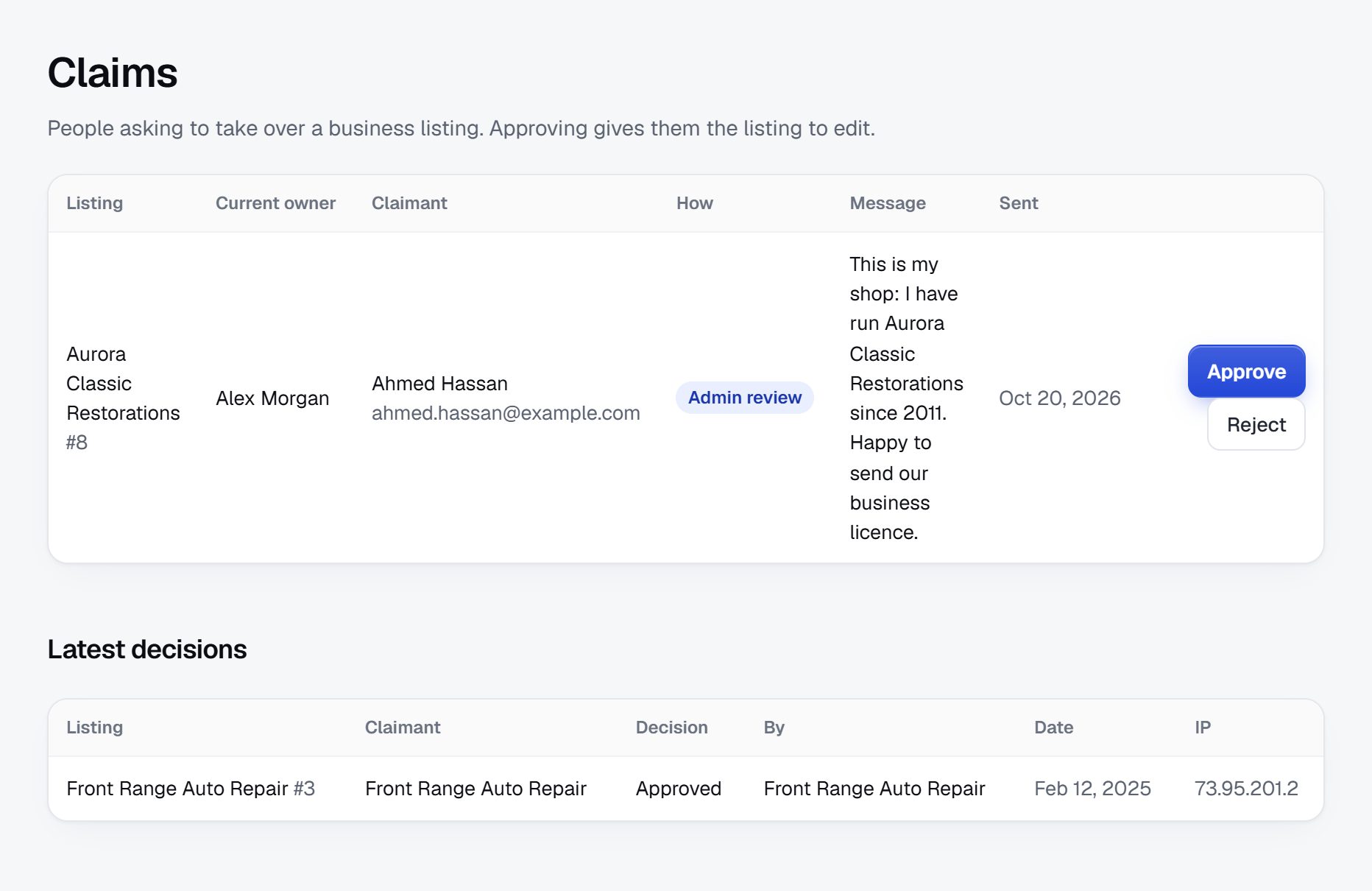
Protect artists from copied work and buyer scams.
Artists are a regular target of a specific scam: a stranger writes to buy several pieces "for my wife's birthday", insists on a cashier's check or a payment that is larger than the price, and asks for the difference back or for their own shipper to collect. The payment later bounces. Publish a short safety page for artists and link it from every inquiry they receive.
Rules for the directory
- Only an artist's own work. People sometimes post work that is not theirs, or AI-generated images presented as handmade. Ask new members for a link to an existing portfolio or social account, and act on reports quickly.
- Image rights. Artists keep the rights to their images. Only publish what they upload or approve, and take down anything an artist says was used without permission.
- Commissions in writing. Encourage artists and buyers to agree on price, size, deadline, deposit and revisions in writing before work starts. Most commission disputes come from a vague first conversation.
- Honest reviews. Reviews should come from people who bought or commissioned work. Artists can reply to them.
- Murals and public work. Permissions for walls and public spaces differ by town. Check the rules where you operate before giving any advice on them.
Keep artists safe from bad buyers, and they will recommend the directory to every artist they know.
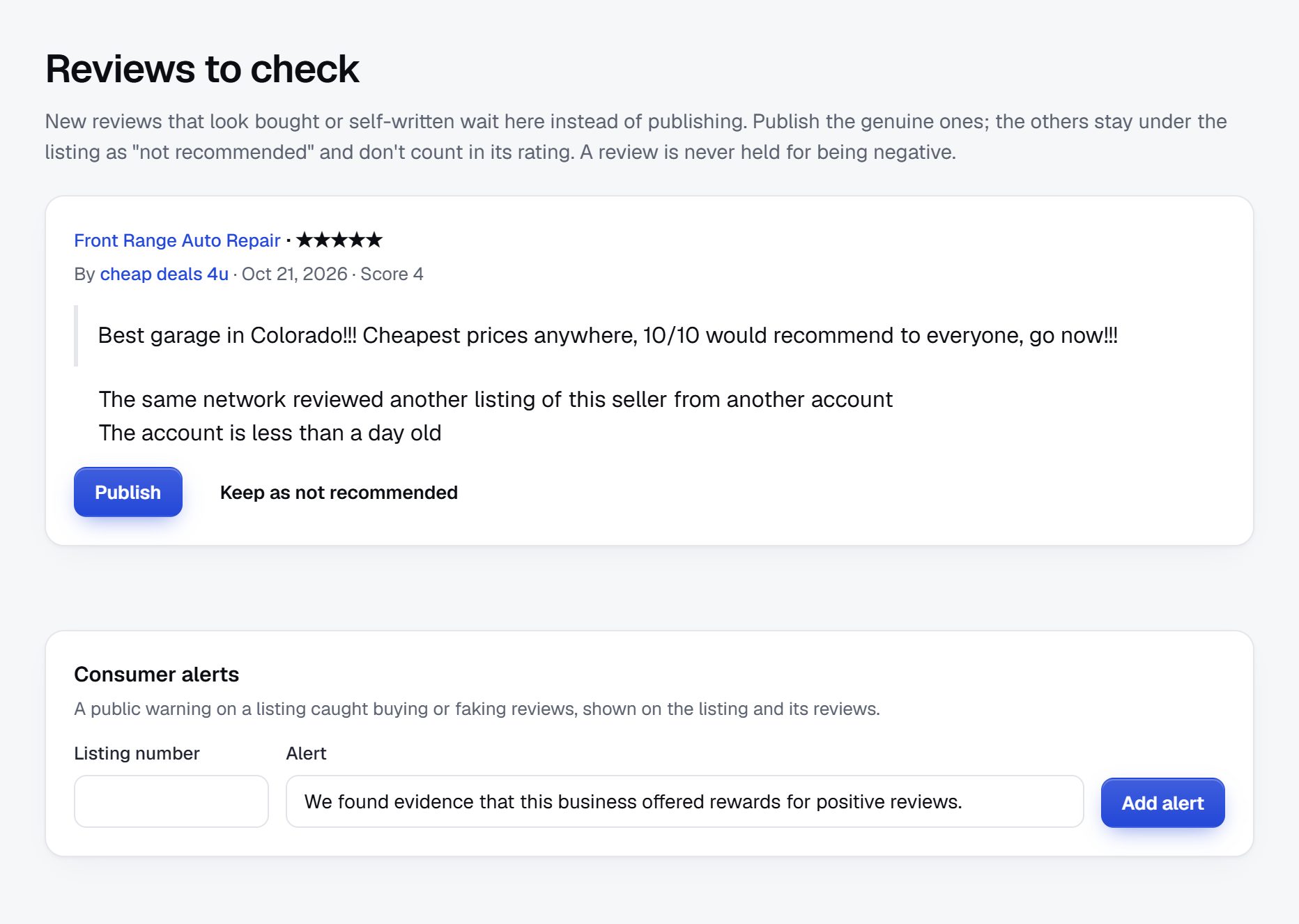
Rank for searches by medium, town and commission.
People search for art by what they want and where: "local artists in Asheville", "custom pet portrait artist Seattle", "mural artist for hire Phoenix", "handmade furniture maker Vermont", "pottery studio open to the public near me", "wedding ring jeweler Portland" and "pottery classes for adults Austin". The commission searches are especially valuable, because the visitor is ready to spend.
Pages to build
- Medium and town pages: potters in a city, painters in a county, furniture makers in a state.
- Commission pages by what people ask for: pet portraits, murals, custom furniture, engagement rings.
- A studio trail page with every studio that welcomes visitors, on a map.
- Class pages for artists who teach workshops.
Content ideas
- "How to commission a painting: what to ask and what to agree on."
- "What a mural costs", with ranges from muralists who agree to share them.
- Short interviews with artists, with photos of the studio.
- A holiday gift guide of locally made work every November.
- Pages for each open studios weekend or art walk, updated each year.
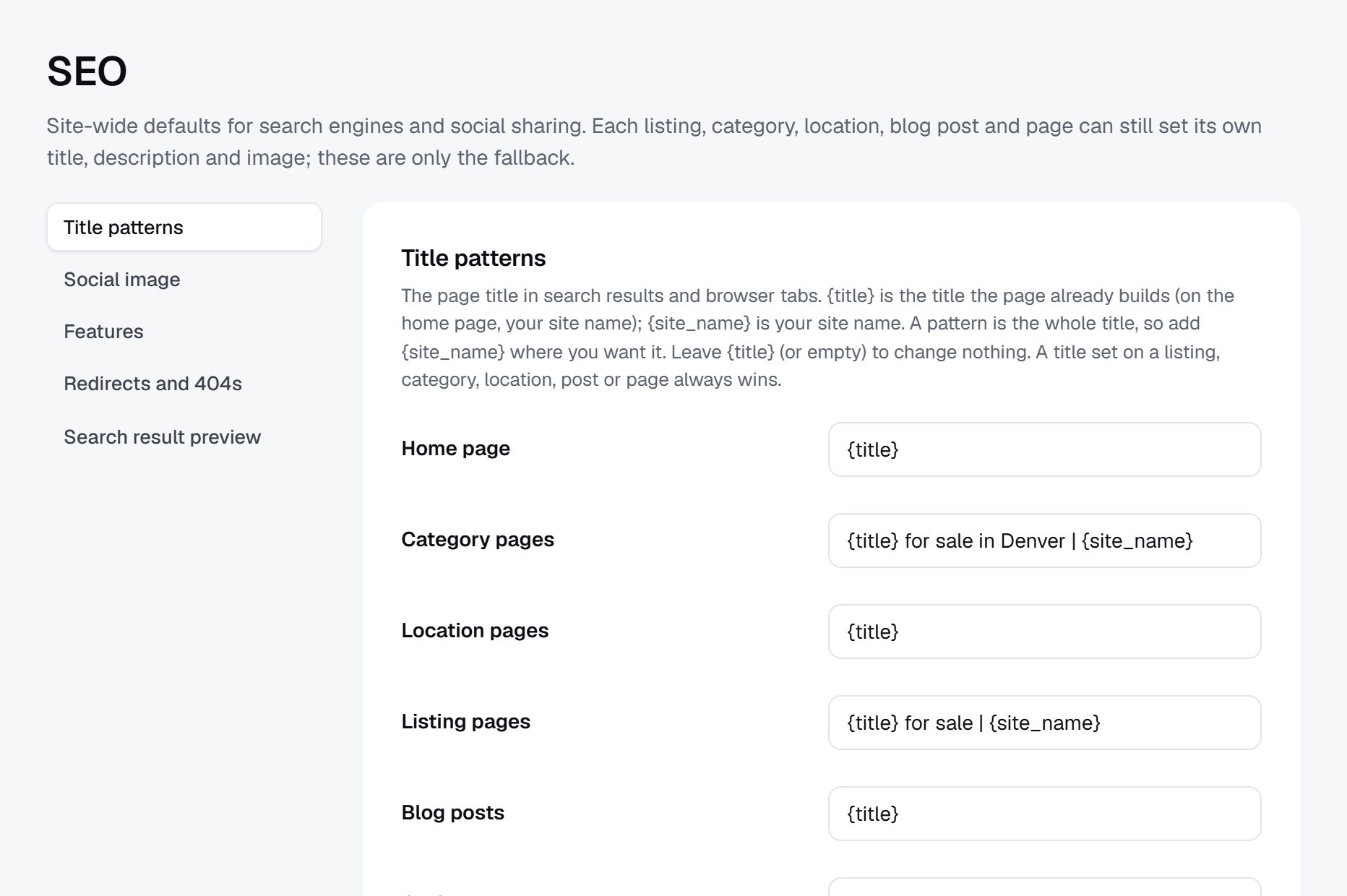
Every artist page title should carry the artist's name, medium and town, using a pattern you set once.
Launch at the events where art is already bought.
Art buying in most towns gathers around a few dates: spring and fall craft fairs, the open studios weekend, a monthly art walk, and the holiday markets of November and December. Launch a few weeks before one of these, and arrive at the event with something useful for visitors, such as a printed map of studios with a short address for the directory.
Partners
- The arts council or cultural office, which often wants a public artist directory but lacks the time to run one.
- Open studios organizers, who need a map and participant pages every year.
- Galleries, framers and art supply stores, who meet artists and buyers every day.
- Interior designers and architects, who commission local work and want a reliable source.
- Tourism offices, for an artists' trail aimed at visitors.
Launch checklist
- Pages for the artists in at least the main mediums of your area, most of them claimed.
- A commission request form tested with two or three working artists.
- A safety page for artists about payment scams.
- Medium and town pages with short introductions.
- A studio trail page ready for the next open studios weekend.
- A message for guilds and art societies to forward to their members.
After the first event, follow up with every artist who got an inquiry. Their stories are what convince the next group to join.
A worked example: a makers map for northern New Mexico.
Imagine a fictional directory called High Desert Makers Map, covering artists and makers across northern New Mexico, from Albuquerque up through Santa Fe and Taos. The region has painters, potters, weavers, silversmiths, woodcarvers and furniture makers, many of them working from home studios at the end of dirt roads, and a steady flow of visitors who want to buy from the person who made the piece. Galleries cover part of the picture; the studios themselves are much harder to find.
Categories
- Painting and drawing
- Clay and glass
- Functional pottery
- Sculpture and tile
- Fiber
- Weaving
- Quilts and embroidery
- Metal and jewelry
- Wood and furniture
- Studios open to visitors
Who it serves
Visitors planning a studio day on the road between Santa Fe and Taos, locals who want a wedding gift made nearby, interior designers furnishing new homes and restaurants, and hotel gift shops looking for makers to stock. Artists use it as a portfolio page they can send to anyone, since many have no website of their own. Second-home owners who furnish an adobe house over several years turn out to be some of its most loyal readers.
How it started
The founder ran a booth at summer craft fairs for years and kept a binder of other makers' business cards. One winter she typed those cards into a spreadsheet, added the participant lists of two studio tours, imported them, and wrote to every artist with a short note about the piece she remembered from the fair. Pages launched with text only, and artists added their own photos once they claimed them. In its second year, the spring studio tour adopted the map as its official guide.
How it makes money
Commission requests for custom furniture, portraits and jewelry reach artists free of charge, which is what brought most of them in. Featured artist spots on the town pages sell before the summer visitor season and the holiday markets. Around forty artists pay a yearly membership priced like a guild fee, a framer and an art supply store take banner spaces, and the studio tour organizers pay a sponsorship for the event map each spring. Basic pages remain free, and the site never takes a cut of a sale.
| Artist or studio | Price range | Key details |
|---|---|---|
| Juniper Ridge Pottery | Mugs from $38, dinner sets on commission | Wood-fired stoneware, studio open Saturdays, sells wholesale to two local shops |
| Rosa Vigil, weaver | Wall pieces from $450, rugs on commission | Hand-dyed wool, Rio Grande style, classes in spring and fall, eight-week lead time |
| Canyon Iron Works | Gates and railings from $2,500 | Blacksmith, site visits within 60 miles, insurance held, custom hardware |
| Mesa Light Studio | Prints from $60, originals from $900 | Landscape oils, open studio by appointment, framing through a local partner |
| Arroyo Table Co. | Dining tables from $3,200 | Reclaimed pine and walnut, twelve-week lead time, delivers across northern New Mexico |
The artists, studios and prices shown here are all imaginary.
The first 90 days, built around one art event.
An artist directory lives by its event calendar, so choose the event you will launch at, an open studio tour, an art walk or a holiday market, and count back 12 weeks. The event gives you a deadline, a room full of the people you need, and a reason for artists to share their page with buyers.
Unlike a directory of shops, most of the work here is personal. A potter who has never had a website will join because someone remembered her glazes, not because a form email arrived. Plan many short conversations at fairs and studio buildings in the middle weeks, and keep notes on whom you met and what they make.
Measure progress by claimed pages with images, because an artist directory without pictures is a list of names. Unclaimed pages can start as text, but the pages you show at launch should carry real work, chosen by the artists themselves.
| Weeks | Focus | Done when |
|---|---|---|
| 1-2 | Pick the region; set the medium list and fields for commissions, price from and studio visits | Three artists in different mediums say the sample page describes their work properly |
| 3-4 | Gather guild rosters and past fair and studio tour participants; import galleries and makerspaces from Google Places | A spreadsheet holds every artist you can name in the region, with medium and town |
| 5-6 | Send personal invitations and visit one or two studio buildings | Fifty artists have created or claimed their pages |
| 7-8 | Write the commission request form and the safety page on overpayment scams; test with working artists | Two artists have received and answered a test commission request |
| 9-10 | Build medium, town and commission pages; draft the studio trail or holiday gift guide | Every medium page shows a few claimed artists with images |
| 11 | Meet the arts council, open studio organizers, framers and interior designers | The launch event organizer has agreed to mention the directory |
| 12 | Launch at the event with printed cards or a studio map | Visitors have sent the first commission requests and artists are sharing their pages |
Ways to build an artist directory that respects the work.
Artists need pages that work as a small portfolio: several large images, a short statement, mediums, price ranges and whether they take commissions. Visitors need a map of studios they can visit, filters by medium and town, and a way to describe a commission and send it to a few artists at once. Reviews matter less than in most directories, and image rights matter more.
Building with developers fits an arts council or tourism office with a budget and a specific idea, such as a studio trail with a route planner for one weekend. Grant-funded custom builds often go stale when the grant ends, so decide who maintains it after the first year.
A directory script or WordPress plugin on your own server suits an artist or arts writer who already runs a WordPress site. You can shape the portfolio pages exactly, but large image galleries make pages slow without careful setup, and fake artist sign-ups arrive quickly.
A hosted builder such as Yclas gives artists their own claimable pages, quote requests for commissions, maps and featured places without a server to run, so your effort goes into meeting makers.
Whichever route you choose, check how it handles many images per page and what your terms say about who owns them. Artists will ask before they upload anything, and a clear, short answer wins their trust.
| Route | Fits when | Watch out for |
|---|---|---|
| Custom build | A funded arts body wants a studio trail or event tool shaped around its own programs | Who pays for upkeep once the grant or project ends |
| Script or plugin on a server of your own | You already run an arts blog or gallery site with readers | Slow image-heavy pages, fake artist sign-ups and plugin updates |
| Hosted directory builder | Your strength is knowing the local scene and meeting artists | Check image limits per page and that commission requests reach the artist directly |
What an artist and maker directory costs to run.
The software is the smallest part of the bill. Most of the cost is your time in the first months: finding the first listings, answering questions and checking what gets posted.
Costs are low: small Google Places charges for galleries and studios, and perhaps printing a studio map for your launch event. The real investment is the time spent meeting artists at fairs and studio buildings.
| Cost | Typical range | On Yclas |
|---|---|---|
| Domain | $10 to $20 a year | Your own, with SSL included |
| Software and hosting | $0 to $100+ a month, plus plugins and updates | Starter $19 a month, Professional $99 |
| Design | $0 to $100 for a theme, or a designer | 109 looks included |
| Payment fees | About 3% per payment | Your Stripe or PayPal fees; Yclas takes nothing |
| Business data | Free if you collect it, or a few cents per page of Google results | Paid to Google, with your key |
| Your time | 5 to 10 hours a week at the start | Finding listings, moderation, support |
Mistakes that keep artists from joining.
- Importing only what a map finds. A Google Places import brings galleries and frame shops, not the weaver working from a spare bedroom. A directory seeded that way looks like a list of shops and misses the point. Use fair lists, guild rosters and studio tours from the first day.
- Using artists' images without asking. Taking photos from an artist's website or social account to fill a page is the quickest way to lose the community's trust, and artists talk. Launch unclaimed pages with text and let each artist choose what to show.
- Mixing resellers in with makers. Shops selling imported goods as local craft, or online sellers posing as makers, undercut the artists you want. Ask how the work is made, require a portfolio or studio link, and act on reports from other artists.
- Getting origin and cultural claims wrong. Labels such as Native American made, or the name of a regional craft tradition, carry legal and community weight. In the United States, federal law makes it illegal to market work in a way that falsely suggests it was made by Native American artists. Check the rules where you operate, and show such claims only as the artist states them.
- Hiding prices completely. Buyers who cannot see any figure assume the answer is too high and never write. Ask every artist for a starting price or a range for typical work, and present it as a guide rather than a quote.
- Charging artists before they see inquiries. Many artists have paid for juried listings and ads that produced nothing. Asking for money in the first month confirms that suspicion. Keep pages free until commission requests are flowing.
- Ignoring the overpayment scam. Fake buyers write to artists every week with the same story about a gift and a shipper. A directory that forwards inquiries without a warning becomes part of the scam. Put a short safety note in every inquiry email.
- Letting pages go quiet after the fair. Artists move studios, change mediums and stop taking commissions for months at a time. Ask them twice a year to update their page, and mark artists who are not taking commissions, so visitors are not left waiting for a reply that never comes.
- Judging taste instead of facts. Rejecting artists because their work is not to your liking turns a directory into a jury, and the rejected artists tell everyone. Set rules about where people work and who makes the work, not about style.
Art and craft terms that come up in profiles and commissions.
Artists, galleries and buyers use these words on profile pages and in commission talks.
| Term | What it means |
|---|---|
| Commission | A piece made to order for a buyer, usually with an agreed size, price and deadline. |
| Open studio | A day or weekend when an artist invites the public into their workspace. |
| Studio tour | An organized event where many artists in an area open their studios on the same days. |
| Juried show | An exhibition or fair where a panel chooses which artists may take part. |
| Limited edition | A fixed number of prints or casts, usually numbered and signed by the artist. |
| Giclee | A high-quality inkjet print, commonly used to reproduce paintings. |
| Wholesale | Selling work to shops at a lower price so they can resell it at retail. |
| Consignment | A shop or gallery displays work and pays the artist only after it sells, keeping a share. |
| Artist statement | A short text in the artist's own words about their work and approach. |
| Lead time | How long an artist needs between agreeing a commission and delivering it. |
| Functional ware | Pottery made to be used every day, such as mugs, bowls and plates. |
| Maker | A common term for craftspeople who make objects by hand, from furniture to jewelry. |
| Deposit | A part payment made before an artist starts a commission, to cover materials and time. |
| Proof | A sketch, sample or mockup the buyer approves before the artist makes the final piece. |
The same steps for an artist and maker directory on Yclas.
- Describe your directoryThe setup wizard writes the categories, an About page and example listings from one sentence.
- Add fieldsHours, services, areas served, prices: the details people search by, as filters.
- Fill itImport businesses from a spreadsheet or Google Places, then check them.
- Bring owners inOwners claim their page, update it and answer reviews.
- EarnSwitch on featured places, banners or memberships when visits arrive.
How much does it take to start an artist directory?
Little money and quite a lot of time. Beyond the site and a domain, plan for Google Places charges, printed maps or cards for local events, and many hours of personal invitations.
Can I use artists' photos from their websites?
Not without permission. Artists own their images. Launch pages with text and let artists add or approve images when they claim their page.
Should artists pay to be listed?
Not for a basic page. Charge for memberships with extra features and for featured spots once artists can see inquiries arriving.
Can visitors buy art directly on the directory?
A directory sends buyers to the artist. Selling with checkout and a commission on each sale is a marketplace, available on the Marketplace plan, and works best once you know which artists want it.
How do I stop people posting work that is not theirs?
Ask new artists for an existing portfolio or social account, approve new pages before they go live, and remove work quickly when someone reports a copy.
What legal points should I think about?
Image rights, the terms on your commission request form and privacy for the contact details you hold. Check the rules where you operate, especially before giving advice on murals or public art.
How is this different from a craft marketplace?
Marketplaces sell products from anywhere. Your directory shows the people and studios in one area, what they make, and whether you can visit or commission them.
Should I include art teachers and classes?
Yes, as a field on artist pages and a page per medium. Many artists earn part of their living from workshops, and people who search for pottery or painting classes often become buyers later. A class field also brings in retired artists who no longer sell much but still teach.
How do I decide which artists to accept?
Set simple rules: the artist lives or works in your region, makes the work themselves, and has a portfolio you can check. Leave quality judgments out of it, since that turns a directory into a jury and creates disputes.
Can galleries list the artists they represent?
Galleries can have their own pages and mention the artists they show. Let each artist claim their own page as well, so they control how their work is described and where inquiries go. Mention the gallery on the artist page when the artist agrees to it.
What happens when an artist moves away?
Ask whether they still take commissions from your region. If they do, keep the page with a note about where they work now; if not, archive it so the medium pages stay accurate.
Can an artist directory work in a small town?
It can, especially in places that draw visitors or have an active arts council. A small town with a few dozen makers can support a directory if it covers the surrounding county and ties into local events. Visitor bureaus in small towns are often glad to point to a guide like this, because they have nothing comparable.
Related pages.
The parts of Yclas this leans on.
You have the plan. Now put your local artists where buyers can find them.
Describe your site in a sentence and the setup wizard writes the categories, example listings and a look. Free for 15 days, no credit card.
Start my directory