How to build a creator directory brands search before they send a single DM.
This guide covers how to build a creator and influencer directory for one niche, region or language: who searches it, the profile details brands filter on, how it earns money from featured spots and campaign briefs, where the first creators come from, fake followers and brand-deal scams, the searches to rank for, and a launch built around creator events.
Free for 15 days · No credit card · Plans from $19 a month
Pick a corner of the creator world that brands struggle to search.
A small brand that wants ten home cooks in Texas to try a new hot sauce has few good options. Scrolling hashtags takes days. The big influencer platforms are priced for agencies with yearly contracts, and their databases are scraped lists of accounts that never agreed to be in them. A directory where creators chose to be listed, with honest details, solves a real problem for both sides.
Who searches a creator directory
- Small and mid-size brands looking for creators who fit their product, budget and region.
- PR and marketing agencies building shortlists for a campaign.
- Event organizers and tourism boards inviting creators to a festival, a trip or a launch.
- Other creators looking for collaborators, editors or guests for a podcast.
Choosing the angle
Narrow on one axis people already use when they describe themselves: a topic (fishing, sewing, personal finance, gaming), a place (Pacific Northwest food creators), a language (Spanish-speaking parenting creators in the US), or a size (micro creators under 50,000 followers). Micro and mid-size creators are the best fit: they are often underserved by agencies and happy to be found.
Look at where deals happen today: creator Facebook groups, Discord servers, agency spreadsheets, conference attendee lists and cold messages in Instagram inboxes.
Only list creators who opted in. A directory of people who never agreed to be there is a list of complaints waiting to arrive.
Let brands filter by platform, topic, audience and reach.
Brands start with "who talks about this" and then narrow by platform and size. Make the topic the category and put everything else in fields. Keep categories to one or two levels: a fitness creator page should not be buried four clicks deep.
Profile details brands filter on
- Main platform and other platforms: Instagram, TikTok, YouTube, Twitch, podcast, blog, newsletter.
- Follower range as a dropdown (under 10k, 10k to 50k, 50k to 250k, 250k and up) rather than an exact number that is out of date next month.
- Audience location and language, which matter more to a local brand than raw reach.
- Content formats: short video, long video, live streams, photos, reviews, unboxing, tutorials.
- Open to: paid posts, gifted products, affiliate deals, event appearances, user-generated content for the brand's own channels.
- Rates from, optional, for creators who want to show a starting price.
Ask every creator for a short pitch in their own words and three example posts described in text. That gives each profile unique content and shows brands the voice behind the account.
| Category | Example creators | Fields brands filter on |
|---|---|---|
| Food and cooking | Home cooks, barbecue reviewers, bakers, restaurant critics | Platform, follower range, city, dietary focus |
| Travel and outdoors | Hikers, van lifers, family travel bloggers | Regions covered, open to press trips, formats |
| Beauty and fashion | Makeup tutorials, thrift hauls, modest fashion | Skin type focus, audience age range, open to gifted products |
| Parenting and family | Parent vloggers, toy reviewers, homeschool creators | Children's ages featured, language, audience location |
| Gaming and tech | Streamers, gadget reviewers, retro gaming channels | Platform, games covered, live or recorded |
| Fitness and wellness | Running coaches, yoga teachers, strength trainers | Specialty, certifications, open to affiliate deals |
Custom fields can be dropdowns, checkboxes or numbers and show as search filters, so a follower range or platform list becomes a filter brands use.
Charge for attention once brands are searching, not before.
Creators are used to platforms that take a cut, and many are wary of anything that charges them to be listed. Keep basic profiles free until brands visit every day. Then the money comes from both sides: creators who want to stand out and brands that want shortlists faster.
What people pay for
- Featured creators at the top of a topic or city page, clearly labeled as featured.
- Creator memberships with more photos, a longer media kit section, a verified badge after you check their accounts, and priority in search.
- Campaign briefs: a brand describes the campaign once, and it goes to matching creators as a quote request. Creators reply with their price and ideas.
- Banner spaces for tools creators use: editing apps, ring lights, accountants who understand creator income.
- Sponsored roundups, such as a yearly list of rising creators in your niche, sold to one brand as sponsor.
Never sell a better ranking without a label. Brands stop trusting search results the moment paid spots look organic.
| Model | Works when | Switch it on |
|---|---|---|
| Featured creators | Brands browse topic pages regularly | When search traffic from brands is steady |
| Creator memberships | Creators want a verified badge and a richer profile | After a few hundred active profiles |
| Campaign briefs to creators | Small brands need shortlists quickly | Once brands post briefs every week |
| Banner spaces | Creator tools want to reach your audience | When you can show monthly visitors |
| Sponsored roundups | Your yearly list gets shared | From the second year |
Recruit your first 100 creators by hand, and make joining take two minutes.
A creator directory cannot be filled from public business data. Map imports will not find a TikTok baker. Your first profiles come from people you invite, one by one, and from groups that already gather creators.
Where creators are
- Creator meetups and conferences in your niche, plus regional events like food festivals, comic cons and outdoor shows.
- Facebook groups, Discord servers and subreddits where creators swap advice about rates and deals.
- Hashtags and location tags on the platforms themselves: message creators you find and invite them, never list them without asking.
- Talent managers and small agencies, who can add a whole roster at once with the creators' consent.
- Brands you already know, who can share the list of creators they have worked with.
Making it easy
Collect sign-ups through a short form, then load them from a spreadsheet: Yclas imports listings from a CSV file. Each creator then claims their profile, checks the details and adds photos. Management companies and production studios with a real address can also come in through a Google Places import, which brings name, address, phone, website and opening hours but no photos.
Fifty complete, honest profiles in one niche beat five hundred thin ones across every topic.
Watch for fake reach, fake brands and undisclosed ads.
The creator economy has its own set of problems, and a directory sits in the middle of them. Brands want to know the numbers are real; creators want to know the brands are real.
Risks typical of a creator directory
- Bought followers and engagement: accounts with large counts and comments from bots. Ask for recent screenshots of audience insights before giving a verified badge, and use ranges instead of exact counts.
- Impersonation: someone lists a well-known creator to collect deals. Verify each claim with a code the creator posts in their bio or sends from the account itself.
- Fake brand deals: scammers pose as brands, ask creators to pay for "shipping" or open a file that steals their account. Review new brand accounts, never let briefs ask for payment from creators, and publish a short safety page for creators.
- Minors: many creators are under 18. Decide whether you list them at all; if you do, require a parent or guardian on the account and check the rules where you operate.
Disclosure of sponsored posts
In many countries, consumer protection rules require that paid or gifted posts are clearly marked as advertising, using the platform's paid partnership label or a plain tag such as #ad. Remind creators and brands of this in your guidelines, and check the rules where you operate.
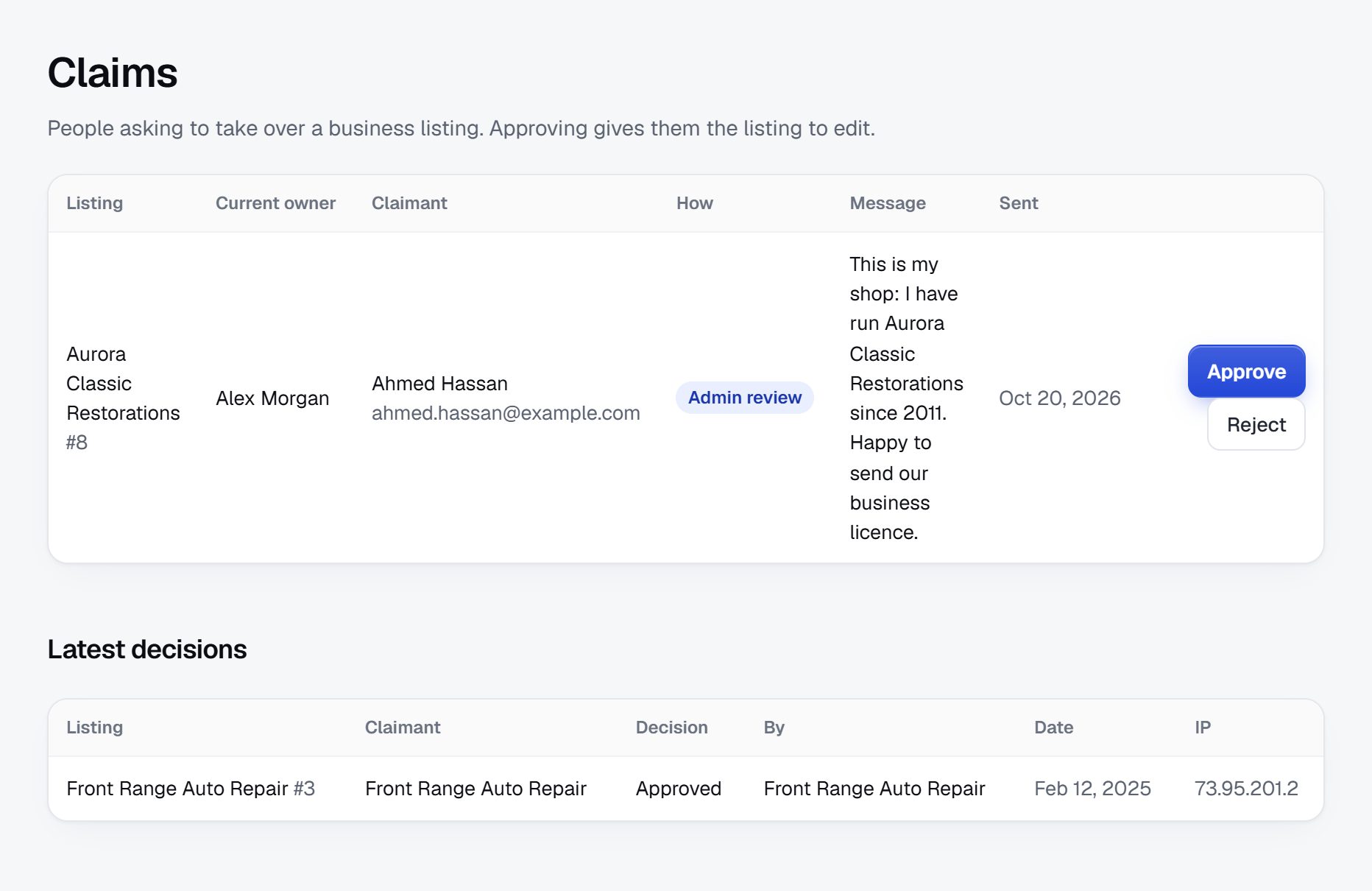
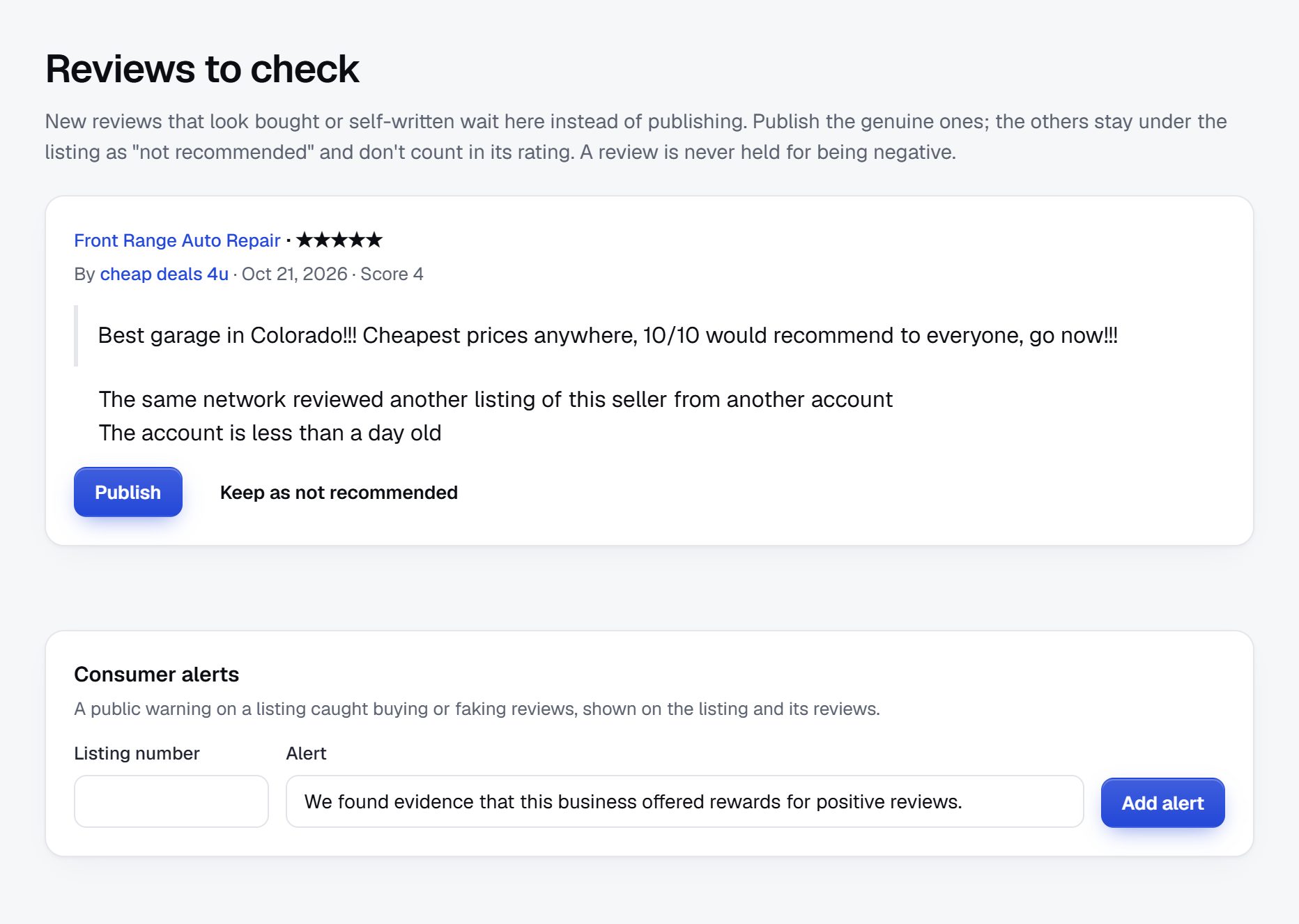
Yclas moderation can approve every profile and hold suspicious ones for review: use it while the directory is young.
Rank for the searches brands make when they start a campaign.
Brands search with a topic, a place and a platform in the same phrase. Each of those combinations is a page you can build from the profiles you already have.
Searches to target
- "food influencers in Austin"
- "micro influencers for skincare brands"
- "Spanish speaking YouTubers parenting"
- "travel bloggers in Colorado for press trips"
- "how much do micro influencers charge"
Pages to build
- Topic and city pages: one for each combination with at least five real creators.
- Platform pages: TikTok creators, YouTube creators, podcasters in your niche.
- Profile pages with a written pitch, formats and audience details, not just an embedded feed.
Content ideas
- A rates guide built from what creators in your directory told you, shown as ranges.
- A brief template brands can copy, which also explains what creators need to quote.
- A plain-language page on ad disclosure for small brands working with creators for the first time.
- Case studies of small campaigns that worked, written with the brand and creator's permission.
Launch to creators first, then bring the brands in.
Creators are the supply here, and they talk to each other. Get one community on board, make the profiles look good, and let them share their own pages. Brands follow when they see a directory full of people they recognize.
Timing
Brand budgets cluster around seasons: back to school in summer, holiday gift guides from early fall, New Year fitness pushes, spring travel. Launch to creators two or three months before one of those seasons in your niche, so profiles are ready when brands start looking.
Partners
- A creator conference or meetup that lets you announce the directory to attendees.
- Two or three small brands willing to post the first briefs.
- A creator newsletter or podcast in your niche.
Launch checklist
- At least 50 complete creator profiles in your main topic.
- Verification steps written down and tested on your first ten creators.
- Guidelines for creators and brands, including the disclosure reminder.
- A creator safety page about fake brand deals.
- A brief form tested end to end with a friendly brand.
- Terms, a privacy policy and a clear way to remove a profile.
A worked example: a food creator directory for south Louisiana.
Picture a fictional directory called Roux Row Creators, listing food and cooking creators across south Louisiana, from Lafayette and the Acadiana parishes to Baton Rouge and New Orleans. The region has a food culture that brands, restaurants and tourism offices all want to show, and a large group of home cooks, crawfish boil hosts, restaurant reviewers and recipe developers who post about it in English, French, Spanish and Vietnamese.
Categories
- Cooking and recipes
- Cajun and Creole home cooking
- Baking and desserts
- Outdoor cooking and boils
- Eating out
- Restaurant reviewers
- Food truck and festival coverage
- Food business creators
- Chefs with their own channels
- Farmers, fishers and producers
Who it serves
Regional grocery chains and hot sauce, seasoning and coffee brands looking for local voices; restaurant groups opening a new location; parish tourism offices planning the festival season; and national food brands that want real Louisiana cooking content without guessing which accounts are genuine.
How it started
The founder ran social media for a small seasoning company and spent every spring building a spreadsheet of local cooks for the crawfish season push. Other brands kept asking her for a copy. She turned it into a directory, invited the forty creators already on her list, and asked each of them to suggest two others they respected. Nobody was listed without saying yes, and each profile was checked against the creator's own account before it went live. Language became a field early on, because tourism offices kept asking for French-speaking cooks, and the founder added a short pitch in each language a creator posts in. Within three months the directory held about 120 profiles, most of them creators under 50,000 followers who had never been contacted by an agency.
How it makes money
Profiles stay free. Revenue comes from featured spots on the festival season pages, a creator membership with a verified badge and a longer media kit, and campaign briefs that small brands send to matching creators. A kitchen supply store and a food photography studio rent the banner spaces. In the second year the founder sold the sponsorship of a yearly list of new Louisiana food voices to a regional grocer, which also brought the directory its first press coverage.
Most creator directories begin as a list somebody already keeps for their own campaigns.
| Creator | Platform and reach | Key details |
|---|---|---|
| Mamere's Skillet, home cook in Breaux Bridge | TikTok and Instagram, 10k to 50k | Cajun home cooking in English and French, open to gifted products and paid posts |
| Uptown Plate Notes, restaurant reviewer in New Orleans | Instagram and a newsletter, 50k to 250k | Covers new openings in two parishes, open to press dinners, rates from listed |
| Boil Boss Acadiana, outdoor cook near Lafayette | YouTube, 10k to 50k | Long videos of crawfish and shrimp boils, busy in spring, open to equipment sponsors |
| Sweet Dough Diaries, baker in Baton Rouge | Instagram, under 10k | King cakes and pastry, Carnival season focus, open to content for brand channels |
| Gulf to Table Kitchen, fisher and cook in Houma | Facebook and YouTube, 10k to 50k | Seafood from boat to plate in English and Vietnamese, open to event appearances |
The first 90 days: creators first, brands once the profiles look full.
A creator directory has two audiences that arrive at different times. Creators come first, because a brand that opens an empty directory does not come back. Brands come once profiles look complete and your verification steps work. The plan below assumes one topic and one region, run part time, with the site ready a few weeks before a season when brands in your niche spend money: holiday gift guides, back to school, summer travel or a local festival calendar.
Spend the first month on decisions that are hard to change later: the follower ranges you use, what a verified badge means, whether you list creators under 18, and how a creator removes a profile. Write each one down. The second month is invitations and checks, one creator at a time. The third brings in the first brands, with briefs you help them write so the first replies are good ones.
Keep a simple tracker of every creator you invite, where you found them, when they claimed and whether they passed verification. It shows which sources work, and it gives you a real number when you pitch brands. If the season you are aiming at comes sooner than expected, cut the number of topics rather than the checks: one topic done properly is easier to grow than five done loosely.
| Weeks | Focus | Done when |
|---|---|---|
| 1-2 | Choose the topic and region, set follower ranges, platforms and the "open to" checkboxes | Five creators have filled in a sample profile without asking what a field means |
| 3-4 | Write verification steps, creator guidelines, the disclosure reminder and the removal process | Verification tested on your first ten creators, with each result recorded |
| 5-6 | Invite creators from groups, meetups and location tags, one personal message each | 75 creators invited and at least 40 profiles claimed and complete |
| 7-8 | Build topic and city pages, write the rates guide and the brief template for brands | Every topic page with five or more creators has a written introduction |
| 9-10 | Bring in three to five small brands and help each write a first brief | Every brief has received at least three replies from creators |
| 11-12 | Announce at a creator event or in a niche newsletter, then contact local agencies | 100 complete profiles and a brand sign-up form used by people you do not know |
Ways to build a creator directory, and what this niche demands.
A creator directory has a few needs that steer the choice. Profiles carry many structured details, such as platforms, follower range, audience location, formats and what the creator is open to, and brands must filter on all of them. Creators must claim and edit their own profiles. Brands need a way to send a brief to several matching creators without creators' emails being public. And moderation has to be strong enough to catch impersonators and fake brand accounts.
Building it yourself with developers makes sense if your plan depends on live data, such as follower counts pulled from the platforms. Those connections need approval from each platform, change often and can stop working without warning, so budget for ongoing work rather than a one-off build.
A directory script or WordPress plugin on your own server suits someone who already runs a creator blog or newsletter on WordPress. You get full control, and you also own spam sign-ups, security updates, backups and the privacy requests that come with storing details about individuals.
A hosted builder such as Yclas gives you custom fields shown as search filters, owner claims, quote requests sent to listings, moderation and featured places without a server to run. You trade some freedom for time spent recruiting creators and checking accounts, which is where a young directory succeeds or fails.
Whichever you pick, test the claim and verification flow with real creators before launch. It is the part most likely to confuse people.
| Route | Fits when | Watch out for |
|---|---|---|
| Custom build with developers | You need live platform data or matching rules no directory offers | Platform data access can be limited or withdrawn, and upkeep never ends |
| Script or WordPress plugin on your server | You already publish for creators on your own site | Spam sign-ups, updates, backups and data requests are all yours |
| Hosted directory builder | You want claims, filters and briefs working within weeks | Check you can export your data and use your own domain |
| Spreadsheet or form tool to start | You are testing demand with a handful of brands | Brands cannot search it, and it breaks down past a few dozen creators |
What a creator directory costs to run.
The software is the smallest part of the bill. Most of the cost is your time in the first months: finding the first listings, answering questions and checking what gets posted.
Expect to spend time rather than money on verification: checking accounts and audience screenshots by hand adds up. Budget for a creator event ticket or table, and for legal review of your terms if you will list creators under 18.
| Cost | Typical range | On Yclas |
|---|---|---|
| Domain | $10 to $20 a year | Your own, with SSL included |
| Software and hosting | $0 to $100+ a month, plus plugins and updates | Starter $19 a month, Professional $99 |
| Design | $0 to $100 for a theme, or a designer | 109 looks included |
| Payment fees | About 3% per payment | Your Stripe or PayPal fees; Yclas takes nothing |
| Business data | Free if you collect it, or a few cents per page of Google results | Paid to Google, with your key |
| Your time | 5 to 10 hours a week at the start | Finding listings, moderation, support |
Mistakes that empty a creator directory.
- Scraping accounts into the directory. Pulling public profiles in bulk fills pages quickly and brings complaints, takedown requests and possibly privacy trouble just as fast. Creators who find themselves listed without asking warn other creators. Invite every creator and publish only what they confirm.
- Showing exact follower counts. A number typed in March is wrong by April, and it tempts creators to round up. Use ranges, and date every audience screenshot you check so brands know how fresh it is.
- Treating reach as the only filter. Small brands care more about audience location, language and topic fit than about size. If follower count is the first filter, micro creators sink to the bottom and your directory looks like every other influencer list. Lead with topic and place, and keep the follower range further down the filter list, where it narrows a search rather than starting it.
- Letting brand accounts in without a check. Fake brands are the usual way creators get scammed, through files that steal accounts or fees for "shipping". One bad brief can cost you a whole community. Review every new brand account and refuse any brief that asks creators to pay.
- A verified badge that means nothing specific. If the badge only means the creator paid, brands learn to ignore it. Write down what you checked, such as account ownership and a recent audience screenshot, and show that list on every verified profile.
- Ignoring age. Teen creators are common in gaming, beauty and sports. Listing them without a parent or guardian involved, or letting adults message them freely, is a serious risk. Decide your rule before the first invitation and check the rules where you operate.
- Thin profiles with only a handle. A name and a link to an account gives brands no reason to stay and gives search engines nothing to index. Require a pitch, formats and three described example posts before a profile goes live.
- Opening to brands before creators are ready. A brand that sends a brief and gets two replies does not send a second one. Hold brand sign-ups until each topic you promote has enough complete profiles to answer a brief well. Twenty strong profiles in one topic will serve a brand better than three in each of ten topics.
- Leaving disclosure to chance. When a campaign found through your site goes out without an ad label, your name can come up in the complaint. Put the disclosure reminder inside the brief form and in the creator guidelines, not only on a help page.
Creator economy terms a directory founder should know.
Brands and creators use these words in briefs and media kits, so your fields and guidelines should use them too.
| Term | What it means |
|---|---|
| Nano creator | A creator with a small but often close audience, usually under about 10,000 followers. |
| Micro creator | A creator with a mid-size audience, often counted as roughly 10,000 to 100,000 followers, though definitions vary. |
| Engagement rate | Likes, comments, shares and saves divided by followers or views, used to judge whether an audience is active. |
| Media kit | A short document or page with a creator's audience details, past work and starting rates. |
| Gifted collaboration | A deal where the creator receives a product free and posts about it, with or without a fee. |
| UGC | User-generated content: photos or videos a creator makes for a brand to post on its own channels. |
| Usage rights | Permission for a brand to reuse a creator's content in ads or on its website for a set period. |
| Whitelisting | An arrangement where a creator lets a brand run paid ads through the creator's account. |
| Exclusivity | A clause that stops a creator working with competing brands for an agreed time. |
| Affiliate link | A tracked link that pays the creator a share of each sale it brings in. |
| Paid partnership label | A platform tool that marks a post as sponsored so viewers can see it is advertising. |
| Deliverables | The exact posts, videos or stories a creator agrees to make for a campaign. |
| Audience insights | The analytics a platform shows the creator, such as audience age, location and gender. |
The same steps for a creator directory on Yclas.
- Describe your directoryThe setup wizard writes the categories, an About page and example listings from one sentence.
- Add fieldsHours, services, areas served, prices: the details people search by, as filters.
- Fill itImport businesses from a spreadsheet or Google Places, then check them.
- Bring owners inOwners claim their page, update it and answer reviews.
- EarnSwitch on featured places, banners or memberships when visits arrive.
How much does it cost to start a creator directory?
Most of the cost is your time recruiting and checking creators. Beyond the software and a domain, plan for a few event tickets and possibly a lawyer's review of your terms and privacy policy.
Can I list influencers without asking them?
It is a bad idea. Creators are individuals, privacy rules in many places limit what you can publish about people, and unlisted creators complain. Invite them and let them opt in.
How do I get brands to use the directory?
Start with small brands in your niche who already work with creators, offer them free briefs at first, and publish useful pages like a rates guide that brands find through search.
Should I show exact follower counts?
Use ranges. Counts change daily, exact numbers go stale, and ranges reduce the pull to inflate them.
How do I know a creator's audience is real?
Ask for recent audience insight screenshots, look for sudden follower jumps and generic comments, and only give a verified badge after those checks.
Am I responsible for creators disclosing ads?
The creator and the brand are usually the ones expected to disclose, but you should remind both in your guidelines. Check the rules where you operate.
Can I compete with the big influencer platforms?
Not on size. You win on a niche they cover badly, opted-in profiles with honest details, and prices a small brand can afford.
Should creators pay to join my directory?
Not at first. Charging creators before brands are searching looks like a pay-to-be-seen scheme, which many creators have learned to avoid. Keep basic profiles free and charge for extras, such as a verified badge and a longer media kit, once brands visit regularly.
Can I take a cut of the deals made through the directory?
Deals between brands and creators usually close outside your site, so a commission is hard to collect and easy to skip. Charging for briefs, featured places and memberships is more practical for a directory, and it keeps you out of arguments over posts that were late or never went up.
What should I do when a creator asks to be removed?
Remove the profile quickly and confirm it in writing. Keep a short note of the request so the profile is not added back by a later import, and make the removal option easy to find on every profile.
Should talent managers and agencies be listed?
Yes, in their own category. Managers can bring a roster at once and often answer briefs faster. Ask them to show that each creator agreed, and keep every creator's profile in the creator's own name rather than the agency's. If a creator leaves the agency, the profile should stay with the creator.
How often should creators update their profiles?
Ask for a check every three to six months, since follower ranges, formats and rates change. Send a reminder with a link to the profile, and add a "last confirmed" date field so brands can see how current each one is.
Related pages.
The parts of Yclas this leans on.
You have the plan. Now build the creator directory your niche is missing.
Describe your site in a sentence and the setup wizard writes the categories, example listings and a look. Free for 15 days, no credit card.
Start my directory