How to build a funeral home directory that helps families at a hard time.
This guide covers how to build a directory of funeral homes, crematories and related services for one region: why grieving families struggle with what they find today, the details they compare, how to earn from providers respectfully, where the first hundred listings come from, price transparency and scams, the searches to rank for, and a calm launch plan.
Free for 15 days · No credit card · Plans from $19 a month
Build for families who must choose within hours, and for people planning ahead.
Most people choose a funeral home within hours or days of a death, often exhausted and grieving. They want to know who is nearby, what is included, what it costs, whether the home serves their faith or culture, and whether it can handle cremation, burial or sending the body to another country. Many funeral home websites publish no prices, and search results mix independent homes, group-owned homes trading under long-standing local names, comparison sites and ads.
Who searches
- Families after a death, usually needing help the same day.
- People planning ahead for themselves or a parent, comparing prepaid plans calmly.
- Relatives far away arranging a funeral in a town where they do not live.
- Hospice workers, chaplains and nursing home staff who are asked who the family should call.
Pick your angle
Funeral care is local, so start with one county or metro area. Angles that work: a complete local directory with prices where homes publish them; a directory for one faith or culture (Jewish, Muslim, Hindu, Chinese, Catholic) across a wider area; or a directory of natural burial grounds and direct cremation providers, which families often struggle to find.
Today families rely on the home that handled the last family funeral, a suggestion from hospice staff or clergy, and obituary pages. A directory that shows services and price ranges side by side gives them a calmer choice.
Write every page for someone who is grieving: plain words, no pressure, and the phone number easy to find.
Show services, faiths served and prices so families can compare calmly.
Keep categories few: funeral homes, cremation providers, cemeteries, natural burial grounds, celebrants and memorial services. Families filter on what a provider does and whom it serves.
- Services as checkboxes: traditional funeral, direct cremation, direct burial, memorial service, embalming, viewing, repatriation, pre-need planning.
- Faiths and cultures served, and whether staff know the customs, such as same-day burial or washing rites.
- Price list available, with starting prices for direct cremation and a basic funeral where the home publishes them.
- Facilities: chapel, viewing rooms, reception space, on-site crematory, parking, wheelchair access.
- Answers calls 24 hours for a first call after a death.
- Ownership: family-owned and independent, or part of a group, as the home states it.
- Green options: natural burial, biodegradable caskets and shrouds, no embalming.
Make services, area and a 24-hour phone number required. A family calling at night needs those three before anything else.
| Category | Example listings | Fields families filter on |
|---|---|---|
| Funeral homes | Family-owned homes, group-owned homes | Services, faiths served, chapel, 24-hour phone |
| Cremation providers | Direct cremation services, on-site crematories | Starting price, collection area, witnessed cremation |
| Cemeteries | Public, church and private cemeteries | Plot types, faiths, open for new burials |
| Natural burial grounds | Green burial sites, conservation burial grounds | Shroud or casket rules, embalming policy, setting |
| Celebrants and officiants | Secular celebrants, interfaith ministers | Ceremony types, languages, areas served |
| Memorials and related services | Headstone makers, funeral florists, repatriation services | Materials, lead time, areas covered |
Show a starting price plus a short note, and leave the full itemized price list to the home itself.
Earn from providers in ways families will not find distasteful.
Money and grief sit uneasily together, and families notice. Keep every listing free so the directory covers all homes, and choose paid options that stay out of the way of a family's decision.
- Featured places in a county or service, clearly labeled. Homes that have just opened, or that offer direct cremation at a published price, often want them.
- Provider memberships: a full profile with photos of the chapel and grounds, staff introductions and a featured spot, billed monthly.
- Banner spaces for florists, monument makers, estate lawyers, grief counselors and estate sale companies.
- Pre-planning inquiries: people planning ahead send a request to the homes they choose. This is calmer ground for paid inquiries than calls made in the hours after a death.
Avoid selling at-need calls to the highest bidder, or hiding which homes pay. A family in crisis may ring the first number it sees, and a directory that sends it to whoever paid most loses trust quickly. Funeral advertising, pricing and pre-need sales are regulated in many places, so check the rules where you operate before charging per inquiry.
Label paid places clearly, and never let money decide who a grieving family sees first without saying so.
| Model | Works when | Switch it on |
|---|---|---|
| Featured places, labeled | Several homes serve the same county | When county pages get steady visitors |
| Provider memberships | Homes want full profiles with photos and staff | Once homes are editing their own pages |
| Banner spaces | Florists, monument makers and lawyers want families | When you can show visitor numbers |
| Pre-planning inquiries | People compare homes long before a death | After the planning guides rank |
| Sponsored planning guide | A home backs a guide on planning ahead | When the guide brings steady visitors |
List every home in your region, then ask owners to add prices and photos.
Funeral homes are easy to find, and few enough in one county to list completely. In many places funeral directors and funeral establishments are licensed, and some regulators publish lists of licensed homes; check the terms before copying them.
- Import funeral homes, crematories and cemeteries from Google Places with your own Google key. Names, addresses and opening hours arrive without photos, and you add services by hand.
- Read each home's website for services, faiths served and any published price list, and enter them in a spreadsheet you then import as a CSV.
- Call or visit independent homes. Family-owned homes often value a respectful local directory, and many funeral directors are active in civic and faith groups that can spread the word.
- Add the services families need next: florists, celebrants, monument makers, repatriation services and bereavement support groups.
- Ask owners to claim their page to add photos, staff, a price range and pre-planning information.
Finish one county before you add the next. A family that finds only half the local homes goes straight back to a search engine, and a home that discovers its rival is listed but it is not will rarely trust the site again. Completeness, with a working phone number on every page, matters more here than polish.
Be respectful, push price transparency and protect families from scams.
A funeral home directory serves people at their most vulnerable, so tone and accuracy matter as much as features.
Prices and honesty
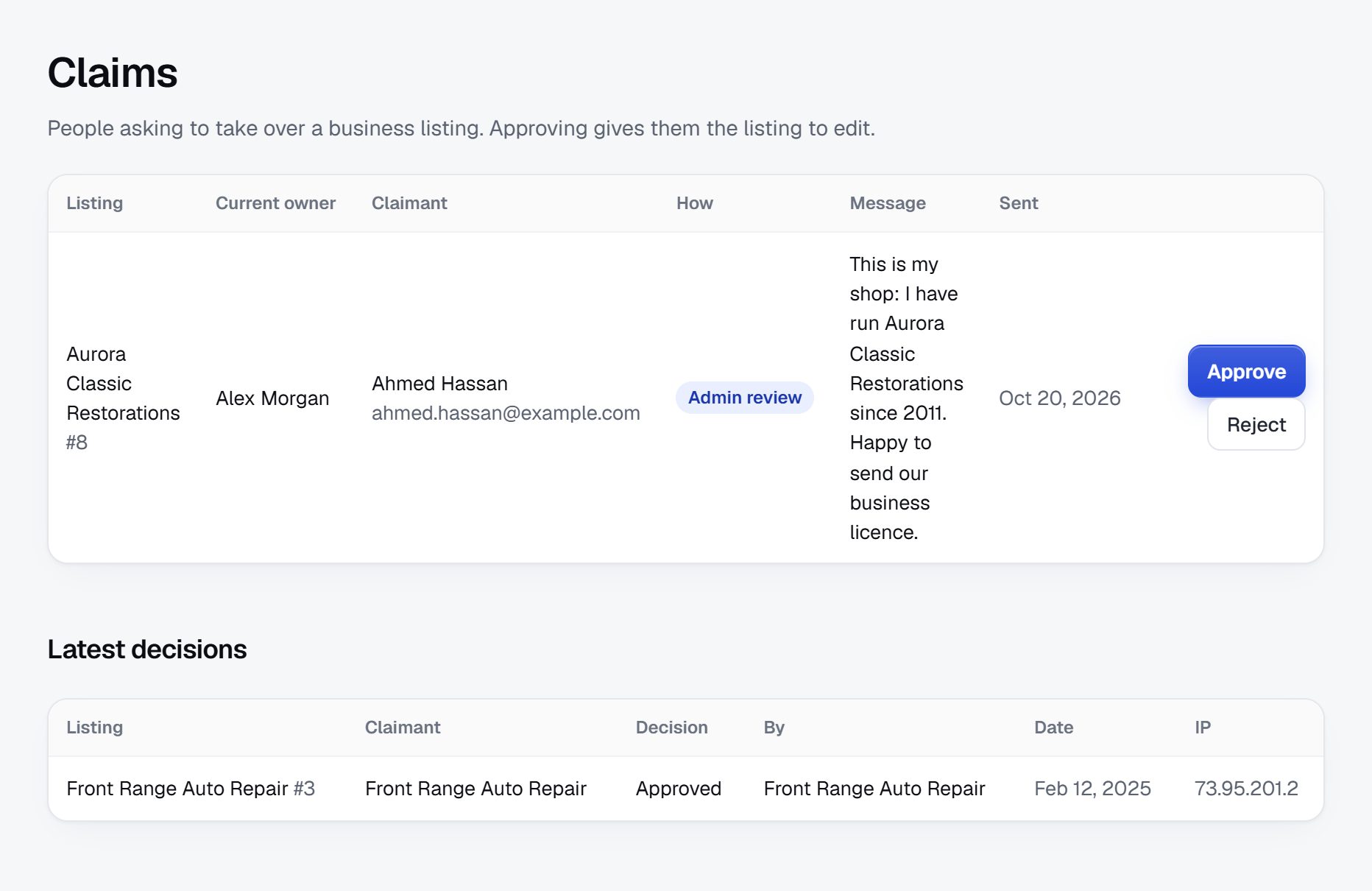
- Some places require funeral homes to give price information on request or to publish it. Encourage every home to share a price range, and explain on a guide page what families can ask for. Check the rules where you operate before stating what homes must do.
- Show ownership as the home states it, so families can tell independent homes from group-owned ones.
- Date every starting price and ask homes to confirm them each year.
Reviews
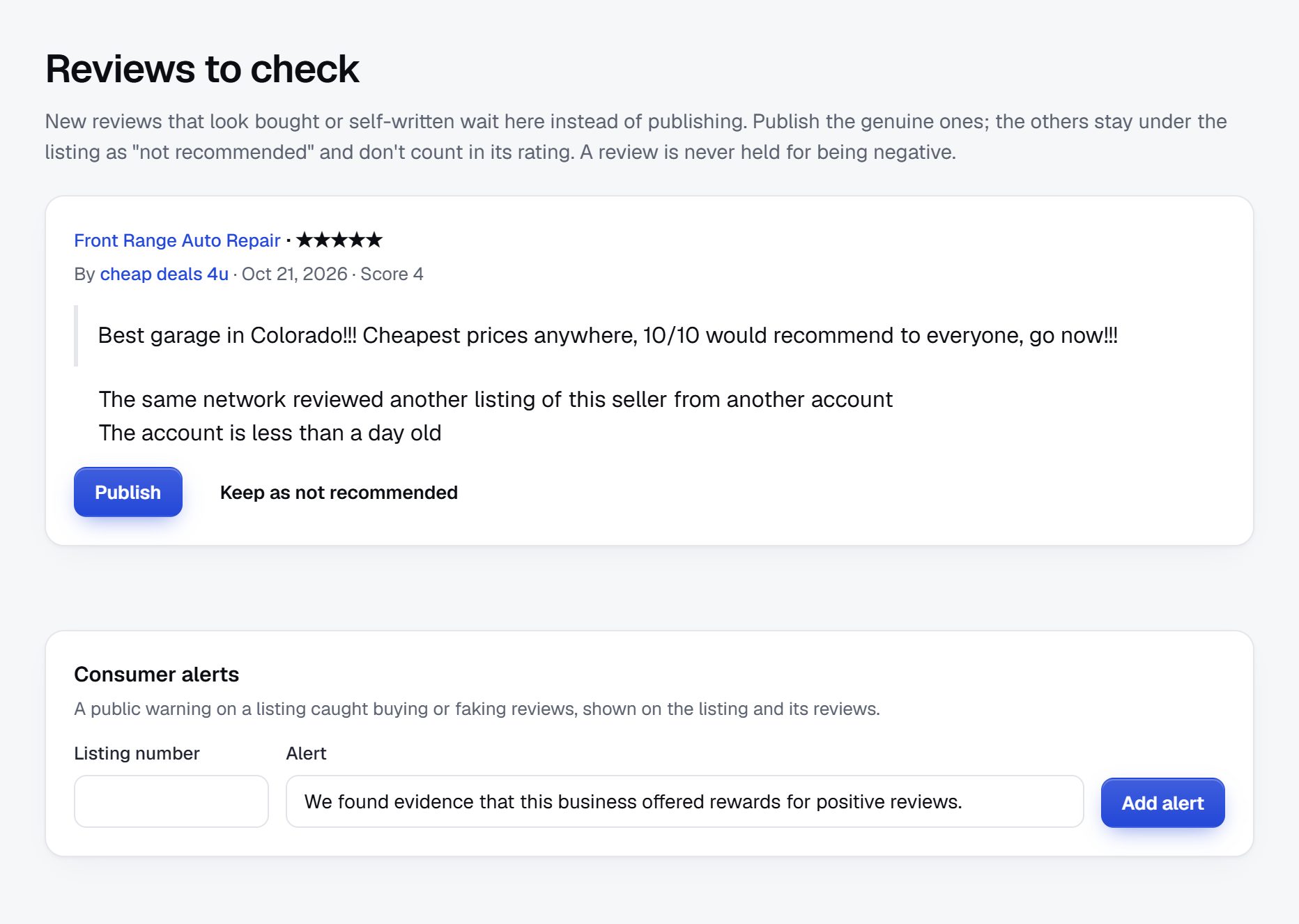
Families write about funerals with strong feeling. Moderate reviews before publishing, remove personal attacks on named staff and private details about the person who died, and let homes reply calmly. Do not publish allegations about the handling of remains; point families to the licensing authority instead.
Scams to watch for
- Funeral livestream scams, where fake pages ask for card details to watch a service.
- Fake fundraising pages set up in a family's name.
- Pre-need plan fraud, where money paid in advance is not held as promised.
- Calls to grieving relatives claiming a debt of the deceased must be paid at once.
Publish a short family guide: confirm a home's license, ask for a written price list, read prepaid plans carefully, and never pay a stream fee or an old debt to someone who contacts you unprompted.
Families remember how a site treated them on the worst day. Keep it calm, clear and honest.
Rank for the searches families make in the first hours and while planning ahead.
Funeral searches are either local and urgent, or calm and researched. Build pages for both.
- "funeral homes in Springfield"
- "direct cremation cost near me"
- "Muslim funeral home Dearborn"
- "green burial cemetery Oregon"
- "how to plan a funeral checklist"
- "what to do when someone dies at home"
Pages to build
- Funeral homes by town and county, each listing every local home.
- Services by area: direct cremation, natural burial, repatriation and each faith served.
- Practical guides: what to do in the first 24 hours after a death, how to get a death certificate in your state, how to compare funeral prices, how to plan your own funeral.
- A local price guide, built from the prices listed homes publish, dated, and saying how many homes it covers.
- Faith and culture guides, written with local clergy or community leaders.
A short "first 24 hours" guide is the kind of page hospice staff and chaplains hand to families. Keep it calm and printable, and end it with links to your county pages.
Launch quietly in one county, through the people families already ask.
Funeral care has no selling season. Deaths happen all year, with more in winter in many colder places, and pre-planning interest follows retirement fairs, senior expos and talks at community centers. Launch when your first county is complete, not on a date.
First county
Pick a county you know, with a manageable number of homes. List every funeral home, crematory and cemetery before you tell anyone about the site.
Partners
- Hospices, hospital bereavement teams and nursing homes, who are asked for suggestions every day.
- Clergy, chaplains and faith community leaders.
- Estate lawyers and financial planners, who meet people planning ahead.
- Senior centers and retirement communities, for planning talks.
Checklist
- List every home, crematory and cemetery in the county.
- Write the family guide, the first 24 hours guide and the price guide.
- Invite homes to claim their pages and share price ranges.
- Give printed guides to hospices, chaplains and nursing homes.
- Offer a planning talk at a senior center or library.
- Introduce paid options only after homes see inquiries arriving.
A worked example: a funeral directory for Pennsylvania's Lehigh Valley.
As an illustration, picture Lehigh Valley Farewell Guide, a directory for Lehigh and Northampton counties in eastern Pennsylvania, around Allentown, Bethlehem and Easton. The region mixes old Catholic and Orthodox parishes, Pennsylvania German families, and large Puerto Rican and Dominican communities, so faiths served and languages matter as much as location. The site, its founder and the providers in the table are invented.
How it is organized
- Funeral homes
- Family-owned homes
- Group-owned homes
- Cremation
- Direct cremation providers
- Crematories
- Burial
- Cemeteries
- Natural burial grounds
- After the service
- Monument makers
- Grief support groups
Fields cover services, faiths and languages, starting prices with the date they were confirmed, a 24-hour phone line, ownership as stated, and transfers out of state or abroad.
Who it serves
Families after a death are the core audience, often an adult child searching late at night from another state. Hospice social workers and hospital chaplains use it to answer the question they hear daily: who should we call? A growing group is people in their sixties and seventies planning their own arrangements, who compare direct cremation prices and natural burial options at leisure. They read the guides slowly, come back several times, and often share the site with siblings before deciding anything.
How it started
The founder volunteered with a hospice for several years and kept a handwritten list of homes, prices and languages for the families she sat with. She turned it into a spreadsheet, added every home, crematory and cemetery in both counties from business listings and the homes' own websites, and checked each funeral home against the state's public license lookup. Then she called each home, explained that every one was listed free, and asked for a starting price they were happy to publish. About half agreed in the first month. She printed a first 24 hours guide and left copies with three hospices and the chaplains at two hospitals.
How it makes money
Every listing is free and families never pay. Homes can take a labeled featured place in their county, and a membership adds photos of the chapel and staff introductions. Monument makers, florists and estate lawyers buy banner spaces on the planning guides, never on the first 24 hours page. Hospice staff told her they would only hand out a guide with no advertising on it, and that rule has kept their trust.
| Listing | Starting price, as published | Key details |
|---|---|---|
| Kessler-Varga Funeral Home, Bethlehem | Direct cremation from $1,895 | Family-owned, chapel seating 120, Slovak and Orthodox customs |
| Lehigh Simple Cremation, Allentown | Direct cremation from $1,295 | No chapel, collection across both counties, 24-hour phone |
| Moreno Hermanos Memorial Chapel, Allentown | Price list on request | Spanish-speaking staff, transfers to Puerto Rico and repatriation to the Dominican Republic |
| Saucon Meadow Natural Burial Ground, Northampton County | Plot from $2,400, opening and closing extra | No embalming, shroud or plain wooden casket, conservation land |
| Easton Hillside Cemetery | Plot prices on request | Nondenominational, columbarium niches, open for new burials |
These providers and prices are fictional.
The first 90 days, done gently.
A funeral home directory has no season to race, which lets you put completeness and tone ahead of speed. The first 90 days should produce a county where every home, crematory and cemetery is listed with a working phone number, a first 24 hours guide that hospice staff are willing to hand out, and the start of a price picture families can trust.
Expect the price work to take the longest. Some homes will share a starting price in the first call, others after seeing the site, and a few never. Record each answer with its date, and do not let gaps hold up the launch: a page that says price list on request is still useful, and it tells families what to ask for.
Every outreach in this niche is personal. Funeral directors know each other, their clergy and their hospice staff, and they will discuss your calls. Be brief, be respectful, and follow up only once.
Leave paid offers for later. In the first quarter, the only thing you want homes to say about you is that the directory lists everyone fairly, shows prices honestly and sends families who already know what they want to ask.
| Weeks | Focus | Done when |
|---|---|---|
| 1-2 | List every provider in the county | Every funeral home, crematory and cemetery is in a spreadsheet with address, phone and website |
| 3-4 | Services, faiths and licenses | Each home has services and faiths served entered and its license checked on the state lookup |
| 5-6 | Write the family pages | The first 24 hours guide, the price comparison guide and the scam warning page are published |
| 7-8 | Call every home about prices | Every home has been called, and each has a starting price or a dated price list on request note |
| 9-10 | Hospices and chaplains | Three hospices or hospital teams have printed guides, and one has agreed to mention the site to families |
| 11 | Claims and corrections | At least a third of homes have claimed their page, and every correction a home has sent is live |
| 12 | First planning talk | A planning talk is scheduled at a library or senior center, with printed price and planning guides to hand out |
How to build a funeral home directory.
The software needs of this niche are modest but particular. Pages must load quickly and work well on a phone, since most first searches happen on one at a hospital or at home late at night. The phone number must be easy to find and tap. Price fields need a date beside them, faith and service filters must be simple checkboxes, and featured places must carry a clear label. The design should be calm: no pop-ups, no countdowns, no chat bubbles jumping onto the screen.
A custom build lets you shape every detail of that tone, and could add a printable family guide generated per county. It costs the most, and every change after launch waits on a developer.
A directory script or WordPress plugin on your own hosting can work well for a county-sized directory. Pick a quiet theme and remove the extras many themes switch on by default, such as social pop-ups and newsletter boxes, and keep the plugins updated, since a hacked funeral directory showing spam is a painful thing for a family to see.
A hosted builder such as Yclas takes care of hosting, updates and the directory features, from claims and reviews with owner replies to opening hours and maps, leaving you to write the guides and talk to homes. As with any platform, check that the look you choose is calm enough before you go live. Whichever route you take, decide who can edit a listing at short notice, because a wrong phone number on a funeral page cannot wait until next week.
| Route | Fits when | Watch out for |
|---|---|---|
| Custom build | You want printable county guides and full control of tone | Cost, and slow changes when a home's details need fixing fast |
| Script or WordPress plugin on your hosting | You are comfortable maintaining a small site | Busy themes, pop-ups switched on by default, and missed security updates |
| Hosted builder | Your time belongs to guides, homes and hospice partners | Pick a calm design and test it on a phone before launch |
What a funeral home directory costs to run.
The software is the smallest part of the bill. Most of the cost is your time in the first months: finding the first listings, answering questions and checking what gets posted.
Costs stay small: Google import charges, printed family guides for hospices and nursing homes, and a legal review of your price wording and any pre-planning inquiry fees. Writing careful guides takes more time than money.
| Cost | Typical range | On Yclas |
|---|---|---|
| Domain | $10 to $20 a year | Your own, with SSL included |
| Software and hosting | $0 to $100+ a month, plus plugins and updates | Starter $19 a month, Professional $99 |
| Design | $0 to $100 for a theme, or a designer | 109 looks included |
| Payment fees | About 3% per payment | Your Stripe or PayPal fees; Yclas takes nothing |
| Business data | Free if you collect it, or a few cents per page of Google results | Paid to Google, with your key |
| Your time | 5 to 10 hours a week at the start | Finding listings, moderation, support |
Mistakes that sink funeral home directories.
- Letting payment decide who families see first at night. A grieving family often calls the first number on the screen. If that spot is sold without a label, the directory is steering the most vulnerable visitors for money. Label every paid place and keep the default order fair, such as by distance, so a family can trust that the nearest homes really are shown first.
- Showing prices without dates. Funeral prices change, and a family quoted more than your page showed will feel misled at the worst moment. Date every starting price and ask homes to confirm them once a year.
- Hosting obituaries without a plan. Obituary pages draw fake livestream links, scam fundraising posts and spam comments within days. If you add them at all, moderate every comment, allow no outside links, and agree with each home who posts and corrects its notices.
- Writing like a sales site. Urgency banners, limited-time offers and cheerful slogans feel wrong to someone who has just lost a parent. Use plain, quiet language and put the practical facts first: services, prices, faiths served and how to reach someone now.
- Hiding who owns a home. Many group-owned homes trade under the founding family's name, and families who care about local ownership feel deceived when they find out later. Show ownership as the home states it, and ask every home the same question.
- Treating faith and culture as an afterthought. For many families the first question is whether a home can arrange same-day burial, a ritual washing or a service in their language. Make faiths and languages proper filters and write guides with community leaders, who will also tell you which homes their families actually use.
- Leaving out what to do at night. A family searching at two in the morning needs a 24-hour number and a short note on what happens next. Put that on every county page, above the listings, and keep it short enough to read on a phone through tears.
- Chasing pre-planning inquiries hard. People planning ahead are calm and careful, and pushy follow-up drives them away for good. Ask homes to answer once, clearly, and leave the next step to the visitor. Say on the inquiry form that nobody will call unless the visitor asks for it.
- Missing changes of ownership. Funeral homes are bought, merged and closed, and the old name often stays on the sign. Check every listing at least yearly and update ownership and phone numbers as soon as you hear of a sale.
Funeral terms a directory founder should know.
Funeral directors use these terms with families and with you, and many of them belong in your service fields.
| Term | What it means |
|---|---|
| At-need | Arrangements made after a death has happened, usually within hours or days. |
| Pre-need | Arrangements, and often payment, made in advance for a future funeral. |
| General Price List | In the United States, the itemized price list a federal rule requires funeral homes to give people who ask in person. |
| First call | The family's first contact with a funeral home after a death, and the home's collection of the body. |
| Transfer | Moving the deceased from the place of death to the funeral home, also called removal. |
| Embalming | Treatment that temporarily preserves the body, often chosen for a viewing but not always required. |
| Visitation | Time set aside for people to gather and pay respects, often with the body present, also called a viewing. |
| Direct cremation | Cremation soon after death without embalming, viewing or a funeral service beforehand. |
| Direct burial | Burial soon after death without embalming or a viewing, sometimes with a graveside service. |
| Cash advance items | Goods and services a home pays third parties for on the family's behalf, such as death certificates or flowers. |
| Outer burial container | A vault or liner placed around the casket, which some cemeteries require. |
| Columbarium | A structure with niches that hold urns of cremated remains. |
| Green burial | Burial without embalming, in a biodegradable shroud or casket, often on conservation land. |
| Repatriation | Returning the deceased to their home country, which involves extra paperwork and transport. |
The same steps for a funeral home directory on Yclas.
- Describe your directoryThe setup wizard writes the categories, an About page and example listings from one sentence.
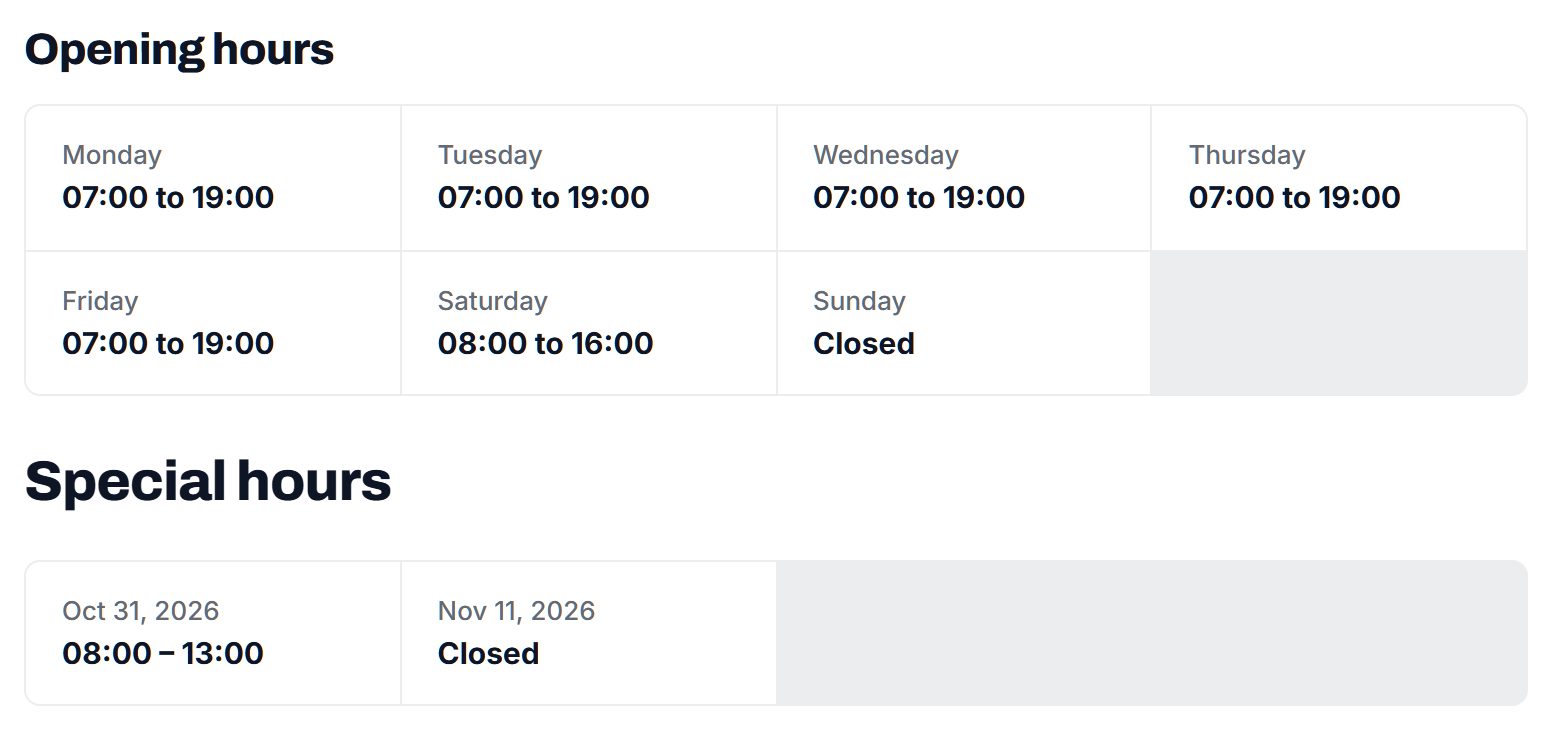
- Add fieldsHours, services, areas served, prices: the details people search by, as filters.
- Fill itImport businesses from a spreadsheet or Google Places, then check them.
- Bring owners inOwners claim their page, update it and answer reviews.
- EarnSwitch on featured places, banners or memberships when visits arrive.
What does it take to start a funeral home directory?
A modest budget for a domain, Google import charges and printed guides, plus a lot of careful writing. One county can usually be listed completely in a few days of work.
Is it appropriate to make money from a funeral home directory?
Yes, if it is done openly. Charge providers for labeled featured places, memberships and banners, keep every listing free, and never charge families.
Can I publish funeral home prices?
You can publish prices a home has made public or given you, with the date. Never guess; label everything as a starting price to confirm with the home.
How do I get funeral homes to take part?
Visit or call independent homes first, explain that every local home is listed free, and show them the families viewing their page. Homes with fair prices often welcome the chance to show them.
Are there legal rules for funeral directories?
Funeral pricing, pre-need sales and advertising are regulated in many places. Check the rules where you operate and have a local lawyer read your terms and wording.
How can I compete with the big funeral comparison sites?
Be complete and calm for one region: every home, faiths served, real prices where published, and guides written with local hospices and clergy.
Should families be able to review funeral homes?
Yes, moderated before publishing. Remove personal attacks and private details, let homes reply, and refer allegations about care of the deceased to the licensing authority.
Should the directory publish obituaries?
Only if you are ready to moderate them closely, because obituary pages attract scam livestream links and fake fundraising posts. Many directories link to the obituaries on each home's own website instead, which keeps notices accurate and leaves corrections to the people who wrote them.
How do I list a home that will not share prices?
List it fully and mark the price as available on request, with a short note that families can ask for the price list. Never fill the gap with an estimate. Homes that see their neighbors publishing prices often decide to share theirs within a few months.
Can I include pet cremation and pet cemeteries?
Yes, in a separate category with its own pages. Families searching for a pet are a different audience, and mixing the two in one list confuses both. Some funeral homes run pet services too; let them list those under the pet category.
What should a family see first if they arrive at night?
A short note on what to do now, who to call if the death was at home, and the 24-hour numbers in their county. Keep it above the listings and free of ads.
How do I keep listings right when funeral homes are sold?
Ask homes to tell you of any change, check each listing at least once a year, and watch local news for sales and closures. Update ownership and phone numbers the day you learn of a change, and keep the old name searchable for a while so families who remember it still find the home.
Related pages.
The parts of Yclas this leans on.
You have the plan. Now help families in your county find care they can trust.
Describe your site in a sentence and the setup wizard writes the categories, example listings and a look. Free for 15 days, no credit card.
Start my directory