How to build a luxury resale marketplace where every bag is checked.
This guide covers how to build a marketplace for pre-owned designer bags and accessories: which sellers and buyers to serve, the brand, model and condition details buyers filter on, how to set commission on expensive items, where vetted sellers come from, how to keep counterfeits out, and how to launch with trust already in place.
Free for 15 days · No credit card · Plans from $19 a month
Win buyers who want designer pieces and will not risk a fake.
Pre-owned luxury is a trade built entirely on trust. A buyer paying thousands for a Chanel flap bag or a Hermès scarf wants to know it is genuine, in the condition described, and coming from someone who will still be there next month. Sellers want a fair price without giving up half of it, and without being accused of selling fakes.
Large resale platforms such as The RealReal, Vestiaire Collective and Fashionphile take items in, check them and resell them, usually for a sizable share. General marketplaces such as eBay and Facebook Marketplace are cheaper for sellers but leave buyers to judge authenticity themselves. Between them is room for a smaller, curated marketplace with vetted sellers and strict listing rules.
Your two sides
- Sellers: pre-owned luxury dealers, consignment boutiques, resellers who sell through Instagram and live sales, and collectors trimming their closets.
- Buyers: collectors hunting discontinued models, first-time luxury buyers looking for value, and people who prefer pre-owned for its lower footprint.
Pick your angle
- Vetted dealers only at first, with individual sellers added once you can check them.
- One category: bags and small leather goods, designer jewelry, or silk scarves and accessories.
- One region or language, where buyers prefer local sellers and shipping without customs.
In luxury resale, your reputation is the product. One fake sold under your name costs more than a hundred sales earn.
Describe each piece the way an authenticator would.
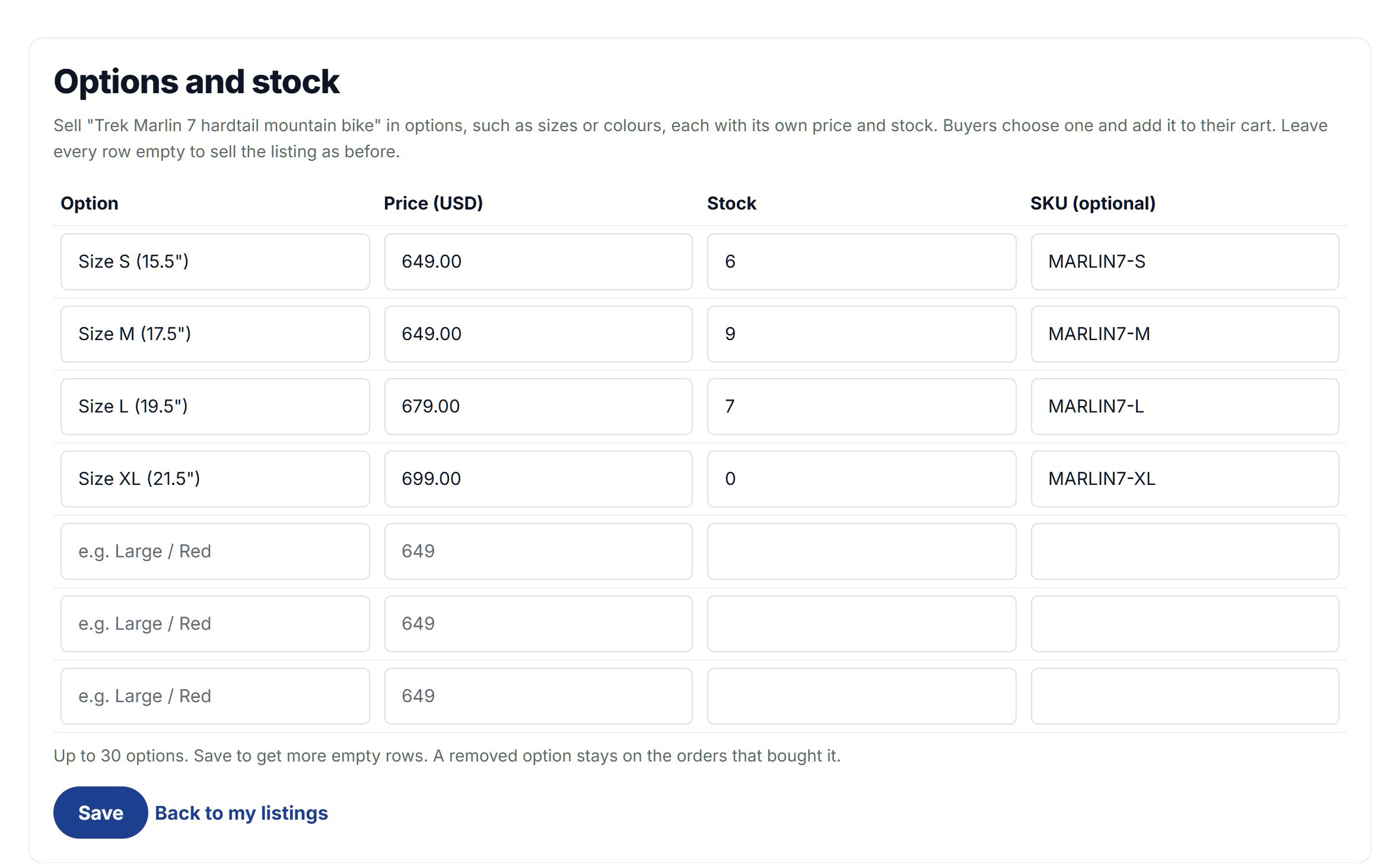
Luxury buyers know exactly what they want: the brand, the model, the size, the leather and the hardware. They filter on those details before they look at a single photo, so ask for them in fixed fields with the names the brands themselves use.
- Brand and model as dropdowns: Louis Vuitton Neverfull, Speedy, Pochette Métis; Chanel Classic Flap, Boy Bag, 19; Hermès Birkin, Kelly, Evelyne; Gucci Marmont, Jackie.
- Size in the brand's own terms: PM, MM, GM; Speedy 25, 30, 35; mini, small, medium, jumbo.
- Material: monogram canvas, Damier Ebene, caviar leather, lambskin, Togo, Epsom.
- Color and hardware: gold, silver, ruthenium, palladium.
- Inclusions as checkboxes: dust bag, box, receipt, authenticity card, strap, lock and keys.
- Condition grade from a published scale, such as new, excellent, very good, good and fair, with each grade defined by corner wear, scratches on hardware, interior marks and odor.
- Authentication: whether the item has a certificate from a named third-party authenticator.
Ask for the date code, serial or blind stamp in a private field that you and the buyer can see on request, rather than in the public listing, since some sellers worry about copiers reusing real codes.
| Category | Example listings | Fields buyers filter on |
|---|---|---|
| Handbags | Classic flaps, totes, top handles, crossbody bags | Brand, model, size, material, hardware, condition |
| Small leather goods | Wallets, card holders, key pouches | Brand, model, material, color, inclusions |
| Shoes | Pumps, loafers, sneakers, slingbacks | Brand, size, heel height, condition |
| Jewelry | Bracelets, pendant necklaces, rings | Brand, metal, size, papers included |
| Scarves and accessories | Silk carrés, belts, sunglasses | Brand, dimensions, pattern name, condition |
| Watches | Steel sports watches, dress watches | Brand, reference, case size, box and papers |
Yclas dropdown and checkbox fields keep model names and inclusions consistent across sellers, and every field can be a search filter.
Charge a commission that beats the consignment giants, and explain why.
Luxury items sell for hundreds to many thousands of dollars, so even a moderate commission brings real income on each sale. Your pitch to sellers is that they keep far more than with a full-service consignor, in return for photographing, describing and shipping the item themselves.
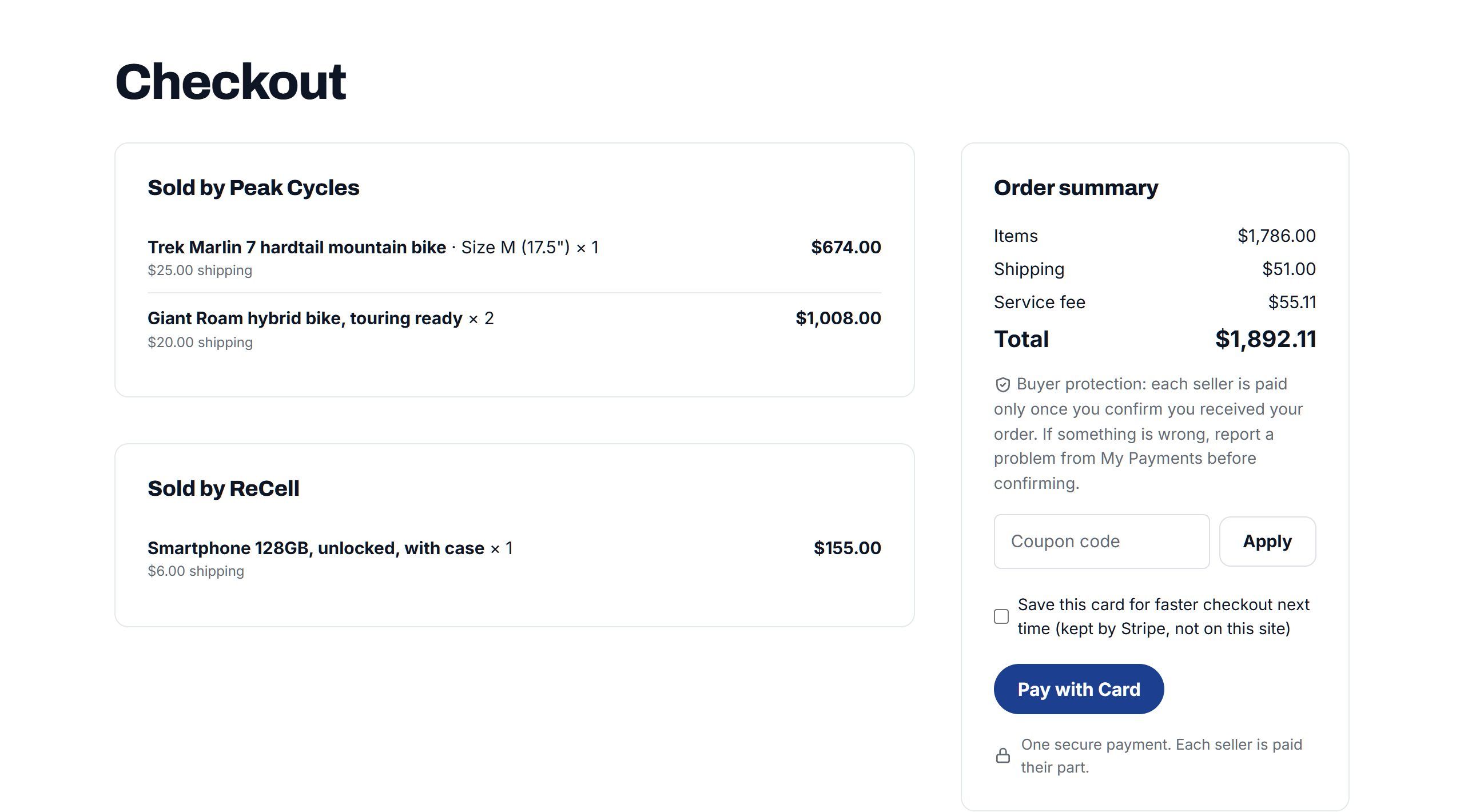
Buyers pay on the site by card through Stripe, sellers are paid through Stripe, and you keep a commission on each sale. Each seller sets their own shipping, which matters because high-value parcels need tracking, signature and the carrier's own coverage. A cart can still mix sellers, for a buyer adding a wallet from one dealer to a bag from another.
- Commission per sale, published with a worked example on a real price.
- Buyer service fee, which some marketplaces present as covering their checks and buyer support.
- Dealer memberships with a highlighted shop, a verified badge and a lower commission for dealers who list many pieces.
- Featured listings for rare models and limited editions, which collectors browse first.
- Banner spaces for leather restoration specialists, authenticators and jewelers.
Large card payments attract fraud, and chargebacks on a sold bag are painful for the seller. Factor card fees and the time spent on disputes into your rate.
| Model | Works when | Switch it on |
|---|---|---|
| Commission per sale | Sales go through checkout | From the first sale, founding rate for dealers |
| Buyer service fee | You want seller commission well below rivals | Once buyers trust the site |
| Dealer memberships | Dealers list dozens of items | When three or four dealers ask for more |
| Featured listings | Collectors hunt rare models | When the home page draws daily visitors |
| Restoration and authenticator banners | Service businesses want luxury buyers | When you can show monthly traffic |
Start with a small circle of dealers you have checked yourself.
A luxury marketplace should open with fewer sellers, not more. Twenty dealers you have met, whose stock you have seen and whose history you know, give you a site buyers can trust from the first day.
Where the first sellers are
- Pre-owned luxury dealers and consignment boutiques. Many have shops or showrooms and sell through Instagram too. Visit, look at their stock, and ask how they check it.
- Instagram and live-sale resellers with years of sold history and buyer feedback in their comments. They want a site with checkout and a public reputation.
- Estate jewelers and pawn shops that deal in branded jewelry and watches and want a wider audience.
- Collectors who rotate their closets, often introduced by dealers you already work with.
- Trade events such as luxury resale and vintage fashion fairs, where dealers set up in one room.
Dealers usually keep inventory in a spreadsheet, and listings can be imported from a CSV, so a dealer's whole stock can go live once you have checked it. Individual sellers can use the AI listing from a photo to draft the title, description, category and price, then fill in the model, hardware and inclusions.
Set a photo standard and enforce it: every angle, the base and corners, the interior, the heat stamp, the date code or serial, the hardware engravings and the zipper pulls.
Every seller you add is a promise to every buyer. Add slowly.
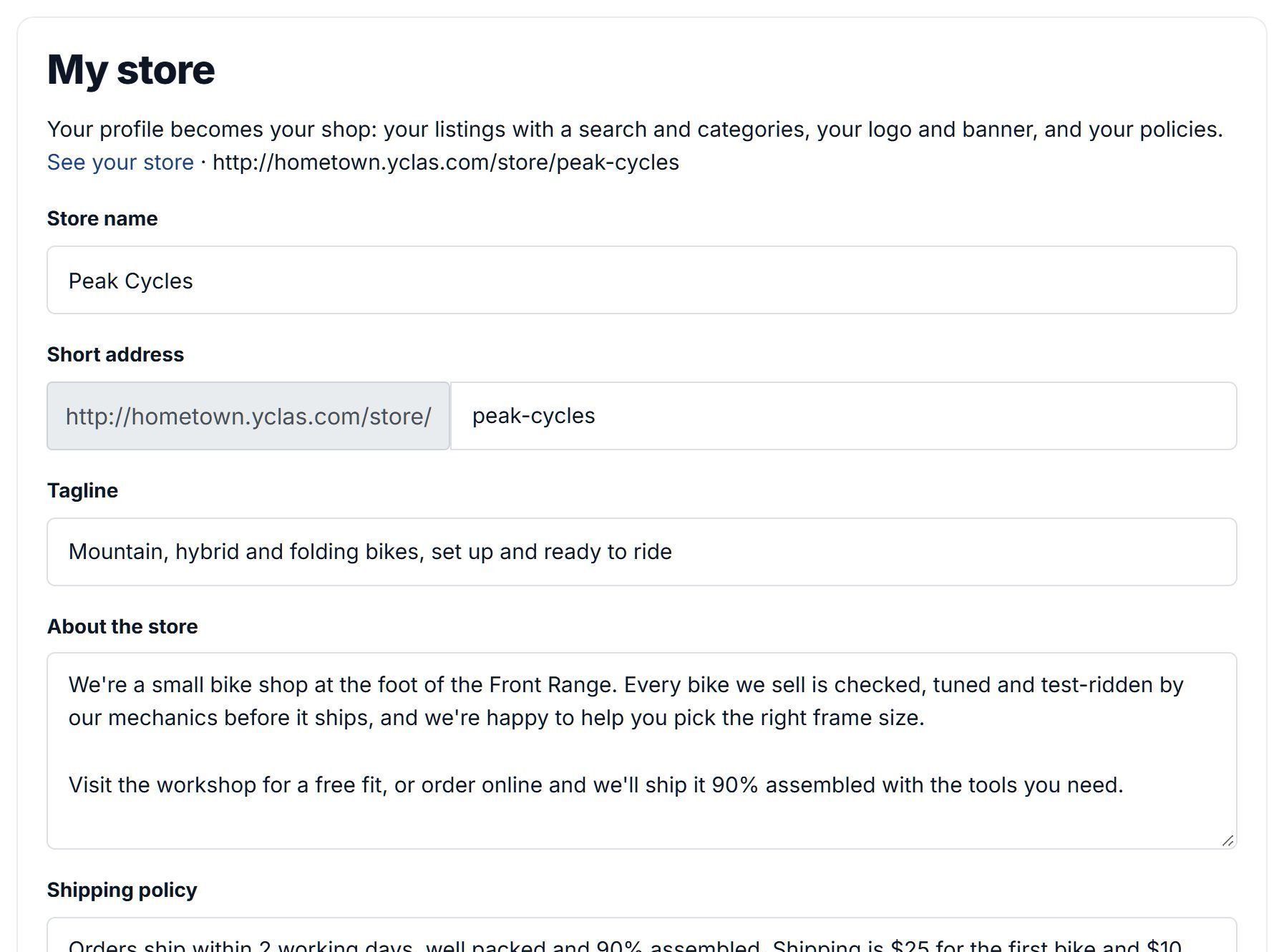
Keep counterfeits out, and protect sellers from return fraud.
Counterfeit luxury goods are now very convincing, and selling them is illegal in many countries. The whole value of your marketplace rests on keeping them off it.
Authentication rules
- Vet every seller before they can list: identity, sales history, references from dealers you trust. Give checked dealers a verified seller badge.
- Require detailed photos of stamps, codes, stitching, hardware and linings on every listing, and approve every listing before it goes live.
- Encourage third-party authentication. Many independent authentication services issue certificates. Let sellers attach one, and let buyers filter for it. Be clear that the certificate comes from the named service, not from you.
- Remove counterfeits and close accounts on the first proven case, and keep a record of why.
Return and payment fraud
A known scam in this trade is the switch: a buyer receives a genuine bag, returns a fake and claims a refund. Ask sellers to record serials and photograph distinctive marks before shipping, and to use tamper-evident tags on returnable items. Buyers can also dispute a card payment after delivery, so advise sellers to keep tracking with signature and all messages on the site.
Warn buyers about off-site offers. A dealer who suggests a discount for paying by bank transfer or crypto outside checkout should be reported.
Exotic skins such as crocodile, python and ostrich can face restrictions on sale and especially on shipping across borders. Brand trademarks and how you describe items also carry rules. Check the rules where you operate.
Rank for model names and authenticity questions.
Luxury buyers search by exact model and size, and they search for help spotting fakes. Typical examples: "pre-owned Chanel classic flap medium", "used Louis Vuitton Neverfull MM", "Hermès Evelyne for sale", "Gucci Marmont small used", "how to tell if a Louis Vuitton is real", "LV date code meaning", "pre-owned designer bags Miami".
Pages to build
- Brand pages with a short history and the models your sellers carry.
- Model pages for the classics: Speedy, Neverfull, Classic Flap, Kelly, Lady Dior. Each one ranks for its own searches.
- Model plus size pages, since buyers often search for one exact size.
- Authenticated items as a page of their own for buyers who only want certified pieces.
- City pages if dealers offer viewing in person.
Content worth writing
- How to read a date code, serial sticker or blind stamp, brand by brand.
- Condition grades explained with photos of each grade.
- Which bags hold their value, based on what sells on your own site.
- Caring for lambskin, canvas and vachetta leather.
- Interviews with your dealers on how they check stock.
Authenticity guides bring careful buyers, and careful buyers are the ones who return.

Launch quietly with trusted dealers, then open to buyers before the holidays.
Luxury resale peaks around gifting: the weeks before the winter holidays, Valentine's Day and Mother's Day. Sellers also list more in January, as people sell gifts they did not want. Plan a soft launch with dealers in September and open fully to buyers in late October.
First circle and partners
- Ten to twenty dealers you have met and checked, with a few hundred items between them.
- An authentication partner whose certificates sellers can attach, at the seller's cost.
- A leather restoration specialist who can recommend the site and offer cleaning to buyers.
- Collectors' groups and forums for one brand, where a post about a vetted marketplace is welcome if you ask the moderators first.
- Local fashion press and bloggers, who cover new places to buy pre-owned designer pieces.
Launch checklist
- Every launch dealer vetted and showing a verified badge.
- Condition grades and photo rules published.
- Counterfeit policy and return fraud advice on the help pages.
- Model pages for the ten most listed models.
- A guide to reading date codes and serials.
- A test order with items from two dealers, tracked and signed for.
After launch, review every dispute in the first three months yourself. It tells you where the rules need tightening.
A worked example: Palm Court Resale Circle, South Florida.
Consider Palm Court Resale Circle, a fictional marketplace for pre-owned designer bags and accessories, built around dealers between Miami and Palm Beach. The founder spent eight years buying and selling bags through Instagram and live sales, and noticed that her best customers asked the same question every time: how do I know this dealer is real? The site answers it by admitting only dealers she has met and whose stock she has handled, and by publishing one condition scale for everyone.
South Florida suited the idea. The area has many established dealers, a steady flow of collectors and seasonal visitors, and buyers who often prefer to see a bag before paying, which a local circle of dealers can offer and a national warehouse cannot.
Categories
- Handbags
- Shoulder and crossbody
- Top handle and totes
- Mini bags
- Small leather goods
- Scarves and belts
- Jewelry
- Shoes
Who it serves
Sellers are fourteen dealers, two consignment boutiques and a few collectors introduced by those dealers. Buyers are collectors hunting discontinued models, people buying their first designer bag, and seasonal residents who like to see a piece at a dealer's showroom before paying.
How it started
The founder invited dealers she had traded with for years, visited each one to look through their stock, and checked their sales history and references. Each signed a short agreement covering the photo standard, the condition scale and the counterfeit policy. The site opened to buyers in late October with about six hundred items, nearly all imported from the dealers' own inventory spreadsheets and then reviewed one listing at a time.
How it makes money
A commission on each sale, published with a worked example, and a buyer service fee that the site explains as covering listing review and support. Dealers can pay for a yearly membership with a highlighted shop and a lower commission. Rare and limited pieces can be featured, and a leather restoration studio and an independent authentication service rent banners on the handbag pages. Dealers who want a larger share of attention can also bump a newly listed piece to the top of its category on the day it arrives.
The site never grew past the number of dealers the founder could vouch for, and buyers noticed.
| Listing | Price | Key details |
|---|---|---|
| Louis Vuitton Speedy 30, monogram canvas | $1,050 | Even patina on vachetta trim, date code present, dust bag included |
| Chanel Classic Flap, medium, caviar leather | $8,400 | Gold hardware, excellent condition, box and dust bag included |
| Hermès silk scarf, 90 cm | $380 | Hand-rolled edges, pattern name noted, light crease, no pulls |
| Gucci Jackie 1961, small, leather | $1,600 | Gold hardware, light corner wear, dust bag included |
| Goyard Saint-Sulpice card holder | $280 | Black Goyardine canvas, light edge wear, no box |
The first 90 days: vet first, list second, open last.
Haste is the enemy of a new luxury marketplace. A rushed launch with sellers you have not checked risks one counterfeit that buyers will remember for years. Use the first ninety days to build your checking process, gather a small circle of dealers and fill the site with stock you have seen, and only then invite buyers.
Start with the documents dealers will ask for: the condition scale with photos of each grade, the photo standard, the counterfeit policy and what happens on a first proven case, and your commission with a worked example. Serious dealers want to know the rules apply to everyone, including their competitors.
If you can, line the plan up with the gifting season and finish in late October. Buyers arrive in November looking for holiday gifts, and by then dealers have had time to list their best pieces and learn how the site works.
Do not count success in these weeks by listings. Count dealers you would stake your name on, and listings that passed review on the first try.
| Weeks | Focus | Done when |
|---|---|---|
| 1-2 | Rules and fields | Condition scale, photo standard, counterfeit policy and a private serial field set up |
| 3-5 | Dealer vetting | Ten dealers met in person, stock handled, references and sales history checked |
| 6-7 | First listings | Each vetted dealer's stock imported and every listing reviewed against the photo standard |
| 8 | Authentication partner | One independent authentication service agrees to certify items at the seller's cost |
| 9-10 | Buyer pages | Brand and model pages, the condition guide and a date code guide written |
| 11 | Soft launch | Dealers' existing customers invited and the first orders shipped tracked and signed for |
| 12 | Public opening | Collector forums contacted through their moderators and featured listings switched on |
Ways to build it: trust features come before design.
On a luxury marketplace, the software has to support your checks rather than get in their way. You need to approve every listing before it is public, mark checked dealers with a badge, hold structured fields for brand, model, size and hardware, and take card payments of several thousand dollars while the seller is paid and your commission is kept. Start any comparison there.
A custom build lets you design your own authentication workflow, such as a checklist a reviewer completes for each listing, or notes that only staff can see. It is slow and expensive, and large card payments bring fraud and security work that you alone will own.
A marketplace script or WordPress multi-vendor plugin on your own server costs less to start and gives you full control. With orders worth thousands, though, a security hole or a missed update is more than an inconvenience, and you are the one responsible for patching it in time.
A hosted builder such as Yclas includes listing approval, verified seller badges, card checkout through Stripe and commission per sale, with the servers run for you. You shape your authentication process around those tools rather than designing new ones, which for most founders is the right trade in the first year.
Whichever route you pick, ask one question first: when a counterfeit slips through, how quickly can you hide the listing, contact the buyer and close the seller's account? The answer matters more than any design feature.
| Route | Fits when | Watch out for |
|---|---|---|
| Custom build with developers | You want a bespoke authentication workflow and have a large budget | Payment security, fraud handling and a long build are all yours |
| Script or plugin on your own server | You have strong technical help on call | Security patches matter more when single orders are worth thousands |
| Hosted builder | You want vetted dealers selling before the holiday season | Confirm listing approval, seller badges and card checkout for high-value items |
| Online store platform with a multi-vendor app | You already sell pre-owned bags in your own online store and want to add dealers | Approval of each listing and paying several dealers may need extra paid apps |
What a luxury resale marketplace costs to run.
The software is the smallest part of the bill. Most of the cost is your time in the first months: finding the first listings, answering questions and checking what gets posted.
Stripe processing fees on high-value orders add up, and card disputes cost time even when the seller wins. Budget for meeting dealers in person, and note that third-party authentication certificates carry a fee that sellers usually pay per item.
| Cost | Typical range | On Yclas |
|---|---|---|
| Domain | $10 to $20 a year | Your own, with SSL included |
| Software and hosting | $0 to $100+ a month, plus plugins and updates | Marketplace $149 a month for checkout and commission |
| Design | $0 to $100 for a theme, or a designer | 109 looks included |
| Payment fees | About 3% per payment | Your Stripe or PayPal fees; Yclas takes nothing |
| Your time | 5 to 10 hours a week at the start | Finding listings, moderation, support |
Mistakes that sink luxury resale marketplaces.
- Opening seller sign-up to anyone. A public sign-up form on a luxury site invites counterfeit sellers to test who is checking. Keep selling by invitation or application until you have the time and the process to vet every newcomer.
- Implying that you authenticate. Words like "guaranteed authentic" promise something you may not be able to stand behind. Say exactly what you check, name the independent authenticator when a certificate exists, and point to your published process for the rest.
- Accepting stock photos or borrowed images. Real dealers photograph the actual piece: corners, stamps, hardware, interior. Hold any listing built from brand campaign images or another seller's photos for review, every time, and ask the dealer for fresh photos of the piece in hand.
- Vague condition words. Gently used means one thing to a dealer and another to a first-time buyer, and the gap between the two becomes a dispute the day the bag arrives. Publish a graded scale with photo examples for each grade and require exactly one grade per listing.
- Underestimating chargebacks. A buyer can dispute a card payment weeks after delivery. Without tracking, a signature, messages kept on the site and photos taken before shipping, a seller can lose both the bag and the money. Teach dealers this before their first sale, and add a short checklist for high-value shipments to your seller help pages.
- Ignoring the switch scam on returns. Accepting returns without serial records and tamper-evident tags invites buyers to send back a fake in place of the real piece. Make both part of your returns guidance from day one, so a dealer can prove that the item that came back is not the one that left.
- Letting dealers move buyers off the site. A discount for paying by bank transfer cuts your commission and strips away the buyer's card protection. Treat it as a breach of the rules, say so in the seller agreement, and ask buyers to report any such offer.
- Chasing volume over reputation. A thousand listings from unchecked sellers looks impressive until the first counterfeit story appears in a collector forum. Grow by the number of dealers you can personally vouch for.
- Pricing far from the market. Dealers who list well above what a model really sells for make the whole site look overpriced, and those far below it make buyers suspect fakes. Share a simple price guide from your own sales, and question any listing that sits well outside it.
Luxury resale terms a marketplace founder should know.
Collectors and dealers use this shorthand constantly, in listings, searches and messages.
| Term | What it means |
|---|---|
| Date code | A stamped code inside many older Louis Vuitton items showing where and when they were made; recent pieces use an embedded chip instead. |
| Heat stamp | The brand name pressed into the leather, whose font and spacing authenticators examine closely. |
| Blind stamp | A small stamp on Hermès bags that marks the year of manufacture and the craftsperson. |
| Hardware | The metal parts of a bag, such as clasps, feet, zippers and chains, described by color and plating. |
| Vachetta | Untreated cowhide used for trim on some bags, which darkens with age and handling. |
| Patina | The darkening of leather or wear on metal over time, valued by some buyers and not by others. |
| Full set | A piece sold with all its original extras, such as box, dust bag, card, receipt, strap or lock and keys. |
| Dust bag | The fabric bag a designer item is stored in, usually counted as part of a full set. |
| Superfake | Slang for a very convincing counterfeit that is hard to tell from the genuine item. |
| Caviar leather | A grained calfskin used by Chanel that resists scratches better than lambskin. |
| Third-party authentication | A check by an independent service that issues a certificate giving its opinion on whether an item is genuine. |
| Consignment | Selling an item on the owner's behalf for a share of the price, as the large resale platforms do. |
| Retail price | The price the brand charges for the item new, which buyers compare against the resale price. |
| Chargeback | A card payment reversed by the buyer's bank after a dispute, taking the money back from the seller. |
The same steps for a luxury resale marketplace on Yclas.
- Describe your marketplaceThe setup wizard writes the categories, an About page and example listings from one sentence.
- Add fieldsThe details buyers filter on, as dropdowns, numbers or checkboxes.
- Bring sellersInvite them, import their stock from a spreadsheet, or post for them.
- Set the rulesChoose moderation, verified sellers, reviews and reports.
- Take paymentsOn Marketplace, buyers pay on the site and you keep a commission, with Stripe.
How much money do I need to start a luxury resale marketplace?
Less than a consignment business, because you never buy or hold stock. The main costs are your time vetting dealers, travel to meet them, and marketing before the holiday season.
Is it legal to run a marketplace for designer resale?
Reselling genuine goods is generally allowed, but counterfeits are illegal in many places and brands do enforce their trademarks. Remove fakes quickly, describe items carefully, and check the rules where you operate.
Do I have to authenticate every item myself?
No, but you need a clear process: vetted sellers, required detail photos, approval of every listing, and the option for sellers to attach a certificate from an independent authentication service.
How can I compete with the big consignment platforms?
Offer sellers a better share in return for doing their own photos and shipping, and offer buyers a small circle of vetted dealers with strict listing rules. A focused community often feels more trustworthy than a huge warehouse.
What commission should I charge?
Enough to cover card fees, disputes and your time vetting sellers, but clearly below what full-service consignors take. Publish one rate with a worked example, and offer dealer memberships with a lower rate for high volume.
How do I protect sellers from return scams?
Advise sellers to record serials and photograph unique marks before shipping, use tamper-evident tags on returnable items, ship with tracking and signature, and keep all messages on the site.
Can I list watches and fine jewelry too?
Yes, but they bring their own fakes and paperwork, such as box and papers for watches and metal purity for jewelry. Add them once you have dealers who specialize in them.
Should I let private individuals sell, or only dealers?
Start with dealers you have vetted, then open to individuals through an application once you have a way to check them. Individuals bring rare pieces from their own closets, but each one deserves the same scrutiny as a dealer.
What do I do when a buyer says an item is fake after delivery?
Ask for photos and, where possible, an opinion from an independent authenticator, and compare them with the seller's photos and serial records from before shipping. Keep everything in the on-site messages and apply your published policy the same way every time.
Can dealers list new items as well as pre-owned?
Yes. Some dealers hold unused pieces bought at retail, and buyers pay well for them with a full set. Apply the same photo and approval rules, and avoid any wording that suggests a link to the brand.
Do I need to meet every dealer in person?
It helps a great deal for the first circle, because seeing how a dealer stores, checks and photographs stock tells you more than any reference. For dealers far away, a video call walking through their stock plus a review of their sales history is a reasonable substitute.
What about vintage designer pieces?
They sell well, but older items may lack date codes, cards or boxes, and their condition varies more. Ask for extra photos of stamps and hardware, and let the condition grade and description state the age honestly.
Related pages.
The parts of Yclas this leans on.
You have the plan. Now build the luxury marketplace buyers trust with their first designer bag.
Describe your site in a sentence and the setup wizard writes the categories, example listings and a look. Free for 15 days, no credit card.
Start my marketplace