How to build a tool rental marketplace where neighbors rent out the drill in the garage.
This guide covers a marketplace where homeowners, hobbyists and small trades rent out tools they rarely use: picking a town or neighborhood, the tool details renters filter on, daily and weekly prices with deposits, a commission that still works on a small rental, finding the first lenders, damage and safety rules, the searches to rank for, and a spring launch.
Free for 15 days · No credit card · Plans from $19 a month
Turn the tools sitting in garages into something the whole street can use.
Most households own a few tools they use once a year: a tile saw bought for one bathroom, a pressure washer for the deck every spring, a carpet cleaner, a hedge trimmer, a ladder that is too tall to store easily. Meanwhile their neighbor needs exactly that tool for a Saturday and would rather pay a small fee than buy one. Big-box stores rent some tools, but the counter is across town, the selection is narrow and the weekend stock is often gone by Friday.
The two sides
- Lenders: homeowners with a well-stocked garage, retired tradespeople, hobby woodworkers, small contractors with spare tools, and garden owners with seasonal equipment.
- Renters: new homeowners, tenants who cannot store bulky tools, weekend DIYers, landlords fixing up a unit between tenants, and makers who need a specialty tool for one project.
Pick the angle
- A tight area. Tool rentals are picked up by car or on foot, so one town or a cluster of neighborhoods works better than a whole state.
- A tool family. Garden and yard tools, renovation tools, woodworking machines, or cleaning equipment each have a clear audience.
- A renter type. Homeowners on weekend projects behave differently from landlords and handymen who rent every week.
Today this lending happens informally: neighborhood groups on Facebook, Nextdoor posts asking "does anyone have a post hole digger", community tool libraries, and favors between friends. Your site puts a price, a calendar and a deposit on what is already happening for free.
The best tool to list is the one people buy, use once and resent storing.
Describe each tool by the job it does, the power it needs and what comes with it.
Renters arrive with a job, not a model number: they want to sand a floor, cut tile or clear gutters. Keep categories close to those jobs and shallow: power tools, garden and yard, ladders and access, cleaning, flooring and tile, woodworking, plumbing and drain, measuring and layout.
Inside each category, put the details that decide whether the tool fits into fields. Power source matters first: corded, battery or gas. For battery tools, say how many batteries and whether a charger is included, because a drill with one dead battery ruins a Saturday. Note blade or bit included, consumables the renter must bring (sanding discs, tile blades, line for a trimmer), and the tool's weight or size if it needs a truck.
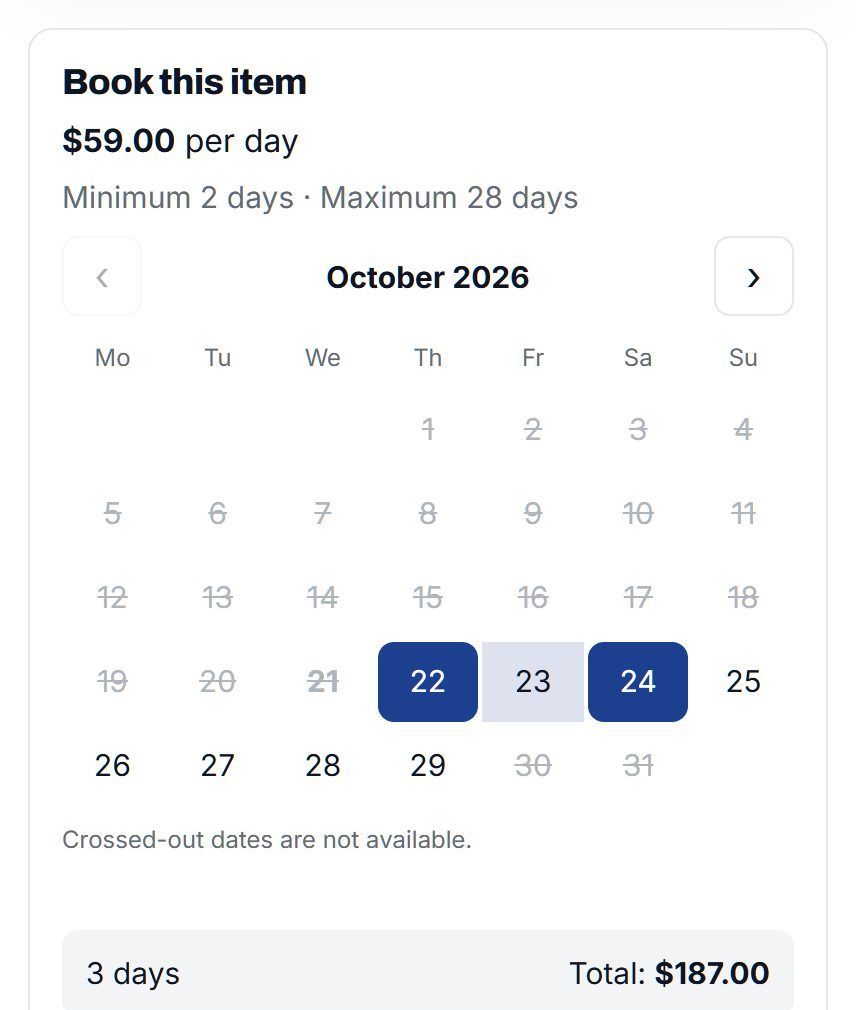
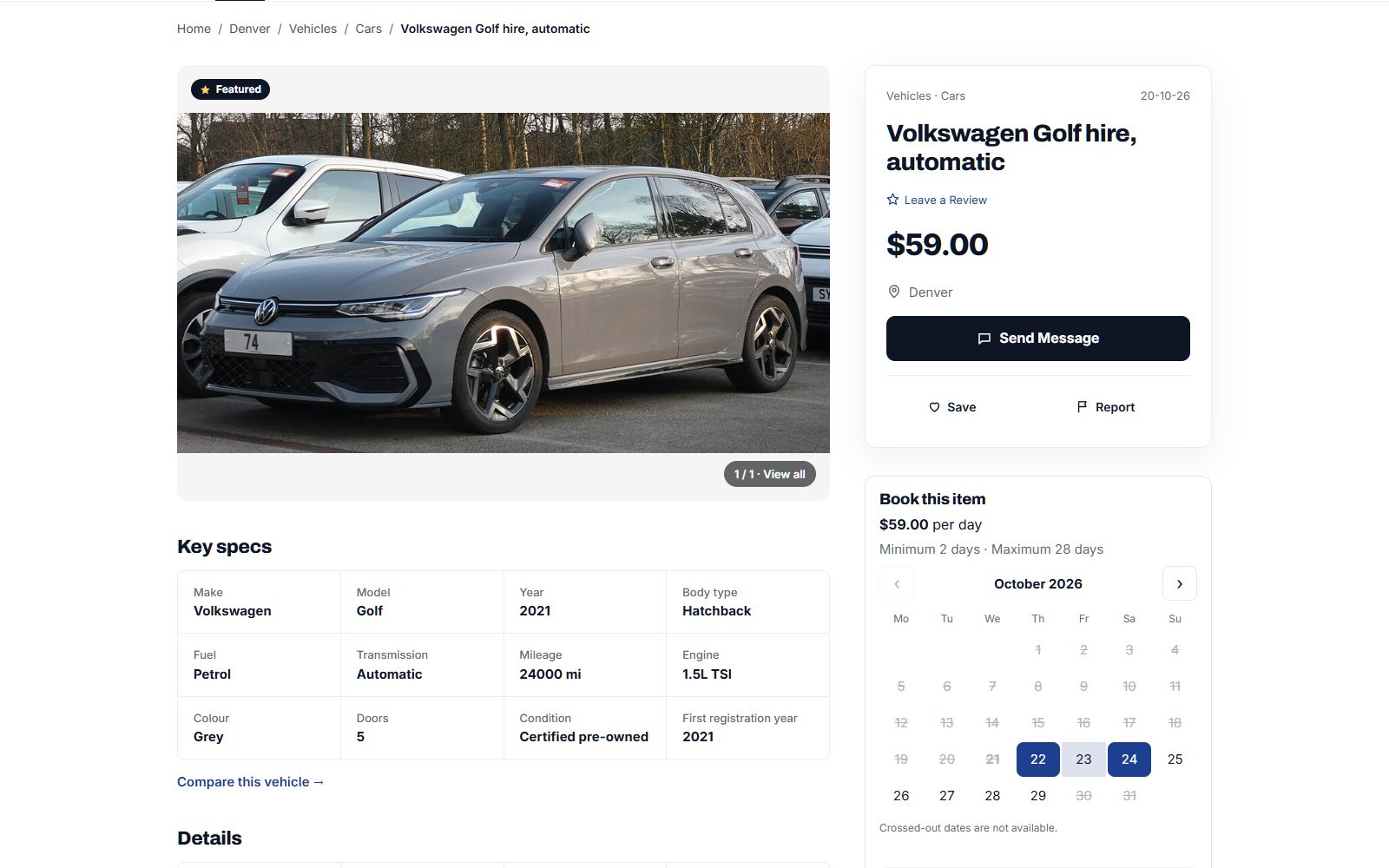
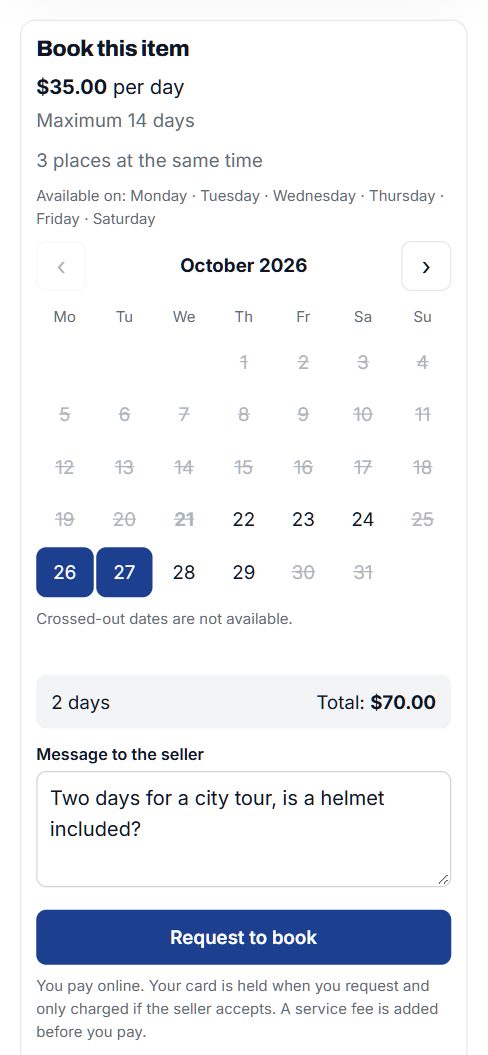
Rental terms need fields too: daily price, weekly price, deposit, pickup only or delivery, and the earliest pickup time. Custom fields in Yclas can be text, numbers, dropdowns, checkboxes or dates, and each one can become a search filter. A renter in an apartment can then filter for tools that fit in a car.
| Category | Example listings | Fields renters filter on |
|---|---|---|
| Power tools | Hammer drill with SDS bits; circular saw | Power source, batteries included, bits or blades included, daily price |
| Garden and yard | Gas hedge trimmer; lawn aerator; log splitter | Fuel type, cutting width, fits in a car, weekend price |
| Ladders and access | 28 ft extension ladder; scaffold tower | Height, weight rating, needs a roof rack or truck |
| Cleaning | Pressure washer 3,000 PSI; carpet cleaner | PSI or tank size, hose length, detergent allowed |
| Flooring and tile | Wet tile saw; floor sander; laminate cutter | Max tile size, consumables needed, weight |
| Woodworking | Table saw; biscuit joiner; router with bits | Blade size, dust collection, experience expected |
Make "consumables included" a checkbox: renters always ask, and the answer prevents arguments at return.
Keep the commission light, because most tool rentals are small.
A single tool rental is often a modest sum, so the commission on one booking is small. That shapes the model: you need many rentals, low friction and lenders who list ten tools rather than one. Renters pay on the site when they book, the lender gets their share through Stripe, and you keep a percentage.
Because each booking is small, a fixed renter service fee per booking can matter more than the percentage. Renters accept a small fee when the alternative is driving to a store across town. Keep it low and show it before checkout.
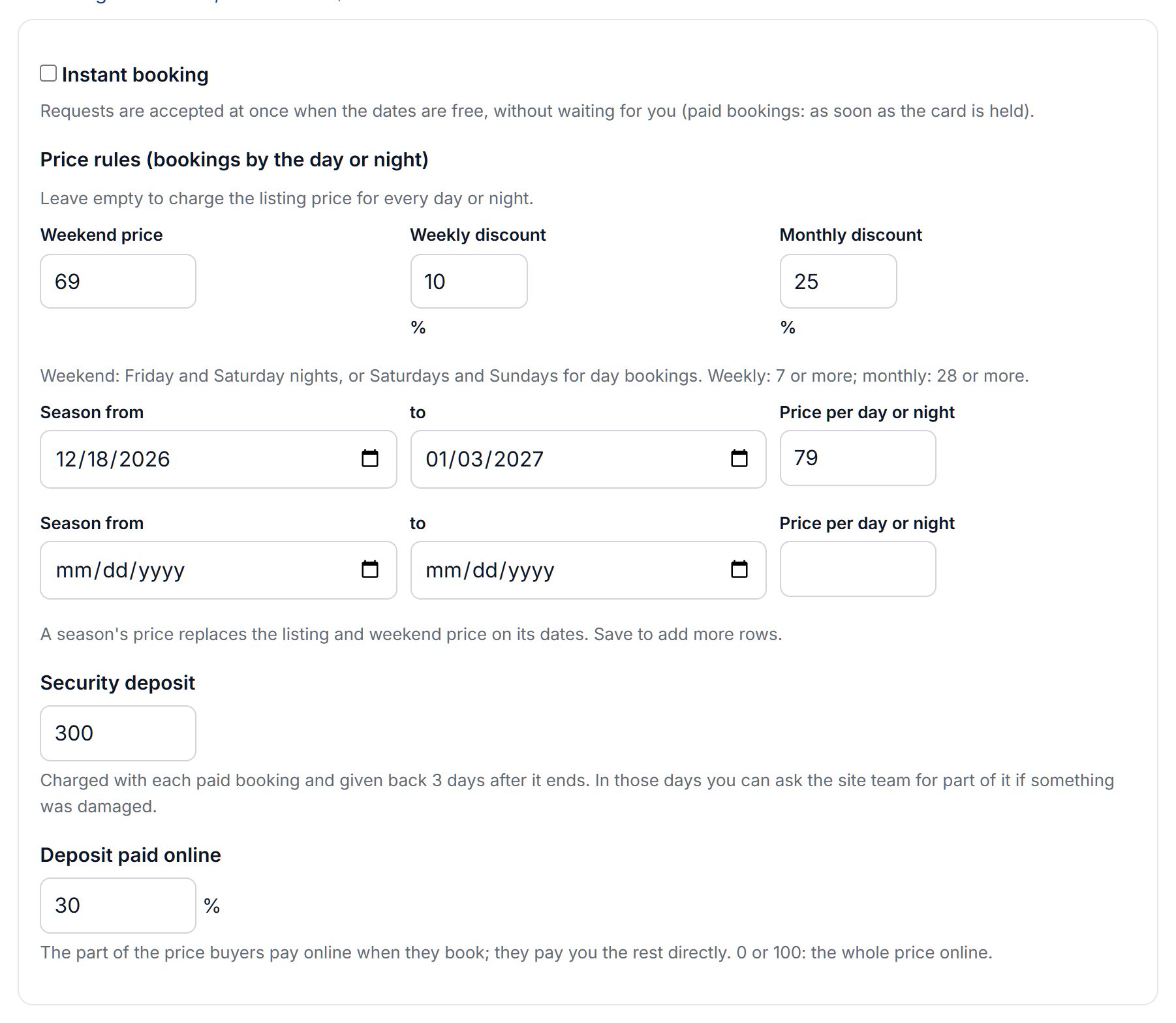
Deposits are the lender's protection against a cracked blade or a missing battery. Suggest a deposit that matches the tool's replacement cost for expensive items and a smaller one for hand tools, and keep the deposit separate from the rental price on the listing.
Later, featured listings suit lenders with popular spring tools. Lender memberships suit small contractors and handymen who list their whole kit. Banner spaces fit hardware stores, lumber yards and local handymen who want to reach people in the middle of a project.
| Model | Works when | Switch it on |
|---|---|---|
| Commission per booking | Renters book and pay on the site | From the first booking |
| Renter service fee | Many small, cheap rentals | Early, kept small and shown up front |
| Featured listings | Several lenders offer the same tool nearby | Once a category has competition |
| Lender memberships | Handymen and contractors list a full kit | When a few lenders have 15 or more tools |
| Banner spaces | Hardware stores and lumber yards want project traffic | When you can show steady renter visits |
Find lenders with full garages before you advertise to renters.
A renter who searches for a tile saw and finds nothing within ten miles will not try again. Build density in one area first, and favor lenders who can list many tools at once.
- Retired tradespeople. Many keep a full workshop and like the idea of tools being used. Find them through local woodworking clubs, men's sheds and senior centers.
- Hobby woodworkers and makers. Makerspaces and woodworking guilds have members with specialty machines and the care to look after them.
- Small contractors and handymen. They own duplicate tools and can rent out spares between jobs.
- Community tool libraries. Some may list their catalog of tools on your site or partner with you for items they do not carry.
- Neighborhood groups. Post in local groups asking who has a pressure washer or a lawn aerator they use once a year.
Make listing quick. With AI listing from a photo, a lender photographs the tool and AI fills in the title, description, category and price for them to check. Offer to come by and photograph a whole garage in one visit for your first lenders.
One lender with thirty tools makes the site look alive. Thirty lenders with one tool each makes it look empty.
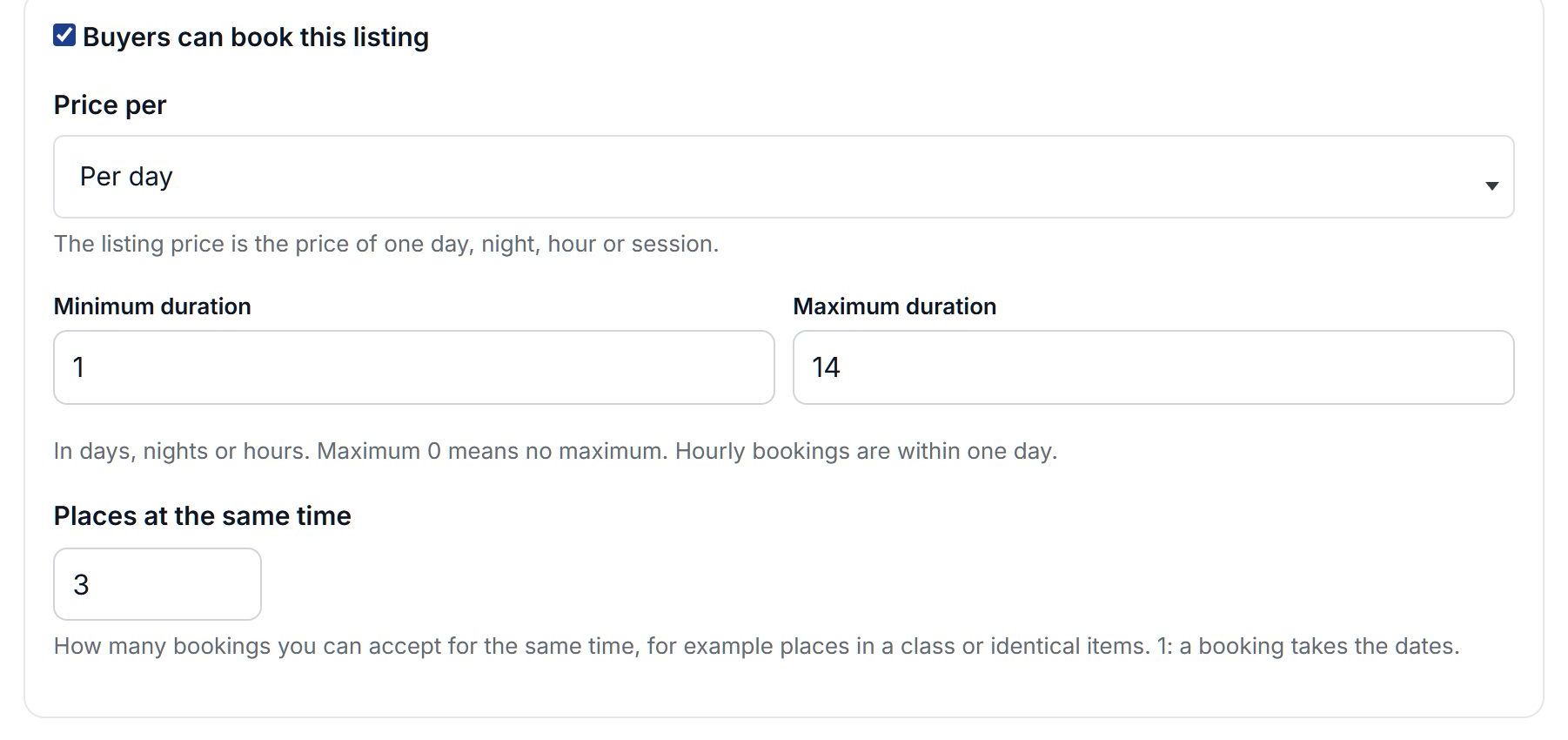
Set handover, damage and safety rules that fit a casual, neighbor-to-neighbor trade.
Tool rental feels casual, which is exactly why rules need to be written down before the first dispute.
- Damage and wear. Blades dull, bits break, cords fray. Agree in your rules what counts as normal wear and what is damage. Ask both sides to photograph the tool at pickup and return, including blades and batteries.
- Missing parts. Chargers, guards, keys and bit sets go missing more often than tools are damaged. Lenders should list every included item, and renters should check the list at pickup.
- Safety. Saws, splitters and nail guns injure people. Ask lenders to hand over the manual, show the safety features, and decline a renter who seems unsure. Remind renters to use eye and ear protection.
- Insurance and liability. Lenders should ask their own home insurer whether renting out tools is covered and who is liable if a renter is injured. Answers vary, so tell both sides to check, and check the rules where you operate. Do not suggest the site insures anyone.
- Renters who do not return tools. Encourage lenders to ask for ID at pickup and to start with short rentals for new renters. This check is the lender's own; the site does not verify identity.
- Off-site payment. Some renters will offer cash to skip the fee and the deposit. Explain that the deposit only protects lenders when the booking goes through the site.
Ratings and reviews on both sides matter more here than in most rentals: lenders want renters who return clean tools on time.
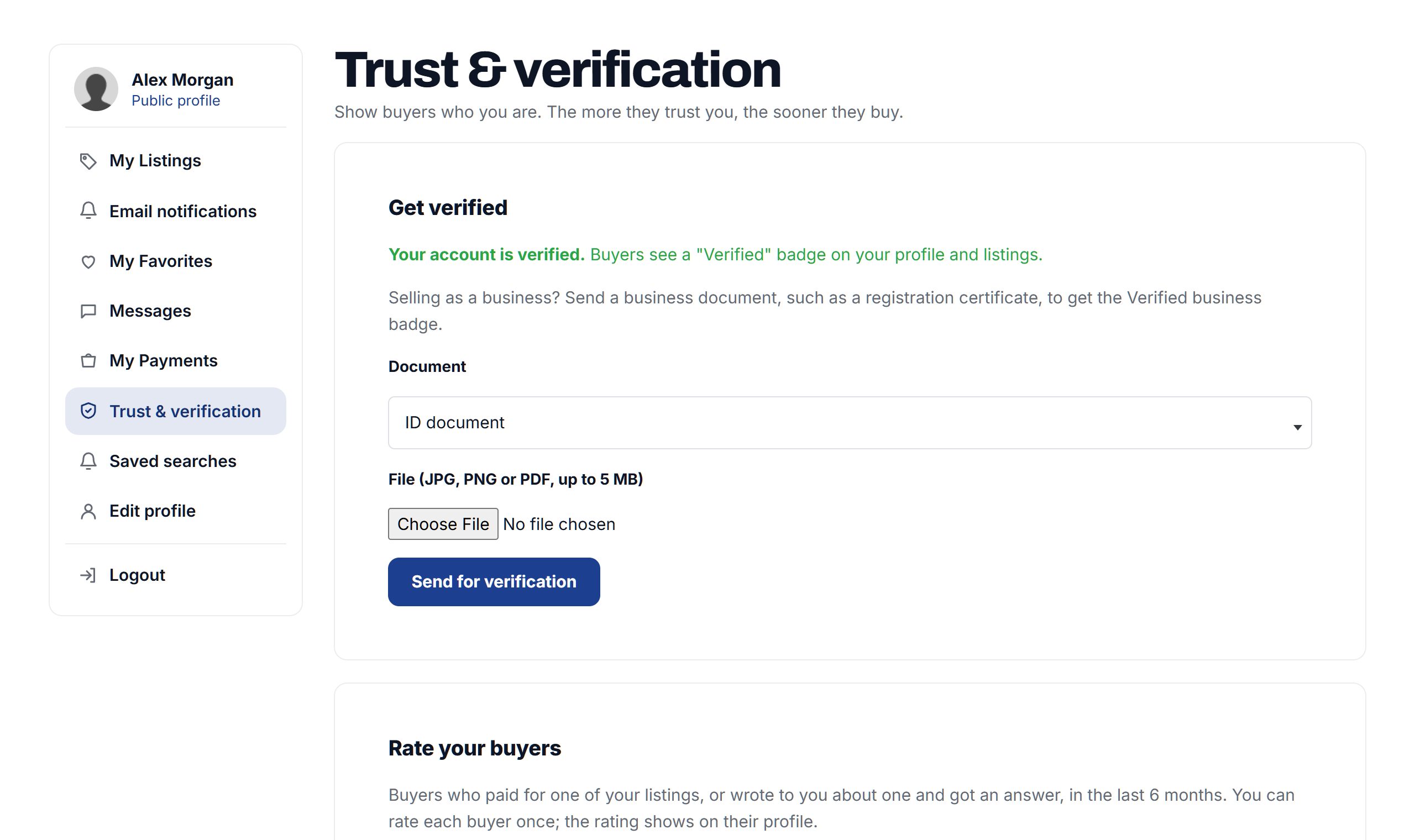
Rank for the project-day searches people make before they buy a tool.
Tool searches mix rent and buy. People type "rent a pressure washer near me", "tile saw rental price", "where to rent a floor sander", "log splitter rental weekend" or "borrow a carpet cleaner". Many are deciding whether to rent or buy, and a clear daily price wins them.
Pages to build
- Tool and town pages: "Pressure washer rental in Columbus", "Tile saw rental in Raleigh". Every listing, category and location has its own page, so these build up as lenders list.
- Rent or buy guides: when renting a floor sander makes sense, when to buy a cheap drill instead.
- Project guides: tools you need to retile a bathroom, refinish a deck, aerate a lawn, or hang drywall, each linking to the matching categories.
- Price guides: typical daily and weekly prices for common tools in your area, from your own listings.
Seasonal content matters: aerators and dethatchers in spring, pressure washers in early summer, leaf blowers in fall, and snow blowers if your area gets snow. Publish each guide a few weeks before the season starts.
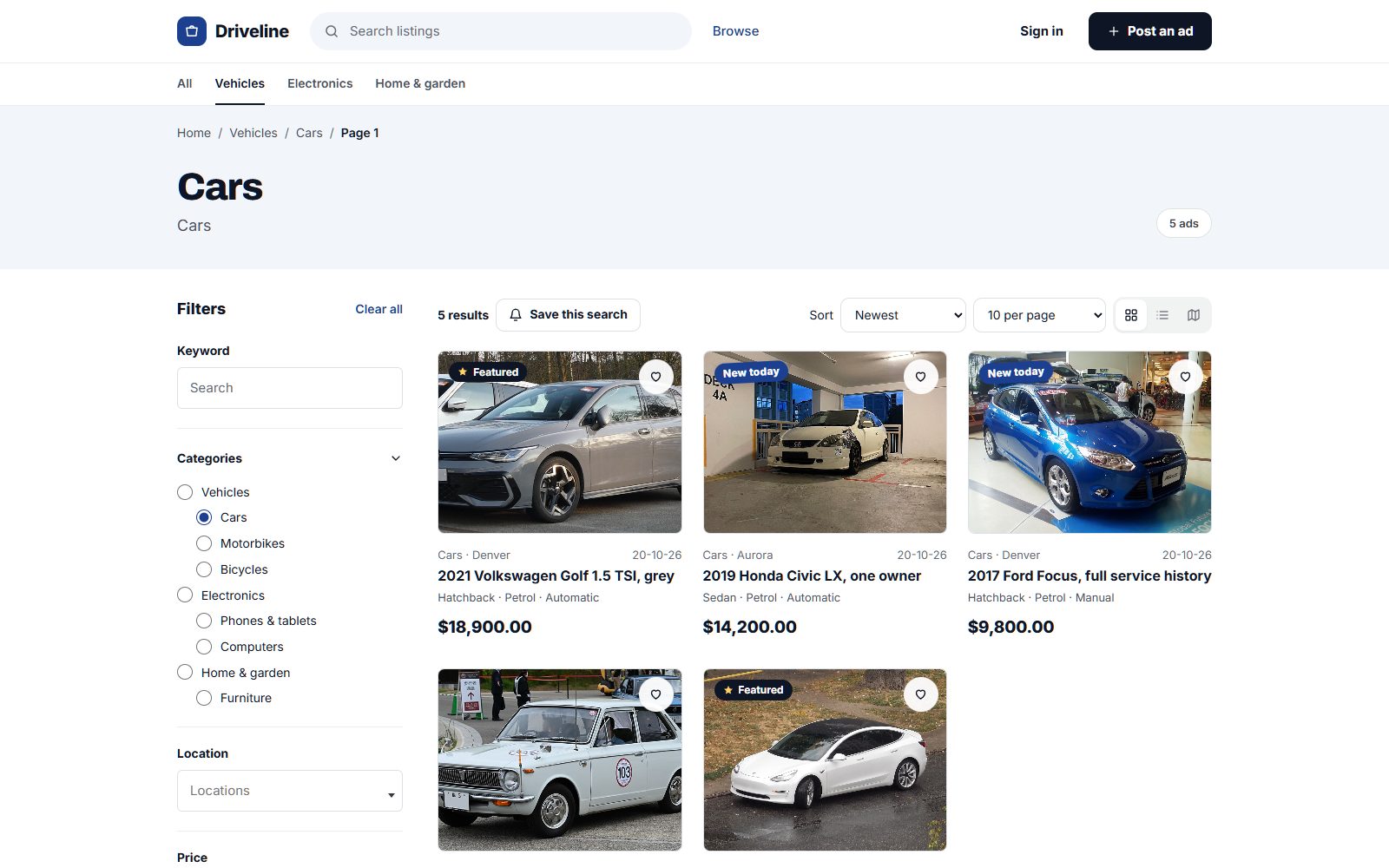
Launch in one neighborhood in early spring, when every garage project starts.
Spring is when homeowners pressure wash decks, aerate lawns and start renovation projects, so it is the natural launch season in most climates. Fall brings a second wave of yard work and leaf clearing. Launch a few weeks ahead so the calendars already show open dates.
First steps
- Choose one town or a few adjoining neighborhoods where people can drive to pickups in fifteen minutes.
- Recruit five to ten lenders with large garages or workshops before you look for renters.
- Partner with a local hardware store or makerspace that can point customers to you for tools they do not stock.
- Run a tool drop day at a community center where lenders bring tools to be photographed.
Launch checklist
- Daily price, weekly price, deposit and included parts on every listing.
- A handover checklist for photos, batteries and blades.
- Safety notes on saws, splitters and ladders.
- A clear message that lenders should check their own insurance.
- Seasonal guides ready for the next two months.
After a month, look at what renters searched for and could not find, and ask lenders on the site whether they own it.
A worked example: Porchlight Tool Share in the Fox Valley of Wisconsin.
Porchlight Tool Share is a fictional site, made up for this guide. It covers Appleton, Neenah, Menasha and the small towns around them in northeast Wisconsin, a string of older neighborhoods full of houses that need a new floor, a rebuilt porch or a cleared gutter every few years. Winters are long, so the garden side sleeps from November to April, while snow blowers and indoor renovation tools carry the cold months.
Who it serves
Renters are first-time buyers fixing up starter homes, tenants in duplexes who have nowhere to keep a tile saw, landlords turning over units between leases, and a steady group of hobby woodworkers who want a machine for one project. Lenders are retired carpenters, two handymen with duplicate kits, a member of the local woodworking guild with a shop full of machines, and dozens of homeowners with one good pressure washer or aerator each.
Categories
- Renovation
- Flooring and tile
- Drywall and paint
- Demolition
- Yard and garden
- Lawn care
- Trees and hedges
- Winter
- Snow blowers
- Roof rakes and ice tools
- Woodworking machines
- Ladders and cleaning
How it started
The founder spent a weekend driving between two big-box counters looking for a floor sander that was already out. He asked in a neighborhood group, found three people who owned one, and realized nobody had a way to book them. He started with a dozen lenders from his own street and the woodworking guild, photographed every tool on a folding table in their driveways, and wrote the handover checklist before the first booking. The first wave came in spring, when aerators and pressure washers sold out every weekend in April and May.
How it makes money
Renters book and pay on the site with a deposit held on each tool, and Porchlight keeps a commission on every booking plus a small renter fee shown at checkout. Two lenders pay for memberships because they list more than twenty tools each. A local lumber yard buys a banner on the renovation pages, and featured spots on snow blower listings sell out after the first storm forecast each December.
The site earned its loyal renters on winter renovation jobs, not on the spring rush.
| Listing | Price | Key details |
|---|---|---|
| Drum floor sander with edger | $55 per day, $180 per week, $400 deposit | Sandpaper sold separately, needs a pickup truck or van, two people to lift |
| Wet tile saw, 10 in blade | $35 per day, $120 per week, $250 deposit | Blade included, cuts tile up to 24 in, water tray, fits in an SUV |
| Core lawn aerator | $60 per day, $90 per weekend, $300 deposit | Gas, 19 in width, ramp included, spring and fall only |
| Two-stage snow blower, 28 in | $45 per day, $250 per week, $350 deposit | Electric start, returned with a full tank, delivery within 5 miles |
| Cordless drill and impact driver set | $15 per day, $50 per week, $75 deposit | Two 5 Ah batteries, charger and bit set, carry case |
The first 90 days of a tool rental marketplace.
Your first three months decide whether renters in your area treat the site as the first place to check before a project. That only happens if the tools they need are listed within a short drive, with a price, a deposit and an open date. So most of the early work is with lenders, not with renters.
Time the ninety days so they end just before your busiest season. In cold climates that means starting in January or February, so lenders are listed and calendars are open when the first warm weekend arrives. In milder areas, you can start any time, but a fall start still catches the leaf and gutter season.
Keep a running list of every tool a renter asked for and could not find. That list is your recruiting script: you take it to the woodworking guild, the handymen and the neighborhood groups, and ask who owns each item. Measure the period by bookings completed without a dispute, repeat renters and the number of tools within ten minutes of each neighborhood, not by visits.
| Weeks | Focus | Done when |
|---|---|---|
| 1-2 | Pick the towns, set job-based categories and fields for power source, batteries, consumables and deposit | A test listing for a tile saw shows every field and filters correctly |
| 3-4 | Recruit anchor lenders: retired tradespeople, handymen and guild members with large kits | Five lenders have agreed and at least 60 tools are photographed |
| 5-6 | Write the rules: handover photos, wear versus damage, fuel, late returns, insurance note | Rules and a printable handover checklist are published on the site |
| 7-8 | Soft launch to friends and neighborhood groups, run real bookings end to end | Ten bookings completed, deposits returned, no unresolved disputes |
| 9-10 | Publish seasonal and project guides, add tool and town pages | Six guides live, each pointing to listed tools in the matching category |
| 11-12 | Fill gaps from the wish list, partner with a hardware store or lumber yard | Every tool on the top-ten wish list is listed within a short drive |
How to build a tool rental marketplace: three routes compared.
A tool rental site has a few needs that a plain listings site does not: a booking calendar on every tool so two renters cannot take the same sander for Saturday, prices per day and per week, a deposit held separately from the rental, payment on the site so lenders get paid and you keep a commission, and a map so renters see pickups near them. Small bookings also mean the checkout has to be quick, or renters drive to the store instead.
Building it yourself with developers makes sense only if you want something unusual, such as lockers where renters collect tools with a code, or a subscription that lets members borrow anything for a monthly fee. Calendars, deposits and split payments between lenders and the site are harder to get right than they look, and every bug costs a lender a weekend.
A script or WordPress plugin on your own server is cheaper to start. Rental and booking plugins exist, but a tool site needs rentals and many lenders at once, which often means combining several plugins that were not made to work together. Test that the calendar blocks dates per tool, that deposits are handled the way you expect, and that you are ready to handle updates, spam and backups yourself.
A hosted builder such as Yclas makes sense when your Saturdays are better spent in lenders' garages than in server settings. Rentals with a booking calendar, daily or weekly prices and deposits, payment through Stripe with a commission, and custom fields for batteries and consumables are already there. Whatever route you pick, run one full booking, including a deposit return, before you invite lenders.
| Route | Fits when | Watch out for |
|---|---|---|
| Custom build with developers | You plan lockers, memberships or other unusual flows | Months of work before the first booking, and calendar and payment bugs |
| Script or plugin on your own server | You or a partner can code and want to own every part of the booking flow | Combining rental and multi-lender plugins, updates, spam and backups |
| Hosted builder | You want to launch this season and spend time recruiting lenders | Check that every feature you need for rentals and deposits is included |
| Spreadsheet and a group chat | You are testing demand on one street for a few weeks | No deposits, no calendar, and double bookings once it grows |
What a tool rental marketplace costs to run.
The software is the smallest part of the bill. Most of the cost is your time in the first months: finding the first listings, answering questions and checking what gets posted.
Tool rentals add few direct costs: some time photographing lenders' tools, printed handover checklists, and possibly an hour with an insurance broker to understand what lenders should ask their own insurers. A community tool drop day costs little beyond a room and some flyers.
| Cost | Typical range | On Yclas |
|---|---|---|
| Domain | $10 to $20 a year | Your own, with SSL included |
| Software and hosting | $0 to $100+ a month, plus plugins and updates | Marketplace $149 a month for checkout and commission |
| Design | $0 to $100 for a theme, or a designer | 109 looks included |
| Payment fees | About 3% per payment | Your Stripe or PayPal fees; Yclas takes nothing |
| Your time | 5 to 10 hours a week at the start | Finding listings, moderation, support |
Mistakes that sink tool rental marketplaces.
- Spreading across a whole metro area on day one. A renter will not drive forty minutes for a hedge trimmer. Start with a few neighborhoods and expand only when renters in the next town are already asking. A map full of pins spread thinly across a county tells renters the tool they need is always somewhere else.
- Not saying how many batteries come with a cordless tool. One battery means a renter stops halfway through a deck to wait for a charge. Make battery count and charger included required fields on every cordless listing.
- Deposits too small on the machines that break. Floor sanders, tile saws and log splitters are where the expensive damage happens. A deposit sized for a hand tool leaves lenders paying for a new drum or motor. Suggest deposits by category and let lenders raise them. Renters rarely object to a high deposit on a heavy machine when they get it back in full on return.
- No rule on fuel. Gas tools come back empty, or worse, filled with the wrong mix, and a two-stroke engine run on straight gas can be ruined. State a fuel rule on each gas listing, and ask lenders to label the fuel type on the tank. A lender who loses a trimmer engine to bad fuel usually stops lending for good.
- Leaving consumables vague. Who pays for sanding belts, tile blades and trimmer line causes more arguments than damage does. List what is included and what the renter must bring, and let lenders sell consumables as a separate item if they want.
- Back-to-back bookings with no gap. A tool returned at noon and booked again at noon leaves no time to check, clean or charge it. Ask lenders to block a buffer between rentals, especially on weekends. A half-charged battery or a clogged pressure washer nozzle at pickup turns a renter into a one-star review.
- Listing dangerous tools with no experience rule. Chainsaws, framing nailers and log splitters injure inexperienced users. Let lenders state the experience they expect, include the manual, and allow them to decline a booking. A short message asking what the renter plans to cut tells a lender more than any form.
- Launching with garden tools in late fall. In cold regions a site that opens in November with only aerators and trimmers looks dead until April. Lead the off-season with renovation tools, snow blowers and indoor jobs, and save the garden push for March.
- Letting renters arrange cash pickups. Once a lender takes cash at the door, the deposit and the review history are gone. Remind both sides that only bookings made on the site carry the deposit and the record.
Tool rental terms every founder should know.
Lenders, renters and hardware counters use these words every day.
| Term | What it means |
|---|---|
| SDS and SDS-plus | A bit shank system used by rotary hammers, which only fits drills made for it. |
| Amp hour (Ah) | A battery capacity rating; a higher number runs a cordless tool longer between charges. |
| Battery platform | A brand family of cordless tools that share the same batteries and chargers. |
| Consumables | Parts used up during a job, such as sanding belts, blades, bits and trimmer line. |
| Two-stroke | A small gas engine that runs on gas mixed with oil at a set ratio. |
| PSI and GPM | Pressure and water flow ratings on a pressure washer, which decide how fast it cleans. |
| Kerf | The width of the cut a saw blade removes. |
| Kickback | A sudden, dangerous backward jerk of a saw or drill when the blade or bit binds. |
| Core aerator | A lawn machine that pulls small plugs of soil to let air and water reach the roots. |
| Turnaround | The time between one return and the next pickup, used to check, clean and charge a tool. |
| Wear and tear | The normal decline of a tool from use, as opposed to damage the renter caused. |
| Deposit hold | An amount set aside at booking and returned once the tool comes back in good shape. |
| Tool library | A community or nonprofit collection that lends tools to members, often for free. |
The same steps for a tool rental marketplace on Yclas.
- Describe your marketplaceThe setup wizard writes the categories, an About page and example listings from one sentence.
- Add fieldsThe details buyers filter on, as dropdowns, numbers or checkboxes.
- Bring sellersInvite them, import their stock from a spreadsheet, or post for them.
- Set the rulesChoose moderation, verified sellers, reviews and reports.
- Take paymentsOn Marketplace, buyers pay on the site and you keep a commission, with Stripe.
How much do I need to start a tool rental marketplace?
Very little beyond the site and a domain, since lenders keep their own tools. Most of the early cost is your time recruiting lenders and photographing their tools.
Who pays if a borrowed saw comes back broken?
The renter, under the terms on the listing, with the deposit covering most cases. Photos at pickup and return settle most arguments, and lenders should check what their own insurance covers.
Is renting out tools legal for a private person?
Usually there is no special license for renting household tools, but tax, liability and home insurance terms vary. Check the rules where you operate and ask lenders to talk to their insurer.
How do I compete with hardware store rental counters?
Be closer, cheaper and more varied: a lender down the street with the exact tool beats a drive across town. Stores also rarely rent specialty woodworking or hobby tools.
Can a small rental pay enough commission?
One rental pays little, so the model depends on volume and a small renter fee. Lenders with many tools and repeat renters such as landlords and handymen carry the numbers.
How large should deposits be?
Close to replacement cost for expensive machines like floor sanders and tile saws, and modest for hand tools. State it on every listing so there are no surprises.
What about community tool libraries?
Treat them as partners. They often lend for free to members, and your site can cover the tools they lack, or list theirs if they want the reach.
How should lenders price a weekend rental?
Many lenders charge a weekend rate for Friday evening to Monday morning that is lower than three single days, because renters plan projects around Saturday and Sunday. Show the daily, weekend or weekly price clearly so renters can compare it with buying.
What happens if a tool fails during a rental through no fault of the renter?
Motors and switches wear out, so a lender should refund the unused days and repair the tool. Ask lenders to state this on their listings, and to check older tools before each rental so it happens rarely.
Should lenders offer delivery?
Pickup suits most small tools. Delivery makes sense for heavy machines such as log splitters, floor sanders and aerators that need a truck or a trailer, and lenders can price it as an extra on the listing.
Do lenders have to report rental income?
In many places income from renting out tools counts as taxable income, even for private people. Rules vary, so tell lenders to check with a tax adviser or the rules where they live.
Can tools be sold on the site as well as rented?
Keep the main site about renting so every result can be booked. Lenders who want to sell an older tool can mark it clearly in its own category, but a site full of sale ads makes renters scroll past tools they cannot book.
Related pages.
The parts of Yclas this leans on.
You have the plan. Now get your street's garages working.
Describe your site in a sentence and the setup wizard writes the categories, example listings and a look. Free for 15 days, no credit card.
Start my marketplace