How to build a freelance marketplace for one craft, where clients find specialists fast.
This guide covers building a marketplace for freelancers in one line of work, such as podcast editing, bookkeeping or translation: choosing the craft and client type, the fields clients filter on, how clients contact freelancers and request quotes through on-site messages, fixed-price packages and featured profiles, recruiting the first freelancers, scams and disputes, the searches to rank for, and a launch inside the craft's own community.
Free for 15 days · No credit card · Plans from $19 a month
Own one craft instead of competing with every freelancer on earth.
The big general freelance sites, such as Upwork and Fiverr, list almost every skill there is. That breadth is their weakness for a client who needs one specific thing: a podcast producer searching for an editor wades through thousands of general audio and video profiles, most of them unsuited to spoken word. A site for one craft can show only people who do that work, described in that craft's own terms.
Pick the craft
The best crafts share three traits: clients need the work regularly, quality is easy to show in a portfolio or sample, and the work has specifics a general site cannot filter on. Good examples:
- Podcast and audio editing: show format, turnaround, software, noise cleanup, show notes.
- Bookkeeping for small businesses: accounting software, industry, monthly volume, payroll or not.
- Translation: language pairs, subject area, certified or not.
- Technical drafting: CAD software, drawing type, building or product.
The two sides
- Freelancers: independent specialists, part-timers with a day job in the field, and small studios.
- Clients: small businesses, agencies needing overflow help, and creators or founders without staff.
Where does this trade happen today? In the craft's own groups and forums, through referrals, and in job threads on social media. Your first users are there.
A narrow site beats a big one when the client's first question uses a word the big site has no filter for.
Build profiles around the tools, specialties and turnaround of the craft.
Use two kinds of listing. Freelancer profiles and services are the main one, in categories by specialty. A second category lets clients post projects ("Need an editor for a weekly interview show"), and freelancers reply through on-site messages. Keep both shallow, and put the detail in fields.
For a podcast editing site the fields might be:
- Service: editing, mixing and mastering, full production, show notes and transcripts, video clips for social media.
- Show format: interview, narrative, panel, solo.
- Software as checkboxes: the main editing programs the craft uses.
- Turnaround in days, as a number.
- Starting price and pricing type: per episode, per finished minute, monthly retainer.
- Languages worked in, and time zone.
- Portfolio links or samples described in the profile.
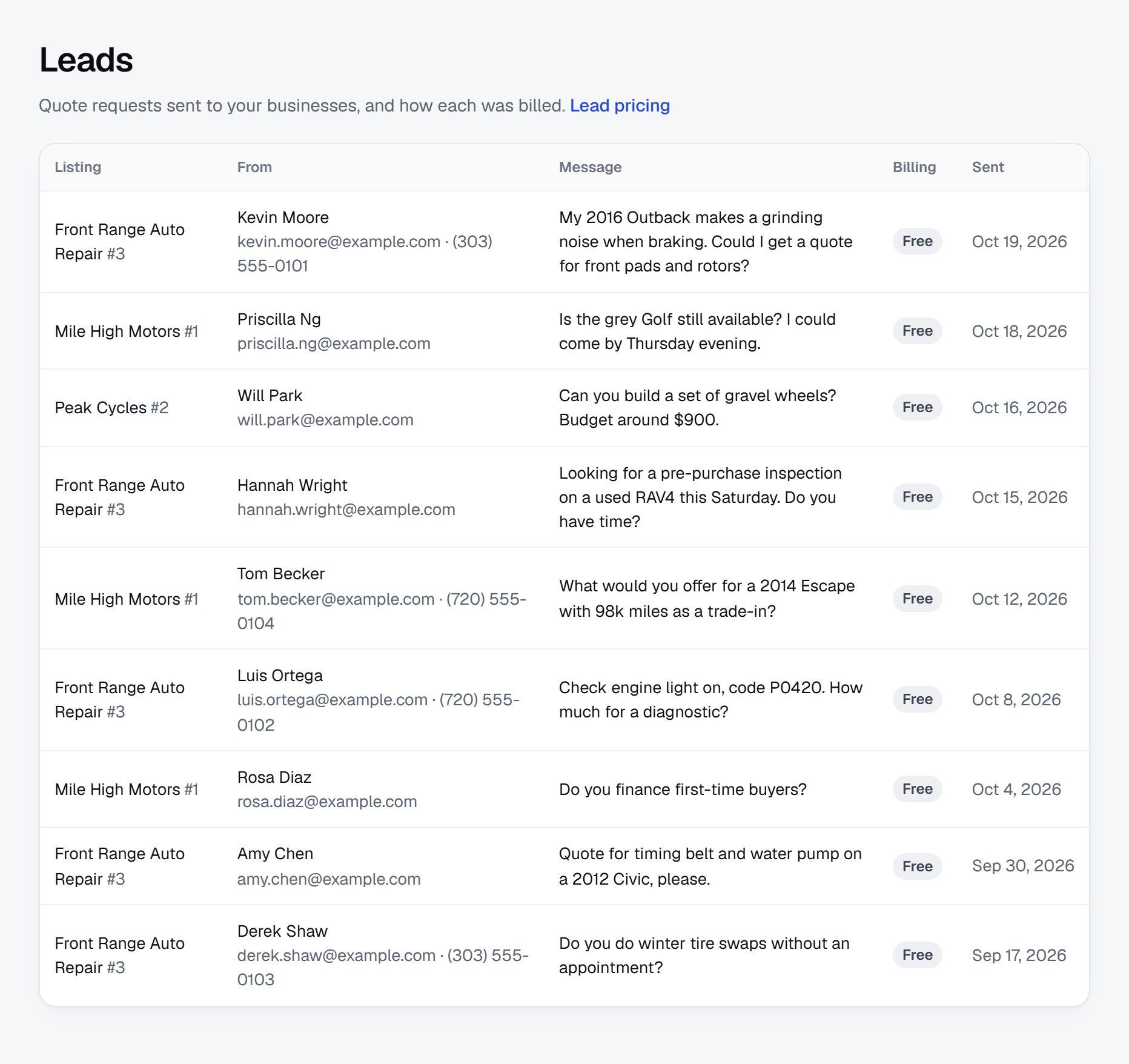
Swap these for your craft's own vocabulary: a bookkeeping site filters on accounting software, industry and transactions per month; a translation site on language pair, subject and certified translation. Clients contact a freelancer or send a quote request through on-site messages, describing the job; the freelancer answers with a price and timing.
| Category | Example listings | Fields clients filter on |
|---|---|---|
| Episode editing | Interview podcast editing, 48-hour turnaround | Show format, turnaround days, price per episode |
| Full production | Weekly show produced end to end | Services included, monthly retainer, languages |
| Mixing and mastering | Audio cleanup for remote interviews | Software, noise cleanup, finished minutes |
| Show notes and transcripts | Transcripts and show notes per episode | Turnaround, languages, price per episode |
| Video clips | Short vertical clips from each episode | Clips per episode, platforms, captions |
| Projects wanted | Need an editor for a narrative series | Budget, deadline, show format |
Make "Turnaround in days" a number field so clients can filter for anyone who delivers within their deadline.
Sell packages with checkout, and visibility to freelancers who want clients.
Most freelance work is custom: a client explains the job, the freelancer quotes, and they work together for months. Forcing every invoice through your site is hard when freelancers can simply be paid directly. Charge where you add something clear.
What works
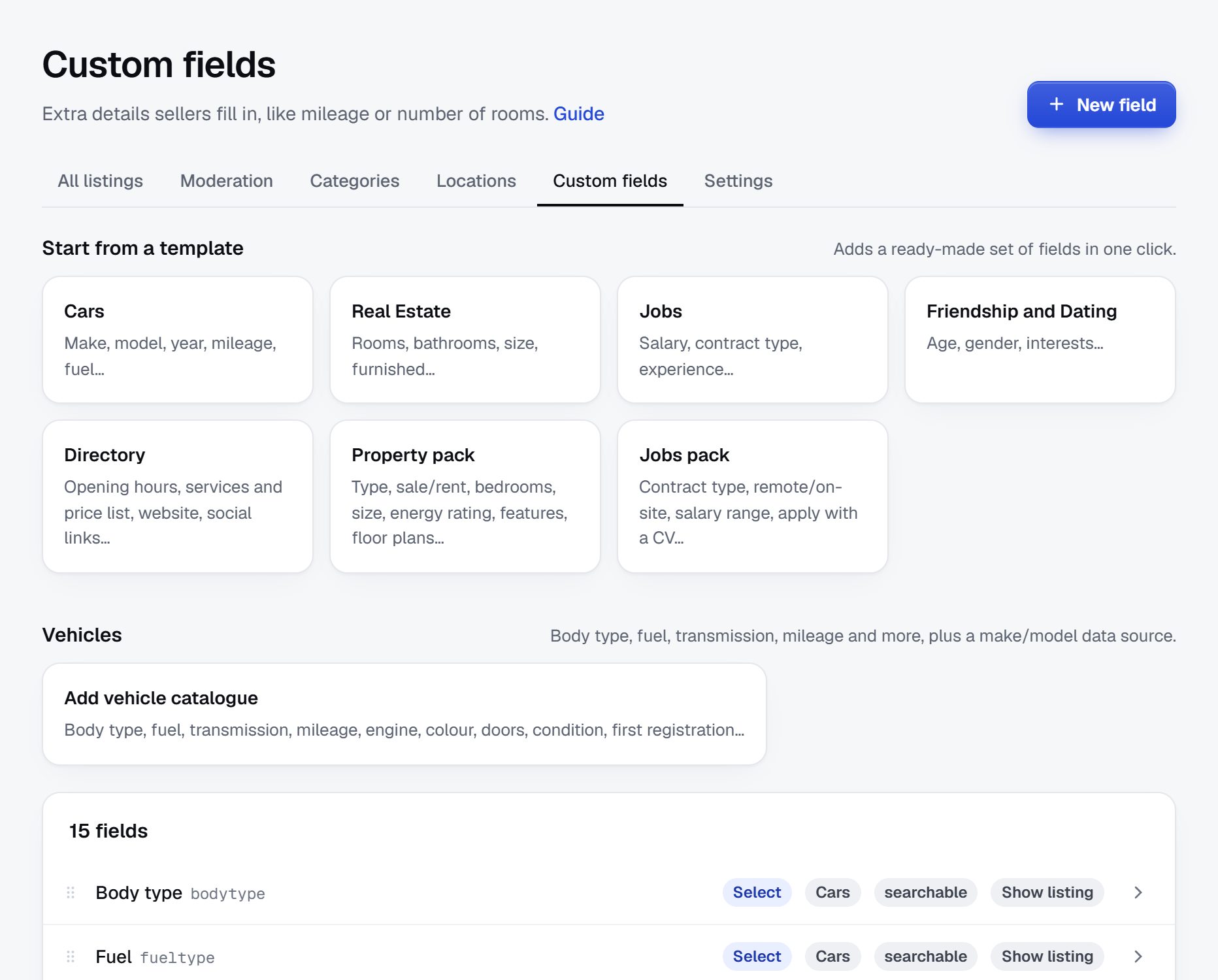
- Fixed-price packages: on the Marketplace plan, a freelancer can sell a package as a listing, such as "Edit one interview episode up to 60 minutes" or "Monthly bookkeeping for up to 100 transactions", paid at checkout, with your commission per sale. Packages suit clients who want a price before they talk to anyone.
- Featured profiles at the top of a specialty, for freelancers who want more inquiries.
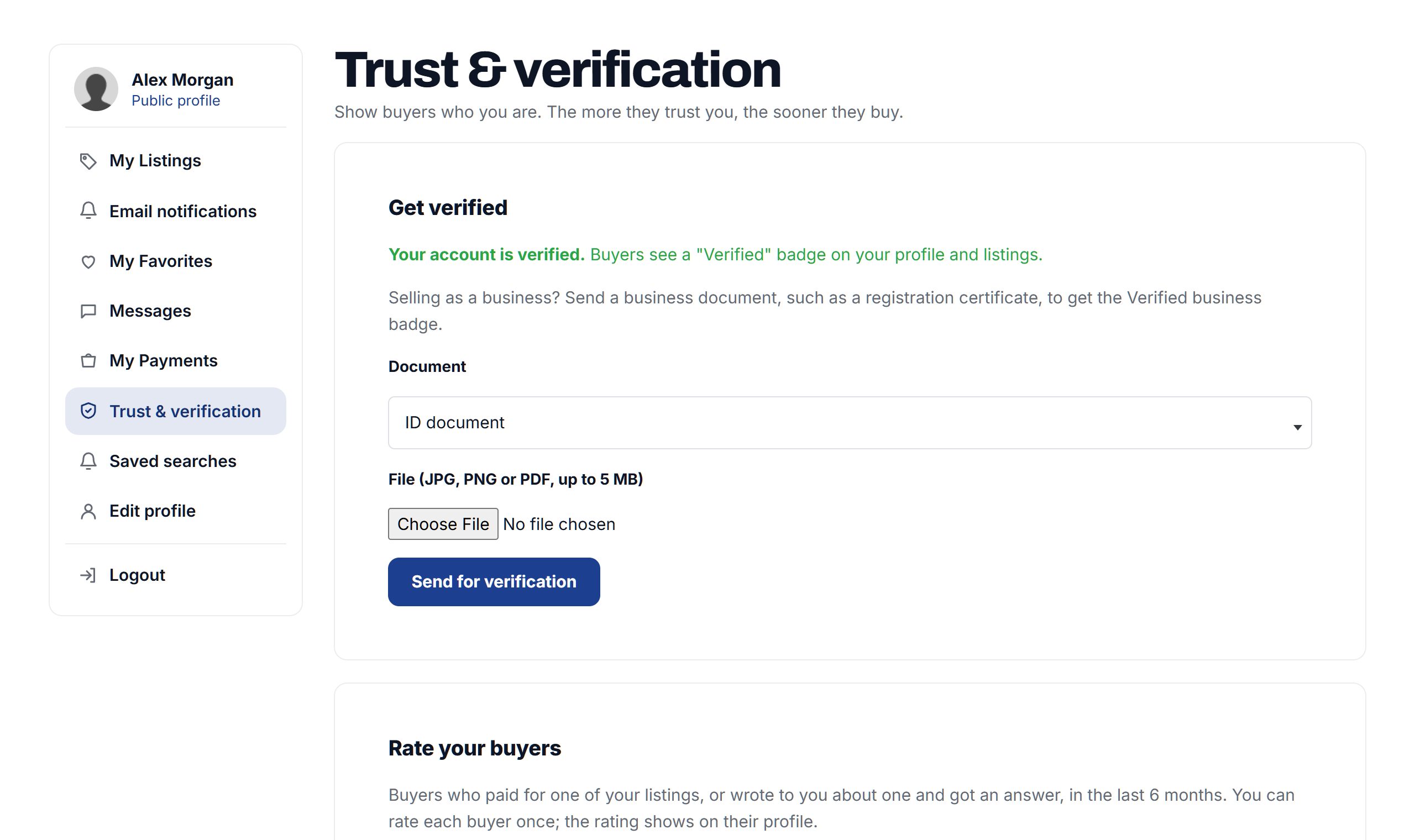
- Freelancer memberships with a verified badge, more portfolio space and a place in a "top specialists" list.
- Pay to post projects for clients, once freelancers reply to every project fast.
- Banner spaces for software, equipment and course makers in the craft.
Keep profiles free at the start. Freelancers already pay for general platforms and will not add another bill until your site sends them a client. Once inquiries arrive, featured spots and memberships sell on results.
| Model | Works when | Switch it on |
|---|---|---|
| Packages with checkout | Work with a clear, fixed scope | From launch, for freelancers who want it |
| Featured profiles | Clients compare several specialists | Once each specialty has ten or more profiles |
| Freelancer memberships | Busy freelancers want a stronger profile | After the first inquiries come through |
| Pay to post projects | Projects get several replies quickly | When freelancers outnumber projects |
| Banner spaces | Tool and course makers want your audience | When you can show visitor numbers |
Recruit the first hundred specialists from the craft's own community.
Freelancers come first, but quality matters more than numbers. A client who opens the site and sees a dozen strong portfolios will contact one; a client who sees two hundred thin profiles will leave. Aim for fifty to a hundred complete profiles with real samples.
Where the specialists are
- The craft's online communities: subreddits, Discord and Slack groups, and forums where editors, bookkeepers or translators trade advice.
- Professional associations: translators' and bookkeepers' associations, and their member directories of people who already market themselves.
- Course and certification alumni: graduates of training programs and software certifications looking for their first clients.
- Freelancers on the general sites who complain about fees and bidding races. Their public profiles show their specialty.
- Conferences and meetups for the craft, such as podcast festivals or accounting software user events.
Write to each one personally and offer to set up their profile from their existing portfolio. Ask each to create one fixed-price package, because packages make the site useful to clients from day one. Recruit across specialties so every category has at least a few strong profiles, and invite your first freelancers to bring a client with them.
One recognized name in the craft brings twenty others. Recruit the people others in the community follow.
Protect freelancers from scam clients and clients from fake portfolios.
Freelance marketplaces attract scams on both sides, and the targets are often new freelancers.
Scams aimed at freelancers
- Overpayment and fake check scams: a "client" pays too much by check or transfer and asks for the difference back. Warn freelancers in plain terms and remove accounts that try it.
- Free test work: clients ask several freelancers for a full "sample" and use the work. Set a rule that tests must be short or paid.
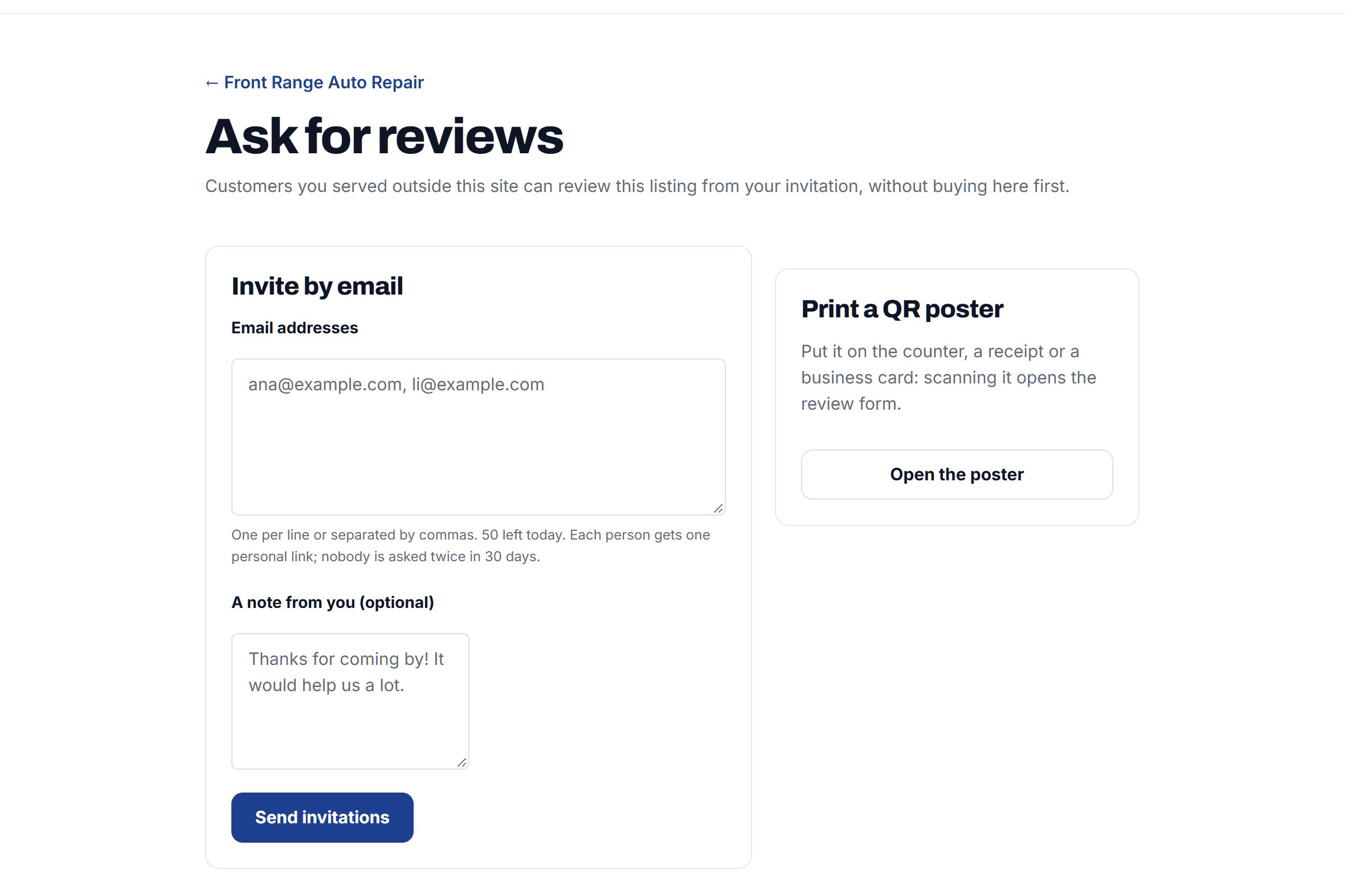
- Moving to other apps: scammers push freelancers to private chat apps quickly. Keep early conversations in on-site messages, where you can see reports.
Risks for clients
- Stolen or fake portfolios: ask freelancers to describe their role in each sample, and give verified badges to those whose work you have checked.
- Disappearing freelancers: encourage written scopes and milestones, and reviews after each project.
- Scope disputes: packages should state exactly what is included and how many revisions.
Legal points
Ownership of the finished work, contractor status and tax reporting all depend on where the freelancer and client are. Check the rules where you operate, and tell both sides to agree ownership and terms in writing. Moderation that approves new profiles and holds suspicious listings for review keeps fake accounts out early.
Remember that freelancers are paid through Stripe for packages; for custom work they invoice clients directly, so make clear your site does not hold money or settle disputes.
Rank for hiring searches in your craft's own words.
Clients search for the job, often with the tool or the type of client in the query: "hire a podcast editor", "podcast editing service for interview show", "freelance bookkeeper for small business", "QuickBooks bookkeeper for restaurants", "Spanish to English legal translator", "how much does podcast editing cost". Each pattern points to a page.
Pages to build
- Specialty pages: one for each service, listing the freelancers who offer it.
- Tool and format pages: editors for narrative shows, bookkeepers for each accounting program, translators by language pair.
- Client-type pages: bookkeepers for restaurants, contractors and online stores; editors for church sermons or business podcasts.
- Hiring guides: what to include in a brief, questions to ask before hiring, how to check a portfolio.
- Price guides: what the work costs, built from the starting prices and packages on your own site once there are enough.
Write for freelancers too: guides on pricing your work, writing a strong profile and turning a package into a retainer. They rank, and they bring supply. Name the specialty and the client type in profile titles: "Interview podcast editor for business shows, 48-hour turnaround" is what a client types.
Launch where the craft gathers, before its busiest season.
Every craft has its own calendar. Bookkeepers are busiest in the weeks before tax deadlines and at year end; podcasts launch new seasons in January and early fall; translation spikes around trade fairs and product launches. Launch a few weeks before your craft's busy period, when clients are looking and freelancers want more work.
Partners
- Course creators and trainers in the craft, whose students need first clients.
- Software makers in the craft, who want their users to find work.
- Communities and newsletters that clients read: podcast hosting communities, small business groups, export associations.
- Agencies that need overflow help and can post projects.
Checklist
- Choose one craft and one main client type.
- Write fields in the craft's vocabulary, and your rules on test work and scams.
- Recruit fifty to a hundred freelancers with complete portfolios.
- Ask each to add one fixed-price package.
- Publish specialty, tool and client-type pages and two hiring guides.
- Announce the site in the craft's communities, then ask clients for a review after each project.
A worked example: Clear Take Editors, run from Asheville, North Carolina.
Clear Take Editors is an imaginary site, used here to show a single-craft freelance marketplace from the inside. Its founder runs it from Asheville, North Carolina, but the work is remote, so editors and clients come from across the United States and Canada. The craft is podcast editing, chosen because shows publish every week, quality is easy to hear in a sample, and clients ask for things a general freelance site has no filter for.
Categories
- Episode editing
- Interview shows
- Narrative shows
- Full production
- Show notes and transcripts
- Video clips for social media
- Projects wanted
Who it serves
Clients are business owners with a company podcast, coaches and authors with interview shows, churches that publish a weekly sermon, and small networks that need overflow help in busy months. Editors are independent audio people, many with radio or music backgrounds, part-timers who edit around a day job, and a few two-person studios that also handle video clips.
How it started
The founder edited podcasts full time and turned away work every January, when new shows launch. She moderated a large online group for podcast editors and knew who did good work. She invited forty editors she trusted, set up each profile from their existing samples, and asked each to create one fixed-price package before launch. The first clients came from her own waiting list and from a post in two podcast hosting communities. Within the first months, client projects outnumbered new editor sign-ups, which told her the supply side needed the next push. She filled it by inviting graduates of two well-known editing courses, each reviewed by her before going live.
How it makes money
Clients send a quote request or message an editor directly, and most ongoing work is invoiced by the editor outside the site. The site earns from fixed-price packages bought with checkout on the Marketplace plan, keeping a commission per sale, and from editors who pay for featured spots in December, before the January rush. A membership gives busy editors more sample space and a place in a "top editors" list. A microphone shop and a maker of editing courses buy the banner spaces, because their customers are the same people.
Asking every editor for one package before launch meant the first clients could buy something the day they arrived, without waiting for a quote.
| Listing | Price | Key details |
|---|---|---|
| Interview episode edit, up to 60 minutes | $85 per episode | 48-hour turnaround, noise cleanup, two revision rounds |
| Weekly show, monthly production | $1,200 per month | Editing, show notes and three social clips per episode |
| Narrative series edit with sound design | Quote on request | Priced by finished minute, samples from two documentary series |
| Transcript and show notes | $30 per episode | 24-hour turnaround, English and Spanish |
| Project wanted: editor for a sermon podcast | Budget $50 per episode | Weekly, 40-minute recordings, due each Monday |
The site, editors, client and prices are all invented for this example.
The first 90 days: from a circle of trusted names to steady client requests.
A single-craft marketplace begins with reputation, not traffic. The first weeks go on choosing who belongs on the site, helping them build complete profiles and packages, and writing rules on test work, scope and scams. Only once a client can find three strong freelancers in every specialty does the plan turn to clients. Expect the invitations to take longer than you think: respected people in a craft are busy, and many will want to see who else has joined before they say yes.
Time the quarter so it ends just before your craft's busy season, whether that is tax season for bookkeepers, January show launches for podcast editors, or trade fair season for translators. Measure profiles completed with samples, packages live, client messages and quote requests, and the share of requests that get a reply within a day. Keep a list of what clients ask for that nobody on the site offers; it is your recruiting plan for the next quarter. Read every new project post during these weeks, because scams aimed at new freelancers show up early and look like normal jobs at first. Share what you learn with your freelancers in a short monthly note: they will report the next one faster.
| Weeks | Focus | Done when |
|---|---|---|
| 1-2 | Choose the craft and client type, write fields in the craft's vocabulary, rules on test work, scope and scams | Fields set as filters and rules published |
| 3-4 | Invite respected freelancers from the craft's communities and associations, one by one | 40 freelancers have accepted |
| 5-6 | Set up each profile from existing samples and ask for one fixed-price package each | 40 complete profiles and 25 packages live |
| 7-8 | Publish specialty, tool and client-type pages and two hiring guides | Every specialty has a page with at least three strong profiles |
| 9 | Announce to clients in communities and newsletters they read, and invite agencies to post projects | The first 10 projects or quote requests arrive |
| 10-11 | Watch reply times, remove scam projects, help freelancers turn first jobs into reviews | Most requests answered within a day and the first package sales completed |
| 12 | Collect reviews, offer featured spots and memberships before the busy season | Each specialty has reviewed freelancers and featured spots are offered |
Ways to build a freelance marketplace for one craft.
A craft marketplace needs strong profiles more than anything else: samples, specialties, tools and turnaround, each filterable. Clients need private messages and quote requests to describe a job, and a way to buy fixed-price packages with checkout so the site earns something. Moderation matters more than founders expect, because new freelancers are a favorite target of fake job posts. What the site does not need is a booking calendar: work is agreed by scope and deadline, not time slots.
Developers and a custom build
Choose it if your idea depends on something general tools lack, such as milestone payments held until delivery, time tracking or file review with comments on an audio timeline. Holding client money brings legal and payment questions of its own, so get advice before you design it.
A script or WordPress plugin on your own server
Freelance themes and plugins exist, often built around bidding on jobs, which is the race to the bottom your site is meant to avoid. Check whether you can turn bidding off, add craft-specific filters and sell packages. You will also own updates, backups and spam control, which take more time than most founders plan for.
A hosted builder
A hosted builder such as Yclas offers custom fields as filters, seller profiles, reviews, on-site messages and moderation, and fixed-price packages with checkout and a commission on the Marketplace plan. It suits a founder from the craft whose real advantage is knowing who does good work.
| Route | Fits when | Watch out for |
|---|---|---|
| Custom build with developers | Milestone payments or file review tools are your core idea | Cost, time and the rules on holding other people's money |
| Freelance theme or plugin on your own server | You want full control and can maintain it | Bidding built in, and spam projects aimed at new freelancers |
| Hosted builder | Profiles, quote requests and packages cover your plan | Custom work is still invoiced outside the site |
| Curated list in a newsletter | You want to test the craft and the client demand first | No search, no reviews and no income beyond sponsors |
What a freelance marketplace costs to run.
The software is the smallest part of the bill. Most of the cost is your time in the first months: finding the first listings, answering questions and checking what gets posted.
The costs are mostly your time recruiting freelancers and writing specialty pages, plus a legal review of your terms on work ownership, test work and package refunds. Contractor status and tax rules differ by country, so budget for advice if you plan to grow across borders.
| Cost | Typical range | On Yclas |
|---|---|---|
| Domain | $10 to $20 a year | Your own, with SSL included |
| Software and hosting | $0 to $100+ a month, plus plugins and updates | Marketplace $149 a month for checkout and commission |
| Design | $0 to $100 for a theme, or a designer | 109 looks included |
| Payment fees | About 3% per payment | Your Stripe or PayPal fees; Yclas takes nothing |
| Your time | 5 to 10 hours a week at the start | Finding listings, moderation, support |
Mistakes that turn a craft marketplace into another crowded job board.
- Widening the craft too early. Adding video editing, then design, then marketing to a podcast editing site brings in traffic and loses the reason clients came. Grow within the craft, by specialty and client type, before you add a second one. Depth in one craft is what lets your pages rank for searches the general sites only touch.
- Accepting every profile. A client who opens three empty profiles in a row assumes the rest are the same. Approve freelancers by hand, require samples and a clear specialty, and hide incomplete profiles from search. Twenty excellent profiles do more for the first clients than two hundred thin ones.
- Copying the bidding model. Inviting twenty freelancers to undercut each other on every job drives away the experienced people your site depends on. Let clients message a few chosen freelancers or send quote requests, and keep packages at the price the freelancer sets.
- Allowing free test work. Clients who ask ten freelancers for a full sample get free work and leave a bad taste. Set a rule that tests are short or paid, and remove clients who break it. Freelancers talk to each other, and a site known for protecting their time recruits faster.
- Forcing all payments through the site. Long client relationships will move to direct invoices whatever your terms say. Earn on packages, featured spots and memberships, and make the site the place clients come back to for new needs.
- Vague packages. "Podcast editing, from $50" invites disputes about length, revisions and turnaround. Ask every package to state what is included, the maximum length or volume, the revision rounds and the delivery time.
- Ignoring the client side. A site full of freelancers and no projects becomes a directory nobody visits. Recruit a few agencies and repeat clients early, and publish hiring guides that bring clients in by search. A short weekly list of new projects, sent to freelancers, also shows them the site is alive.
- Missing the scam posts. Fake jobs that ask freelancers to buy equipment or cash an overpaid check spread fast through a new community. Hold new client accounts for review and act on every report the same day.
- Charging freelancers from day one. Freelancers already pay general platforms and will not add another fee before your site sends them work. Keep profiles free until inquiries arrive.
- Letting response times slide. A client with a deadline writes to three freelancers and hires whoever answers first. If nobody answers for two days, the client goes back to a general site. Show when each freelancer was last active, and ask those who are fully booked to pause their profile.
Freelance terms to know before you invite your first specialists.
Freelancers and their clients use these words in briefs, quotes and contracts, so your rules and packages should too.
| Term | What it means |
|---|---|
| Brief | The client's written description of the job, its goal, format and deadline. |
| Scope of work | What exactly the freelancer will deliver, and what is not included. |
| Revision round | One set of client changes the freelancer makes after delivering a draft. |
| Turnaround | The time between receiving the files or brief and delivering the work. |
| Retainer | A monthly fee for a set amount of ongoing work, common for weekly shows or monthly bookkeeping. |
| Milestone | A stage of a larger project with its own delivery and, often, its own payment. |
| Rate card | A freelancer's list of standard prices for common jobs. |
| Finished minute | A pricing unit for audio and video work, based on the length of the final edit. |
| Overflow work | Jobs an agency or busy freelancer passes on when it has more than it can handle. |
| White label | Work delivered under the client's or agency's name, with the freelancer not credited. |
| Kill fee | A payment agreed in advance if the client cancels a project partway through. |
| Work for hire | An arrangement where the client owns the finished work, whose legal effect depends on the country and the contract. |
| Independent contractor | A person who works for clients as their own business rather than as an employee, defined differently by each country's rules. |
| NDA | A non-disclosure agreement in which the freelancer promises to keep the client's material confidential. |
The same steps for a freelance marketplace on Yclas.
- Describe your marketplaceThe setup wizard writes the categories, an About page and example listings from one sentence.
- Add fieldsThe details buyers filter on, as dropdowns, numbers or checkboxes.
- Bring sellersInvite them, import their stock from a spreadsheet, or post for them.
- Set the rulesChoose moderation, verified sellers, reviews and reports.
- Take paymentsOn Marketplace, buyers pay on the site and you keep a commission, with Stripe.
How much money do I need to launch a freelance marketplace?
Not much: a domain, hosting, a legal review of your terms, and many hours recruiting freelancers and writing pages. Promotion can stay inside the craft's own communities at first.
Which craft should I pick?
One you know, where clients come back often, quality shows in a portfolio, and buyers ask for specifics like software or language pairs that general sites cannot filter.
Can clients pay freelancers on the site?
For fixed-price packages sold as listings, yes, with checkout on the Marketplace plan. Custom work is arranged through on-site messages and quote requests, and freelancers invoice clients directly.
How do I compete with Upwork and Fiverr?
Go narrow and deep: fields, guides and profiles in the craft's own language, curated freelancers, and no bidding races among thousands of general profiles.
Are freelancers my employees?
Generally they are independent businesses, but classification rules differ by country and state. Check the rules where you operate and keep your terms clear that freelancers set their own prices and work.
How do I get the first freelancers?
Join the craft's communities, write personally to respected specialists and recent course graduates, and offer to set up their profile from their portfolio.
How do I stop scams targeting freelancers?
Warn about overpayment and fake check scams, keep early talks in on-site messages, limit unpaid test work, and remove accounts that are reported.
Should I let agencies and small studios list alongside individual freelancers?
Yes, if they work in the craft and say clearly that they are a team. Some clients prefer a studio for a weekly show, because there is cover when one person is away. Ask studios to name the people who will do the work, so reviews stay meaningful.
How do I check that a portfolio sample is real?
Ask freelancers to describe their role in each sample, and for early profiles contact one client named in the work. Give a verified badge only to freelancers whose samples you have checked. Remove anyone found passing off another person's work.
What should happen when a client and freelancer disagree about the work?
Point both to the scope and revisions they agreed in writing, and encourage them to settle it directly. Your terms should say you do not hold payments for custom work or decide disputes, and you can remove accounts that act in bad faith.
Can freelancers from other countries join?
They can, and many crafts are global. Show the time zone and languages on every profile, and remind both sides that tax and contract rules depend on where each of them is based. Clients with tight deadlines often filter by time zone first.
How many specialties should I start with?
Three to six, all inside the one craft, each with enough freelancers to give a client real choice. Add a specialty only when you have several strong people ready to fill it. Clients will tell you which one is missing through the projects they post.
Related pages.
The parts of Yclas this leans on.
You have the plan. Now gather your craft's best people.
Describe your site in a sentence and the setup wizard writes the categories, example listings and a look. Free for 15 days, no credit card.
Start my marketplace