How to build a kids clothing marketplace that busy parents actually use.
This guide covers how to build a marketplace where parents resell outgrown children's clothes: the two sides and why they would switch, the sizes and details parents filter on, how to make money on low-priced items, where the first sellers come from, the safety and privacy rules to set, and when in the school year to launch.
Free for 15 days · No credit card · Plans from $19 a month
Turn the outgrown-clothes pile into a marketplace for parents.
Children outgrow clothes faster than they wear them out. A baby may move through four sizes in the first year, and a pair of snow pants often comes back from one winter looking almost new. Parents end up with bags of good clothes in the closet and a constant need for the next size up. That is your marketplace: parents selling the size their child just left, to parents whose child is about to reach it.
Today this trade is scattered. Facebook Marketplace and local buy-and-sell groups are full of "girls 4T lot, porch pickup" posts that vanish in a day. Seasonal consignment sales run twice a year in many towns and draw long lines, but they are over in a weekend. The general resale apps mix kids' clothes with everything else, and searching by size is clumsy.
Pick your angle
- Bundles by size. Most parents want a whole season in one order, not a single shirt. A marketplace built around size bundles saves them hours.
- Premium brands that hold their value: Hanna Andersson, Mini Boden, Patagonia, Tea Collection and similar labels attract buyers who search by brand.
- One category: baby clothes from newborn to 24 months, outerwear and snow gear, school uniforms for one area, or dancewear and sports kits.
Parents have no time. Every decision, from categories to checkout, should save them a step.
Make size the first filter, and keep everything else quick to pick.
A parent's first question is always the size, and kids' sizes follow their own system. Use a dropdown with the sizes parents know rather than free text: preemie, newborn, 0-3 months, 3-6 months, 6-12 months, 12-18 months, 18-24 months, then 2T to 5T, then 4 to 16 for older children, plus junior sizes if you go that far.
- Size as a required dropdown, with "bundle spans two sizes" as an option for mixed lots.
- Gender as girls, boys or neutral, since many parents of second children shop across all three.
- Season: summer, winter, all year. Parents shop ahead for the next season.
- Condition as a short dropdown that parents understand: new with tags, like new, gently used, play condition.
- Number of items for bundles, so buyers can compare a ten-piece lot with a twenty-piece one.
- Brand as a dropdown of the common labels plus "other".
- Smoke-free and pet-free home as checkboxes. Parents with allergic children filter on them.
Keep posting fast. A parent listing a bundle at nap time will give up if the form has fifteen required fields.
| Category | Example listings | Fields parents filter on |
|---|---|---|
| Baby, 0 to 24 months | Sleepers, onesie packs, newborn bundles | Size, gender, season, number of items |
| Toddler, 2T to 5T | Play clothes lots, dresses, leggings sets | Size, brand, condition, season |
| Big kids, 4 to 16 | Jeans, school outfits, hoodies | Size, gender, brand, condition |
| Outerwear and snow gear | Snowsuits, rain jackets, winter boots | Size, waterproof, brand, season |
| Shoes | Sneakers, sandals, first walkers | Shoe size, width, brand, condition |
| Uniforms and activity wear | School uniforms, dance leotards, soccer kits | School or activity, size, color |
With Yclas dropdown fields, the size list stays the same on every listing, so a parent can filter the whole site to 3T in one click.
Make money on many small orders without squeezing parents.
Kids' clothes sell for little. A gently used shirt may fetch a few dollars and a bundle of twenty items a few times that. Your income depends on volume and on getting each order bigger, not on a high cut from each item.
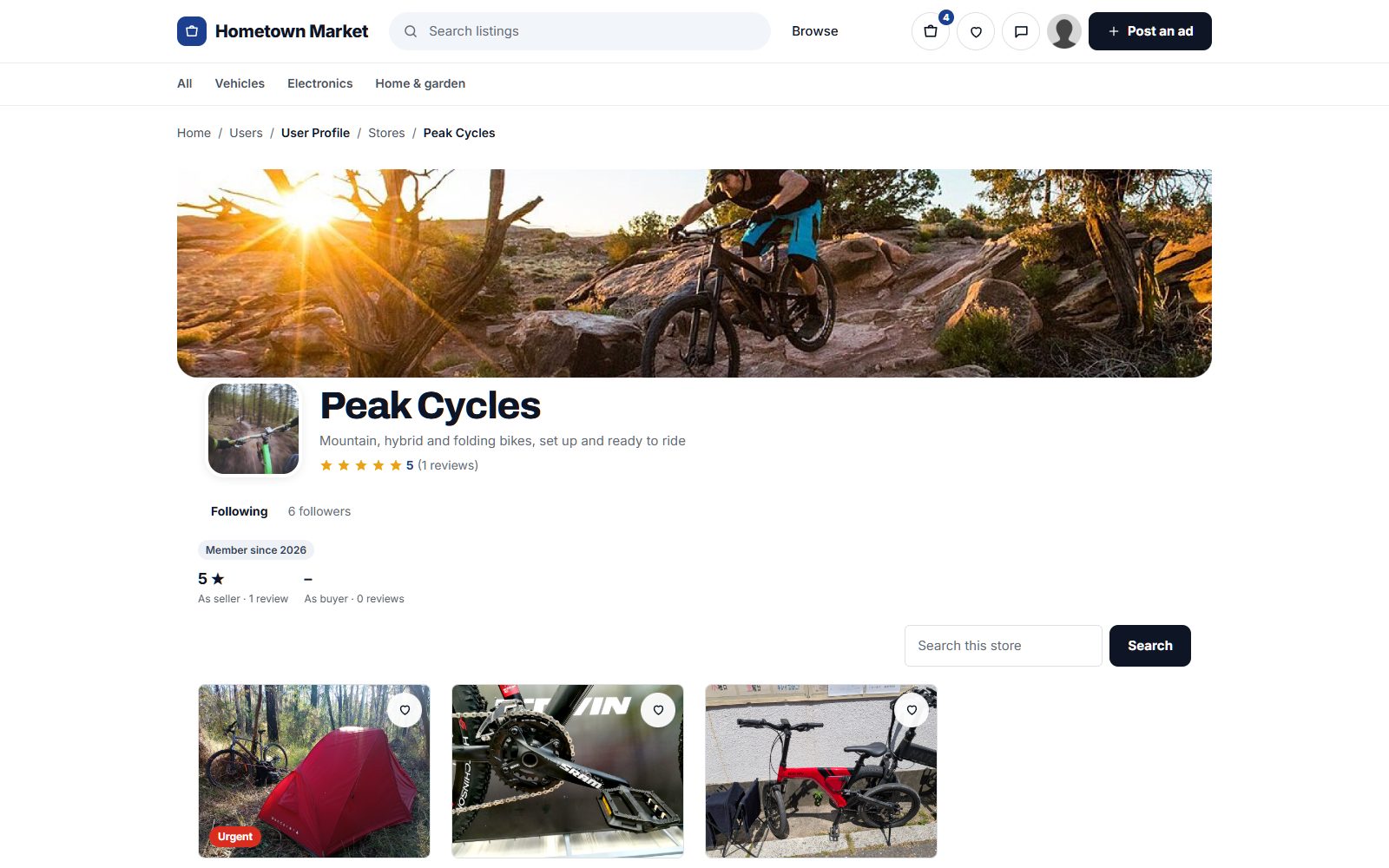
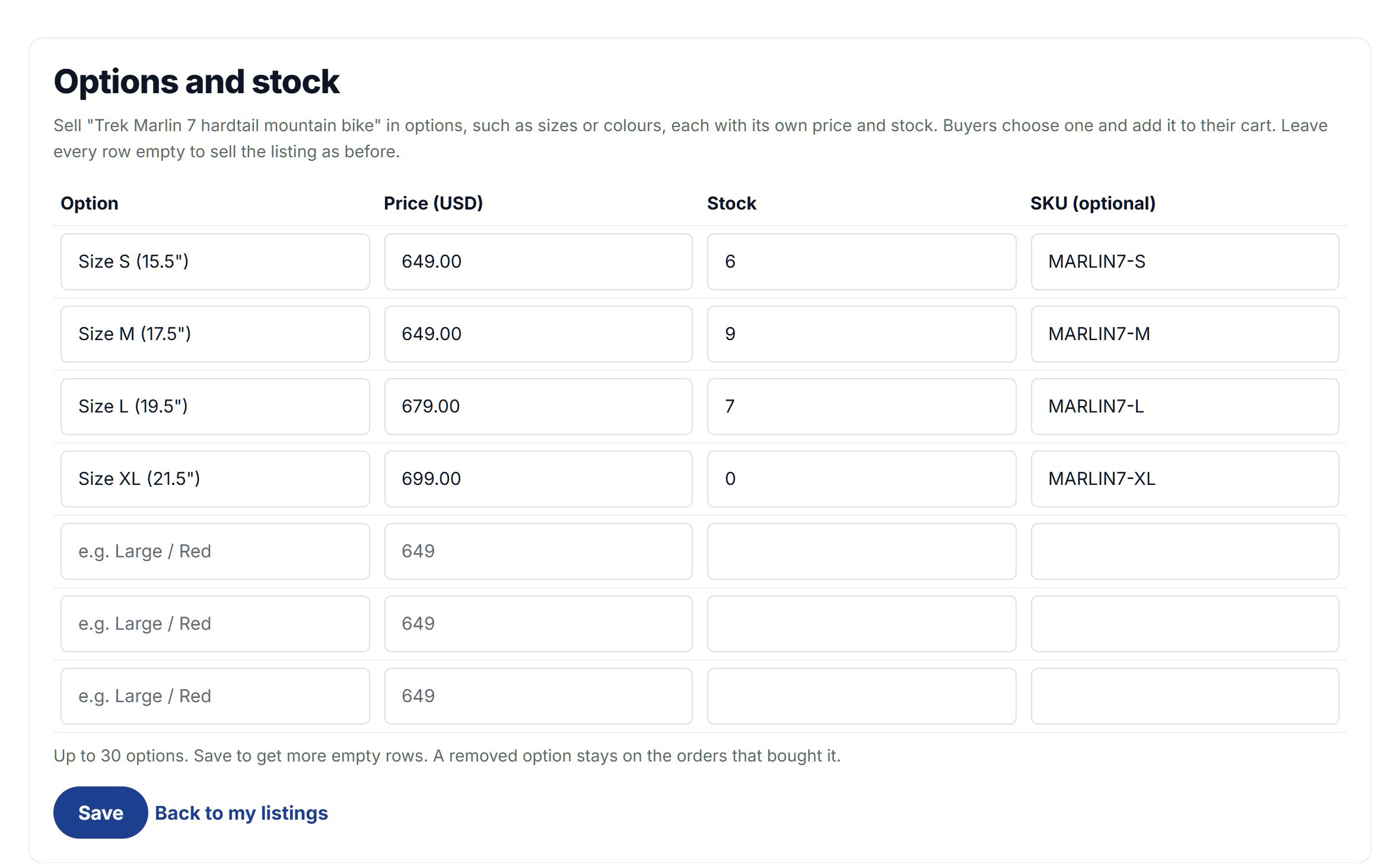
Buyers pay on the site with a card through Stripe, sellers are paid through Stripe, and you take a commission on each sale. Shipping is set per seller, which nudges buyers to take several items from one parent so they pay one shipping charge. A cart can also mix sellers, for parents who find a coat in one closet and pajamas in another.
- Commission per sale, kept modest so a parent selling a small bundle still feels it was worth the effort.
- Buyer service fee on each order, which buyers accept more easily when the clothes cost a fraction of new.
- Featured listings for premium brand bundles and outerwear before winter.
- Seller memberships for children's consignment shops and resellers who list in bulk.
- Banner spaces for children's photographers, swim schools, kids' activity programs and local family businesses.
Encourage bundles. One order of fifteen items earns more than fifteen orders of one, and costs the parent far less in postage.
| Model | Works when | Switch it on |
|---|---|---|
| Low commission per sale | Orders arrive from parents every day | On day one, discounted for early parents |
| Buyer service fee | Prices are well below new | Once buyers return for the next size |
| Featured bundles | Parents browse before a new season | Before back-to-school and before winter |
| Consignment shop memberships | Shops list stock in bulk | When a shop asks to list more than fifty items |
| Family business banners | Local services want parents' attention | When one area has steady visitors |
Find the parents with full closets, and make listing a bundle take minutes.
Every family with children has clothes to sell. The challenge is not finding sellers but making it easy enough that they list instead of donating. Your first hundred sellers are parents who already sell somewhere and are tired of no-shows and haggling.
Where the first sellers are
- Local parent groups. Neighborhood parenting groups on Facebook and messaging apps are full of parents posting outgrown lots. Ask the admin before posting about your site.
- Mothers' and fathers' clubs and multiples clubs. Clubs for parents of twins and triplets often run their own sales, and their members have twice the clothes.
- School PTAs and daycare centers. A note in the newsletter at the end of each term reaches parents exactly when children have grown.
- Consignment sale volunteers and sellers. Parents who consign at seasonal events already sort and price their clothes. Offer them a place for what did not sell.
- Children's consignment shops. Many have more stock than space and can import it as a CSV.
Speed matters. With the AI listing from a photo, a parent snaps a pile of folded clothes and gets a draft title, description, category and price to check. Then they choose the size and condition, and the bundle is live.
Seed one area at a time. A parent who finds twenty bundles in their child's next size will come back; one who finds two will not.
Protect children's privacy and keep unsafe or recalled items off the site.
Children's clothing carries risks that adult fashion does not, and parents expect you to have thought about them.
Product safety
Some countries limit drawstrings at the hood and neck of children's outerwear, set flammability rules for children's sleepwear, and run recall lists for clothing and shoes, for example for small parts that can come loose. These rules vary, and resale is often covered too. Publish a list of what you do not accept, such as recalled items and garments with long neck drawstrings, ask sellers to confirm they checked, and check the rules where you operate.
Privacy
- No photos of children wearing the clothes. Ask for photos of the item on a bed, a hanger or a mannequin instead. Approve listings at first so you can catch them.
- No children's names, schools or ages in descriptions beyond what is needed for size.
- Keep contact on the site. Parents should not have to share a phone number or home address before an order is placed.
Condition, fakes and payments
Most disputes are about stains and wear that photos did not show. Required condition grades and a flaws field help; so does a clear minimum returns rule for items not as described. Premium brands attract copies, so remove reported fakes. Warn parents never to pay outside the site checkout, and to ignore buyers who offer to overpay and ask for the difference back.
A parent who feels safe selling will sell every season until the youngest child is grown.
Build pages for sizes, brands and seasons, the way parents search.
Parents search by size and season first, then by brand. Typical examples: "girls size 6 clothes bundle", "baby boy clothes 0-3 months lot", "used Hanna Andersson pajamas 4T", "kids snow pants size 5", "used school uniforms Phoenix", "gender neutral baby clothes secondhand", "toddler clothes lot 2T".
Pages to build
- Size pages for every size from newborn to 16, split by gender where parents expect it. These are your main landing pages.
- Size plus season pages: 3T winter clothes, size 8 summer clothes.
- Brand pages for the labels that hold their value.
- Local pages for school uniforms and for parents who prefer sellers nearby.
Content worth writing
- How many clothes a baby needs in each size, and which sizes to skip.
- Kids' size charts by age, height and brand, since brands run differently.
- How to get stains out of baby clothes before you sell them.
- A back-to-school checklist with what to buy secondhand.
- How to sort, photograph and price a bundle in twenty minutes.
Size charts and "how many do I need" guides bring in expecting parents months before they buy, which is when they first discover your site.

Launch before back-to-school, and run again when the seasons change.
Kids' clothing has clear peaks: late July and August for back-to-school, early fall for coats and snow gear, and spring for summer clothes. Parents also clear closets at the change of each season. Launching in early July lets you fill sizes before the school rush.
First area and partners
- One town or school district. Local density matters even with shipping, because parents trust sellers nearby and some will choose to pick up.
- Parent group admins. Offer a free featured slot for the group's own fundraising sale in return for a post about the site.
- PTAs. A uniform swap page for one school can bring in hundreds of families at once.
- Pediatric offices, libraries and family centers. A notice board flyer reaches parents in the right weeks.
Launch checklist
- At least fifty bundles across the most common sizes, newborn to size 8.
- Size dropdowns, condition grades and the bundle item count set up.
- The list of items you do not accept, with recall and drawstring rules.
- Photo rules published: no children in photos.
- Size pages and the back-to-school checklist live.
- A test order with bundles from two parents in one cart.
After launch, send sellers a reminder at the end of every season: the coat their child outgrew is someone else's next size.
A worked example: Mitten Pile Kids Exchange, the Twin Cities of Minnesota.
Take Mitten Pile Kids Exchange, a fictional marketplace where parents across Minneapolis, St. Paul and the suburbs sell outgrown children's clothing, mostly as bundles by size. The founder, a parent of three, had run the twice-yearly consignment sale at her church for four years. She noticed that the most wanted items, snow pants, winter boots and size 3T lots, sold out in the first hour while dozens of families went home with nothing.
She concluded that demand was never the problem; timing was. A sale held on two weekends a year cannot serve parents whose children grow every month, so she set out to keep the same goods moving all year, with the same honest sorting by size that made the church sale popular.
Categories
- Baby, newborn to 24 months
- Toddler, 2T to 5T
- Kids, 4 to 14
- Winter gear
- Snowsuits and snow pants
- Boots, mittens and hats
- Activity and uniforms
- Hockey and skating
- School uniforms
Who it serves
Sellers are parents with closets full of the size their child just left, a few volunteer-run consignment sales that want a home for leftovers, and two children's resale shops. Buyers are parents shopping a season ahead, grandparents, and families new to Minnesota who arrive in the fall with no idea what a child needs for recess at ten below zero.
How it started
The founder posted in four neighborhood parent groups, with the admins' permission, offering to list the first bundles for anyone who dropped off sorted clothes on a Saturday morning. Forty families came. She photographed each lot on a plain sheet, counted the pieces, and had about three hundred bundles live before Labor Day. Since most buyers live within a few miles of the sellers, parents keep postage low by packing a whole size in one box.
How it makes money
A modest commission on each sale and a small buyer fee per order. In September and October, parents pay to feature winter gear bundles, which sell fastest. The two resale shops pay a yearly membership for a shop page, and a local swim school and a children's dentist rent banners on the baby and toddler pages.
Winter gear was the hook: parents who came for snow pants stayed for every other size.
| Listing | Price | Key details |
|---|---|---|
| Girls 3T winter bundle, 18 pieces | $45 | Leggings, sweaters, two dresses, gently used, smoke-free home |
| Boys snowsuit, size 5 | $38 | Waterproof, insulated, worn one season, no tears |
| Newborn to 3 months sleeper lot, 12 pieces | $22 | Gender neutral, zip sleepers, like new |
| Youth hockey skates, size 2 | $30 | Sharpened once, no rust, laces replaced |
| School uniform polos, size 8, set of 5 | $25 | Navy, short sleeve, light wear at collars |
The first 90 days: one area, the common sizes, then the parents.
Supply on a kids clothing marketplace is plentiful but slow to arrive, because parents list when they find twenty spare minutes. Your first ninety days should make listing easy, gather bundles in the sizes parents ask for most, and build the size pages that bring buyers in.
Pick a season to launch into and count back. For a back-to-school opening in August, start in May, when parents are also clearing winter gear and spring clothes. Focus on one area so that local groups, schools and pediatric offices all hear about you in the same few weeks, and word of mouth has a chance to build.
Watch the size gaps every week. If 4T and size 6 are full but newborn has three bundles, post a call for newborn lots in expecting-parent groups. A parent who checks their child's size and finds a full page tells the other parents at pickup.
Keep the last fortnight free of new projects. Use it to answer every seller question within a day, fix the listings that confuse buyers, and collect a few quotes from parents to use on the home page.
| Weeks | Focus | Done when |
|---|---|---|
| 1-2 | Setup and rules | Size dropdown, condition grades, bundle count and the do-not-accept list published |
| 3-4 | Parent group admins | Admins of five local groups agree to a post; the first twenty sellers have listed |
| 5-6 | Schools and clubs | Notes run in two PTA newsletters and one multiples club; a hundred bundles live |
| 7-8 | Size gaps | Every size from newborn to 8 has at least ten bundles |
| 9-10 | Buyer pages | Size pages, a size chart and a back-to-school checklist written; test orders shipped |
| 11 | Soft launch | Sellers' friends invited to buy and the first twenty orders delivered without complaint |
| 12 | Public launch | Flyers up at pediatric offices and libraries, and featured bundles switched on |
Ways to build it: speed for parents decides it.
A parent decides whether to sell on your site in about the time it takes a toddler to finish a snack. Whatever you build has to let them post a bundle from a phone in a few minutes, choose a size from a fixed list, and get paid without arranging meetups. On the buying side, size has to work as a filter across the whole site, and a cart has to handle bundles from several families with separate shipping.
Hiring developers lets you design a posting flow around bundles, for example counting pieces by type. It is the slowest and most expensive route, and much of the budget goes on checkout and seller payouts rather than on what makes your site different.
Running a marketplace script or WordPress plugin on your own server keeps costs down at first. Test the phone posting experience carefully, because many plugins were designed for desktop shops, and remember that spam, updates and security will be yours to handle, often in the evenings when parents are listing most.
A hosted builder such as Yclas gives you size dropdowns that work as filters, checkout through Stripe and a cart across sellers, and its AI listing from a photo drafts a bundle listing for the parent to check. You give up some control over the posting flow in exchange for launching this season rather than next year.
| Route | Fits when | Watch out for |
|---|---|---|
| Custom build with developers | You want a bundle builder or trade-in flow no product offers | Budget spent on payments before features, and a long wait to launch |
| Script or plugin on your own server | You have technical help and want full control | Clumsy posting on phones, spam, plugin updates |
| Hosted builder | You want to open before the next change of season | Confirm size dropdowns filter the whole site and posting works well on phones |
| Online store platform with a multi-vendor app | A children's resale shop already sells online and wants to let parents list too | Paying many small sellers and sorting by size across sellers may need extra paid apps |
What a kids clothing marketplace costs to run.
The software is the smallest part of the bill. Most of the cost is your time in the first months: finding the first listings, answering questions and checking what gets posted.
Stripe charges processing fees on every order, which weigh more on small baskets, so check your commission and any buyer fee cover them. Budget for flyers at schools and pediatric offices, and possibly a table at a local consignment event or school fair.
| Cost | Typical range | On Yclas |
|---|---|---|
| Domain | $10 to $20 a year | Your own, with SSL included |
| Software and hosting | $0 to $100+ a month, plus plugins and updates | Marketplace $149 a month for checkout and commission |
| Design | $0 to $100 for a theme, or a designer | 109 looks included |
| Payment fees | About 3% per payment | Your Stripe or PayPal fees; Yclas takes nothing |
| Your time | 5 to 10 hours a week at the start | Finding listings, moderation, support |
Mistakes that sink kids clothing marketplaces.
- Free-text sizes. If one parent types "3T", another "3 years" and a third "toddler 3", the size filter misses most of the stock. Use one fixed dropdown everywhere, and give mixed lots an option such as spans two sizes. Add a help line explaining that brands run differently, so sellers pick the size on the label rather than the age of their child.
- Too many required fields. Parents will not fill in fifteen boxes for a twenty-dollar bundle. Require size, condition, item count and photos, and leave everything else optional.
- Allowing photos of children. It looks friendly, but it puts children's faces on a public site and invites the wrong kind of attention. Ban it from day one and remove such photos during approval, politely but every time.
- Single items priced close to new. A used shirt listed at most of its store price never sells, and a page full of them makes the whole site look expensive. Show sellers what similar bundles sold for and suggest prices that move.
- Ignoring shipping weight. A heavy winter bundle can cost more to post than the clothes are worth. Encourage sellers to set shipping by weight and to pack a whole size in one box, so cheap lots still make sense for the buyer.
- Spreading across the whole country at once. A national launch gives every size page a handful of listings. One metro area with full pages wins parents, who then tell parents in the next town. Expand only when your first area has bundles in every common size every week.
- No list of what you will not accept. Recalled items, sleepwear that may not meet flammability rules and outerwear with long neck drawstrings can create real risk. Publish the list, ask sellers to confirm, and check the rules where you operate.
- Treating sellers as one-time users. A family sells every season for years. Without a reminder at each change of season, they forget you and go back to the porch-pickup groups. Send a short note in March and September that names the sizes buyers are waiting for, and thank sellers whose bundles sold quickly.
- Springing the buyer fee at the last step. Parents on a budget notice every dollar, and a fee they did not expect feels like a trick. Explain it on your fees page and in the help pages before the first order, and say what it pays for.
Kids resale terms a marketplace founder should know.
Terms that parents, consignment organizers and resale shops use, so your listings and help pages speak their language.
| Term | What it means |
|---|---|
| NWT | New with tags: never worn, with the original store tags still attached. |
| NWOT | New without tags: never worn, but the tags have been removed. |
| EUC | Excellent used condition, a common grade in parent resale groups for clothes with no visible wear. |
| GUC | Good used condition, meaning normal wear such as light fading but no stains or holes. |
| Play condition | Clothes with visible wear or small stains that are fine for the playground but not for photos. |
| Lot | A group of items sold together, usually in one size and season. |
| T sizes | Toddler sizes such as 2T and 3T, usually cut with room for a diaper. |
| Preemie | The size for babies born early, smaller than newborn. |
| Consignment sale | A pop-up event, often held twice a year, where parents drop off clothes to sell and receive a share of the price. |
| Pilling | Small balls of fiber that form on fabric with wear, a common note in condition descriptions. |
| Smoke-free home | A seller's statement that the clothes come from a home where nobody smokes, which matters to parents of children with asthma. |
| Recall | An official notice that a product is unsafe, after which reselling it may be restricted. |
| Sizing up | Buying the next size ahead of time so a child grows into it. |
| Hand-me-downs | Clothes passed from an older child to a younger one, often the reason a family holds several sizes at once. |
The same steps for a kids clothing marketplace on Yclas.
- Describe your marketplaceThe setup wizard writes the categories, an About page and example listings from one sentence.
- Add fieldsThe details buyers filter on, as dropdowns, numbers or checkboxes.
- Bring sellersInvite them, import their stock from a spreadsheet, or post for them.
- Set the rulesChoose moderation, verified sellers, reviews and reports.
- Take paymentsOn Marketplace, buyers pay on the site and you keep a commission, with Stripe.
Is there much money in selling used kids' clothes?
Each item is cheap, so income comes from many orders and bigger baskets. Bundles, a modest commission plus a buyer fee, and featured listings before each season add up once a few areas are active.
Are there legal rules for reselling children's clothing?
In some countries yes: drawstring limits on outerwear, sleepwear flammability rules and recalls can apply to resale too. Rules vary, so publish what you do not accept and check the rules where you operate.
Should I allow photos of children wearing the clothes?
Most founders ban them. Photos of the item on a hanger, bed or mannequin are enough, and they keep children's faces off a public site.
How do I get parents to list instead of donating?
Make listing a bundle take a few minutes, show what similar bundles sold for, and remind parents at the end of each season. Many will list once they see the money for a full size lot.
How can I compete with Facebook Marketplace and local groups?
Offer what those cannot: filtering by exact size and season, checkout on the site, shipping, and no endless messages asking if an item is still available.
What about consignment sales that already run in my town?
Treat them as partners. Their sellers already sort and price clothes, and many have items left after the weekend that could go on your site.
Who pays for shipping on a bundle?
Each seller sets their own shipping, usually by bundle weight, and the buyer pays it at checkout. Encourage sellers to post full size lots so one shipping charge covers many items.
Should I allow toys and baby gear as well as clothes?
Start with clothes, which carry fewer safety rules. Car seats, cribs and strollers come with recalls, expiry dates and safety standards that make moderation much harder, so add them only once you have a plan and have checked the rules where you operate.
How should sellers prepare clothes before listing?
Ask that every item is washed and dry before it is photographed, and that any remaining stain is shown in a photo. A short help page with stain removal tips also brings in parents through search.
Can parents swap clothes instead of selling?
You can run occasional swap events in person to recruit families, but keep the site itself for sales through checkout. Swaps arranged off the site are hard to moderate and earn nothing to keep the site running.
What if a buyer says a bundle had fewer pieces than listed?
Ask both sides for photos and compare with the item count on the listing, then apply your minimum rule for items not as described. Requiring the item count on every bundle is what makes these disputes quick to settle.
Is it worth adding maternity clothes?
Often yes, because the same parents buy and sell them, usually a few months before they need baby clothes. Add them as one category with size and style fields once the children's sizes are well stocked.
Related pages.
The parts of Yclas this leans on.
You have the plan. Now build the kids clothing marketplace parents in your area will pass on to each other.
Describe your site in a sentence and the setup wizard writes the categories, example listings and a look. Free for 15 days, no credit card.
Start my marketplace