How to build a handmade marketplace where makers sell and buyers know it is real.
This guide covers how to build a marketplace for handmade goods: which makers and buyers to serve, how to organize crafts and the details shoppers filter on, how to set commission and fees, where your first fifty makers come from, how to keep resellers out, and how to launch ahead of the holiday gift season.
Free for 15 days · No credit card · Plans from $19 a month
Serve makers who feel lost on the big craft sites.
A handmade marketplace has two sides with different worries. Makers, from potters and silversmiths to knitters, woodturners and soap makers, want buyers who value the work and fees they can plan around. Buyers want something made by a person, often as a gift, and they want to trust that the mug in the photo was thrown on a wheel and not shipped from a factory in a box of five hundred.
The large craft platforms solved this once, but many makers now describe the same problems: search results crowded with resold factory goods, rules and fees that change every year, and a shop that is one of millions. A smaller marketplace with a clear point of view gives makers a place where handmade means handmade, and gives buyers a shorter, better list to choose from.
Pick your angle
- One region: made in Vermont, Pacific Northwest makers, crafts from the Scottish Highlands. Local pride sells, and buyers like knowing the maker lives two towns away.
- One craft: ceramics only, fiber arts, hand-bound books, leatherwork. Deep categories and serious buyers.
- One occasion: handmade wedding gifts, baby keepsakes, or corporate gifts from local studios.
Today these makers sell at craft fairs and holiday markets, through Instagram and their own small websites, on the large craft platforms, and in guild shops and maker co-ops. Each of those places is where you will find your first sellers.
Your promise to buyers is simple: everything here was made by the person selling it. Build every rule around that.
Organize by craft, then let buyers filter on materials and made-to-order details.
Shoppers on a handmade site browse by what the thing is, then narrow by what it is made of, whether it can be personalized, and how long it takes to arrive. Keep categories to the crafts a buyer recognizes, one level deep, and put the detail in fields.
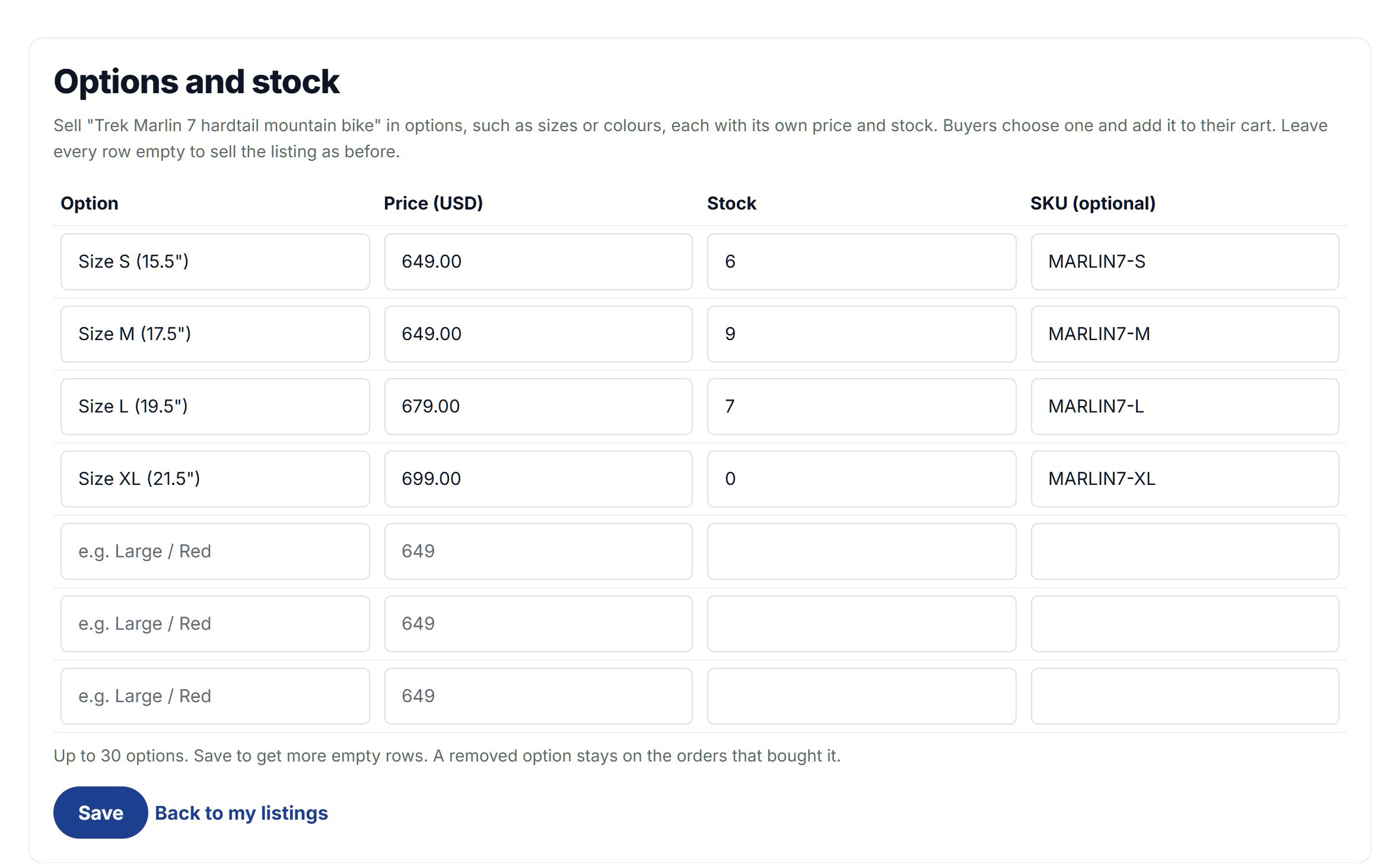
- Ready to ship or made to order is the most important field. A buyer shopping for a birthday on Friday needs to filter out anything with a three-week wait.
- Processing time in days, as a number, so it can be sorted and filtered.
- Personalization available as a checkbox, with a text field where the maker explains what can be changed: initials, names, dates, glaze choice.
- Materials as a checkbox list per craft: sterling silver, gold fill, brass for jewelry; stoneware, porcelain, earthenware for ceramics; merino, alpaca, cotton for knitwear.
- Care instructions such as dishwasher safe, hand wash only or food safe, which stop many complaints before they start.
Ask for measurements in a fixed format per category: height and capacity for mugs, chain length for necklaces, finished size for blankets. Free-text sizes make filtering impossible.
| Category | Example listings | Fields buyers filter on |
|---|---|---|
| Jewelry | Stacking rings, beaded earrings, engraved pendants | Metal, stone, ring size, chain length, personalization |
| Ceramics and home | Mugs, planters, serving bowls, vases | Clay body, glaze color, capacity, dishwasher or food safe |
| Knitwear and textiles | Hand-knit sweaters, quilts, woven throws | Fiber, size, finished dimensions, care instructions |
| Woodwork | Cutting boards, spoons, turned bowls, toys | Wood species, finish, dimensions, made to order |
| Bath and body | Cold-process soap, candles, lip balm | Scent, ingredients, vegan, weight or volume |
| Art and paper goods | Prints, cards, hand-bound journals | Medium, size, framed or unframed, edition |
| Weddings and keepsakes | Ring dishes, guest books, cake toppers | Personalization, processing time, color |
Yclas custom fields can be text, numbers, dropdowns, checkboxes or dates, so processing time can be a number and materials a checkbox list, each shown as a search filter.
Take a fair commission, and tell makers exactly what they keep.
Makers price their work tightly. Materials, studio time and shipping already eat most of the price of a forty-dollar bowl, so they read fee pages carefully and talk to each other about them. A handmade marketplace wins sellers by being clear and predictable, not only by being cheap.
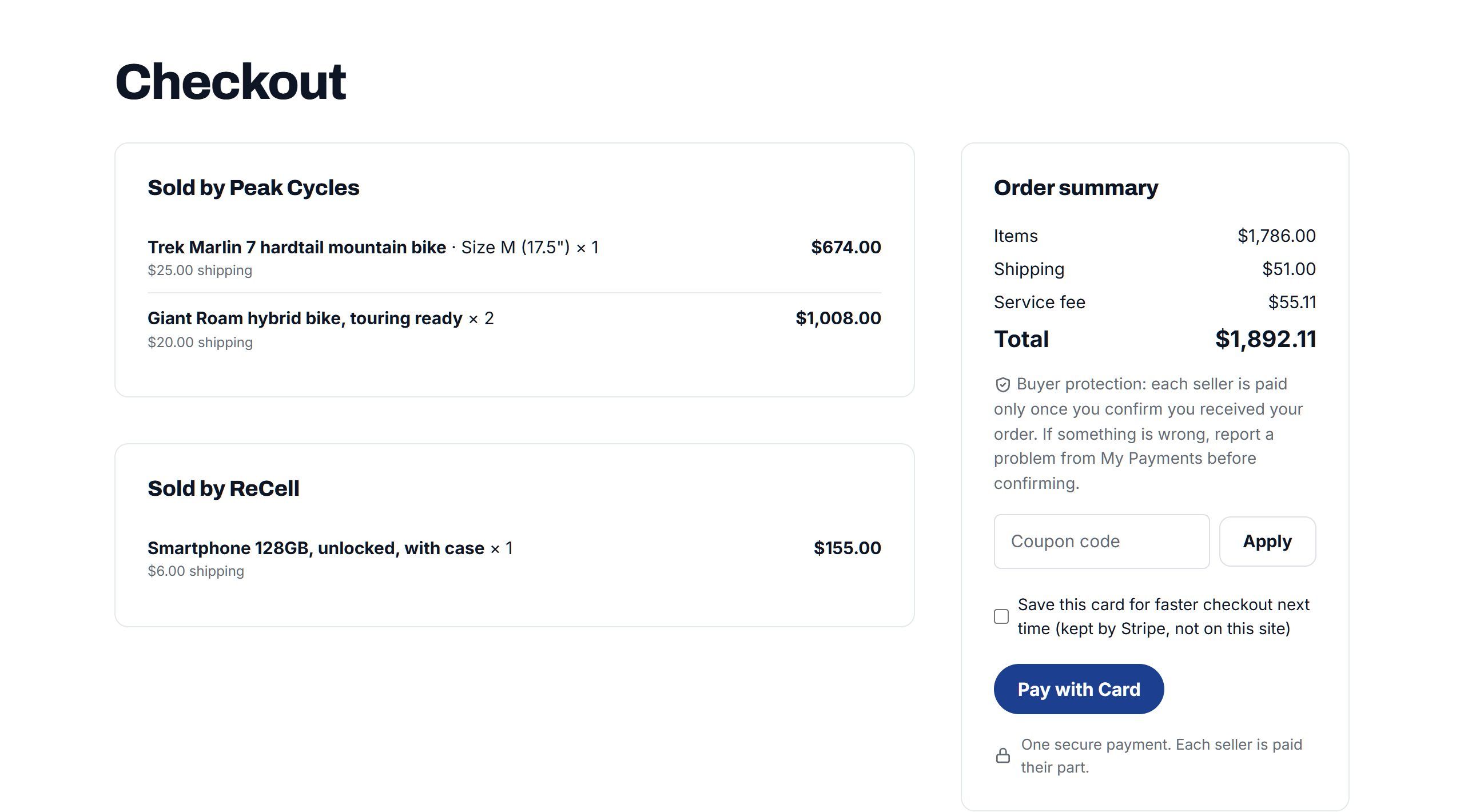
With checkout on the site, buyers pay by card through Stripe, the maker is paid through Stripe, and you keep a commission per sale. A cart can hold items from several makers at once, and each maker sets their own shipping, which suits studios that pack very differently.
- Founding maker period. A low or zero commission for the first makers, written down with an end date, gets the first shop owners to move stock across.
- Commission per sale once orders arrive regularly. Publish one rate, show a worked example on a real price, and do not change it often.
- Buyer service fee is an option when makers push back on commission. Some buyers accept a small fee at checkout more easily than makers accept a higher cut.
- Featured listings earn most in the six weeks before the winter holidays and before Mother's Day.
- Seller memberships suit busy studios that list dozens of items and want a highlighted shop.
Never charge a maker to list before buyers are arriving. Charge on sales, when the maker is earning too.
| Model | Works when | Switch it on |
|---|---|---|
| Founding maker commission | You need the first shops to move stock across | From day one, with a stated end date |
| Standard commission per sale | Orders arrive every week | After the first holiday season |
| Buyer service fee | Makers resist a higher commission | Once buyers come back to order again |
| Featured listings | Gift shoppers browse the home page and categories | Six weeks before peak gift dates |
| Studio memberships | Busy makers list many items | When several shops pass fifty listings |
Recruit fifty good makers before you invite a single buyer.
Buyers judge a handmade marketplace in seconds by the quality of the first page. Fifty makers with well-photographed work beat five hundred with blurry phone shots. Recruit carefully and invite rather than open the doors to everyone.
Where your first makers are
- Craft fairs and holiday markets. Walk the aisles, buy something, and talk to makers when the stall is quiet. Take their card and follow up within two days.
- Guilds and associations. Potters' guilds, woodturning clubs, weavers' and spinners' guilds and bead societies all have members who sell. Ask to speak at a meeting.
- Maker co-ops and makerspaces. Shared studios hold many sellers under one roof, and the manager often knows who is looking for a new outlet.
- Instagram and the large craft platforms. Makers with a following but a quiet shop are open to a second channel. Search by craft and town.
- Art and craft schools. Recent graduates of ceramics, jewelry and textile programs need a place to sell.
Remove the work of moving their shop. Many makers already keep their stock in a spreadsheet, and listings can be imported from a CSV, so offer to bring their range across for them. For new items, the AI listing from a photo fills in the title, description, category and price for the maker to check and adjust.
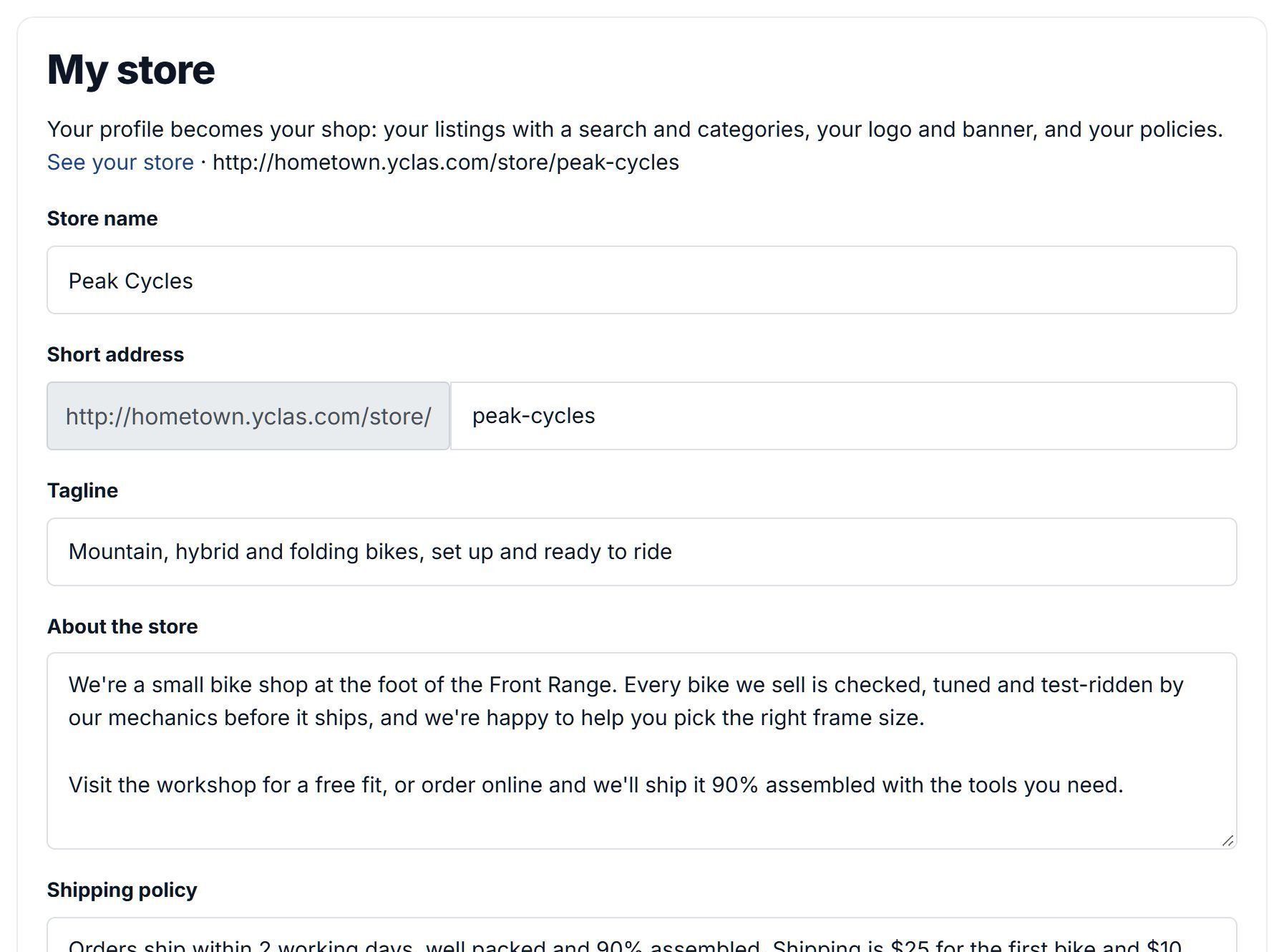
Ask every founding maker for a short studio story and one photo of their hands at work. Those details are what buyers remember.
Keep resellers out and set clear rules for custom work and returns.
The biggest threat to a handmade marketplace is goods that are not handmade. A reseller buys jewelry or home decor in bulk, photographs it on a wooden table and lists it as made in a studio. Once buyers spot a few of these, they stop believing anything on the site.
Rules that protect the promise
- Define handmade in writing. Say who must make the item, whether assistants or small production partners are allowed, and that dropshipping and reselling are banned.
- Ask new makers for process photos. Work in progress, the studio or the bench is easy for a real maker to show and hard for a reseller to fake.
- Approve every listing at first and look for repeated stock photos across shops. Reverse image search is a quick check.
- Watch intellectual property. Prints and embroidery using film characters, sports logos or another artist's design bring takedown requests. Remove them on notice.
Custom orders and returns
Personalized and made-to-order items usually cannot be resold, so ask every maker to state a returns policy on their profile, and make breakage in transit their responsibility to pack against. Tell buyers to keep all messages and payments on the site, and to ignore anyone who asks them to pay by bank transfer or gift card.
Soap, cosmetics, candles, food and children's toys can fall under labeling, ingredient or safety testing rules. These vary by country and state, so ask makers to confirm they comply and check the rules where you operate.
Rank for the gift searches people make, not for the word handmade alone.
Buyers rarely type just "handmade". They search for an object, a material, a person to give it to, or a place. Typical examples: "handmade ceramic mug", "personalized cutting board wedding gift", "hand knit baby blanket", "handmade jewelry Portland", "sterling silver stacking rings handmade", "gifts made in Vermont", "unique gifts for potters".
Pages to build
- Craft plus material pages: stoneware mugs, walnut cutting boards, merino hats. These match how people search.
- Regional pages if your angle is local: makers in Asheville, crafts from Maine.
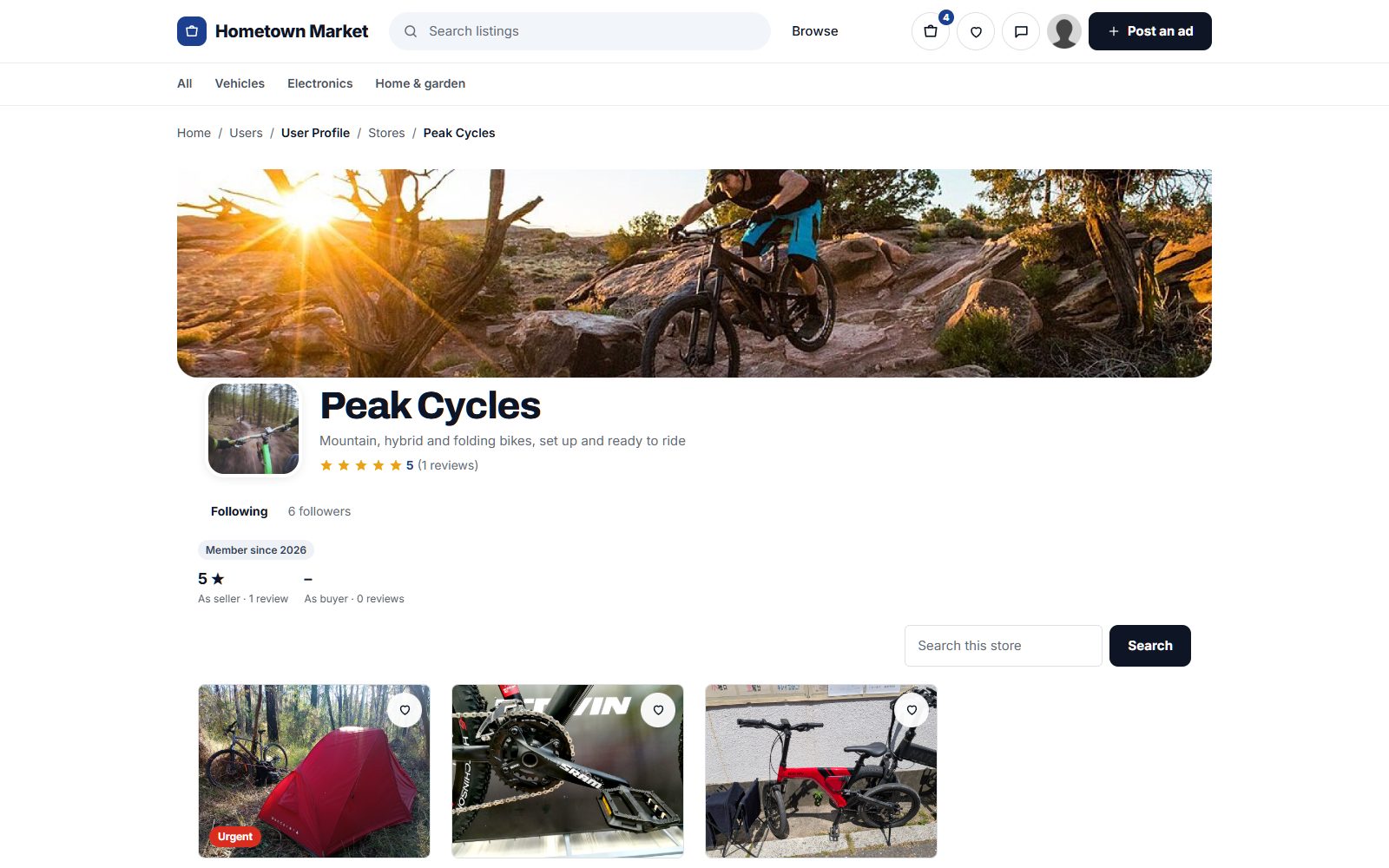
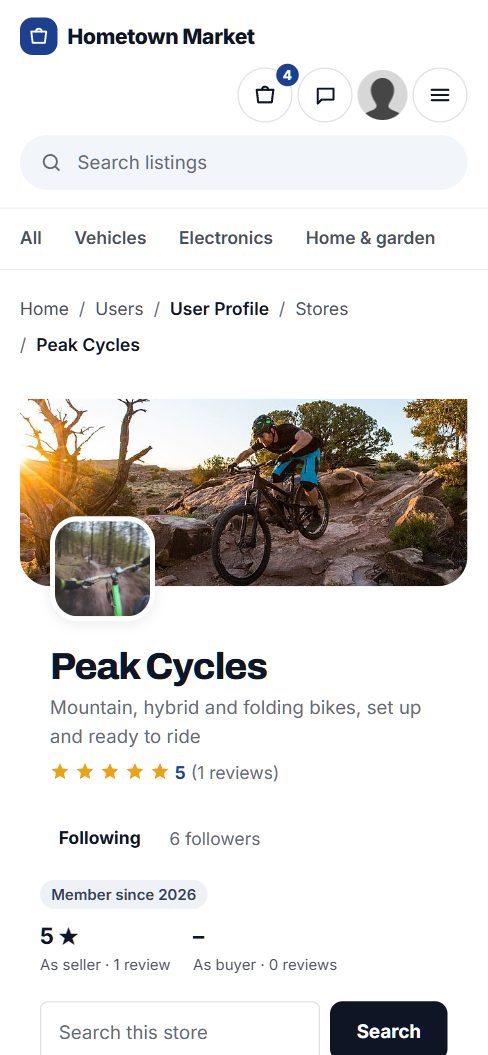
- Maker profiles with a real story, photos of the studio and the full range. They rank for the maker's own name and keep returning buyers on your site.
- Gift guides for Mother's Day, Father's Day, weddings, anniversaries by material (the tenth is tin, the fifth is wood) and the winter holidays. Refresh them every year.
Content worth writing
- How to care for handmade wooden boards, pottery and knitwear.
- Why handmade pieces vary from the photo, and why that is the point.
- Studio visits: a short interview with one maker each month.
Ask makers to write their own descriptions. A paragraph on how a glaze was mixed is unique text that no reseller can copy convincingly.

Launch in early fall, so you are ready for holiday gift shopping.
Most handmade sales cluster around a few dates: the weeks before the winter holidays, Mother's Day, Valentine's Day and wedding season. Launch in September or early October and you have time to bring makers in, get pages indexed and run featured listings when gift shoppers arrive.
First community and partners
- One region or one craft. Finish it before you widen. Thirty potters from one state is a story; thirty makers of everything is not.
- A holiday market. Take a stall or partner with the organizer. Hand out cards with the makers' names and a note that their work is online too.
- Guild newsletters. A short piece about the marketplace reaches every member in one go.
- Local shops and galleries that stock makers can point customers who want more of a maker's work to their shop page.
- Local press. A feature on regional makers before the holidays is an easy story for a newspaper or radio station.
Launch checklist
- Fifty makers live, each with a studio story and at least eight listings.
- Handmade rules and the returns policy published.
- Commission and any buyer fee explained with a worked example.
- Shipping set by every maker, with processing times filled in.
- A holiday gift guide and two craft pages written.
- Test orders placed across two makers in one cart.
After the holidays, ask makers what sold and recruit more of whatever ran out first.
A worked example: Bramble Hollow Makers, western North Carolina.
Picture Bramble Hollow Makers, a fictional marketplace for crafts made in the mountain counties around Asheville. Its founder spent ten years selling hand-thrown pottery at street fairs and studio tours, and watched neighbors with beautiful work give up on selling online because their shops were invisible among millions. She started with one rule: every maker works within a two-hour drive of the Blue Ridge Parkway, and every item leaves a studio in that region.
Categories
- Pottery
- Mugs and cups
- Bowls and serving pieces
- Wood
- Kitchen boards and utensils
- Boxes and small furniture
- Fiber
- Quilts and weaving
- Knit and crochet
- Jewelry and metalwork
- Gifts under fifty dollars
Who it serves
On the selling side are potters, woodworkers, quilters and blacksmiths, many of them members of regional craft guilds, who already sell well during the fall studio tours and want buyers in the other ten months. On the buying side are people who found a studio on a mountain vacation and want to order from it again, and locals buying wedding, housewarming and holiday gifts.
How it started
The founder recruited thirty makers over one summer by stopping at studio tour venues and speaking at two guild meetings. She photographed work for the eight makers who had no usable photos, imported the rest from the spreadsheets they already kept for craft fairs, and opened in early October with just under four hundred items. Participating studios slipped a small card with the site name into every bag they sold in person.
How it makes money
Founding makers pay a reduced commission for their first twelve months, set out in a one-page agreement. A small buyer service fee appears at checkout. From early November, makers can pay to place a piece on the holiday gift guide, and a handful of busy studios pay a yearly membership for a highlighted shop. Each maker sets their own shipping, which matters because a stoneware platter and a pair of earrings cost very different amounts to pack and send.
A tight region gave the site its story, and the story is what got it into the local paper in its first month.
| Listing | Price | Key details |
|---|---|---|
| Stoneware coffee mug, ash glaze | $42 | 14 oz, wood-fired, dishwasher safe, ready to ship |
| Walnut and cherry cutting board | $95 | 16 x 11 in, food-safe oil finish, initials on request |
| Hand-pieced log cabin quilt | $680 | Queen size, cotton, made to order in about six weeks |
| Forged steel fire poker | $65 | 30 in, hand-hammered twist, made in the maker's own forge |
| Sterling silver leaf earrings | $58 | Hammered texture, ear wires included, ships in three days |
The first 90 days: from studio visits to the first gift season.
A handmade marketplace is judged on its first impression, so the first ninety days are mostly about makers, not buyers. Count back from the gift date you want to be ready for. If you are aiming at the winter holidays, start in July; if you are aiming at Mother's Day, start in early February.
The order matters. Write the rules first, because makers will ask what handmade means on your site before they agree to anything. Recruit next, and help each studio get its range online with good photos. Open to buyers only when the home page and every category look full, since a gift shopper who lands on half-empty shelves rarely returns.
Keep a simple tracker of every maker you contact: craft, town, how many pieces they have ready, and whether they need help with photos. By week eight it will show you which crafts are thin, and you can recruit for those specifically instead of signing up more of what you already have.
| Weeks | Focus | Done when |
|---|---|---|
| 1-2 | Rules and setup | Handmade definition, returns minimum and commission terms published; categories and fields built |
| 3-4 | First ten makers | Ten studios signed, each with a written founding agreement |
| 5-6 | Fairs, guilds and photos | Thirty makers recruited and photo help booked for those who need it |
| 7-8 | Moving stock across | Every founding shop has at least eight listings with processing times filled in |
| 9-10 | Buyer pages | Gift guide, three craft pages and maker profiles written; a test order across two shops placed |
| 11 | Soft opening | Makers' own customers invited and the first ten real orders delivered |
| 12 | Public launch | Local press pitched, a craft fair stall booked and featured listings switched on |
Ways to build it: what a handmade marketplace needs from its software.
A handmade marketplace asks more of its software than a classifieds site does. Buyers pay on the site, a cart may hold a mug from one studio and a scarf from another, each maker ships separately, and you take a share of each sale. Makers also need to say whether an item is ready to ship or made to order, and buyers need to filter on it. Whichever route you choose, test those parts before you look at colors and fonts.
Hiring developers for a custom build gives you exactly the workflow you imagine, including maker applications with process photos and a review step. It is also the slowest and most expensive path, and payments, payouts to many sellers and tax handling take months to get right.
Installing a marketplace script or a multi-vendor plugin for WordPress on your own server is cheaper to start, and plenty of small craft sites began that way. The catch is that you own every update, plugin conflict and security patch, and vendor plugins often need paid add-ons for split payments or shipping set by each seller.
A hosted builder such as Yclas gives you checkout through Stripe, a commission per sale, a cart across sellers and shipping per seller without running a server. You trade some freedom to customize for hours spent recruiting makers, which is where a young handmade site needs its time.
| Route | Fits when | Watch out for |
|---|---|---|
| Custom build with developers | You have a budget and a workflow no product supports, such as juried applications | Months before launch, and you maintain payments and payouts yourself |
| Script or multi-vendor plugin on your own server | You or a partner can run a server and enjoy tinkering | Paid add-ons for split payments, updates that break shops, security patches |
| Hosted builder | You want to spend your time on makers and buyers, not servers | Check it supports a cart across sellers, per-seller shipping and commission before you commit |
What a handmade marketplace costs to run.
The software is the smallest part of the bill. Most of the cost is your time in the first months: finding the first listings, answering questions and checking what gets posted.
Card payments through Stripe carry processing fees on every sale, so factor them into your commission. Budget for a stall or sponsorship at one or two craft fairs, printed cards for makers to hand out, and sample purchases to check quality when you recruit.
| Cost | Typical range | On Yclas |
|---|---|---|
| Domain | $10 to $20 a year | Your own, with SSL included |
| Software and hosting | $0 to $100+ a month, plus plugins and updates | Marketplace $149 a month for checkout and commission |
| Design | $0 to $100 for a theme, or a designer | 109 looks included |
| Payment fees | About 3% per payment | Your Stripe or PayPal fees; Yclas takes nothing |
| Your time | 5 to 10 hours a week at the start | Finding listings, moderation, support |
Mistakes that sink handmade marketplaces.
- Letting resellers in to fill the shelves. A few hundred cheap imported earrings make the site look busy for a month, then real makers leave because they cannot compete on price with factory goods. Turn down anyone who cannot show the work being made, even in a week when you are short of listings.
- Opening every craft at once. Twenty categories with four items each tells buyers that nobody is here. Launch with the three or four crafts you can fill deeply, and add the rest when makers in those crafts start asking to join.
- Hiding the fees. Makers compare notes at guild meetings and in online groups. If your commission, card fees and any buyer fee are not on one page with a worked example, the rumor about your fees will be worse than the truth.
- Accepting poor photos. Handmade work sells on texture, glaze and grain, and a dim kitchen photo hides all three. Publish a photo guide with good and bad examples, and offer founding makers a photo day at a local studio with daylight and a plain backdrop.
- Ignoring processing times. A buyer who orders a personalized board on December 18 and then learns it ships in three weeks will not shop with you again. Make processing time a required number and show it on every listing, so the buyer knows before paying.
- Launching in January. The weeks after the holidays are among the quietest for gift buying. Opening then makes your first sales figures look as if nobody wants handmade, which discourages makers. Launch before a gift season instead.
- Raising the commission soon after makers arrive. An increase in the first year, even a small one, reads as bait and switch to people who moved their stock across on your word. Put the founding rate, its end date and the standard rate in writing on day one.
- Presenting makers as stock, not people. Buyers on a handmade site want the person behind the piece. A shop with no maker photo, no studio description and no town feels like a warehouse. Make a complete profile, with a face or a pair of working hands and the name of the town, part of approval for every new shop.
- Forgetting the customers makers already have. Every maker has buyers from fairs, markets and studio visits. Ask each one to send their own mailing list a short note about their new shop on your site; it is the cheapest traffic you will ever get.
Handmade marketplace terms a founder should know.
Words that makers, guilds and gift buyers use, and what they mean on your site.
| Term | What it means |
|---|---|
| Made to order | An item the maker produces only after the buyer pays, so it ships after a stated processing time. |
| Ready to ship | An item already made and in stock, usually sent within a few days of the order. |
| Processing time | The days a maker needs to make or prepare an order before handing it to the carrier. |
| OOAK | Short for one of a kind, a piece the maker will not reproduce exactly. |
| Personalization | Changes the buyer requests, such as initials, names or a chosen color, which usually make an item final sale. |
| Production partner | An outside workshop that helps a maker produce items, which your handmade rules should clearly allow or ban. |
| Dropshipping | Selling goods that a third party makes and ships, often from overseas, which handmade sites usually ban. |
| Juried | Chosen after a review of the maker's work, as many craft fairs and guild shops do with applicants. |
| Wholesale | Selling items in quantity to shops at a lower price, which some makers will ask about once they sell well. |
| Consignment | An arrangement where a shop displays a maker's work and pays them only when it sells, keeping a share. |
| Bisque | Pottery that has been fired once without glaze, before the glaze firing. |
| Food safe | A glaze or wood finish suitable for contact with food, which buyers of mugs, bowls and boards ask about. |
| Studio tour | A self-guided event where buyers visit the workshops of makers in one area over a weekend. |
The same steps for a handmade marketplace on Yclas.
- Describe your marketplaceThe setup wizard writes the categories, an About page and example listings from one sentence.
- Add fieldsThe details buyers filter on, as dropdowns, numbers or checkboxes.
- Bring sellersInvite them, import their stock from a spreadsheet, or post for them.
- Set the rulesChoose moderation, verified sellers, reviews and reports.
- Take paymentsOn Marketplace, buyers pay on the site and you keep a commission, with Stripe.
How much do I need to spend before the first sale?
Mostly time and a modest marketing budget: a stall or sponsorship at a craft fair, printed cards, and a few purchases from makers to check quality. Card fees only appear once orders do.
Can a small handmade marketplace compete with the big craft platforms?
Not on size, and it does not need to. A marketplace that is strict about handmade and focused on one region or craft gives buyers a shorter list they trust and gives makers a place where they are not buried under resold goods.
What commission should I charge makers?
Start low or at zero for founding makers with a stated end date, then set one clear rate once orders arrive. Show makers a worked example on a real price so they know what they keep after card fees and your commission.
How do I check that sellers really make their products?
Ask for process photos when a maker applies, approve listings at first, and look for repeated stock images across shops. Publish a written definition of handmade so removals are based on a rule, not a judgment call.
Do makers of soap, candles or cosmetics need anything special?
Often yes. Labeling, ingredient and safety rules for cosmetics, candles, food and children's products differ by country and state, so ask makers to confirm they comply and check the rules where you operate.
Who handles shipping and returns?
Each maker sets their own shipping and packs their own orders, and each states a returns policy. Personalized items are usually final sale, so make that visible on the listing before the buyer pays.
How do I find the first makers?
Walk local craft fairs and holiday markets, speak at guild meetings, contact makerspaces and recent graduates of craft programs, and message makers on Instagram whose shops are quiet. Offer to move their listings across for them.
Should I let makers sell craft supplies such as beads, yarn or clay?
Some handmade sites do, in a separate supplies section, because makers are buyers too. Keep it clearly apart from finished work so the handmade promise still holds in the main categories.
Can makers take custom commissions through the site?
Yes. A maker can post a listing that describes the custom work at a fixed price, or agree the details with the buyer in on-site messages and then post a listing named for that buyer to pay. Keeping the agreement in the messages gives both sides a record to refer to.
What should I do when two makers sell nearly identical items?
Look at both closely. Similar mugs from two potters are normal, but identical photos or the same item in the same packaging suggest one of them is reselling. Ask both for process photos and act on what you see.
Do I need to collect sales tax on makers' sales?
Possibly. In many US states and other countries, a marketplace can be responsible for collecting sales tax or VAT on the sales it facilitates, and thresholds differ. Speak to an accountant and check the rules where you operate before you open checkout.
How many makers do I need before opening to buyers?
Enough that every category you show fills a first page and a gift shopper finds options at several prices. For most regional or single-craft sites that means a few dozen committed makers rather than a few hundred.
Related pages.
The parts of Yclas this leans on.
You have the plan. Now build the marketplace your local makers have been waiting for.
Describe your site in a sentence and the setup wizard writes the categories, example listings and a look. Free for 15 days, no credit card.
Start my marketplace