How to build a handyman marketplace where small jobs get quoted and done.
This guide covers a marketplace where homeowners, renters and landlords find handymen for the small jobs contractors turn down: choosing an area and job types, the details people filter on, quote requests sent as on-site messages, fixed-price jobs sold as listings, signing up the first handymen, licensing and safety, the searches to rank for, and a launch timed to spring repairs and moving season.
Free for 15 days · No credit card · Plans from $19 a month

Fill the gap between doing it yourself and hiring a contractor.
Every home builds up a list of small jobs: a dripping faucet, a door that sticks, shelves to hang, a TV to mount, a fence board to replace, a bed frame to assemble. These jobs are too small for a general contractor and too fiddly for most owners. Finding someone reliable for a two-hour job is hard, and that gap is your marketplace.
The two sides
- Providers: independent handymen, retired tradespeople, semi-retired carpenters, furniture assembly specialists, and small handyman businesses with a van and a helper.
- Customers: homeowners, renters with jobs the lease allows, older people who no longer climb ladders, landlords with many units, small shops, and real estate agents getting homes ready for sale.
Pick the angle
- One metro area or county. Handymen charge for travel time, so distance matters to both sides.
- One job mix. General repairs, assembly and mounting, or upkeep for landlords and agents.
- One customer type. Landlords bring steady repeat work; homeowners bring volume.
Today the trade runs on referrals, Nextdoor recommendations, hardware store bulletin boards, Craigslist, and national lead sites such as Thumbtack and Angi, where handymen often pay for leads whether or not they win the job. Many dislike paying for inquiries that go nowhere. A local site where customers write to them directly, and where they keep the customer afterward, gives them a reason to sign up.
Handymen hate paying for dead leads. Charge for visibility or completed packages, not for every inquiry.
Organize by the job customers describe, not by the trade.
Use categories that match the problem: repairs, assembly, mounting and hanging, doors and windows, drywall and painting touch-ups, minor plumbing, minor electrical, outdoor and fencing, and moving help. Customers think "my door sticks", not "carpentry".
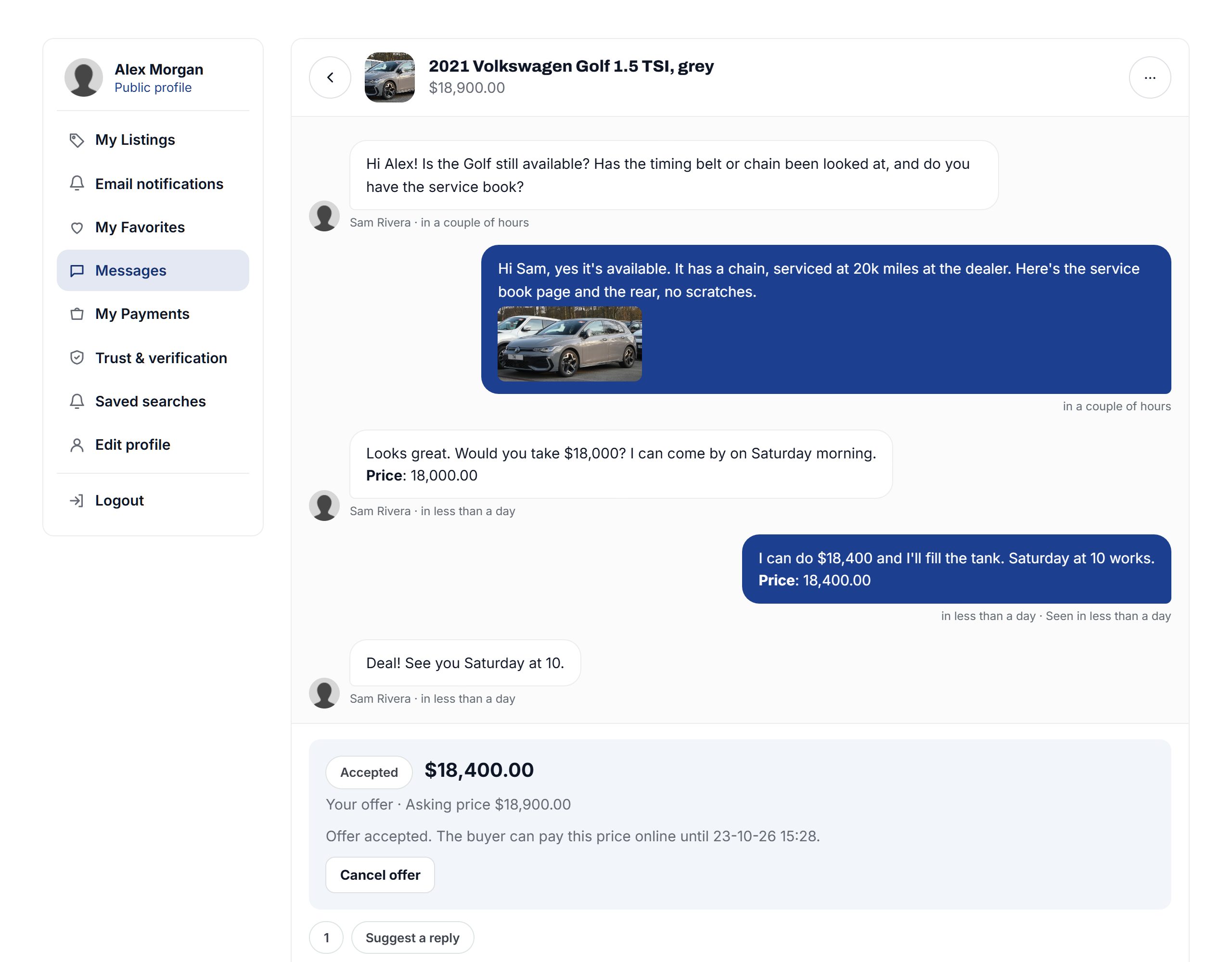
A quote request works best when the customer gives enough detail for a price. Ask them to describe the job, attach photos, give the area and preferred days, and say whether they have the materials. The handyman replies in on-site messages with a price or a question, and many small jobs can be priced from photos without a visit.
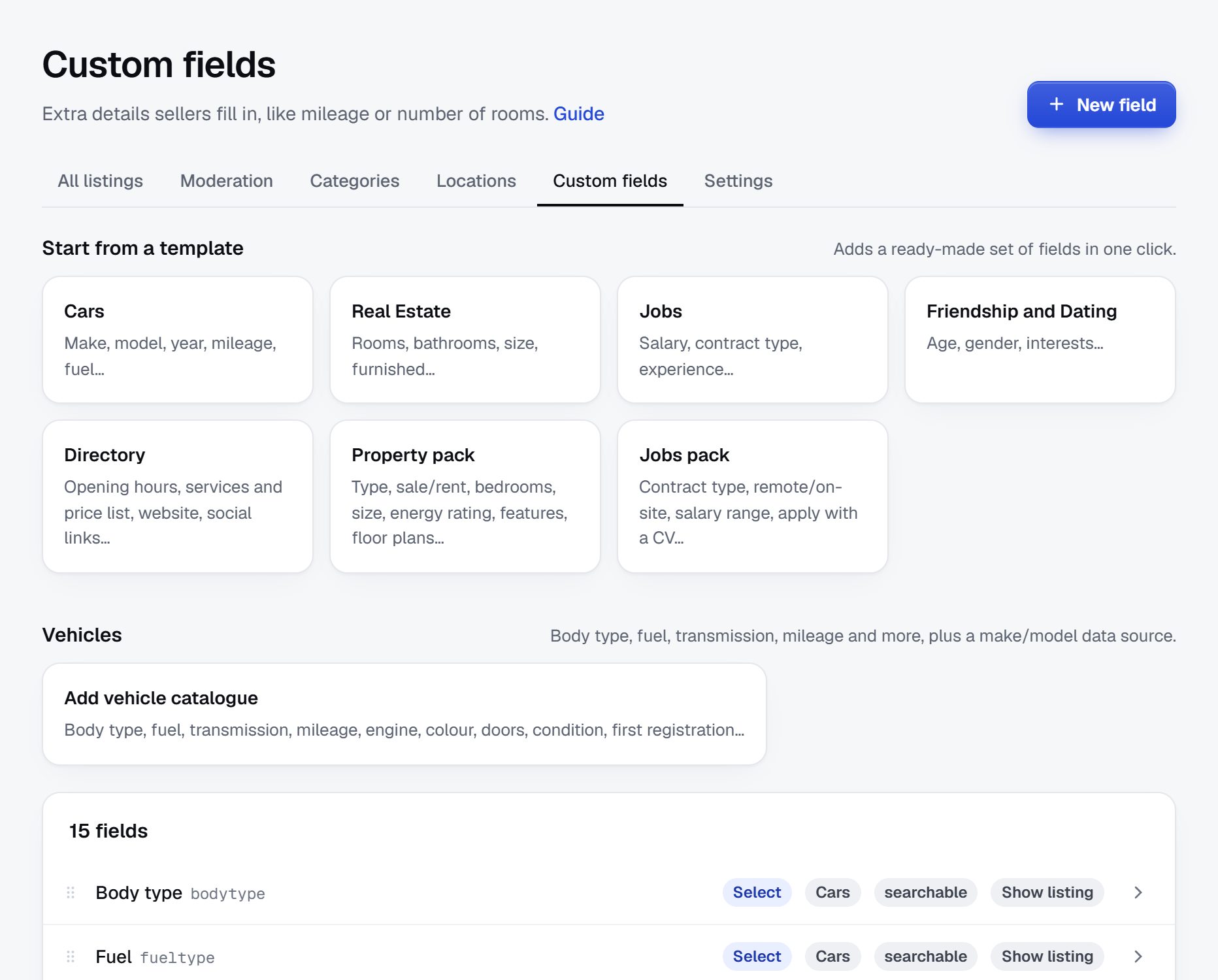
On the provider side, filters should cover service area, hourly rate or minimum charge, tools and ladders, whether they buy materials, how soon they can come out, and licensed trades where that applies. In many places electrical, plumbing and gas work beyond small repairs needs a license. Add a dropdown where providers state what they hold, mark it self-declared, and keep those categories to providers who declare the right one.
Custom fields in Yclas can be text, numbers, dropdowns, checkboxes or dates, set as required or optional, and each appears as a search filter. A map on each listing helps customers see who works near them.
| Category | Example jobs | Fields customers filter on |
|---|---|---|
| Assembly | Wardrobe, crib and bed frame assembly | Number of items, brand, same-week availability |
| Mounting and hanging | TV wall mount, mirrors, curtain rods, shelves | Wall type, TV size, bracket supplied |
| Repairs | Sticking doors, loose railings, cabinet hinges | Job type, photos attached, materials included |
| Painting and drywall | Patching holes, painting one room, recaulking a tub | Rooms, paint supplied, surface |
| Minor plumbing and electrical | Replacing a faucet, swapping a light fixture | License held (self-declared), job type, permit needed |
| Outdoor | Fence repair, gutter cleaning, deck staining | Stories, yard access, season |
| Moving help | Loading a truck, rearranging heavy furniture | Helpers, hours, stairs |
Make photos a strong suggestion on every quote request, since a handyman who can see the job can price it without a trip.
Sell the jobs that are always the same, and charge for visibility on the rest.
Handyman work is priced by the hour, by the job, or with a minimum call-out charge. Most jobs need a quote, but a good number can be sold at a fixed price because they rarely change: mounting a TV up to a set size, assembling one piece of furniture, replacing a faucet with the customer's part, two hours of general repairs.
On the Marketplace plan these can be listings with checkout. The customer pays through Stripe on the site, the handyman does the job, and you keep a commission on each sale. Write clear rules for what each package includes and what happens if the job turns out bigger: the handyman sends a new quote in messages and the customer decides.
For quoted jobs, sell visibility rather than leads. Featured listings sit at the top of a category page, bumps help when a week looks quiet, and seller memberships fit handyman firms with several workers. Hardware stores, tool rental shops and building suppliers are natural buyers of banner spaces.
Keep posting free at first and never charge per contact. A handyman who gets three good jobs from your site will happily pay to be featured. One who pays and gets nothing will leave and tell others.
| Model | Works when | Switch it on |
|---|---|---|
| Commission on fixed-price jobs | The job is the same every time | When providers have written their packages |
| Buyer service fee | Customers return for more jobs | After your first busy season |
| Featured listings | Several handymen cover the same area | Once a category page is full |
| Bumps | Handymen have quiet weeks | Alongside featured listings |
| Seller memberships | Firms list several workers or services | When firms ask for more listings |
| Banner spaces | Suppliers want to reach homeowners and trades | When traffic is steady |
Find the handymen your neighbors already recommend.
Handymen are busy and wary of platforms. Go where they already are, and do the work of setting up their profile for them.
- Hardware stores and lumber yards. Independent stores often keep a list of handymen they recommend. Ask the manager for introductions and a spot on the bulletin board.
- Neighborhood recommendation threads. On Nextdoor and in local Facebook groups, the names that come up again and again are the ones to call first.
- Craigslist skilled trades ads. Many solo handymen advertise here with a phone number and no reviews.
- Retired trades. Union retiree groups, veterans' organizations and community centers include skilled people who want a few jobs a week.
- Property managers. Ask which handymen they use to get units ready between tenants, and invite those people.
- Furniture and appliance stores. Stores without their own assembly or mounting service get asked for names every day.
Write each early profile with them: jobs they do, area, minimum charge, licenses they say they hold, and five photos of finished work. A handyman with photos of neat TV mounts and rebuilt fence sections gets messages; a blank profile does not. Aim to cover the five most-requested job types in your area before inviting customers, with at least two handymen for each so nobody waits.
Plan for scope creep, unlicensed work and people in each other's homes.
A handyman marketplace sends strangers into homes with power tools. The risks are real and specific to this trade.
Common problems
- Scope creep and price disputes. A two-hour job becomes a full day. Ask providers to confirm the price and what it covers in messages before starting, so both sides have a written record.
- Unlicensed trade work. Electrical, plumbing and gas work beyond small repairs often needs a licensed tradesperson and sometimes a permit. Ask providers to state their license, and tell customers to check it with the body that issued it.
- Materials scams. Fake handymen ask for money up front for materials and disappear. Warn customers against paying large sums before work starts, outside the site, to someone they have not met.
- Damage and unfinished work. Ask providers to state whether they carry liability insurance, and show it as self-declared.
- Personal safety. Both sides are meeting strangers. Advise customers and handymen to tell someone the job address and time.
Legal points
Contractor licensing, the job value above which a license is needed, insurance, permits and worker classification all vary by state, province or country. Check the rules where you operate before you publish trade categories, and do not describe any provider as licensed, insured or background-checked unless you have seen proof yourself. Even then, say what you checked and when.
Approve every new provider, keep a report button on every listing, and remove anyone who takes money and vanishes. Ratings and reviews from real customers do most of the trust work over time.
Your site connects customers and handymen. It does not inspect work or guarantee results, so your terms should say so.
Rank for the job, the neighborhood and the cost.
Handyman searches mix a specific job with a place, and many include a question about price.
- "handyman near me" and "handyman [city]"
- "tv mounting service [city]"
- "furniture assembly near me"
- "drywall patch repair cost"
- "how much does a handyman charge per hour"
- "handyman for small jobs [neighborhood]"
- "grab bar installation for seniors [city]"
Pages to build
- Job pages per area. TV mounting in each suburb, furniture assembly in each district. Each category and location page fills as providers join.
- Cost guides. Typical prices for the twenty most common jobs in your city, based on the quotes handymen send on your site.
- Fix it or hire it guides. When to fix a running toilet yourself and when to call someone. These rank well and send readers who give up straight to your providers.
Content ideas
Write a seasonal home maintenance list, a move-in checklist for new homeowners, a guide to grab bars and stair rails for people aging in place, and a list of the repairs landlords should handle before a new tenant arrives. Handyman profiles with photos of real finished jobs also rank for narrow job searches.
Launch where you can answer every quote request within a day.
Launch in one area where you can sign up enough handymen to reply to every quote request quickly. A request that goes unanswered loses that customer for good, and they will tell their neighbors.
Timing
- Spring. Winter damage, fence repairs, gutters and deck work pile up.
- Moving season. Assembly, mounting, and patching walls before deposits are returned.
- Fall. Weatherstripping, gutter cleaning and storm preparation.
- Holidays. Hanging lights, fixing guest rooms, and assembling gifts.
Partners
Real estate agents need small repairs before listing photos and after inspections. Property managers need units ready between tenants. Furniture stores, senior centers and home inspectors are all asked for names. Give each a short page with your local providers and ask them to pass it on.
Checklist
- Choose one area and the job categories asked for most there.
- Set the quote request details: description, photos, area, days, materials.
- Write rules on licensed trades, payments and safety.
- Sign up fifteen handymen with photos and minimum charges.
- Create three fixed-price packages that are easy to define.
- Publish a cost guide and a seasonal maintenance list.
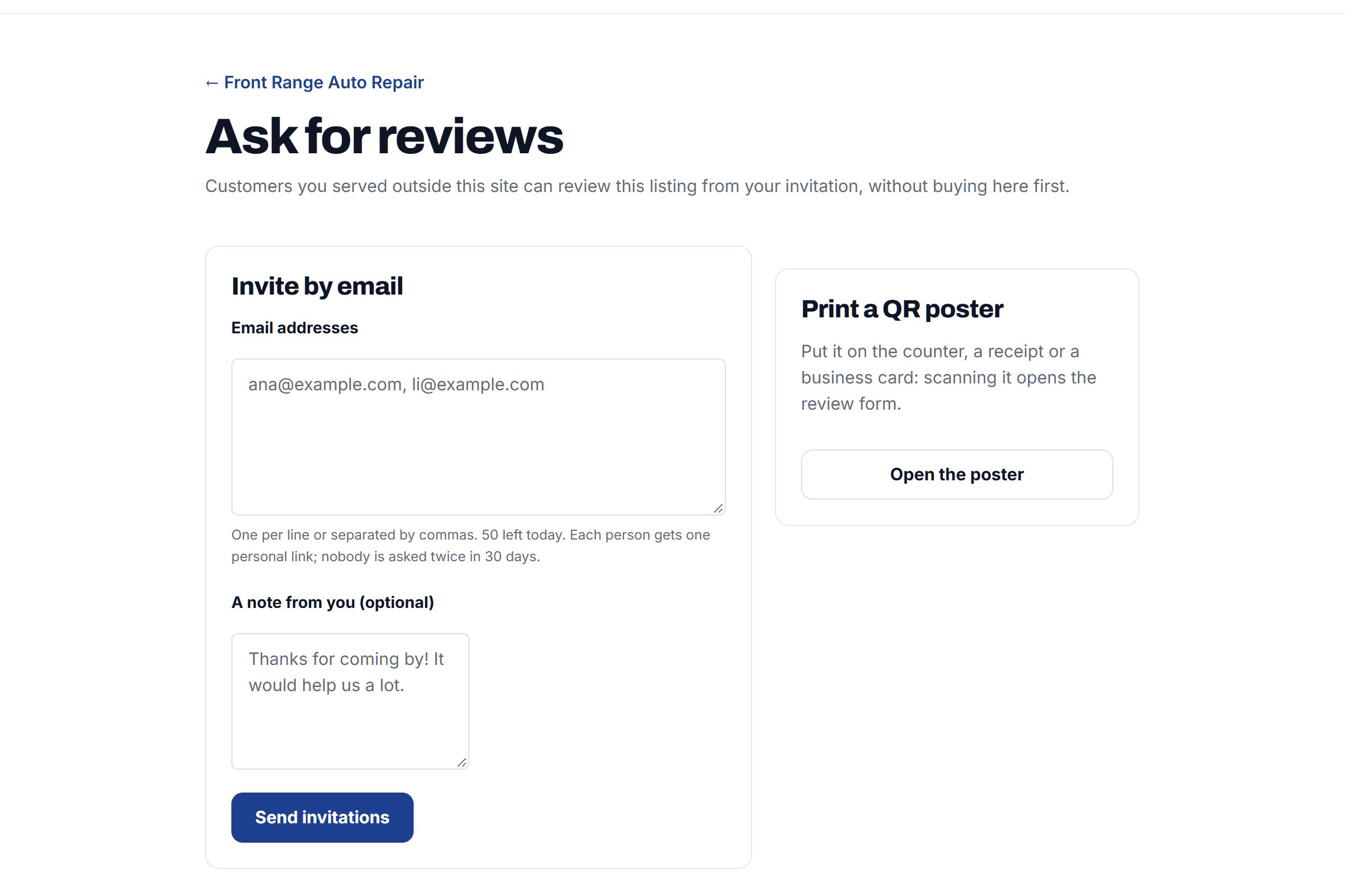
- Ask each handyman to send past customers to leave reviews.
A worked example: Tri-Cities Fix List, southeastern Washington.
Tri-Cities Fix List is invented for this guide and does not exist. Imagine a retired maintenance electrician in Kennewick whose phone never stopped ringing after he retired. Neighbors wanted a towel bar fixed, landlords wanted a unit patched before the next tenant, and his church friends wanted grab bars put in for a parent. He could not take it all, so he started passing on the names of three or four handymen he trusted, and then realized that list was a business.
Who it serves
The site covers Kennewick, Pasco, Richland and West Richland. Customers are homeowners, renters with jobs their lease allows, landlords who own a handful of rental houses, real estate agents getting homes ready for photos, and older residents who want to stay in their homes safely. Providers are solo handymen, semi-retired carpenters, one assembly and TV mounting specialist, and two small firms with a van and a helper.
Categories at launch
- Repairs
- Doors, locks and hinges
- Drywall patches
- Fences and gates
- Assembly and mounting
- Rental make-ready
- Safety at home
- Grab bars
- Stair and porch rails
How it started
He opened in late winter, when handymen have time to talk. The owner of an independent hardware store gave him six names, a landlord association meeting gave him four more, and he wrote every profile at a kitchen table with the handyman beside him: jobs done, minimum charge, licenses they say they hold, and five photos of finished work. Electrical work beyond swapping a fixture stayed off the site until providers who state an electrical license joined. His first customer push came after a windy stretch in spring, when fence panels were down all over town and people searched for someone to fix them.
How it makes money
Quote requests are free for both sides; customers describe the job, add photos and the handyman replies in messages. Three jobs that rarely change sell as fixed-price packages with checkout on the Marketplace plan, with a small commission per sale. A lumber yard pays for the banner on the repairs pages, and the two firms took seller memberships once they had a dozen reviews each.
The site grew from one man's phone list. Your first handymen are probably on someone's list already.
| Listing | Price | Key details |
|---|---|---|
| TV wall mount up to 65 inches | $129 fixed, paid on the site | Drywall over studs, customer's bracket, cords in a cover; Kennewick and Richland |
| Two-hour repair visit | $150 fixed | Up to five small jobs, materials billed at cost with receipts, photos first |
| Grab bars in one bathroom | Quote | Tile or fiberglass walls, bars anchored into framing or solid backing |
| Fence panel and post replacement | Quote from photos | Wood or vinyl, posts set in concrete, old panels hauled away |
| Make-ready for a two-bedroom rental | Quote per unit | Patch and paint, door stops, blinds, cabinet hinges, smoke alarm batteries |
These listings are made up to show the level of detail that gets replies.
The first 90 days: quiet-season recruiting, busy-season launch.
Handymen are hardest to reach exactly when customers need them most. In spring and before the holidays, good ones are booked for weeks and will not sit down to build a profile. So plan the first 90 days backward from a busy season: recruit in the slow weeks, set your rules and packages, then open to customers as the repair lists start to grow.
The other thing to settle early is which jobs the site will not take. Decide before the first listing which trade work needs a license where you are, how large a job can be before it belongs with a contractor, and how materials are paid for. Those three rules prevent most of the disputes you would otherwise spend the summer on.
Measure response time above everything. A customer who gets two replies with prices by the next morning tells neighbors about the site. One who hears nothing goes back to the hardware store bulletin board.
| Weeks | Focus | Done when |
|---|---|---|
| 1-2 | Choose the area and job categories; write rules on licensed trades, job size, materials and scope changes | Trade categories accept only providers who state a license, and the rules page is published |
| 3-4 | Recruit through hardware stores, lumber yards and neighborhood recommendation threads | Twelve handymen are listed, each with five photos of finished work |
| 5-6 | Write fixed-price packages with clear limits | Four packages are live, each saying what happens if the job turns out bigger |
| 7-8 | Sign up landlords and property managers | Two managers have sent make-ready requests through the site |
| 9-10 | Publish a cost guide and a fix it or hire it article | Both pages are live and shared in at least two local groups |
| 11-12 | Open to homeowners ahead of the spring or fall repair season | Every quote request in the last two weeks had a reply within a day |
Ways to build it: pick the route that handles photos and quotes well.
A handyman marketplace runs on photos and short conversations. The customer shows a cracked door frame or a sagging gate, the handyman asks one question and gives a price. Whatever you build on needs provider profiles with photo galleries of past work, fields for job type, minimum charge and the licenses a provider says they hold, on-site messages for quotes, checkout for the few jobs with a set price, and reviews. A map of each provider's area matters more than usual, because travel time is part of every price.
Hiring developers
A custom build suits you if you want features no off-the-shelf tool has, such as a crew scheduler for firms or estimates calculated from photos. It also means paying developers through every change after launch. For a site whose real work is persuading busy tradespeople to join, that budget usually does more good spent on recruiting.
A script or plugin you host
Installing a marketplace or directory script, or a WordPress plugin, on your own server costs little to start. Test that providers can upload enough photos, that messages work on a phone in a driveway, and that you can hide licensed-trade categories from providers who have not declared a license. You also own security updates and spam control.
A hosted builder
A hosted builder such as Yclas handles hosting and updates while you set up categories, fields, maps and reviews, which keeps your days free for hardware store counters and landlord meetings.
| Route | Fits when | Watch out for |
|---|---|---|
| Custom build | You need crew scheduling or photo-based estimates | High upfront cost and paying for every change later |
| Self-hosted script or plugin | You can maintain a server and want to modify the code | Photo storage, phone-friendly messages and spam are your problem |
| Hosted builder | You would rather spend your hours signing up handymen | Make sure the fields and categories can handle licensed trades the way you need |
What a handyman marketplace costs to run.
The software is the smallest part of the bill. Most of the cost is your time in the first months: finding the first listings, answering questions and checking what gets posted.
Expect to pay a lawyer to review your terms on licensing, liability and contractor status, and to spend on flyers and local promotion at hardware stores and in neighborhood groups. If you decide to check licenses or identity yourself, budget the time it takes, or the fee of a third-party screening service.
| Cost | Typical range | On Yclas |
|---|---|---|
| Domain | $10 to $20 a year | Your own, with SSL included |
| Software and hosting | $0 to $100+ a month, plus plugins and updates | Marketplace $149 a month for checkout and commission |
| Design | $0 to $100 for a theme, or a designer | 109 looks included |
| Payment fees | About 3% per payment | Your Stripe or PayPal fees; Yclas takes nothing |
| Your time | 5 to 10 hours a week at the start | Finding listings, moderation, support |
Mistakes that sink a handyman marketplace.
- Leaving electrical, plumbing and gas open to anyone. Many places require a license for that work beyond small repairs, and a bad job can cause a fire or a flood. Limit those categories to providers who state the right license, and remind customers to confirm it with the issuing body.
- Letting remodels in. Kitchen remodels, roofs and additions need contractors, permits and contracts that a small-jobs site is not built for. Set a clear line on job size, and point bigger projects elsewhere so your handymen are not pulled into work they cannot finish.
- Charging handymen for every lead. This is the complaint most handymen have about national lead sites, and it is the reason many will listen to you. Copy that model and you lose your best argument.
- Packages without limits. A TV mount on drywall is a fixed job; a TV mount over a brick fireplace with hidden cables is not. Each package should say exactly what it covers, and that anything else gets a new quote in messages before work starts.
- Quote requests without photos. A request that says fix my door means a wasted trip to find out it needs a new frame. Make photos a strong prompt on every request and explain why: it gets the customer a price faster.
- Ignoring the materials question. Customers asked to hand over cash for parts to someone they met an hour ago are easy targets for fake handymen. Ask providers to state how materials are paid for, with receipts, and warn customers against large upfront payments outside the site.
- Printing licensed and insured in your own copy. A badge or headline that says every handyman is licensed and insured is a claim about people you have not checked. Keep these as fields each provider fills in, marked self-declared, and say what, if anything, the site itself has looked at.
- Recruiting in May. Good handymen are fully booked in spring and will not spend an evening on a new website. Do your recruiting in the slow months, so profiles and reviews are in place when the repair season starts.
- Overlooking landlords. Homeowners call once or twice a year; a landlord with ten units calls every month. Give landlords their own make-ready category and an easy way to request the same handyman again. A manager who finds one reliable person through your site will send you every unit that turns over, and tell other owners at the next association meeting.
Trade terms for a handyman marketplace.
Handymen, landlords and agents use these words when they describe and price small jobs.
| Term | What it means |
|---|---|
| Punch list | A list of small fixes left at the end of a project or found before a sale or move-in. |
| Make-ready | Getting a rental unit ready for the next tenant with repairs, patching and touch-up paint. |
| Minimum charge | The lowest amount a handyman bills for any visit, however small the job. |
| Trip charge | A fee for coming out to look at or start a job, sometimes credited against the final bill. |
| Time and materials | Billing by the hours worked plus the cost of parts, rather than one price for the job. |
| Scope creep | When a small job grows into a larger one after work begins, often without a new price. |
| Change order | A written agreement to change the work and the price once a job is under way. |
| Licensed trade | Work such as electrical, plumbing or gas that many places allow only licensed people to do. |
| Job value limit | In some places, the dollar amount above which a job requires a contractor license; it varies by state or country. |
| Permit | Approval from the local building department that certain work needs before it starts. |
| Stud | A vertical framing board inside a wall that heavy items like TVs and grab bars are anchored to. |
| Drywall patch | Repairing a hole or crack in a wall with compound and tape so it can be painted over. |
| Aging in place | Changes such as grab bars and rails that help older people live safely in their own homes. |
The same steps for a handyman marketplace on Yclas.
- Describe your marketplaceThe setup wizard writes the categories, an About page and example listings from one sentence.
- Add fieldsThe details buyers filter on, as dropdowns, numbers or checkboxes.
- Bring sellersInvite them, import their stock from a spreadsheet, or post for them.
- Set the rulesChoose moderation, verified sellers, reviews and reports.
- Take paymentsOn Marketplace, buyers pay on the site and you keep a commission, with Stripe.
What does it cost to launch a handyman marketplace?
Mostly time. Beyond the site and a domain, expect printing for store flyers, small local ads, and legal advice on your terms. Signing up handymen one by one is the biggest cost.
Do handymen need a license to list?
It depends on where you operate and the kind of work. Many places allow small repairs without one but require a license for electrical, plumbing, gas or jobs above a set value. Check local rules and limit trade categories to providers who state the right license.
Should I charge handymen per lead like the big lead sites?
Not at first. Many handymen resent paying for leads that never become jobs, and commission on fixed-price packages or paid visibility is easier to accept.
Can customers pay through the site?
Yes, for fixed-price jobs sold as listings with checkout, like mounting one TV. Quoted jobs are agreed in messages and paid to the handyman directly.
What if a job goes wrong?
Your terms should say the agreement is between customer and handyman. Encourage a written scope in messages, act on reports, and remove providers with repeated complaints.
Are the handymen my employees?
Classification rules vary by country and state, and they usually look at who controls pricing, hours and how the work is done. Let handymen set their own rates and schedules, and check your setup with a local lawyer.
How do I compete with national apps?
Be the local site with known faces. Show real photos of finished jobs, reply quickly, and partner with hardware stores and property managers that national apps never visit.
Should handymen show an hourly rate or prices per job?
Both help. Ask each handyman to show a minimum charge and an hourly rate on their profile, and to sell set-price packages for the jobs they do over and over. Customers compare starting points first and ask for exact quotes later.
What do I do about a handyman who does not show up?
Ask customers to report it, contact the handyman, and keep a record. One missed visit with a good reason is life; repeated no-shows should cost a provider their listing, because a customer who waits in all afternoon blames the site.
Can customers post the jobs they need done?
Yes, if you add a category for job requests where customers describe the work, add photos and the area, and handymen reply in messages. It suits landlords with regular make-ready work, but moderate it so contact details and scams do not slip through.
How do I handle a customer and a handyman who disagree about a review?
Give the handyman a chance to answer publicly and calmly, and remove a review only if it breaks your rules, such as abuse, private details or a review from someone who never hired them. Readers trust a profile more when they see a fair reply than a perfect score.
Do I need a contractor license to run the site?
Usually a site that only connects customers with independent handymen is treated differently from a business that does the work, but rules differ. Ask a local lawyer or your state licensing board, especially if you plan to sell packages under your own name.
Related pages.
The parts of Yclas this leans on.
You have the plan. Now find the handymen your neighbors already trust.
Describe your site in a sentence and the setup wizard writes the categories, example listings and a look. Free for 15 days, no credit card.
Start my marketplace