How to build a personal chef marketplace where hosts find the right cook for the night.
This guide covers how to build a marketplace that connects people hosting dinners, families who want weekly meal prep and vacation rental guests with local personal chefs: how to pick an area and occasion, the fields hosts filter on, how to earn when prices are agreed in messages, where the first chefs come from, food safety and allergy rules, and a launch timed to the holidays.
Free for 15 days · No credit card · Plans from $19 a month
Know the two sides: hosts with a date, chefs with a menu.
Personal chefs cook in the client's own kitchen: a dinner party for eight, a birthday tasting menu, a week of meal prep for a busy family, a holiday meal at a vacation rental. Today most of them get work through word of mouth, Instagram, event planners, private chef agencies and short-term rental hosts who pass on a phone number. People who want to hire one usually ask friends or scroll social media, and they rarely see a price or a sample menu before they write.
A personal chef marketplace puts chefs, sample menus and starting prices for one area on one site, and lets hosts send a request with the date, guest count and dietary needs. The two sides want different things. Hosts want a chef who is free on their date, cooks the food they like and fits the budget. Chefs want fewer vague inquiries and more requests that already say how many guests, where, and what kind of meal.
Pick your angle
- One city or one holiday region, such as a lake area or ski town where rental guests hire a chef for a night in.
- One occasion: dinner parties and celebrations, or weekly meal prep, which brings steadier repeat work.
- One kind of client: vacation rental guests, families managing a special diet, or small company dinners.
Personal chef work is local and tied to a date. Start in one area where you can already name ten chefs.
Let hosts filter by occasion, cuisine, diet and guest count.
Hosts search by occasion and place, narrow by cuisine, diet and group size, then read the menus. Keep categories to the kinds of service a chef sells, and put cuisine and diet in fields so one chef can appear in several searches.
- Cuisine as checkboxes: Italian, French, Mexican, Japanese, Mediterranean, Southern, plant-based.
- Dietary options as checkboxes: vegetarian, vegan, gluten-free, dairy-free, kosher style, halal.
- Guest count as a minimum and maximum number.
- Starting price per person or per session, so hosts see the range before they write.
- Service area as a dropdown of towns or neighborhoods, plus how far the chef travels.
- What is included: groceries included or billed at cost, serving staff, cleanup, plates and glassware.
- Food handler card or permit as a yes or no field, where your area expects one.
Ask every chef to post at least one sample menu, course by course, in the description. A real menu with three photos of plated food persuades a host more than any list of skills.
| Category | Example listings | Fields hosts filter on |
|---|---|---|
| Private dinners | Five-course tasting menu for six, date night dinner for two | Cuisine, guest count, price per person, area |
| Weekly meal prep | Ten family meals cooked in your kitchen every Monday | Meals per week, dietary options, groceries included |
| Events and parties | Birthday buffet for 30, cocktail party canapés | Guest count, serving staff, cleanup, area |
| Vacation rental dinners | Welcome dinner at a lake house, ski chalet brunch | Travel area, dates offered, kitchen needs |
| Cooking classes at home | Pasta making for a group of eight | Group size, skill level, cuisine |
| Special diets | Low-sodium weekly meals, plant-based dinner parties | Dietary options, meals per week |
Keep cuisine and diet as filters, not categories, so a chef who cooks Thai and vegan dinners shows up in both searches.
Earn from visibility first, then from set-price packages.
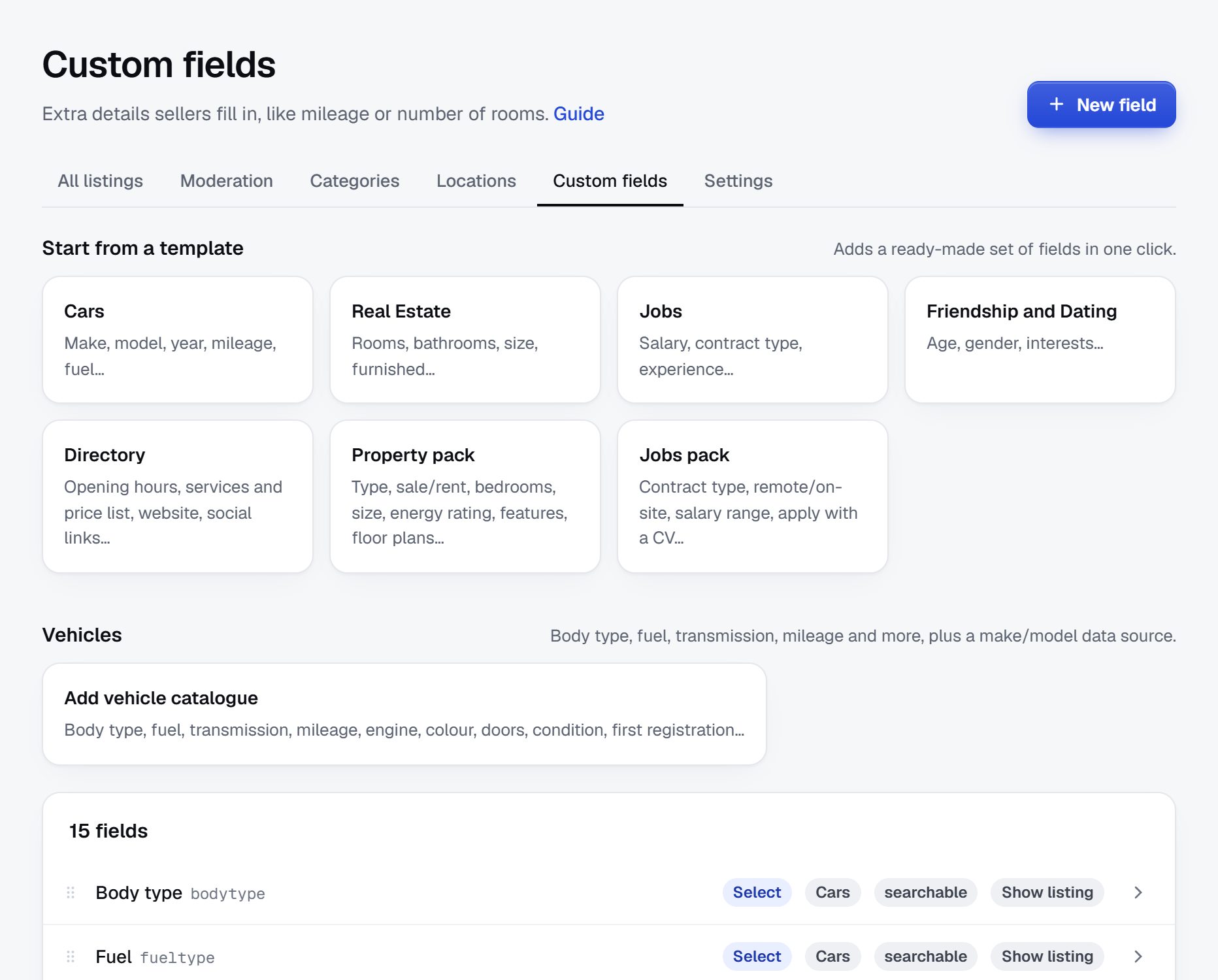
Most personal chef jobs are priced after a conversation: the host and chef agree a menu, a date and a fee, often with groceries billed separately. A commission on every custom dinner is hard to collect when the price is settled in private, so sites in this niche usually start with fees chefs pay to be seen.
- Free listings at first, until hosts send requests every week. A chef who gets no inquiries will not pay for anything.
- Featured listings before busy dates: Thanksgiving, Christmas, New Year's Eve, Valentine's Day, Mother's Day and the summer rental season.
- Chef memberships with more photos, more menus and a higher place in search, once chefs get work from the site.
- Packages sold with checkout: a "three-course dinner for four" or "five meal-prep dinners" sold as a listing at a set price, paid on the site, with a commission to you. This suits standard offers, not custom menus.
- Banner spaces for kitchen stores, wine shops, party rental companies and venues without their own kitchen team.
Avoid charging chefs for each inquiry early on. They will complain that half the requests were people comparing prices, and they will often be right.
| Model | Works when | Switch it on |
|---|---|---|
| Free listings | You need chefs and menus on the site | From day one |
| Featured listings | Holidays and rental season bring competition | Three to four weeks before each peak |
| Chef memberships | Chefs say the site sends them paid work | After a season of steady requests |
| Packages with checkout | Chefs sell standard menus at a set price | When several chefs offer similar packages |
| Banner spaces | Local food and party businesses want hosts | Once traffic is steady |
Sign 30 chefs with real menus before you invite hosts.
Chefs are easy to find but busy, so joining should take ten minutes. Most personal chefs already have photos of their plates and a menu or two they can paste in.
- Instagram and local hashtags: search "private chef" with your city name and message the chefs who post plated dinners.
- Culinary schools and community college programs: graduates and instructors often cook privately on weekends.
- Restaurant cooks who take private dinners on their days off. Ask each chef who joins who else does this.
- Caterers and meal-prep businesses that take small jobs between big events.
- Vacation rental managers who keep a list of chefs for guests and would rather send one link.
- Farmers markets, where chefs who cook with local produce shop every week.
Offer to build each chef's first listing yourself from their menu and photos, then send it for them to check. When a caterer or chef agency joins with several cooks at once, Yclas can import the listings from a spreadsheet (CSV). Aim for 30 chefs with real menus before you invite hosts: a host who sees three profiles closes the page and goes back to Instagram.
Photos of plated food and a sample menu are the listing. Do not publish a chef without them.
Handle food safety, allergies and strangers in the home.
Hiring a chef means letting a stranger into your home and trusting them to feed guests who may have allergies. Your rules should cover both.
- Food safety and permits: rules on who may cook for pay in a client's home vary. Some places expect a food handler card, some treat chefs who supply the food differently from chefs who cook the client's groceries, and some require a business license or insurance. Check the rules where you operate and ask chefs to state what they hold. Never tell hosts that chefs are approved or checked by the site.
- Allergies: tell hosts to list allergies in writing before the menu is agreed, and ask chefs to confirm them in the on-site messages. A host with a severe allergy in the group should discuss kitchen practices directly, not rely on a filter.
- Payment scams: watch for fake hosts who send a check for more than the fee and ask for the difference back, and for fake chefs who take a deposit by gift card and vanish. Warn both sides on your safety page.
- Safety at home: require real names and photos on chef profiles, and suggest hosts video call a chef before the event.
- Alcohol: chefs who serve or supply drinks may need a permit. Say so in your rules and leave it to them to comply.
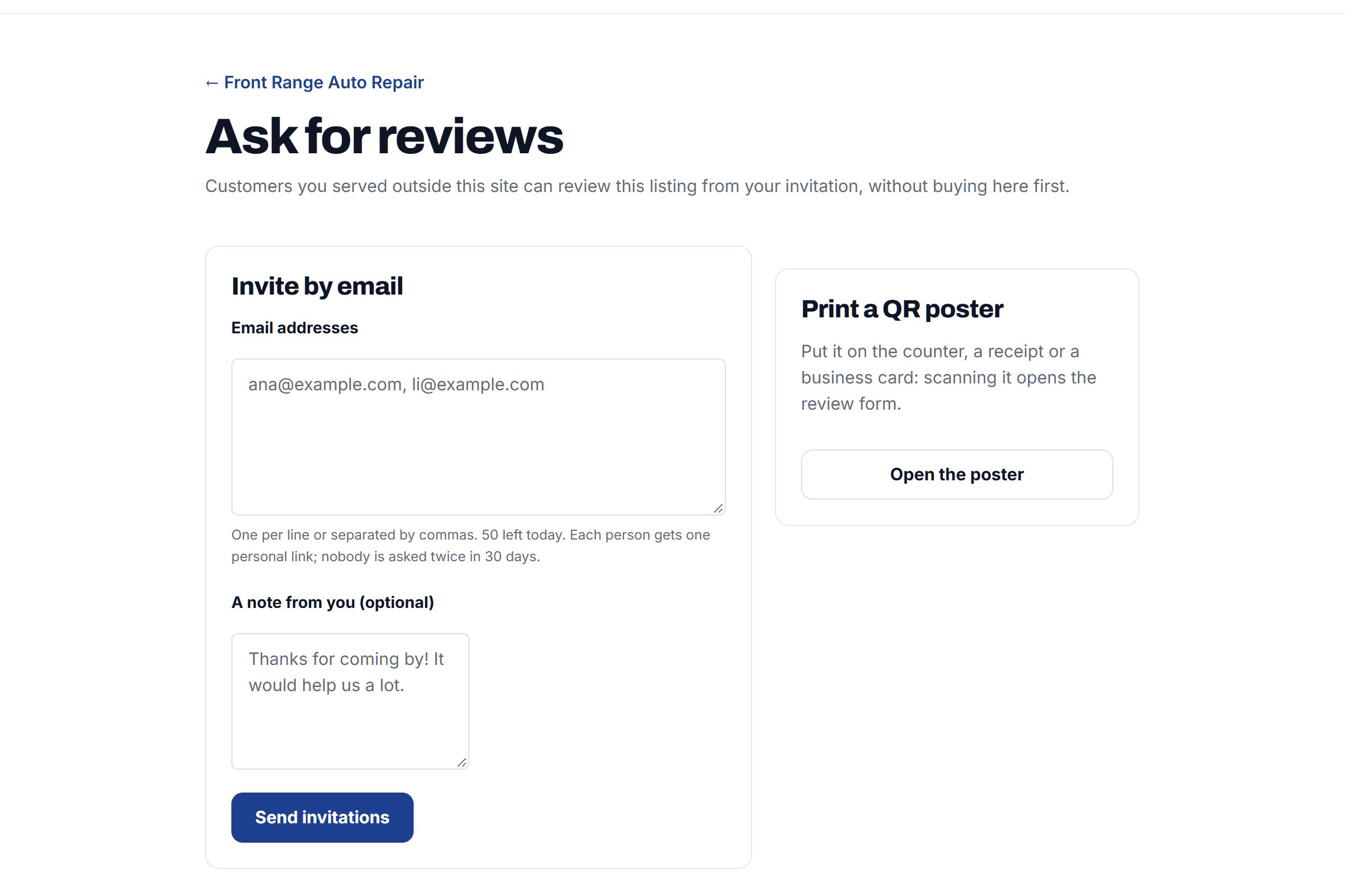
Ask for reviews after each dinner, and give a verified badge only for what you checked yourself, such as identity or a food handler card, and say what it means.
Rank for chef searches by town, occasion and diet.
People search for chefs by place and occasion, and they start early for holidays. Typical searches:
- "private chef near me", "personal chef Denver", "private chef for dinner party"
- "meal prep chef in my home", "personal chef for weekly meals"
- "private chef Lake Tahoe", "chef for vacation rental dinner"
- "how much does a private chef cost", "private chef cost per person"
- "vegan private chef", "gluten-free personal chef"
Build a page for each service in each town ("Private dinners in Asheville", "Meal prep chefs in Scottsdale"), and a page for each diet that has enough chefs. On Yclas every listing, category and location has its own page, and SEO title patterns are set once, so these pages fill as chefs join. Then write the guides hosts read before they contact anyone:
- A cost guide explaining per-person and per-session pricing and why groceries are often billed separately, using ranges your chefs give you.
- "How to hire a private chef for a dinner party": what to send, how far ahead, what the chef needs from your kitchen.
- Holiday pages for Thanksgiving, Christmas and New Year's Eve, published in early fall.
- Chef interviews with a signature menu, which each chef will share with their own followers.
Launch before the holidays or the rental season.
Launch in one area where you can sign 30 chefs and reach hosts directly, ideally six to eight weeks before a busy season. A private dinner is often planned a month ahead, so your pages need to be found before the date, not on it.
- Timing: early fall for holiday dinners, or late spring for summer rental guests in a holiday area.
- Partners: vacation rental managers, wedding and event planners, venues without catering, wine shops that host tastings.
- First hosts: ask each chef to send their profile to past clients and to ask them for a review on the site.
- Local media: a short story about a local chef cooking a holiday meal in someone's home fits food newsletters and city magazines.
Checklist
- Choose your area and the occasion you focus on.
- Set up categories and fields for cuisine, diet, guest count and price.
- Write rules on food safety, allergies and alcohol, and a safety page for hosts.
- Sign 30 chefs, each with a sample menu and real photos of their food.
- Publish the cost guide and one holiday page.
- Contact rental managers and planners, then collect reviews after the first dinners.
A worked example: Ridgeline Supper Collective, western North Carolina.
To make the plan concrete, here is a fictional site. Ridgeline Supper Collective covers Asheville and the mountain towns around it: Black Mountain, Weaverville, Brevard and the rental cabins scattered off the Blue Ridge Parkway. Visitors arrive every weekend to rent a cabin and would rather not cook on vacation, and local people host birthdays, anniversaries and holiday meals at home.
The category tree
- Dinners at home
- Tasting menus
- Family-style dinners
- Cabin and rental dinners
- Welcome dinners
- Brunch
- Weekly meal prep
- Classes and celebrations
- Cooking classes
- Anniversary and birthday dinners
Who it serves
Hosts are groups staying in rental cabins, local families who want a holiday meal without a day in the kitchen, and households on a medical or allergy diet who need meals cooked to a plan each week. The chefs are about forty people: former restaurant cooks who left the line for saner hours, a few caterers who take small jobs between weddings, and graduates of the local culinary program who are building a client list.
How it started
The founder managed a group of rental cabins and was asked almost every week whether she knew a chef. She kept six names in her phone. One September she turned that list into a site, signed 25 chefs by messaging local food accounts and walking two farmers markets, and asked each one for a course-by-course menu and five photos of plated food. Then she sent one link to every cabin owner she knew, with a short note they could forward to guests a week before arrival. The first requests came from those notes, mostly for Friday night welcome dinners. By November local families had found the holiday page, and Thanksgiving week brought more requests than the chefs could take, which became the founder's best recruiting pitch the following year.
How it makes money
Listings stayed free through the first holiday season, while the founder learned which pages hosts used. In the second year the site sold featured spots for October through December and for the summer rental months, and chef memberships to the dozen chefs who were getting regular requests. Three chefs listed set-price packages, such as a three-course cabin dinner for four, paid at checkout with a commission to the site. A kitchen store and a wine shop bought banner spaces on the rental dinner pages, where their customers already were.
| Listing | Starting price | Key details |
|---|---|---|
| Family-style cabin welcome dinner for up to ten | $85 per person | Groceries included, travels 40 miles from Asheville, needs two hours of kitchen time |
| Five-course Appalachian tasting menu | $140 per person | Six to eight guests, local trout and foraged greens, cleanup included |
| Weekly low-sodium meal prep | $260 per week plus groceries | Ten portions cooked in the client's kitchen every Monday |
| Sunday brunch at a rental cabin | $55 per person | Biscuits, local eggs, vegetarian option, minimum six guests |
| Fresh pasta class for a group | $75 per person | Up to eight people, all tools brought, two and a half hours |
The first 90 days, week by week.
The first three months decide whether hosts find a full menu of chefs or a half-empty page. Spend the first month on supply and rules, the second on the people who send you hosts, and the third on the pages hosts read and on the first real requests.
Personal chef work has a long lead time. A host planning a December dinner party starts looking in October, and a family renting a lake house for July often books the house in spring and the chef a few weeks later. Count back from the peak you want to catch and start the plan twelve weeks before it.
Keep a simple sheet of every chef you contact, what they sent you and whether their listing is live. Most chefs say yes on the first message and then forget to send photos, so the follow-up is where most of the work sits. By week twelve you should know which occasions and towns bring requests, and which chefs answer them fastest.
| Weeks | Focus | Done when |
|---|---|---|
| 1 to 2 | Area, occasions and rules | Area chosen, fields for cuisine, diet, guest count and price set, rules on food safety, allergies and alcohol published |
| 3 to 4 | First 15 chefs | 15 listings live, each with a course-by-course menu and at least five photos of plated food |
| 5 to 6 | Rental managers and planners | Ten rental managers or event planners have the link and agreed to send it to guests or clients |
| 7 to 8 | Pages hosts read | Cost guide, dinner party guide and one holiday page published and linked from the home page |
| 9 to 10 | Reach 30 chefs | 30 chefs live, with at least two chefs for every main cuisine and every common diet |
| 11 | First requests answered | Every host request has a reply from a chef within a day, and slow chefs have been reminded |
| 12 | Reviews and next season | First reviews collected after dinners, featured spots planned for the next peak |
Ways to build a personal chef marketplace.
Whatever you build, a personal chef site needs a few specific things. Hosts filter by cuisine, diet, guest count and town, so you need custom fields shown as search filters. Chefs sell with photos and menus, so listings must carry several images and a long description. Most work starts with a request that names a date and a guest count, so private messages matter more than a cart. And a few standard offers, such as a dinner for four, should be payable at a set price.
Developers and a custom build
A custom build makes sense if your idea depends on something unusual, such as a menu builder where hosts pick courses from each chef's dishes. It costs far more and takes months, and you will still need to build the basics: profiles, search, messages, reviews and moderation.
A script or plugin on your own server
A classifieds or directory script, or a WordPress listing plugin, gives you control and a low starting cost. You are then responsible for hosting, updates, backups and spam, and you will often combine several plugins to get filters, messages and payments working together.
A hosted builder
A hosted builder such as Yclas gives you fields, messages, reviews and set-price packages without running a server, which suits a founder who would rather spend the evenings signing chefs. Check that any builder you choose handles diet and cuisine filters well, since those are how hosts search.
| Route | Fits when | Watch out for |
|---|---|---|
| Custom build with developers | Your idea needs a feature no tool offers, such as course-by-course menu selection | High cost, months before launch, and you maintain everything afterward |
| Classifieds or directory script on your own server | You are comfortable running a server and want full control | Security updates, spam and backups become your weekly job |
| WordPress with a listing plugin | You already run a food blog on WordPress | Several plugins that must work together for filters, messages and payments |
| Hosted builder | You want to spend your time on chefs and hosts, not servers | Make sure cuisine and diet filters, messages and set-price packages are all covered |
What a personal chef marketplace costs to run.
The software is the smallest part of the bill. Most of the cost is your time in the first months: finding the first listings, answering questions and checking what gets posted.
Expect small costs for a food photographer to shoot a few chefs' dishes for launch, and for local ads before the holidays. If you want to check food handler cards or identity before giving a badge, budget the time for it, or the fee of an ID check service if you use one.
| Cost | Typical range | On Yclas |
|---|---|---|
| Domain | $10 to $20 a year | Your own, with SSL included |
| Software and hosting | $0 to $100+ a month, plus plugins and updates | Marketplace $149 a month for checkout and commission |
| Design | $0 to $100 for a theme, or a designer | 109 looks included |
| Payment fees | About 3% per payment | Your Stripe or PayPal fees; Yclas takes nothing |
| Your time | 5 to 10 hours a week at the start | Finding listings, moderation, support |
Mistakes that sink personal chef marketplaces.
- Publishing chefs without menus or photos. A profile that says "I cook everything" with a logo and no food gives a host nothing to choose on. Hold back any listing that lacks a sample menu and real photos of the chef's own dishes, and offer to help write the menu instead.
- Making cuisine the category tree. A chef who cooks Thai, Italian and vegan dinners then has to pick one category and disappears from the other two searches. Keep categories to occasions and put cuisine and diet in checkbox fields.
- Hiding every price behind "contact me". Hosts with a budget leave when they cannot tell whether a chef costs $50 or $250 a head. Ask every chef for a starting price per person or per session, even if the final quote depends on the menu.
- Calling chefs vetted or approved. Words like "vetted", "trusted" or "approved chefs" tell hosts that you checked hygiene, skills and background. Unless you did, and can say exactly what you checked, use plain words and explain on your safety page what you have and have not seen. If one chef later causes harm, that word on your home page is what an upset host will quote back to you.
- Treating allergies as a filter only. A "nut-free" checkbox does not tell a host how a chef handles a shared kitchen or cross-contact. Ask hosts to state allergies in writing in the messages, and ask chefs to confirm them before the menu is agreed.
- Launching after the holidays. A site that opens in January has missed the season when the most hosts plan dinners at home. Count back from Thanksgiving or the summer rental season and launch six to eight weeks before.
- Charging chefs for each request too early. Many first requests come from people comparing prices or curious about costs. Chefs who pay for those will leave. Earn from featured spots and memberships until requests are steady and well filled in.
- Covering a whole state on day one. Thirty chefs spread over 300 miles means two chefs in most towns and empty search results. Start in one city or holiday area and add the next one when hosts there start asking. Chefs also care about travel time: one who lives downtown will rarely drive two hours to a lake house for a dinner for four.
- Letting requests go unanswered. A host who writes to three chefs and hears from none will not return. Watch reply times in the first months, remind slow chefs, and pause listings for chefs who never answer.
Terms a personal chef marketplace founder should know.
Chefs and hosts use these words in requests and menus, so use them the same way on your site.
| Term | What it means |
|---|---|
| Personal chef | A chef who usually cooks for several clients, often weekly meals prepared in the client's kitchen. |
| Private chef | A chef hired for one household or one event, from a single dinner party to a full-time role. |
| Tasting menu | A set sequence of small courses chosen by the chef, often five to eight. |
| Family style | Dishes served on large platters for guests to pass around the table. |
| Plated service | Each course arranged on individual plates in the kitchen and served to each guest. |
| Meal prep | Several days of meals cooked in one session and stored for the client to heat later. |
| Groceries at cost | The chef buys the ingredients and bills the host the receipt total on top of the fee. |
| Food handler card | A certificate showing someone completed basic food safety training, required in some areas. |
| Cross-contact | When an allergen moves from one food or surface to another, even in tiny amounts. |
| Canapés | Small bite-sized appetizers served before a meal or at a cocktail party. |
| Mise en place | Prepping and arranging every ingredient before cooking starts, often done before the chef arrives. |
| Per-person price | A fee quoted for each guest, common for dinner parties and tasting menus. |
| Session fee | A fee for one cooking visit, common for meal prep regardless of portions. |
The same steps for a personal chef marketplace on Yclas.
- Describe your marketplaceThe setup wizard writes the categories, an About page and example listings from one sentence.
- Add fieldsThe details buyers filter on, as dropdowns, numbers or checkboxes.
- Bring sellersInvite them, import their stock from a spreadsheet, or post for them.
- Set the rulesChoose moderation, verified sellers, reviews and reports.
- Take paymentsOn Marketplace, buyers pay on the site and you keep a commission, with Stripe.
How much does it cost to start a personal chef marketplace?
Your main outlay is time: signing chefs, writing menus with them and building local pages. Beyond running the site, most founders spend a few hundred dollars on food photos and local ads in the first season.
Do chefs on my site need a license or food handler card?
It depends on where you operate and on how each chef works, for example whether they bring the food or cook the client's groceries. Check the local rules, ask chefs to state what they hold, and only show a badge for documents you have actually seen.
Am I responsible if a chef causes an allergic reaction or damage?
Ask a local lawyer how your terms should state that chefs are independent and responsible for their own work and insurance. Make hosts and chefs confirm allergies in writing before every event.
How do I make money if chefs and hosts agree the price privately?
Start with free listings, then sell featured listings before holidays and chef memberships. Standard packages at a set price can be paid on the site, so you keep a commission on each one.
Where do I find the first chefs?
Instagram searches for private chefs in your city, culinary schools, restaurant cooks who work on their days off, caterers, and vacation rental managers who already keep a list of chefs.
Can hosts book a chef for a date online?
Hosts send their date, guest count and dietary needs through on-site messages, and the chef replies with availability and a menu. A custom dinner needs that conversation, so a request works better than an instant booking.
Why would chefs join when they already get work on Instagram?
Instagram shows their food but rarely brings a host with a date and a budget. Your site sends requests from local people ready to hire, and gives each chef a menu page they can link to.
Should chefs show prices with or without groceries?
Ask each chef to say which, in a field hosts can see. Meal-prep chefs often bill groceries at cost on top of a session fee, while dinner party chefs more often include them in a per-person price. Mixing the two without a label makes cheap chefs look expensive and the other way round.
What should a host include in a first request?
The date, the town, the number of guests, the occasion, any allergies or diets, and a rough budget per person. Put these prompts in the message form or the guide hosts read, because a chef can only reply with a real menu when they have all six.
How should cancellations be handled?
Ask chefs to state their own cancellation terms in their listing, since they buy ingredients days ahead. For packages paid on your site, write a clear refund policy before you sell the first one, and stick to it.
Should I let catering companies and chef agencies list?
Yes, as long as each listing shows the actual chef who will cook, or says clearly that the agency assigns one. Hosts choose a person, so an agency page with stock photos and no names will get few requests.
What if hosts and chefs move to direct contact after the first dinner?
Expect it, because repeat clients often call their chef directly. Build your income on visibility and first bookings of set-price packages, and keep chefs coming back with reviews, holiday features and requests from new hosts.
Related pages.
The parts of Yclas this leans on.
You have the plan. Now build your personal chef site.
Describe your site in a sentence and the setup wizard writes the categories, example listings and a look. Free for 15 days, no credit card.
Start my marketplace