How to build a home care marketplace that helps families find care for older relatives, carefully.
This guide covers how to build a marketplace where families look for carers and home care agencies for older relatives living at home: getting legal advice first, choosing which kinds of care to list, the fields families filter on, how to earn without acting as an agency, where the first providers come from, safety for vulnerable clients, and a careful local launch.
Free for 15 days · No credit card · Plans from $19 a month
Understand the families, the carers and the rules first.
Most older people want to stay in their own home for as long as they can. When they start to need help with meals, bathing, medication reminders, getting to appointments or simply company during the day, their adult children start searching. Usually they are stressed, short of time and often living in another city. They call agencies one by one, ask at church or the doctor's office, post in local Facebook groups or try a large care website. Independent carers and small agencies, for their part, depend on referrals from hospitals, social workers and word of mouth.
A local home care marketplace lists carers and agencies for one area, shows what each offers and lets families send a request describing the person, the hours and the help needed. The families want trust and availability. The providers want inquiries from people nearby who need the hours they can offer.
Before you build anything, get legal advice where you plan to operate. In some places a business that introduces, places or schedules carers counts as a care agency or a registry and needs its own license or registration, and personal care such as bathing may be restricted to licensed providers.
Pick your angle
- One city or county, so every provider works under the same rules.
- Non-medical help at home: companionship, meals, errands, light housekeeping and respite for family members.
- One need: overnight care, or support for families living with dementia.
In home care the legal question comes before the first category. Find out what kind of business your site would be.
Let families filter by type of help, hours and language.
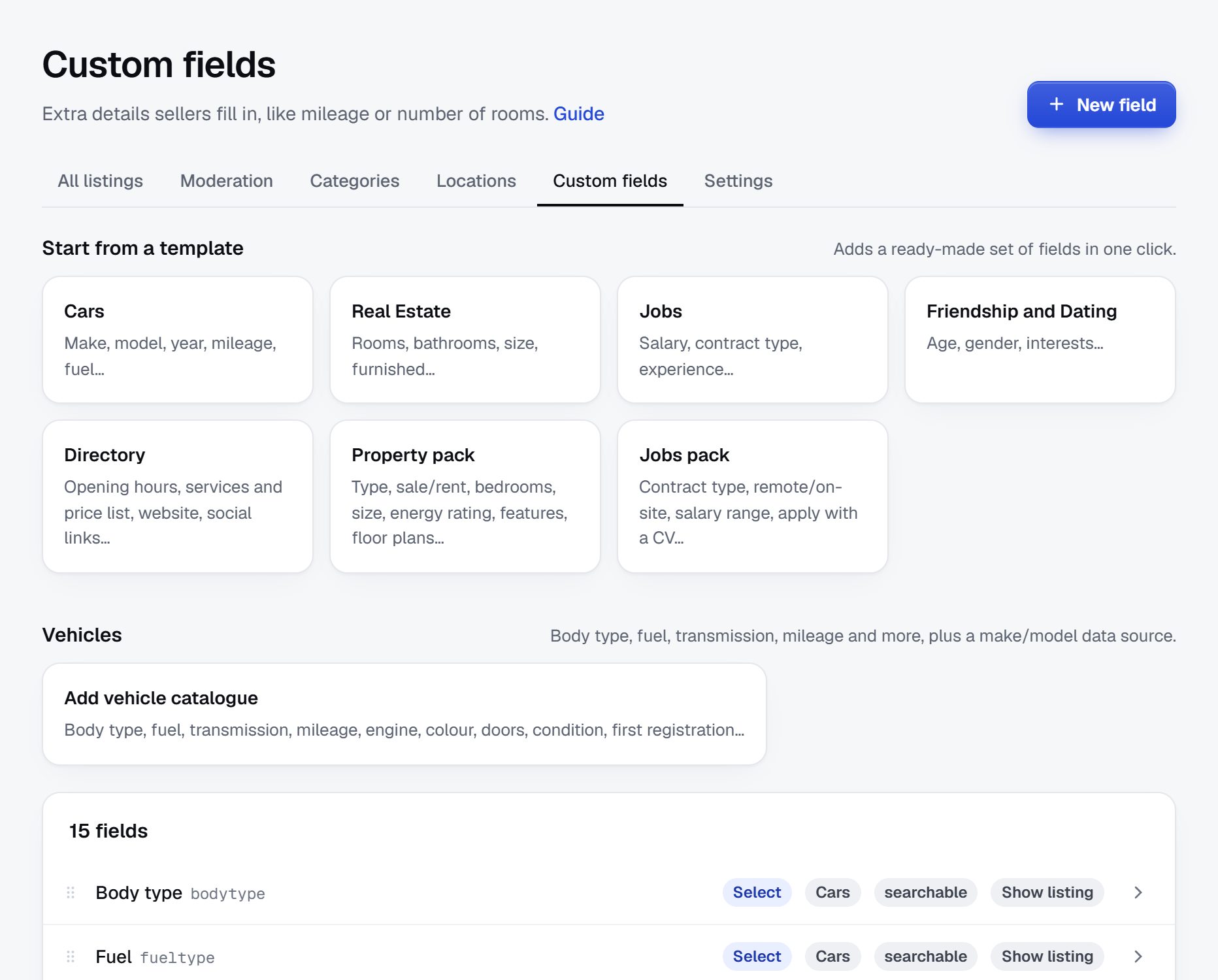
Families search by the help their relative needs and the hours they need it. Keep categories to types of service, and use fields for the details. Only include services that your legal advice says the providers on your site may offer.
- Provider type: licensed or registered agency, independent carer. Ask agencies for their license or registration number where one applies.
- Services as checkboxes: companionship, meal preparation, errands and transport, light housekeeping, personal care, medication reminders.
- Hours offered: a few hours a week, daily visits, overnight, live-in.
- Experience: dementia, mobility and transfers, end of life support alongside a hospice team.
- Languages spoken, which matter a great deal to many older people.
- Area covered as a dropdown of towns or neighborhoods.
- Hourly rate range, if providers are willing to show one.
- Drives with own car, for errands and appointments.
Medical care at home, such as nursing or wound care, usually involves stricter rules. Leave it out unless your advice says otherwise and the providers hold the right licenses.
| Category | Example listings | Fields families filter on |
|---|---|---|
| Companionship | Weekday afternoon visits, walks and conversation | Hours offered, languages, area |
| Help around the home | Meal preparation, laundry, light cleaning | Services, hours offered, area |
| Errands and transport | Rides to appointments, grocery shopping | Drives with own car, area, hours |
| Respite for family carers | Four-hour visits so a spouse can rest | Hours offered, experience, area |
| Overnight and live-in | Night support, live-in carer arranged by an agency | Provider type, hours offered, languages |
| Dementia support | Daytime visits from carers experienced with dementia | Experience, provider type, area |
Adjust this list to what your legal advice allows; personal care and medical tasks are often regulated.
Earn from visibility, not from placing carers.
How you charge can change how the law sees your business. Taking a fee for each placement, or a share of every hour of care, can look like running an agency or a registry in some places. Discuss your model with your legal adviser before you switch anything on.
- Free listings for providers at first, so families see real choice in your area.
- Agency memberships with a fuller profile, more photos and a higher place in search, once agencies receive inquiries through the site.
- Featured listings for agencies that want to appear first in a town or for a service such as dementia support.
- Banner spaces for related local services: home safety modifications, medical alert devices, elder law firms, adult day programs.
- Set-price offers with checkout only where your advice allows it, for example a four-hour respite visit from a licensed agency, listed at a set price with a commission to you.
Never charge families to read listings or to contact a provider. People searching for care for a parent are often in a hurry and under strain, and a paywall will feel like exploiting that.
| Model | Works when | Switch it on |
|---|---|---|
| Free listings | You need providers in every town you cover | From launch |
| Agency memberships | Agencies get inquiries from the site | After a few months of steady requests |
| Featured listings | Several agencies compete in one town | Once each town has several agencies |
| Banner spaces | Local senior services want to reach families | When families visit every week |
| Set-price offers | Your legal advice allows them | Only after that advice |
Start with licensed agencies, then add carers carefully.
Agencies are the easiest first providers: they are visible, often licensed or registered, and always looking for clients. Independent carers come next, with more care in how you present them.
- Home care agencies in your area, from public registers of licensed agencies where they exist, local business listings and senior resource guides.
- Area agencies on aging and senior centers, which keep lists of local providers and may share your site with families.
- Hospital discharge planners and social workers, who help families arrange care at home after a stay.
- Faith communities, which often know carers who work privately.
- Respite and caregiver support groups, where family carers ask who to call.
- Nursing and caregiving courses at community colleges, whose graduates look for work.
Once you have a list of agencies, Yclas can import them as listings from a spreadsheet (CSV). Call each agency to confirm the details and ask them to complete the profile themselves. For independent carers, ask for a full name, a real photo, experience and references, and be clear on the site that the carer is independent and that families should check references themselves.
List providers, not promises. Your site connects families with providers; it does not vouch for them.
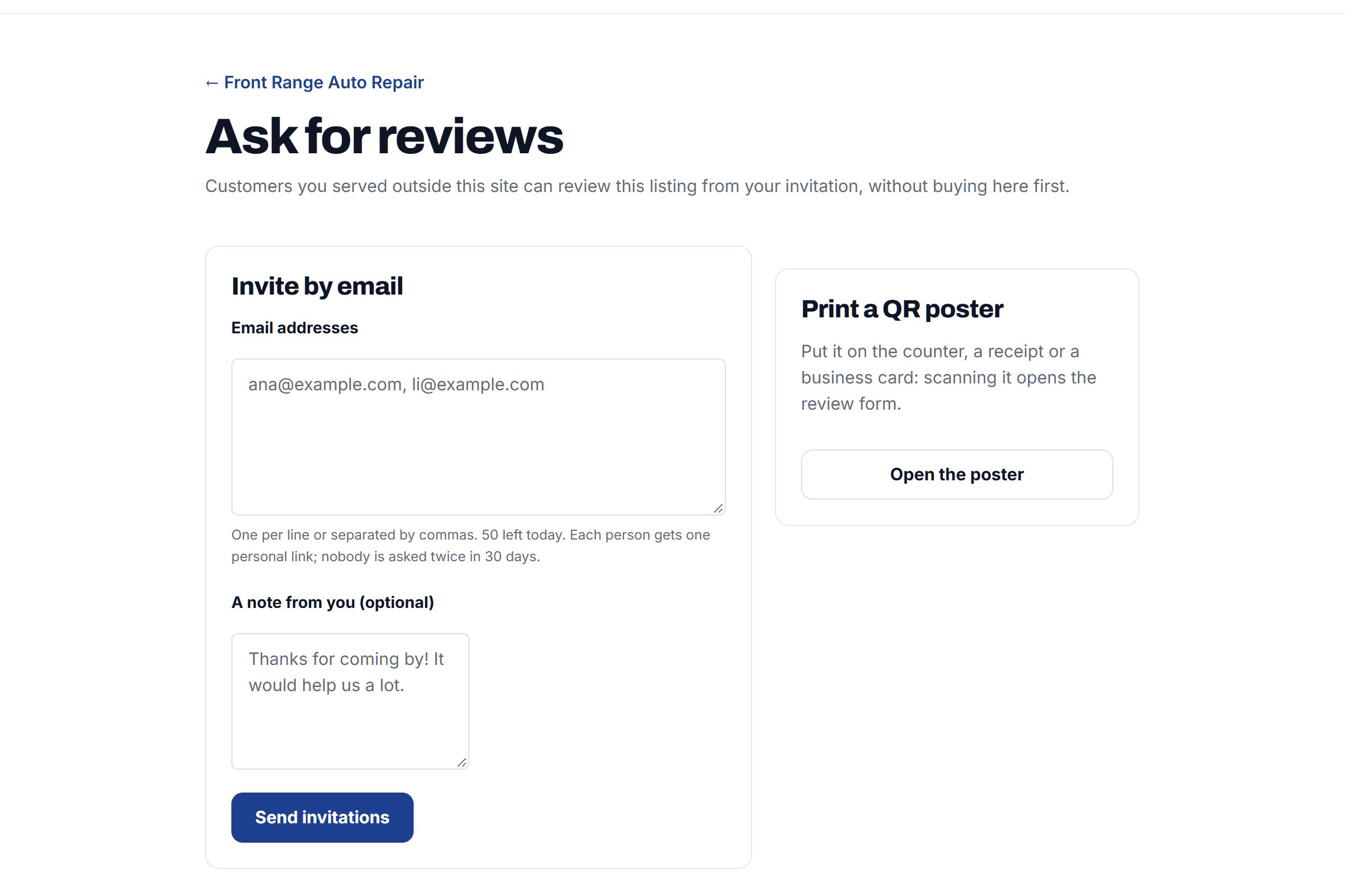
Protect vulnerable clients and never imply you vet carers.
The people receiving care may be frail, have memory loss or be isolated. This is the most serious trust problem on any service site, and your rules should say so.
- Do not present carers as vetted unless you really run checks and can say exactly which ones. Many families assume a site has checked everyone. Say clearly, on every profile and on a safety page, what you have and have not verified.
- Background checks: rules on checks for people who care for older adults vary by place, and agencies may run their own. Tell families to ask each provider what checks were done, by whom and when, and to ask for proof.
- Licensing: in some places agencies need a license or registration, and certain tasks need trained or licensed staff. Check the rules where you operate and ask agencies for their numbers.
- Employer duties: families who hire an independent carer directly may take on employer responsibilities such as taxes or insurance. Tell them to check what applies.
- Financial abuse: advise families never to let a carer handle bank cards, passwords or cash without oversight, and to watch for sudden changes in money matters.
- Reports: make it easy to report a profile, act on reports the same day, and tell families to contact the authorities if they suspect abuse.
Approve every listing before it is published, and remove any provider who misleads families.
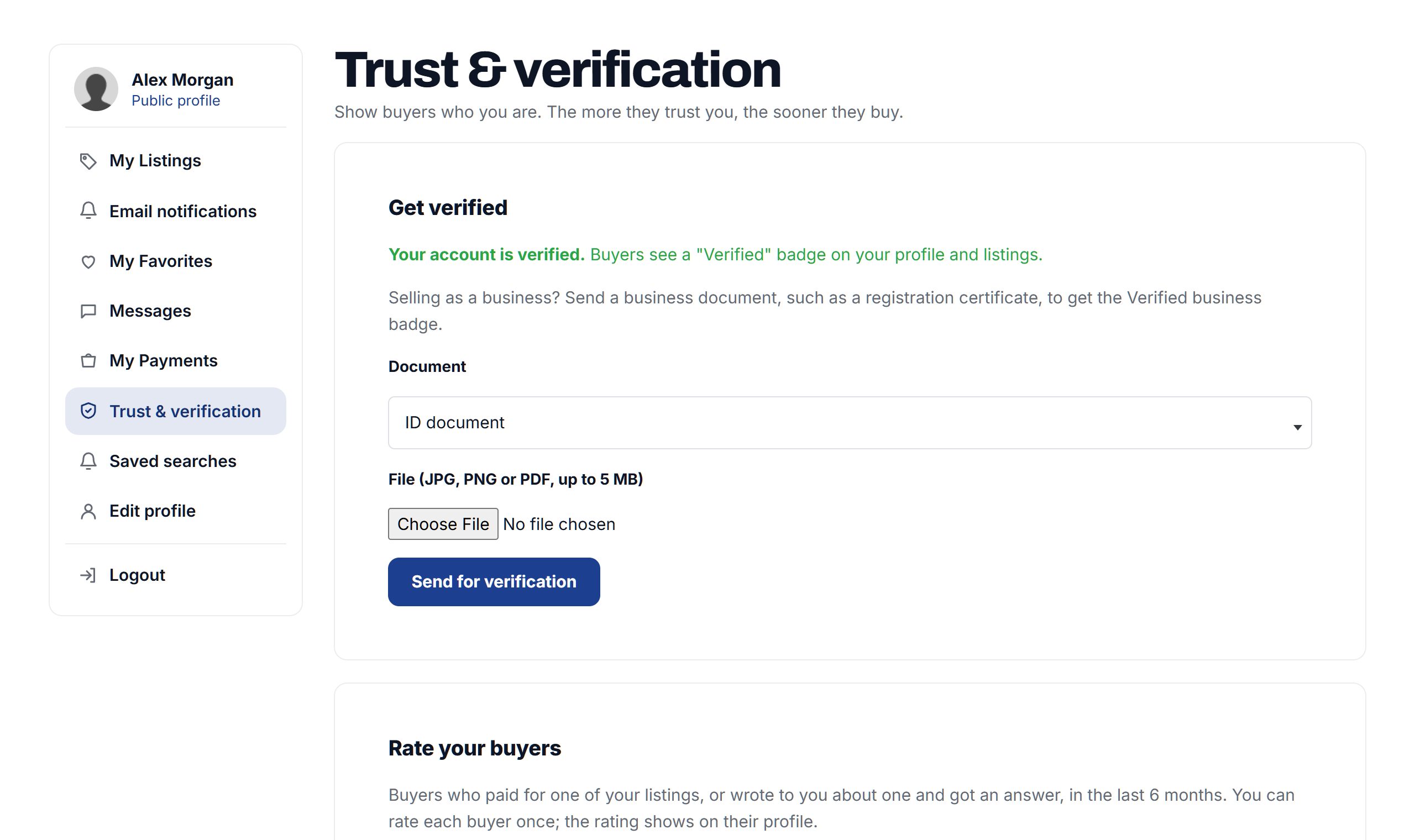
Rank for care searches by town, need and language.
Families search when something has changed: a fall, a hospital stay, a diagnosis. Typical searches:
- "home care near me", "in-home care for elderly Sacramento"
- "companion care for seniors", "overnight caregiver for elderly parent"
- "dementia care at home", "respite care for caregivers"
- "how much does in-home care cost", "home care vs assisted living"
- "Spanish-speaking caregiver", "live-in caregiver agency"
Build a page for each type of help in each town, and pages for each language where you have providers. Then write the guides families need in a hard week:
- "How to choose a home care agency": questions about licensing, background checks, training, backup carers and how complaints are handled.
- "Agency or independent carer": what changes for the family, including employer duties to check.
- A cost guide using rate ranges your providers share, and an honest list of what affects the price.
- "Planning care after a hospital stay", written with a local discharge planner if one will help.
- A plain list of local public services for older adults.
Write calmly and carefully. These readers are worried, and clear facts help more than sales copy.
Launch slowly in one county, with legal advice in hand.
Home care is not a niche to rush. Launch in one county once your legal advice, rules and safety page are written, and grow town by town.
- First area: a county with an older population and several licensed agencies, where you can visit the people who refer families.
- Partners: area agencies on aging, senior centers, hospital discharge teams, elder law attorneys, caregiver support groups, faith communities.
- Timing: there is no strong season, but family visits over Thanksgiving and the winter holidays often reveal that a parent needs help, and searches tend to follow in January.
- Events: senior fairs, caregiver support evenings and health fairs at community centers.
Checklist
- Get legal advice on whether your site needs a license or registration, and on your terms.
- Choose your county and the types of help you will list.
- Write rules, a safety page for families and clear wording on what you verify.
- Sign the licensed agencies first, then independent carers with references.
- Publish town pages and the "how to choose a home care agency" guide.
- Meet discharge planners and senior centers in person before you advertise.
A worked example: Orchard Lane Care Finder, Yakima Valley, Washington.
This is a fictional site, set out to show how a careful home care marketplace can work. Orchard Lane Care Finder covers Yakima, Union Gap, Selah, Sunnyside, Toppenish and Grandview. Many older residents there live on farms or in small towns far from their adult children, and a large share of families speak Spanish at home, which shapes both the search and the providers people want.
The category tree
- Agencies
- Companionship and help at home
- Overnight and live-in support
- Dementia support
- Independent companions
- Daytime company and meals
- Errands and rides
- Respite for family carers
Who it serves
Most families who write are adult children living in Seattle, Spokane or out of state, arranging help for a parent after a fall or a hospital stay. On the provider side there are licensed home care agencies and a smaller group of independent companions who offer non-medical help such as company, meals and rides, and who state on their profiles that they are not employed by an agency.
How it started
The founder was a hospital social worker who spent years handing families a photocopied list of agencies, many of them out of date. Before building anything she paid for advice from a lawyer who knew the state's care rules and asked three questions: whether a site that lists providers counts as an agency or a registry, which services independent carers may advertise, and how she could charge without changing the answer to the first question. She followed that advice to the letter, which is why personal care sits only under agencies on her site and why no fee depends on hours of care.
She started with the agencies on the public list for the county, called each one to confirm services, languages and areas, and published those profiles first. Independent companions came later, each with references and a clear note that the family must check them.
How it makes money
Families never pay. Agencies pay for memberships with fuller profiles and for featured spots in the towns where they want more clients. A home modification contractor, a medical alert company and an elder law firm buy banner spaces on the guide pages. Every model was cleared with the founder's lawyer before it went live.
| Listing | Rate shown | Key details |
|---|---|---|
| Weekday companionship visits from a licensed agency | From $34 per hour | Four-hour minimum, English and Spanish, covers Yakima and Selah |
| Respite afternoons for family carers | From $36 per hour | Agency staff with dementia experience, weekday and Saturday visits |
| Overnight support at home | From $290 per night | Agency arranges a carer for the night, states whether awake or asleep |
| Independent companion, weekday afternoons | $24 per hour | Non-medical help only, references available on request, drives own car |
| Rides to appointments and grocery runs | $28 per hour, two-hour minimum | Independent companion, covers Sunnyside to Grandview, families check references |
The first 90 days, carefully paced.
A home care marketplace should take longer to open than most service sites, and the first weeks should involve no marketing at all. Legal advice comes first, then the wording on every page, then the providers, and only then the families. Rushing this order is how a well-meant site ends up looking like an unlicensed agency, or promising safety it cannot deliver.
Plan the weeks around the people who matter most to families: the licensed agencies, and the discharge planners, social workers and senior centers who already advise them. These people are cautious with new websites, and they will look at your safety page and your wording about checks before they share your link. Meeting them in person is slower than email, but one discharge planner who trusts the site can send more families than any ad.
Keep a written record of every decision you make on your lawyer's advice: what you list, what you do not, how you charge. You will need it when you expand to a new county, and it shows partners you took the rules seriously.
| Weeks | Focus | Done when |
|---|---|---|
| 1 to 2 | Legal advice | A lawyer who knows local care rules has answered whether your site needs a license or registration, which services may be listed and how you may charge |
| 3 to 4 | Rules and wording | Terms, provider rules, a family safety page and the text on every profile about what is and is not verified are written and reviewed |
| 5 to 6 | Licensed agencies | Every licensed agency in your first county is listed from public sources, called and asked to complete its profile |
| 7 to 8 | Referrers | Meetings held with at least two discharge teams, the area agency on aging and three senior centers |
| 9 to 10 | Independent companions | First independent companions listed with full names, real photos, references and the independence notice |
| 11 | Pages for families | Town pages, the guide to choosing an agency and the guide to hiring an independent carer are published |
| 12 | Open and listen | First family requests answered by providers, every report handled the same day, and feedback from referrers collected |
Ways to build a home care marketplace.
The tools matter less here than the rules, but the right tools make the rules easier to keep. A home care site needs every listing approved before it goes live, wording you control on every profile, provider types shown clearly, private messages so a family can describe a parent's needs without publishing them, and fast handling of reports. It does not need instant booking or payment for hours of care, and adding them may change how the law sees your business, so ask your lawyer before you consider either.
A custom build
Developers can build exactly what your legal advice describes, including detailed audit records of what you checked and when. The cost is high, the timeline long, and you are fully responsible for protecting the sensitive health details families share in messages.
Software on your own server
A directory or classifieds script, or a WordPress plugin, can list agencies cheaply. Families will write about diagnoses, medications and money, so you must keep that server secure, updated and backed up, and plan what happens to those messages if the site closes.
A hosted builder
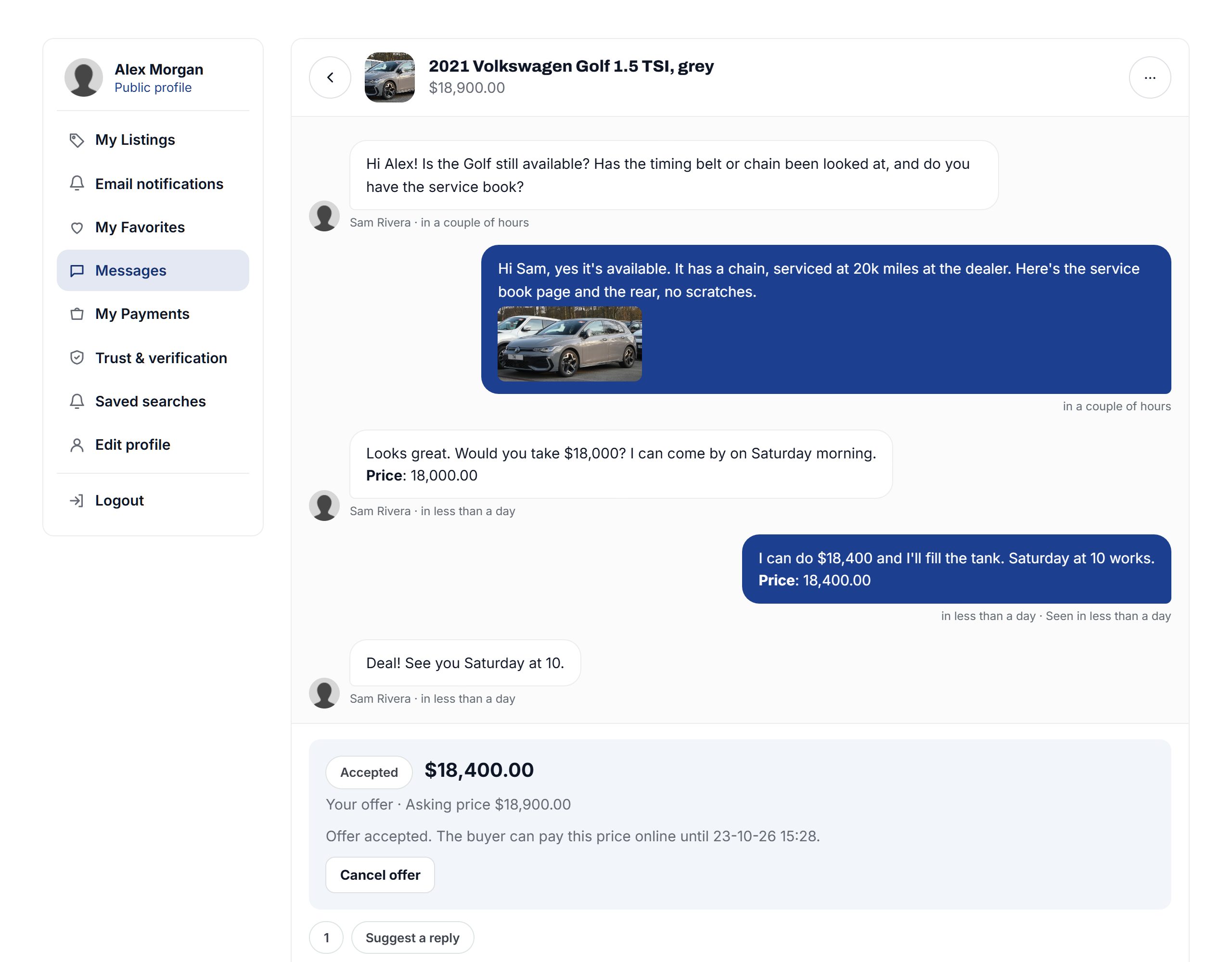
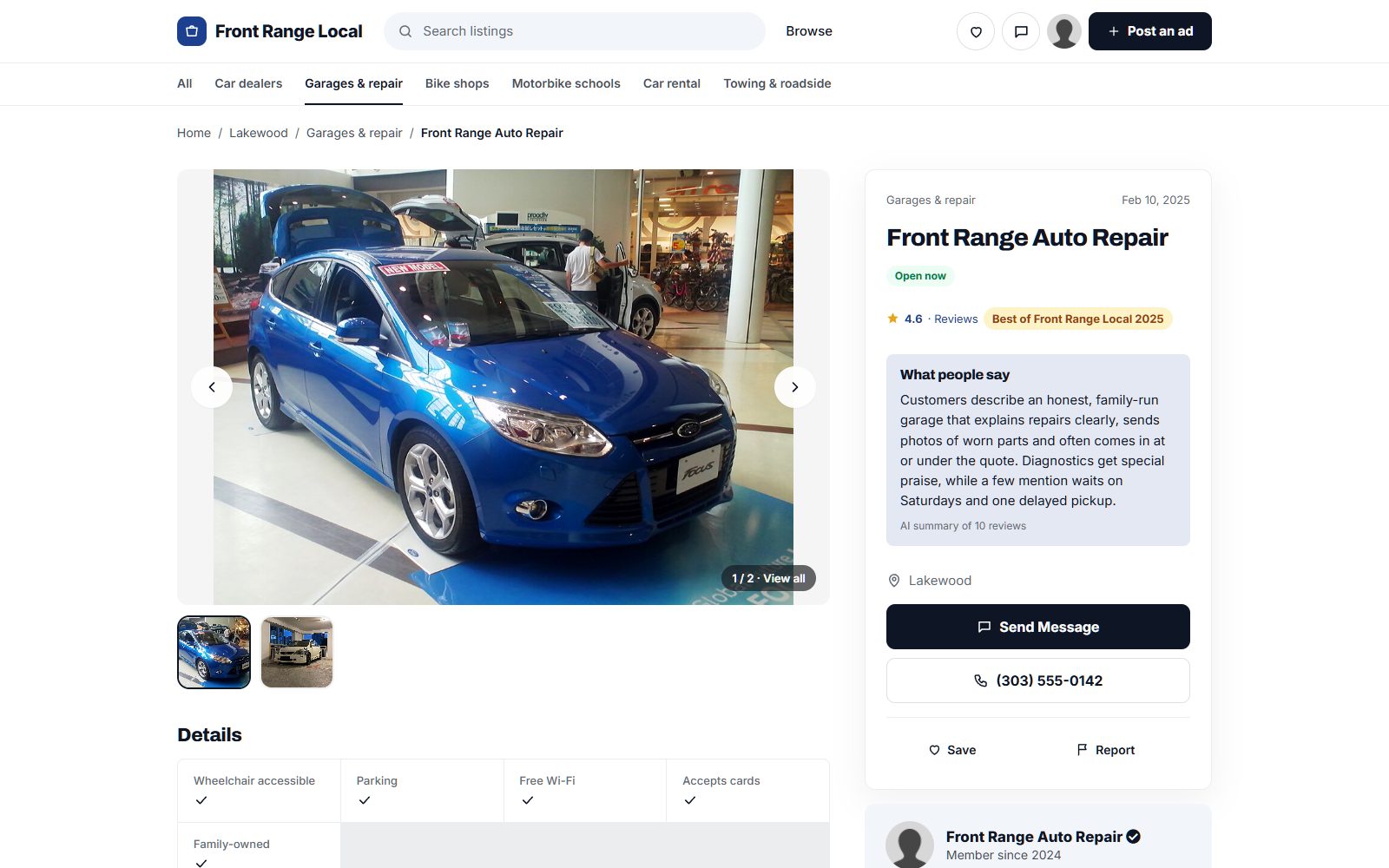
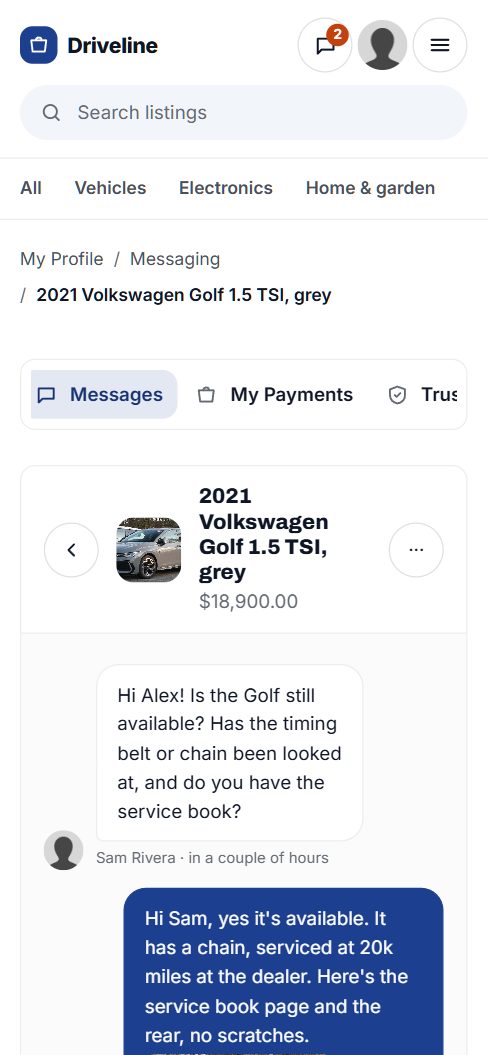
A hosted builder such as Yclas gives you listing approval, reports, custom fields and private messages without running a server, which leaves your time for agencies, referrers and legal questions. With any route, read the privacy terms with your lawyer, because families will share health information through the site.
| Route | Fits when | Watch out for |
|---|---|---|
| Custom build with developers | Your legal advice calls for specific records or workflows no tool offers | High cost, and full responsibility for protecting families' health details |
| Directory script on your own server | You have strong technical skills and time for security work | Updates, backups and the safety of sensitive messages are all yours |
| WordPress with a directory plugin | You already run a caregiver blog or resource site | Plugins that store messages or forms in ways you have not reviewed |
| Hosted builder | You want listing approval, reports and private messages ready to use | Read the privacy terms with your lawyer before families start writing |
What a home care marketplace costs to run.
The software is the smallest part of the bill. Most of the cost is your time in the first months: finding the first listings, answering questions and checking what gets posted.
Set money aside for legal advice before launch: it is the most important cost in this niche. If you decide to run identity or background checks on independent carers, budget for the provider's fees and for handling consent and data carefully.
| Cost | Typical range | On Yclas |
|---|---|---|
| Domain | $10 to $20 a year | Your own, with SSL included |
| Software and hosting | $0 to $100+ a month, plus plugins and updates | Marketplace $149 a month for checkout and commission |
| Design | $0 to $100 for a theme, or a designer | 109 looks included |
| Payment fees | About 3% per payment | Your Stripe or PayPal fees; Yclas takes nothing |
| Your time | 5 to 10 hours a week at the start | Finding listings, moderation, support |
Mistakes that put home care marketplaces at risk.
- Building before getting legal advice. Founders often design the site and the pricing, then discover that introducing carers for a fee makes them a regulated agency or registry where they operate. Get advice first and design around it, not the other way round. Redesigning a live site after a regulator's letter is far harder than starting with the right model.
- Calling carers vetted, screened or trusted. These words tell a frightened family that someone checked the person who will be alone with their mother. Unless you run real checks and can name them, do not use them anywhere, including in ads and social posts. Say instead exactly what you saw, such as an agency's license number, and tell families what they still need to check themselves.
- Charging per placement or per hour of care. Fees tied to placements or hours can look like an agency's business model. Earn from memberships, featured spots and banners, and ask your lawyer before you add anything that depends on care actually happening.
- Letting independent carers list regulated services. Personal care, medication handling or nursing tasks may be limited to licensed agencies or trained staff in many places. Restrict the services independents can select to what your advice allows, and review every new profile against that list.
- Publishing family requests. A public post such as "mom with dementia, home alone afternoons, needs help" exposes a vulnerable person to the wrong people. Keep every request in private messages between the family and the providers they chose.
- Blurring agency and independent profiles. Families often do not know the difference, and it matters for supervision, backup carers and employer duties. Show the provider type in large text on every profile and explain it on a page linked from each one.
- Slow response to reports. A report about a carer may be the only warning a family gets. Check reports daily, hide the profile while you look into a serious one, and tell the reporter to contact the authorities if abuse is suspected.
- Putting families behind a paywall or sign-up wall. People searching for care are stressed and short of time. Let them read every listing freely and ask for an account only when they send a message.
- Ignoring language. An older person who is more at ease in Spanish, Polish or Vietnamese may refuse help from someone they cannot talk to. Make languages a filter and recruit providers who speak the languages common in your area. Translate the safety page into those languages too, since the adult child searching may read English while the parent does not.
Home care terms families and founders meet.
These terms come up in agency profiles, family questions and legal advice, and their exact meaning can vary by place.
| Term | What it means |
|---|---|
| ADLs | Basic self-care tasks such as washing, dressing, eating, toileting and getting in and out of a bed or chair. |
| IADLs | Tasks needed to live on one's own, such as cooking, shopping, managing money, medication and transport. |
| Companion care | Non-medical help such as company, conversation, meals, errands and light housework. |
| Personal care | Hands-on help with bathing, dressing or toileting, often regulated more strictly than companion care. |
| Home health care | Skilled medical care at home from nurses or therapists, usually ordered by a doctor. |
| Respite care | Short-term care that gives a family carer time off, for a few hours or a few days. |
| Live-in care | A carer who stays in the home for set days, with agreed time for sleep and breaks. |
| Registry or referral agency | A business that introduces independent carers to families, which some places regulate separately from agencies. |
| Private pay | Care paid by the family directly rather than by insurance or a public program. |
| Long-term care insurance | Insurance that may pay for some care at home, depending on the policy's terms. |
| Care plan | A written description of the help a person needs, the schedule and who provides it. |
| Power of attorney | A legal document that lets a chosen person make certain decisions for someone else. |
| Elder financial abuse | Taking or misusing an older person's money or property through theft, pressure or deception. |
The same steps for a home care marketplace on Yclas.
- Describe your marketplaceThe setup wizard writes the categories, an About page and example listings from one sentence.
- Add fieldsThe details buyers filter on, as dropdowns, numbers or checkboxes.
- Bring sellersInvite them, import their stock from a spreadsheet, or post for them.
- Set the rulesChoose moderation, verified sellers, reviews and reports.
- Take paymentsOn Marketplace, buyers pay on the site and you keep a commission, with Stripe.
What is the biggest cost in starting a home care marketplace?
Legal advice, because the way you list and charge providers can decide whether your site counts as a care agency or registry where you operate. Printed material for senior centers and a few local ads cost far less.
Does my site need a care agency license?
It might. In some places a business that introduces, places or schedules carers must be licensed or registered, so get advice from a local lawyer before you launch and before you change how you charge.
Should I run background checks on carers?
Rules vary by place, and checks only help if you do them properly and describe them accurately. Whatever you decide, tell families exactly what was and was not checked, and urge them to check references themselves.
How do I make money without acting like an agency?
Charge for visibility rather than placements: agency memberships, featured listings and banner spaces for related senior services. Ask your legal adviser before taking any fee tied to hours of care or placements.
Where do I find the first providers?
Licensed home care agencies in your county, area agencies on aging, senior centers, hospital discharge planners, faith communities and caregiving courses at community colleges.
Can families book care hours on the site?
Families send a request through on-site messages describing their relative, the help needed and the hours, and providers reply. Care plans need a conversation and often a home visit, so instant booking would not suit them anyway.
How can a small site compete with large care websites?
Know your county better: every licensed agency, the languages carers speak, local public services and the people who refer families. Large sites cover many places thinly, and local referrers prefer someone they have met.
Should independent carers and agencies be on the same site?
They can be, if your legal advice allows both and every profile shows clearly which kind it is. Many families prefer agencies for supervision and backup cover, while others want a familiar independent companion, so explain the difference instead of choosing for them.
Can I accept reviews about carers?
Yes, with care. Reviews help families, but a review can also name a vulnerable person or describe their health. Moderate every review before it is published, remove private details, and let providers reply to criticism in a calm, factual way.
What should families ask a provider before the first visit?
Who exactly will come, what training and checks that person has, who covers if they are ill, how complaints are handled, and what the total cost will be. Publish this list on your site and link it from every profile and every message form.
Can I expand to a neighboring county or state?
Only after checking the rules there, since licensing and registration for home care can differ between states and sometimes counties. Treat each new area as a fresh legal question, even if the site itself does not change.
How do I handle a provider who claims a license they do not have?
Remove the claim or the listing straight away, and check public licensing lists where they exist before you restore it. Tell families on your safety page how to look up a license themselves, so they do not rely on what a profile says.
Related pages.
The parts of Yclas this leans on.
You have the plan. Now build your home care site, carefully.
Describe your site in a sentence and the setup wizard writes the categories, example listings and a look. Free for 15 days, no credit card.
Start my marketplace