How to build a coffee and tea marketplace for small roasters and tea makers.
This guide covers how to build a marketplace for small coffee roasters and tea sellers: choosing a focus, the origin, process and roast date fields drinkers filter on, a commission that fits thin margins, where to find the first roasters and tea sellers, freshness and labelling questions, and how to launch around the holiday gift season.
Free for 15 days · No credit card · Plans from $19 a month
Put many small roasters and tea makers on one shelf.
Specialty coffee drinkers like to try new roasters, and tea drinkers like to compare harvests and gardens. Today that means visiting a dozen small web shops, each with its own shipping charge and checkout. A marketplace that gathers small roasters and tea sellers, with one cart and filters for origin, process and roast date, makes discovery easier and gives small sellers buyers they would never reach alone.
Sellers are micro roasters, roasters attached to a café, tea importers, tea blenders, small tea farms selling direct, and herbal tea makers. Buyers are home brewers with a grinder and a scale, tea drinkers who buy loose leaf, offices, and people buying gifts.
Pick your angle
- One country or region, so roasters can ship quickly and beans arrive fresh.
- Coffee only, tea only, or both. Both widens the audience, but each side has its own vocabulary and filters.
- One style: light-roast single origins, decaf, Japanese green tea, Chinese oolong and pu-erh, or herbal blends from local growers.
Today this trade happens on roasters' own shops, at coffee festivals and farmers markets, through tasting events at cafés, and in coffee and tea forums and groups where drinkers recommend roasters to each other.
Freshness and origin are what these buyers pay for. Show both on every listing.
Filter by origin, process and roast date, not just by price.
Coffee and tea buyers read details that other shoppers skip. Make those details fields, so they can be filtered and compared, instead of leaving them in the description.
- Roast date as a date field, required on all coffee. Many buyers will not buy beans without one.
- Whole bean or ground, and if ground, the grind size for espresso, filter or French press.
- Origin by country and, where known, region, farm or tea garden.
- Process for coffee: washed, natural, honey, and experimental processes such as anaerobic fermentation.
- Tea type and harvest: green, white, oolong, black, pu-erh, herbal, with the harvest year or season such as first flush.
- Bag size as a number in ounces or grams, so price per ounce is easy to compare.
Tasting notes belong in the description, not in a filter. They are useful but too varied to sort by. Altitude and varietal, such as Gesha or Bourbon, can be optional fields for the buyers who care about them.
| Category | Example listings | Fields buyers filter on |
|---|---|---|
| Single-origin coffee | Ethiopian washed, Colombian natural, Kenyan AA | Origin, process, roast level, roast date, bag size |
| Blends and espresso | House espresso, breakfast blend | Roast level, intended brew method, whole bean or ground |
| Decaf | Swiss Water and sugarcane process decafs | Decaf method, origin, roast date |
| Green and white tea | Sencha, gyokuro, silver needle | Origin, harvest year, loose or bagged, weight |
| Oolong, black and pu-erh | Taiwanese high mountain oolong, Darjeeling, aged sheng | Oxidation level, harvest, origin, cake or loose |
| Herbal and gear | Local herb blends, pour-over drippers, teapots | Caffeine-free, ingredients, material |
Fields can be text, numbers, dropdowns, checkboxes or dates, required or optional, and every one can be a search filter.
Keep the commission light, because coffee margins are thin.
Small roasters work on narrow margins after green coffee, packaging, roasting and shipping. Tea sellers are often in a similar position. A high commission pushes them back to their own web shops, so your fee must match the extra customers you send.
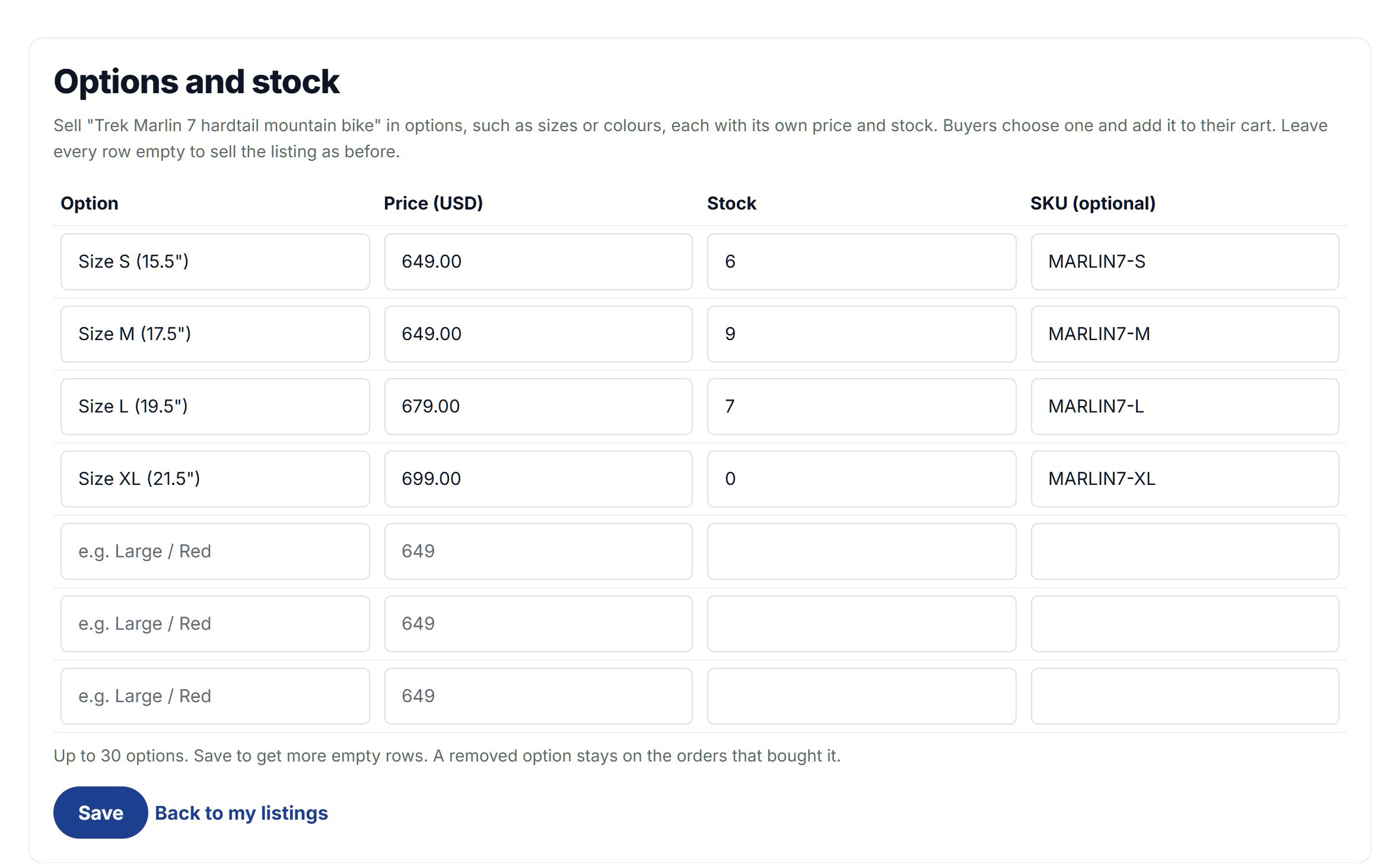
- Commission per sale: start low and keep it the same across categories. Explain clearly what it pays for: new customers, card payments and one cart across several roasters.
- Buyer service fee: drinkers order often but in small amounts, so test a fee only once repeat buyers are common.
- Seller memberships suit roasters with a full menu who want a lower rate and a featured profile.
- Featured listings fit new harvests, limited lots and seasonal blends that sell out quickly.
- Banner spaces can go to equipment shops, grinder repair services and coffee schools once traffic grows.
Shipping is set per seller, so each roaster keeps control of their own rates. Coffee subscriptions are popular, but treat repeat orders as something to encourage, not something you promise to automate.
| Model | Works when | Switch it on |
|---|---|---|
| Commission per sale | Drinkers buy from several roasters in one cart | From launch, at a rate roasters can absorb |
| Buyer service fee | Repeat buyers order regularly | After repeat orders become normal |
| Seller memberships | Roasters list full menus and change lots often | Once a group of roasters lists every week |
| Featured listings | Limited lots and new harvests need attention | Around harvest arrivals and holidays |
| Banner spaces | Equipment sellers and coffee schools want drinkers | When monthly visits are steady |
Sign up roasters and tea sellers one cup at a time.
Roasters and tea sellers are usually small teams that care about their craft. They will listen if you show you understand it and that you will send them buyers who appreciate it.
- Local micro roasters: visit, buy a bag, ask about their lots. Many roast in small spaces and sell through a café or farmers market.
- Coffee festivals and expos, where dozens of roasters stand in one hall.
- Tea shops and importers who buy direct from gardens and want a wider audience for limited harvests.
- Farmers markets, where herbal tea growers and small roasters often have stalls.
- Home roasting and tea forums, where drinkers can point you to the roasters they respect.
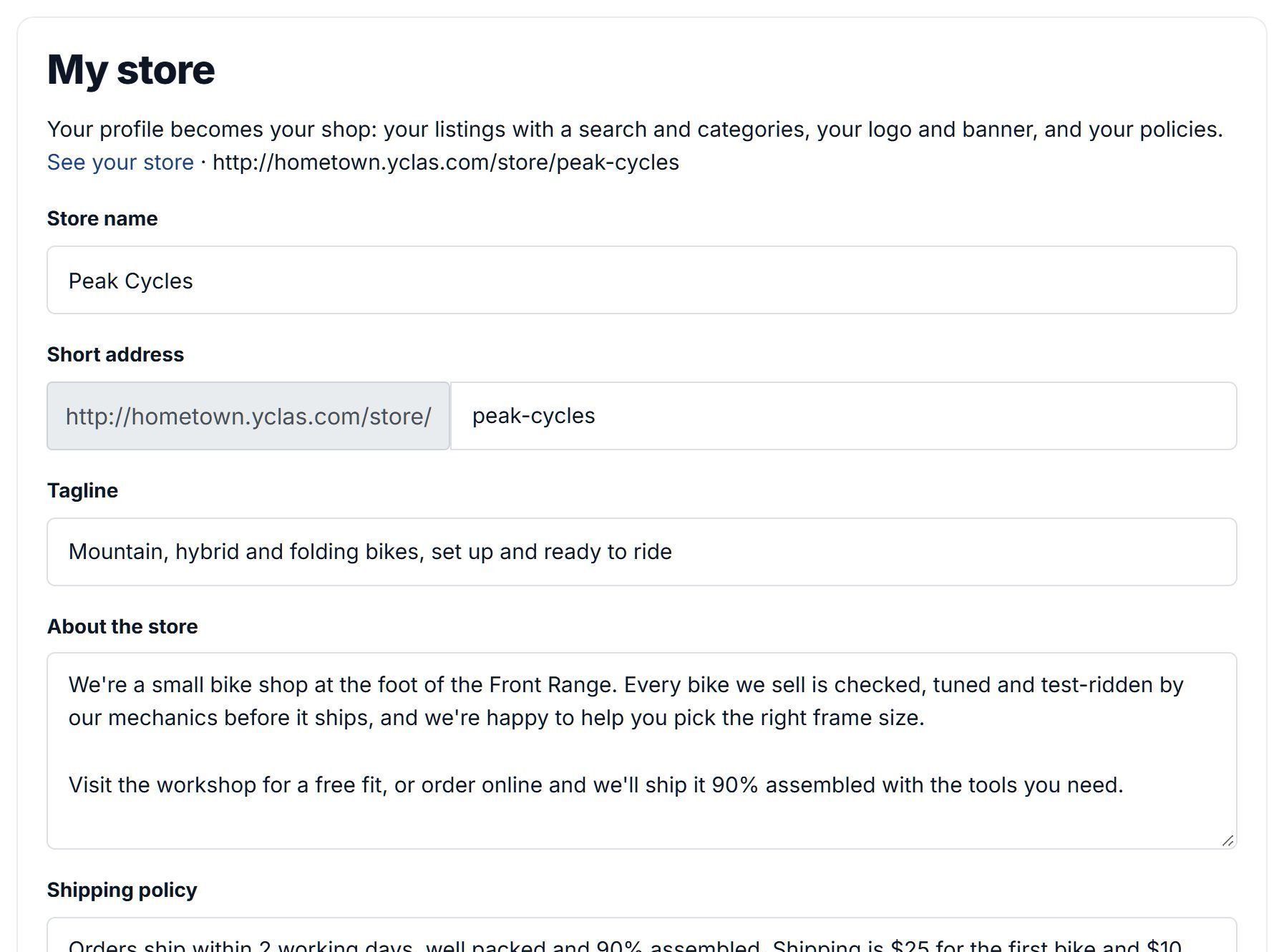
A roaster's menu changes often, so make listing fast. Offer to import the current menu from a spreadsheet, and let roasters use the AI listing from a photo of a bag to fill in title, description, category and price for them to check.
Aim for range before volume. Ten roasters with different styles make a better shop window than thirty with the same medium-roast blend.
Protect freshness, honest origins and food rules.
Coffee and tea are food, so food rules apply. Depending on where you operate, roasters and tea sellers may need a registered food business, labelling with net weight and the seller's details, and allergen information on blends with added flavors. Check the rules where you and your sellers operate, and make following them a condition of selling.
- Stale coffee: require roast dates and remove listings that hide them. Set a rule for how old beans can be when shipped.
- Misleading origins: famous origins such as Kona or Jamaica Blue Mountain are sometimes sold as blends with only a small share of the named coffee. Require the true percentage in the title when a blend uses a famous name.
- Tea mislabeling: aged pu-erh and named gardens are sometimes faked. Ask sellers for harvest years and sources, and remove sellers who misstate them.
- Health claims: herbal teas often come with claims about sleep or detox. Ban medical claims and use banned words and AI moderation to catch them.
- Returns: opened food is not returnable in most cases. Allow returns for damaged or wrong items, and say so clearly.
- Payment scams: keep orders on the site and warn buyers about sellers who ask to be paid directly.
Rank for origins, processes and brew methods.
Coffee and tea searches mix origin, process and brew method. Each listing page and filter page you build can match one of these searches.
- "natural process Ethiopian coffee beans"
- "fresh roasted decaf whole bean"
- "high mountain oolong loose leaf"
- "small batch coffee roasters in Colorado"
- "best coffee for pour over light roast"
Set your title pattern as origin, process, roast and roaster, so each listing's title answers the search. Then build pages that drinkers want to read:
- Origin pages: every coffee from Kenya, every tea from Taiwan, with a short note on the flavors that region is known for.
- Brew method pages: coffees roasters recommend for espresso, pour-over or cold brew.
- Roaster and tea seller profiles with their story and how they source.
- Guides: how to read a coffee bag, washed versus natural, how to store tea, what first flush means.
- Gift guides before the holidays and Father's Day.
Roasters link to their own profiles and share new lots on social media, which brings regular visits.

Open before the holidays and follow the harvest calendar.
Coffee and tea sell all year, but gift buying in November and December is the strongest period for most small roasters and tea shops. Tea also has a calendar of its own: spring first flush and new green teas create excitement each year. Coffee harvest arrivals vary by origin, so let roasters announce new lots as they land.
First community
Pick one region and recruit fifteen to twenty roasters and tea sellers with different styles. A buyer should be able to find a light roast, a dark roast, a decaf, a good green tea and an oolong on day one.
Partners
- Coffee festivals and barista competitions that can list you as a supporter.
- Local cafés that sell beans from several roasters.
- Tea clubs and tasting groups that meet in person.
Checklist
- Roast date, origin and bag size required on every coffee.
- Rules on origin blends, health claims and food registration written.
- Shipping rates set by each seller and checked with a test order.
- Origin and brew method pages created.
- Gift guide ready before November.
A worked example: Lakeshore Bean and Leaf in Michigan.
Lakeshore Bean and Leaf is a made-up marketplace, sketched here to show how this guide's steps add up for one real state. It brings together small coffee roasters and tea sellers across Michigan, from Detroit and Ann Arbor to Grand Rapids, Traverse City and the towns along the Lake Michigan shore, where many roasters started in a garage or the back of a café.
Who it serves
Buyers are home brewers with a burr grinder and a pour-over setup, espresso drinkers who go through a bag a week, loose-leaf tea drinkers, small offices that order for the break room, and gift buyers in November and December. Sellers are eleven micro roasters, two cafés that roast their own beans, a tea importer who buys from gardens in Taiwan and Darjeeling, a blender of herbal teas from Michigan-grown mint and chamomile, and a potter who makes teapots and pour-over cones.
Categories
- Coffee
- Single origin
- Blends and espresso
- Decaf
- Tea
- Green and white
- Oolong and black
- Herbal
- Brewing gear and teaware
- Gift boxes
How it started
The founder ran a weekend coffee cart at a farmers market in Kalamazoo and bought beans from three different roasters to keep her menu interesting. Her customers kept asking where to buy those roasters' beans, and each roaster had a separate shop with its own shipping charge. She made roast date, origin, process, roast level and bag size required on every coffee, and harvest and oxidation required on every tea, before asking anyone to list.
Her first seven roasters came from a regional coffee festival, where she visited every booth on a quiet Sunday afternoon. She imported their menus from spreadsheets and set a rule that no coffee ships more than three weeks after its roast date. The tea importer joined after reading her guide to Taiwanese oolong, and the herbal blender came from the same farmers market as her cart. She tasted a bag from every roaster before inviting them and turned down two whose beans arrived with no date on the bag.
How it makes money
Drinkers check out once for bags from several roasters, each roaster sets its own shipping, and the site keeps a commission on every sale, priced with roasters' thin margins in mind. Four roasters pay for memberships with a lower rate and a featured profile. Limited lots, such as a small batch of Gesha or a first flush Darjeeling, are promoted with featured listings when they arrive.
One cart for many small roasters, and a roast date on every bag: that is the whole pitch.
| Listing | Price | Key details |
|---|---|---|
| Ethiopia Guji washed, light roast | $19 | 12 oz whole bean, roasted October 14, notes of jasmine and lemon, roasted in Grand Rapids |
| House espresso blend, medium-dark | $16 | 12 oz, Brazil and Colombia, whole bean or ground for espresso, roasted weekly |
| Swiss Water decaf, Colombia | $17 | 12 oz whole bean, decaf method stated, roasted October 12 |
| Taiwanese high mountain oolong | $24 | 50 g loose leaf, spring harvest this year, lightly oxidized, sourced direct from the garden |
| Michigan mint and chamomile blend | $11 | 1.5 oz loose leaf, caffeine-free, full ingredient list, grown and blended in the state |
The first 90 days of a coffee and tea marketplace.
The holiday gift season is the strongest stretch for most small roasters, so line your ninety days up to open in late October or early November. That means starting in August, when roasters are planning their holiday blends and have a little time to talk.
Start with the freshness rules and the fields, because they shape every listing. Decide how old beans can be when they ship, how roasters show roast dates, and how a blend that uses a famous origin name must state the percentage. Then test the cart with orders from three roasters at once and check that each roaster's shipping comes out the way they expect.
Recruit for variety, not volume, and keep a simple list of the styles you still lack. Plan your list so that by opening day a drinker finds a light roast, a dark roast, a decaf, an espresso blend, a green tea, an oolong and an herbal blend.
Taste as you go. Order a bag or tin from every new seller, brew it the way a customer would, and check that the bag matches the listing. It is also the easiest way to start an honest conversation with each roaster. Keep a short tasting note for every seller, so when you write their profile or a gift guide you can describe their coffee in your own words.
| Weeks | Focus | Done when |
|---|---|---|
| 1-2 | Pick your region, decide coffee, tea or both, and set roast date, origin, process and harvest fields | A test coffee and a test tea each show the right filters |
| 3-4 | Write freshness, origin naming, food registration and health claim rules, and the returns policy | Rules are published and the maximum bean age at shipping is stated |
| 5-6 | Visit local roasters and a regional coffee festival, order samples | Eight roasters and two tea sellers have agreed to list |
| 7-8 | Import menus from spreadsheets and test a three-roaster cart | Ten sellers live and one test order delivered from several sellers |
| 9-10 | Fill the gaps in style and write origin and brew method pages | Every core style has at least two choices and three guides are published |
| 11 | Build the gift guide and agree featured holiday lots with sellers | Gift guide drafted and holiday listings scheduled |
| 12 | Open to drinkers and ask sellers to share their profiles | First outside orders roasted, shipped and delivered on time |
Three routes to a coffee and tea marketplace.
What this niche needs from software is specific: date fields for roast dates, dropdowns for process, roast level and tea type, number fields for bag size so drinkers can compare value, a cart that combines bags from several roasters with each seller's own shipping, and quick listing because menus change every few weeks. Any route you pick has to handle that turnover without making roasters type everything again.
Commissioning developers is the right call only if you want something packages rarely offer, such as automatic recurring orders charged on a schedule or a live sync with each roaster's own shop. Both are real projects with real upkeep, and a small marketplace can usually prove demand without them.
A marketplace script or WordPress plugin on your own server is common among coffee shops, and some roasters will know their way around it. Before choosing, check that it handles payments across many sellers, commission per order and per-seller shipping. Single-store tools are plentiful, multi-seller ones less so, and you carry the updates and backups.
A hosted builder such as Yclas is a good match for a founder who wants to spend time tasting and visiting roasters. Roast date and origin can be required fields shown as filters, menus can be imported from a spreadsheet, and a roaster can photograph a bag and have AI suggest the title, description, category and price for them to check. Write your field list first and confirm each one fits, especially the roast date and bag size fields your freshness rules depend on.
Whichever route you choose, ask two roasters to list a new lot and time how long it takes them. If it takes longer than roasting the lot, they will stop updating their menus.
| Route | Fits when | Watch out for |
|---|---|---|
| Developers build it | Recurring orders or a sync with roasters' shops is central to your idea | Build time, cost, and keeping integrations working as roasters change shop systems |
| Script or plugin on your server | You or a partner run servers and want full control | Multi-seller payments, commission, shipping per roaster, upkeep |
| Hosted builder | You want to spend your time on roasters, tasting and content | Confirm date fields, filters and imports cover your freshness rules |
What a coffee and tea marketplace costs to run.
The software is the smallest part of the bill. Most of the cost is your time in the first months: finding the first listings, answering questions and checking what gets posted.
Expect to buy sample bags and tins to check new sellers, and to spend some time with your local food authority or a food lawyer before writing your seller terms. Card processing fees come out of each order.
| Cost | Typical range | On Yclas |
|---|---|---|
| Domain | $10 to $20 a year | Your own, with SSL included |
| Software and hosting | $0 to $100+ a month, plus plugins and updates | Marketplace $149 a month for checkout and commission |
| Design | $0 to $100 for a theme, or a designer | 109 looks included |
| Payment fees | About 3% per payment | Your Stripe or PayPal fees; Yclas takes nothing |
| Your time | 5 to 10 hours a week at the start | Finding listings, moderation, support |
Where coffee and tea marketplaces go wrong.
- Letting roasters skip the roast date. Specialty buyers read it before the price. Without a required date field you will end up with bags of unknown age, and one stale order can lose a repeat customer for every roaster on the site. Set a maximum age at shipping as well, and remove listings whose roast date never changes.
- Listing grocery-store brands. Big brands sold through resellers fill the shelves quickly but tell drinkers this is just another online shop. Keep the site to roasters and tea sellers who source and roast or pack themselves. A roaster's story is half of what drinkers pay for.
- Allowing famous-origin blends without the percentage. A "Kona blend" with a small share of Kona is legal in some places but disappoints buyers who expected the real thing. Require the share of the named origin in the title or a field. The same goes for "Blue Mountain style" and similar names that borrow a reputation.
- Treating tea as a coffee afterthought. Tea drinkers notice when every filter is about roast level. If you include tea, give it its own fields for harvest, oxidation and form, and recruit at least a few serious tea sellers before opening. One well-known tea seller with a deep menu brings more tea drinkers than five roasters with a token green tea.
- Promising subscriptions you cannot run. Drinkers love the idea, but a promise of automatic monthly bags that turns out to be a reminder email damages trust. Encourage repeat orders honestly with saved searches and alerts, and say plainly how reordering works.
- Ignoring price per ounce. Roasters sell 8, 10, 12 and 16 ounce bags, and some sell in grams. Without a bag size field drinkers cannot compare value, and the roaster with the smallest bag looks cheapest. A number field in ounces or grams fixes this, and it costs sellers a few seconds per listing.
- Skipping food rules for herbal blends. Herbal tea sellers often come from the wellness world, where words like detox and immune are everyday language. Hold listings with health claims for review and check that blenders meet the food rules where they operate. Ask for full ingredient lists too, since blends can include nuts, citrus peel or flavorings that matter to people with allergies.
- Recruiting ten roasters with the same menu. A dozen medium-roast house blends make a dull shop. Recruit for range: light roasts, decaf, espresso, unusual processes and at least one roaster known for a single origin. Your empty searches will show which styles drinkers miss.
- Opening after the holidays. January is a slow month for gifts and many roasters are tired. Open in the fall so the gift season brings your first wave of buyers, and keep the spring tea harvest as your second push.
- Setting the commission like a gift shop. Coffee is a repeat purchase with thin margins. A rate that would be fine on handmade jewelry eats most of a roaster's profit on a 12 ounce bag, and they will quietly send their regulars back to their own shop. Start low and earn more through memberships and featured lots.
Coffee and tea terms you will use every day.
Roasters, tea sellers and their buyers use these words all the time.
| Term | What it means |
|---|---|
| Roast date | The day the beans were roasted, the freshness detail specialty buyers check first. |
| Green coffee | Raw, unroasted coffee beans as roasters buy them from importers or farms. |
| Single origin | Coffee from one country, region or farm rather than a blend. |
| Microlot | A small, separately kept lot of coffee from one farm or one part of a farm. |
| Washed process | Fruit is removed from the bean before drying, which usually gives a cleaner, brighter cup. |
| Natural process | The coffee cherry dries with the fruit still on, which usually gives a fruitier cup. |
| Honey process | Some of the sticky fruit layer is left on the bean while it dries. |
| Degassing | The release of carbon dioxide from freshly roasted beans in the days after roasting. |
| Cupping score | A quality score out of 100 from a standard tasting method, often quoted for specialty lots. |
| Varietal | The plant variety of the coffee, such as Bourbon, Typica or Gesha. |
| First flush | The first spring harvest of a tea garden, prized for Darjeeling in particular. |
| Oxidation | How much the tea leaf has reacted with air, which separates green, oolong and black tea. |
| Sheng and shou | Raw pu-erh that ages slowly, and ripe pu-erh that is fermented faster before sale. |
| Tisane | An herbal infusion made without the tea plant, usually caffeine-free. |
The same steps for a coffee and tea marketplace on Yclas.
- Describe your marketplaceThe setup wizard writes the categories, an About page and example listings from one sentence.
- Add fieldsThe details buyers filter on, as dropdowns, numbers or checkboxes.
- Bring sellersInvite them, import their stock from a spreadsheet, or post for them.
- Set the rulesChoose moderation, verified sellers, reviews and reports.
- Take paymentsOn Marketplace, buyers pay on the site and you keep a commission, with Stripe.
What is the cheapest way to start a coffee and tea marketplace?
Start in one region with a small group of roasters and tea sellers, a domain and a simple design. Spend your budget on samples and on visiting sellers rather than ads.
Do sellers need a food license?
In many places roasting coffee or packing tea for sale requires a registered food business or similar. The rules vary, so check them where you and your sellers operate.
How do I keep coffee fresh when it ships from many roasters?
Require a roast date on every coffee, set a maximum age at shipping, and ask roasters to roast to order or in small batches. Each roaster ships their own orders.
Can I offer coffee subscriptions?
You can encourage repeat orders with saved searches, email alerts and roaster profiles, but do not promise automatic subscriptions. Buyers reorder through the cart.
What commission is fair for roasters?
Keep it lower than you would for higher-margin goods, and show roasters what they get for it. Raise it only when you are clearly sending them new customers.
How do I compete with roasters' own web shops?
Do not compete: be the place where drinkers discover them. Many buyers try a roaster on your site and you both benefit when they return.
Should I sell brewing equipment too?
A small gear category helps, especially for grinders and pour-over kits, but keep it secondary to coffee and tea so the site stays focused.
Should I let cafés list drinks or only beans and tea?
Keep it to products that can be shipped or collected and stored, such as beans, tea and gear. Drinks need to be served fresh, which belongs to a café's own counter, not a marketplace. Cafés can still list their beans and promote their location on their profile.
How do I make sure origins and percentages are honest?
Ask sellers for the importer or garden behind each lot, require the share of any famous origin named in a blend, and remove sellers who misstate it. Tasting samples also tells you a lot about who is careful.
Do I need to sell coffee and tea from day one?
No. Many marketplaces start with one and add the other once the first is busy. If you include both, give each its own fields and sellers rather than one shared list.
How should sellers ship in hot or humid weather?
Beans and tea travel well, but chocolate-covered beans and some teaware need care. Ask sellers to pack for the season and to ship early in the week so parcels do not sit in a warehouse over the weekend.
Can I sell green coffee for home roasters?
You can, as its own category with fields for origin, process, crop year and moisture if sellers know it. Home roasters are a small but loyal audience who often buy roasted coffee too, and the importers who supply green coffee in small bags can be good early sellers.
Related pages.
The parts of Yclas this leans on.
You know what drinkers want. Now build the marketplace small roasters will be proud of.
Describe your site in a sentence and the setup wizard writes the categories, example listings and a look. Free for 15 days, no credit card.
Start my marketplace