How to build a farm-to-restaurant marketplace chefs order from every week.
This guide covers building a wholesale marketplace where local farms sell to restaurant kitchens: picking one area and one delivery route, the product details chefs filter on, minimum orders and delivery days, how a commission can work on thin farm margins, signing the first growers, food safety questions, the searches to win, and a launch built around the growing season.
Free for 15 days · No credit card · Plans from $19 a month
Serve one food area, one delivery route and kitchens that already want local.
A farm-to-restaurant marketplace has two sides that both find the current system tiring. Chefs who want local produce juggle texts, emails and voicemails from five farms, each with its own availability list, order cut-off and invoice. Small farms spend their evenings sending price sheets and chasing orders, and a single missed message means a case of greens that never sells. Broadline distributors are reliable, but their local range is thin and the farm's name usually disappears on the way to the menu.
Pick the angle
- One metro area. Farms within a few hours' drive and restaurants in one city, so deliveries can share a route.
- One product line. Mushrooms, microgreens and specialty greens, or pasture-raised meat, where chefs care most about the source.
- One buyer type. Independent restaurants first; schools, hospitals and caterers buy differently and can come later.
Find out where the trade happens now. Ask chefs at the farmers market on a weekday morning, because many shop there for the kitchen. Talk to the local food hub if there is one, the farm bureau, and the regional chefs' association. A farmer who already delivers to six restaurants is your best interview: they know exactly which tasks they would hand over.
Chefs want fewer conversations, not more choice. One weekly order page with every farm on it is the product.
List products the way a kitchen orders them: by unit, pack and delivery day.
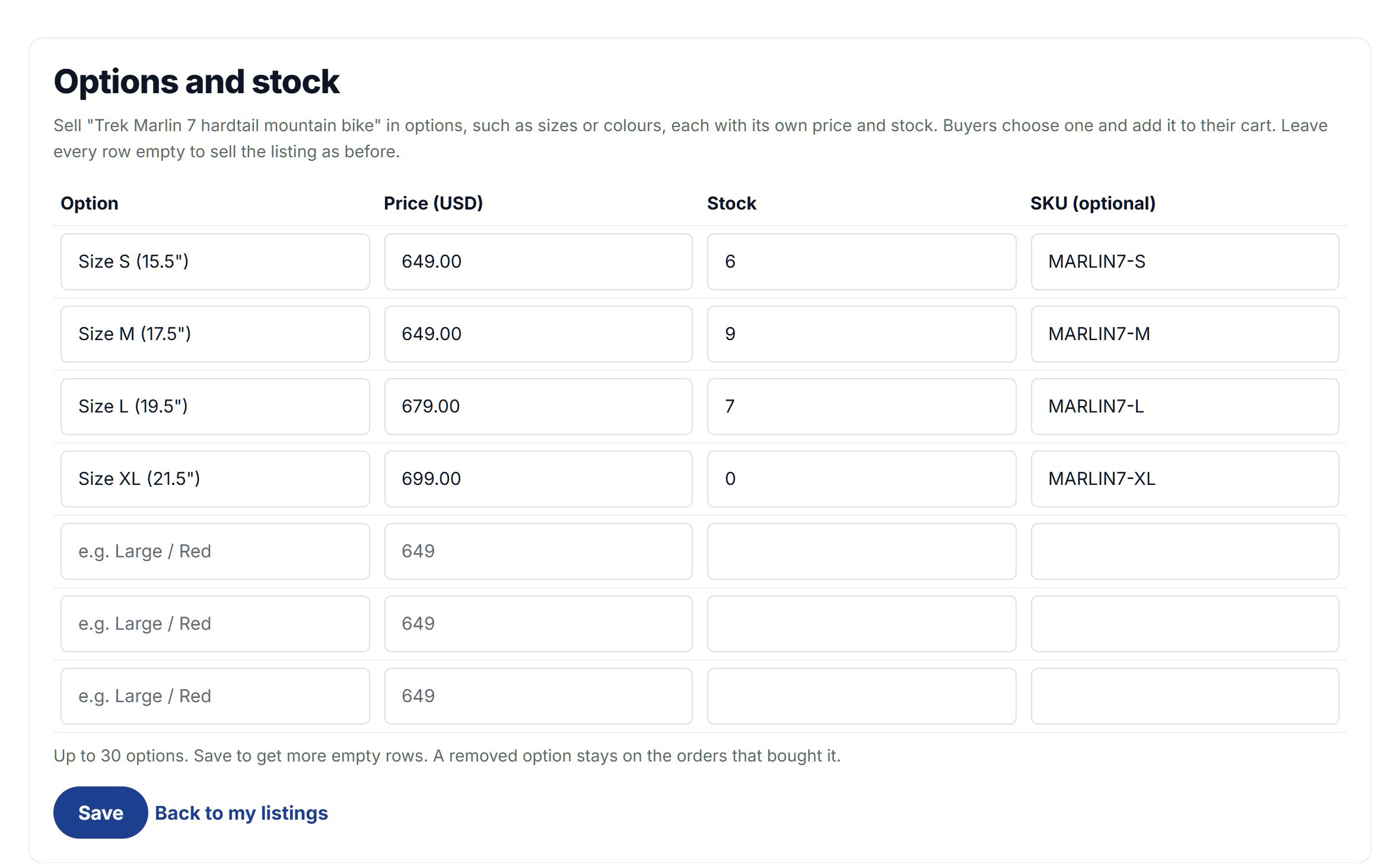
Keep categories as a chef walks a walk-in cooler: produce, herbs, meat, eggs and dairy, mushrooms, pantry. Inside each, the fields carry the detail a cook needs before ordering. The most important ones are not about the vegetable at all: they are the unit, the pack size, the minimum order and which days the farm delivers. A chef planning Friday service needs to know at a glance that the farm drops on Thursdays and takes orders until Tuesday noon.
Availability changes every week, so ask farms to update quantity on hand rather than create new listings. Harvest date matters for greens and herbs. Growing practice is useful, but only allow terms like certified organic when the farm holds the certificate; offer a neutral option such as "no synthetic sprays, not certified" for the rest.
Meat listings need two more details chefs always ask about: the average weight per piece, since a whole chicken can vary by a pound, and whether it arrives fresh or frozen. Price meat by the pound and show an estimated total.
| Category | Example listings | Fields chefs filter on |
|---|---|---|
| Salad greens and herbs | Baby arugula, 3 lb case; Thai basil by the bunch | Unit, pack size, harvest date, delivery days |
| Vegetables | Heirloom tomatoes, 20 lb box; baby carrots | Grade, unit, quantity available, growing practice |
| Mushrooms | Lion's mane, 5 lb; oyster mix | Variety, pack size, shelf life, minimum order |
| Meat and poultry | Whole pasture-raised chickens; pork bellies | Cut, average weight, frozen or fresh, processor |
| Eggs and dairy | Duck eggs, 15 dozen case; aged cheddar | Unit, size grade, milk type |
| Fruit | Peaches, half bushel; strawberries by the 8-quart case | Variety, ripeness, case size, season window |
Make delivery days checkboxes (Mon to Sat) so chefs can filter to farms that arrive before their busiest night.
Take a small cut of each order, sized for farm margins.
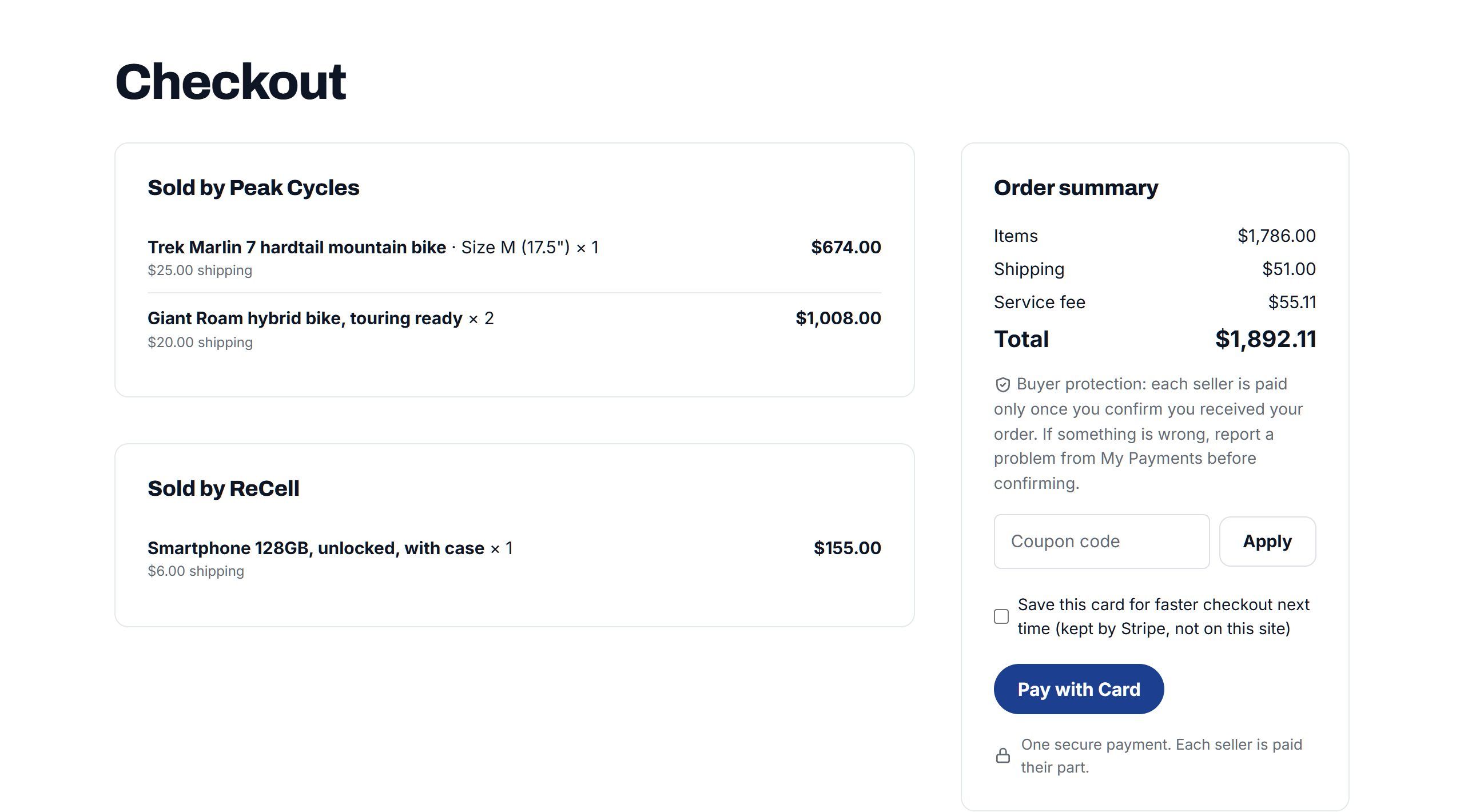
Buyers pay at checkout and you keep a commission per sale. Farm margins are thin, so the commission has to be small enough that farmers do not quietly raise their prices to cover it, which would push chefs back to texting the farm directly. Many food hubs keep a share of each sale to pay for coordination and delivery; your share should reflect what you actually do. If you only run the ordering page, keep it low. If you also run a shared delivery truck, a larger cut is easy to defend.
A buyer service fee on each restaurant order is another option, and it keeps farm prices clean. Chefs accept it when the order saves them time. A cart with items from several farms in one checkout is the main reason a kitchen orders through you instead of five phone calls, so make sure it works well before adding fees.
Talk about payment terms early. Checkout takes payment when the order is placed, while many restaurants are used to an invoice paid a week or a month later. Tell kitchens plainly how payment works before they sign up.
| Model | Works when | Switch it on |
|---|---|---|
| Commission per sale | Restaurants order and pay through the site every week | From the first order, kept low |
| Buyer service fee | Chefs value one order and one payment for several farms | After a season of repeat orders |
| Featured listings | Farms compete for attention on popular items like tomatoes | When a category has many farms |
| Seller memberships | Larger farms list dozens of products weekly | Once several farms sell every week |
| Banner spaces | Seed suppliers or kitchen equipment firms want chefs' attention | When you can show active buyer numbers |
Sign ten farms before you sign a single restaurant.
Chefs will not check a page with three items on it. You need enough variety that a kitchen can fill most of its local order in one go, which means supply first.
- Farms already delivering to restaurants. They have the packing, the cooler and the invoices. Offer to put their weekly availability sheet online for them.
- Farmers market vendors. Many would sell more volume if they had a reliable wholesale outlet. Visit on market day and bring a printed example of a listing.
- The regional food hub and grower co-ops. One partner can bring twenty growers at once.
- Extension office and beginning farmer programs. New growers are looking for buyers and will try a new channel.
- Specialty producers. A mushroom grower, a duck farm, a creamery: products chefs cannot get from the broadline truck.
Most farms keep their availability in a spreadsheet already, so import it from a CSV file instead of asking them to type each product. Then agree on one weekly routine: availability updated by Sunday night, orders close at a fixed time, deliveries on fixed days. The routine is what turns a list of farms into a supply chain chefs trust.
Ask each farm for the email they send chefs every week. That email is the first draft of their listings.
Handle food safety, short orders and quality claims before the first complaint.
Food sold to restaurants carries rules that vary by state and country, and by product. Meat and poultry usually have to come from an inspected processor; eggs, dairy and value-added foods like sauces and jams often need their own licenses. Check the rules where you operate, and ask each farm to state its license or processor on the listing. Do not take on products you cannot confirm are allowed for restaurant sale.
Common problems
- Short orders. Hail, heat or a bad picking day means a farm cannot fill what it sold. Set a rule: the farm tells the chef before delivery, and the short item is refunded, not substituted without asking.
- Quality disputes. Wilted greens or soft fruit on arrival. Ask chefs to report within the same day with a photo, and agree how credits work.
- Cold chain. Ask farms how they keep product cold in transit. A refrigerated van or insulated totes should be stated on the farm profile.
- Claims. "Organic" is a regulated word in many places. Only let certified farms use it, and ask for the certificate.
- Recalls. Keep each order tied to the farm and harvest date so you can trace a batch quickly.
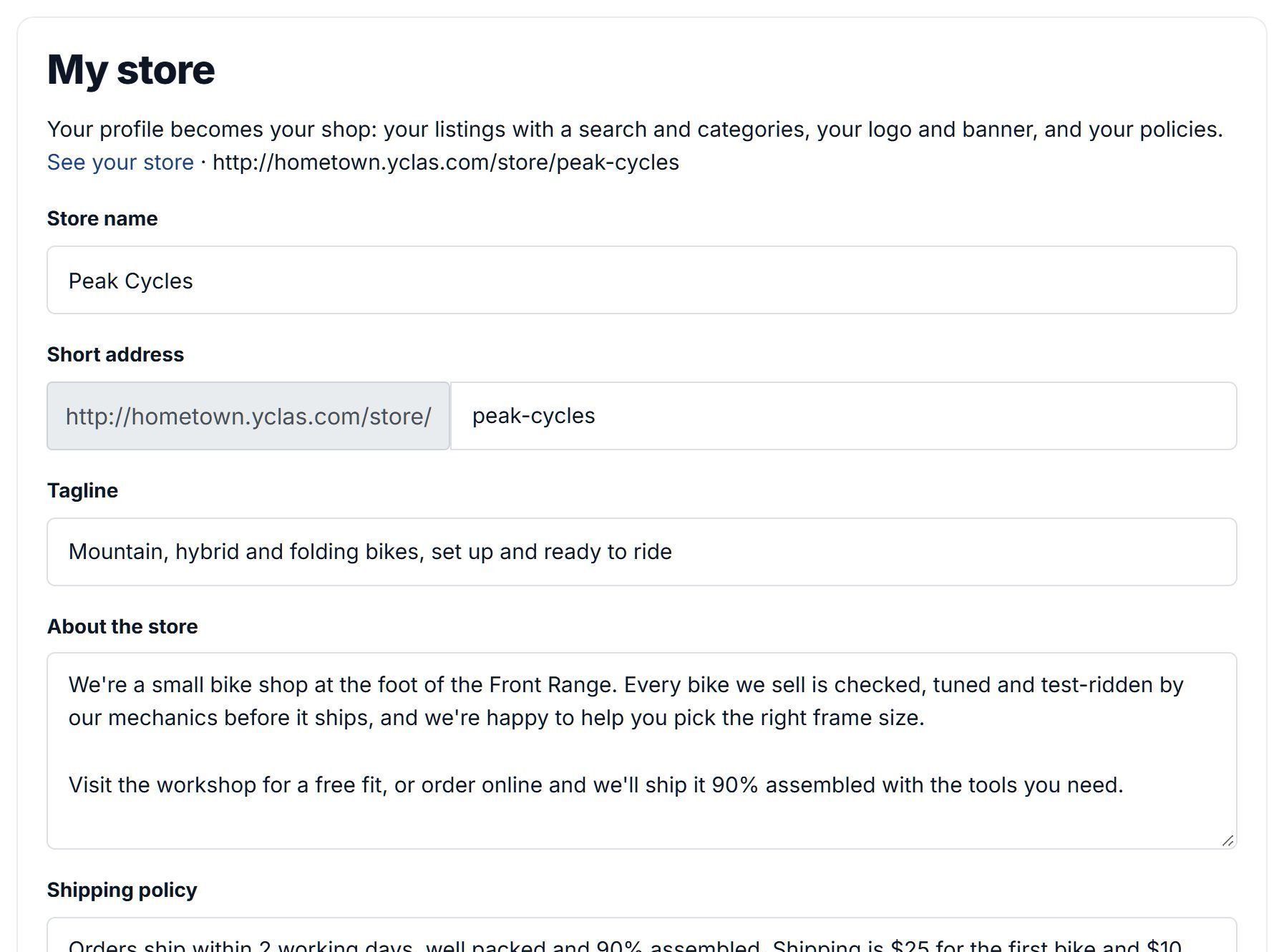
Verified seller badges on farms you have visited in person give chefs a reason to try a grower they do not know yet.
Rank for local sourcing searches, from chefs and from diners.
Chefs and restaurant buyers search for sources, not for marketplaces. Typical searches are "local produce wholesale Portland", "microgreens supplier for restaurants", "pasture raised chicken wholesale near me" and "buy direct from farms for restaurant". Each product category and each city or county should have its own page with the farms that serve it.
Pages worth building
- Category and area pages: "Wholesale mushrooms in the Hudson Valley", "Local greens for Denver restaurants".
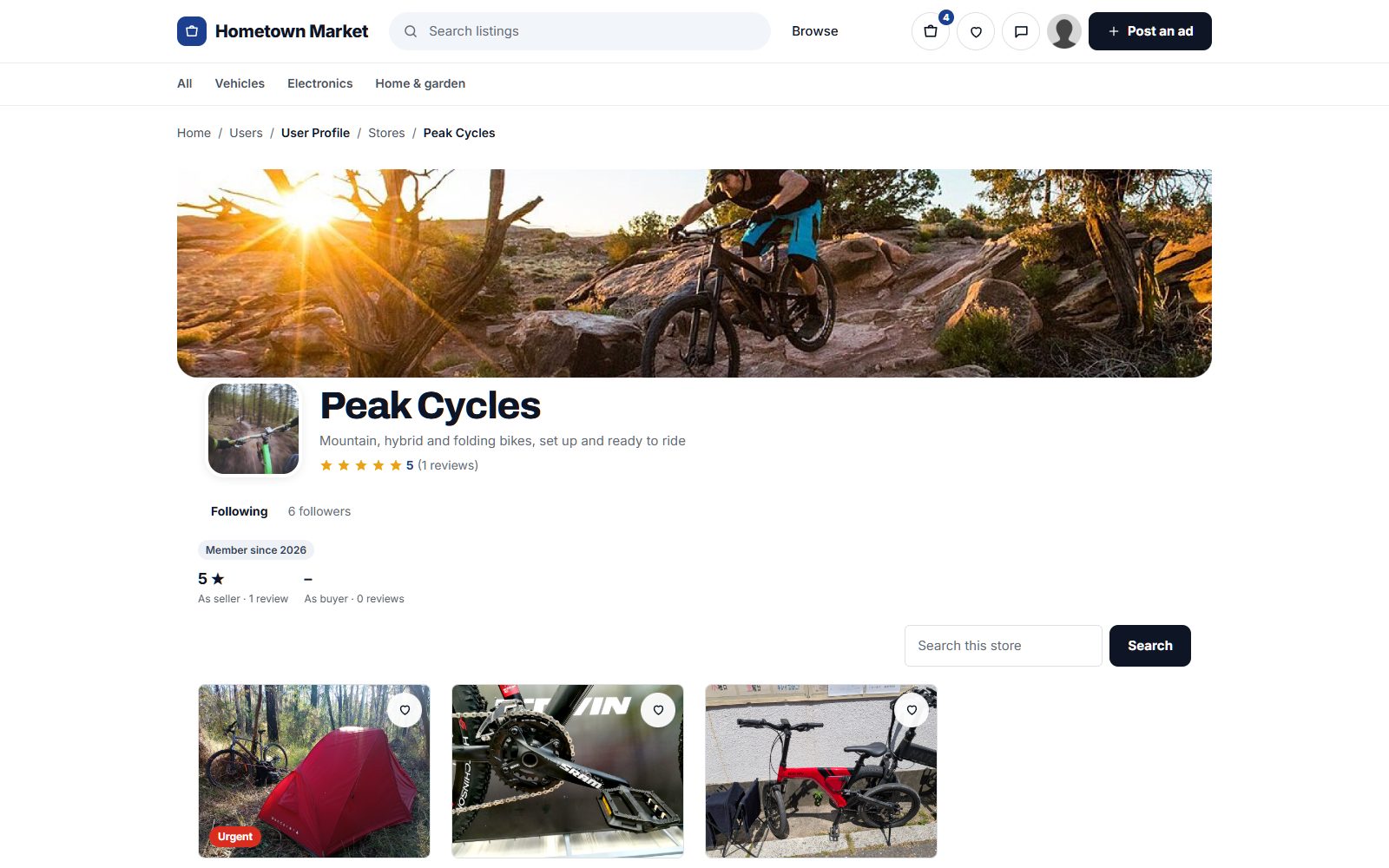
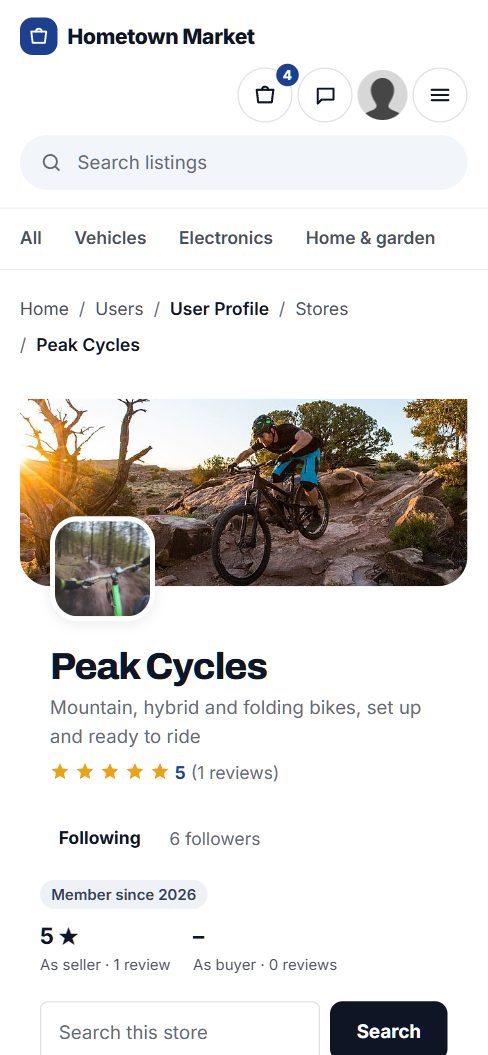
- Farm profiles: what they grow, delivery days, how long they have sold to kitchens, the restaurants that buy from them (with permission).
- A seasonal availability calendar: what is in season each month in your region. Chefs plan menus around it and search for it.
- Sourcing guides: how to buy a whole hog, how to plan a menu around one farm, what a half bushel holds.
Restaurant pages can help too. A short write-up on a restaurant that sources from your farms gets shared by the restaurant and links back to you, and diners searching for farm-to-table restaurants in your city may find it.

Launch at the start of the growing season with one delivery day.
Timing matters more here than in most marketplaces. Launch a few weeks before the main growing season starts in your region, when chefs are planning spring menus and farms are deciding where their volume will go. Launching in midwinter means a thin page in colder climates, unless you lead with storage crops, meat, eggs and greenhouse growers.
Start small
- One city, one order cut-off and one delivery day. Add a second day only when the first is full.
- Ten to twenty restaurants that already buy local, signed up one by one. Visit between lunch and dinner service, never during it.
- A farm dinner or chef tasting with your growers, where chefs meet the people behind the listings.
Launch checklist
- Each farm has its delivery days, minimum order and cut-off filled in.
- Units and pack sizes are consistent across farms: case, pound, bunch, dozen.
- Rules for shorts, credits and late deliveries are written on one page.
- Payment at checkout explained to every kitchen before its first order.
- Availability updated weekly, on the same day, by every farm.
After the first season, ask chefs which product they still buy elsewhere and recruit a farm for it.
A worked example: Ridge and Hollow Larder, southwest Wisconsin.
Picture Ridge and Hollow Larder, a fictional farm-to-restaurant marketplace in the Driftless region of southwest Wisconsin. Its farms sit in the steep valleys between La Crosse and Madison. Its buyers are independent restaurants, two brewpubs, a hospital cafeteria and a handful of caterers in Madison, one to two hours east. Every order travels on a single refrigerated route that leaves the valley on Wednesday evening and reaches kitchens on Thursday morning.
How it started
The founder spent eight years as a sous chef in Madison and kept a spiral notebook of farm phone numbers. Every Monday she texted six growers, copied their replies into a spreadsheet and placed six separate orders. When she left the kitchen, three former colleagues asked whether she could keep doing the ordering for them. She signed eleven farms over one winter, most of them vendors she already knew from the Saturday market around the state capitol, and opened in late April with spring greens, eggs, frozen pork and cheese.
Categories
- Produce
- Greens and herbs
- Roots and storage crops
- Seasonal specialties, such as squash blossoms and sweet corn
- Proteins
- Pork and beef
- Poultry and eggs
- Dairy
- Cheese
- Butter and cream
- Pantry
- Flour and grains
- Maple syrup and honey
Who it serves
The core buyers are chef-owned restaurants that print farm names on the menu and order between two and eight cases a week. The hospital cafeteria buys eggs, apples and storage crops in volume but needs paperwork on every farm first, so it joined in the second season. Caterers order in bursts around weddings and graduations, which fills the route in June.
How it makes money
Ridge and Hollow keeps a commission on every order, slightly lower for farms that drop product at the shared cooler in Viroqua themselves. Restaurants pay a small service fee per order that covers part of the contract courier. Two creameries pay for seller memberships because they list dozens of cheeses and want to appear first in dairy. In the second summer the founder added featured listings for the July and August tomato rush, when nine farms compete for the same chefs.
None of that worked until the routine did: availability updated by Sunday at 6 p.m., orders closed Tuesday at noon, deliveries on Thursday before 10 a.m. Chefs learned the rhythm within a month.
| Listing | Price | Key details |
|---|---|---|
| Spring salad mix, 3 lb case | $24 per case | Cut Monday, delivered Thursday, minimum two cases |
| Heirloom tomatoes, 20 lb box | $58 per box | Mixed varieties, grade 1, late July to September |
| Pasture-raised pork belly | $9.50 per lb | Frozen, skin on, about 10 lb per piece, inspected processor named |
| Aged cheddar, 5 lb block | $42 per block | Aged 18 months, pasteurized milk, licensed creamery |
| Duck eggs, 15 dozen case | $67 per case | Washed and graded, packed in fiber trays of 30 |
The first 90 days: from the first farm visit to a steady weekly order.
The first 90 days of a farm-to-restaurant marketplace should end with real weekly orders, not a finished website. Count backward from the date the first spring greens are ready in your region, because that is when chefs rewrite menus and are most willing to try a new supplier. In cold climates the plan often starts in January or February, while farmers have time to talk and are still deciding how much to plant for wholesale.
Two rules set the order of work. Nothing goes live until the weekly routine is fixed: when farms update availability, when orders close and when the deliveries arrive. And kitchens are signed one at a time, in person, because a cold email from a new platform lands beside a dozen sales pitches every week.
Measure each phase with a number you can count: farms with complete listings, kitchens with an account, orders placed in a week. If week 8 comes and ten farms are not ready, move the launch rather than open with a thin page. A late launch with a full cooler beats an early one that teaches chefs to ignore you.
| Weeks | Focus | Done when |
|---|---|---|
| 1-2 | Interview chefs and farmers | Ten chefs and ten farmers have told you what they order or grow, how often, and what wastes their time |
| 3-4 | Fix the routine and the units | Cut-off, delivery day, pack sizes and the short-order rule fit on one printed page |
| 5-6 | Sign farms and import their sheets | Ten farms are signed, with units, minimums and delivery days filled in on every listing |
| 7-8 | Run test weeks with friendly kitchens | Three restaurants have ordered for real and every farm has delivered at least once |
| 9-10 | Sign the first restaurants | Fifteen kitchens have accounts and their chefs can name the order cut-off |
| 11-12 | Steady the weekly cycle | Two weeks in a row with every farm updated on time and no unexplained shorts |
Ways to build it, tested against a real week of kitchen orders.
Whatever you choose has to cope with what makes farm ordering different: quantities that change every week, meat priced by the pound with variable weights, a minimum order per farm, and one cart that pays several farms at once. Before you commit, run a real week of orders from one restaurant through each option you are considering.
Building it yourself with developers gives you full control over order cut-offs, route planning and printed pick lists for drivers. It also means paying for every change, and farm ordering changes constantly in the first season. It makes sense later, once the routine is proven and you need something no product offers, such as standing orders or invoices on terms.
Installing a marketplace script or a WordPress plugin on your own server costs less at the start, but multi-vendor checkout, per-farm delivery charges and payments to each farm usually need several add-ons working together. Someone has to update them, keep the server secure and fix the cart when it breaks the week before holiday orders.
A hosted builder such as Yclas gives you a cart across sellers, shipping per seller and Stripe checkout without a server to run, so your hours go into farms and kitchens. The trade-off is working within the features it has: you shape your routine around them instead of writing custom logistics.
On any route, make sure you can export listings and orders. The farm and chef relationships are the business; the software is replaceable.
| Route | Fits when | Watch out for |
|---|---|---|
| Custom build with developers | You need standing orders, invoice terms or route planning that no product offers | The cost of every change in the first season and a long wait before launch |
| Plugin or script on a server you run | You or a partner can run a server and maintain plugins | Multi-farm checkout spread across add-ons that must stay compatible |
| Hosted marketplace builder | You want farms and kitchens ordering this season | Working within its features, such as payment at checkout rather than invoices |
| Shared spreadsheet and order form | You are testing with five farms and three kitchens | Errors grow with every farm, and nothing is searchable or paid online |
What a farm-to-restaurant marketplace costs to run.
The software is the smallest part of the bill. Most of the cost is your time in the first months: finding the first listings, answering questions and checking what gets posted.
Expect some spending on food safety paperwork checks, a cooler or insulated totes if you aggregate orders, and possibly a shared delivery vehicle or courier for farms that cannot drive into the city. Liability insurance for a business that handles food is worth asking a broker about.
| Cost | Typical range | On Yclas |
|---|---|---|
| Domain | $10 to $20 a year | Your own, with SSL included |
| Software and hosting | $0 to $100+ a month, plus plugins and updates | Marketplace $149 a month for checkout and commission |
| Design | $0 to $100 for a theme, or a designer | 109 looks included |
| Payment fees | About 3% per payment | Your Stripe or PayPal fees; Yclas takes nothing |
| Your time | 5 to 10 hours a week at the start | Finding listings, moderation, support |
Mistakes that empty a farm-to-restaurant marketplace.
- Opening in the dead of winter with a thin page. A chef who sees four items in February decides the site is not worth checking in May. Open just before the first spring harvest, or lead with storage crops, meat, eggs and greenhouse growers if you must start earlier.
- Letting every farm invent its own units. One farm sells greens by the pound, another by the clamshell, a third by the case of unknown weight. Chefs cannot compare and stop trying. Agree a short list of units and pack sizes before the first import and hold every farm to it.
- Signing restaurants before the delivery works. A missed Thursday drop costs a kitchen a dish on Friday night, and chefs do not give second chances easily. Run two or three test weeks with friendly kitchens before you sign anyone you need to impress.
- Setting a commission farms pass straight to chefs. If tomatoes cost more on your site than on a text to the farmer, chefs will text the farmer. Check prices on your site against what farms charge directly, and lower your cut or add value until they match.
- Leaving availability stale. Product listed on Monday may have sold at Saturday's market. When a chef orders what a farm no longer has, the short lands on your reputation. Make the weekly update a condition of staying on the site, and hide farms that miss it.
- Ignoring the kitchen clock. Calls during lunch service, an order cut-off on the day the chef does inventory, deliveries during prep rush. Ask each kitchen when it orders and receives, and set your schedule around the majority. A cut-off two hours after most chefs finish their weekend inventory will collect far more orders than one set for your own convenience.
- Hiding short orders. A farm that shorts quietly leaves a chef finding out at the back door. Require notice before the truck leaves, refund automatically, and track shorts per farm.
- Building a vegetable-only catalog. Greens and tomatoes are easy to recruit, but a kitchen also wants eggs, a meat producer and a cheese maker on the same order. Without them the chef still makes three other calls, and your cart saves little time. Recruit at least one grower for each part of the plate before launch, even if their range is small.
- Expanding to a second city too early. Two half-full routes cost more than one full one. Fill the first delivery day before you add a second day, and fill both before you add a new city. A full route also gives you the numbers to persuade farms in the next area.
Kitchen and farm terms a founder needs to speak both languages.
Chefs and farmers each have their own vocabulary, and your site sits between them.
| Term | What it means |
|---|---|
| Availability sheet | The weekly list a farm sends buyers with what it has, in what units and at what price. |
| Order cut-off | The last moment a buyer can place or change an order for the next delivery. |
| Short | An item a supplier sold but cannot deliver, usually refunded or credited. |
| Broadline distributor | A large supplier that delivers almost everything a kitchen uses, from flour to cleaning products. |
| Food hub | A business or co-op that gathers products from many farms and sells and delivers them to buyers. |
| Par level | The amount of an item a kitchen wants on hand before each delivery. |
| 86 | Kitchen slang for an item that has run out or been taken off the menu. |
| Seconds | Produce with cosmetic flaws, sold cheaper and often used for sauces, soups and preserves. |
| Half bushel | A common produce container, often used for peaches, apples and peppers, whose weight varies by crop. |
| Inspected processor | A slaughter or processing plant operating under government inspection, which restaurants usually require for meat. |
| GAP audit | A voluntary Good Agricultural Practices food safety check that some institutional buyers ask farms to pass. |
| Cold chain | Keeping food at a safe low temperature at every step from harvest to the kitchen walk-in. |
| Standing order | A repeat order a kitchen places every week without being asked. |
| Value-added product | Anything a farm has processed beyond the raw crop, such as pesto, jam or sausage, which often needs its own license. |
The same steps for a farm-to-restaurant marketplace on Yclas.
- Describe your marketplaceThe setup wizard writes the categories, an About page and example listings from one sentence.
- Add fieldsThe details buyers filter on, as dropdowns, numbers or checkboxes.
- Bring sellersInvite them, import their stock from a spreadsheet, or post for them.
- Set the rulesChoose moderation, verified sellers, reviews and reports.
- Take paymentsOn Marketplace, buyers pay on the site and you keep a commission, with Stripe.
How much does it cost to get a farm-to-restaurant marketplace going?
If farms deliver themselves, your main costs are the site, your time visiting farms and kitchens, and some printed material for markets. Costs rise quickly if you run your own truck or cold storage, so start with farm-delivered orders.
Do I need a license to sell food from farms to restaurants?
The farms usually hold the licenses for what they produce, but rules on meat, eggs, dairy and processed foods vary by place. Check the rules where you operate, and ask a local food safety office whether a platform that does not handle the food needs anything itself.
How do I get restaurants to switch from their distributor?
Do not ask them to switch. Ask for the local part of the order only: the greens, herbs or meat they want a farm name on. That small weekly order grows as they trust the farms.
What commission should I charge farms?
Keep it low enough that farm prices on your site match what they charge chefs directly. If you add delivery or packing, you can charge more because you are doing more of the work.
What about restaurants that want to pay on an invoice?
Checkout takes payment when the order is placed, so be clear about that from the start. Many small independent restaurants pay suppliers by card; larger groups with set invoice terms may not be your first customers.
What happens when a farm cannot fill an order?
Agree a rule before launch: the farm warns the chef before delivery and the missing item is refunded. Track short orders by farm and talk to any grower who shorts often.
Can this work in winter?
In cold climates, lead with meat, eggs, cheese, storage crops, mushrooms and greenhouse greens. A smaller winter range keeps restaurants in the habit of ordering until spring.
How do I sell variable-weight items like whole chickens?
Price them by the piece with a stated weight range, or split them into weight bands such as 3 to 4 lb and 4 to 5 lb. Chefs prefer knowing the exact charge at checkout over a price adjusted after delivery.
Should I run my own delivery van from the start?
Usually not. Begin with farms delivering themselves or one shared contract courier, and only consider a van once a single delivery day is full and the courier bill is larger than the cost of running one.
What do I do when a farm and a chef start dealing directly?
Expect some of it, because they now know each other. Make ordering through the site easier than texting, with one cart, one payment and every farm in one place, and keep your cut low enough that going around you saves little. Farms also tend to stay when the site brings them kitchens they did not know before.
Can schools and hospitals buy through the marketplace?
They can, but they often need supplier paperwork, food safety audits and fixed contracts first. Treat them as a second phase once your independent restaurants are ordering steadily.
How many farms do I need before chefs take the site seriously?
Enough that a kitchen can fill most of its local order in one cart: greens, a few vegetables, eggs, one meat and one dairy producer. For most cities that means at least ten farms with full listings.
Related pages.
The parts of Yclas this leans on.
You have the plan. Now put your local farms on every chef's order list.
Describe your site in a sentence and the setup wizard writes the categories, example listings and a look. Free for 15 days, no credit card.
Start my marketplace