How to build a homemade food marketplace for home bakers and cooks, within the rules.
This guide covers how to build a marketplace where home bakers and cooks sell to neighbors: why the local food rules come first, which foods and fields to allow, a commission that suits small orders, where to find the first home bakers, labels and allergens, and how to launch around holidays when homemade treats sell best.
Free for 15 days · No credit card · Plans from $19 a month
Start with the rules, then find the bakers.
Home bakers sell birthday cakes, sourdough, cookies, tamales and jams to people they know, mostly through Facebook groups, neighborhood apps, word of mouth and church sales. Buyers like the food but find it hard to discover new cooks, see what they make and pay safely. A homemade food marketplace for one area gives cooks a shop front and gives neighbors a place to browse.
Before anything else, learn the rules where you plan to operate. Many places have cottage food laws or home kitchen rules, and they vary a great deal: some allow only shelf-stable foods such as bread, cookies and jams, some allow a wider range, some require registration, a permit, a kitchen inspection or a food handler course, some cap yearly sales, and some only allow direct sales to the final customer or ban shipping. In some places selling home-cooked food is barely allowed at all. Your marketplace has to fit inside those rules.
Pick your angle
- One city or county, so every seller works under the same rules and buyers can collect.
- One kind of food that is commonly allowed, such as baked goods and sweets.
- One occasion: celebration cakes and cookies for birthdays, weddings and holidays.
In this niche the law draws your category list. Read it before you write a single category.
Allow only the foods the rules allow, and make allergens unmissable.
Build your categories from the list of foods your local rules allow home cooks to sell, and nothing else. If the rules exclude foods that need refrigeration, such as cream-filled pastries, cheesecake or meat dishes, leave those categories out entirely rather than relying on sellers to know.
- Allergens as a required checkbox list: wheat, milk, eggs, nuts, peanuts, soy, sesame and any others your rules name. Add a "none of these" option so sellers cannot skip it.
- Ingredients as a required text field.
- Order lead time as a number in days, because custom cakes need notice.
- Pickup area as a dropdown of neighborhoods, so buyers see who is close.
- Registration or permit number, where your rules require one, as a required field you can check.
Be careful with dietary claims. Words like "gluten-free" can have legal meanings, and home kitchens often cannot avoid cross-contact. Ask sellers to describe ingredients rather than make claims.
| Category | Example listings | Fields buyers filter on |
|---|---|---|
| Bread | Sourdough loaves, bagels, focaccia | Allergens, bake day, pickup area |
| Cookies and bars | Decorated sugar cookies, brownies, macarons | Allergens, quantity per order, lead time |
| Celebration cakes | Birthday cakes, cupcakes, cake pops | Servings, lead time, allergens, pickup area |
| Candy and confections | Fudge, brittle, caramels, cotton candy | Allergens, package size |
| Jams and preserves | Fruit jams, jellies, fruit butters | Fruit, size, sugar type, allergens |
| Dry goods | Granola, spice blends, dried pasta | Allergens, weight, ingredients |
This list is only an example: replace it with the foods your local rules actually permit.
Keep fees small, because home cooks sell in small batches.
Home cooks usually sell a few dozen items a week and set prices close to their costs. Some face sales caps under cottage food rules. Your income will come from many small orders, so keep fees simple and clear.
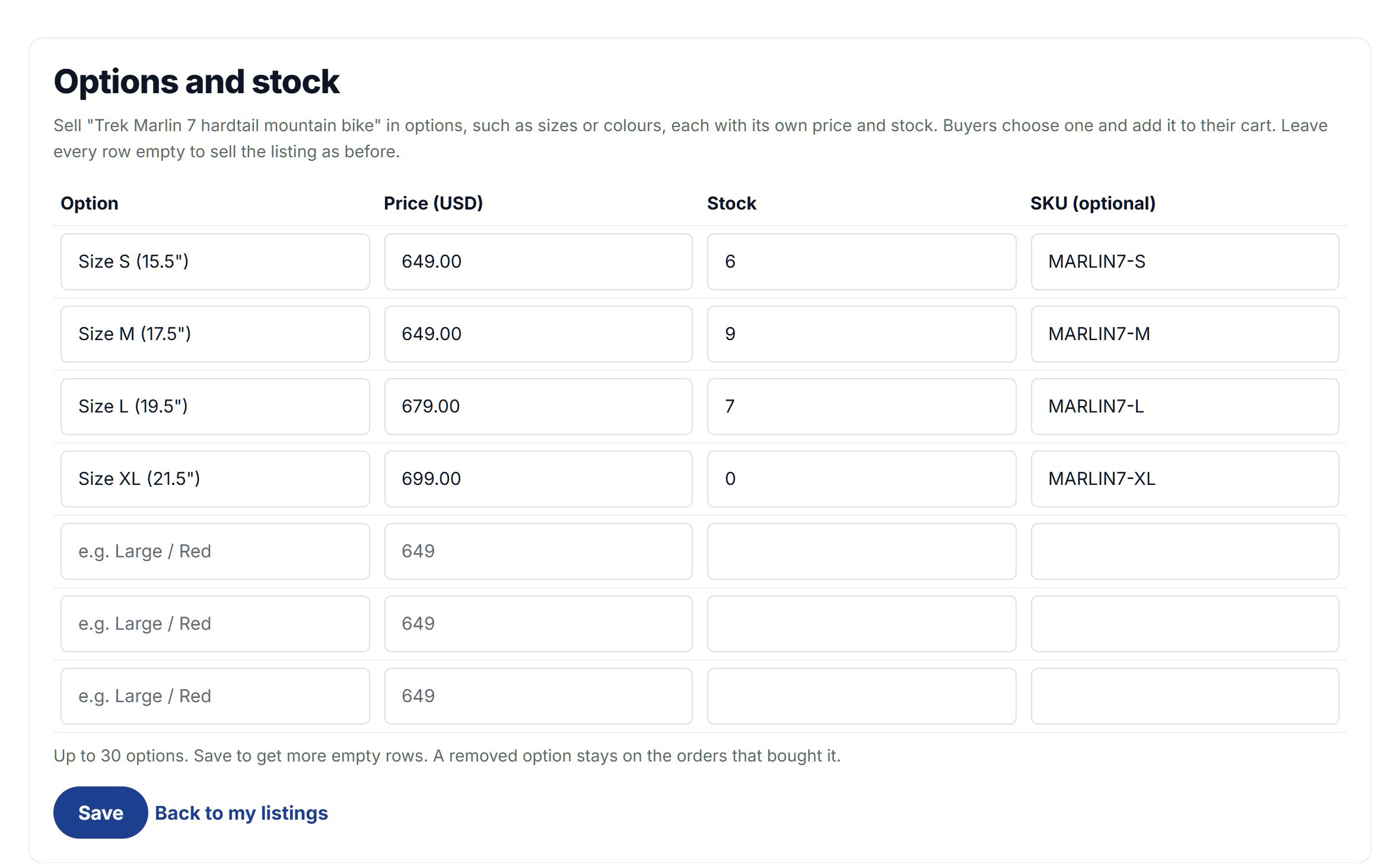
- Commission per sale: a modest percentage that a cook can build into the price of a dozen cookies without losing customers.
- Buyer service fee: small fixed fees can work for celebration cakes and large orders, but look heavy on a single loaf. Test before you rely on it.
- Seller memberships fit busy bakers who list many items, though sales caps in some places limit how far a seller can grow.
- Featured listings help bakers promote holiday cookie boxes, Thanksgiving pies or Lunar New Year treats ahead of time.
- Banner spaces can go to baking supply shops, cooking classes and kitchen equipment stores.
Buyers pay on the site, which protects cooks from no-shows on custom orders. Pickup can be arranged through on-site messages, and shipping charges are set per seller where shipping is allowed at all.
| Model | Works when | Switch it on |
|---|---|---|
| Commission per sale | Neighbors order and pay ahead for pickup | From the first orders |
| Buyer service fee | Orders are large, such as cakes and party trays | After a holiday season of steady orders |
| Seller memberships | Several bakers list weekly | When regular bakers ask for a better rate |
| Featured listings | Holiday boxes and seasonal treats compete | A few weeks before each holiday |
| Banner spaces | Baking suppliers and classes want home cooks | Once your seller list is large |
Find home bakers who already sell to friends.
Most home cooks who would join your site already sell informally and are looking for an easier way to take orders. Find the ones who already follow the rules and start with them.
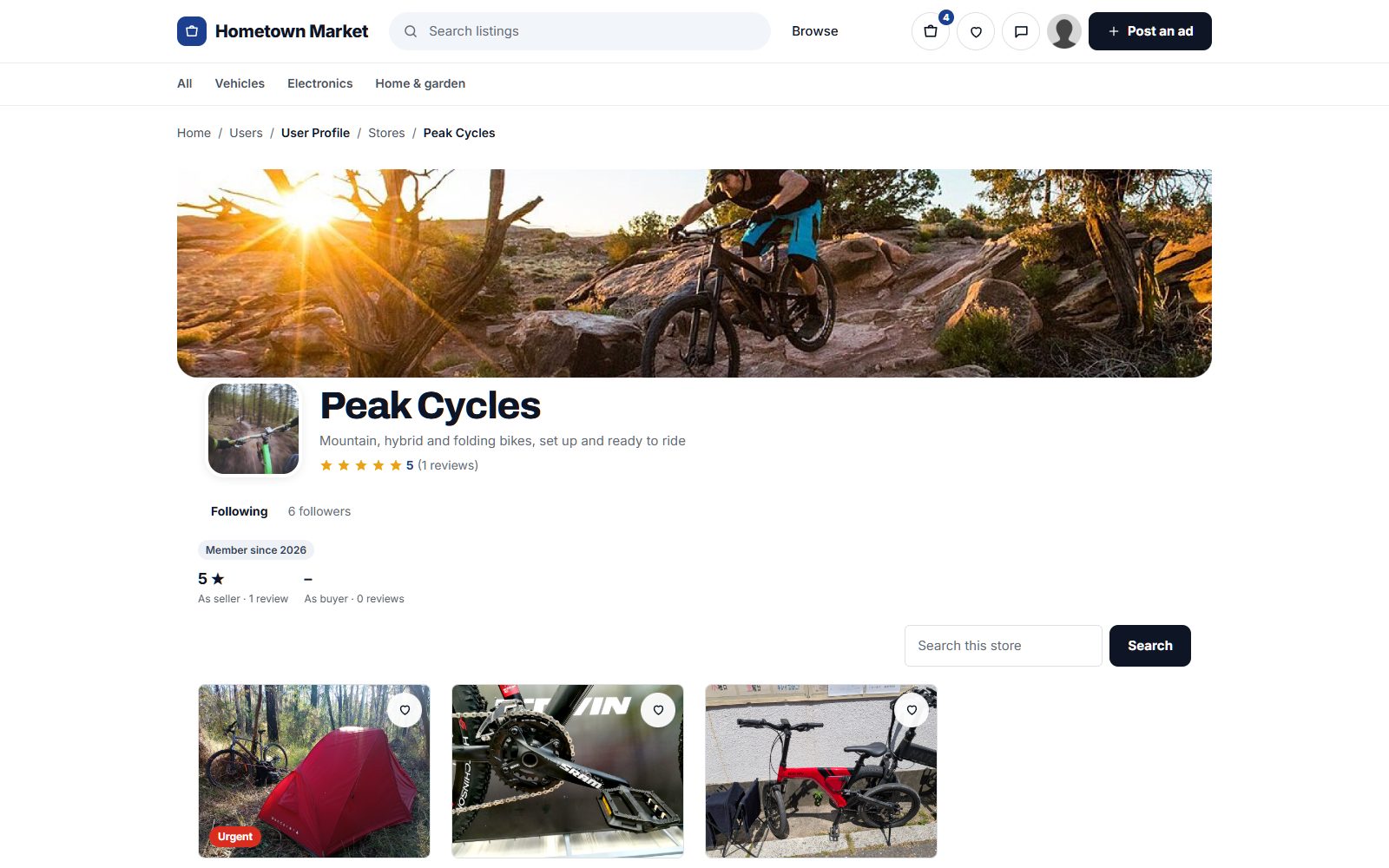
- Local buy and sell groups and neighborhood apps, where bakers post photos of cakes and cookie boxes.
- Farmers markets and craft fairs, where cottage food sellers often have stalls and already know the local rules.
- Church sales, school fairs and bake sales, where talented home bakers show up every season.
- Baking classes and cake decorating groups, whose students often want to start selling.
- Cultural associations and community centers, where cooks make tamales, baklava, mooncakes or pierogi for holidays.
Ask every seller to confirm they meet the local rules, and collect their registration or permit details where those exist. Hold their first listings for review. To make listing easy, let them photograph a tray of cookies and have the AI listing tool suggest a title, description, category and price for them to check, then fill in the allergens themselves.
Aim for twenty active cooks in one area before you open to buyers.
Treat food safety, labels and allergens as your top risks.
Homemade food carries more legal risk than most marketplaces. Rules on what can be sold, how it must be labeled, where it can be sold and whether it can be shipped differ by country, state, province and sometimes city. Many cottage food rules require a label that says the food was made in a home kitchen that is not inspected, along with ingredients and allergens. Check the rules where you operate, ideally with the local health department and a lawyer who knows food law, before you write your seller terms.
- Prohibited foods: list in your rules what cannot be sold, such as foods that need refrigeration where those are excluded, and use banned words and AI moderation to hold listings that mention them.
- Allergens: require allergen fields on every listing and tell buyers to message the cook about cross-contact before ordering.
- Sales limits and channels: if your local rules only allow sales direct to the final customer, do not allow resale or wholesale orders.
- Shipping: where shipping is not allowed or crosses into areas with different rules, require local pickup only.
- Refunds: food cannot be returned. Refund orders that are wrong, unsafe or not collected because of the seller.
- Illness reports: take them seriously, remove the listing and follow your local authority's guidance.
Rank for homemade, local and occasion searches.
People search for homemade food by occasion and by place, and often with "near me". Each cook's profile, category and neighborhood page can match those searches.
- "custom birthday cake near me"
- "homemade sourdough bread Austin"
- "decorated sugar cookies for baby shower"
- "homemade tamales for Christmas"
- "nut free cookies from a home baker"
Set your title pattern to put the food, the occasion and the neighborhood first. Then build pages that help buyers order:
- Occasion pages: birthday cakes, wedding cookies, holiday boxes, each listing local bakers.
- Neighborhood pages so buyers can find cooks they can collect from easily.
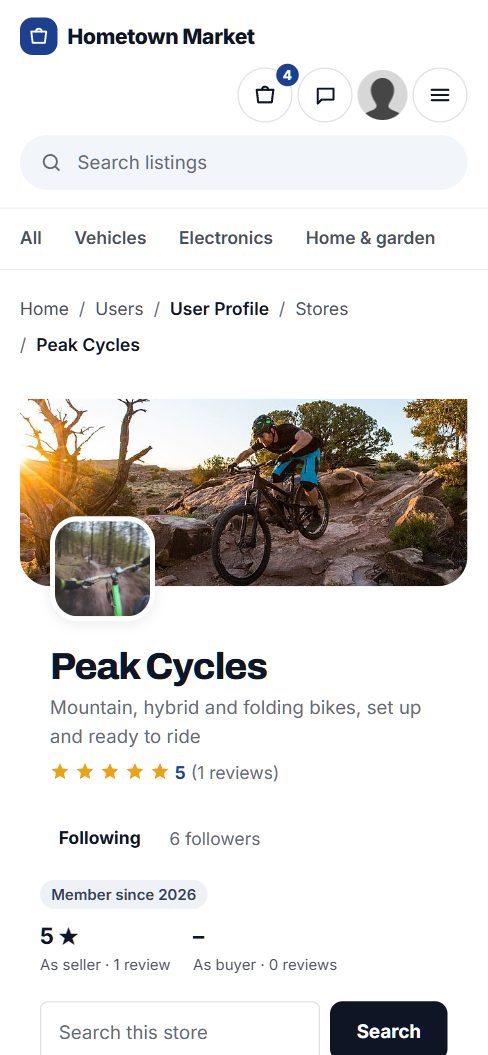
- Cook profiles with their story, what they specialize in and how much notice they need.
- Guides for buyers: how far ahead to order a custom cake, how to store sourdough, what to ask a home baker about allergens.
- Guides for sellers: a plain summary of how to get started under your local rules, reviewed by someone who knows them.
A seller guide to local cottage food rules, kept current, will draw aspiring bakers to your site on its own.

Open before the holidays, when everyone wants homemade.
Homemade food sells most around holidays: Thanksgiving pies, Christmas cookie boxes, Lunar New Year treats, Easter breads, Eid sweets and Mother's Day. Wedding and graduation seasons in spring and early summer bring cake and cookie orders. Recruit cooks a couple of months ahead of your first big holiday so their listings are ready when buyers start searching.
First community
Start in one city or county where you understand the rules well. Recruit bakers first, because they are the most common cottage food sellers, then add preserves, candy and dry goods. Expand to a new area only after you have read its rules too.
Partners
- Farmers markets that host cottage food sellers.
- Baking supply shops and cake decorating classes.
- Community centers and cultural groups with holiday food traditions.
Checklist
- Local rules read and confirmed with the health department.
- Category list limited to allowed foods.
- Allergen, ingredient and permit fields required.
- Seller terms, label rules and refund policy published.
- Twenty cooks with listings live before the first holiday.
A worked example: Porchlight Bakers in Richmond, Virginia.
Porchlight Bakers is an invented marketplace, used here to show how the advice in this guide comes together in one real city. It serves Richmond, Virginia, and the suburbs around it, an area with a strong tradition of church bake sales, neighborhood farmers markets and home bakers who take cake orders through social media.
Who it serves
Buyers are parents ordering birthday cakes and decorated cookies, people planning baby showers and graduations, neighbors who want fresh sourdough on Saturday morning, and families looking for holiday treats from their own traditions. Sellers are home bakers working under the local home food rules: a sourdough baker, several cookie decorators, a cupcake and cake pop maker, two jam and preserve makers, a fudge and brittle maker, and a grandmother who bakes sweet potato pies for Thanksgiving.
Categories
- Bread
- Sourdough and rustic loaves
- Rolls and sweet breads
- Cookies and bars
- Cakes and cupcakes
- Celebration cakes
- Cupcakes and cake pops
- Candy and confections
- Jams and preserves
How it started
The founder sold decorated cookies from home for four years and spent hours each week answering the same messages: how much, how many, do they contain nuts, and when can I pick them up. Before she built anything she read the state's home food rules, called the local health department with a list of questions, and paid a food lawyer for an hour to check her seller terms. She then built her category list from the foods the rules allow and left out anything that needs refrigeration, so cream cheese frosting and cheesecakes never appear on the site.
Every seller fills in required allergen checkboxes, the full ingredient list, a lead time in days and their pickup neighborhood, and confirms that their labels carry the statement the rules require. Her first eighteen bakers came from a cookie decorating group she belonged to, two farmers markets and a church holiday sale, and their first listings were held for review. Two bakers who wanted to sell cheesecake and tres leches were turned away kindly and pointed to a shared commercial kitchen nearby.
How it makes money
Buyers pay on the site when they order, so bakers no longer lose ingredients to no-shows on custom orders. The site keeps a modest commission on each sale. Cookie decorators with a full calendar pay for memberships with a lower rate, and bakers buy featured listings for Thanksgiving pies and Christmas cookie boxes. A baking supply shop rents a banner on the cookie category page.
The rules set the menu before a single baker was invited.
| Listing | Price | Key details |
|---|---|---|
| Country sourdough loaf | $10 | Baked Saturday morning, contains wheat, pickup in the Fan District, order by Thursday |
| Decorated sugar cookies, one dozen | $42 | Custom colors for showers and birthdays, contains wheat, milk and eggs, 10 days' notice |
| Sweet potato pie, 9 inch | $24 | Thanksgiving pre-order only, contains wheat, milk and eggs, pickup the Wednesday before |
| Peanut brittle, 8 oz bag | $9 | Contains peanuts, made in a home kitchen, labeled as the local rules require |
| Strawberry jam, 8 oz jar | $8 | Made with Virginia berries and cane sugar, sealed jar, no allergens from the main list |
The first 90 days of a homemade food marketplace.
Home bakers sell most before holidays, so time your ninety days to open about four weeks before the first big one in your calendar, often Thanksgiving or the winter holidays. That gives bakers time to list pies and cookie boxes and buyers time to order ahead.
The first month belongs to the rules. Read the home food rules for your city or county, list your questions, and get answers from the health department in writing where you can. Then have someone who knows food law read your seller terms. Every later decision, from categories to labels to whether shipping is allowed, depends on this work.
The middle weeks are recruiting and checking. Each baker needs to confirm they qualify under the local rules, provide any registration or permit details, and fill in allergens properly. Taste their food if you can, and look at a label from each one.
Before opening, run real orders with friends: a custom cake with a lead time, a dozen cookies, and a loaf on a fixed bake day. Watch how buyers and bakers arrange pickup through messages and fix anything that confuses them. Write down the questions buyers ask most, because they become your first help page.
| Weeks | Focus | Done when |
|---|---|---|
| 1-2 | Read the local home food rules and list your open questions | You have a written list of allowed foods, label wording, sales channels and any caps |
| 3-4 | Confirm answers with the health department and have seller terms reviewed | Seller terms, label rules and refund policy are written and checked |
| 5-6 | Build categories from allowed foods only and set allergen, ingredient, lead time and permit fields | A test listing cannot be saved without allergens and ingredients |
| 7-8 | Recruit bakers from decorating groups, markets and bake sales, and collect permit details | Twelve bakers have confirmed they qualify and their first listings are held for review |
| 9-10 | Approve listings, write cook profiles and occasion pages | Eighteen bakers live and birthday, holiday and bread pages are published |
| 11 | Run test orders with friends and family | A custom cake, a dozen cookies and a loaf have each been ordered, paid and collected |
| 12 | Open to buyers and ask bakers to share their profile links | First public orders collected and holiday pre-orders open |
Choosing how to build a homemade food marketplace.
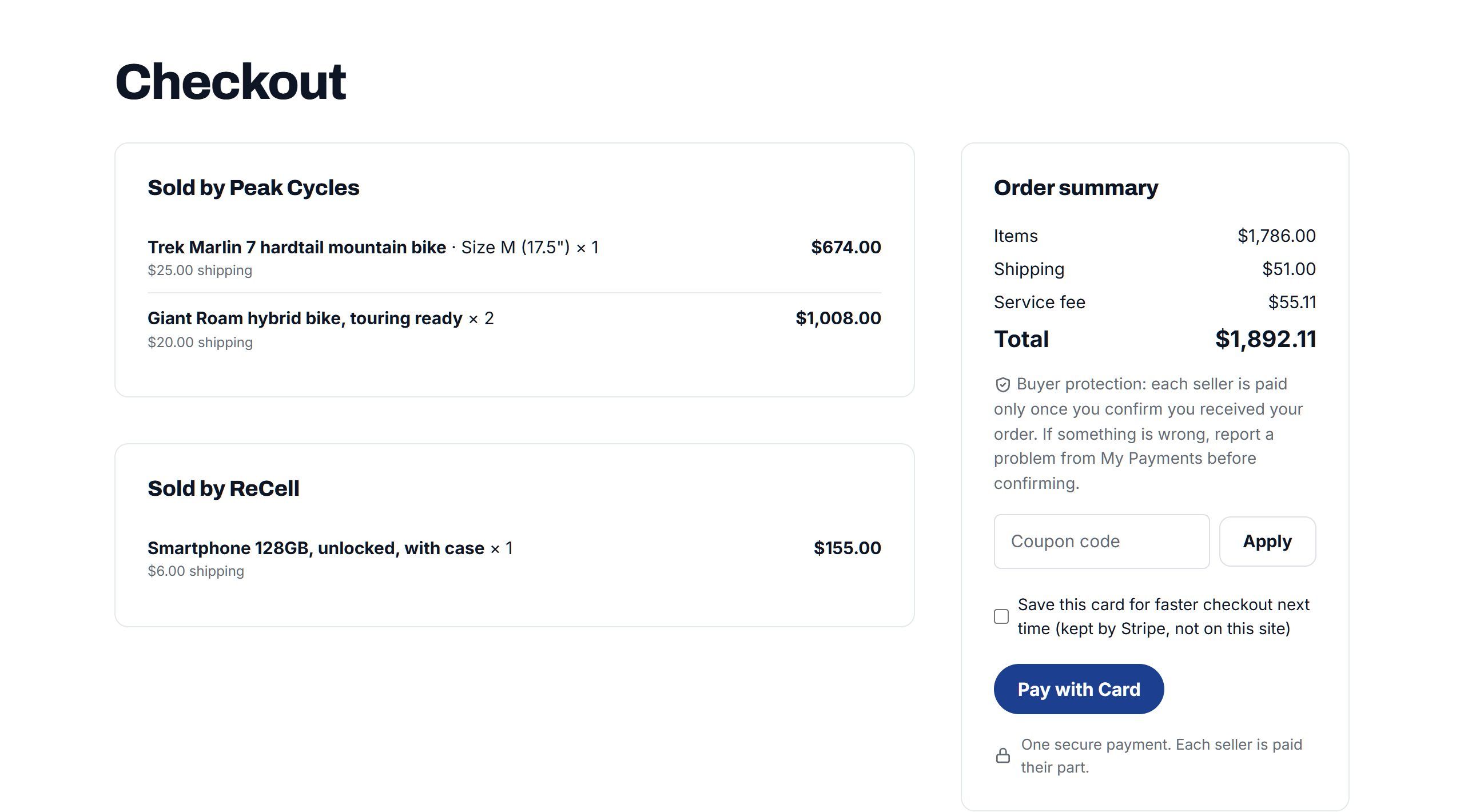
In this niche the software has to enforce rules, not only display food. It needs required allergen checkboxes and ingredient fields, a lead time per listing, a pickup neighborhood field, a place for permit or registration numbers, moderation that can hold listings mentioning foods your rules exclude, and payment on the site with each baker's own delivery or pickup arrangements. A route that makes any of these optional is a route that will let something unsafe through.
Hiring developers is worth it only if your idea needs something specific, such as automatic checks of each seller's yearly sales against a legal cap, or calendars of baking slots. Those can be helpful, but they add cost and upkeep before you know whether your city will order.
A marketplace script or WordPress plugin on your own server can work for a technical founder. Make sure it supports many sellers, commission per sale and required fields per category, and that you can stop a listing from going live until you approve it. You also take on hosting, updates and spam.
A hosted builder such as Yclas makes sense for a founder whose time should go to bakers and the health department. Fields can be required and used as filters, every listing can wait for your approval, and banned words can hold listings that mention excluded foods for review. List your rule-driven fields first and confirm each one works before you choose.
Whichever route you choose, ask one baker who already sells under the rules to try listing a custom cake from start to finish.
| Route | Fits when | Watch out for |
|---|---|---|
| Developers build it | You need sales-cap tracking or baking slot calendars | Cost before demand is proven, and rules that change after you build |
| Script or plugin on your server | You are technical and want full control | Required fields, approval before publishing, multi-seller payments, upkeep |
| Hosted builder | You want to focus on bakers, rules and neighborhoods | Confirm required allergen fields, approval and banned words fit your rules |
What a homemade food marketplace costs to run.
The software is the smallest part of the bill. Most of the cost is your time in the first months: finding the first listings, answering questions and checking what gets posted.
The biggest early cost here is advice: an hour or two with a lawyer who knows food law in your area, and time with the local health department, before you write seller terms. Some marketplaces also look into insurance for themselves and ask sellers about their own coverage.
| Cost | Typical range | On Yclas |
|---|---|---|
| Domain | $10 to $20 a year | Your own, with SSL included |
| Software and hosting | $0 to $100+ a month, plus plugins and updates | Marketplace $149 a month for checkout and commission |
| Design | $0 to $100 for a theme, or a designer | 109 looks included |
| Payment fees | About 3% per payment | Your Stripe or PayPal fees; Yclas takes nothing |
| Your time | 5 to 10 hours a week at the start | Finding listings, moderation, support |
Mistakes that shut homemade food marketplaces down.
- Building first and reading the rules later. If your categories include foods the local rules exclude, every listing in them is a problem, and removing them after launch upsets bakers. Read the rules and build the category list from them, then check it again whenever the rules are updated.
- Trusting sellers to know what is allowed. Many home bakers sell informally and have never read the rules. Exclude risky foods in your categories and banned words, and ask every seller to confirm they qualify before their first listing goes live. Holding first listings for review costs you a few minutes each and catches most honest mistakes.
- Making allergens optional. A buyer with a peanut allergy needs to rule products out before looking at photos. Required checkboxes with a "none of these" option stop sellers from skipping the question. Show the allergens near the top of every listing, not buried in the description.
- Allowing "gluten-free" and similar claims freely. These words can have legal meanings, and a home kitchen that also bakes with wheat can rarely guarantee them. Ask bakers to list ingredients and mention cross-contact instead.
- Offering shipping everywhere. Some rules allow sales only in person or within the same state, and shipping baked goods across rule boundaries can break them. Start with local pickup and add shipping only where you know it is allowed.
- Ignoring sales caps. Where rules limit a home baker's yearly sales, a busy seller can cross the limit without noticing. Remind sellers of any cap that applies and point them to the next step, such as a licensed kitchen, when they grow.
- Taking custom orders without lead times. A buyer who orders a three-tier cake for tomorrow and gets a refusal blames the site. Make lead time a required field and show it next to the price. Bakers who are fully booked for a weekend should be able to say so on their profile.
- Opening right after the holidays. January and February are quiet for home bakers. Recruit in late summer and early fall so the holiday rush brings your first buyers, then follow with spring showers and graduations.
- Skipping the label check. Many rules require a specific statement on the label that the food was made in a home kitchen. Ask each baker for a photo of a real label before approving them, and remind them when the rules change.
- Treating an illness report as a review. A message saying someone got sick needs action, not a reply under a rating. Pause the listing, contact the baker and follow your local authority's guidance.
- Letting fees eat a baker's small margin. A dozen cookies often earns a home baker only a few dollars after ingredients and boxes. Stack a high commission and a buyer fee on top and the price no longer competes with the neighborhood group. Keep both small until bakers see real orders from new customers.
Homemade food terms you will use every day.
Bakers, health departments and buyers will use these words with you.
| Term | What it means |
|---|---|
| Cottage food | Food made in a home kitchen for sale under rules that allow certain low-risk foods. |
| Shelf-stable | Food that is safe at room temperature, such as most breads, cookies, candy and sealed jams. |
| TCS food | Time and temperature control for safety: food that must be kept cold or hot to stay safe, often excluded from home sales. |
| Home kitchen statement | Label wording, required under many rules, saying the food was made in a home kitchen that is not inspected. |
| Major allergens | The allergens that labels must name in a given country, such as milk, eggs, wheat, peanuts, tree nuts, soy and sesame. |
| Cross-contact | When an allergen gets into a food it is not an ingredient of, for example through shared bowls or surfaces. |
| Direct sale | Selling to the person who will eat the food, rather than to a shop or restaurant for resale. |
| Sales cap | A yearly limit on how much a home food seller can sell under some cottage food rules. |
| Food handler course | A short food safety training some rules require before a person can sell food. |
| Commissary kitchen | A licensed shared kitchen that home bakers can rent when they outgrow home food rules. |
| Lead time | How many days' notice a baker needs for an order, essential for custom cakes and cookies. |
| Acidified food | Low-acid food made safe by adding acid, such as some pickles and salsas, often excluded from home sales. |
| Pre-order | An order placed well ahead for a set date, common for holiday pies and cookie boxes. |
| Water activity | A measure of free water in a food, which affects whether it is considered shelf-stable. |
The same steps for a homemade food marketplace on Yclas.
- Describe your marketplaceThe setup wizard writes the categories, an About page and example listings from one sentence.
- Add fieldsThe details buyers filter on, as dropdowns, numbers or checkboxes.
- Bring sellersInvite them, import their stock from a spreadsheet, or post for them.
- Set the rulesChoose moderation, verified sellers, reviews and reports.
- Take paymentsOn Marketplace, buyers pay on the site and you keep a commission, with Stripe.
Is it legal to run a homemade food marketplace?
It can be, but it depends entirely on where you operate. Cottage food and home kitchen rules vary widely, and some places allow very little. Check the rules with your local health department and a food lawyer before you launch.
Which foods can home cooks sell?
Many cottage food rules allow shelf-stable foods such as bread, cookies, candy and jams and exclude foods that need refrigeration, but this is not universal. Build your category list only from what your local rules allow.
Do my sellers need a permit or registration?
In many places they do, and some also need a food handler course or a kitchen inspection. Collect the details your rules require and check them before sellers go live.
Can sellers ship their food?
Some rules allow shipping within the same state or region, some ban it, and some allow only in-person delivery. If you are unsure, keep the site to local pickup.
What labels do homemade foods need?
Many rules require the seller's name and address, ingredients, allergens and a statement that the food was made in a home kitchen. The exact wording varies, so follow your local rules.
How do I find my first home bakers?
Look in local buy and sell groups, at farmers markets, bake sales and cake decorating classes. Start with bakers who already sell under the local rules.
Can I compete with neighborhood groups where cooks sell for free?
Yes, by offering what those groups lack: proper shop pages, allergen filters, payment ahead of pickup and reviews. Keep fees small so the difference is worth it.
Can home bakers use a rented commercial kitchen and still sell on my site?
Usually yes, and a licensed kitchen often allows a wider range of foods than a home kitchen. Their listings then follow the rules for licensed food businesses, so ask which applies and label them accordingly.
Should I allow cooked meals such as tamales or casseroles?
Only if your local rules clearly allow them for home sellers. Many rules exclude foods that need refrigeration, so in many places these meals belong with cooks working from a licensed kitchen.
How do buyers and bakers agree on pickup?
Buyers pay on the site and arrange the time and place through on-site messages. Ask bakers to state their pickup neighborhood and usual pickup hours on every listing to cut down the back and forth.
What if a baker grows beyond the home food rules?
Celebrate it and help them move on, for example to a commercial kitchen and the licenses that go with it. They can keep selling on your site under those rules, often with a wider range.
Do I need insurance as the marketplace owner?
Many founders look into it, because food carries more risk than most goods. Ask a local insurance broker what fits a marketplace that does not make food itself, and ask sellers what coverage they have. Some farmers markets already require their cottage food vendors to carry it.
Related pages.
The parts of Yclas this leans on.
You know the rules come first. Now build the marketplace your neighborhood's home bakers have been waiting for.
Describe your site in a sentence and the setup wizard writes the categories, example listings and a look. Free for 15 days, no credit card.
Start my marketplace