How to build a comic book marketplace collectors buy from with confidence.
This guide covers building a marketplace where comic sellers list back issues, graded books and full runs, and collectors pay on the site: which collectors and sellers to serve first, the details buyers filter on, commission and fees, where the first sellers come from, how to handle fakes and grading disputes, the searches to target and a launch planned around the convention calendar.
Free for 15 days · No credit card · Plans from $19 a month
Serve collectors who know exactly which issue they are missing.
Comic collectors buy with a list in hand. They are filling a run of a title, chasing a first appearance, or looking for one specific variant cover in a specific grade. General sites make that hard: a search for a character returns toys, T-shirts and reprints, and condition is described in a sentence nobody can filter on. A marketplace built only for comics can sort every book by title, issue number, publisher and grade, which is how collectors already think.
There are two sides to win. Sellers are shop owners clearing back stock, dealers who work the convention circuit, and collectors selling duplicates or a whole collection. Buyers are run completers, key issue hunters, people who buy graded books as an investment, and readers who want cheap reading copies. Sellers come to you if they reach serious buyers with lower fees and less work than an auction site. Buyers come if they can find the exact book and trust the grade.
Pick an angle
- By era. Golden and Silver Age, Bronze Age, or modern books from the last thirty years.
- By format. Graded slabs only, or raw books in bulk lots for readers.
- By area. One country, where shipping is cheap and sellers can meet buyers at local cons.
- By type. Manga, European albums, indie and small press titles.
Today the trade happens on eBay, on Facebook groups for each era or publisher, in Whatnot live sales, at shop counters and at convention tables. Spend a week in those places before you choose.
A comic buyer searches for one issue in one grade. Every decision on the site should make that search fast.
Sort books the way collectors file them: title, issue, grade.
Keep categories shallow: by publisher or by era at the top, with graded books, raw books and lots as separate sections. The detail belongs in fields. With Yclas you add custom fields as text, numbers, dropdowns, checkboxes or dates, make the important ones required, and every one becomes a search filter.
The fields that matter most are the ones collectors argue about. Grade should be a dropdown on the 0.5 to 10.0 scale, with a separate field for the grading company (CGC, CBCS, PGX or raw). For raw books, add a seller's grade estimate and ask for photos of the spine, corners and back cover. A label type field matters for slabs, because a restored book or a signed book carries a different label and a very different price. Key issue notes (first appearance, origin, death of a character) belong in their own text field so buyers can search them.
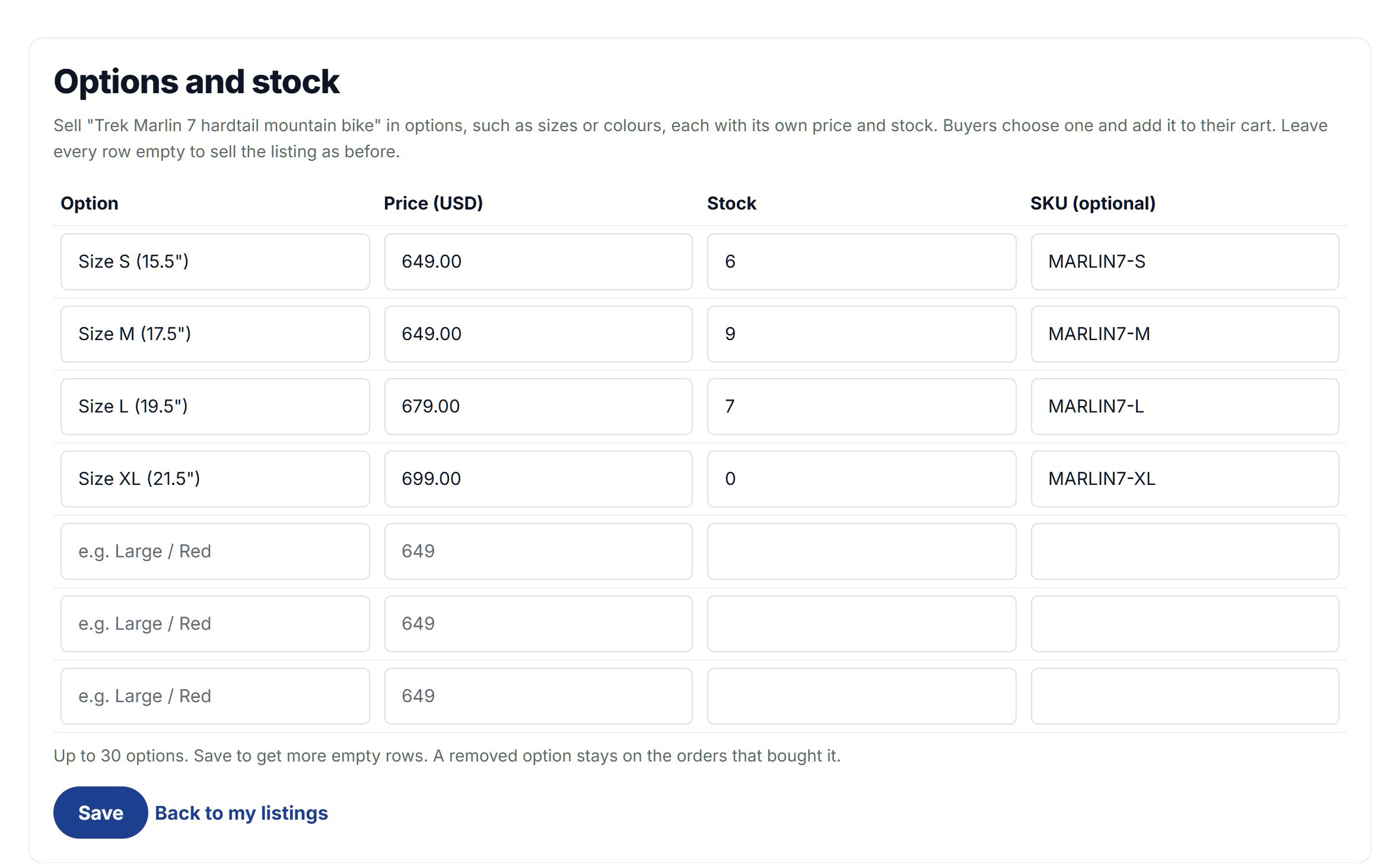
Require the issue number as a number, not text, so a buyer can filter a range and fill a gap in a run. Add a cover field for variants: cover A, a ratio variant, a store exclusive, a newsstand edition. Newsstand copies of some 1980s and 1990s books sell for more than direct edition copies, and serious buyers check.
| Category | Example listings | Fields buyers filter on |
|---|---|---|
| Graded books | Slabbed key issues, signature series books | Grade, grading company, label type, signed by, page quality |
| Raw back issues | Single issues from the 1960s to today | Title, issue number, publisher, year, seller grade estimate |
| Runs and lots | Issues 1 to 50 of a series, mixed reading lots | Title, issue range, number of books, missing issues |
| Variants | Ratio covers, store exclusives, virgin covers | Cover type, ratio, artist, print run edition |
| Trades and hardcovers | Collected editions, omnibus volumes | Format, volume, condition, out of print |
| Manga and imports | Japanese volumes, European albums | Language, publisher, volume number, edition |
Make the issue number a number field so buyers can search ranges when they fill gaps in a run.
Take a small cut of each sale and charge for visibility later.
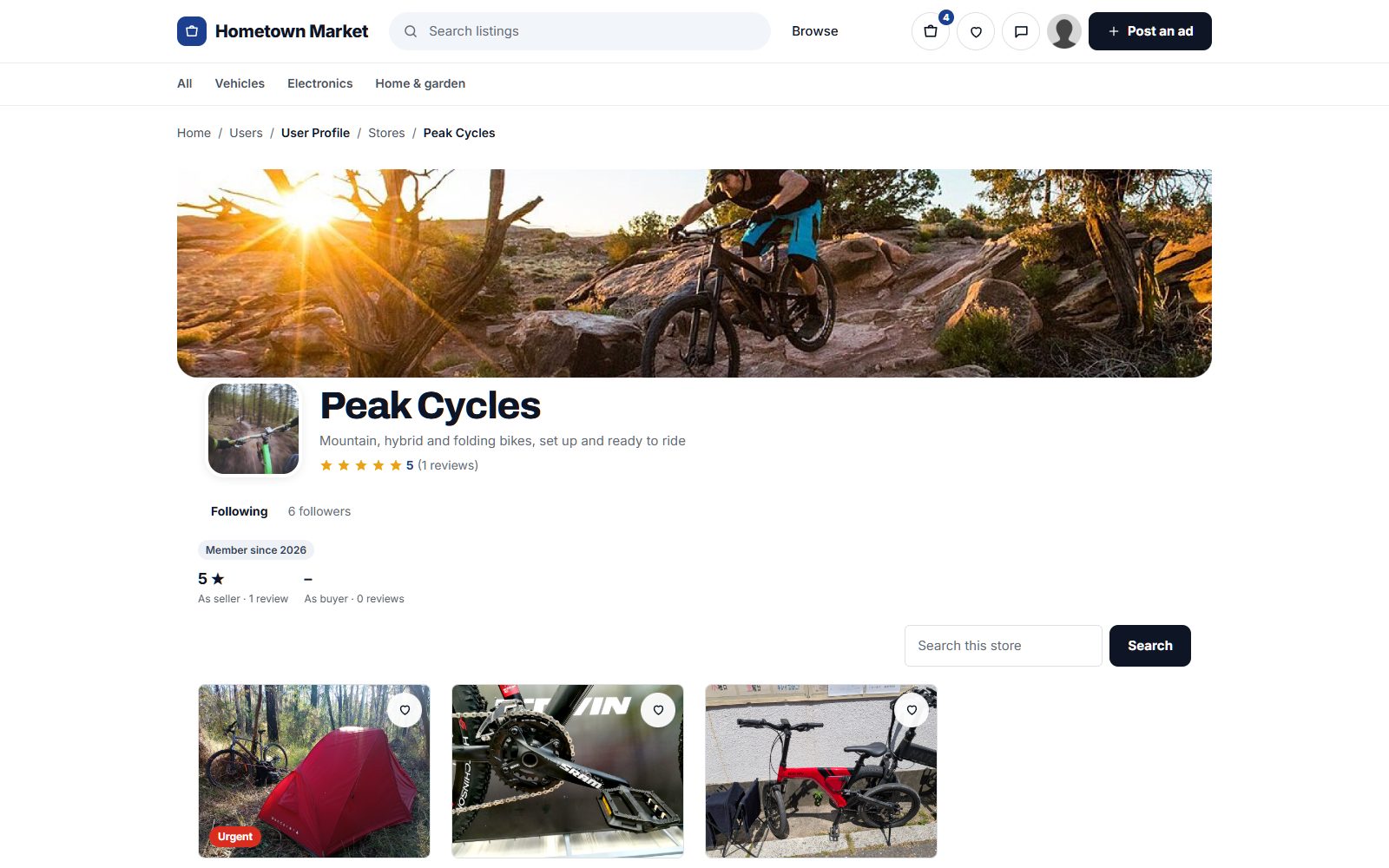
On a comic marketplace the buyer pays on the site with Stripe, the seller ships, and you keep a commission per sale. A buyer can fill a cart with books from several sellers, and each seller sets their own shipping, which matters because a slab costs more to pack than a bagged single.
Set the commission with the auction sites in mind. Sellers compare your percentage with what they pay elsewhere once you add payment fees, so start lower than them and say so plainly. A few percent on a busy site earns more than a high cut on a quiet one. An optional buyer service fee is another lever, but test it carefully: comic buyers watch the total with shipping and will leave over a small surprise at checkout.
Paid extras come next. Dealers with deep stock will pay for featured listings on key issues and for bumps that put a new batch on top. A seller membership suits shops that list hundreds of books a month. Auctions with bidding and Buy now suit high grade keys, where the price is genuinely unknown until collectors compete.
Wait to switch on paid extras until buyers are visiting daily. A featured slot on an empty site sells nothing and teaches sellers that your extras are not worth paying for.
| Model | Works when | Switch it on |
|---|---|---|
| Commission per sale | Buyers complete purchases on the site | From launch, set below what auction sites charge |
| Buyer service fee | Buyers value protection and a single checkout | After you have steady orders and few complaints |
| Featured listings and bumps | Dealers compete for attention on key issues | Once the site has daily returning buyers |
| Seller memberships | Shops list large batches every month | When several sellers list over a hundred books |
| Auctions | High grade keys with uncertain prices | When you have enough bidders to make an auction lively |
Recruit the dealers and shops who already have the stock.
A comic marketplace needs depth before it needs traffic. A buyer who searches for a run and finds three books leaves; a buyer who finds a whole shelf comes back. So start with sellers who hold a lot of stock.
- Local comic shops. Almost every shop has long boxes of back issues that move slowly. Offer to put their stock in front of buyers outside their town. Visit on a quiet weekday, not on new comic day when the counter is busy.
- Convention dealers. Dealers who travel the con circuit have inventory sitting in storage between shows. Walk the dealer room at a regional con and collect cards.
- Collectors selling a collection. Estate sales, divorces and moves bring whole collections to market. Collectors in Facebook groups often ask where to sell a large lot.
- Graders and pressers. People who press and submit books for grading see every serious collector in the area and can send sellers your way.
Remove the work of listing. Shops keep stock lists in spreadsheets, and listings can be imported from a CSV file, so a shop can bring hundreds of back issues in one upload. For collectors with a few books, AI listing from a photo lets the seller snap the cover and get a title, description, category and price to check.
Ten sellers with deep long boxes beat a hundred sellers with one book each.
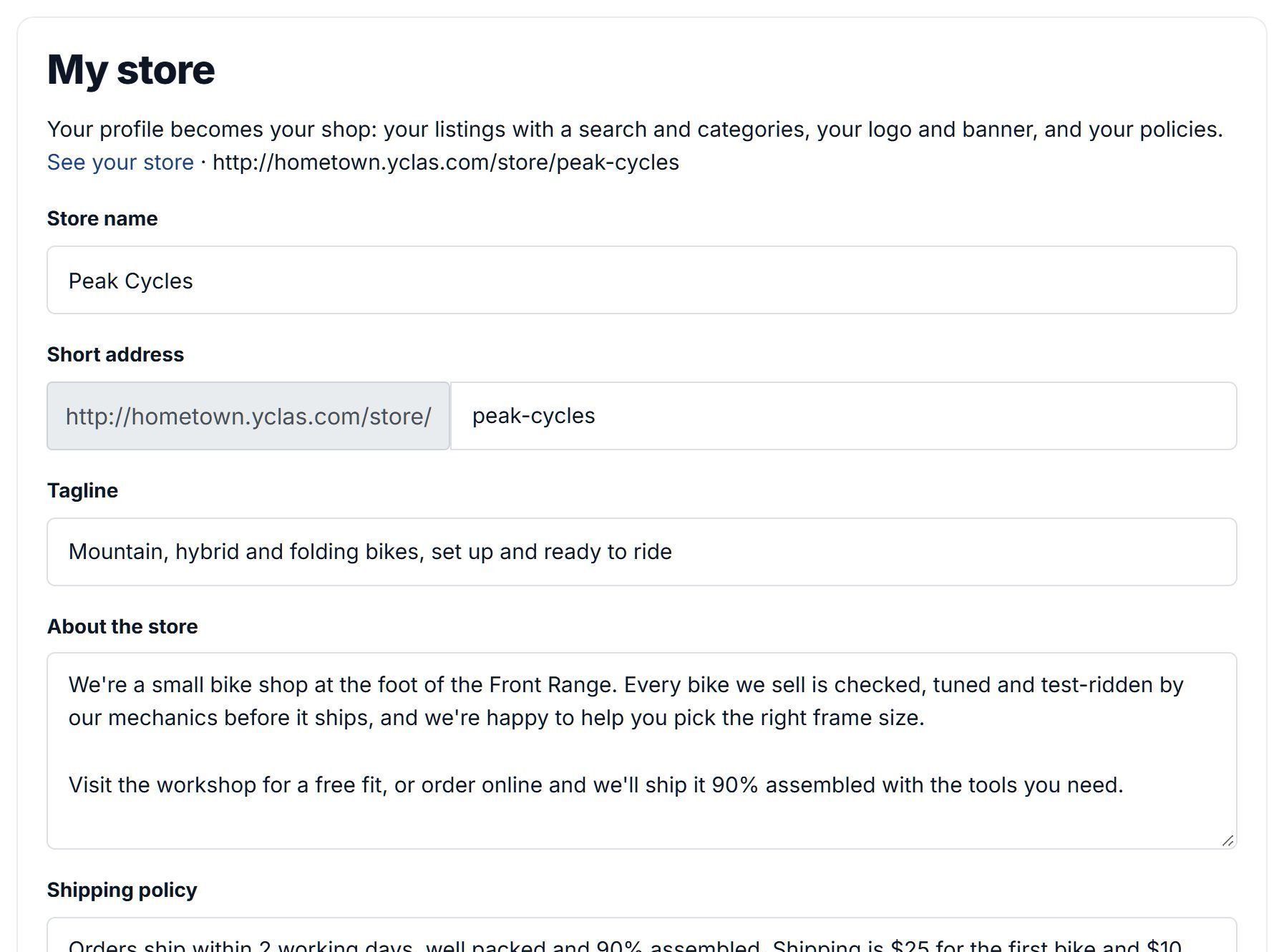
Fight overgrading, fake slabs and reprints sold as originals.
Most comic disputes are about grade. A raw book described as near mint arrives with a spine roll, a color break or a faded cover, and the buyer feels cheated. Make sellers describe defects and show the spine, corners, back cover and any staples in the photos. State in your rules that a raw grade is the seller's opinion and set a clear window in which a buyer can return a book that does not match its description.
Fakes and hidden problems
- Counterfeit slabs. Fake labels and resealed cases exist. Ask sellers of graded books to show the certification number so buyers can look it up on the grading company's site.
- Reprints and facsimiles. Facsimile editions of famous issues are sold as originals. Require sellers to mark reprints and ban listings that hide it.
- Restoration. Color touch, trimmed edges and added pieces lower the value a great deal. Raw books with restoration must say so.
- Payment scams. Keep payment on the site. Ban sellers who ask buyers to pay through friends and family transfers to avoid fees, because that leaves the buyer with no recourse.
Moderation tools help: approve every listing at the start, ban words such as "reprint" in titles unless the reprint field is set, and let AI hold suspicious listings for review. Verified seller badges, ratings and reviews show buyers which dealers have a history.
Write a returns policy before launch: who pays return shipping, how long the buyer has, and what happens if a slab cracks in transit. Sellers are paid through Stripe, so be clear in your terms about how you handle a disputed order.
Rank for the exact issues collectors type into search.
Comic searches are precise, which suits a site where every listing has its own page. People type "amazing spider-man 300 cgc 9.8 for sale", "x-men 94 raw", "newsstand edition comics value", "buy silver age comics" or "where to sell my comic collection". Each listing page can rank for its title, issue and grade if the title pattern puts those first.
Pages to build
- Title pages. One category or landing page per popular series, with all its issues listed in order.
- Publisher and era pages. Marvel Bronze Age, DC Silver Age, independent publishers, with a short history of the period.
- Key issue guides. Articles on the first appearances of popular characters, with live listings below each one.
- Grading guide. What each grade on the 10 point scale looks like, with photos, and how raw grades differ from slabs.
- Selling guides. How to price a collection, how to pack a slab, when grading is worth the fee.
Movies and TV shows create sudden demand for a character's first appearance. Keep a short list of upcoming releases and publish a page on the key issues a few weeks before each one. Prices and searches rise around announcements, and a page that already exists catches that traffic.
Set the SEO title pattern so every listing reads title, issue number, grade and grading company. That pattern does more for search than any blog post.

Launch around the convention calendar and Free Comic Book Day.
Comics have a public calendar, and it should shape your launch. Free Comic Book Day, held on the first Saturday in May, brings lapsed readers back into shops. The big summer and autumn conventions are when dealers sell, buy and talk about where to list. Regional cons happen almost every weekend somewhere, and a small one is the easiest place to meet twenty sellers in a day.
Before you open to buyers
- Pick one country and one focus, such as graded keys or Bronze Age back issues.
- Sign up five shops or dealers and help each import at least a hundred books.
- Write your returns policy, grading rules and packing standards: bag and board, a rigid mailer, slabs in bubble wrap inside a box.
- Publish the grading guide and three key issue guides.
- Ask each seller to share their storefront with their regulars.
The first months
Go to a regional con with printed cards that explain the commission in one line. Post in collector groups only where the rules allow selling links, and answer questions instead of advertising. Watch which searches return nothing and recruit sellers for those titles. When buyers ask for an issue you do not have, save their search: saved searches with email alerts bring them back the moment a seller lists it.
Launch with depth in one era, then widen once collectors start asking for more.
A worked example: Cuyahoga Longbox Market, northeast Ohio.
Cuyahoga Longbox Market is a fictional site used here to show how the pieces fit together. It serves collectors in Cleveland, Akron and the smaller towns around them, an area with several long running comic shops, a busy calendar of one day shows in hotel ballrooms, and plenty of basements full of books bought in the 1980s and 1990s.
The founder ran a dealer table at regional shows for years and noticed the same problem every weekend: shops and dealers had thousands of back issues they never put online, because listing raw books one at a time on an auction site took longer than the books were worth. Buyers, meanwhile, drove an hour to a show hoping to fill gaps in a run and went home with half of what they needed.
How the categories are set up
- Graded books
- Key issues
- Signature series
- Raw back issues
- Bronze Age, 1970 to 1985
- Copper and modern, 1985 onward
- Runs and reading lots
- Local pickup only (long boxes and full collections too heavy to ship)
Who it serves: run completers who want to finish a series without paying for shipping on twenty separate parcels, readers who buy cheap lots, and a smaller group of investors buying slabbed keys. The pickup category exists because whole collections in long boxes are expensive to ship and many buyers in the area would rather drive across town.
How it started
The founder signed up four shops and three convention dealers before telling a single buyer. Each shop exported its back issue spreadsheet, the founder cleaned up titles and issue numbers, and the site opened with about two thousand raw books and eighty slabs. The first buyers came from a flyer handed out at a hotel show and a post in a regional collectors group where selling links were allowed on Fridays.
How it makes money
A modest commission on every sale is the main income, paid when the buyer checks out. After the first six months the site added bumps for dealers who list a fresh collection and a monthly seller membership for the two shops that list several hundred books each month. Auctions are kept for slabbed keys only, run on Sunday evenings when collectors are at home.
The site started local on purpose: buyers trust sellers they might meet at the next show.
| Listing | Price | Key details |
|---|---|---|
| Bronze Age horror title, issues 1 to 24, complete run | $310 | Raw, seller grades VG to FN, two issues with spine stress noted |
| Modern key issue, first appearance of a villain, CGC 9.6 | $145 | White pages, certification number shown, newsstand edition |
| Reading lot of 60 assorted 1990s team books | $48 | Raw, reading copies, local pickup or shipped in one box |
| Signed variant cover, CBCS 9.8 signature verified | $220 | Signed at a 2019 show, 1:25 ratio variant |
| Silver Age war comic, single issue | $65 | Raw, seller grade 4.0, small tear on back cover shown in photos |
The first 90 days, week by week.
Three months is enough to go from an empty site to a marketplace that a handful of collectors check every week, if the order is right. The order matters more than the speed: sellers and stock first, then the rules that protect buyers, then buyers themselves. Opening to buyers before the shelves are full wastes the one visit most people will give you.
Plan the quarter around one or two real comic events you can attend, such as a regional show or Free Comic Book Day at the shops you are recruiting. Those dates give you deadlines and a place to meet people face to face. Keep a simple spreadsheet of every seller you talk to, how many books they hold and what era they cover, so you can see the gaps before buyers do.
By the end of week twelve you should know which titles sell, which sellers grade honestly, and whether your commission feels fair to the people paying it.
| Weeks | Focus | Done when |
|---|---|---|
| 1 to 2 | Pick the era or format, write categories and grading fields | Grade, grading company and issue number fields are live and required |
| 3 to 4 | Visit shops and dealers on quiet weekdays | Five sellers have agreed to list and sent a stock spreadsheet |
| 5 to 6 | Import back issues and fix titles and issue numbers | At least 1,000 books are live with photos of the cover |
| 7 | Write the returns policy, packing standards and grading guide | All three pages are published and linked from every listing |
| 8 to 9 | Soft open to buyers from one show and one collectors group | The first 20 orders have shipped and arrived without a dispute |
| 10 to 11 | Publish key issue guides and title pages | Five guides are live and indexed by search engines |
| 12 | Review sales, searches with no results and seller feedback | You have a list of missing titles and two new sellers to fill them |
Three ways to build a comic marketplace.
The software has a few jobs that are specific to comics. It must hold thousands of nearly identical listings that differ only by issue number, grade and cover, let buyers filter a numeric range of issues, take payment for a cart with books from several sellers, and give each seller their own shipping rule. Bulk import matters more here than in most niches, because shops arrive with spreadsheets, not with time to list by hand.
Building it yourself with developers gives you complete control. You could link listings to a comic database, show a price history per issue or build a want list that matches buyers to new stock. It also means months of work and ongoing costs before the first sale, and you become responsible for payments and security.
Installing a marketplace script or a WordPress plugin on your own server is cheaper to start. Check whether it supports several sellers with separate shipping, and whether it can import a few thousand listings without timing out. Hosting, updates and backups become your job.
A hosted builder such as Yclas gives you custom fields as filters, CSV import, checkout with Stripe and a commission per sale without a development project. The trade off is that you work within its features rather than building your own database of every comic ever printed.
For most founders the question is simple: do you want to spend the first year building software or recruiting sellers? In comics, recruiting decides whether the site lives.
| Route | Fits when | Watch out for |
|---|---|---|
| Custom build with developers | You need a full issue database, want lists or price history from day one | High cost, a long build and payment security that is now your problem |
| Marketplace script or WordPress plugin | You have technical skills and a small budget | Weak bulk import, separate add-ons for multi-seller shipping, updates and backups |
| Hosted builder | You want to spend your time on sellers and stock | Working within the features it offers instead of building your own |
What a comic book marketplace costs to run.
The software is the smallest part of the bill. Most of the cost is your time in the first months: finding the first listings, answering questions and checking what gets posted.
Budget for supplies to test your own packing standards, a table or badge at one or two regional conventions, and grading fees if you buy and submit sample books for your guides. Each order also carries the usual Stripe card fee.
| Cost | Typical range | On Yclas |
|---|---|---|
| Domain | $10 to $20 a year | Your own, with SSL included |
| Software and hosting | $0 to $100+ a month, plus plugins and updates | Marketplace $149 a month for checkout and commission |
| Design | $0 to $100 for a theme, or a designer | 109 looks included |
| Payment fees | About 3% per payment | Your Stripe or PayPal fees; Yclas takes nothing |
| Your time | 5 to 10 hours a week at the start | Finding listings, moderation, support |
Mistakes that sink comic marketplaces.
- Letting grade be free text. When sellers type "nice copy" or "VF/NM-ish", buyers cannot filter, and every sale becomes a negotiation by message. Use a dropdown on the standard 10 point scale and a separate field for who graded it. Sellers who learned to grade at a shop counter will adapt quickly once the dropdown is the only option.
- Opening with a thin spread across every era. Twelve Golden Age books, forty modern variants and a few manga volumes look like a garage sale. Fill one era or format deeply before you add the next, and say clearly what the site specializes in.
- Ignoring the cost of shipping slabs. A slab needs a box and padding, and a buyer who sees a high shipping charge on a mid priced book leaves at checkout. Ask sellers to set realistic per seller shipping and to offer a combined rate for several books.
- No photos of the back cover and spine. Front cover photos hide most defects. A raw book without spine and back photos invites a return. Make at least three photos a rule for raw books above a modest price, and ask for a photo of the inside of the cover on anything older than the 1970s, where loose staples and missing coupons hide.
- Copying the auction site commission. If your cut matches what sellers pay elsewhere, they have no reason to do the work of listing twice. Price below the main alternative and explain the difference in one sentence.
- Treating reprints and facsimiles as a minor detail. One buyer who pays original prices for a facsimile will tell an entire collectors group. Require a reprint field, and remove sellers who hide it on purpose.
- Selling featured slots before there is traffic. Dealers who pay for a featured key issue and see no sales will not pay again, and they will tell other dealers. Wait for daily returning buyers, then offer the first dealers a trial slot so they can see real results before paying full price.
- Launching in the middle of convention season with no presence there. Dealers are busiest and least reachable in summer. Recruit in the quieter months and show up at a con with sellers already on board, so you can point at a working site instead of describing a plan.
- Leaving buyers with empty searches. A collector who searches for an issue and finds nothing assumes the site has nothing. Turn empty searches into saved searches with email alerts, and recruit sellers for the titles people ask for most.
Comic trade terms every founder should know.
Collectors use these words in listings and messages, and your fields and rules should use them the same way.
| Term | What it means |
|---|---|
| Slab | A comic sealed in a hard plastic case by a grading company, with a label showing its grade. |
| Raw | An ungraded comic that is not in a slab, sold on the seller's own description of its condition. |
| CGC, CBCS, PGX | The best known third party grading companies, each with its own labels and certification numbers. |
| Key issue | An issue that matters to collectors, such as a first appearance, an origin story or a famous cover. |
| Run | A consecutive series of issues of one title, often sold together to save a collector years of hunting. |
| Variant | An alternate cover for the same issue, sometimes printed in small numbers to reward retailer orders. |
| Ratio variant | A variant a shop can order only after buying a set number of regular covers, such as one in twenty five. |
| Newsstand edition | A copy distributed to newsstands rather than comic shops, often with a barcode on the cover. |
| Page quality | The color of the inside pages, from white to brittle, which a grading label notes alongside the grade. |
| Restored | A book that has had color touch, added paper or other repairs, which lowers its value and must be disclosed. |
| Pressing | Flattening a raw book with heat and pressure to remove bends before it is sent for grading. |
| Bagged and boarded | A comic stored in a plastic bag with a stiff backing board, the standard way to store and ship singles. |
| Long box | A cardboard storage box that holds a few hundred bagged comics, the unit shops and collectors count stock in. |
The same steps for a comic book marketplace on Yclas.
- Describe your marketplaceThe setup wizard writes the categories, an About page and example listings from one sentence.
- Add fieldsThe details buyers filter on, as dropdowns, numbers or checkboxes.
- Bring sellersInvite them, import their stock from a spreadsheet, or post for them.
- Set the rulesChoose moderation, verified sellers, reviews and reports.
- Take paymentsOn Marketplace, buyers pay on the site and you keep a commission, with Stripe.
How much money do I need to start a comic marketplace?
Expect a few hundred dollars beyond the platform: a domain, packing supplies to test your shipping rules, printed cards and the cost of attending a regional convention or two. The biggest cost is your time recruiting sellers.
Should I only allow graded books?
Graded only makes trust easier and suits investors, but it leaves out most of the stock that shops hold. Many sites start with both and give graded books their own category with required grading fields.
How do I get comic shops to list with me?
Show them a clear commission, offer to help import their back issue spreadsheet, and point out that their long boxes reach buyers far from their counter. Visit in person on a quiet weekday.
What commission should a comic marketplace charge?
Start below what sellers pay on auction sites once payment fees are counted, and keep it simple. You can add featured listings and memberships later for revenue that does not raise the cut.
How do I stop fake slabs and reprints?
Ask for certification numbers on graded books so buyers can check them, require sellers to mark reprints and facsimiles, approve listings at first, and remove sellers who hide restoration or misstate editions.
Can I compete with eBay for comics?
Not on size. You compete on focus: filters by issue, grade and grading company, a community of serious collectors, lower fees and sellers who answer questions. Pick one era or area and own it.
What happens if a buyer says the grade is wrong?
Your returns policy decides it. Set a short window for raw books that do not match their photos and description, say who pays return shipping, and keep notes on sellers with repeat complaints.
Should I let sellers list sealed bundles and mystery boxes?
Mystery boxes are popular but invite complaints because buyers cannot see what they get. If you allow them, put them in their own category, require a list of what the box can contain and a minimum value, and remove sellers whose boxes draw repeated reports.
How do I handle a slab that cracks in the mail?
Decide in advance whether the seller or the buyer carries that risk, and require packing that makes it rare: the slab wrapped and boxed, never sent in a padded envelope. Ask buyers to photograph damage on arrival before opening a complaint.
Do I need a business license to run a comic marketplace?
Most places expect some form of business registration once you earn money, and some require sales tax handling on marketplace sales. The rules differ by country and state, so check the rules where you operate and ask an accountant before your first full year of sales.
Is it worth adding new comics alongside back issues?
New releases bring weekly visits, but shops already sell them on Wednesdays at the counter and margins are thin. Most comic marketplaces do better with back issues, keys and graded books, where search and filters add real value.
How can I tell if a seller is overgrading?
Watch for returns and reports grouped around one seller, and read their reviews. A seller whose raw books keep coming back for spine stress or missing defects should be asked to grade more strictly or leave.
Related pages.
The parts of Yclas this leans on.
You have the plan. Now build the comic marketplace collectors check first.
Describe your site in a sentence and the setup wizard writes the categories, example listings and a look. Free for 15 days, no credit card.
Start my marketplace