How to build a pet supplies marketplace for the small brands pet owners love.
This guide covers building a marketplace where small pet brands sell treats, food, toys and gear and owners pay on the site: choosing a species or product focus, the details owners filter on, commission and fees, where the first brands come from, food labeling and product safety, the searches to target and a launch built around pet events and the holiday season.
Free for 15 days · No credit card · Plans from $19 a month
Give small pet brands a home that big retailers do not.
Pet owners spend carefully on their animals and many want something better than the supermarket aisle: treats from a local bakery with a short ingredient list, a handmade collar that fits a sighthound's neck, a bed for a large senior dog, enrichment toys for a parrot. Those products come from small brands that struggle to be seen on the big pet retail sites and lose buyers among cheap imports on general marketplaces.
The sellers are small treat bakers, makers of collars, leashes and harnesses, craft brands making beds and toys, specialist suppliers for reptiles, birds, fish and small animals, and independent pet shops with their own lines. The buyers are dog and cat owners looking for something different, owners of pets with allergies, people with unusual pets that big shops ignore, and gift buyers.
Choose a focus
- One species: dogs, cats, or the less served ones such as reptiles, birds or rabbits.
- One product type: natural treats, handmade gear, enrichment toys.
- One need: pets with allergies, senior pets, large breeds.
- One country, so shipping is affordable and food rules are the same for every seller.
Small pet brands sell today through their own websites, Etsy, Instagram, farmers markets, pet expos and dog shows. Most say traffic is the hard part, which is what a focused marketplace offers them.
A pet marketplace works when owners come for a need the big stores ignore. Name that need before you build.
Let owners filter by species, size and ingredients.
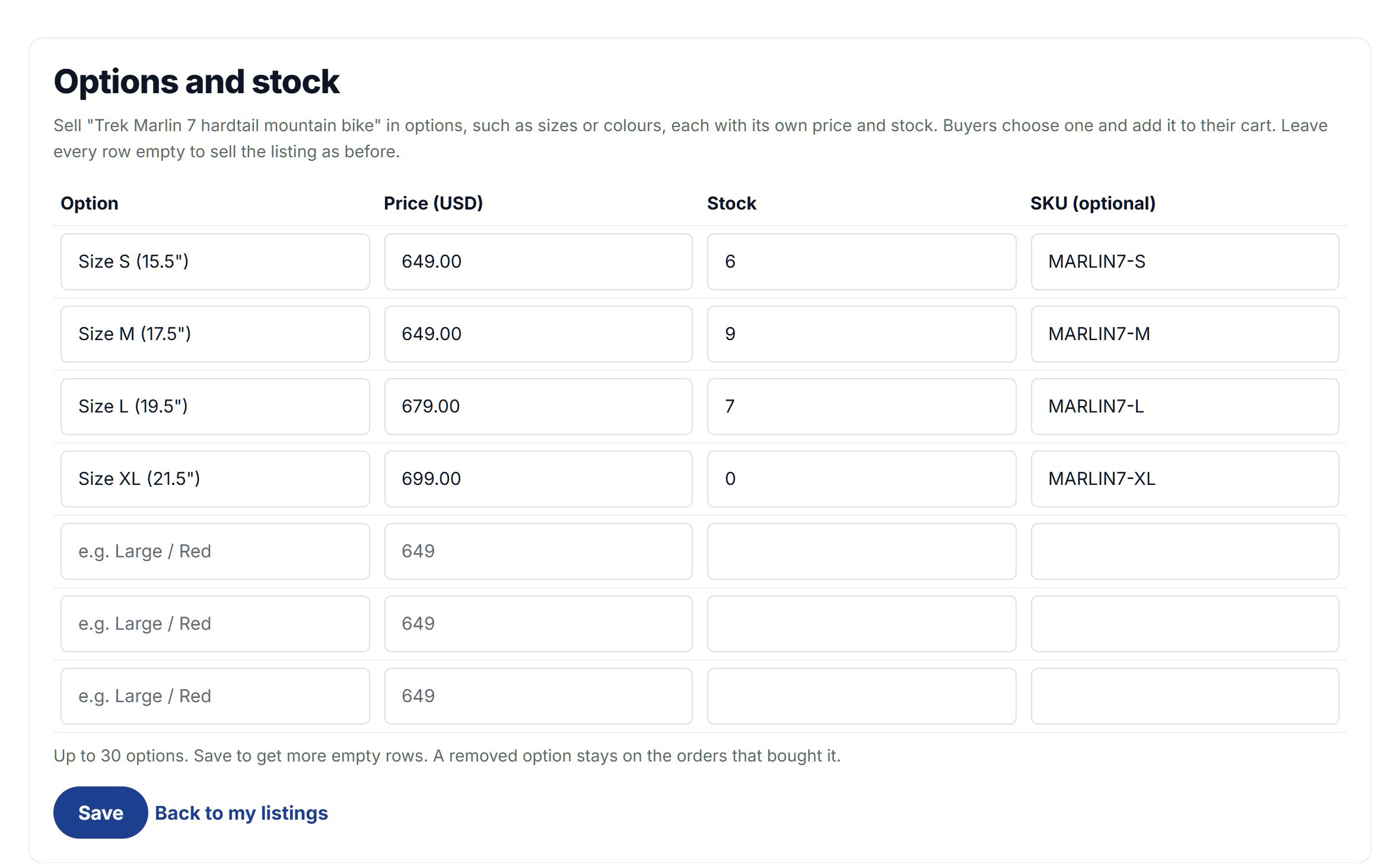
Organize categories by species first and product type second, and keep the tree shallow. The detail that helps owners choose belongs in fields that become search filters. Yclas custom fields can be text, numbers, dropdowns, checkboxes or dates, required or optional.
Species and pet size are the two filters every owner uses. Size should match how gear is sold: toy, small, medium, large, giant breed, with a separate neck or chest measurement number for collars and harnesses so owners can check the fit. Life stage (puppy or kitten, adult, senior) matters for food and treats.
For food and treats, add an ingredients text field and checkboxes for the allergens owners avoid most: chicken, beef, grain, dairy. A main protein dropdown helps owners of allergic pets search quickly. Add a best before date field for anything edible.
For toys, a chew strength dropdown (gentle, moderate, power chewer) saves many disappointed buyers. For gear, add material and washable. For reptile, bird and fish supplies, the fields are technical: tank size, temperature range, species suited.
| Category | Example listings | Fields buyers filter on |
|---|---|---|
| Treats and food | Baked dog biscuits, freeze-dried treats, cat toppers | Species, main protein, allergens, life stage, best before |
| Collars, leashes and harnesses | Handmade leather collars, sighthound collars | Neck size, chest size, material, buckle type |
| Beds and blankets | Orthopedic beds, cat caves, crate pads | Pet size, dimensions, washable cover, material |
| Toys and enrichment | Tug toys, puzzle feeders, bird foraging toys | Species, chew strength, material, size |
| Reptile, bird and small pet | Vivarium decor, perches, hay racks | Species suited, enclosure size, material |
| Grooming | Brushes, shampoos, paw balms | Coat type, species, ingredients, fragrance free |
Require species and size on every listing; they are the first two filters any pet owner uses.
Set a commission small brands can afford on repeat orders.
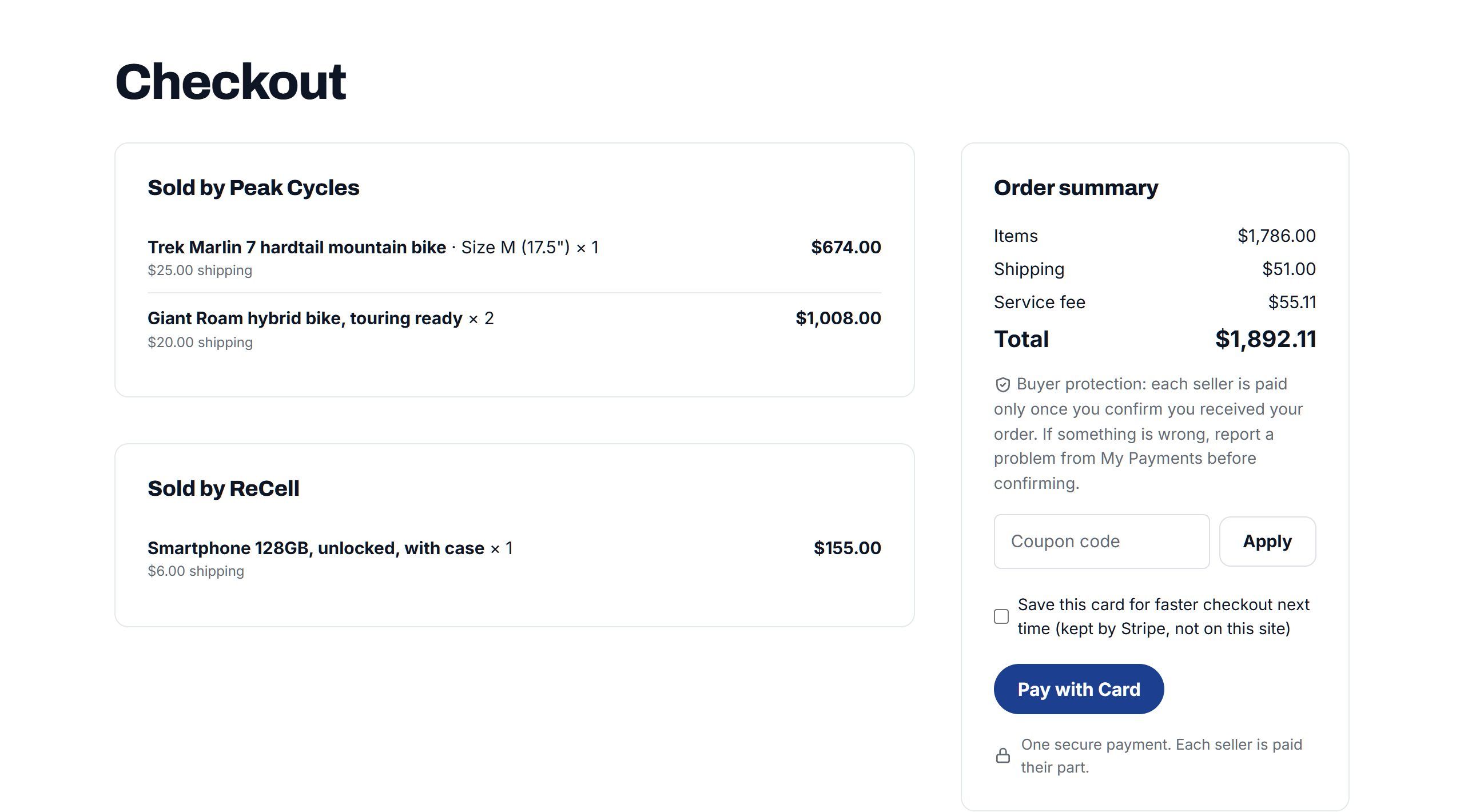
Owners pay on the site with Stripe, brands ship, and you take a commission on each sale. Pet supplies are often bought again and again, a bag of treats every month, a new toy when the old one is destroyed, so a modest cut on many orders is the model to aim for. A cart with items from several sellers, and shipping set per seller, lets an owner buy treats from one bakery and a collar from another maker in one checkout.
Small brands work on thin margins, and many sell on their own websites without a commission. Your cut has to be low enough that selling through you is clearly worth it for the extra buyers. Start low, keep it simple, and do not add a buyer service fee until owners clearly come back for the selection.
Paid extras follow the brands' calendar. Featured listings sell well before the holidays and around a new product launch. Bumps suit bakers with fresh batches every week. Seller memberships fit brands with a large range. Banner spaces can go to pet expos, dog shows, groomers and trainers who want local owners.
Auctions rarely fit everyday supplies, so leave them off unless you add a collectibles or charity category.
| Model | Works when | Switch it on |
|---|---|---|
| Commission per sale | Owners buy repeatedly from small brands | At launch, low enough for thin margins |
| Buyer service fee | Owners return for the selection | After repeat buyers are common |
| Featured listings | Brands launch products and holiday ranges | From early autumn, once traffic is steady |
| Seller memberships | Brands with a large range list often | When several brands list dozens of products |
| Banner spaces | Pet events and local services want owners | When one area or species has regular traffic |
Recruit small pet brands where they already sell in person.
Small pet brands are easy to find because they go where owners are. Your job is to meet them there and make selling online less work.
- Pet expos and dog shows. The trade stands at a pet expo or a big dog show are full of small brands. Walk the hall and collect cards from treat bakers, collar makers and bed makers.
- Farmers markets and craft fairs. Dog treat bakers and pet accessory makers often have a weekly stall and no online shop.
- Independent pet shops. Shops with their own lines, or local makers they stock, can introduce you.
- Breed clubs and rescue groups. Breed clubs know who makes gear that fits their dogs. Rescues know local makers who donate products.
- Etsy and Instagram makers. Many pet makers already sell online and want more buyers in one place, without managing another full website.
- Specialist suppliers. Reptile and bird keepers buy from small specialist makers found through keeper forums and expos.
Brands with a product range can import their catalog as a CSV file. For a maker listing a few items, AI listing from a photo fills in the title, description, category and price from a picture, and the seller then adds the species, size and ingredients.
Twenty good small brands in one species are a stronger launch than a thin spread across every pet.
Be strict about food rules, product safety and claims.
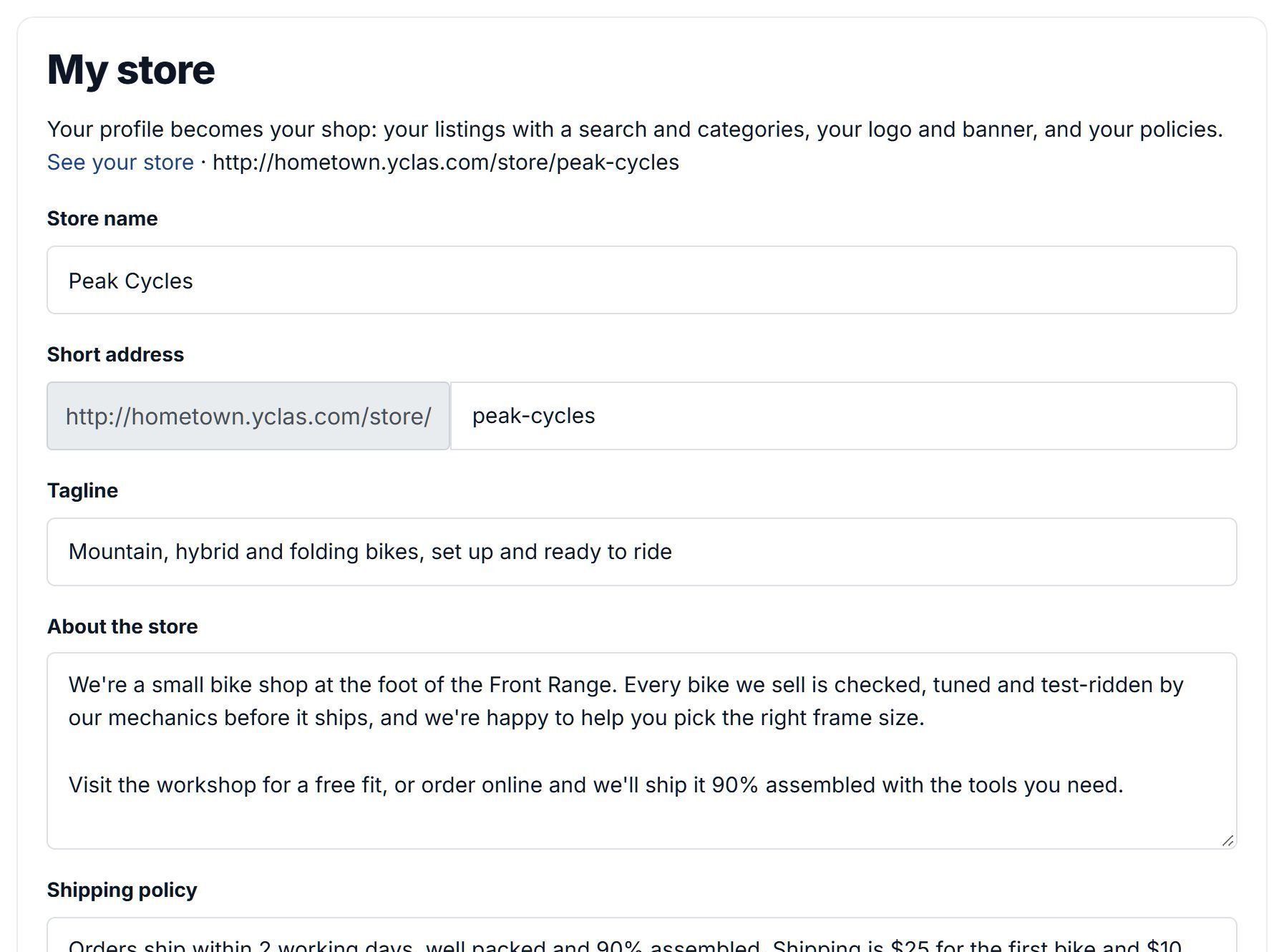
Pet food and treats are regulated in many countries. Sellers may need to register, follow labeling rules, list ingredients and guaranteed analysis, and make food in approved premises. The rules vary by country and sometimes by state, so check the rules where you operate and require food sellers to confirm they follow them. Ask for a business name and contact details on every food listing.
What to ban or restrict
- Medicines and pesticides. Prescription medicines, flea and tick treatments and wormers are usually regulated. Ban them unless you know the rules allow sellers to offer them.
- Health claims. A treat that claims to cure arthritis or anxiety may break advertising or medicine rules. Ban cure and treatment claims.
- Live animals. Keep a supplies marketplace for supplies. Live animal sales bring welfare, transport and licensing issues of their own.
- Unsafe toys. Toys with small parts that break off, or chews that splinter, harm pets. Ask sellers to describe chew strength honestly.
Quality and payment
Recalls happen in pet food, so tell sellers to remove recalled products immediately and give owners a way to report a problem. Counterfeit branded products, especially well known toys and supplements, appear on general sites; ask for photos of real packaging. Keep payments on the site.
Approve every listing at first, use banned words for medicine names and cure claims, and let AI hold suspicious listings for review. Verified seller badges, reviews and seller profiles show which brands deliver what they promise.
Rank for owner problems, breeds and handmade products.
Pet owners search with a need in mind: "grain free dog treats", "handmade leather dog collar", "collar for whippet", "toys for power chewers", "bed for large senior dog", "single protein treats for allergic dogs", "bearded dragon tank decor". These are searches big retail sites answer with thousands of near identical products, and a focused site can answer better.
Pages to build
- Species pages with categories listed below them.
- Need pages: allergies, senior pets, puppies, power chewers, anxious pets. Each with a short guide and live listings.
- Breed pages for breeds with special gear needs, such as sighthound collars or harnesses for deep chested dogs.
- Buying guides: how to measure your dog for a harness, how to read a treat label, how to choose a bed for an older dog.
- Maker stories: short profiles of the brands, which owners like to read before buying handmade.
Gift guides for pet lovers do well in November and December. Write them in October so they are found in time.
Every listing, category and location has its own page, and the SEO title pattern can put the product, species and size first. Keep guide content honest and avoid health claims in your own articles too.

Launch with one species, before the gift season, at a pet event.
The pet year has busy points. The weeks before the holidays bring gift buying for pets and pet lovers. Spring and summer bring outdoor gear, travel bowls and cooling mats. Pet expos and big dog shows happen at set times of year and gather owners and brands in one hall.
Launch checklist
- Pick one species, or one need, and one country.
- Write seller rules: food labeling and registration confirmed, no medicines, no cure claims, no live animals.
- Sign up twenty small brands and help each list at least ten products with species, size and ingredients.
- Publish three need guides and a sizing guide.
- Prepare a gift guide for the next holiday season.
- Book a stand or visit the next regional pet expo.
Partners
Groomers, dog trainers, walkers, vets' waiting rooms and rescue groups all reach local owners. A rescue partnership, where brands donate a share of sales from a featured listing, can bring both goodwill and buyers. Breed clubs will share a page about gear that fits their dogs.
Saved searches with email alerts help owners of pets with allergies, who wait for a treat with one protein to come back in stock. Ask brands to tell their own customers about their storefront, which brings the first repeat buyers.
Start with the owners the big pet stores serve worst. They become your most loyal buyers.
A worked example: Trailhead Hound Supply, Colorado Front Range.
Trailhead Hound Supply is an imaginary marketplace built to illustrate this guide. It sells gear and treats for active dogs, the ones who hike, run and swim with their owners, from small makers in Colorado and nearby states. It ships across the United States, but its first buyers and most of its sellers live along the Front Range between Fort Collins and Colorado Springs, where trail dogs are everywhere.
The founder is a dog trainer who kept getting the same questions from clients: where to buy a harness that fits a deep chested dog, which booties stay on in snow, and who makes a treat without chicken for a dog with allergies. The answers were scattered across craft fair stalls, a few makers' own websites and pages of near identical imports on the large retail sites. Makers said the same thing from the other side: they had good products and loyal local buyers, but no steady traffic online.
Categories
- Harnesses, collars and leads
- Hiking harnesses
- Hands free leads
- Trail gear
- Booties and paw care
- Packs, bowls and cooling vests
- Treats and chews (single protein and limited ingredient)
- Beds and crate pads
Buyers are owners of large and medium dogs who spend weekends outdoors, plus owners of dogs with food allergies. Sellers are a harness maker working from a garage studio, two treat bakers who confirmed they are registered under the state rules for commercial pet food, a leather worker, a maker of waxed canvas packs and a local pet shop with its own line of chews.
How it started
The founder signed up eight makers before telling any buyers, mostly from a spring pet expo and two farmers markets, and helped each one list at least twelve products with species, size, measurements and, for treats, full ingredients. Listings went live in early May, timed for hiking season, with a guide to measuring a dog for a harness and a page on keeping dogs cool on the trail.
How it makes money
A small commission on each order pays the bills. Treat bakers who restock every week buy bumps, and the harness maker took a seller membership after the first summer. Banner spaces go to a regional dog trail race and a local doggy daycare. There are no auctions: owners buying a harness want a clear price.
| Listing | Price | Key details |
|---|---|---|
| Hiking harness with handle, size large | $68 | Chest 28 to 34 inches, reflective trim, handmade in Colorado |
| Single protein lamb treats, 8 oz bag | $14 | Ingredients: lamb, sweet potato; no chicken, no grain; best before date shown |
| Set of four trail booties | $45 | Paw width 2.5 inches, rubber sole, sold by paw size |
| Waxed canvas dog pack, medium | $85 | For dogs 40 to 70 lb, two side pockets, padded straps |
| Orthopedic crate pad, 42 inch | $95 | Washable cover, memory foam, fits a standard large crate |
Your first 90 days, step by step.
Pet owners buy from people they trust, and a new marketplace has no history to point to. The first three months should therefore build the things owners check before they buy: clear sizes, honest ingredients, sellers who follow the rules, and a few useful guides. Traffic comes after that.
Food is the part to start early. Treat bakers may need to show registration, labels and a list of ingredients, and those conversations take longer than recruiting a collar maker. Begin them in the first month so that treats are ready when the site opens. Use the same weeks to agree the rules with the makers you trust most; they will tell you which claims and products other sellers try to slip in.
If your launch season is the holidays, start this plan in late July or August. If it is spring and summer gear, start in February, so harnesses, booties and cooling vests are listed before the first warm weekends.
| Weeks | Focus | Done when |
|---|---|---|
| 1 to 2 | Choose the species or need, set categories and required species and size fields | No listing saves without species, size and, for food, ingredients |
| 3 to 4 | Write seller rules on food registration, medicines, health claims and live animals | Rules are published and every seller must accept them to list |
| 5 to 6 | Recruit makers at pet expos, markets and through breed clubs | Fifteen brands have signed up, including at least three food sellers who confirmed compliance |
| 7 to 8 | Help brands import catalogs or list by photo, with measurements | At least 250 products are live, each with a size or measurement |
| 9 | Open to owners through trainers, groomers and one rescue partner | The first 30 orders have shipped and no sizing complaint is unresolved |
| 10 to 11 | Publish a sizing guide, two need guides and maker stories | Guides are live and link to current listings |
| 12 | Review repeat buyers, returns by category and empty searches | You know which needs and sizes to recruit for next |
Picking a way to build it.
Pet supplies put specific demands on the software. Owners filter by species, size and ingredients, so those must be real fields, not words in a description. Repeat buying is the heart of the model, so saved searches and seller storefronts that owners return to matter. Food sellers need fields for ingredients and best before dates. And because an owner might buy treats from a baker and a collar from a leather worker in one visit, the cart has to hold several sellers with their own shipping.
Building with a development team could give you subscriptions for monthly treat deliveries or a size finder that suggests a harness from a dog's measurements. Both are useful, both take a real budget and months of work, and the payment side becomes your responsibility.
Running a marketplace script or WordPress plugin on your own server costs less up front. Check how it handles required fields per category, several sellers in one order and per seller shipping, and expect to manage updates and security yourself.
A hosted builder such as Yclas gives you required custom fields as search filters, CSV import for brands with a catalog, saved searches with email alerts, and checkout with a commission per sale. What it does not give you is anything custom you might dream up later.
A practical test: list the twenty products from your first three makers on the route you are considering. If that takes a day, the route fits.
| Route | Fits when | Watch out for |
|---|---|---|
| Development team | Subscriptions or a size finder are central to your idea | Budget, build time and payment security you own |
| Script or plugin on your own server | You have technical skills and a tight budget | Required fields per category, multi-seller orders, updates and security |
| Hosted builder | You want to open quickly and focus on brands and owners | Only the features the platform provides |
What a pet supplies marketplace costs to run.
The software is the smallest part of the bill. Most of the cost is your time in the first months: finding the first listings, answering questions and checking what gets posted.
Set aside money for a stand or entry at a pet expo, a lawyer's review of seller terms covering food and product safety, and printed cards. Stripe payment fees come out of each sale, and food sellers carry their own registration and testing costs.
| Cost | Typical range | On Yclas |
|---|---|---|
| Domain | $10 to $20 a year | Your own, with SSL included |
| Software and hosting | $0 to $100+ a month, plus plugins and updates | Marketplace $149 a month for checkout and commission |
| Design | $0 to $100 for a theme, or a designer | 109 looks included |
| Payment fees | About 3% per payment | Your Stripe or PayPal fees; Yclas takes nothing |
| Your time | 5 to 10 hours a week at the start | Finding listings, moderation, support |
Mistakes that sink pet supplies marketplaces.
- Trying to cover every species at once. Dog owners, cat owners and reptile keepers want different filters and different makers. A site with a little of everything feels like a thin copy of the big pet retailers. Start with one species or one need and build depth there. Owners of a single breed or a single problem, such as allergies, talk to each other and spread a good site quickly.
- Allowing sizes like "fits most dogs". Harnesses and collars come back when they do not fit, and returns eat a small maker's margin. Require measurements in inches or centimeters and publish a guide on how to measure. A size chart on every gear listing, written by the maker, prevents more returns than any policy.
- Letting treat sellers skip the ingredients. Owners of allergic dogs read every label, and a missing ingredient list sends them away. Make ingredients a required field for anything edible and add allergen checkboxes.
- Ignoring food rules. Homemade treats may need registration, labeling or an approved kitchen, depending on where the seller works. Ask food sellers to confirm they comply, check the rules where you operate, and remove listings when you are unsure.
- Allowing health claims. A chew that "cures anxiety" or a supplement that "treats arthritis" can create legal trouble and false hope. Ban cure and treatment claims in your rules and with banned words, and hold your own guides to the same standard.
- Letting live animals in through the back door. Listings for puppies or kittens hidden in a supplies category bring welfare and licensing questions. Keep the site for supplies and remove such listings quickly. Say plainly in your rules that animals are not sold on the site, so moderators can act without debate.
- Pricing the commission as if margins were large. Small pet brands often sell on thin margins. A cut that matches the big retail sites gives them no reason to list. Set it low and earn on repeat orders.
- Forgetting the repeat purchase. Owners buy treats every month and toys whenever the old ones are destroyed. If nothing brings them back, every order costs you a new visitor. Use saved searches with email alerts and ask brands to point regular customers to their storefront.
- Launching after the gift season starts. Owners buy pet gifts from mid November. A site found in December misses the season. Open by early autumn, with gift guides already written and makers told when holiday orders need to ship.
Pet trade terms worth knowing.
Brands and owners use these terms in listings, labels and questions.
| Term | What it means |
|---|---|
| Guaranteed analysis | The panel on a pet food label listing minimum protein and fat and maximum fiber and moisture. |
| Single protein | A treat or food made with only one animal protein, often bought for pets with allergies. |
| Limited ingredient | A product with a short ingredient list, designed to make it easier to find what a pet reacts to. |
| Novel protein | A protein a pet has rarely eaten, such as rabbit or venison, used in elimination diets. |
| Life stage | Whether a product is meant for a puppy or kitten, an adult or a senior animal. |
| Chew strength | How hard a dog chews, from gentle to power chewer, which decides how long a toy lasts. |
| Martingale collar | A collar that tightens a little when pulled, popular with sighthound owners because it stops slipping. |
| Deep chested | A body shape, common in greyhounds and boxers, that needs a harness cut differently from standard sizes. |
| Enrichment | Toys and feeders that give a pet something to solve or forage, used to reduce boredom. |
| Freeze-dried | A preserving method that removes water at low temperature, common in raw style treats. |
| Best before | The date until which a food or treat keeps its quality, which owners check on edible listings. |
| Hands free lead | A leash that clips around the waist of the owner, popular with runners and hikers who walk dogs on trails. |
| Vivarium | An enclosure for reptiles or amphibians with controlled heat and humidity. |
The same steps for a pet supplies marketplace on Yclas.
- Describe your marketplaceThe setup wizard writes the categories, an About page and example listings from one sentence.
- Add fieldsThe details buyers filter on, as dropdowns, numbers or checkboxes.
- Bring sellersInvite them, import their stock from a spreadsheet, or post for them.
- Set the rulesChoose moderation, verified sellers, reviews and reports.
- Take paymentsOn Marketplace, buyers pay on the site and you keep a commission, with Stripe.
What are the startup costs for a pet supplies marketplace?
A domain, printed cards and a visit or stand at a pet expo come to a few hundred dollars or more, plus a legal review of your seller terms. Recruiting brands takes more time than money.
Can small bakers sell homemade dog treats on my site?
Often yes, but pet food rules apply in many places: registration, labeling and approved kitchens. Check the rules where you operate and require sellers to confirm they comply.
Should I allow flea treatments and supplements?
Prescription medicines and pesticide treatments are usually regulated, so ban them unless you are sure they are allowed. Allow supplements only without cure or treatment claims.
What commission should I charge small pet brands?
Lower than they would accept elsewhere, because many sell on their own websites without a cut. Repeat orders make a modest commission add up.
Should my marketplace sell live animals?
Keep supplies and live animals apart. Live animal sales bring welfare, transport and licensing questions that a supplies marketplace should avoid.
How do I compete with the big pet retailers?
Do not compete on price. Compete on products they do not carry: handmade gear, small batch treats, supplies for less common pets, and filters for needs like allergies.
What happens if a pet food product is recalled?
Tell sellers to remove it at once and contact buyers, take down the listings yourself if needed, and give owners an easy way to report a problem.
Should I sell pet food as well as treats?
Complete food is heavier to ship, more tightly regulated in many places and sold on thin margins by large retailers. Most small marketplaces start with treats, chews and gear, and add food only when a brand can show it meets the rules.
How do I handle returns on used pet products?
Most owners accept that a chewed toy or worn harness cannot be returned, but an unused item in its packaging usually can. Write your rule plainly and let makers add their own fitting guarantees for harnesses and collars.
Can I let breeders or rescues advertise on the site?
Rescues can be good partners for banner spaces or charity listings, but avoid listings for animals themselves on a supplies site. If you take advertising from breeders, check the rules where you operate first.
What should I do if a treat makes a pet ill?
Ask the owner for details and a vet's note if possible, pause the listing while the seller looks into it, and remove the product if there is a pattern. Point owners to the official reporting route for pet food problems in your country.
Is a subscription model possible on a marketplace?
Owners like regular deliveries, but a marketplace checkout usually handles one order at a time. A practical start is saved searches and email alerts, plus asking bakers to post fresh batches on the same day each week.
Related pages.
The parts of Yclas this leans on.
You have the plan. Now build the pet supplies marketplace small brands have been waiting for.
Describe your site in a sentence and the setup wizard writes the categories, example listings and a look. Free for 15 days, no credit card.
Start my marketplace