How to build an indie beauty marketplace that shoppers trust with their skin.
This guide covers how to build a marketplace for small-batch skincare, soap and cosmetics: choosing a focus, the ingredient and skin-type filters shoppers rely on, a commission that small makers can carry, where to find the first brands, how to handle labelling rules, product claims and returns, and how to launch around the gift season.
Free for 15 days · No credit card · Plans from $19 a month
Give small makers a shelf and shoppers a reason to read the label.
Shoppers who buy indie beauty care about what is in the jar. They want a fragrance-free balm for sensitive skin, a shampoo bar without sulfates, or a lipstick from a maker who uses no animal-derived ingredients. Big marketplaces bury these products among mass brands and resellers, and craft sites mix soap with knitted scarves and wall art. A marketplace that lists only small-batch beauty, with ingredients and skin type as filters, gives both sides a better place to meet.
Sellers are soap makers, small skincare labels, natural deodorant and balm makers, indie nail polish and makeup brands, and herbalists making body oils. Buyers are people with sensitive or specific skin needs, shoppers who prefer local or ethical brands, and gift buyers.
Pick your angle
- One region or country, so makers share the same labelling rules and shipping stays affordable.
- One product family: handmade soap and bath products, clean makeup, or men's grooming.
- One value: vegan, zero-waste packaging, or products for a particular skin or hair type.
Today these makers sell at craft fairs and holiday markets, on Etsy, through their own small web shops, and on Instagram with payment by message, which leaves buyers unsure who they are dealing with.
Ingredients are the product. Make them searchable and you have a reason to exist.
Let shoppers filter by skin, ingredients and size.
Keep the categories simple and the filters rich. A shopper with reactive skin will filter out fragrance before they look at a single photo, so the ingredient-related fields deserve the most care.
- Full ingredient list as a required text field on every product. Shoppers check it, and in many places it is required on the label anyway.
- Free-from checkboxes: fragrance-free, essential-oil-free, nut-free, palm-oil-free. Keep the list short and factual.
- Skin or hair type as a checkbox list: dry, oily, combination, sensitive, curly, fine.
- Size as a number with the unit stated (ounces or milliliters) so shoppers can compare value.
- Shelf life after opening and the batch or made-on date, because products made without strong preservatives do not last as long as mass brands.
Avoid fields that invite medical claims, such as "treats acne" or "for eczema". Use neutral wording like "for oily skin" instead, and ask sellers to describe texture and scent in the description.
| Category | Example listings | Fields buyers filter on |
|---|---|---|
| Soap and bath | Cold process bars, bath bombs, salts | Scent, fragrance-free, palm-oil-free, weight |
| Skincare | Facial oils, balms, cleansers, serums | Skin type, key ingredients, size, shelf life after opening |
| Hair care | Shampoo bars, conditioners, hair oils | Hair type, sulfate-free, size |
| Makeup | Lipsticks, tinted balms, mineral powders | Shade family, finish, vegan, size |
| Body and deodorant | Natural deodorants, body butters, lotions | Scent, baking-soda-free, size |
| Nails | Indie polishes, cuticle oils | Color, finish, number of free-from ingredients |
Each field can be required or optional and shows as a search filter, so shoppers can narrow by free-from claims in one click.
Set a commission small makers can live with.
Small beauty makers have real costs: oils, butters, containers, labels, testing and often insurance. Many already pay fees to craft marketplaces and payment processors. Your commission has to be clearly worth it, which means buyers they would not reach on their own.
- Commission per sale: start modest and keep it simple. Makers will compare it line by line with the craft sites they already use.
- Optional buyer service fee: beauty orders are often small, so a fixed fee can look large on a single soap bar. Wait until carts regularly hold items from several makers.
- Seller memberships fit brands with a full range who want a lower rate and a stronger profile.
- Featured listings work well for new launches and seasonal gift sets.
- Banner spaces suit suppliers of containers, oils and labels who want to reach makers, if your seller base grows large enough.
Keep listing free while you build the catalog. A beauty marketplace with ten makers looks thin, and a listing fee slows the growth you need most.
| Model | Works when | Switch it on |
|---|---|---|
| Commission per sale | Shoppers check out on the site | With the first orders, at a rate below the big craft sites |
| Buyer service fee | Carts often hold several makers' products | After the first holiday season |
| Seller memberships | Brands list full ranges and restock often | Once several makers have dozens of products |
| Featured listings | New launches and gift sets need visibility | From the first fall onward |
| Banner spaces | Ingredient and packaging suppliers want makers | When you have a large, active seller base |
Recruit makers where they already sell in person.
Indie beauty makers are easy to find and usually happy to talk, because they are looking for more places to sell. Go where they already stand behind a table.
- Craft fairs and holiday markets: walk the aisles, buy something, and leave a card. Follow up within a week while they remember you.
- Farmers markets, where soap and balm makers often have a regular stall.
- Soap and cosmetic makers' groups and guilds, online and local, where makers share recipes and supplier tips.
- Independent shops and salons that stock local brands and can point you to their suppliers.
- Instagram and TikTok: search local hashtags for handmade soap or small-batch skincare and message the makers directly.
Make onboarding easy. Offer to import a maker's range from a spreadsheet, so a brand with forty products is live in an afternoon. Before you launch, ask each maker to confirm they follow the labelling and registration rules where they sell, and keep that confirmation on file.
Aim for depth in a few categories first. Twenty makers of soap and skincare beat two makers in each of ten categories.
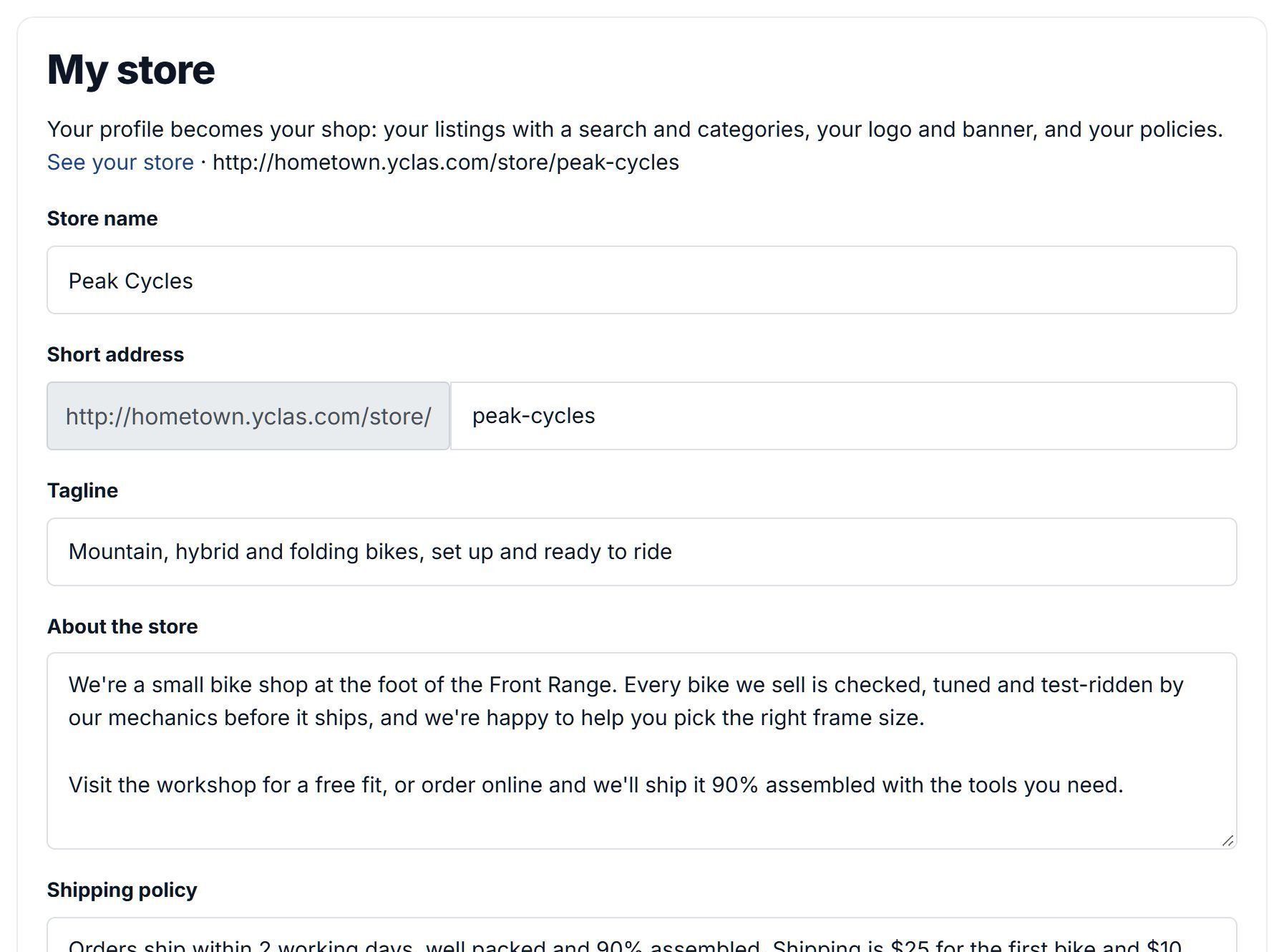
Handle labelling, claims, hygiene and fakes with clear rules.
Cosmetics rules differ widely between countries and change over time. In some places makers must register their products or business, keep safety records, or have a safety assessment before selling. Check the rules where you and your sellers operate, and make following them a condition of selling on your site.
- Claims: a product that claims to treat a condition may be regulated as a drug or medicine in many countries. Ban treatment claims in your rules and use AI moderation and banned words to hold listings that say "cures", "heals" or "treats" for review.
- Sunscreens and SPF products are regulated more strictly than ordinary cosmetics in many countries. Consider leaving them out until you understand the rules.
- Hygiene and returns: opened beauty products usually cannot be resold. Say in your returns policy that unopened items can be returned and opened items only if damaged or not as described.
- Counterfeits and resellers: fake versions of well-known brands circulate widely. Keep the site to makers selling their own products and remove any listing of big-brand items.
- Spoiled products: products with water and weak preservation can grow mold. Ask for made-on dates and shelf life, and act quickly on reports.
- Allergies: tell shoppers to read ingredients and patch test, and require full ingredient lists.
Verified seller badges help here. Show them only to makers who have shared their business details with you.
Rank for the ingredient and skin-type searches mass sites ignore.
Beauty searches are long and specific, and many are about avoiding something. That fits a marketplace with ingredient fields and free-from filters.
- "fragrance free handmade soap"
- "vegan lipstick small brand"
- "shampoo bar for curly hair"
- "natural deodorant without baking soda"
- "handmade skincare made in Oregon"
Set your listing title pattern to put product type, key ingredient and maker first. Then build pages around the filters:
- Free-from pages: all fragrance-free products, all palm-oil-free soaps.
- Skin and hair type pages with short, careful introductions that avoid medical claims.
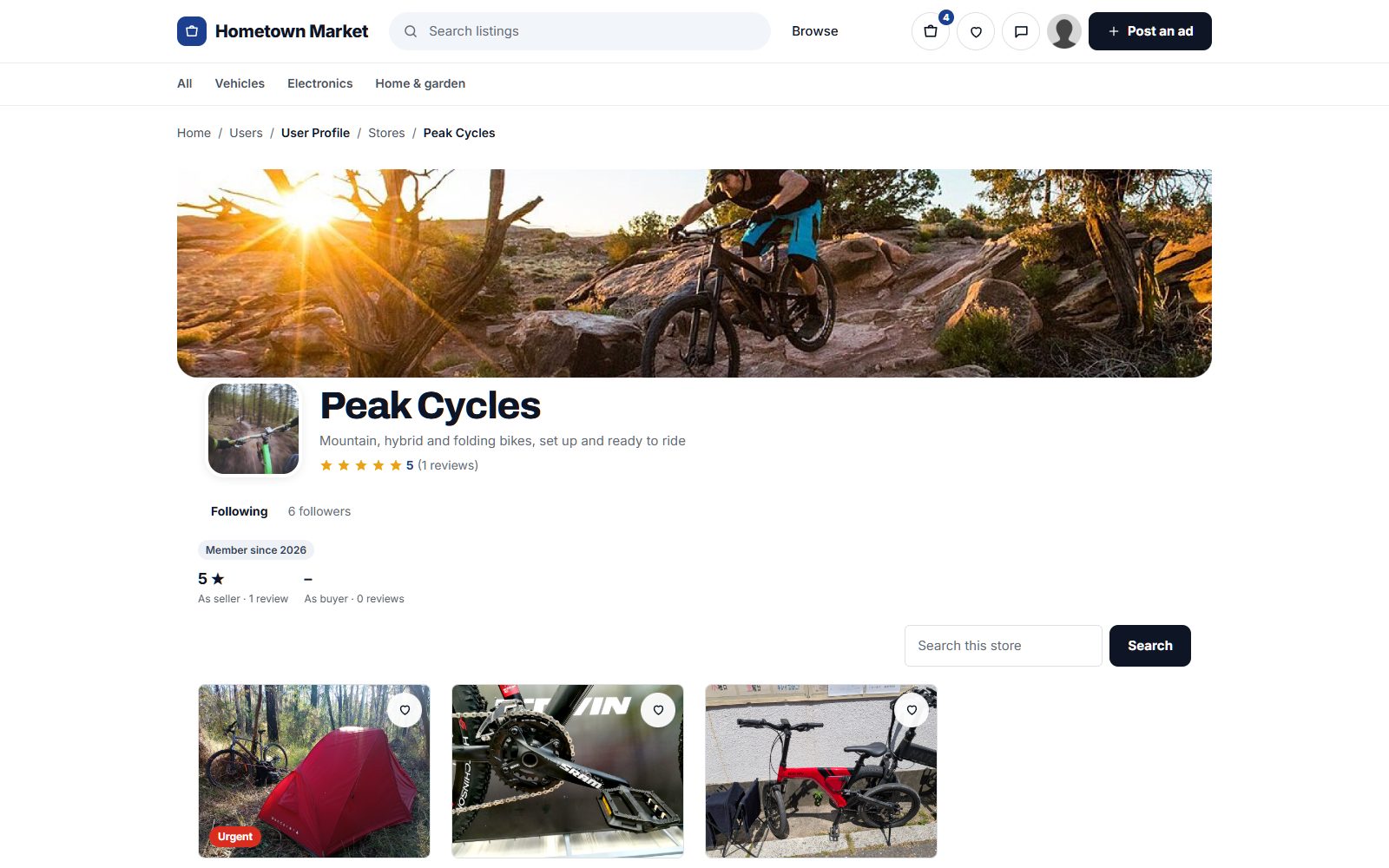
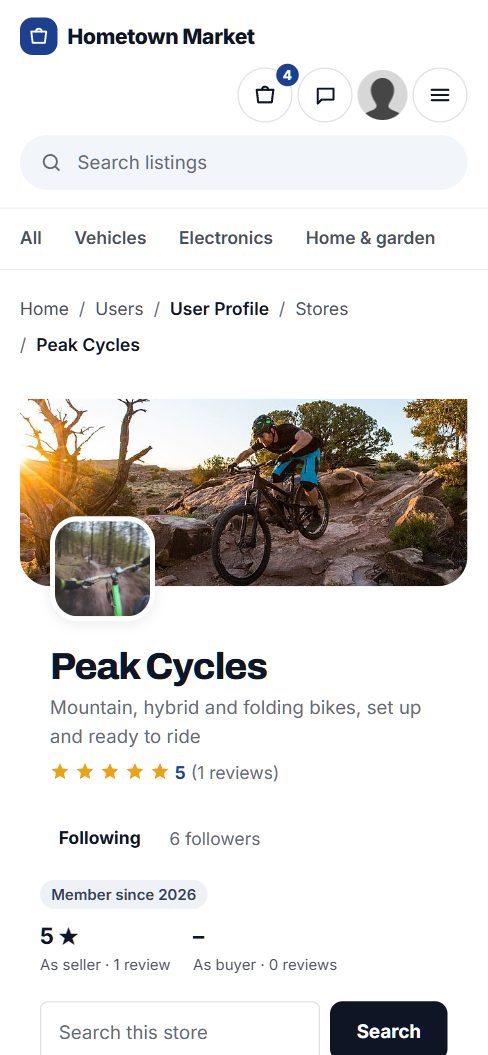
- Maker profiles with the story of the brand, how it makes its products and where it sells in person.
- Buying guides: how to read an ingredient list, what cold process soap is, how long natural skincare lasts once opened.
- Gift guides before holidays, grouped by price.
Makers share their own profile pages with their followers, which brings visitors and links you could not get any other way.

Launch in the fall and be ready for gift buyers.
Beauty gifts sell strongly from November through December, and again around Mother's Day and Valentine's Day. Makers plan their gift sets weeks ahead, so recruit them in late summer and early fall and open to shoppers before the holiday markets begin.
First community
Start with one region or one product family. A marketplace for handmade soap and skincare from one state or province can sign twenty makers from three or four craft fairs and a local makers' group. Add makeup or hair care when buyers start asking for it.
Partners
- Craft fair and holiday market organizers who can share your site with their vendors.
- Local zero-waste and refill shops that already stock small brands.
- Bloggers and creators who review indie skincare honestly.
Checklist
- Ingredient list, size and shelf life required on every product.
- Rules on claims, sunscreens and big-brand items published.
- Returns policy for opened and unopened products written.
- Each maker's confirmation of local labelling rules on file.
- Gift guide pages drafted and twenty makers live before November.
A worked example: Saltmarsh and Fern, small-batch beauty from New England.
Saltmarsh and Fern is a fictional marketplace, described to show how the advice above plays out in one place. It sells soap, skincare and body care made in small batches by makers in Maine, New Hampshire, Vermont and Massachusetts, a region with a long tradition of craft fairs, summer markets and seaside gift shops.
Who it serves
Shoppers are mostly people with sensitive or dry skin who want short ingredient lists, people who like to buy from makers in their own region, and gift buyers in the weeks before the winter holidays and Mother's Day. Sellers include cold process soap makers, a goat milk soap farm, two small skincare labels that make balms and facial oils, a natural deodorant maker and a maker of beard oils and shaving soaps.
Categories
- Soap and bath
- Bar soap
- Bath salts and soaks
- Skincare
- Balms and salves
- Facial oils and cleansers
- Body care and deodorant
- Shaving and beard care
- Gift sets
How it started
The founder had sold lip balm and body butter at fairs for six years and knew most of the soap makers in her area by name. She noticed that customers at her table asked two questions again and again: is it fragrance-free, and is there anything with nuts in it. So she made the full ingredient list, a free-from checklist and a made-on date required before she invited anyone.
She started with fourteen makers she knew from three fall craft fairs, imported each range from the spreadsheets they already used for wholesale orders, and asked every maker to confirm in writing that their labels followed the rules where they sell. She left out sunscreens and anything making treatment claims from day one, and a banned-words list holds listings that say a product heals a skin condition. Within the first season, two makers asked to sell lip tints and one asked about an SPF balm. She accepted the tints after checking their color additives with the makers and turned the SPF balm away.
How it makes money
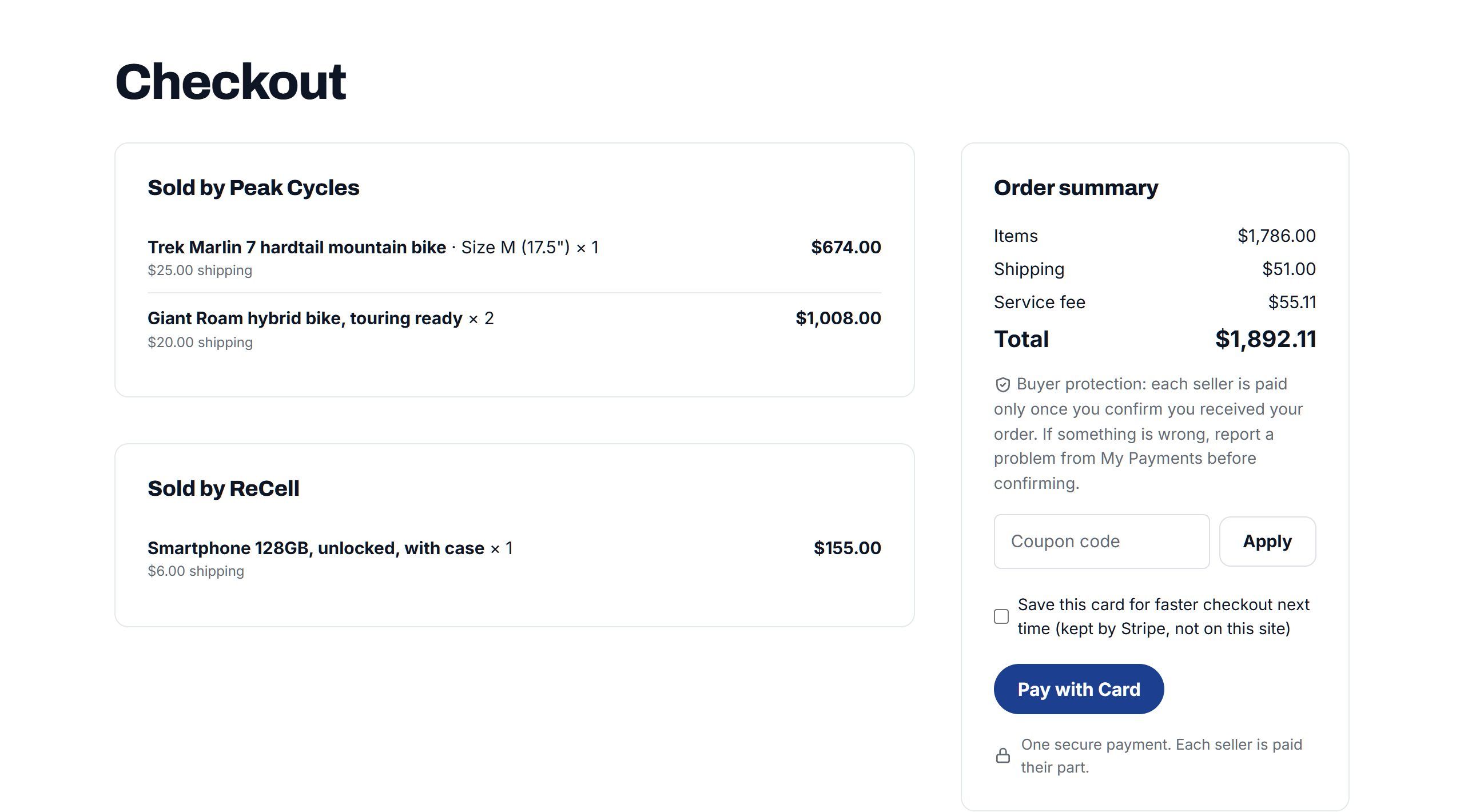
Shoppers check out on the site in one cart across makers, each maker sets shipping, and the site keeps a commission on every sale, kept below what the makers pay on the big craft sites. Three makers with full ranges pay for memberships with a lower rate and a stronger profile. In October and April, makers buy featured listings for their gift sets, and a supplier of tins and amber bottles has asked about a banner aimed at the makers themselves.
Two questions shaped the whole site: is it fragrance-free, and what is in it.
| Listing | Price | Key details |
|---|---|---|
| Unscented oat and goat milk soap | $9 | 4.5 oz bar, cold process, fragrance-free, made on September 2, cured six weeks |
| Calendula and shea hand balm | $16 | 2 oz tin, essential-oil-free, for dry skin, use within 12 months of opening |
| Rosehip and jojoba facial oil | $28 | 1 fl oz glass bottle with dropper, nut-free, full ingredient list on the listing |
| Baking-soda-free deodorant | $13 | 2.5 oz paper tube, lavender and cedar scent, vegan |
| Winter gift box, three makers | $42 | One soap, one balm and one bath soak, each made in Maine or Vermont, ships in recycled packaging |
The first 90 days of an indie beauty marketplace.
Beauty makers plan around craft fair season and the winter holidays, so your ninety days should end with the shop open about six weeks before the first big gift weekend. Counting back, that puts the start somewhere in mid to late summer.
Spend the first weeks on the rules, not the design. Decide which product types you accept, which claims you ban, and what each maker has to confirm about labelling where they sell. These decisions shape your fields and your seller terms, and changing them after makers have listed creates friction.
The middle of the plan is recruiting at fairs and markets, where you can smell and touch the products before you invite the maker. Order a few samples from each new maker and check that the jar matches the listing, from the weight on the label to the scent described.
Watch two signals before opening: how many products show up under each free-from filter, and how many makers have listed a full range rather than a single item. A thin fragrance-free page will disappoint exactly the shoppers you most want. Keep notes on every maker you meet, including the fairs they attend and the products they plan for the holidays, so your follow-ups are personal rather than a form email.
| Weeks | Focus | Done when |
|---|---|---|
| 1-2 | Choose your region or product family, write accepted and banned product types, ban treatment claims | Seller rules and a list of excluded products such as sunscreens are written |
| 3-4 | Set the ingredient, free-from, skin type, size and made-on fields and the returns policy for opened items | A test product shows every filter and the returns policy appears on its page |
| 5-6 | Recruit at summer fairs and markets, order samples from each maker | Ten makers have agreed to list and samples have arrived |
| 7-8 | Import ranges from spreadsheets and collect each maker's labelling confirmation | Ten makers live, each with a confirmation on file |
| 9-10 | Grow to twenty makers and fill the free-from pages | Fragrance-free and palm-oil-free filters each return a real selection |
| 11 | Write two buying guides and draft the gift guide pages | Guides are published and gift pages are ready to fill |
| 12 | Open to shoppers and tell makers to share their profiles | First outside orders shipped and most makers have posted their profile link |
Ways to build an indie beauty marketplace.
An indie beauty marketplace lives on its filters and its rules. It needs required ingredient fields, checkbox lists for free-from claims and skin types, a cart that holds products from several makers with shipping set by each, moderation that catches treatment claims, and maker profiles that tell a story. The route you choose should make those easy, not just look pretty.
Hiring developers makes sense if you want something unusual, such as an ingredient database that flags a shopper's own allergens on every product. That is attractive but large, and ingredient naming is messy enough that the data work never really ends.
A marketplace script or WordPress plugin on your own server can work if you are comfortable with hosting. Many beauty shops already run on WordPress, so makers may find it familiar. Test the multi-vendor side carefully: commission per sale, payments split across makers and per-maker shipping are where cheaper plugins fall short, and you also own updates and backups.
A hosted builder such as Yclas fits a founder whose time is better spent at craft fairs. Ingredient and free-from fields can be required and shown as filters, ranges can be imported from a spreadsheet, and moderation can hold listings with banned words like "cures" for review. List your filters and rules first and confirm each one before you choose.
Whichever route you pick, ask two makers and two shoppers with sensitive skin to try it before launch. Watch whether the shoppers find the fragrance-free filter without help, and whether the makers can list a product with a long ingredient list without losing patience.
| Route | Fits when | Watch out for |
|---|---|---|
| Custom build with developers | You want personal allergen matching or another feature no package has | Cost, a long build, and keeping ingredient data clean |
| Script or plugin on your server | You know hosting and want WordPress-style control | Multi-maker payments, commission handling, security updates |
| Hosted builder | You want to focus on makers, rules and content | Check required fields, free-from filters and claim moderation fit your rules |
| Start with a few makers on one shared shop | You are testing demand before building anything | It does not scale to many makers and leaves you handling every payout by hand |
What an indie beauty marketplace costs to run.
The software is the smallest part of the bill. Most of the cost is your time in the first months: finding the first listings, answering questions and checking what gets posted.
Budget for samples to check new makers' products, and for advice from someone who knows cosmetics rules in your country before you write your seller terms. Some marketplaces also require makers to carry product liability insurance, which is the maker's cost but worth asking about.
| Cost | Typical range | On Yclas |
|---|---|---|
| Domain | $10 to $20 a year | Your own, with SSL included |
| Software and hosting | $0 to $100+ a month, plus plugins and updates | Marketplace $149 a month for checkout and commission |
| Design | $0 to $100 for a theme, or a designer | 109 looks included |
| Payment fees | About 3% per payment | Your Stripe or PayPal fees; Yclas takes nothing |
| Your time | 5 to 10 hours a week at the start | Finding listings, moderation, support |
Mistakes that cost indie beauty marketplaces their makers.
- Letting ingredient lists be optional. Shoppers with reactive skin leave the moment they cannot check what is in a product. Make the full list required, and do not accept "natural oils and botanicals" as an answer. A free-from checkbox is only as good as the list behind it, so spot-check that the two agree.
- Allowing treatment claims to slip through. A balm that "heals eczema" may be treated as a medicine where you operate, and the risk reaches your site too. Ban the words in your rules, hold listings that use them, and suggest neutral wording to the maker. Most makers are not trying to mislead anyone, they simply repeat what their customers say about a product, so a friendly note with an alternative phrase usually fixes it.
- Accepting resellers of big brands. One listing of a famous moisturizer at half price invites counterfeits and confuses shoppers about what you are. Keep the shelf to makers selling what they make, and remove listings that use a famous brand's name to describe a dupe.
- Mixing in every craft. Candles, jewelry and knitted goods dilute the filters and push you back toward a general craft site. If you add anything, keep it close to the bathroom shelf, such as soap dishes, bath brushes and refill containers.
- No policy for opened products. Without one, a shopper who dislikes a scent will expect a refund and a maker will refuse. Publish the rule before launch and show it on every product page.
- Ignoring made-on dates. Products without strong preservatives age, and a facial oil that has gone rancid in a warm storeroom leads to bad reviews for the whole site. Require dates and shelf life after opening, and remind makers that summer shipping can spoil balms and butters in transit.
- Opening in January. Makers have just finished their busiest season and shoppers have stopped buying gifts. Recruit in summer and open before the fall fairs end.
- Signing makers you have never tried. A pretty photo says nothing about whether a soap was cured long enough. Order a sample from every new maker, at least for your first fifty. Treat it as a cost of building the site, and note anything that does not match the listing.
- Pricing the commission like a big platform. Makers know their margins to the cent. If your rate is close to what large craft sites charge without bringing them new shoppers, they will list a few items and forget you.
- Writing your own product descriptions with health language. Founders slip too. Category intros, gift guides and social posts that promise clearer skin or calmer eczema carry the same risk as a maker's listing. Read your own pages with the same rules you apply to sellers.
- Hiding the maker. A product page that does not show who made it, where and how small the batch is looks like any other online shop. Put the maker's name and story on every product, because that is what shoppers in this niche are choosing between.
Indie beauty terms you will use every day.
Makers and shoppers will expect you to know what these words mean.
| Term | What it means |
|---|---|
| Cold process | A soap-making method where oils and lye react without added heat, then cure for weeks. |
| Hot process | A soap-making method that cooks the soap so it can be used sooner, with a more rustic texture. |
| Cure time | The weeks a bar of soap rests after making so water evaporates and the bar hardens. |
| Superfat | The share of oils left unreacted in a soap, which makes it milder. |
| Anhydrous | Made without water, such as balms and oils, which usually need less preservation. |
| Preservative system | The ingredients that stop mold and bacteria growing in products that contain water. |
| PAO | Period after opening: how many months a product stays good once opened, often shown as an open jar symbol. |
| INCI names | The standard ingredient names used on cosmetic labels in many countries. |
| Fragrance oil | A made scent, as opposed to an essential oil distilled from a plant. |
| Patch test | Trying a small amount on the skin before full use to check for a reaction. |
| Batch number | A code that links a product to the date and batch it was made in, useful if something goes wrong. |
| Safety assessment | A review of a product's formula by a qualified person, required before sale in some countries. |
| Dupe | A product sold as a cheaper copy of a well-known brand's product, often named after it. |
| Private label | A product made by a manufacturer and sold under someone else's brand, not handmade by the seller. |
The same steps for an indie beauty marketplace on Yclas.
- Describe your marketplaceThe setup wizard writes the categories, an About page and example listings from one sentence.
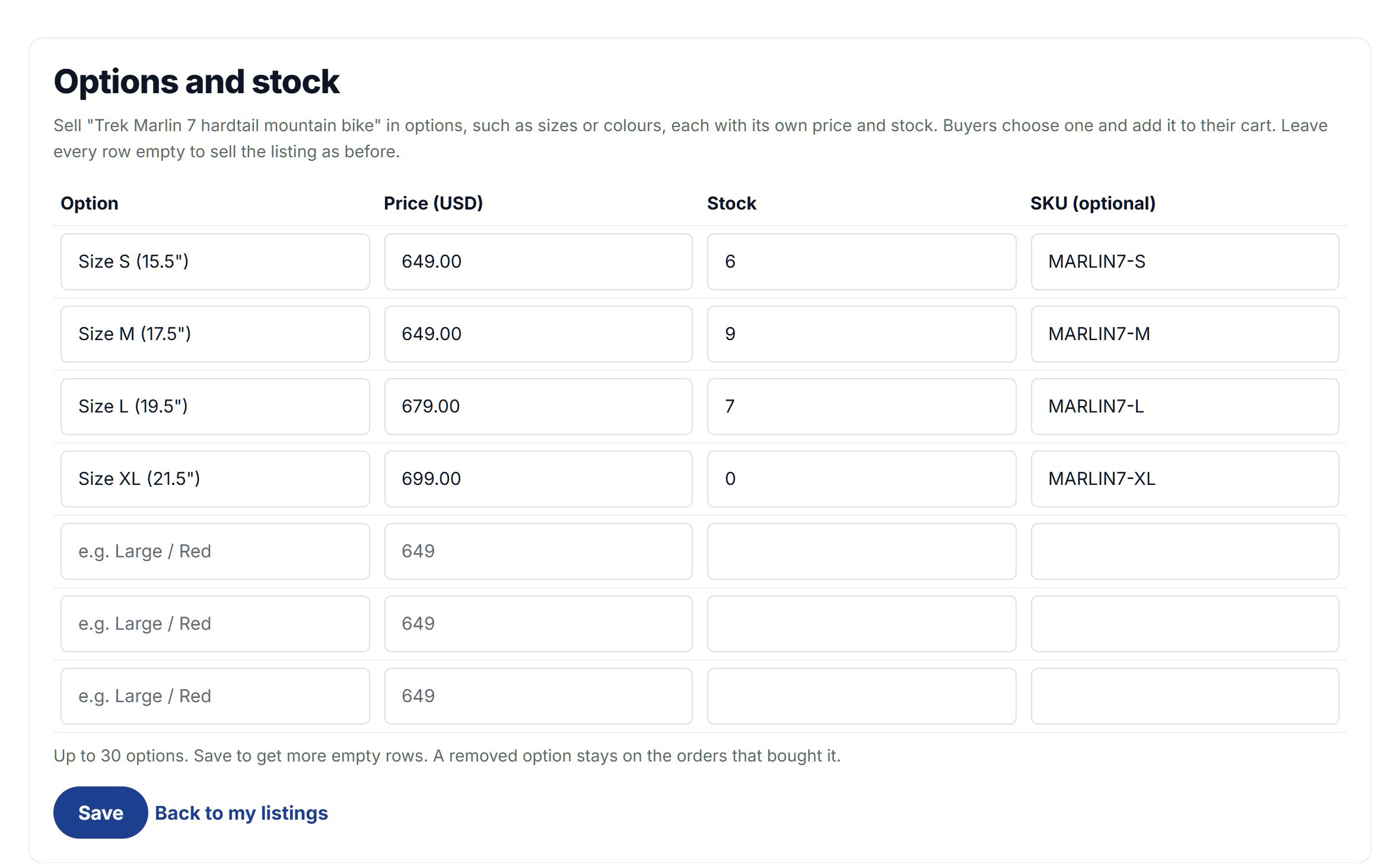
- Add fieldsThe details buyers filter on, as dropdowns, numbers or checkboxes.
- Bring sellersInvite them, import their stock from a spreadsheet, or post for them.
- Set the rulesChoose moderation, verified sellers, reviews and reports.
- Take paymentsOn Marketplace, buyers pay on the site and you keep a commission, with Stripe.
How much money do I need to open an indie beauty marketplace?
Not a lot at first: a domain, some design work, a few product samples and a short consultation on cosmetics rules where you operate. Payment processing fees come out of each order.
Do my sellers need to register their products?
In some countries yes, and the rules have changed in recent years in several markets. Check the rules where you and your sellers operate, and make compliance a condition of selling.
Am I responsible for what sellers claim about their products?
The details depend on your country, so ask a lawyer. In practice, ban treatment claims in your rules, moderate listings and remove products that break them quickly.
Can buyers return a product they opened?
Most beauty sellers refuse returns of opened items for hygiene reasons, unless the product is damaged or not as described. Write your policy before launch and show it on every product page.
How do I get my first makers?
Visit craft fairs, holiday markets and farmers markets, join local makers' groups, and message small brands you find on Instagram. Offer to import their range so they are live quickly.
How can I compete with Etsy and Amazon?
Focus on beauty only, with ingredient and skin-type filters those sites do not offer, and on makers who sell their own products. Shoppers who care about ingredients will come for the filters.
Should I require product liability insurance?
Many marketplaces ask for it, and some makers already have it for craft fairs. Decide what you require and say it clearly in your seller terms.
Should I accept private label products?
Most indie beauty marketplaces do not, because shoppers come for makers who make their own products. If you allow them, label them clearly so shoppers can tell the difference, and ask the seller who makes the product and where.
How do I check a maker's products before they list?
Order a sample, read the label against the listing, check the size and weight, and check that the made-on date and shelf life look reasonable. For your first makers, a short call about their process, their preservatives and where they buy their ingredients also helps you understand who you are inviting.
Can makers sell to shoppers in other countries?
They can where they know the rules in the destination, but cosmetics rules and customs differ widely. Starting with one country keeps labels, shipping and returns simple, and lets you add other countries once you understand what each one asks of makers.
What should a maker profile include?
The maker's story, where they make their products, how they choose ingredients, the craft fairs they attend and photos of their workspace. Shoppers in this niche buy the person as much as the product, so a profile with a real face and a real workshop does more than any discount.
How do I deal with a shopper who reports a skin reaction?
Take it seriously, ask for the product and batch details, share the report with the maker, and pause the listing if several reports come in. Follow the reporting rules where you operate, and keep a record of what you did and when.
Related pages.
The parts of Yclas this leans on.
You know what shoppers look for. Now build the marketplace small makers deserve.
Describe your site in a sentence and the setup wizard writes the categories, example listings and a look. Free for 15 days, no credit card.
Start my marketplace