
How to build a commercial property classifieds website for local businesses.
This guide is for founders who want to run a listings site for commercial space in one city or region: offices, retail units, warehouses, workshops and restaurant premises, for lease and for sale. It covers picking the angle, the fields tenants and investors filter on, how brokers pay, the first hundred spaces, misrepresentation risks, search and launch.
Free for 15 days · No credit card · Plans from $19 a month
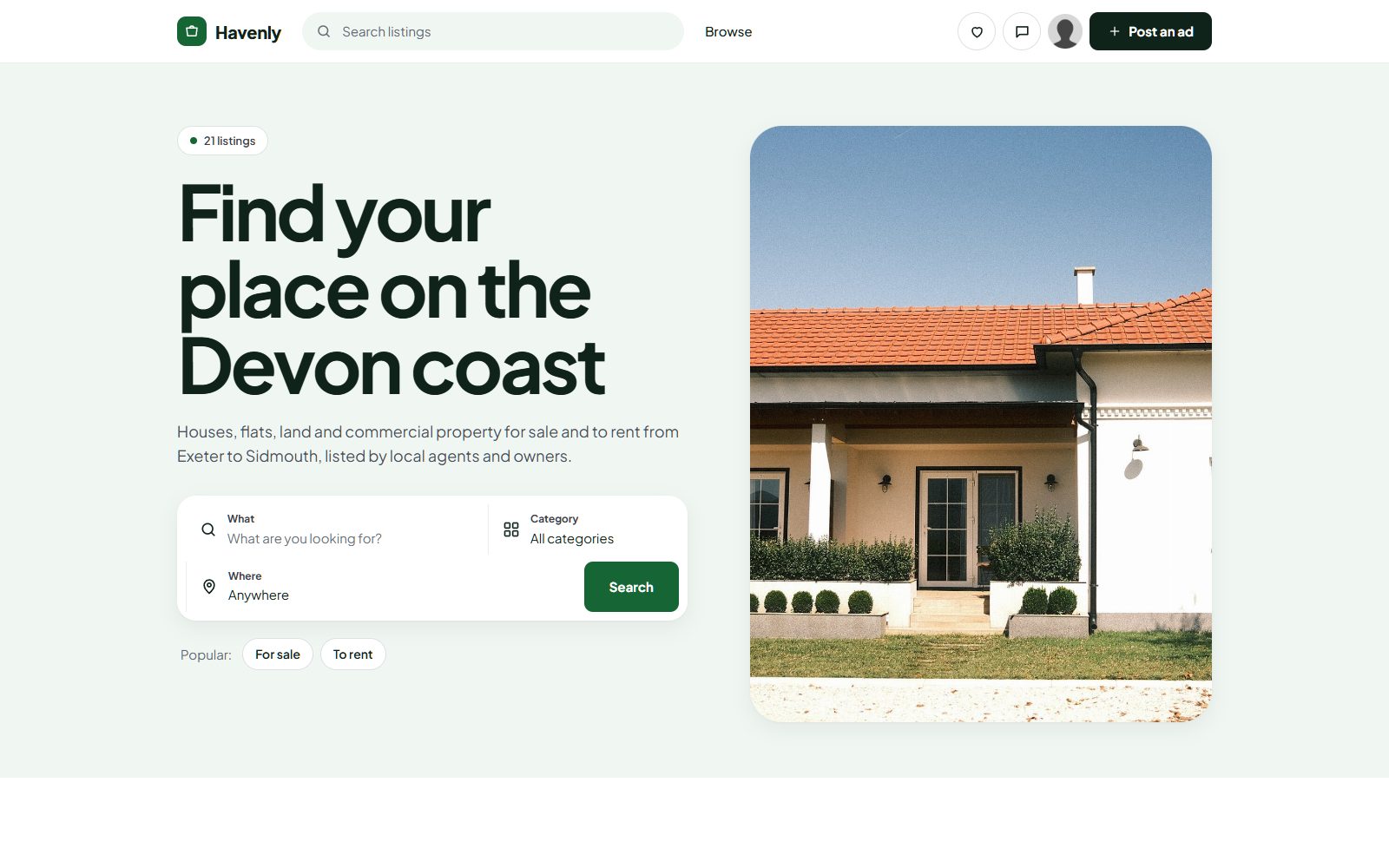
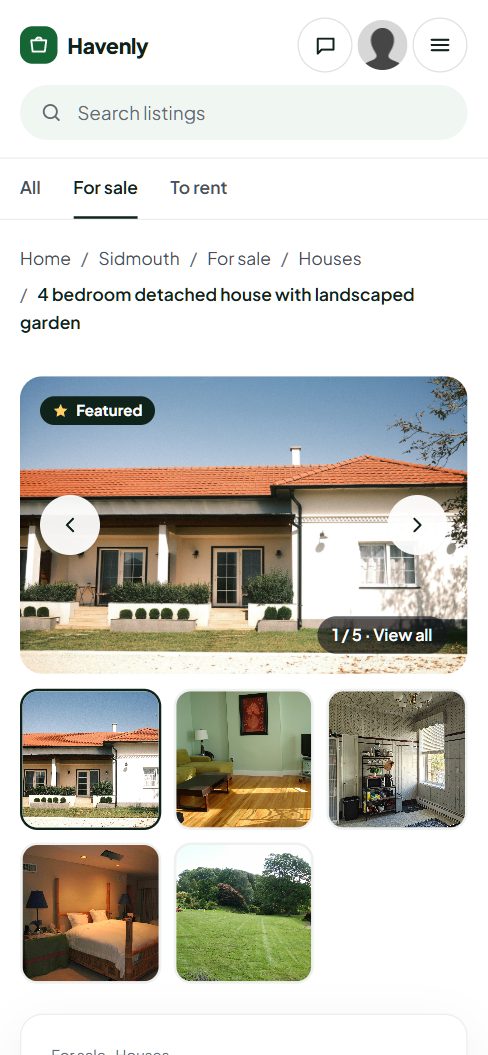
Serve the small business owners that commercial portals overlook.
Large commercial real estate platforms are built for brokers and investors dealing in big buildings. A bakery owner looking for 1,200 square feet with a vent hood, or a contractor who needs a small yard and a roll-up door, often finds those listings scattered across broker sites, "for lease" banners and general classifieds. A local site that collects small commercial spaces in one place solves a real problem.
Pick your angle
- One city, all small commercial space. Units under a size limit, for lease or sale, from brokers and landlords.
- One property type. Industrial and flex space for tradespeople, restaurant spaces with kitchens, or shared offices and coworking desks.
- One kind of deal. Subleases from businesses that downsized, or business premises sold with the business.
- A downtown or main street. Work with a business improvement district or chamber of commerce to fill empty storefronts.
Who uses it
On one side are landlords, small investors, commercial brokers, and tenants with space to sublease. On the other are startups, shop owners, restaurateurs, contractors, clinics and franchise owners looking for a location. Today they find each other through broker websites, signs in windows, word of mouth at the chamber of commerce and LinkedIn posts. Ask a few local business owners how they found their current space: the answers tell you where the listings are.
Small spaces and small tenants are your market. Leave the office towers to the big platforms.
Ask for size, use and lease terms, because tenants rule spaces out fast.
A tenant looking for commercial space has hard requirements: the use must be allowed, the space must be big enough, and the costs must fit. Fields should let them rule out the wrong spaces in seconds.
- Transaction: for lease, for sale, or sublease. Make it required and show it as a filter.
- Size in square feet as a number, so tenants can set a range.
- Asking rent as a number with a dropdown for the unit: per month, per year, or per square foot per year. Brokers in different markets quote rent differently, and mixing them confuses tenants.
- Lease type: gross, modified gross or triple net. A tenant comparing rents needs to know who pays taxes, insurance and maintenance.
- Zoning or permitted use as free text, with a note that tenants should confirm it with the local planning office.
Then add the fields specific to each property type, such as ceiling height and loading for warehouses or a grease trap for restaurants. Field packs set up property fields in one click, and you can add your own as dropdowns, checkboxes or numbers.
| Category | Example listings | Fields tenants and buyers filter on |
|---|---|---|
| Offices | Suites, small office buildings, medical offices | Square feet, rent, lease type, private offices, parking spaces |
| Retail and storefronts | Main street shops, strip mall units | Square feet, frontage, foot traffic area, rent, permitted use |
| Industrial and warehouse | Warehouses, flex space, workshops | Square feet, clear height, loading docks, drive-in doors, power |
| Restaurant and food | Former restaurants, cafe units, commercial kitchens | Square feet, hood and ventilation, grease trap, seating, existing fixtures |
| Land and yards | Contractor yards, development sites, parking lots | Acres, zoning, utilities on site, fenced |
| Coworking and shared space | Desks, small private offices, studios | Price per month, desks, meeting rooms, access hours |
Make transaction type, square feet and asking rent or price required on every listing.
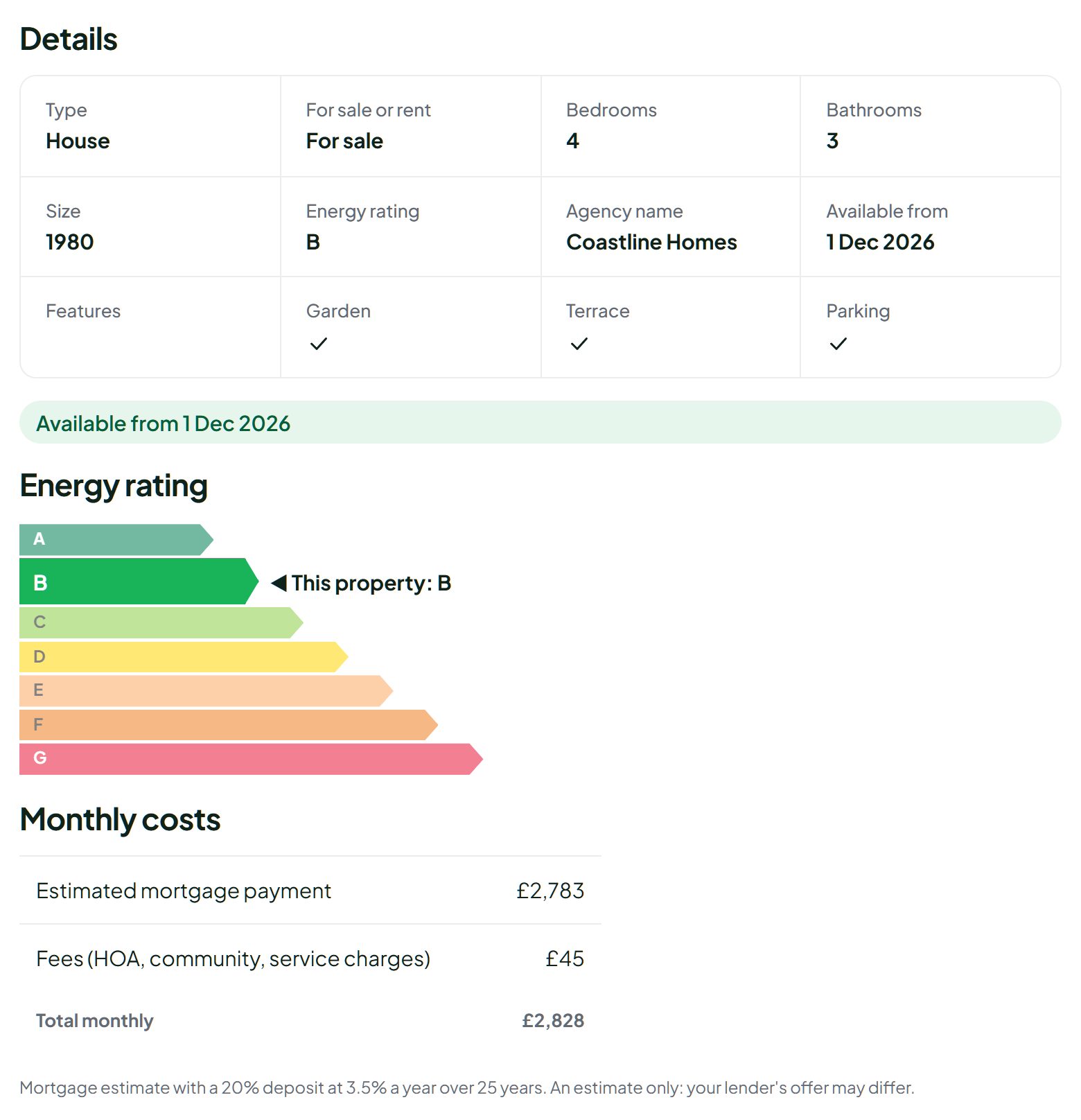
Brokers and landlords pay to fill vacancies, because empty space is expensive.
An empty commercial unit can cost its owner a lot every month in lost rent, taxes and upkeep, and it can sit empty for a long time. That makes landlords and brokers willing to pay for qualified inquiries, but only once they see them. Start free so you have a complete view of vacant space in your area.
Who pays
- Commercial brokers handle many listings and are used to paying for marketing. A membership that covers all their listings fits them.
- Landlords leasing directly pay per listing, especially for larger or hard-to-fill units.
- Tenants subleasing want out of a lease quickly and will pay to feature their space.
- Service businesses such as fit-out contractors, commercial cleaners, sign makers, business lawyers and insurers buy banner space, because every new tenant needs them.
Commercial deals take weeks or months, and close offline, so do not plan on a fee per deal. Charge for visibility and posting, and report inquiries back to brokers so they see what they pay for.
| Model | Works when | Switch it on |
|---|---|---|
| Broker memberships | Brokers post several listings and renew them | Once two or three local brokers post regularly |
| Pay to post for direct landlords | Landlords lease directly and need tenants | When categories get steady inquiries |
| Featured listings | A category has more spaces than fit on one screen | A few dozen active listings per category |
| Banner spaces for fit-out and services | New tenants need contractors and advisers | Once you can show steady visitors from local businesses |
| Featured sublease spots | Businesses need to exit a lease quickly | Once the sublease category has buyers |
Collect the vacant spaces in your city, starting with the ones on signs.
Commercial listings change slowly compared with homes or rentals: a warehouse can stay available for months. That works in your favor. A hundred listings gathered over a few weeks stay valid long enough to make the site look complete.
Where to find them
- "For lease" signs and banners. Drive the commercial streets and industrial parks in your area and note every sign. Many belong to small landlords with no online listing.
- Small commercial brokers. Independent brokers outside the big firms want more exposure. Ask for their current listings in a spreadsheet: listings can be imported from a CSV, so a broker's whole inventory goes up at once.
- The chamber of commerce and business improvement districts. They track empty storefronts and want them filled.
- Economic development offices. Many keep lists of available sites to attract businesses and are glad of another channel.
- Businesses that are moving or downsizing. Watch for local news and ask accountants and business lawyers, who often know first.
For each listing, ask the broker or landlord to confirm details every month or two. Expire listings that are not renewed, so tenants are not calling about a space that was leased last spring.
Every "for lease" sign in your city is a listing waiting to be posted.
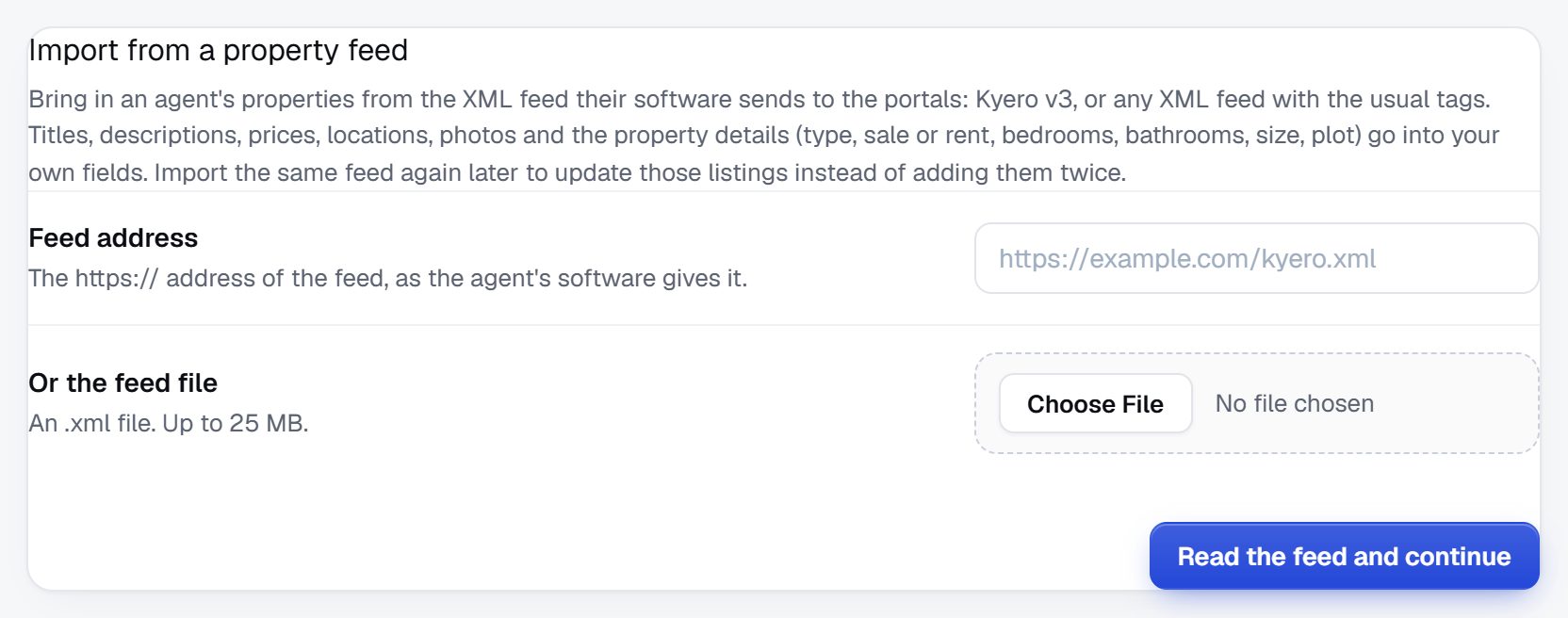
Watch for misrepresented spaces, fake landlords and advance fee scams.
Commercial tenants are usually business owners committing to years of rent, so the risks are less about stolen deposits and more about expensive surprises. Still, scams do appear.
Problems to watch for
- Wrong zoning or permitted use. A space advertised as suitable for a restaurant or a gym that the local rules do not allow. Ask listers to state the current use and remind tenants to confirm zoning with the planning office before they sign.
- Misleading size. Rentable and usable square footage can differ. Ask which figure is listed.
- Fake landlords. Someone advertises a vacant unit they do not own and asks for a security deposit or the first month's rent to hold it. Check ownership for direct landlord listings, and give verified badges to brokers and landlords you have checked.
- Advance fee schemes. "Investors" or "financing brokers" who reply to sale listings and ask for upfront fees. Hold messages and listings that ask for fees by wire or crypto.
Rules for the site
- Approve every listing while the site is new.
- Ask brokers to include their license number where your area requires one, and check the rules where you operate on how commercial property may be advertised.
- Let users report listings that are leased, misdescribed or fake, and remove them quickly.
Tell tenants to read a lease with a lawyer before signing. A short safety page on commercial leasing helps first-time business owners, and it gives your site a reason to be trusted.
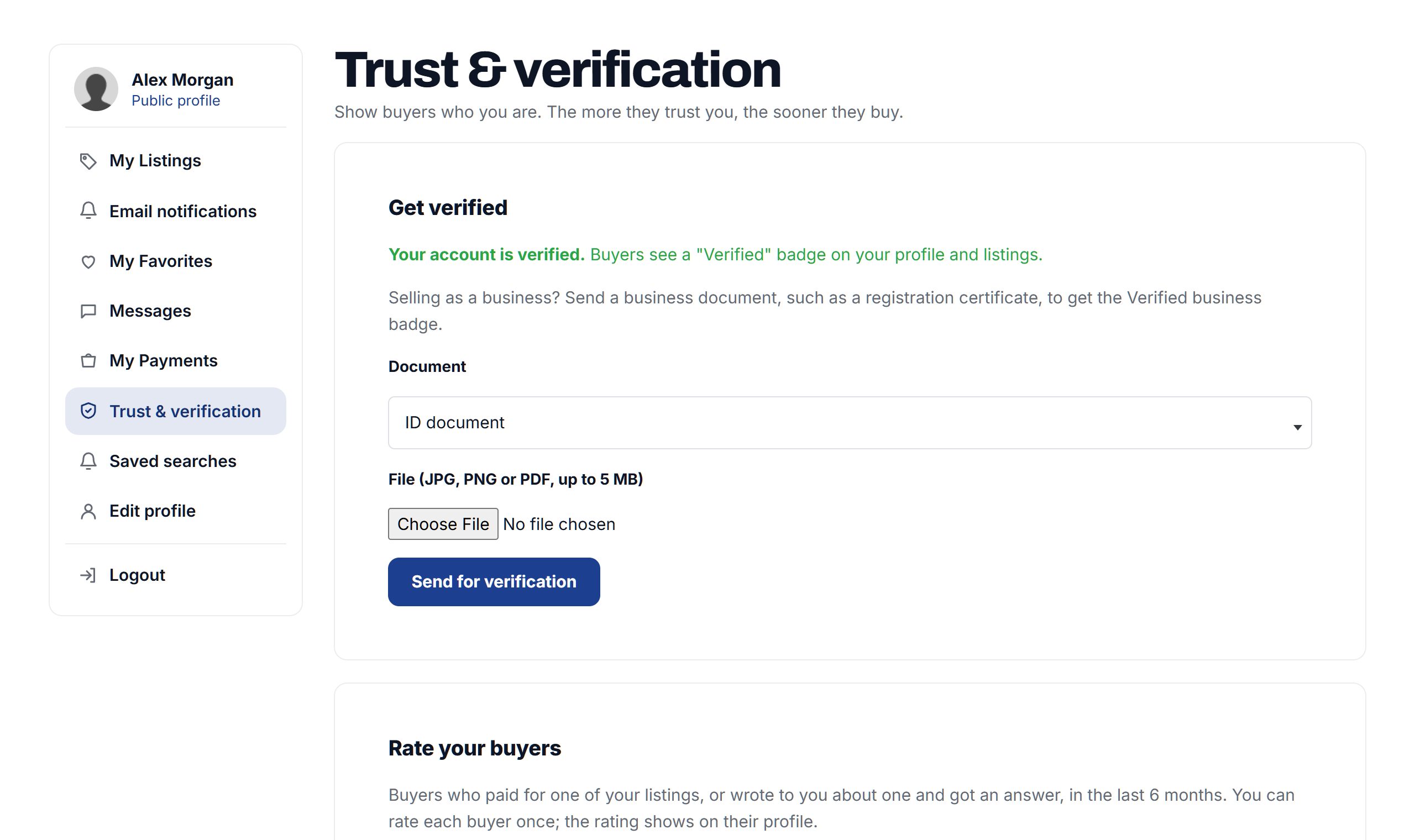
Rank for property type plus city, and for the uses tenants search.
Commercial space searches combine a property type, a place and often a use. Large portals rank for the biggest cities, but searches for small spaces, specific uses and smaller towns are open.
Searches to target
- "office space for rent [city]" and "small office for lease [neighborhood]"
- "retail space for lease [town]" and "storefront for rent [main street]"
- "warehouse for rent [county]" and "small warehouse with loading dock [city]"
- "restaurant space for lease [city]" and "commercial kitchen for rent [city]"
- "contractor yard for rent [area]"
Pages to build
- Category plus location pages for each type and area, such as "warehouse space in [industrial park]".
- Use-based pages, like "spaces suitable for a gym" or "restaurant-ready spaces", built from your categories and fields.
- Title patterns that include the size and type, so each listing reads like "1,500 sq ft retail unit for lease in [town]".
Content that helps tenants
- A plain guide to lease types: gross, modified gross and triple net, with what each means for monthly costs.
- A checklist for opening a restaurant or shop: zoning, permits, fit-out and signage, written with a reminder to check local rules.
- Area profiles for business districts, with notes on parking, foot traffic patterns and the kinds of businesses nearby.
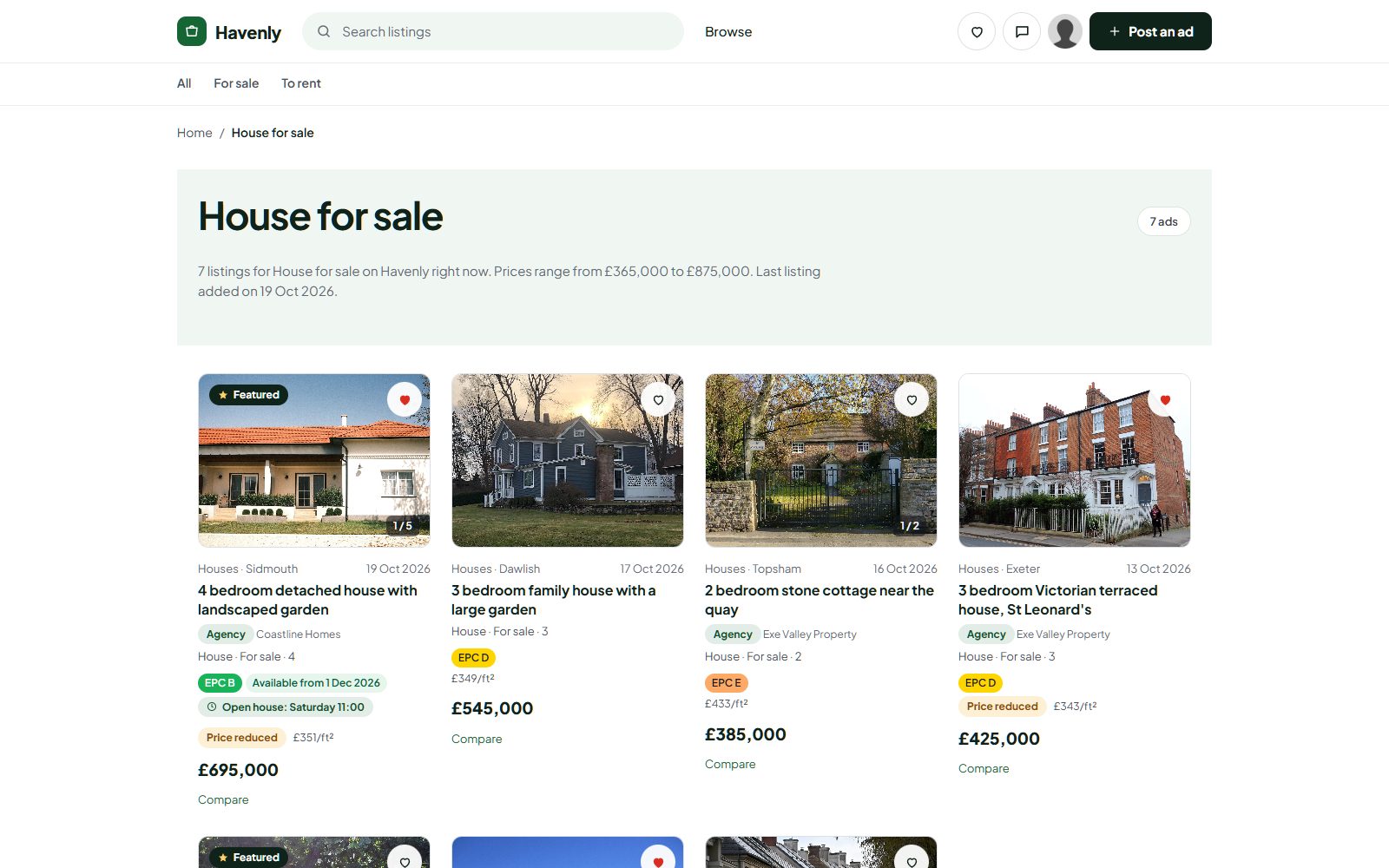
Launch with your city's business groups, one district at a time.
Commercial property has less seasonality than housing, but there are moments that matter: the end of the year, when many leases expire and businesses plan moves; new development openings; and local business events where owners gather. Plan your launch around the business calendar in your city.
Launch plan
- Pick one district or property type and collect its vacant spaces until the list looks complete.
- Sign up two or three independent brokers with their inventory.
- Publish your guides on lease types and opening a shop or restaurant.
- Present the site at a chamber of commerce or business association meeting.
- Ask the economic development office and the local small business development center to share it.
- Post in local business owner groups and on LinkedIn with a link to a filtered page, such as small warehouses or restaurant-ready spaces.
Partners
Accountants, business lawyers, fit-out contractors, sign makers and business lenders meet companies at the moment they need space. They can point clients to your site, and they make natural first advertisers.
Checklist
- A domain with SSL that names your city and the kind of space.
- Transaction type, square feet and asking rent or price required.
- Map on every listing.
- Listing renewal every month or two.
- Verified badges for checked brokers and landlords.
- Saved searches with email alerts, so tenants hear about spaces matching their size and use.
A worked example: Treasure Valley Space Board in southwest Idaho.
Treasure Valley Space Board is an imaginary site, sketched here to show how a commercial listings site comes together. It covers small commercial space in the Boise metro area of southwest Idaho and the growing towns around it, where new businesses keep arriving and many of the spaces they want are owned by local families rather than large investment firms.
Who it serves
Tenants are small and growing businesses: a physical therapist opening a second clinic, a cabinet maker who has outgrown a garage, a coffee roaster looking for a cafe with room behind the counter, a contractor who needs a fenced yard. Listers are independent commercial brokers, landlords who own one strip center or a few industrial units, and businesses with space to sublease.
Categories
- Offices
- Professional and medical
- Coworking and shared
- Retail and storefronts
- Industrial and flex
- Warehouse
- Workshop with yard
- Restaurant spaces
- Subleases
Each city and business district is a location, and every listing shows the transaction type, square feet and asking rent with its unit, so a tenant can compare two warehouse units without phoning anyone.
How it started
The founder had spent years as an office manager searching for space for her employer and found the process slow and scattered. She drove the industrial parks and main streets of two cities over a month, photographed every "for lease" sign, and called the numbers. About half reached small landlords with no online listing at all. She then met three independent brokers through the local chamber of commerce and imported their inventory from spreadsheets.
Her first content was a plain guide to lease types and a checklist for opening a restaurant, both reviewed by a local commercial attorney for general accuracy. The restaurant checklist was shared in a food truck owners' group and brought the first wave of tenants looking for kitchens. Brokers who had ignored her first emails started calling once their clients mentioned finding spaces on the board.
How it makes money
Brokers pay a monthly membership once they see inquiries arriving, direct landlords pay a fee per listing in industrial and retail, and subleasing tenants pay to feature their space because they want out of a lease quickly. A sign maker, a fit-out contractor and a business lender rent banner spaces on the category pages.
| Listing | Asking rent or price | Key details |
|---|---|---|
| Flex unit with roll-up door in an industrial park | $1.15 per sq ft per month, NNN | 2,400 sq ft, 16 ft clear height, one drive-in door, 3-phase power |
| Main street storefront, former boutique | $2,300 a month, modified gross | 1,100 sq ft, 18 ft frontage, display windows, retail use |
| Second-generation restaurant space | $4,800 a month, NNN | 2,000 sq ft, hood and grease trap in place, 48 seats, patio |
| Medical office suite, sublease | $2,950 a month | 1,600 sq ft, four exam rooms, 26 months left on lease, landlord consent needed |
| Fenced contractor yard with small shop | $385,000 for sale | 0.9 acres, 1,200 sq ft shop, gravel yard, light industrial zoning stated by owner |
The first 90 days: from scattered signs to one district fully mapped.
Commercial listings move slowly, which makes the first quarter more forgiving than on a housing site: a space you post in week three may still be available in week twelve. The risk runs the other way. Spaces that were leased months ago and never removed make the site look careless to the brokers you want as members, so build a renewal routine before you build volume.
Plan the quarter around one district or one property type, not the whole metro area. Industrial and flex space is often the easiest start, because small units are hard to find online and tenants such as tradespeople search with very specific needs. Keep a sheet of every sign, broker and landlord with the date each listing was last confirmed. That sheet becomes your renewal list, your sales list for memberships, and your proof to brokers that you know their market. Expect brokers to watch for a few months before they commit, and give them inquiry numbers rather than promises.
| Weeks | Focus | Done when |
|---|---|---|
| 1-2 | Choose the district or property type, set up transaction, size, rent unit and lease type fields | A test listing shows rent with its unit and filters by square feet |
| 3-4 | Drive the district, photograph every for-lease sign and call the owners | 30 spaces are live, each confirmed by the landlord or broker |
| 5-6 | Meet independent brokers and import their inventory | Three brokers have their full local inventory on the site |
| 7-8 | Publish the lease types guide and the opening-a-business checklist | Both guides are live and checked by someone who knows local practice |
| 9-10 | Present at the chamber of commerce and share with small business advisers | Tenants send inquiries every week and saved searches are in use |
| 11-12 | Run the first renewal round and offer broker memberships | Every listing has been confirmed in the last 60 days and one broker has paid |
How to build a commercial listings site, and what this niche demands.
Commercial space is harder to describe than a home. Rent is quoted per month, per year or per square foot, leases come in gross and net forms, and each property type has its own must-have details: clear height and loading for warehouses, ventilation for restaurants, frontage for shops. Any route you choose needs number fields with units, dropdowns per category, and a way for brokers to load inventory in bulk.
Hiring developers
A custom build lets you add things like a rent calculator that converts per-square-foot rates to monthly totals, or a map of zoning districts. It is a serious investment, and the hard part of this business is collecting listings, not writing code. Choose it only if your plan rests on such a feature.
Running a script or plugin on your own server
General classifieds scripts and real estate plugins can be adapted, but many assume homes: bedrooms and bathrooms rather than square feet, loading docks and lease types. Check whether you can add custom fields per category and whether a broker's inventory can be imported from a spreadsheet. Updates, backups and spam control fall to you.
Using a hosted builder
A hosted builder such as Yclas lets you add custom fields per category as search filters, import a broker's inventory from a spreadsheet, and show every space on a map, with verified badges for brokers you have checked. It suits a founder whose real work is driving districts, meeting brokers and keeping listings current.
Whichever route you take, test it with one real warehouse listing and one real restaurant listing before you invite a broker.
| Route | Fits when | Watch out for |
|---|---|---|
| Custom build | Your plan depends on rent calculators, zoning maps or broker tools | Budget spent on code instead of collecting spaces |
| Self-hosted script or plugin | You can adapt a home-focused tool and manage hosting | Fields built for houses, weak per-category fields, no bulk import |
| Hosted builder | Your edge is local broker relationships and complete district coverage | Confirm per-category fields with units and spreadsheet import |
What a commercial property classifieds site costs to run.
The software is the smallest part of the bill. Most of the cost is your time in the first months: finding the first listings, answering questions and checking what gets posted.
Expect costs for drive-around time to collect signs, a stand or sponsorship at chamber of commerce events, and a lawyer's review of your terms. If you write guides on zoning and leases, have someone local check them for your area.
| Cost | Typical range | On Yclas |
|---|---|---|
| Domain | $10 to $20 a year | Your own, with SSL included |
| Software and hosting | $0 to $100+ a month, plus plugins and updates | Starter $19 a month, Professional $99 |
| Design | $0 to $100 for a theme, or a designer | 109 looks included |
| Payment fees | About 3% per payment | Your Stripe or PayPal fees; Yclas takes nothing |
| Your time | 5 to 10 hours a week at the start | Finding listings, moderation, support |
Mistakes that make brokers and tenants give up on a commercial site.
- Mixing rent units. One listing at $18 per square foot per year, another at $2,400 a month and a third at $1.50 per square foot per month leaves tenants unable to compare. Make the unit a required dropdown and show it next to every rent. Where you can, add a line in the description with the approximate monthly total, so a first-time tenant sees the number that matters to them.
- Leaving lease type out. A low rent on a triple net lease can cost more than a higher gross rent once taxes, insurance and maintenance are added. Ask for the lease type on every listing and explain the terms in a guide.
- Chasing office towers. Large buildings belong to big brokerages that already have their own channels. Your audience is the small tenant looking for 800 to 5,000 square feet, so build the site around them: size filters that start small, guides written for first-time tenants, and categories for the uses they actually need.
- Taking zoning claims at face value. A space described as fine for a gym or a restaurant may not be allowed that use. Ask listers to state the current use, avoid saying a use is approved, and tell tenants to confirm with the planning office.
- Letting leased spaces linger. Commercial listings stay valid longer than housing, which makes it easy to forget them. Confirm every listing every month or two, and expire anything not confirmed. A broker who sees a unit they leased last year still on your site will assume nobody is minding it.
- Asking brokers to retype everything. Brokers already keep their inventory in spreadsheets and their own systems. Import it for them, and they will judge your site on inquiries rather than on effort.
- Offering to help close deals. Taking a fee tied to a lease or sale, or negotiating for either side, can bring licensing rules into play in many places. Stay an advertising site unless you have checked the rules where you operate.
- Hiding the asking rent. "Call for pricing" is common in commercial property, but small business tenants filter by budget. Encourage a rent or price on every listing, and accept a range where a broker insists.
- Ignoring subleases. Businesses that downsized or moved often have space they need to exit quickly, and they bring well-priced options that tenants like. A sublease category gives you supply big portals often miss. Ask accountants and business lawyers to mention it to clients who are downsizing.
Commercial property terms every listings founder should know.
Brokers will use these terms on your first call, and tenants will need them explained.
| Term | What it means |
|---|---|
| NNN or triple net | A lease where the tenant pays rent plus a share of property taxes, insurance and maintenance. |
| Gross lease | A lease where the landlord pays most property costs out of a single rent. |
| Modified gross | A lease that splits property costs between landlord and tenant in agreed ways. |
| CAM charges | Common area maintenance costs, such as parking lot upkeep, shared among tenants in a multi-tenant property. |
| Rentable vs usable square feet | Rentable includes a share of common areas; usable is the space the tenant actually occupies. |
| Clear height | The usable height inside a warehouse, from floor to the lowest beam or obstruction. |
| Dock-high door | A loading door at truck bed height, as opposed to a drive-in door at ground level. |
| Flex space | A building that combines office and warehouse or light industrial space in one unit. |
| Second-generation space | A space previously fitted out for the same use, such as a restaurant with its kitchen still in place. |
| Tenant improvement allowance | Money a landlord contributes toward fitting out a space for a new tenant. |
| Sublease | A tenant leases all or part of its space to another business, usually with the landlord's consent. |
| Permitted use | The activities a lease and local zoning allow in a space. |
| Cap rate | An investor's measure of a property's yearly net income compared with its price. |
| Owner-user | A business that buys a building to occupy itself rather than to lease to others. |
The same steps for a commercial property classifieds site on Yclas.
- Describe your nicheThe setup wizard writes the categories, an About page and example listings from one sentence.
- Add fieldsSwitch on a field pack or add the fields your buyers filter on.
- Fill itImport dealer spreadsheets, invite sellers and post your own.
- Set the rulesChoose moderation, banned words and AI checks.
- Go liveChoose a plan, connect your domain, switch on paid listings when it is time.
Do I need a broker's license to run a commercial listings site?
A site that only advertises space and does not represent either side is treated differently from a broker in many places, but rules vary. Check the rules where you operate, especially before taking any fee tied to a deal.
Will brokers list on a site they have never heard of?
Independent brokers often will, because exposure costs them little and they want more tenants. Offer free posting, import their inventory for them, and send them every inquiry.
How do I make money if deals close offline?
Charge for posting, memberships and featured spots rather than a share of deals. Banner space for fit-out contractors, lawyers and lenders adds income without affecting listings.
Should I include businesses for sale?
Only if they come with premises and your audience wants them. Selling a business involves different checks and documents, so it may be a separate category or a separate site.
How do I keep listings current?
Ask brokers and landlords to confirm each listing every month or two, and set listings to expire if they do not. Tenants stop trusting a site that shows leased space.
Can I compete with the big commercial property platforms?
Not on large buildings and institutional deals. You can compete on small spaces, specific uses and smaller towns, where those platforms have few listings.
What legal points should I put on the site?
A note that listings are provided by brokers and landlords, that tenants must confirm zoning, size and terms themselves, and that they should have a lawyer review any lease. Have a lawyer check your terms where you operate.
Should I list properties for sale to investors as well as space for lease?
You can, but small business tenants are a different audience from investors. Start with leases and owner-user sales, and add investment properties as a separate category if brokers ask. Investors search by cap rate and income, which needs its own fields.
How do I show rent when brokers quote it in different ways?
Use a number for rent and a required dropdown for the unit, such as per month or per square foot per year. A short guide explaining the units helps first-time tenants.
Can I let tenants post what they are looking for?
Yes, a "space wanted" category works well in commercial property. Brokers and landlords watch it, and it shows you what kinds of space are in demand.
Should coworking spaces list desks on the site?
If your audience includes freelancers and very small firms, yes. Keep coworking as its own category with a monthly price, so it does not crowd out leases.
How do I handle listings with confidential details?
Some sellers do not want an address public. Allow an approximate location on the map and a general area in the title, and let serious tenants ask for details through messages.
Related pages.
The parts of Yclas this leans on.
You have the plan. Now give local businesses one place to find their next space.
Describe your site in a sentence and the setup wizard writes the categories, example listings and a look. Free for 15 days, no credit card.
Start my classifieds site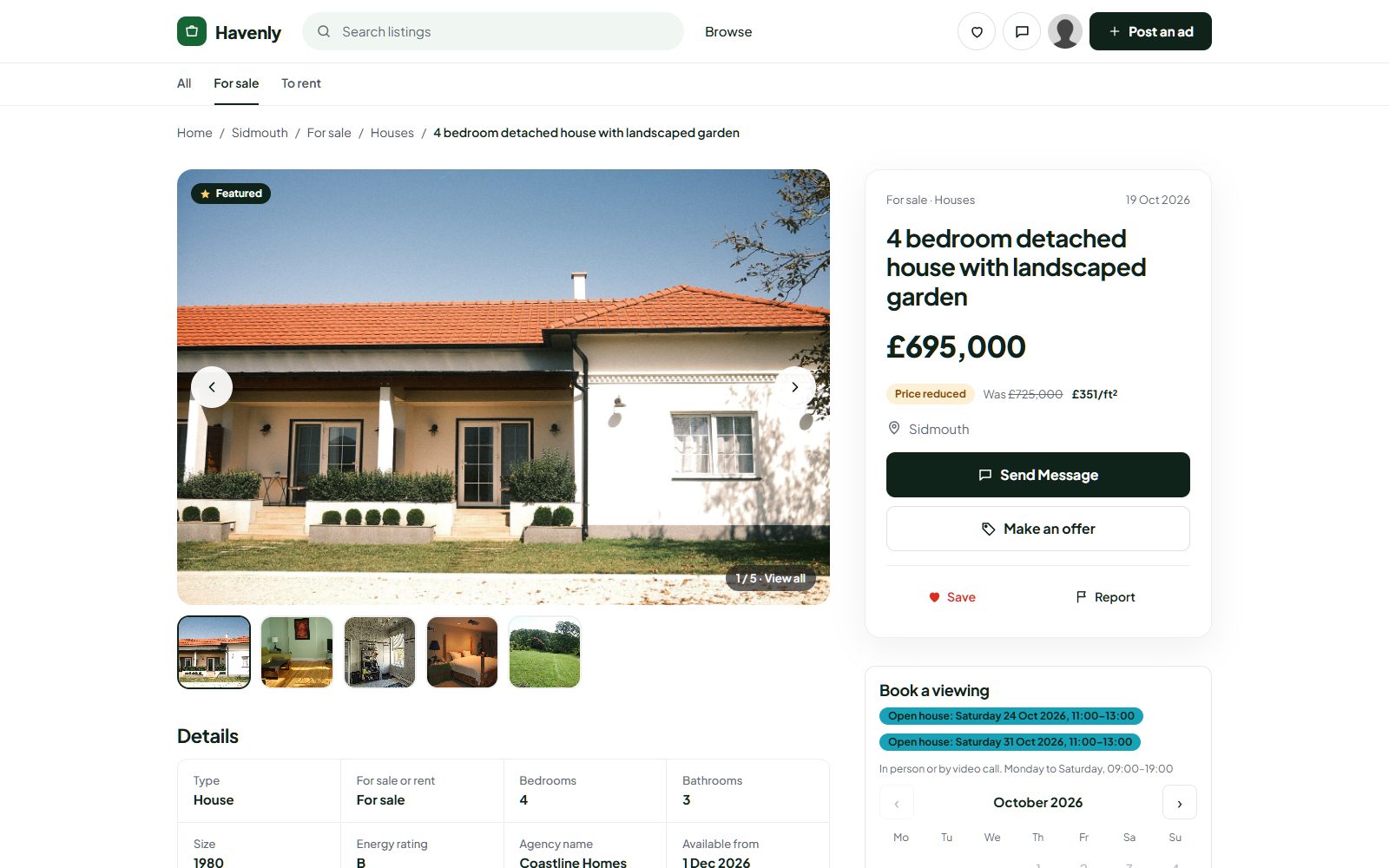
Photo credits
The screenshots show demo sites with made-up sellers. Their photos come from Wikimedia Commons, some cropped or with signs and plates blurred; these ones are under Creative Commons licences:
- Modern house exterior with red roof and landscaped garden under clear blue sky, CC BY 2.0
- Furnished apartment in Cambridge, December 2008, CC BY-SA 3.0
- Front lawn at Holehird - geograph.org.uk - 2046271, CC BY-SA 2.0
- Terraced houses on Walton Street - geograph.org.uk - 5233085, CC BY-SA 2.0
- Stone Cottage, Watnall, CC BY-SA 2.0
- View of the "Lost Dining Table and Chairs" in Eltham Palace - geograph.org.uk - 5797282, CC BY-SA 2.0
- Mountain's chalet in summer, CC BY-SA 4.0
- Monument, bench and flowers at Akureyri Botanical Gardens, CC BY 3.0
- Building plot - geograph.org.uk - 6532306, CC BY-SA 2.0
- Mid Devon , Countryside ^ Farmland - geograph.org.uk - 1953042, CC BY-SA 2.0
- Industrial unit on the Coppi Industrial Park - geograph.org.uk - 4974502, CC BY-SA 2.0
- Burnham Yacht Harbour Marina - geograph.org.uk - 7039536, CC BY-SA 2.0
- Office Chairs at Long Table conference, CC BY 2.0