
How to build a land for sale classifieds website that land buyers rely on.
This guide is for founders who want to run a site for land in one state or region: building plots, farmland, ranch land, hunting land, timberland and rural acreage. It covers choosing the angle, the fields land buyers filter on, how land sites earn money, where the first hundred parcels come from, land fraud and due diligence, search and launch timing.
Free for 15 days · No credit card · Plans from $19 a month
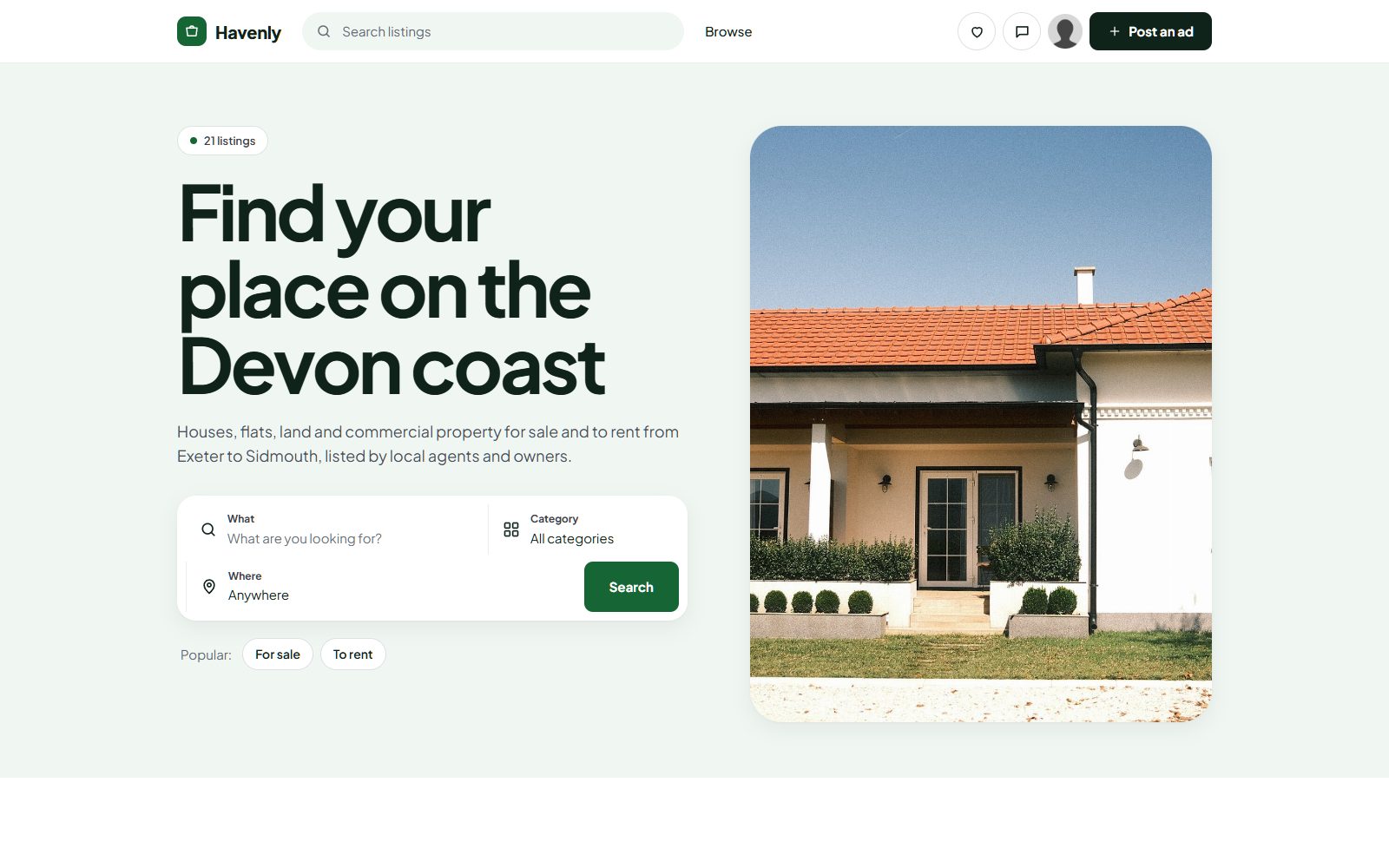
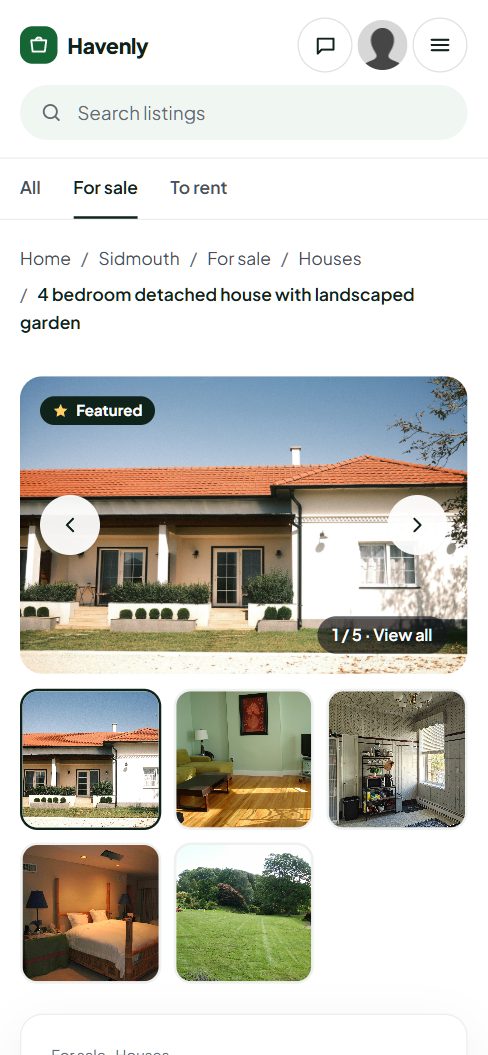
Choose the land buyers and the region you can serve better than a general site.
Land is hard to sell on sites built for houses. Buyers care about things home portals barely ask: road access, whether there is power at the road, whether the soil passes a septic test, how much is wooded and what the zoning allows. A land site built around those questions is more useful to buyers, and sellers know it.
Pick your buyers
- Homesteaders and people building a home who want a few acres with power and road access.
- Hunters and recreational buyers looking for wooded land, a creek or a pond, often within a few hours' drive of a city.
- Farmers and ranchers adding acreage near what they already work.
- Builders and small developers looking for lots in or near towns.
- Investors buying cheap rural parcels, often sold with owner financing.
Pick the area
One state, or a group of rural counties, is enough. A region where land changes hands often, with a mix of local sellers and buyers moving in from cities, works well.
Where land is sold today
Land sells through rural real estate agents and land brokers, auction companies, signs on fence posts reading "land for sale by owner", county newspapers, farm papers, Facebook groups for the county or for hunting land, and investors who list parcels on their own sites. Check how many of those listings show acreage, access and utilities clearly. Usually few do, and that is your opening.
Land buyers want to know what they can do with a parcel. Build the site around that question.
Ask for the details that decide whether a parcel is usable.
Two parcels at the same price and size can be worth very different amounts. One has a paved road and power at the property line; the other is reached by an easement across a neighbor's field. Your fields should surface those differences before a buyer drives out to look.
- Acres as a number, required, so buyers can filter by size range.
- Price, plus a separate price per acre number that the seller enters, because land buyers compare it constantly.
- Road access: paved road, gravel road, easement, or no legal access. A dropdown keeps listers honest.
- Utilities as checkboxes: power at the road, well, public water, septic approved or perc tested, internet available.
- Owner financing as a checkbox. Many land buyers search only for parcels sold on terms.
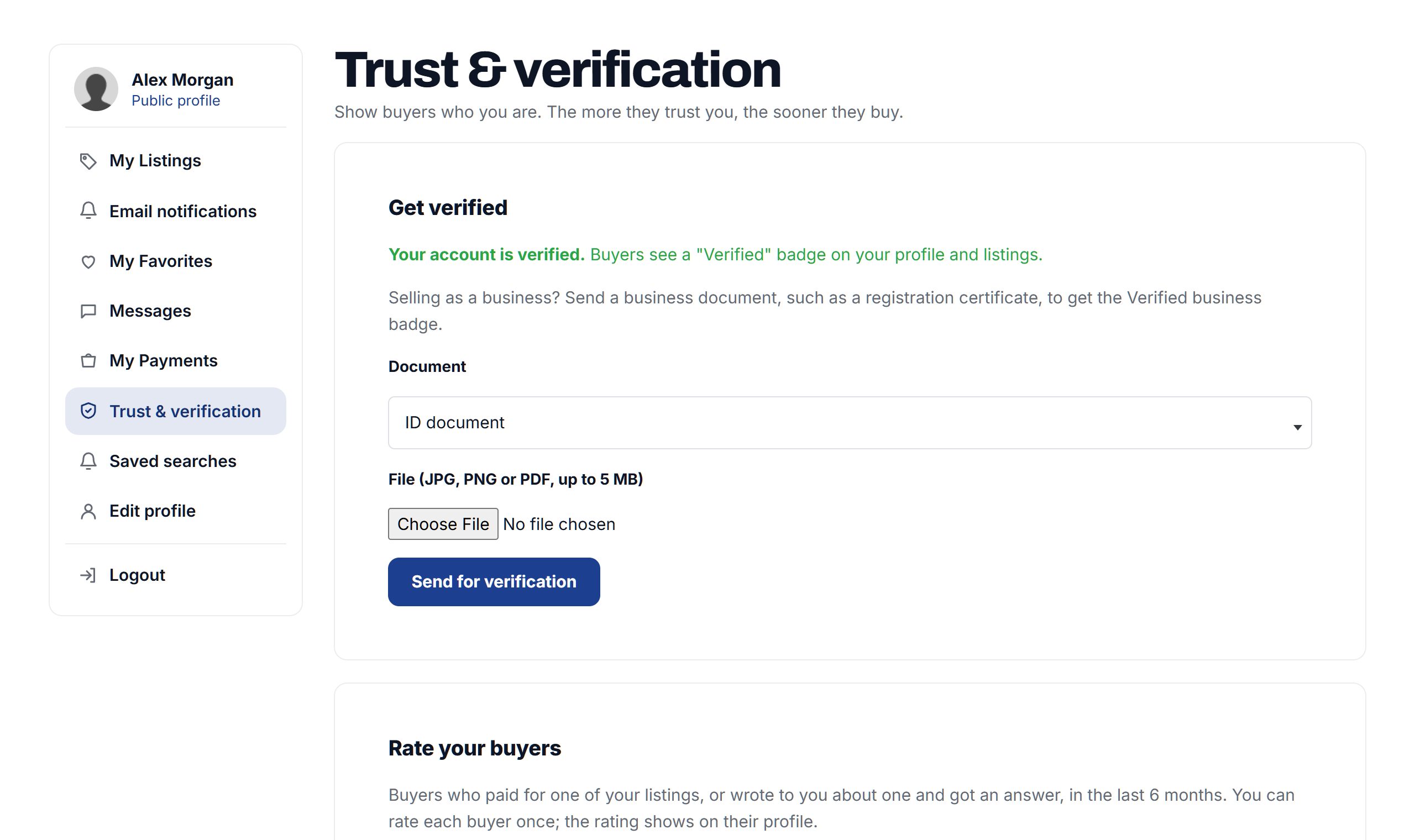
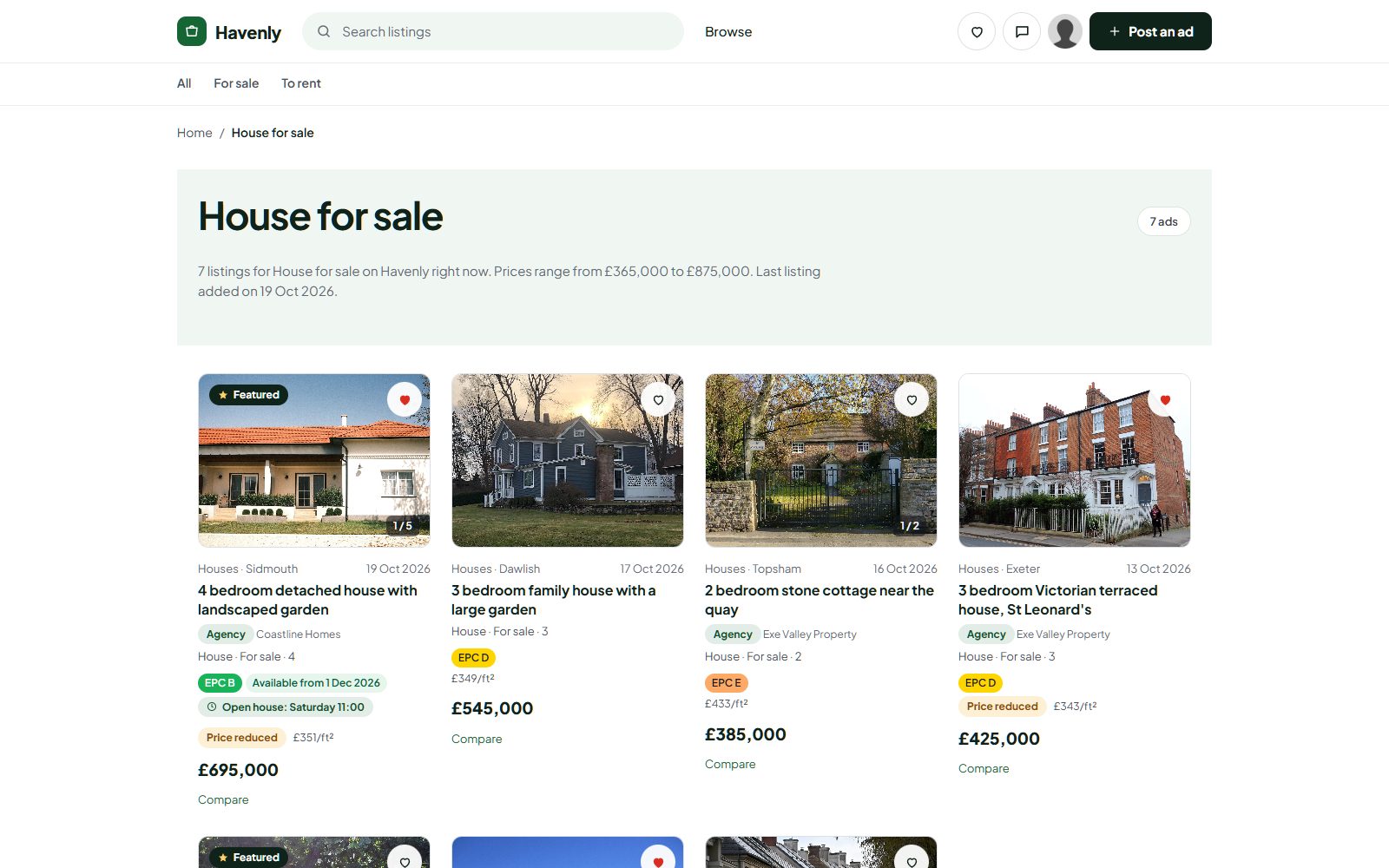
Use locations for counties, and show every parcel on a map, since land buyers want to see where it sits relative to towns, roads and water. Field packs set up property fields in one click, and you can add land-specific ones as dropdowns, checkboxes or numbers.
| Category | Example listings | Fields buyers filter on |
|---|---|---|
| Building lots | Lots in a subdivision, a plot at the edge of town | Acres, price, zoning, utilities at the lot, HOA or deed restrictions |
| Rural acreage | Five to fifty acres for a home or homestead | Acres, price per acre, road access, power, well or water, perc tested |
| Farmland and pasture | Cropland, hay fields, pasture with fencing | Acres, tillable acres, irrigation, water rights, fencing, outbuildings |
| Hunting and recreational land | Wooded tracts, land with a pond or creek | Acres, wooded percentage, water on property, game, access |
| Timberland | Managed pine or hardwood tracts | Acres, timber type, last harvest, road access |
| Ranches | Grazing land with a house and barns | Acres, carrying capacity, water sources, improvements |
Make acres, price and road access required on every listing.
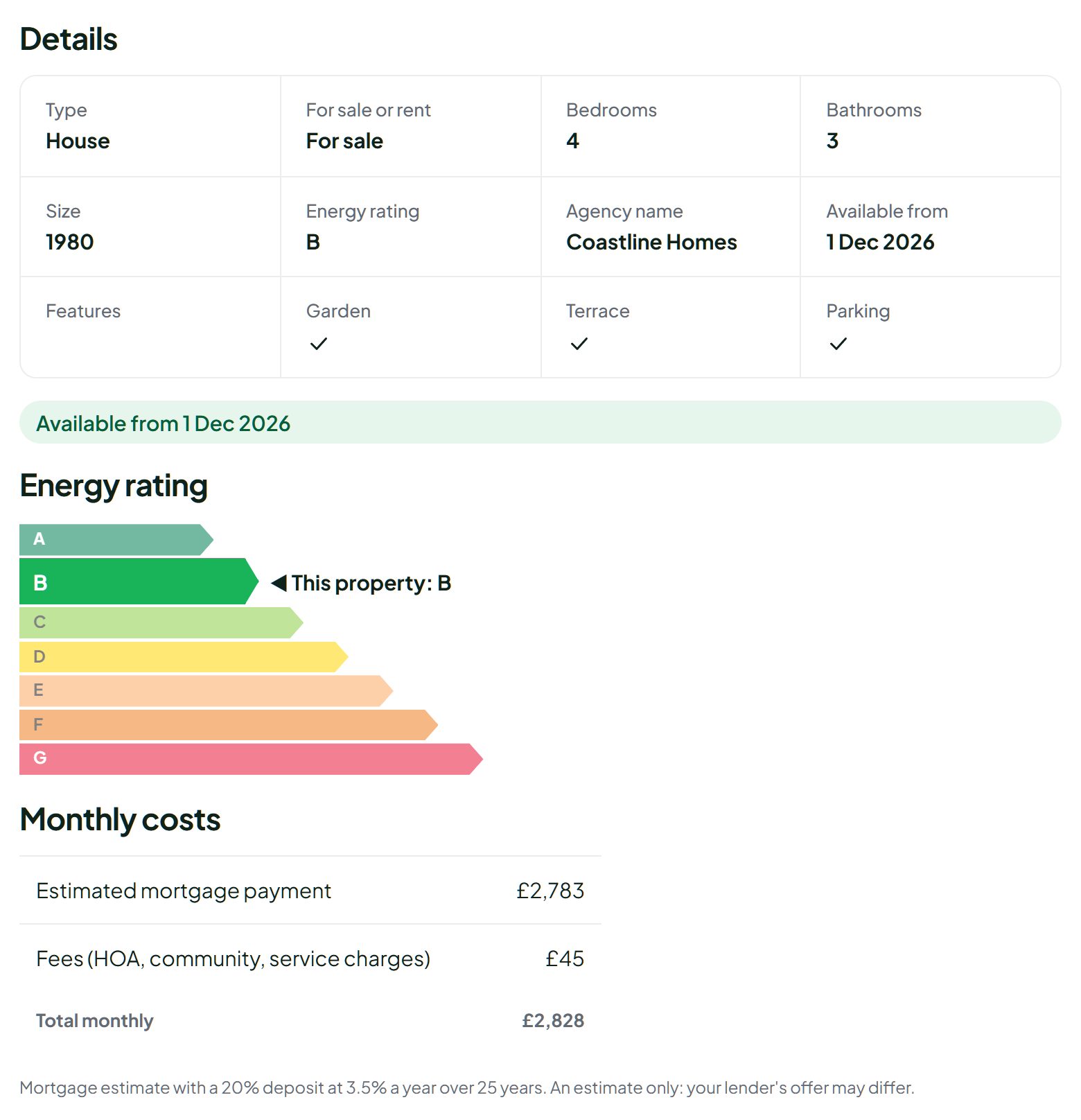
Land sellers pay for exposure, because land sells slowly.
Land often takes longer to sell than a house, and the pool of buyers for any one parcel is small. That makes visibility worth paying for, but only once your site has the buyers. Collect a broad set of parcels free first, then charge.
Who pays
- Land brokers and rural agents list many parcels and renew them for months. A membership covering their listings suits them.
- Owners selling by owner pay a fee per listing. They are saving a commission and want their parcel seen by people outside the county.
- Land investors who buy and resell many small parcels, often with owner financing, list steadily and pay for featured spots.
- Auction companies pay to promote upcoming land auctions, which have fixed dates and need buyers fast.
- Related businesses such as surveyors, well drillers, septic installers, fencing contractors, cabin builders and rural lenders buy banner space.
Featured listings work well because buyers browse land by county and price, and a featured parcel stays at the top of that list for weeks.
| Model | Works when | Switch it on |
|---|---|---|
| Memberships for land brokers and investors | They list many parcels and renew them | Once a few of them list every month |
| Pay to post for by-owner sellers | Owners sell without an agent and want wider reach | When the by-owner category gets steady inquiries |
| Featured listings | Counties have many parcels in the same price range | A few hundred active parcels |
| Auction promotion | Auction companies have dated land sales | When auctioneers see inquiries from your site |
| Banner spaces for surveyors, builders and lenders | Your buyers are planning to build or improve land | When county pages draw steady visitors |
Find the parcels on fence posts, in farm papers and with land brokers.
Land listings stay up for a long time, so a hundred parcels collected over a month still make a full site. Aim for every county you cover to have parcels in each size band, from small lots to large tracts.
Sources for the first parcels
- Land brokers and rural agents. Many specialize in farms, ranches or hunting land. Ask for their current listings in a spreadsheet and import them, so all their parcels appear together.
- By-owner signs. Drive the back roads and note every "land for sale" sign with a phone number. Offer to post the parcel free, with photos you take.
- County and farm newspapers. Owners still advertise land in the classified pages. Call them and ask to list it online too.
- Land investors. Small investors who buy tax-sale and rural parcels to resell have many listings and want more buyers.
- Auction companies. Ask for their upcoming land auctions and post each parcel with the sale date.
- Estate lawyers and executors. Inherited land is often sold by family members who live elsewhere and want a simple way to advertise.
Ask each seller for a plat map or survey, the parcel number, and good photos of the road frontage and the view across the land. Those details sell land better than any description.
A parcel with clear access, utilities and photos of the road frontage gets more inquiries than a lower-priced one with none.
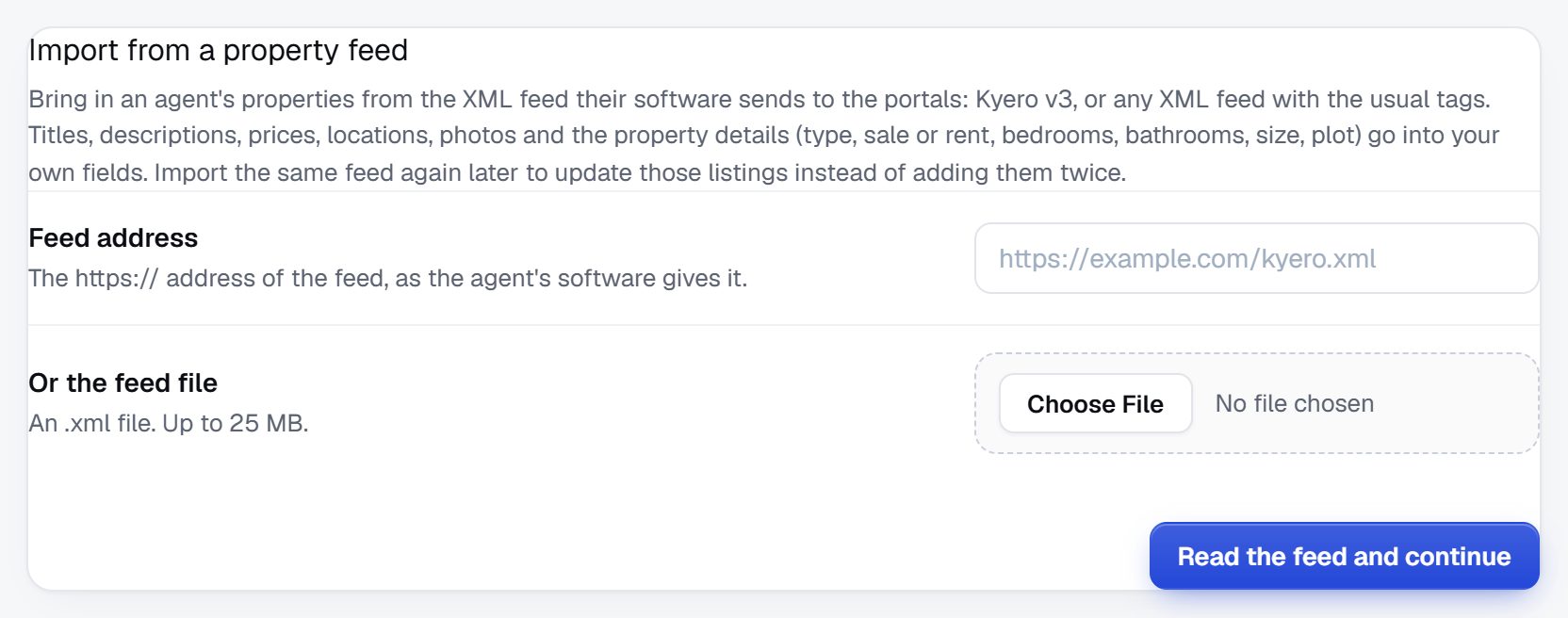
Guard against land fraud, landlocked parcels and owner-financing traps.
Vacant land is a favorite target for fraud, because nobody lives there to notice when it is advertised. The losses can be large, so your rules matter.
Problems to watch for
- Seller impersonation. A fraudster finds vacant land with an absent owner, poses as that owner, lists it below market and pushes for a fast cash sale. Be wary of new sellers who want quick closings, cannot meet in person, and only communicate by email or text. For by-owner listings, ask for proof of identity and ownership before approving, and remind buyers to use a title company or lawyer for every purchase.
- No legal access. A parcel advertised with "easy access" that has no recorded easement. Make road access a required field, and tell buyers to confirm access before buying.
- Unbuildable land. Wetlands, floodplain, failed perc tests or deed restrictions that rule out a house. Ask sellers to disclose what they know.
- Owner financing traps. Contracts where the buyer pays for years without receiving title. Advise buyers to have a lawyer review any financing contract.
Rules for the site
- Approve every listing, and hold any that ask for payment by wire before a title search.
- Give verified badges to brokers and owners you have checked.
- Let buyers report listings, and act fast on reports of fraud.
Rules on selling land, disclosures and subdivision vary widely, so check the rules where you operate and keep your safety advice general.
Rank for acreage, county and land-use searches.
Land buyers search with a size, a place and a purpose in mind. These searches are specific, and many smaller counties have little good content, which gives a focused site room to rank.
Searches to target
- "land for sale in [county]" and "acreage for sale near [town]"
- "10 acres for sale [state]" and "5 acre lots [county]"
- "hunting land for sale [region]" and "wooded land with creek [state]"
- "owner financed land [state]" and "land for sale by owner [county]"
- "farmland for sale [county]" and "pasture land for sale near [town]"
Pages to build
- A location page for every county, with a short paragraph on terrain, typical land uses, and the towns nearby.
- Category plus location pages, like "hunting land in [county]" or "building lots near [town]".
- Title patterns that start with the acreage and type, so each parcel reads like "12 acres of wooded land for sale in [county]".
Content ideas
- A buyer's checklist for raw land: access, utilities, perc tests, surveys, zoning and title, with a reminder to check local rules.
- A guide to building on rural land: wells, septic, power hookups and driveways, with the questions to ask contractors.
- County land price guides based on your own listings, showing price per acre ranges without promising values.
- A guide to selling land by owner: photos, maps and what buyers need to see.
Launch county by county, with the land market's own calendar.
Land has its own seasons. Hunting land often draws the most interest in the months before hunting season opens. Farmland changes hands around the crop calendar, often after harvest or before spring planting. Buyers planning to build tend to look in late winter and spring so they can start work in good weather. Check which of these fits your buyers, and launch ahead of it.
Launch plan
- Pick two or three neighboring counties and collect parcels until each has a good spread of sizes and prices.
- Sign up land brokers, investors and auction companies with their full inventory.
- Publish your raw land checklist and county pages.
- Post in county Facebook groups, hunting and homesteading groups with links to filtered pages, such as "land with owner financing" or "10 to 40 acres in [county]".
- Run small ads in county and farm papers that point to the site.
- Add the next counties when the first ones look complete.
Partners
Surveyors, title companies, well drillers, septic installers, cabin builders and rural lenders all meet land buyers. Farm supply stores and hunting outfitters can carry flyers.
Checklist
- Your own domain, with SSL switched on.
- Acres, price and road access required.
- Map on every listing.
- A safety page on land fraud and title checks.
- Verified badges for checked sellers.
- Saved searches with email alerts, so buyers hear about parcels in their county first.
A worked example: Fencepost Land Board in the Arkansas Ozarks.
Fencepost Land Board is a made-up site, used here to walk through the decisions in a realistic setting. It lists land for sale in six counties of the northern Arkansas Ozarks, an area of wooded hills, small farms and creeks where many buyers come from cities several hours away and many parcels are sold by owners who inherited them.
Who it serves
Buyers include families who want a few acres to build a home, hunters looking for wooded tracts with water, retirees planning a cabin, and cattle farmers adding pasture. Sellers are rural agents, two land auction companies, small investors who resell parcels with owner financing, and owners who have been relying on a hand-painted sign at the end of a gravel road.
Categories
- Homesites and small acreage
- Under 5 acres
- 5 to 20 acres
- Hunting and recreational land
- Pasture and farmland
- Timberland
- Land with a cabin or home
- Upcoming land auctions
Counties are locations with townships beneath them, and every parcel has a map pin, acreage, price per acre, road access and utility checkboxes, so a buyer three hours away can rule out landlocked or unpowered parcels before making the drive.
How it started
The founder grew up in the area and helped his uncle sell a forty-acre tract by owner, which took a year of newspaper ads and calls from people who had not understood the access. He started with two counties, drove the back roads over a month of weekends, and photographed each "land for sale" sign together with the road frontage. He asked each owner for the parcel number and any survey, then posted the parcel free. A rural agent and an auction company sent spreadsheets of their land listings, which filled the larger tracts.
His raw land checklist, covering access, perc tests, wells and title, was shared in two homesteading groups and became the page buyers found first. When a buyer reported a listing posted by someone who turned out not to own the land, he added ownership checks for every new by-owner seller.
How it makes money
Owners pay a one-time fee per parcel once the by-owner category brings steady inquiries. Agents and investors pay monthly memberships, auction companies pay to feature dated sales, and a well driller, a surveyor and a rural lender rent banner spaces on the county pages.
| Listing | Price | Key details |
|---|---|---|
| 8 wooded acres with creek frontage | $54,000 | $6,750 per acre, county gravel road, power at the road, no perc test yet |
| 32 acres of fenced pasture with pond | $176,000 | $5,500 per acre, paved road, well on site, cross-fenced, owner sale |
| 2.5-acre homesite near a small town | $29,900 | Paved road, power and county water at the lot, perc tested, deed restrictions |
| 74-acre hunting tract | $199,800 | $2,700 per acre, deeded easement access, food plots, seasonal creek |
| 5 acres with owner financing | $24,500 | $2,500 down, monthly terms stated, gravel road, electric nearby, investor listing |
The first 90 days: two counties, every size band, and a buyer checklist.
Land listings stay up for months, so you can build a complete-looking site in a quarter if you keep to a small area. The work is physical: driving roads, photographing frontage, calling owners who may not answer email. Plan for weekends on the road in the first half of the quarter and evenings writing in the second.
Start with two or three neighboring counties and aim for parcels in every size band and price range, from small homesites to large tracts. A buyer from the city judges your site by whether a search for ten to forty acres in one county turns up real choices. Keep a sheet of every parcel with its parcel number, seller, the date confirmed and whether ownership was checked. That sheet keeps you honest on fraud and makes renewals easy. If hunting land is your main audience, finish the first ten weeks before the late summer months when hunters start looking for land for the coming season.
| Weeks | Focus | Done when |
|---|---|---|
| 1-2 | Pick counties, set up land categories, acreage, price per acre, access and utility fields | A test parcel filters correctly by acres, access and owner financing |
| 3-4 | Drive back roads, photograph by-owner signs and road frontage, call owners | 40 by-owner parcels are live, each with a parcel number recorded |
| 5-6 | Sign up rural agents, auction companies and land investors with their inventory | Every size band in each county has at least a few parcels |
| 7-8 | Write the raw land checklist and a page for every county | The checklist is live and each county page has terrain and town notes |
| 9-10 | Post in county, hunting and homesteading groups with filtered links | Buyers outside the region create saved searches |
| 11 | Set up ownership checks and the land fraud safety page | Every new by-owner seller is checked before the first listing goes live |
| 12 | Confirm listings and offer featured spots and memberships | Sold parcels are marked and the first agent or investor has paid |
Building a land listings site: custom, self-hosted or hosted.
Land sites need things a typical classifieds or home portal treats as extras. Acreage and price per acre must be numbers buyers can filter on. Road access and utilities need dropdowns and checkboxes rather than free text. Every parcel needs a map, and buyers want to see it on a satellite view. Owner financing deserves its own filter. Bear in mind that your sellers range from auction houses with spreadsheets to owners who only use the phone.
Custom software
Developers can build parcel boundary maps, soil and flood layers, or a price-per-acre chart by county. Those are attractive, but they rely on outside data sources that cost money and need upkeep, and none of them matter until you have parcels. A custom build fits a funded team with a clear data advantage.
A script or plugin on your own server
A general classifieds script or a real estate plugin can be bent toward land, but many assume houses and bedrooms. Before choosing one, check that you can add land fields per category, import a broker's or auction company's list from a spreadsheet, and moderate new sellers before they go live. You will also maintain the server and the updates yourself.
A hosted builder
A hosted builder such as Yclas covers custom fields as search filters, maps on every listing, spreadsheet import, listing approval and verified seller badges, so the founder's time goes to roads, owners and counties. It will not draw parcel boundaries, so ask sellers for a plat map or survey image to upload with the photos.
| Route | Fits when | Watch out for |
|---|---|---|
| Custom build | You have funding and access to parcel, soil or flood data worth building around | Data costs and upkeep before you have a single parcel |
| Self-hosted script or plugin | You want control and can adapt house-focused fields to land | No price per acre or access fields, and no bulk import |
| Hosted builder | Your advantage is knowing the counties and their sellers | No parcel boundary drawing, so rely on uploaded plat maps |
What a land classifieds site costs to run.
The software is the smallest part of the bill. Most of the cost is your time in the first months: finding the first listings, answering questions and checking what gets posted.
Budget for drive time and photos when collecting by-owner parcels, small ads in county and farm papers, and a lawyer's review of your terms and safety advice. If you check ownership on by-owner listings, add the time or small fees for looking up county records.
| Cost | Typical range | On Yclas |
|---|---|---|
| Domain | $10 to $20 a year | Your own, with SSL included |
| Software and hosting | $0 to $100+ a month, plus plugins and updates | Starter $19 a month, Professional $99 |
| Design | $0 to $100 for a theme, or a designer | 109 looks included |
| Payment fees | About 3% per payment | Your Stripe or PayPal fees; Yclas takes nothing |
| Your time | 5 to 10 hours a week at the start | Finding listings, moderation, support |
Mistakes that cost a land site its buyers and its name.
- Approving by-owner listings without checking ownership. Vacant land is a common target for seller impersonation, and one fraud on your site can follow you for years. Check identity and ownership against county records for new by-owner sellers, and tell buyers to close through a title company or lawyer.
- Letting access stay vague. "Easy access" can mean a paved road or a path across a neighbor's field with no recorded easement. Make road access a required dropdown with a choice for easement and one for no legal access, and edit listings that dodge it.
- Skipping price per acre. Land buyers compare parcels on price per acre more than on total price. Ask for it as a number, and check that it roughly matches the price and acreage. A mismatch is often a typo, and sometimes a sign the acreage is overstated.
- Covering a whole state with a few parcels per county. Buyers searching one county find nothing and leave. Two or three complete counties beat a thin statewide layer. Add neighboring counties once the first ones show choices at every size, because buyers often widen their search to the next county over.
- Posting parcels without frontage photos. Photos of trees tell a buyer little. Ask for the road frontage, the entrance, the best view across the land and any water, and take them yourself for your first sellers. A short drone clip or a photo from the highest point helps on larger tracts.
- Promising what the land can be used for. Whether a parcel can hold a home, a septic system or livestock depends on perc tests, zoning and restrictions you cannot verify. Let sellers state what they know, and tell buyers to confirm everything before they buy.
- Waving through owner financing without terms. Financed parcels attract buyers with less cash and some sellers who write one-sided contracts. Ask for down payment, monthly payment and whether the deed passes at sale or at payoff, and advise buyers to have a lawyer review any contract.
- Forgetting auction dates. An auction listing left up after the sale date sends buyers to an event that has passed. Expire auction listings on the sale date and ask the auction company for results.
- Launching in the wrong season. Hunting land, homesites and farmland each have their own buying months. Launch ahead of the season your main buyers follow, not when the site happens to be ready. Missing the start of a season can mean waiting most of a year for the next one.
Land terms a land site founder needs before talking to sellers.
Sellers, brokers and buyers will use these words, and your fields should too.
| Term | What it means |
|---|---|
| Parcel number | The identifier a county uses for a piece of land in its tax and property records. |
| Plat map | A map showing how land is divided into parcels, with boundaries, roads and easements. |
| Survey | A professional measurement of a parcel's boundaries and acreage, often needed at sale. |
| Easement | A recorded right for someone to use part of another person's land, such as a road crossing it. |
| Landlocked | A parcel with no legal access to a public road. |
| Perc test | A soil test showing whether the ground can absorb water from a septic system. |
| Road frontage | The length of a parcel's boundary that runs along a road. |
| Owner financing | The seller lets the buyer pay over time instead of using a bank loan. |
| Contract for deed | A financing arrangement where the buyer gets the deed only after the last payment. |
| Deed restrictions | Rules recorded with the property that limit uses, such as no mobile homes or no subdividing. |
| Mineral rights | Ownership of what lies under the surface, which can be sold separately from the land. |
| Title search | A review of public records to confirm who owns a parcel and what liens or claims it carries. |
| Tax sale | A sale of land by a local government to recover unpaid property taxes. |
| Floodplain | Land at risk of flooding, often limited in what can be built on it. |
The same steps for a land classifieds site on Yclas.
- Describe your nicheThe setup wizard writes the categories, an About page and example listings from one sentence.
- Add fieldsSwitch on a field pack or add the fields your buyers filter on.
- Fill itImport dealer spreadsheets, invite sellers and post your own.
- Set the rulesChoose moderation, banned words and AI checks.
- Go liveChoose a plan, connect your domain, switch on paid listings when it is time.
Do I need a real estate license to run a land listings site?
Many places treat a site that only advertises land differently from a broker who represents sellers, but rules vary. Check the rules where you operate, especially before taking any fee linked to a sale.
How do I protect buyers from land fraud?
Check identity and ownership for by-owner listings, hold listings pushing for fast cash sales, and tell every buyer to close through a title company or lawyer. Publish a safety page and link to it in messages.
Where do I find my first sellers?
Land brokers, small land investors, auction companies, by-owner signs on rural roads and classified ads in county papers. Offer to post their parcels free and import brokers' inventory for them.
How do I make money from a land site?
Charge brokers and investors for memberships, owners for posting, and sellers for featured spots once buyers arrive. Surveyors, builders and rural lenders buy banner space.
Should I cover a whole state at once?
Start with a few counties and make them complete, then expand. A state with many empty counties looks thin to buyers.
How do I compete with land portals and national sites?
Cover your region in more depth: more by-owner parcels, better fields for access and utilities, and county guides that national sites do not write.
Can I list owner financed land?
Yes, it is a common way land is sold. Add a checkbox for it, ask sellers to state the terms clearly, and advise buyers to have a lawyer review any financing contract.
Should parcels show an exact location on the map?
Most buyers expect it, and land is hard to judge without seeing where it sits. If an owner objects, place the pin near the road entrance and share details in messages.
What should I ask a seller for before posting a parcel?
The parcel number, acreage, road access, utilities, any survey or plat map, and photos of the frontage and the land itself. Those cover most of the questions buyers send.
Can I list land auctions alongside regular sales?
Yes. Give auctions their own category with the sale date in the listing, and expire each one on the sale date.
How do I handle mineral rights in listings?
Add a dropdown for whether mineral rights are included, partly included or not included, as stated by the seller, and tell buyers to confirm with a title search.
Is it worth covering land outside the US?
Only if you know that market. Land rules, measurement units and buying steps differ widely between countries, so a site works best when it stays in one.
Related pages.
The parts of Yclas this leans on.
You have the plan. Now put your region's land on one map.
Describe your site in a sentence and the setup wizard writes the categories, example listings and a look. Free for 15 days, no credit card.
Start my classifieds site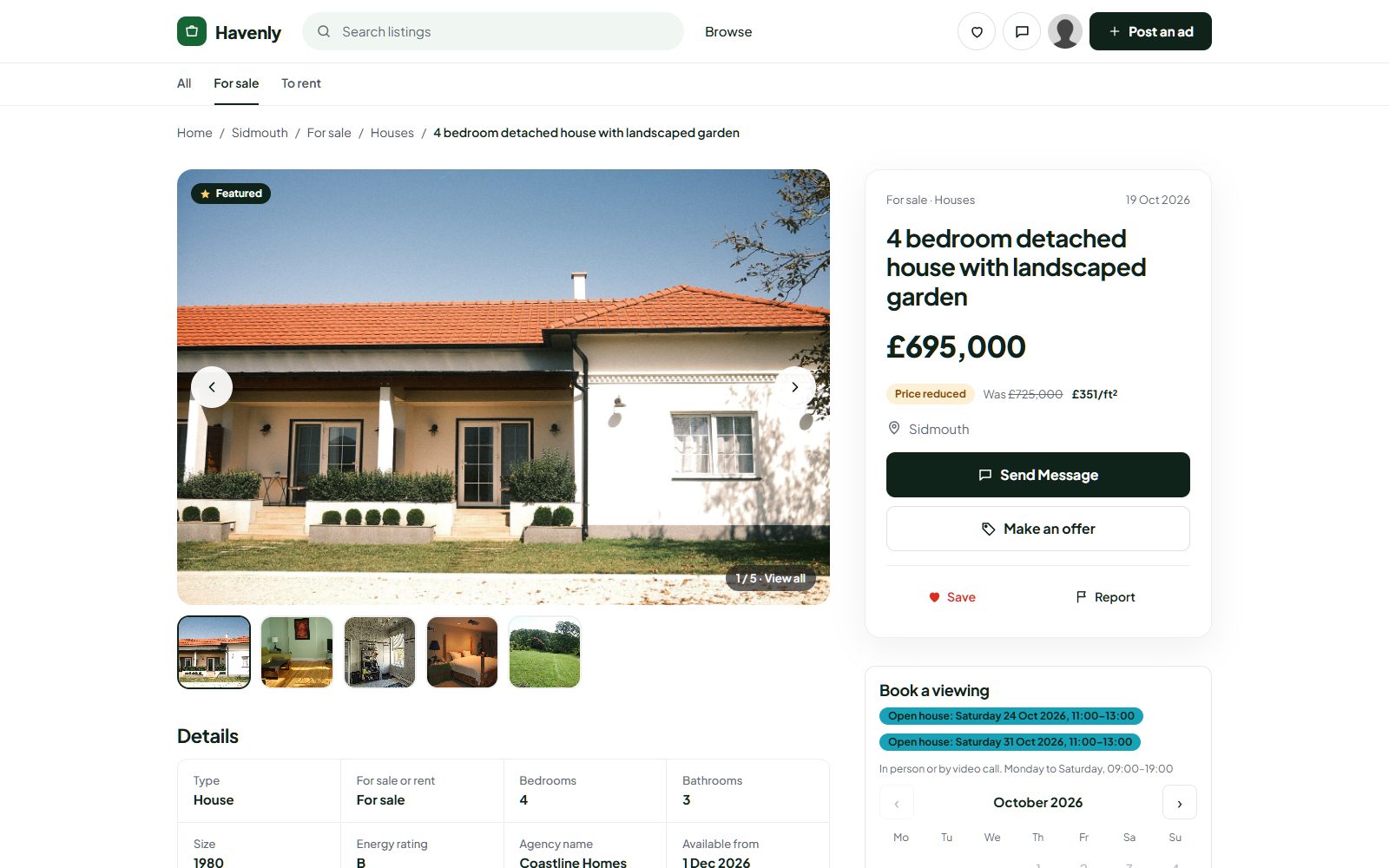
Photo credits
The screenshots show demo sites with made-up sellers. Their photos come from Wikimedia Commons, some cropped or with signs and plates blurred; these ones are under Creative Commons licences:
- Modern house exterior with red roof and landscaped garden under clear blue sky, CC BY 2.0
- Furnished apartment in Cambridge, December 2008, CC BY-SA 3.0
- Front lawn at Holehird - geograph.org.uk - 2046271, CC BY-SA 2.0
- Terraced houses on Walton Street - geograph.org.uk - 5233085, CC BY-SA 2.0
- Stone Cottage, Watnall, CC BY-SA 2.0
- View of the "Lost Dining Table and Chairs" in Eltham Palace - geograph.org.uk - 5797282, CC BY-SA 2.0
- Mountain's chalet in summer, CC BY-SA 4.0
- Monument, bench and flowers at Akureyri Botanical Gardens, CC BY 3.0
- Building plot - geograph.org.uk - 6532306, CC BY-SA 2.0
- Mid Devon , Countryside ^ Farmland - geograph.org.uk - 1953042, CC BY-SA 2.0
- Industrial unit on the Coppi Industrial Park - geograph.org.uk - 4974502, CC BY-SA 2.0
- Burnham Yacht Harbour Marina - geograph.org.uk - 7039536, CC BY-SA 2.0
- Office Chairs at Long Table conference, CC BY 2.0