
How to build a mobile home classifieds website that park residents and buyers actually use.
This guide is for founders who want to run a site for used mobile and manufactured homes, homes in parks, homes to be moved, and park lots for rent in one area. It covers choosing an angle, the fields buyers filter on, how the site earns money, where the first listings come from, title and park approval problems, search and launch.
Free for 15 days · No credit card · Plans from $19 a month
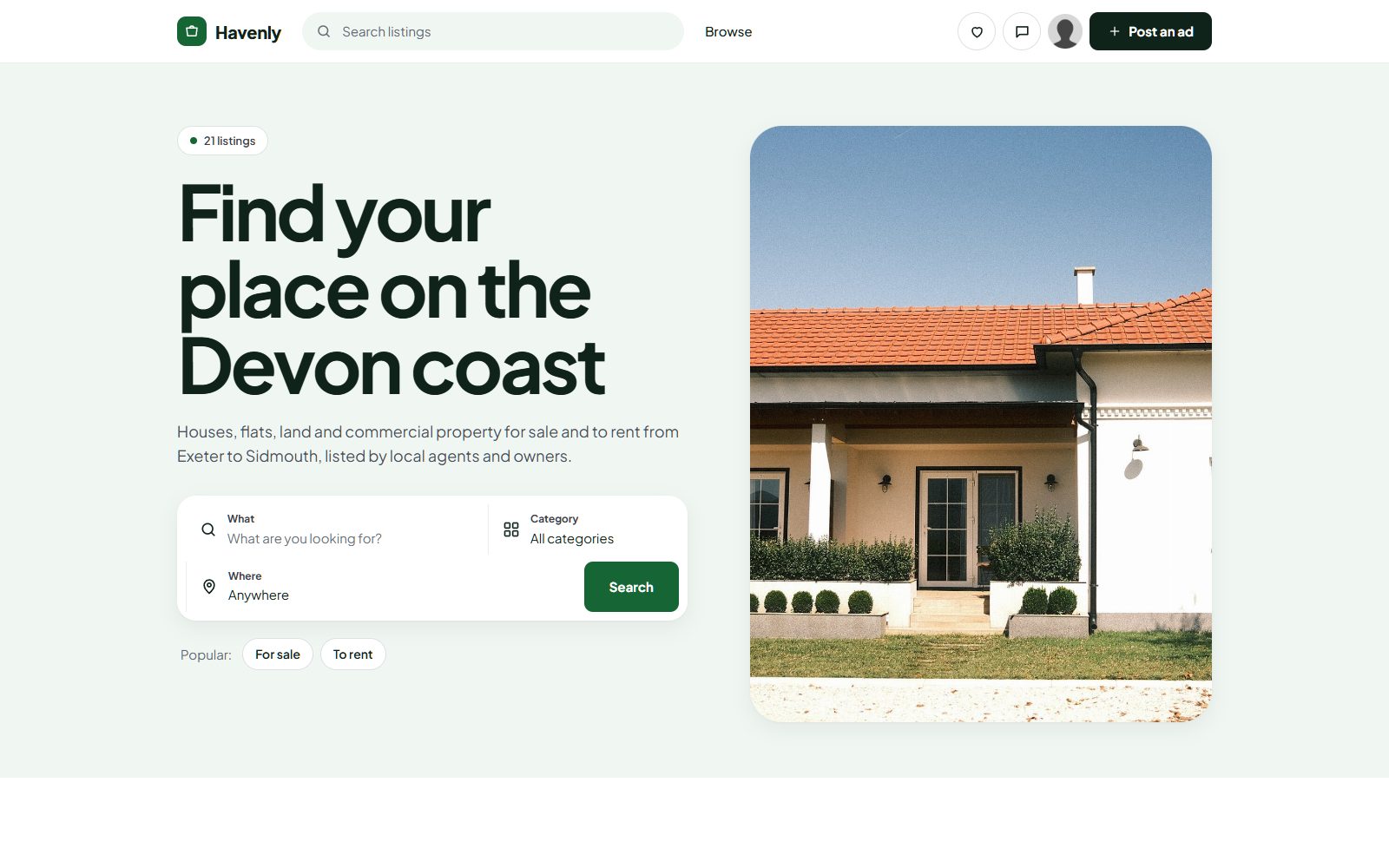
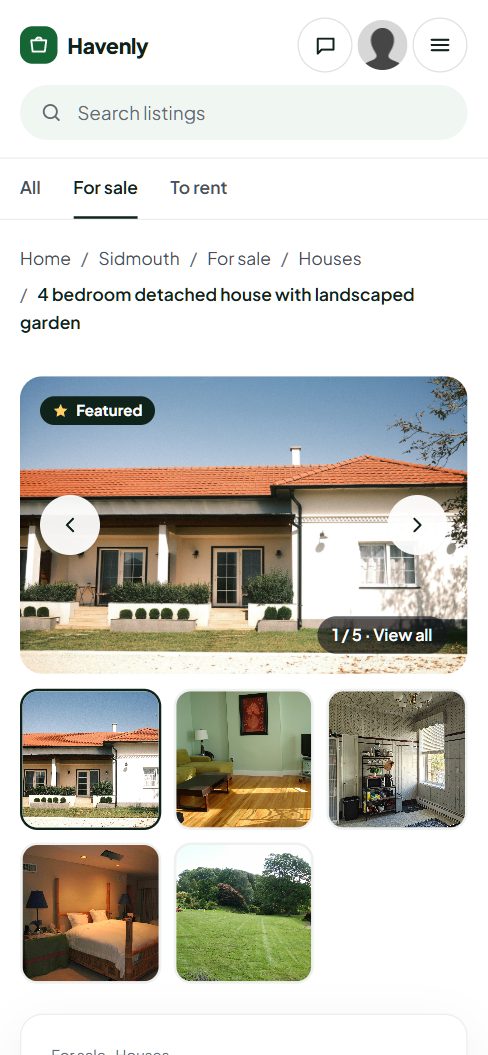
Serve the buyers that house sites and general classifieds handle badly.
A used manufactured home sits awkwardly between real estate and vehicles. Many are sold without land, in a park where the buyer pays lot rent. Some must be moved. Some are titled like a vehicle, others are part of the land. House portals often skip homes in parks, and general classifieds ask for none of the details that matter, such as lot rent or whether the park will approve a new owner.
Who uses the site
- Buyers on a budget, often first-time owners or retirees, looking for the most affordable way to own a home.
- Residents selling a home in a park, often to move closer to family or into care.
- Park owners and managers with empty lots and park-owned homes to sell or rent.
- Dealers and flippers who buy, repair and resell used homes.
- Landowners who want a home to be moved onto their property.
Pick your angle
Go local. A county or metro area with many parks is ideal, because buyers want to see the park, and homes rarely move far. Retirement areas with 55 and over communities are a strong sub-niche of their own.
Where the trade happens now
Signs in windows, park office bulletin boards, word of mouth among residents, dealer lots, local newspaper classifieds, Facebook Marketplace and community groups. A buyer looking for a two-bedroom home in a quiet park has to drive around and ask.
Show the park, the lot rent and the rules with every home, and buyers will start their search with you.
Ask about lot rent, width, year and title before anything else.
Buyers of manufactured homes filter on cost of living first, then on the home. A cheap home with a high lot rent may cost more each month than a pricier one on owned land.
- Setting: in a park on a rented lot, on owned land, or must be moved.
- Lot rent per month as a number, and what it includes, such as water, trash or sewer.
- Width: single wide, double wide or triple wide, plus length and square feet.
- Year built as a number. Homes built before mid-1976 were made before the federal manufactured home code, and many parks, lenders and insurers treat them differently.
- Bedrooms, bathrooms and manufacturer.
- Title status: clear title in hand, titled as real property with the land, or title issue to resolve.
- Community: age restriction (55 and over or all ages), pets allowed, park approval required.
- Checkboxes for roof replaced, new flooring, central air, deck or carport, shed and furnished.
| Category | Example listings | Fields buyers filter on |
|---|---|---|
| Homes in parks | Two-bedroom single wide in an all-ages park | Price, lot rent, bedrooms, year, pets allowed |
| 55 and over communities | Furnished double wide in a retirement park | Lot rent, what rent includes, age rule, amenities |
| Homes with land | Double wide on two acres, home on a town lot | Price, acres, title as real property, well or city water |
| Homes to be moved | Single wide that must leave the park, repo home | Width, length, year, condition, moving deadline |
| Lots for rent | Empty lot in a park, a spot for a new home | Lot rent, size, hookups, park age and home year limits |
| Dealer and refurbished homes | Renovated used homes on a sales lot | Price, year, delivery and setup included |
Make setting, year and lot rent (when in a park) required on every home listing.
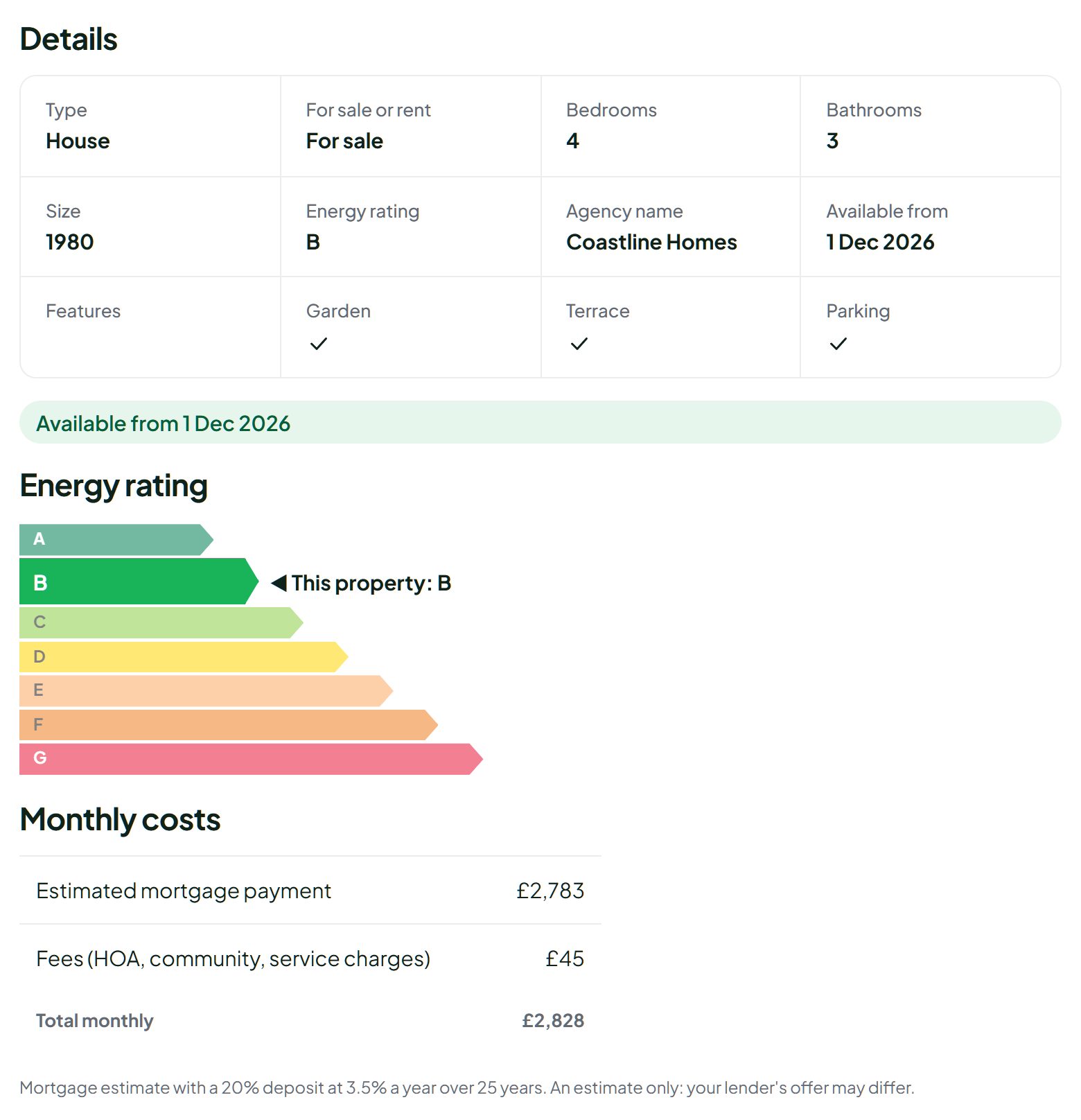
Charge the parks and dealers who list all year.
Most residents sell one home, once, and often to fund a move. Keep posting free for them while you build the site. Parks and dealers sell or rent all year and have budgets for advertising, so they become your paying base once buyers arrive.
Who pays
- Park owners and managers lose rent on every empty lot. They pay to list lots and park-owned homes, and a membership covering a whole community suits larger operators.
- Dealers and flippers list many homes and pay for memberships or featured spots.
- Residents in a hurry, such as families clearing a relative's home, pay for a featured listing or a bump.
- Service businesses such as movers, setup and skirting crews, roofers, home lenders and insurers buy banner space on the pages their customers read.
Charging residents to post is possible in busy areas, but start with businesses. A full site of resident listings is what makes parks and dealers willing to pay.
| Model | Works when | Switch it on |
|---|---|---|
| Park memberships | Parks fill lots and sell homes through the site | Once a few parks get regular inquiries |
| Dealer memberships | Dealers keep several homes listed | When two or three dealers post every month |
| Featured listings and bumps | A town has many homes at similar prices | A few hundred active listings |
| Pay to post for homes with land | These homes sell for more and need wider reach | When that category gets steady messages |
| Banner spaces for movers, lenders and insurers | Your buyers need financing, insurance or a move | When town pages draw steady visitors |
Start with park offices and the homes with signs in the window.
Manufactured homes are often sold quietly within a park, which is why one well-connected park manager can be worth more than any ad.
Sources for the first listings
- Park managers. Visit the parks in your area, explain the site, and offer to list their empty lots and park-owned homes free. Ask if they will put a flyer on the office board.
- For sale signs. Drive through parks with permission and note homes with signs. Call the owners and offer to post with your own photos.
- Dealers and flippers. Import their stock from a spreadsheet so every home appears at once.
- Resident associations and park newsletters. Many parks have a newsletter or social club where a short note reaches everyone.
- Estate sale companies and senior move managers. They help families sell a parent's home and need a buyer fast.
- Local groups. Message people posting homes in Facebook groups and offer a listing with lot rent and park details.
Many sellers are older and not used to posting online. Offer to post for them by phone, and make posting easy for the rest: a seller can take a photo and AI fills in the title, description, category and price for them to check.
Win the park managers first. Each one can bring you every home and lot in the community.
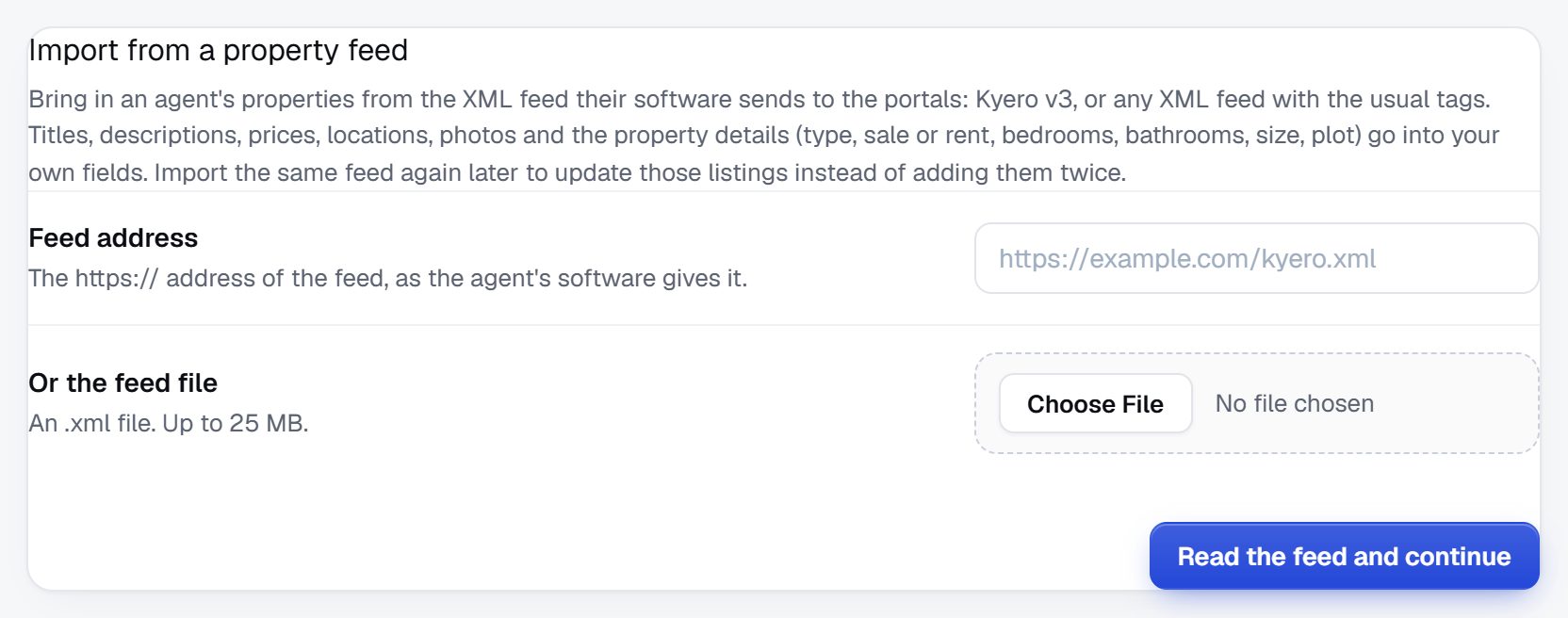
Protect buyers from title problems, park rejections and rental scams.
Manufactured home buyers are often on tight budgets, so a bad purchase can cost them their savings. A few problems come up again and again.
Problems to watch for
- Title problems. Homes sold without a title, with a lien from an old loan, or with unpaid property taxes. Make title status a required field, and tell buyers to confirm the title is clear before paying.
- Park approval. In most parks, a buyer must apply and be approved before they can live there. A buyer who pays first and is refused may be stuck with a home they must move. Advise buyers to get approval in writing before closing.
- Homes that must move. Older homes may not be accepted by other parks, and moving one is costly. Ask sellers to state any deadline to move.
- Rental scams. Scammers copy photos of homes for sale and advertise them for rent, asking for a deposit before a viewing. Hold rentals that refuse viewings or ask for payment by gift card or wire.
- Hidden condition issues like soft floors, roof leaks and old plumbing. Suggest an inspection by someone who knows manufactured homes.
Rules for the site
- Approve every listing, and verify parks and dealers before giving them a badge.
- Publish a buyer's guide on titles, park approval and inspections.
- Let buyers report listings, and act quickly on rental scam reports.
Selling manufactured homes as a business needs a dealer license in some states, and rules on titles and parks vary. Check the rules where you operate.
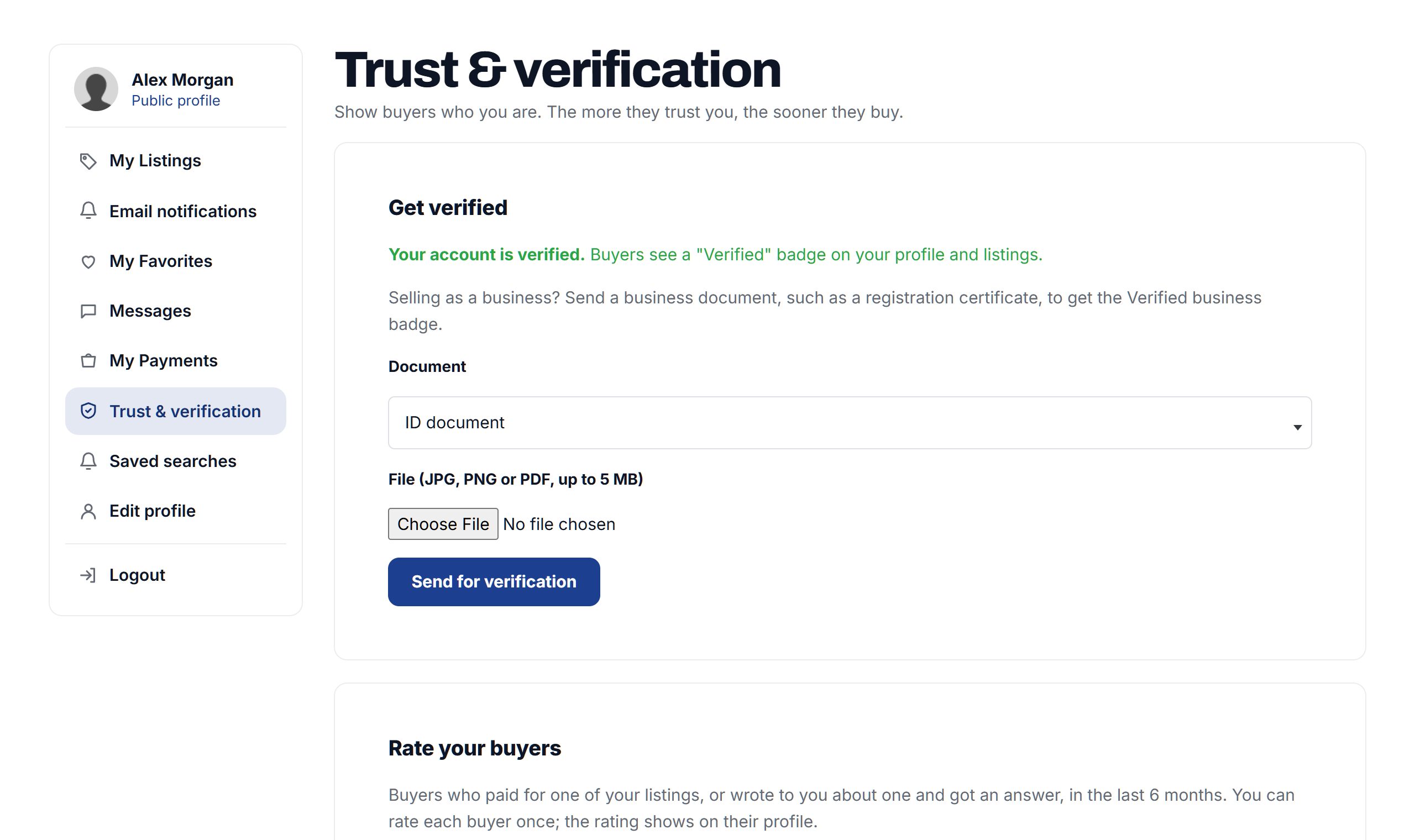
Rank for home type, park and town searches.
Mobile home buyers search with a home type and a place, and many add a budget or a community type. Few sites write about individual parks or local lot rents, so a focused site can rank quickly.
Searches to target
- "mobile homes for sale in [city]" and "manufactured homes for sale near me"
- "double wide for sale [county]" and "single wide mobile home for sale cheap"
- "55+ mobile home parks in [state]" and "senior mobile home communities [city]"
- "mobile home lot for rent [county]" and "mobile home to be moved for sale"
- "mobile home with land for sale [county]"
Pages to build
- A page for each town and county, listing homes and lots together.
- A page for each park, with its lot rent range, age rules, pet rules and the homes currently for sale there.
- Title patterns like "2 bed double wide for sale in [park], [town], lot rent $[amount]".
Content ideas
- A buyer's guide to manufactured home titles and park approval.
- What lot rent includes and how to compare parks.
- A checklist for inspecting a used manufactured home.
- A guide to moving a home: what it involves and which questions to ask a mover.
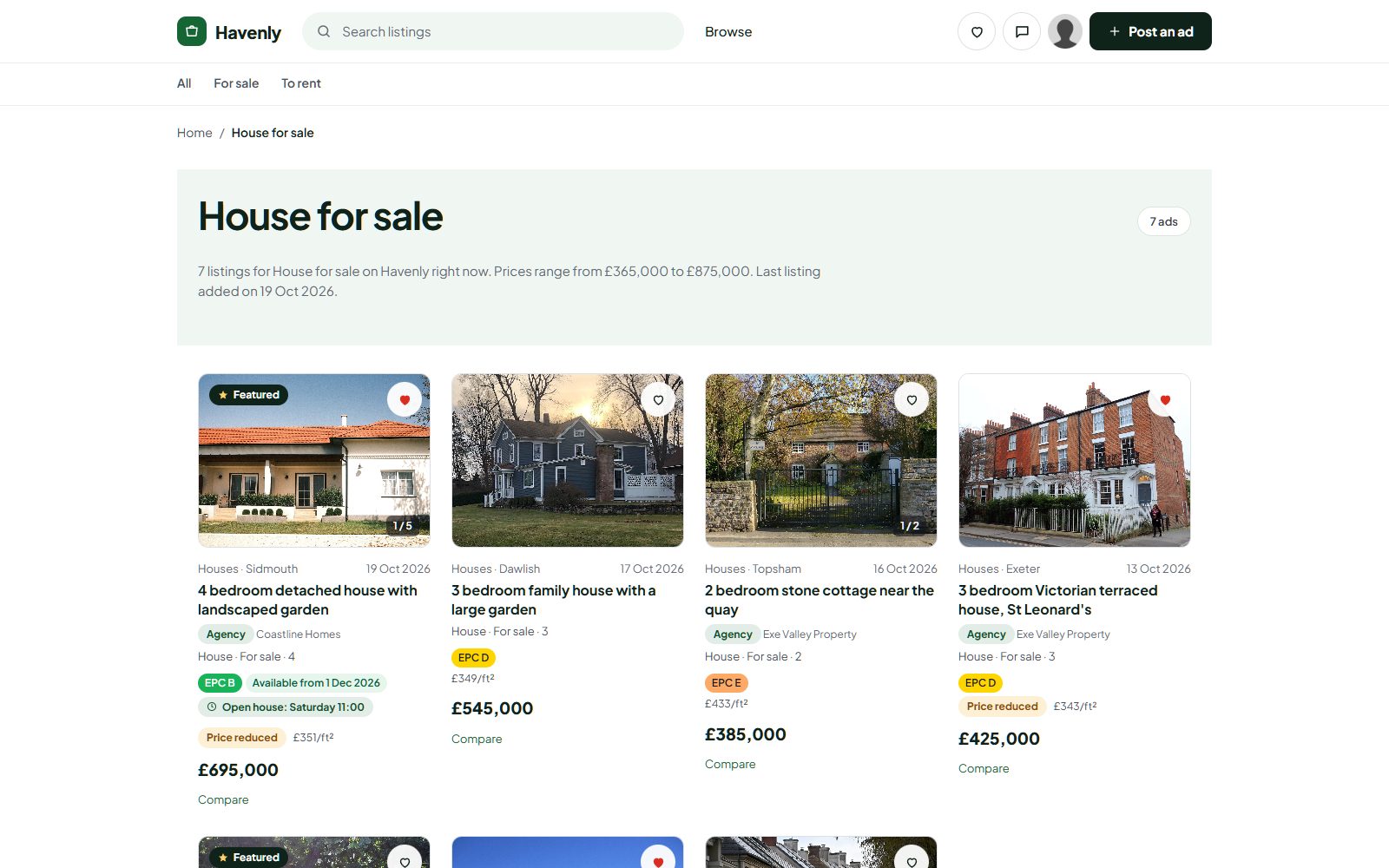
Launch park by park in one county.
Manufactured home sales happen all year, but there are local rhythms. In warm-weather retirement areas, seasonal residents arrive in the fall and winter and buy then. Elsewhere, spring and summer bring more moves, setups and sales. Plan your first push for the busy season where you are.
Launch plan
- Pick one county with many parks and visit each park office.
- List every empty lot and park-owned home they will share, plus homes with signs.
- Import dealer stock and give each dealer a profile.
- Write a page for every park you cover.
- Put flyers on park office boards and laundry rooms, and post in local groups with links to filtered pages, like "homes in 55 and over parks in [county]".
- Move to the next county once most parks in the first are on the site.
Partners
Movers and setup crews, manufactured home lenders, insurers, roofers, estate sale companies and senior move managers all meet buyers and sellers. Offer them a banner or a mention in return for sharing the site.
Checklist
- Your own domain with SSL.
- Setting, year, lot rent and title fields set up.
- Maps on every listing.
- Park pages for your first county.
- A safety page on titles, park approval and rental scams.
- Saved searches with email alerts, so buyers hear first when a home in their chosen park comes up.
A worked example: a park home board on Florida's Gulf Coast.
Take Suncoast Park Home Finder, a fictional site covering Pasco and Hernando counties on Florida's Gulf Coast, north of Tampa. The area has dozens of manufactured home communities, many of them 55 and over, and a steady flow of seasonal residents who arrive in the fall and buy a home in a park for the winter or for good.
Who it serves
Buyers are retirees from the Midwest and Northeast, local workers looking for the cheapest way to own a home, and families buying a home to place on rural land in Hernando County. Sellers are residents moving into assisted living, heirs clearing out a parent's home, eleven park offices and two dealers who refurbish older homes.
Categories
- Homes in parks
- 55 and over communities
- All-ages parks
- Homes with land
- Homes to be moved
- Lots for rent
- Services
- Movers and setup crews
- Roofing and repairs
How it started
The founder had managed a park for six years before starting the site, so her first step was calling the managers she already knew. Four parks gave her their empty lots and park-owned homes in the first month. She then drove through each park with the manager's permission, photographed homes with signs in the window, and listed them for owners who did not use the internet, forwarding buyers' messages to them by phone. Every park got its own page showing its lot rent range, pet rules and age rule. Within a season, residents were telling each other to put their home on the park board instead of buying a sign. Park managers began calling her when a lot came open, because a listing filled it faster than the sign at the entrance did.
How it makes money
Residents post free. Parks pay a monthly membership that covers all their lots and homes, plus a featured spot on their own park page. Dealers pay per listing, since their stock changes often. Two movers, a roofer and a lender that finances manufactured homes rent banner spaces on the county pages, which seasonal buyers read most in October and November. The founder sells those banners in late summer, before the snowbirds start searching, and renews them each spring.
| Listing | Price | Key details |
|---|---|---|
| 2 bed, 2 bath double wide in a 55+ park | $69,000 | Built 1998, lot rent $725 with water and trash, furnished, park approval required |
| 1 bed single wide in an all-ages park | $22,500 | Built 1985, lot rent $560, roof replaced 2022, one small dog allowed |
| 3 bed double wide on 1.5 acres, Hernando County | $189,000 | Built 2004, titled as real property with the land, well and septic, carport |
| Single wide that must be moved | $6,000 | Built 1979, 14 x 60 ft, must leave the park within 60 days |
| Empty lot in a 55+ community | $680 per month | Homes built 2000 or later only, two pets allowed, clubhouse and pool |
This site and its listings are made up to show how the pieces fit together.
The first 90 days, one park at a time.
On a mobile home site, park managers are your supply and your credibility at the same time. Give your first ninety days to winning them one by one in a single county, because each manager who agrees brings every empty lot, every park-owned home and a notice board full of residents who may sell later. Online ads do little in this phase. Driving, phone calls and printed flyers do the work.
Each week, count the parks on the site, the home listings that show lot rent, and the buyers who set up saved searches for a named park. When a park's page draws inquiries, tell its manager, with a short summary of what buyers asked. That message is what later turns a free listing into a paying membership.
Expect older sellers to need help. Set aside a few hours a week for posting by phone and taking photos, and count those listings too, because they are often the ones no other site has.
| Weeks | Focus | Done when |
|---|---|---|
| 1-2 | County and fields | One county is chosen, setting, year, lot rent and title status are required, and every park in it is on a list |
| 3-4 | First parks | Five park managers have been visited and their empty lots and park-owned homes are listed |
| 5-6 | Resident sellers | Twenty resident homes are listed, many posted by phone for sellers who do not post online |
| 7-8 | Park pages | Every park on the site has a page with its lot rent range, age rule and pet rules |
| 9-10 | Dealers and services | Dealer stock is imported, and a mover and a lender have been offered banner spaces |
| 11-12 | Buyer reach | Flyers are up on every park office board, and buyers create saved searches for named parks each week |
Ways to build it, and what mobile home listings need.
A mobile home site has to show two things in every listing: the home and the place it sits. That calls for number fields for price and lot rent that buyers can filter together, a setting field that separates homes in parks from homes on land, a map, and a page for each park that gathers its listings. Many sellers are older, so posting must be simple, and you need a way to post on someone's behalf when they call you.
Hiring developers
Custom development fits only if you want something like a monthly cost calculator that adds lot rent, utilities and a loan payment for each home, or an online park application. Expect a long build and ongoing bills, for tools many of your older visitors may never use.
Running your own server
A classifieds script or WordPress plugin can work for a technical founder. You will maintain it, fight spam, and build park pages by hand or with yet another plugin.
A hosted builder
A hosted builder such as Yclas lets you set up the fields, maps, moderation and paid extras without managing a server, and park offices or dealers can send their homes as a spreadsheet for import. That leaves your days free for the park visits that actually fill the site.
Whatever you choose, test it with an older relative before launch. If they cannot post a home with three photos and the lot rent in ten minutes, simplify the form.
| Route | Fits when | Watch out for |
|---|---|---|
| Custom development | You want cost calculators or park application forms built in | Cost and time, for features older visitors may ignore |
| Script or plugin on your server | You can run a server and sort out plugin conflicts | Spam, security updates, and park pages that need extra work |
| Hosted builder | You would rather spend your time in parks than on servers | Unusual tools need workarounds, such as linking to the park's own application form |
What a mobile home classifieds site costs to run.
The software is the smallest part of the bill. Most of the cost is your time in the first months: finding the first listings, answering questions and checking what gets posted.
Budget for driving to parks, printing flyers for park offices, and a lawyer's review of your terms, since titles and dealer rules vary by state. Taking photos for older sellers takes time more than money.
| Cost | Typical range | On Yclas |
|---|---|---|
| Domain | $10 to $20 a year | Your own, with SSL included |
| Software and hosting | $0 to $100+ a month, plus plugins and updates | Starter $19 a month, Professional $99 |
| Design | $0 to $100 for a theme, or a designer | 109 looks included |
| Payment fees | About 3% per payment | Your Stripe or PayPal fees; Yclas takes nothing |
| Your time | 5 to 10 hours a week at the start | Finding listings, moderation, support |
Mistakes that keep a mobile home site empty.
- Hiding the lot rent. A low price with no lot rent shown looks like a bargain until the buyer learns the monthly cost, and then they stop trusting every listing. Require lot rent and what it includes on every home in a park, and show it next to the price. Ask what the rent includes, too, since water, sewer and trash can add a lot each month.
- Going around the park office. Listing homes inside a park without the manager knowing can sour the relationship and lead buyers into surprise rejections. Visit the office first, ask about their approval process, and describe it on the park page.
- Ignoring the 1976 line. Homes built before the federal code took effect in mid-1976 are refused by many parks, lenders and insurers. Make year built required, explain the difference in a guide, and ask sellers of older homes to say whether the home can stay where it is.
- Assuming every seller is online. Many sellers are elderly residents or families handling an estate from another state. Offer posting by phone, take photos for them, and forward messages, or you will miss the listings no one else has. Families selling a late parent's home are often grateful for the help and tell others.
- Letting rental listings run unchecked. Copied rental ads asking for a deposit before a viewing are the most common fraud in this niche. Hold rentals from new accounts for review, check them against the park, and remove scam copies the same day.
- Covering the whole state at once. Buyers want to drive past the park and see the neighbors' yards. A thin spread of homes across many counties gives no buyer enough to look at; one full county does. Add the next county when buyers start asking about it in their messages.
- Leaving park pages empty. A page with just a name tells buyers nothing. Add lot rent ranges, age and pet rules, amenities and a contact, so the page earns searches and saved alerts even when no home is listed.
- Writing "guaranteed approval" or "easy financing". Neither you nor most sellers can promise either, and buyers on tight budgets may act on it. Ban those phrases and tell buyers to get park approval and loan terms in writing before any money changes hands.
- Forgetting the moving costs. A cheap home that must leave the park can cost more to move and set up than to buy. Ask for the moving deadline, and link every such listing to a guide on what moving a home involves.
Manufactured home terms to get right.
Parks, dealers, lenders and residents use these words daily, and buyers trust a site that uses them correctly.
| Term | What it means |
|---|---|
| Single wide | A home built as one section, generally up to about 18 feet wide. |
| Double wide | A home built in two sections joined on site, giving more width and rooms. |
| Manufactured home | A factory-built home made to the federal HUD code, which took effect in June 1976. |
| Mobile home | Strictly, a factory-built home made before the HUD code, though many people use the name for all of them. |
| HUD label | A metal tag on each section showing the home was built to the federal code. |
| Data plate | A paper label inside the home listing the manufacturer, serial number and design zones. |
| Lot rent | The monthly fee paid to the park for the space under the home, sometimes including water, sewer or trash. |
| Park-owned home | A home the park itself owns and sells or rents, often to fill an empty lot. |
| Skirting | Panels around the base of the home that close off and protect the space underneath. |
| Tie-downs | Straps and anchors that hold the home to the ground against high wind. |
| Real property conversion | The step in some states that makes the home part of the land, so it is titled and taxed with it. |
| Chattel loan | A loan secured by the home alone rather than land, common for homes in parks. |
| 55 and over community | A park where most homes must have at least one resident aged 55 or older. |
| Wind zone | The rating on the data plate showing which wind conditions the home was designed for. |
The same steps for a mobile home classifieds site on Yclas.
- Describe your nicheThe setup wizard writes the categories, an About page and example listings from one sentence.
- Add fieldsSwitch on a field pack or add the fields your buyers filter on.
- Fill itImport dealer spreadsheets, invite sellers and post your own.
- Set the rulesChoose moderation, banned words and AI checks.
- Go liveChoose a plan, connect your domain, switch on paid listings when it is time.
How much money do I need to launch a mobile home site?
Little beyond the site and a domain. Most of the start-up cost is your time visiting parks and some printing, and paid ads can wait until each town has listings.
Do I need a dealer license to run a mobile home listing site?
Advertising homes for others is usually different from selling them as a dealer, but rules vary by state. Check the rules where you operate, especially before buying or reselling homes yourself.
How do I get park managers on board?
Visit in person, list their empty lots and homes free, and send them the inquiries. Parks that fill lots through you are the first to pay.
Should I include homes that must be moved?
Yes, with a clear field saying so and any moving deadline. They suit buyers with their own land, and they are hard to find elsewhere.
How do I protect buyers from rental scams?
Hold rental listings that refuse viewings or ask for deposits before a visit, verify parks and dealers, and post a short safety warning on every rental.
Why would sellers use my site instead of Facebook Marketplace?
Your listings show lot rent, park rules and title status, and stay findable by town and park. That brings fewer time-wasting messages and more qualified buyers.
How do I make money if most sellers are residents?
Charge parks and dealers for memberships, offer featured spots to sellers in a hurry, and sell banners to movers, lenders and insurers.
Should parks be able to list rentals as well as homes for sale?
Both can work. Park-owned rentals bring steady listings, but hold rentals from new accounts for review, since copied rental ads are the most common scam in this niche.
How do I list homes for owners who do not use the internet?
Take the details by phone or in person, photograph the home with the owner's permission, and post it from an account you manage for them. Pass buyers' messages on by phone, and check with the owner before you mark it sold.
Should every park get its own page even with no homes listed?
Yes, if you can show lot rent, rules and a contact. Buyers search for park names, and a page that says when homes come up still collects saved searches.
Do I need to explain the 1976 HUD code on the site?
It helps. Many parks, lenders and insurers treat homes built before mid-1976 differently, so a short explainer and a required year field spare buyers unpleasant surprises.
What if a park manager objects to how their park is described?
Listen first. Agree on facts like rent ranges and rules, correct anything wrong quickly, and keep resident listings honest about the home's condition even if the park would prefer otherwise.
Related pages.
The parts of Yclas this leans on.
You have the plan. Now put every park in your county on one map.
Describe your site in a sentence and the setup wizard writes the categories, example listings and a look. Free for 15 days, no credit card.
Start my classifieds site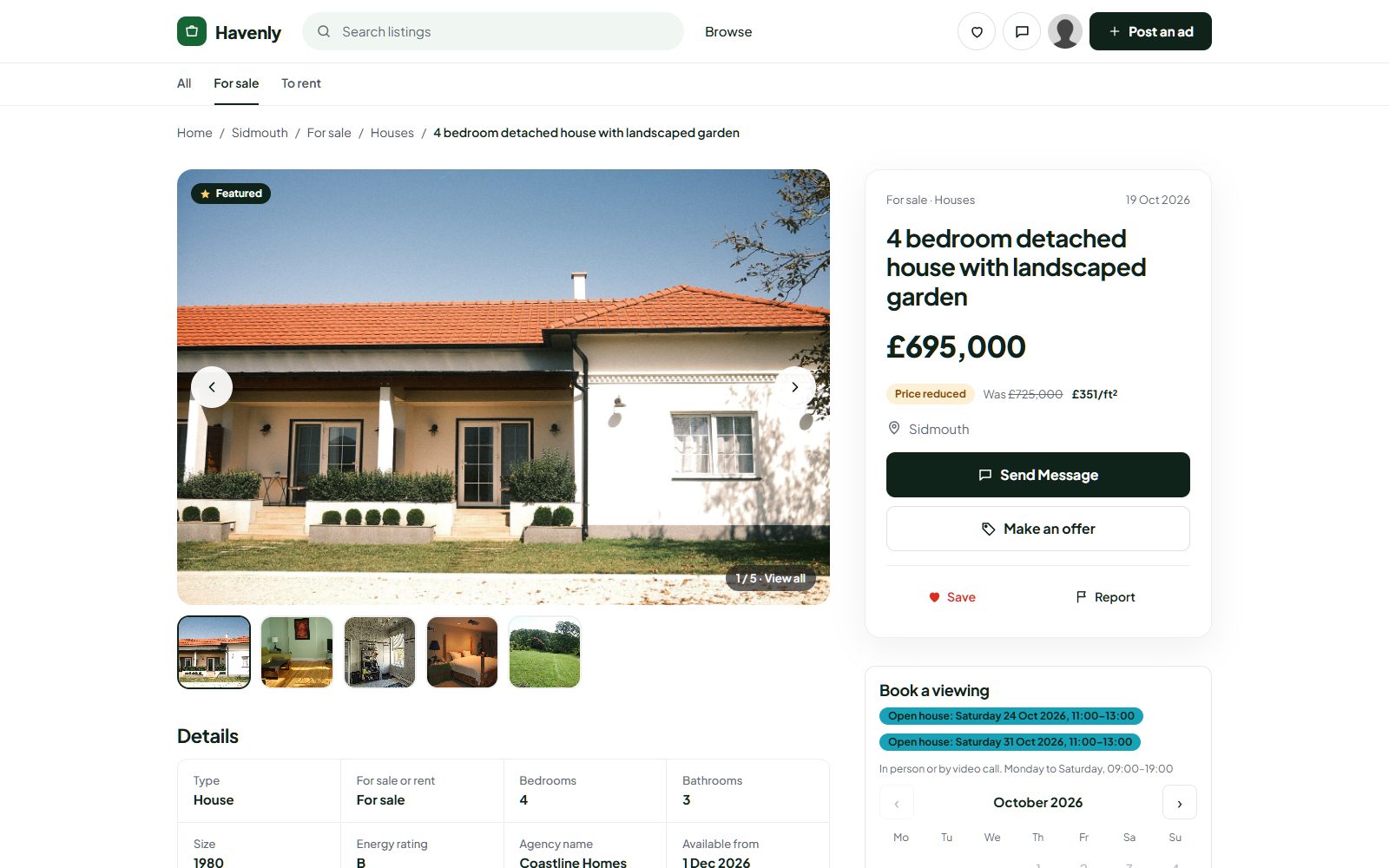
Photo credits
The screenshots show demo sites with made-up sellers. Their photos come from Wikimedia Commons, some cropped or with signs and plates blurred; these ones are under Creative Commons licences:
- Modern house exterior with red roof and landscaped garden under clear blue sky, CC BY 2.0
- Furnished apartment in Cambridge, December 2008, CC BY-SA 3.0
- Front lawn at Holehird - geograph.org.uk - 2046271, CC BY-SA 2.0
- Terraced houses on Walton Street - geograph.org.uk - 5233085, CC BY-SA 2.0
- Stone Cottage, Watnall, CC BY-SA 2.0
- View of the "Lost Dining Table and Chairs" in Eltham Palace - geograph.org.uk - 5797282, CC BY-SA 2.0
- Mountain's chalet in summer, CC BY-SA 4.0
- Monument, bench and flowers at Akureyri Botanical Gardens, CC BY 3.0
- Building plot - geograph.org.uk - 6532306, CC BY-SA 2.0
- Mid Devon , Countryside ^ Farmland - geograph.org.uk - 1953042, CC BY-SA 2.0
- Industrial unit on the Coppi Industrial Park - geograph.org.uk - 4974502, CC BY-SA 2.0
- Burnham Yacht Harbour Marina - geograph.org.uk - 7039536, CC BY-SA 2.0
- Office Chairs at Long Table conference, CC BY 2.0