
How to build a student housing classifieds website for one campus.
This guide is for founders who want to run the housing board for one university or college town: rooms, shared houses, apartments, sublets and roommate posts near campus. It covers why one campus is the right size, the fields students filter on, who pays, where the first listings come from, scams aimed at students, search and the academic-year launch calendar.
Free for 15 days · No credit card · Plans from $19 a month
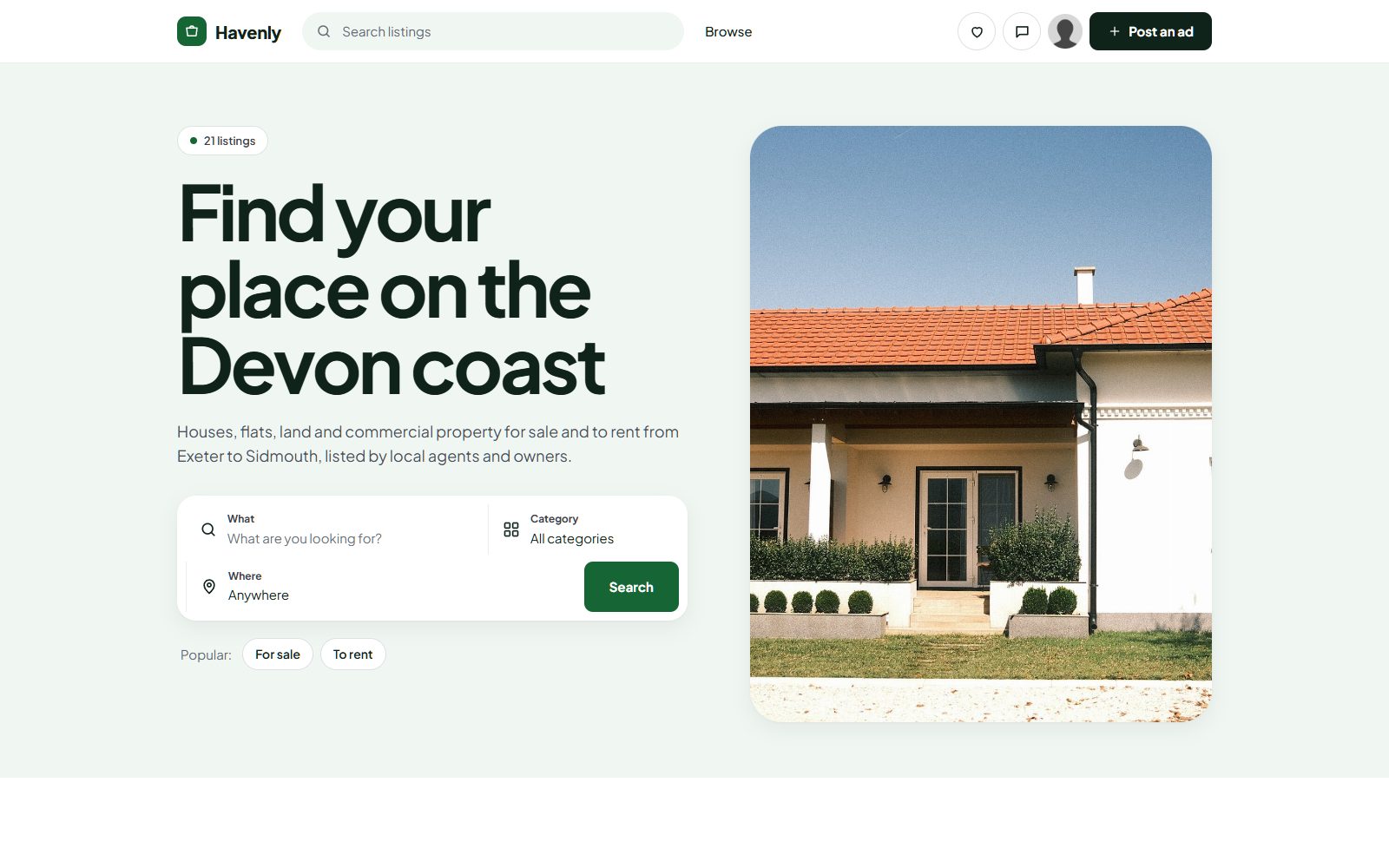
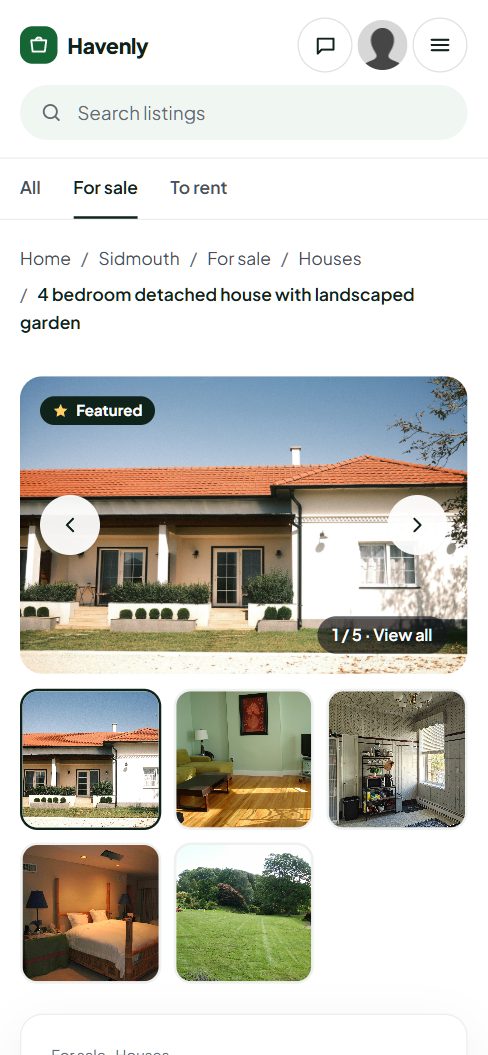
Own the housing search for one campus before you think about a second.
Student housing is local in the most literal way: students care about walking time to class, the bus line to campus and which streets are quiet at night. A site built for one campus can answer those questions. A national rental portal cannot, and a general classifieds site mixes student rooms with everything else.
Who uses it
- Students looking for a room for next year, a sublet for a semester abroad or a roommate to share a lease.
- International and graduate students, who often arrive without seeing the city and are the most exposed to scams.
- Parents, who often pay the deposit and want to see the place, the terms and the landlord.
- Landlords who rent mostly to students, from a homeowner with one spare room to companies with whole buildings near campus.
Choosing the campus
A campus with thousands of students living off campus, a housing shortage and no good central board is ideal. Look at where students search today: class-year Facebook groups, the student union bulletin board, university subreddits, the off-campus housing office's list, and group chats for incoming international students. If those threads are full of "anyone have a room for fall" and "is this a scam", the gap is real.
Starting with a campus you know, as a recent graduate, a staff member or a local landlord, helps: you know the streets, the term dates and the people to ask.
One campus with every room on it is a better business than ten campuses with a few rooms each.
Let students filter by distance to campus, move-in date and lease type.
Students compare places differently from other renters. Walking time to campus often matters more than size, and the lease has to fit the academic year. Build the fields around those questions.
- Rent per month and rent per person, because shared houses are often advertised for the whole house.
- Walking minutes to campus as a number, or a dropdown of bands like under 10, 10 to 20 and over 20.
- Lease type: academic year, 12 months, one semester, summer sublet.
- Move-in date as a date, so students can search for "August" or "January".
- Utilities included, furnished and internet included as checkboxes. Students on a fixed budget want one number they can compare across houses, not a rent plus separate guesses for power, heat and internet.
If your area uses campus names for neighborhoods, set them up as locations. A map on each listing, with the campus as a reference point in the description, answers the first question every student asks.
| Category | Example listings | Fields students filter on |
|---|---|---|
| Rooms in shared houses | A double room in a five-bedroom house | Rent per person, walking minutes, utilities included, move-in date |
| Whole houses for groups | A four-bedroom house for a group of friends | Total rent, bedrooms, bathrooms, lease type, walking minutes |
| Studios and apartments | Studios, one-bedroom units near campus | Rent, furnished, lease type, laundry, move-in date |
| Sublets | A room for the summer or one semester | Dates available, rent, furnished, lease takeover or sublet |
| Roommates wanted | A student looking for a housemate | Rent share, move-in date, year of study or program |
| Purpose-built student housing | Rooms in private student residences | Rent, room type, private bathroom, meal plan, lease type |
Make lease type and move-in date required: they rule out most listings for any one student.
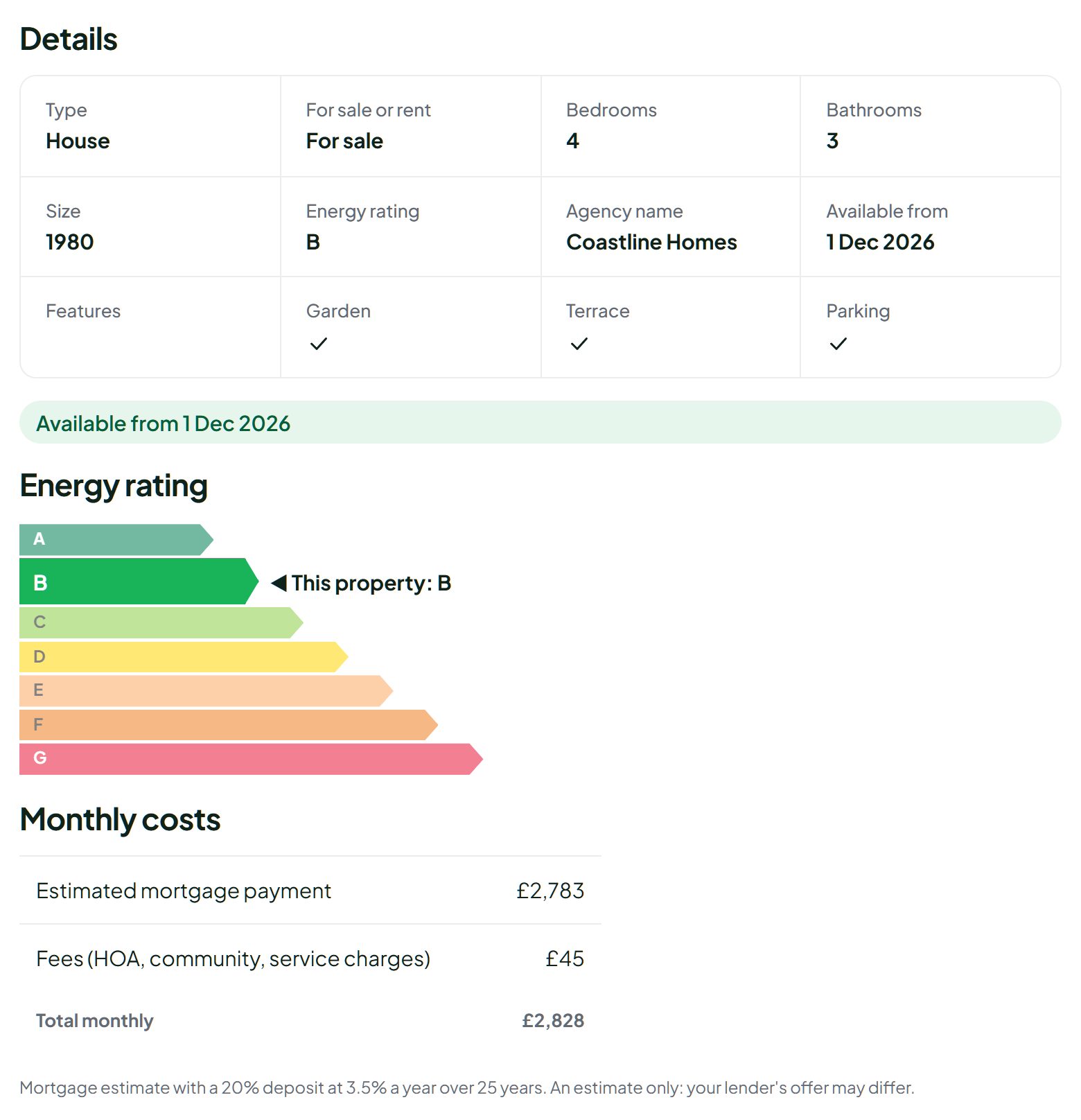
Charge the landlords who fill houses every year, and keep students free.
Students will not pay to search, and many will not pay to post a sublet. The landlords who rent to students every year are the ones who pay, because they need to fill every room before the academic year starts, often months ahead.
How it usually works
- Free for students, always: sublets and roommate posts bring the visitors that landlords pay to reach.
- Pay to post for landlords in the house and apartment categories, once those categories have student traffic. A landlord with five houses to fill will pay a fee per listing without much thought.
- Memberships for property managers and student housing companies who list dozens of rooms.
- Featured listings in the weeks when students hunt hardest. Demand is seasonal, so visibility is worth most in those weeks.
- Banner spaces for local businesses that want students: moving vans, storage over summer, furniture stores, takeout restaurants and phone plans.
Plan for uneven income. Most of it arrives in the months when students sign leases, so keep costs low through the quiet ones.
| Model | Works when | Switch it on |
|---|---|---|
| Pay to post for landlords | Students search your site for whole houses and apartments | Before your second house-hunting season |
| Memberships for property managers and housing companies | They list many rooms each year | Once two or three post regularly |
| Featured listings | Peak search weeks crowd the listings | In the busiest weeks of the hunting season |
| Banner spaces | Local businesses want students as customers | When you can show visitors in peak season |
| Summer storage and moving partners | Students leave town for the summer | Late spring, before exams end |
Find the rooms students already pass around, and the landlords behind them.
Students search early for the next academic year in many college towns, and sublets appear all year. Fill the site with next year's houses before the hunting season, then keep sublets flowing.
Sources for the first rooms
- The off-campus housing office. Many universities keep a landlord list or a basic board. Ask them for the list, or offer your site as a place they can point students to.
- Student landlords. Walk the streets around campus and note the "for rent" signs and phone numbers. Landlords with several houses on the same street are your best first members.
- Property managers that specialize in students. Import their available houses from a spreadsheet so all their stock appears at once.
- Students leaving. Seniors, students going abroad and those on internships all need to sublet. Post in class-year groups and ask them to list.
- Purpose-built student residences. Private residence companies near campus often have rooms left late in the summer and are glad of another channel.
Offer to post listings for landlords who are not online. A photo from a phone is often enough to start: when the seller takes a photo, AI listing from a photo fills in the title, description, category and price for them to check.
Sign up the landlords near campus before the hunting season, and sublets will follow the students.
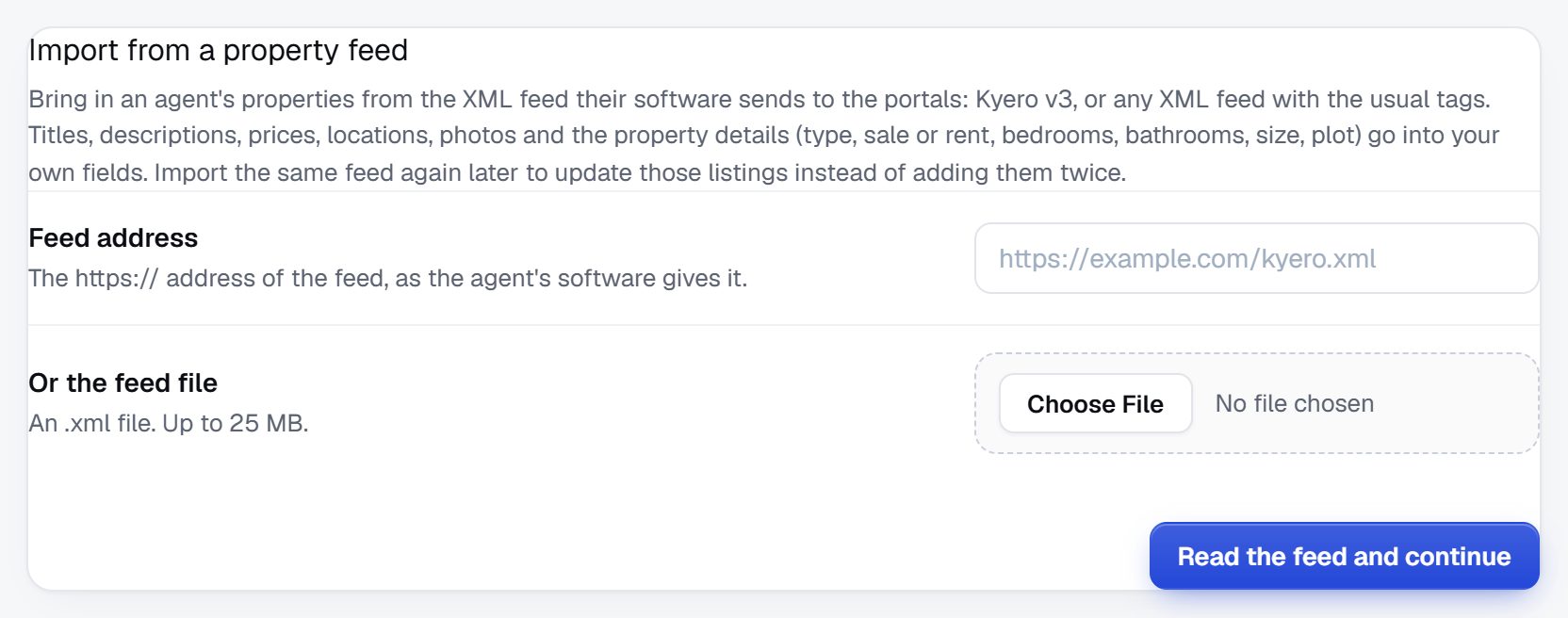
Protect students and parents from deposit scams and unsafe housing.
Students are targeted by rental scams more than most renters. Many have never rented before, international students often cannot view a room before they arrive, and parents send money from far away.
Scams to watch for
- Pay before you arrive. A room advertised to incoming students, with a request to wire the deposit and first month's rent to secure it. Tell students never to pay for a room nobody has seen, and offer advice on arranging a video viewing with the landlord in the room.
- Fake sublets. Someone posts a room they do not live in or have no right to sublet. Ask for a photo of the lease or a message from the landlord for sublets.
- The same room, sold twice. A real tenant takes deposits from several students for one sublet.
How to moderate
- Approve every listing, and use AI that holds suspicious listings for review during the hunting season, when scams spike.
- Give verified badges to landlords you have met or who appear on the university's landlord list.
- Ban phrases scammers repeat, such as requests for payment by gift card or wire.
Safety and wording
Some cities require licenses or safety certificates for shared houses. Check the rules where you operate and consider asking landlords to confirm they comply. For roommate posts, students often state preferences about who they live with, and rules may treat a shared room differently from a whole unit: check them, and moderate wording in landlord ads that excludes people.
Rank for the campus name plus housing, and for every street near it.
Students type the name of their university into almost every housing search, which gives a campus-focused site a clear advantage over national portals.
Searches to target
- "[university] off campus housing" and "student housing near [university]"
- "rooms for rent near [campus]" and "[college town] student rooms"
- "summer sublet [college town]" and "spring semester sublet near [university]"
- "[university] roommate finder"
- "[university] housing for international students"
Pages to build
- One location page for each student neighborhood, saying how far it is from campus, which bus lines serve it, and what kind of housing is typical.
- Category plus location pages, like "sublets near [campus]" or "whole houses for groups in [neighborhood]".
- Title patterns that include the walking time or neighborhood, so each room reads like "Double room, 8 minutes to [campus]".
Content students share
- An off-campus housing guide for your university: when to start looking, typical lease types, what to ask on a viewing.
- A guide for international students on renting from abroad safely.
- A parent's guide to cosigners, deposits and the questions to ask.
- A neighborhood map with notes on noise, safety and the walk home after late classes.
Launch on the academic calendar, not the regular one.
Student housing has a fixed calendar, and your launch should follow it. In many college towns students start hunting for next year's house during the fall or winter term. Sublets peak before summer and before semesters abroad. Incoming and international students search in the summer before they arrive. Find your campus's pattern by asking landlords when their houses get rented.
Launch plan
- Sign up landlords near campus and import agents' stock before the house-hunting season opens.
- Publish your off-campus housing guide and international student guide.
- Ask the off-campus housing office, the student union and international student advisers to mention the site.
- Post in class-year groups and the university subreddit with a link to houses for next year.
- Hand out flyers at orientation week events, where allowed.
- Run a sublet push in spring for students leaving over summer.
Partners
Student unions, international student offices, residence assistants, moving companies and summer storage firms all reach students and benefit from a safer housing search.
Checklist
- Your own domain with SSL, named so students connect it to the campus.
- Lease type, move-in date and walking minutes on every listing.
- Scam warning on every listing page and in messages.
- Verified badges for checked landlords.
- Saved searches with email alerts, so students hear about new rooms first.
A worked example: Red Brick Room Board in Athens, Ohio.
Red Brick Room Board is a fictional site, described here to make the steps concrete. It serves the off-campus housing market in Athens, Ohio, a small college town where most upper-year students rent houses within walking distance of campus and the same few streets change tenants every year.
Who it serves
Students hunting for next year's house in groups of three to six, students who need a sublet for one semester, incoming graduate and international students who cannot visit before they arrive, and the parents who often cosign and pay the deposit. On the other side are local landlords, many owning between two and twenty houses near campus, plus two private student apartment buildings.
Categories
- Houses for groups
- 2 to 3 bedrooms
- 4 bedrooms and more
- Rooms in shared houses
- Apartments and studios
- Sublets
- Summer
- One semester
- Roommates wanted
Streets and neighborhoods around campus are locations, and every listing carries a walking-minutes field, so a student can search for a four-bedroom house under ten minutes from the main green.
How it started
The founder graduated two years earlier and remembered the scramble every fall, when the whole sophomore class went house hunting in the same few weeks. In the summer before launch he walked the student streets with a notebook, wrote down every landlord sign, and called each one. Most had no website, and several agreed to let him photograph their houses on move-out day, when the rooms were empty. He posted around 120 houses before the fall term started.
The off-campus housing office agreed to include the site in its list of resources, without endorsing it, and the student newspaper ran a short piece on renting safely that mentioned the board. Sublet posts from students going abroad filled the gaps through the spring. By the second fall, landlords were emailing him photos in October so their houses would be on the board before students started touring.
How it makes money
Students never pay. In the second year, landlords pay a fee per house listing during the hunting season, the two student apartment buildings pay memberships, and featured spots sell out in the three busiest weeks. A storage company buys a banner every spring for students leaving over the summer.
| Listing | Rent | Key details |
|---|---|---|
| Five-bedroom house for a group, near the main green | $575 per person a month | Academic-year lease from Aug 15, 6 walking minutes, two bathrooms |
| Room in a shared three-bedroom house | $520 a month | Utilities and internet included, furnished, 12 walking minutes |
| Studio apartment above a shop | $690 a month | 12-month lease from June 1, laundry in building, 9 walking minutes |
| Summer sublet in a four-bedroom house | $400 a month | May 10 to Aug 10, furnished, landlord approved, 8 walking minutes |
| Room in a private student apartment building | $790 a month | Private bathroom, shared kitchen, individual lease, shuttle stop outside |
The first 90 days, set against the academic calendar.
On a student housing site the calendar sets the plan. The best time to start these twelve weeks is the summer before the house-hunting season, when landlords know which houses will come free next year and students are not yet searching. Starting in the middle of the hunting season means you announce to students while your listings are still thin, and the first impression sticks for a whole year.
Treat the quarter in two halves. The first six weeks are about houses and landlords: every street near campus, every sign, every landlord who rents to students. The second six weeks are about students and parents, timed to reach them just before they start searching. Keep a list of every landlord you contact with the number of houses each one owns; it will tell you who to invite to memberships later. Before week nine, ask three or four students you trust to search the site for a house as they really would, and fix whatever confuses them; they will spot missing filters and unclear rent faster than any landlord.
| Weeks | Focus | Done when |
|---|---|---|
| 1-2 | Map the student streets, set up locations, walking-minutes and lease-type fields | Every student street is a location and a test listing filters correctly |
| 3-4 | Call every landlord sign near campus and post next year's houses | At least 60 houses for next year are live with landlord approval |
| 5-6 | Import stock from student housing managers and private residences | Every large student landlord near campus has its rooms on the site |
| 7-8 | Write the off-campus housing guide, the international student guide and the parent's guide | All three guides are live and linked from every listing |
| 9-10 | Reach students through the housing office, student union and class-year groups | Students create saved searches and landlords report inquiries |
| 11 | Open sublets for the next semester and summer | Sublets appear every week, each with dates and landlord approval stated |
| 12 | Review stale and suspicious posts and invite landlords to paid extras | No listing has passed its expiry date and the first landlord has paid to feature a house |
Three routes to a campus housing board, and what decides between them.
A student housing board has specific needs: a walking-minutes filter, lease types tied to the academic year, sublets with fixed start and end dates, landlord verification, and saved searches so students hear about a house the hour it appears. It also has a very uneven load, quiet for months and then busy for a few weeks, which matters if you run your own server.
A custom build
Makes sense if you want something no listing site does, such as a roommate matching quiz or group accounts where four students share one shortlist. Those features are appealing, but they take months to build and test, and the hunting season will not wait for you.
A classifieds script or WordPress plugin on your own hosting
Low cost to start, and fine for one campus if you can run it. Plan for the peak weeks: a slow site during the hunting rush loses students to the class-year groups, and spam and scam posts rise at the same time. Check that the plugin supports date fields for move-in and that listings can expire on a date.
A hosted builder
A hosted builder such as Yclas handles the hosting through the peak weeks and comes with custom fields, maps, listing approval, AI that holds suspicious listings, verified badges and alerts for saved searches. For a founder who also has to walk the streets and visit the housing office, that leaves more time for the work that fills the site.
| Route | Fits when | Watch out for |
|---|---|---|
| Custom build | You want group shortlists or roommate matching that listing software lacks | Missing the hunting season while the site is still being built |
| Self-hosted script or plugin | One campus, low traffic outside peak weeks, and you can run a server | Slow pages and scam spikes during the house-hunting rush |
| Hosted builder | Your edge is knowing the campus and its landlords | Check date fields, expiry, verification and saved-search alerts |
What a student housing classifieds site costs to run.
The software is the smallest part of the bill. Most of the cost is your time in the first months: finding the first listings, answering questions and checking what gets posted.
Costs here are mostly time and print: flyers and stands at orientation week and housing fairs, and a lawyer's look at your terms if you handle verification or deposits. Plan for low income outside the hunting season.
| Cost | Typical range | On Yclas |
|---|---|---|
| Domain | $10 to $20 a year | Your own, with SSL included |
| Software and hosting | $0 to $100+ a month, plus plugins and updates | Starter $19 a month, Professional $99 |
| Design | $0 to $100 for a theme, or a designer | 109 looks included |
| Payment fees | About 3% per payment | Your Stripe or PayPal fees; Yclas takes nothing |
| Your time | 5 to 10 hours a week at the start | Finding listings, moderation, support |
Mistakes that lose a campus to the class-year groups.
- Launching in the middle of the hunting season with few houses. Students check once, find little, and go back to the groups for the rest of the year. Fill the site in the quiet months, then announce just before the rush. One strong launch at the right moment is worth more than months of posts to an empty board.
- Looking like the university. Using the university's name in a way that suggests the site is official, or its logo and colors without permission, can bring a complaint and lose you the housing office's goodwill. Say plainly that the site is independent, in the footer and on the About page.
- Ignoring walking distance. Students rule out most houses on distance before they look at rent. If walking minutes or a campus reference point are missing, the map and filters lose their main use.
- Treating sublets as an afterthought. Sublets bring students to the site all year, not only in the hunting weeks. Give them their own category with start and end dates, and ask for landlord approval on the listing. A student who finds a summer sublet on your board in April is likely to come back in November to hunt for a house.
- Skipping verification for landlords who rent from afar. Scams aimed at incoming and international students usually involve someone who cannot show the room. Verify landlords you have met, and warn every student never to pay for a room nobody has seen.
- Allowing landlord ads that pick tenants by who they are. Roommate posts between students may be treated differently from landlord ads in some places, but landlord wording that excludes people is a risk everywhere. Check the rules where you operate and moderate accordingly. A short line in your posting rules, shown on the form, prevents most problems before they reach the queue.
- Forgetting parents. Parents often pay the deposit and sign as guarantor. A parent's guide and clear lease terms on each listing make them trust the site, and they talk to other parents in the same online groups and at orientation events.
- Spreading to a second campus too soon. A second campus needs its own landlords, streets, guides and calendar. Expand only when your first campus has most of its houses listed and landlords paying.
- Leaving last year's houses live. Houses that were rented in November and still show in February make students assume everything is gone. Expire listings, ask landlords to mark houses as rented, and keep the next year's houses clearly labeled.
Student housing terms you will hear from landlords, students and parents.
Your fields, guides and moderation rules will use these words, so get them right.
| Term | What it means |
|---|---|
| Academic-year lease | A lease that runs for the months of the school year, often about nine or ten, instead of a full year. |
| Joint lease | One lease signed by all housemates together, so each can be responsible for the whole rent. |
| Individual lease | A lease per room or per person, common in purpose-built student buildings. |
| Sublet | A student rents their room to someone else for part of the lease, usually summer or one semester. |
| Lease takeover | A new tenant replaces a departing student on the lease for the remaining term, with the landlord's agreement. |
| Guarantor | Someone, often a parent, who agrees to cover the rent if the student does not pay. |
| Purpose-built student housing | Private apartment buildings designed and run for students, with rooms rented individually. |
| House-hunting season | The weeks when most students sign for next year's housing, often months before they move. |
| Off-campus housing office | The university office that advises students renting privately and often keeps a landlord list. |
| Rent per person | The rent for one tenant's share of a shared house, which is how students compare houses. |
| Walking minutes | The time to walk from the property to the main campus, the first filter many students use. |
| Move-out day | The date tenants must leave at the end of a lease, when the next group usually moves in soon after. |
| Rental license | A permit some towns require for rented houses, sometimes with an occupancy limit for unrelated tenants. |
| Group signing | Several friends signing for one house together, often months before the lease starts. |
The same steps for a student housing classifieds site on Yclas.
- Describe your nicheThe setup wizard writes the categories, an About page and example listings from one sentence.
- Add fieldsSwitch on a field pack or add the fields your buyers filter on.
- Fill itImport dealer spreadsheets, invite sellers and post your own.
- Set the rulesChoose moderation, banned words and AI checks.
- Go liveChoose a plan, connect your domain, switch on paid listings when it is time.
Do I need the university's permission to run a student housing site?
Not usually to run the site, but you cannot claim to be official or use the university's logo without permission. Check the rules for using the university's name, and ask the housing office whether they will point students to you.
When should I launch?
Before the house-hunting season for next year, which in many college towns starts during the fall or winter term. Ask local landlords when their houses usually get rented.
How do I make money if students have no money?
Students stay free. Landlords and property managers pay to post and feature their houses, and local businesses buy banner space to reach students.
How do I protect international students from scams?
Publish a guide on renting from abroad, tell students never to pay for a room nobody has seen, offer verified badges for checked landlords, and hold listings that ask for payment by wire or gift card.
Can students post roommate wanted ads with preferences?
Rules on roommate ads vary and may differ from those for whole units. Check them where you operate, and moderate any landlord ad that excludes people.
Should I expand to other campuses?
Only after your first campus has most of its off-campus rooms listed and landlords paying. Each new campus needs its own landlords, guides and launch season.
How do I compete with free university housing boards?
Offer better filters, current listings, verified landlords and a safety guide. Many official boards are basic, and the housing office may be glad to point students to a better one.
Can I list university residence halls on my site?
Only with the university's agreement, and most will prefer students to apply through their own system. Focus on private landlords and private student buildings.
How do I handle a house that several groups want?
That is the landlord's decision, made off the site. Your part is keeping the listing accurate and asking the landlord to mark it as rented once a group signs.
Should listings show the occupancy limit for a house?
Where your town limits how many unrelated people may share a house, a field for the permitted number of tenants helps students avoid trouble. Check the local rules before you add it.
What do I do outside the hunting season?
Push sublets and semester rooms, update your guides, sign up landlords for next year, and visit the housing office. Many founders do most of their landlord sales in the quiet months. The quiet months are also when you fix what students complained about during the rush.
Can students rate landlords on the site?
Ratings and reviews of landlords help students and are something they ask for, but they bring disputes. Write clear review rules, moderate them, and let landlords reply.
Related pages.
The parts of Yclas this leans on.
You have the plan. Now become the place students look for rooms near your campus.
Describe your site in a sentence and the setup wizard writes the categories, example listings and a look. Free for 15 days, no credit card.
Start my classifieds site
Photo credits
The screenshots show demo sites with made-up sellers. Their photos come from Wikimedia Commons, some cropped or with signs and plates blurred; these ones are under Creative Commons licences:
- Modern house exterior with red roof and landscaped garden under clear blue sky, CC BY 2.0
- Furnished apartment in Cambridge, December 2008, CC BY-SA 3.0
- Front lawn at Holehird - geograph.org.uk - 2046271, CC BY-SA 2.0
- Terraced houses on Walton Street - geograph.org.uk - 5233085, CC BY-SA 2.0
- Stone Cottage, Watnall, CC BY-SA 2.0
- View of the "Lost Dining Table and Chairs" in Eltham Palace - geograph.org.uk - 5797282, CC BY-SA 2.0
- Mountain's chalet in summer, CC BY-SA 4.0
- Monument, bench and flowers at Akureyri Botanical Gardens, CC BY 3.0
- Building plot - geograph.org.uk - 6532306, CC BY-SA 2.0
- Mid Devon , Countryside ^ Farmland - geograph.org.uk - 1953042, CC BY-SA 2.0
- Industrial unit on the Coppi Industrial Park - geograph.org.uk - 4974502, CC BY-SA 2.0
- Burnham Yacht Harbour Marina - geograph.org.uk - 7039536, CC BY-SA 2.0
- Office Chairs at Long Table conference, CC BY 2.0