
How to build a tiny house classifieds website that tiny home buyers can trust.
This guide is for founders who want to run a site for tiny homes on wheels, foundation tiny houses, cabins, shells and the land or parking spots to put them on. It covers choosing an angle, the fields tiny home buyers filter on, how the site earns money, where the first listings come from, zoning and builder risks, search and launch.
Free for 15 days · No credit card · Plans from $19 a month
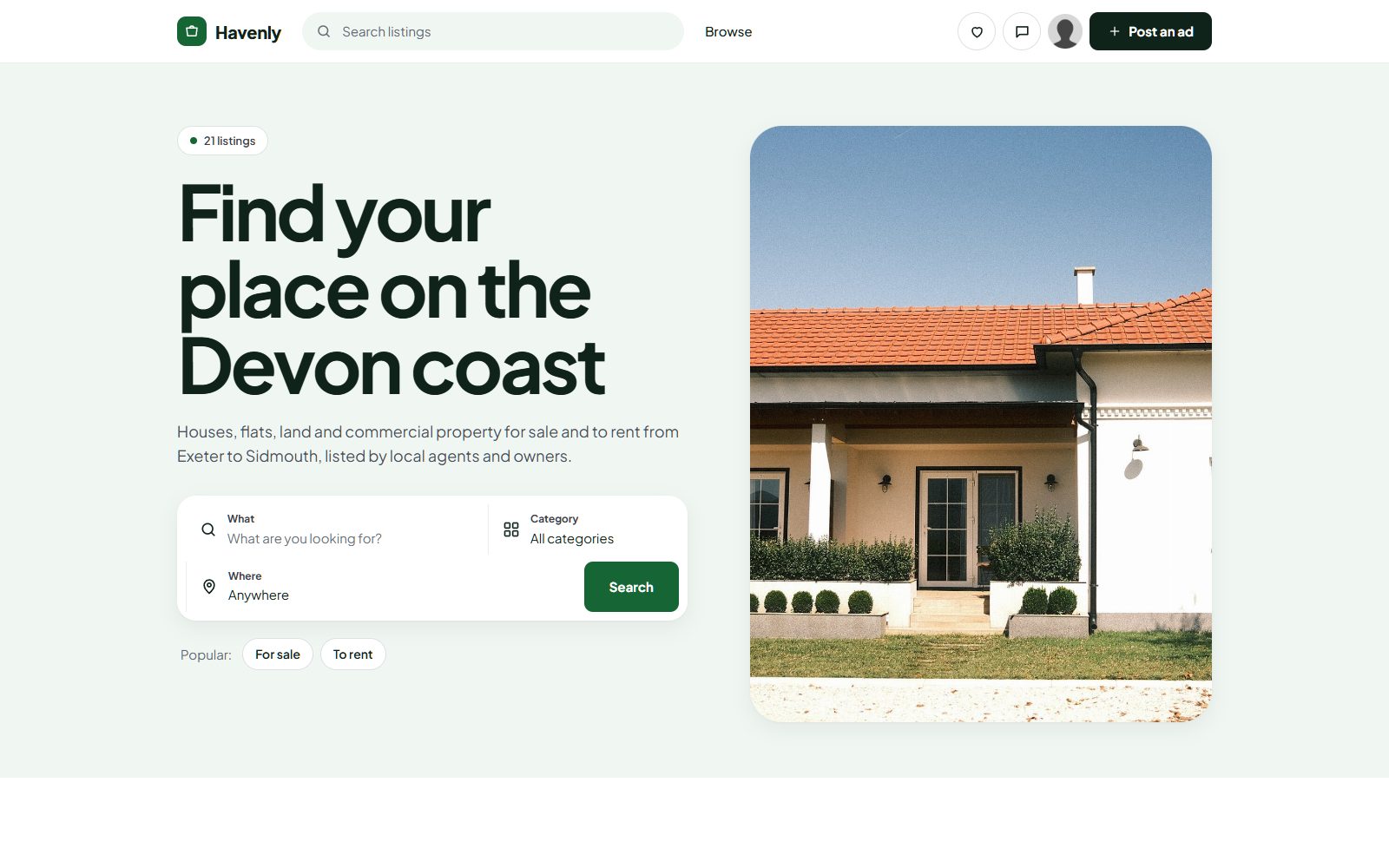
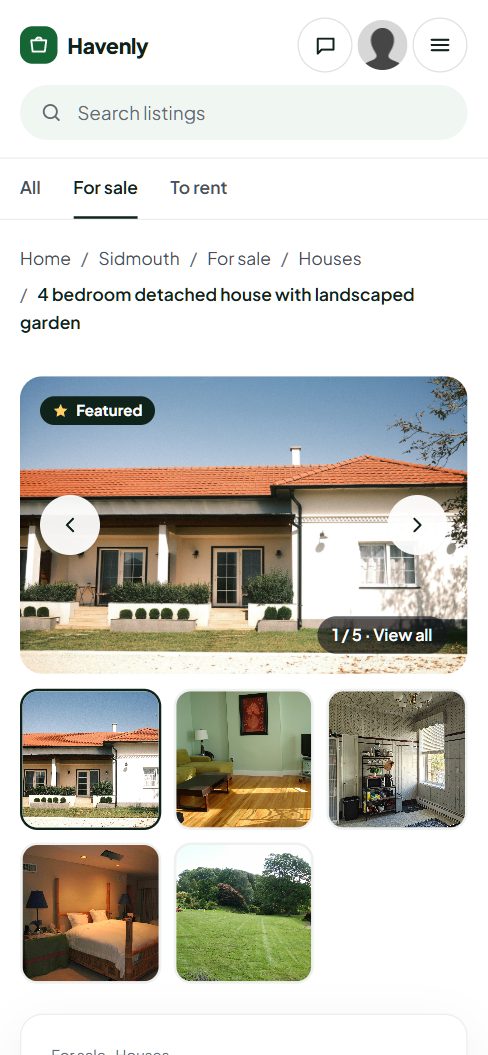
Serve tiny home buyers who are tired of guessing what a listing really is.
A tiny house listing on a general site is often missing what matters most: is it on a trailer or a foundation, does it have a title, is it certified, and where can it legally go. Buyers end up asking the same questions in every message. A site built for tiny homes asks them up front.
Who uses the site
- First-time buyers downsizing, often with savings rather than a mortgage, who need a finished home they can move.
- DIY builders selling a home they finished and buyers looking for an unfinished shell to complete.
- Small professional builders with models, spec homes and returned orders to sell.
- Landowners and communities with a spot to rent or a lot to sell where a tiny home is allowed.
- Hosts buying a cabin or tiny home to place on their land as a guest unit.
Pick your angle
Cover one region, since moving a tiny home a long way is expensive and many buyers want to see it before paying. Or go national but specialize: used tiny homes on wheels only, or homes plus the places to park them. The second half, parking, is what buyers struggle with most.
Where the trade happens now
Large tiny house Facebook groups, builder websites, general classifieds, tiny house festivals and a few national listing sites. Listings in groups scroll away within days, and finding legal parking is mostly word of mouth.
Pair homes with places to put them, and you answer the question every buyer asks next.
Ask whether it rolls, whether it is certified and whether it has a title.
Tiny home buyers filter first on how the house is built and whether it can be moved, then on size and layout. Those first answers decide where it can live, whether it can be insured, and how it can be towed or shipped.
- Type: on wheels, on a foundation or skids, park model, or shell.
- Length and width as numbers, plus square feet including lofts. Width over the road limit means a permit to move it, so buyers check it.
- Certification: RV standard, third-party inspection, local building code, or none. A dropdown keeps it clear.
- Title: RV or trailer title, no title, or sold with land.
- Trailer details: axles and weight rating for homes on wheels.
- Sleeping: ground-floor bedroom, number of lofts, stairs or ladder. Buyers who cannot climb a ladder filter on this first.
- Utilities as checkboxes: RV hookup, solar, propane, composting toilet, flush toilet, water tank.
For land and parking listings, ask for monthly rent, hookups available, and whether full-time living is allowed.
| Category | Example listings | Fields buyers filter on |
|---|---|---|
| Tiny homes on wheels | A 24 foot home with two lofts, a gooseneck model | Length, width, certification, title, trailer axles, ground-floor bedroom |
| Foundation tiny homes and cabins | A cabin on a lot, a backyard cottage | Square feet, bedrooms, sold with land, code built |
| Park models | Park model on a leased site in a resort | Square feet, site rent, community rules, year |
| Shells and DIY builds | Framed shell on a new trailer, half-finished build | Stage of build, trailer weight rating, what is included |
| Land and parking spots | Backyard spot with hookups, lot in a tiny home community | Monthly rent or price, hookups, full-time living allowed |
| Builders and new models | Builder's display model, cancelled order for sale | Delivery area, lead time, certification |
Make type, length and certification required on every home listing.
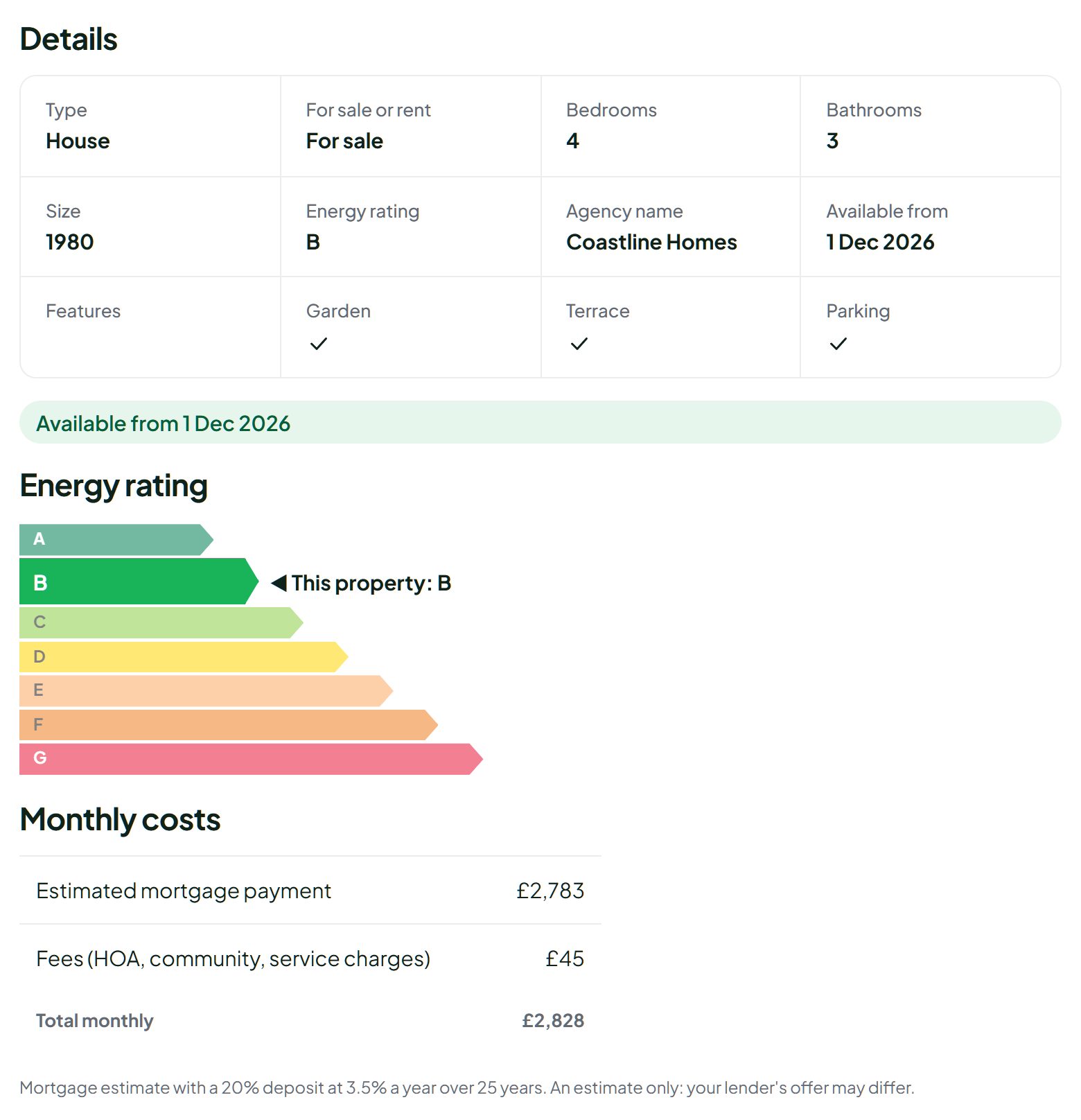
Let homes list free, then charge builders and land hosts.
Individual sellers of used tiny homes sell once and are price sensitive, so keep posting free for them while the site grows. The steadier money comes from businesses that list again and again.
Who pays
- Builders want buyers for display models, spec homes and orders that fell through. A membership that keeps their homes and builder profile visible suits them.
- Tiny home communities and landowners renting spots pay to post, since an empty spot costs them rent every month.
- Sellers in a hurry pay for featured listings or a bump to the top of the list.
- Related businesses such as transport companies, trailer makers, solar installers, composting toilet sellers and insurers buy banner spaces.
If you later want buyers to pay deposits for spots on the site, rentals with a booking calendar and deposits are available on the Marketplace plan. Most tiny home sites will not need that at the start.
| Model | Works when | Switch it on |
|---|---|---|
| Builder memberships | Builders post models and get inquiries | Once three or four builders list regularly |
| Pay to post land and parking spots | Hosts fill spots through your site | When parking listings get messages within a few weeks |
| Featured listings and bumps | Each region has many homes at similar prices | A few hundred active homes |
| Banner spaces for transport, solar and insurance | Your visitors are close to buying | When home pages draw steady traffic |
Find tiny homes in groups, at festivals and in builders' yards.
Tiny homes change hands slowly, and each listing stays up for weeks, so a hundred homes and parking spots gathered over a month make a full site.
Sources for the first listings
- Tiny house Facebook groups. Message the people posting homes for sale and offer a listing that will not scroll away. Ask them to fill in the size, title and certification.
- Small builders. Most have a model or two for sale and a website with little traffic. Import their homes from a spreadsheet and give each builder a profile.
- Tiny house festivals and open houses. Builders and owners show homes there. Collect contacts and list homes on the spot.
- Tiny home communities and RV parks that accept tiny homes. List their spots and ask about homes for sale by residents.
- Landowners with a backyard spot. Post a "looking for tiny home hosts" note in local groups. Parking is the scarcest listing on any tiny home site.
- DIY builders selling shells. Many start a build and stop. Shells sell well to buyers who want to finish one themselves.
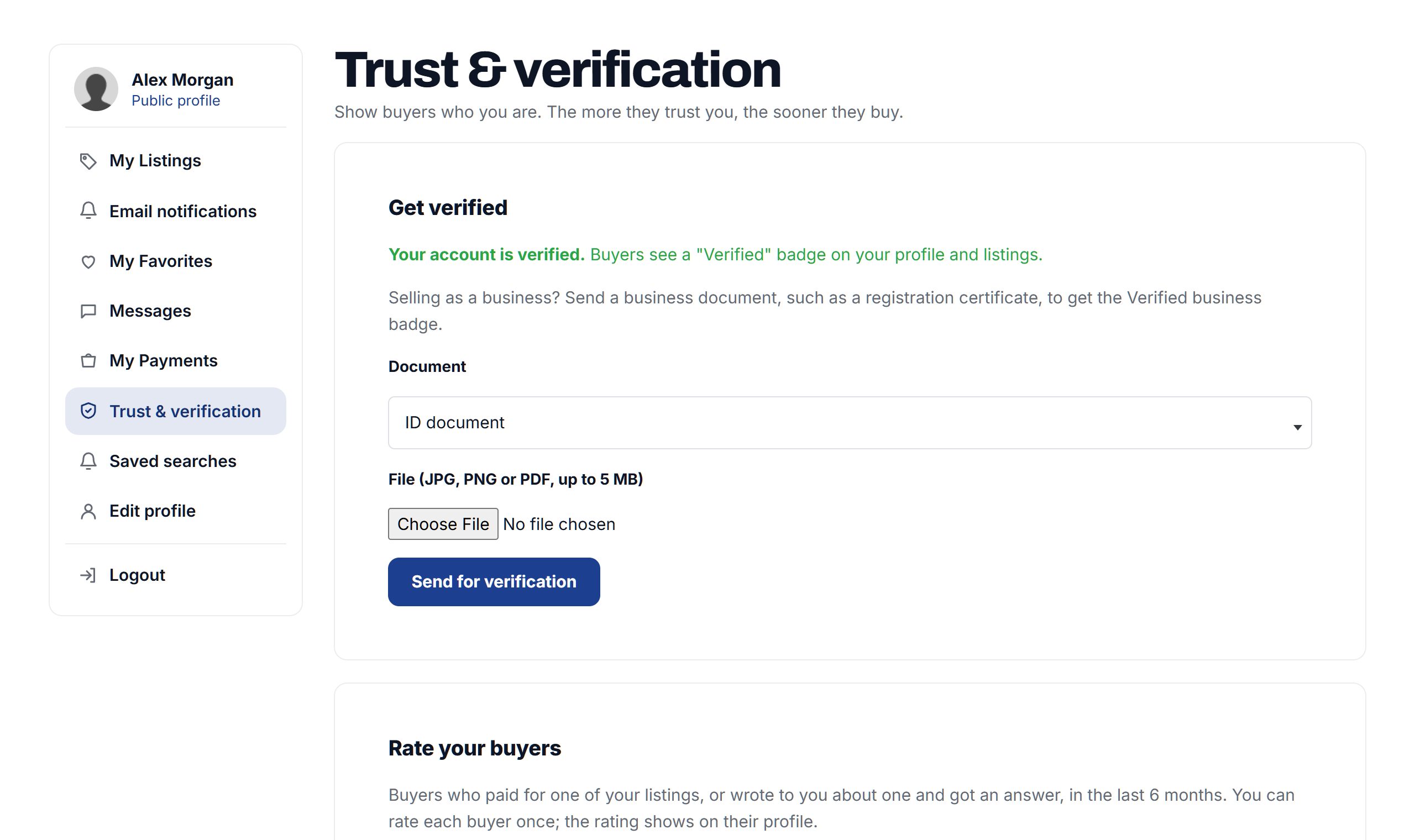
Ask every seller for a photo of the trailer or foundation, the loft and the bathroom, plus the floor plan if they have one. Those four views answer most buyer questions.
Ten good parking listings in a region will bring more buyers than fifty more homes.
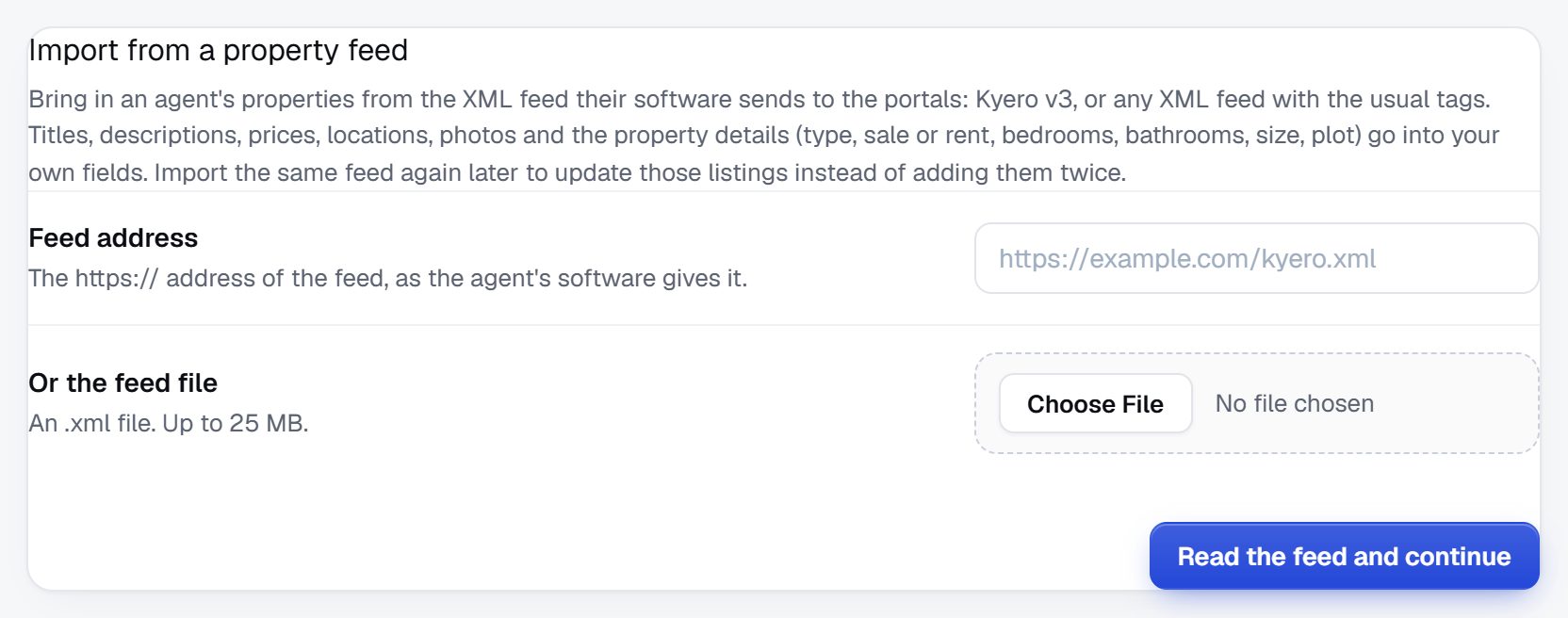
Be honest about zoning, titles and builder deposits.
The biggest risk for a tiny home buyer is not a bad house. It is buying one with nowhere legal to live in it, or paying for one that never arrives.
Problems to watch for
- Zoning. Many towns do not allow full-time living in a tiny home on wheels, or allow it only in certain zones or as an accessory unit. Rules change often. Never let parking listings say "legal" without the host stating what they know, and tell buyers to check the rules where they plan to live.
- Missing or wrong titles. DIY homes on homemade trailers may have no title, which makes them hard to register, tow or insure. Make title a required field.
- Builder deposits. Buyers have lost deposits to builders who closed before delivering. Advise buyers to check a builder's finished homes, ask past customers, and pay in stages tied to progress.
- Shipping scams. Fake sellers with stolen photos say the home is "already with the transport company" and ask for payment first. Hold listings that refuse viewings and ask for wire transfers.
- Unsafe DIY work. Wiring, propane and weight problems are common in amateur builds. Suggest an independent inspection before buying.
Rules for the site
- Approve every listing while you grow, and let buyers report doubtful ones.
- Verify builders before giving them a badge.
- Publish a buyer's guide to zoning, titles, insurance and moving a tiny home.
Rank for tiny home searches by type, size and region.
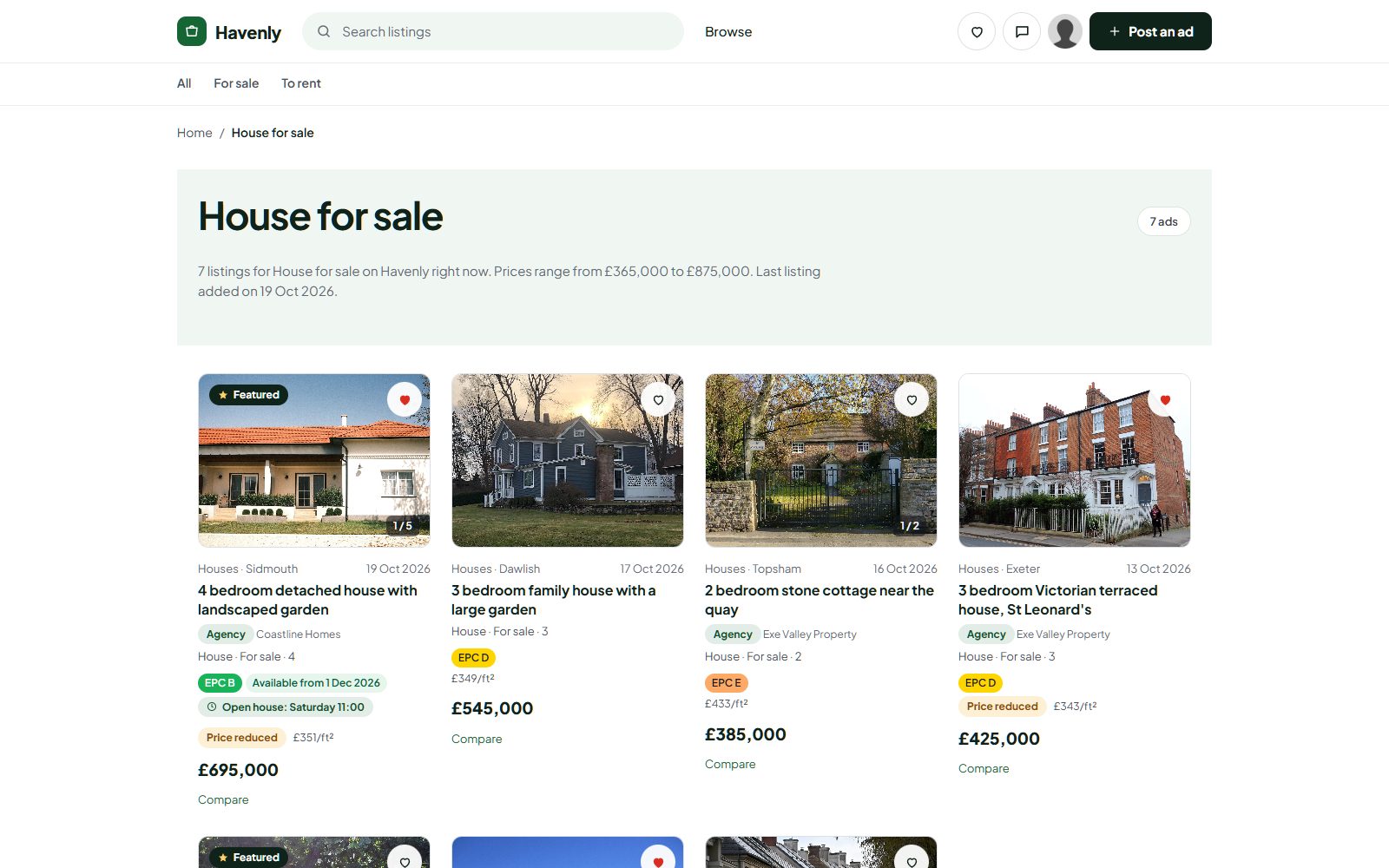
Tiny home buyers search a lot before they buy, often for months. Many of those searches are about where a home can go, which gives you content that general classifieds sites never write.
Searches to target
- "used tiny homes for sale [state]" and "tiny house on wheels for sale near me"
- "tiny home with downstairs bedroom for sale" and "24 ft tiny house for sale"
- "tiny house shell for sale" and "tiny home trailer for sale"
- "where can I park my tiny house in [state]" and "tiny house parking [city]"
- "tiny home communities in [state]" and "land for tiny house [county]"
Pages to build
- A page for each state or region, with homes and parking listed together.
- Type and size pages, like "certified tiny homes on wheels" or "tiny homes under 20 feet".
- Title patterns that start with length and type, such as "26 ft certified tiny home on wheels in [state]".
Content ideas
- A state-by-state starting point on tiny home rules, written as questions to ask the local planning office rather than legal answers.
- A guide to moving a tiny home: towing, width limits, permits and transport companies.
- A checklist for inspecting a used tiny home, from trailer welds to roof leaks.
- A price guide built from your own listings, showing ranges by size and finish.
Launch in one region around the festival and building season.
Tiny home interest peaks in spring and summer, when festivals and open houses run and people can tow and set up homes in good weather. Builders are busy then too, so reach them in late winter, before their calendars fill.
Launch plan
- Pick one region and collect homes, shells and parking spots until each category has real choices.
- Sign up three or four builders with their models and give them profiles.
- Publish the zoning questions page, the moving guide and the inspection checklist.
- Attend a tiny house festival or open house with a sign-up sheet and a phone for listing homes on the spot.
- Post in tiny house groups with links to filtered pages, such as "homes with a ground-floor bedroom in [region]".
- Add the next region once the first has parking listings as well as homes.
Partners
Transport companies, trailer makers, solar installers, tiny home insurers, RV parks that accept tiny homes, and local tiny house advocacy groups all talk to buyers. Offer them a banner or a profile in return for sharing the site.
Checklist
- Your own domain with SSL.
- Type, length, certification and title fields set up.
- Maps on every listing so buyers see distance.
- A buyer's safety page on deposits and shipping scams.
- Saved searches with email alerts for homes and parking in each region.
A worked example: a tiny home board for the mountains of western North Carolina.
Imagine Blue Ridge Small Dwelling Board, an invented site for western North Carolina, centered on Asheville and the counties around it. The region suits a tiny home site: plenty of buyers who dream of a mountain cabin, a handful of small builders, a few tiny home communities and RV parks, and county rules that differ from one valley to the next.
Who it serves
Three groups use it. Buyers are mostly downsizers and remote workers moving to the mountains, plus landowners shopping for a guest cabin. Sellers are owners moving on from a home on wheels, DIY builders who ran out of time or money, and three local builders with display models. Hosts list backyard spots, community lots and long-stay RV sites with hookups.
Categories
- Homes
- Tiny homes on wheels
- Park models and cabins
- Shells and unfinished builds
- Places to put a home
- Spots for rent
- Land for sale
- Builders
- Trailers, parts and moving
How it started
The founder lived in a tiny home and had spent most of a year looking for somewhere legal to park it. So she started with the listing she had struggled to find. Over one winter she phoned every RV park and campground within an hour of Asheville to ask whether they took tiny homes for long stays, and listed the ones that said yes, with their rules on certification and length. Builders joined next, then owners she met through two regional Facebook groups. A spring open-house weekend at one builder's yard, where she set up a folding table and listed homes on the spot, brought her first real wave of buyer sign-ups and saved searches.
How it makes money
Owners selling a single home list free. Builders pay a yearly membership that covers their models, a builder profile and a verified badge once she has visited their shop. Landowners and communities pay a small fee per parking listing, renewed every two months so filled spots drop off instead of sitting there. A trailer shop and a tiny home transport company rent banner spaces on the homes pages, and a solar installer sponsors the off-grid guide.
| Listing | Price | Key details |
|---|---|---|
| 20 ft tiny home on wheels, Buncombe County | $58,000 | Third-party inspected, RV title, one loft plus a ground-floor sofa bed |
| 26 ft gooseneck with downstairs bedroom | $89,000 | Builder's display model, 14,000 lb rated trailer, wired for solar |
| Framed shell on a new 24 ft trailer | $24,000 | Roof, windows and door in, no wiring or plumbing, trailer titled |
| Backyard spot with hookups near Weaverville | $550 per month | Water, 30 amp power and septic, host lives on site, host states the county allows it |
| Park model in a lakeside RV resort | $47,000 plus site rent | Built 2019, about 399 sq ft, resort allows year-round stays |
The site and these listings are fictional and shown only as an illustration.
The first 90 days for a tiny home site.
Tiny home buyers research for a long time, and many will browse your site for a whole season before they write to a seller. That makes the first ninety days less about volume and more about depth: one region where a buyer can see homes, shells and real places to park them side by side. Start in late winter if you can, so the site is ready when festivals, open houses and towing season begin.
Track three numbers each week: homes listed, parking spots listed, and saved searches. If parking lags behind homes, move your outreach to landowners, RV parks and communities before chasing more homes. Buyers who find a home they love but nowhere to put it tend to leave and not come back. A region with a dozen honest parking listings will hold buyers through the slow months, because they keep checking for the next spot to open.
Leave paid features off for now. Use these weeks to learn which questions buyers ask most in their messages, and turn the answers into fields and guides.
| Weeks | Focus | Done when |
|---|---|---|
| 1-2 | Region, fields and rules | Type, length, certification and title are required, and a zoning disclaimer is written for every parking listing |
| 3-4 | Builders | Three builders have profiles and their current models are imported |
| 5-6 | Parking supply | Fifteen spots or lots are listed, each with hookups and the host's own statement on full-time living |
| 7-8 | Owner listings | Twenty homes from groups and owners are live, each with photos of the trailer, the loft access and the bathroom |
| 9-10 | Buyer guides | The moving guide, the inspection checklist and the zoning questions page are published and linked from every home |
| 11-12 | Festival or open house | You have staffed a table at one event, listed homes on the spot and helped visitors set up email alerts |
Ways to build a tiny home site, and what this niche demands.
A tiny home site carries two kinds of listings that behave differently. Homes are objects for sale with size, title, weight and certification fields. Parking is closer to a rental, with monthly rent, hookups and house rules. Whatever you build on must handle both under one search, with a map, because distance and towing are what buyers think about first.
Building your own
Custom code suits a founder who wants something unusual, such as a tool that checks a home's width and weight against the permits needed to move it, or one that matches homes to parking spots that accept their length. It takes the longest and costs the most, and the work never stops after launch.
A script or plugin on your own server
A classifieds script or a WordPress listing plugin gives you full control and a low software bill. You also take on updates, backups and spam, and map and filter add-ons often come from different makers that do not always work well together.
A hosted builder
A hosted builder such as Yclas takes care of the server and gives you custom fields, maps and moderation from the start; if hosts later want to take deposits for parking spots online, rentals with deposits are available on the Marketplace plan. For most founders the deciding question is time: every hour spent fixing a server is an hour not spent calling RV parks.
| Route | Fits when | Watch out for |
|---|---|---|
| Custom build | You want move-planning tools or automatic matching of homes and parking | High cost, a slow launch, and dependence on one developer for every fix |
| Script or WordPress plugin | You can code, enjoy running a server and want every part of the site in your hands | Map, filter and spam add-ons that conflict, and updates you must run yourself |
| Hosted builder | You want homes and parking live in weeks with filters and maps | Less room for unusual tools, so plan features around what it offers |
What a tiny house classifieds site costs to run.
The software is the smallest part of the bill. Most of the cost is your time in the first months: finding the first listings, answering questions and checking what gets posted.
Beyond the software, budget for a booth or travel to one or two tiny house festivals, small ads in tiny house groups or newsletters, and a lawyer's look at your terms and any wording about zoning. Researching local tiny home rules for your content takes time rather than money.
| Cost | Typical range | On Yclas |
|---|---|---|
| Domain | $10 to $20 a year | Your own, with SSL included |
| Software and hosting | $0 to $100+ a month, plus plugins and updates | Starter $19 a month, Professional $99 |
| Design | $0 to $100 for a theme, or a designer | 109 looks included |
| Payment fees | About 3% per payment | Your Stripe or PayPal fees; Yclas takes nothing |
| Your time | 5 to 10 hours a week at the start | Finding listings, moderation, support |
Mistakes that stall a tiny home site.
- Listing homes without saying where they can go. A home that buyers cannot legally live in sells slowly and produces angry messages. Pair homes with parking listings, and publish the questions buyers should ask their local planning office before they commit. A homes page that links to nearby spots answers the next question before the buyer has to ask it.
- Letting hosts write "legal" or "zoned for tiny homes". If a buyer moves in and the county disagrees, your site carried the claim. Ask hosts to describe what they actually know, such as "the county permits this as an RV site", and tell buyers to confirm it themselves. Recheck old parking listings each season, since local rules and a host's situation both change.
- Making certification optional. Buyers, insurers, lenders and RV parks all ask about it, and an empty field reads as "none" anyway. Require it, with "none" offered as an honest choice rather than a blank.
- Mixing park models, cabins and homes on wheels in one category. They are moved, titled, insured and placed differently. Separate them so that filters mean something and buyers do not waste a trip. A park model buyer and a buyer who wants to tow every summer are shopping for different things.
- Going national too early. A buyer in Oregon gets little from a homes page full of listings in Georgia, since moving a home across the country can cost a large share of its price. Fill one region first, then add the neighboring ones, starting with the region your buyers already ask about in messages.
- Ignoring builder deposit complaints. One builder who closes owing customers can drag your name down with theirs. Watch for reports, remove badges quickly when something looks wrong, and keep advising buyers to pay in stages tied to visible progress, with photos at each stage.
- Accepting photo-only listings. A gallery of a cozy interior can hide a homemade trailer with no title or a loft no adult can sit up in. Ask for photos of the trailer or foundation, the loft access and the bathroom, and send back listings without them.
- Treating tiny house groups as competitors. Group admins can send you much of your early traffic. Offer their members a free listing, share their meetups and festivals, and never post ads in their groups without asking.
- Wasting the off-season. Late fall and winter are quiet for towing and festivals in most regions. Use them to write guides, recruit builders for spring and check that every parking listing is still open.
Tiny home terms every founder should know.
Tiny home buyers, builders and hosts share a vocabulary of their own, and your fields and guides should use it the same way they do.
| Term | What it means |
|---|---|
| THOW | Tiny house on wheels: a home built on a trailer so it can be towed. |
| Park model RV | An RV-class unit, generally up to about 400 square feet, designed for long stays in one place. |
| Shell | A home with framing, roof and windows done but little or no interior finish. |
| Gooseneck trailer | A trailer that hitches in the bed of a pickup, which lets a raised bedroom sit over the hitch. |
| Deckover trailer | A trailer with the floor built above the wheels, giving a wider interior with no wheel wells. |
| GVWR | Gross vehicle weight rating: the most the trailer may weigh fully loaded. |
| RVIA seal | A label showing a unit was built to RV standards under the RV Industry Association's program. |
| Third-party inspection | A check of a home's build by an independent inspector, often used in place of RV certification. |
| ADU | Accessory dwelling unit: a second small home on a lot, one route some towns allow for tiny homes. |
| Appendix Q | A part of the International Residential Code with rules for tiny houses on foundations, adopted in some places. |
| Skids | Heavy beams under a home that let it be dragged or lifted onto a site without a trailer. |
| Hookups | Water, power and sewer connections at a parking spot, with power usually 30 or 50 amp. |
| Oversize load | A home wider or taller than road limits, which needs a permit and sometimes escort vehicles to move. |
| Off-grid | Set up to run on solar, propane and water tanks without utility connections. |
The same steps for a tiny house classifieds site on Yclas.
- Describe your nicheThe setup wizard writes the categories, an About page and example listings from one sentence.
- Add fieldsSwitch on a field pack or add the fields your buyers filter on.
- Fill itImport dealer spreadsheets, invite sellers and post your own.
- Set the rulesChoose moderation, banned words and AI checks.
- Go liveChoose a plan, connect your domain, switch on paid listings when it is time.
What does it take to start a tiny house listing site?
A site, a domain, a few weeks of collecting homes and parking spots, and some travel to festivals. Paid advertising can wait until each region has listings worth browsing.
Am I responsible if a buyer cannot legally live in a home they found on my site?
Your site advertises; it does not give zoning advice. Say so in your terms, make hosts describe what they know, and tell buyers to check the rules where they plan to live. Have a lawyer review your terms.
Should I list parking and land as well as homes?
Yes. Finding a legal place to live is the hardest part for most buyers, so parking listings bring visitors that a homes-only site misses.
How do I get builders to list with me?
Offer a free profile and import their models, then send them the inquiries. Once they see messages from real buyers, a membership is an easy sell.
What scams are common with tiny homes?
Fake sellers using stolen photos who ask for payment before a viewing, and builders who take deposits and do not deliver. Warn buyers on every listing and hold suspicious posts.
Can I compete with the big tiny house groups on Facebook?
Groups are good for talk but poor for search. Your site keeps listings organized by size, type and region, with filters and alerts that groups cannot offer.
How do I make money if most sellers are individuals?
Keep individual posting free and charge builders, parking hosts and related businesses, plus featured spots for sellers who want to sell faster.
Should I list spots inside RV parks?
Yes, where the park accepts tiny homes and says so in writing. Ask each park to state its rules on certification, length and how long a home may stay, since many parks only take certified units.
Can builders take orders through my site?
They can show models and receive inquiries through on-site messages, but the order and the contract stay between the builder and the buyer. Advise buyers to read the build contract and payment schedule closely before signing.
How should I handle homes that are far from finished?
Give shells and unfinished builds their own category with a stage-of-build field. Buyers who want a project look for them, and buyers who want a finished home can filter them out.
Do tiny home buyers need financing information on the site?
Many pay cash or use personal or RV loans, since standard mortgages rarely cover homes on wheels. A plain guide to the usual options, written without promising rates, helps, and lenders serving the niche can buy banner space.
Is it worth adding tiny home vacation rentals?
Usually not at the start. Short stays are a different business with different customers, and many towns regulate them closely. Stay with homes and long-term parking until the site is busy.
Related pages.
The parts of Yclas this leans on.
You have the plan. Now help tiny homes find a place to land.
Describe your site in a sentence and the setup wizard writes the categories, example listings and a look. Free for 15 days, no credit card.
Start my classifieds site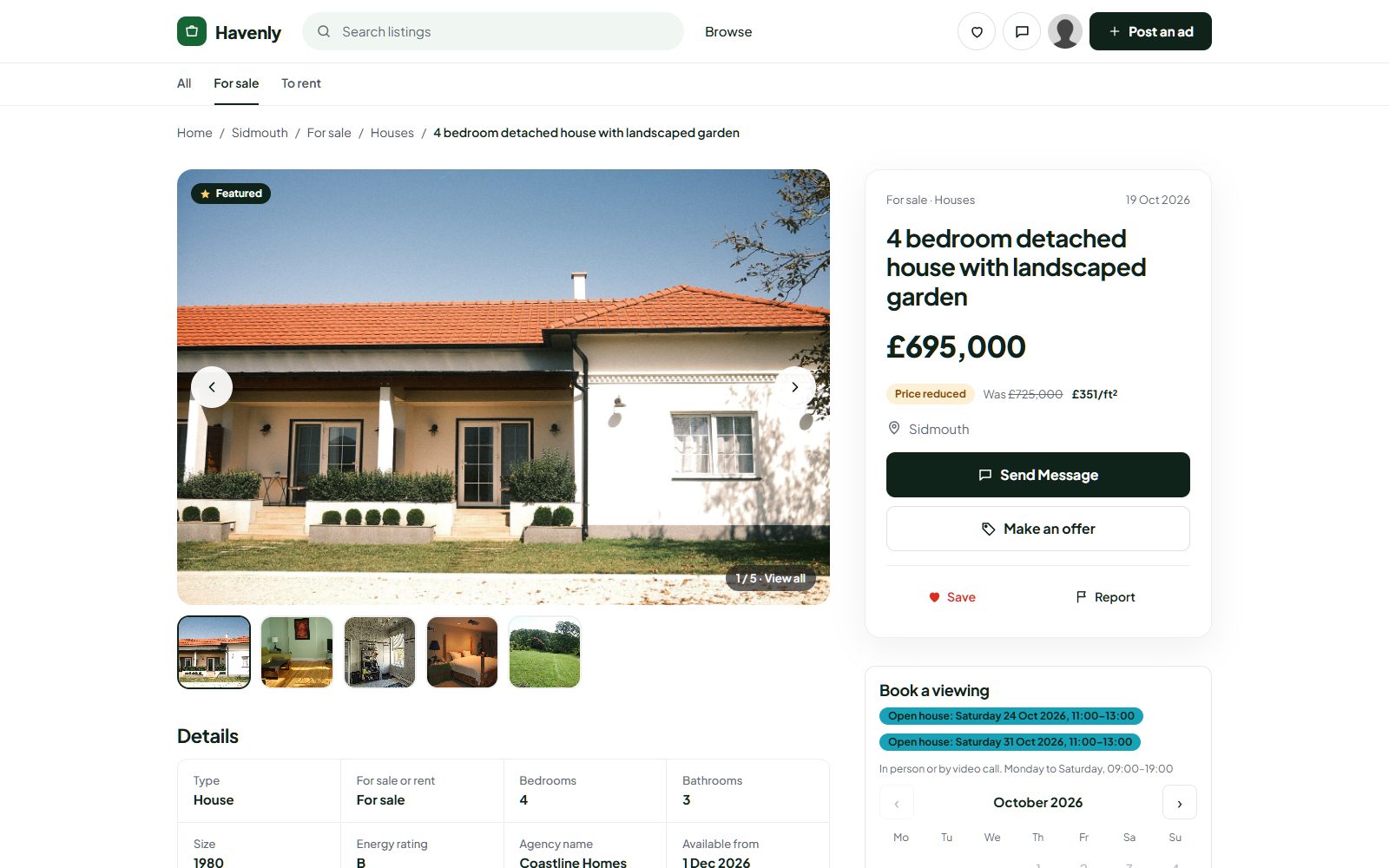
Photo credits
The screenshots show demo sites with made-up sellers. Their photos come from Wikimedia Commons, some cropped or with signs and plates blurred; these ones are under Creative Commons licences:
- Modern house exterior with red roof and landscaped garden under clear blue sky, CC BY 2.0
- Furnished apartment in Cambridge, December 2008, CC BY-SA 3.0
- Front lawn at Holehird - geograph.org.uk - 2046271, CC BY-SA 2.0
- Terraced houses on Walton Street - geograph.org.uk - 5233085, CC BY-SA 2.0
- Stone Cottage, Watnall, CC BY-SA 2.0
- View of the "Lost Dining Table and Chairs" in Eltham Palace - geograph.org.uk - 5797282, CC BY-SA 2.0
- Mountain's chalet in summer, CC BY-SA 4.0
- Monument, bench and flowers at Akureyri Botanical Gardens, CC BY 3.0
- Building plot - geograph.org.uk - 6532306, CC BY-SA 2.0
- Mid Devon , Countryside ^ Farmland - geograph.org.uk - 1953042, CC BY-SA 2.0
- Industrial unit on the Coppi Industrial Park - geograph.org.uk - 4974502, CC BY-SA 2.0
- Burnham Yacht Harbour Marina - geograph.org.uk - 7039536, CC BY-SA 2.0
- Office Chairs at Long Table conference, CC BY 2.0