How to build a commercial kitchen rental marketplace that puts idle kitchens to work.
This guide covers building a marketplace where restaurants, church and community kitchens, caterers and shared kitchens rent their space to bakers, food trucks, caterers and small food brands: choosing a city and renter type, the equipment fields renters filter on, day and week rates with deposits, signing the first kitchens, permits, food safety and allergens, the searches to rank for, and a launch timed to market season.
Free for 15 days · No credit card · Plans from $19 a month
Match kitchens that sit empty with food businesses that need one.
A restaurant that serves dinner has a kitchen standing idle every morning and on its closed days. Church and community kitchens are inspected, fully equipped, and used a few times a month. Caterers have quiet weeks between events. On the other side, a growing group of food businesses needs a licensed kitchen without signing a lease: food truck operators, caterers starting out, bakers selling at farmers markets, meal prep services, and people turning a family sauce or granola recipe into a product.
Why a dedicated site
Today these deals happen through word of mouth, a few shared kitchen operators with waiting lists, and posts in local food business groups. Renters call around for weeks to find a kitchen with a deck oven, a free Tuesday and cold storage. A site that lists kitchens by equipment, storage and availability saves them that search.
Pick the angle
- One metro area. Renters bring ingredients and equipment, so the kitchen has to be within an easy drive.
- One renter type. Bakers need ovens and mixers; food trucks need parking, water and a place to clean; caterers need prep space and cold storage. Pick the one you understand best.
- One kind of host. Church and community kitchens are a good start: they are often underused and welcome the income.
Renters do not search for "a kitchen". They search for a kitchen with the equipment, storage and days their product needs.
List kitchens by equipment, storage and approvals.
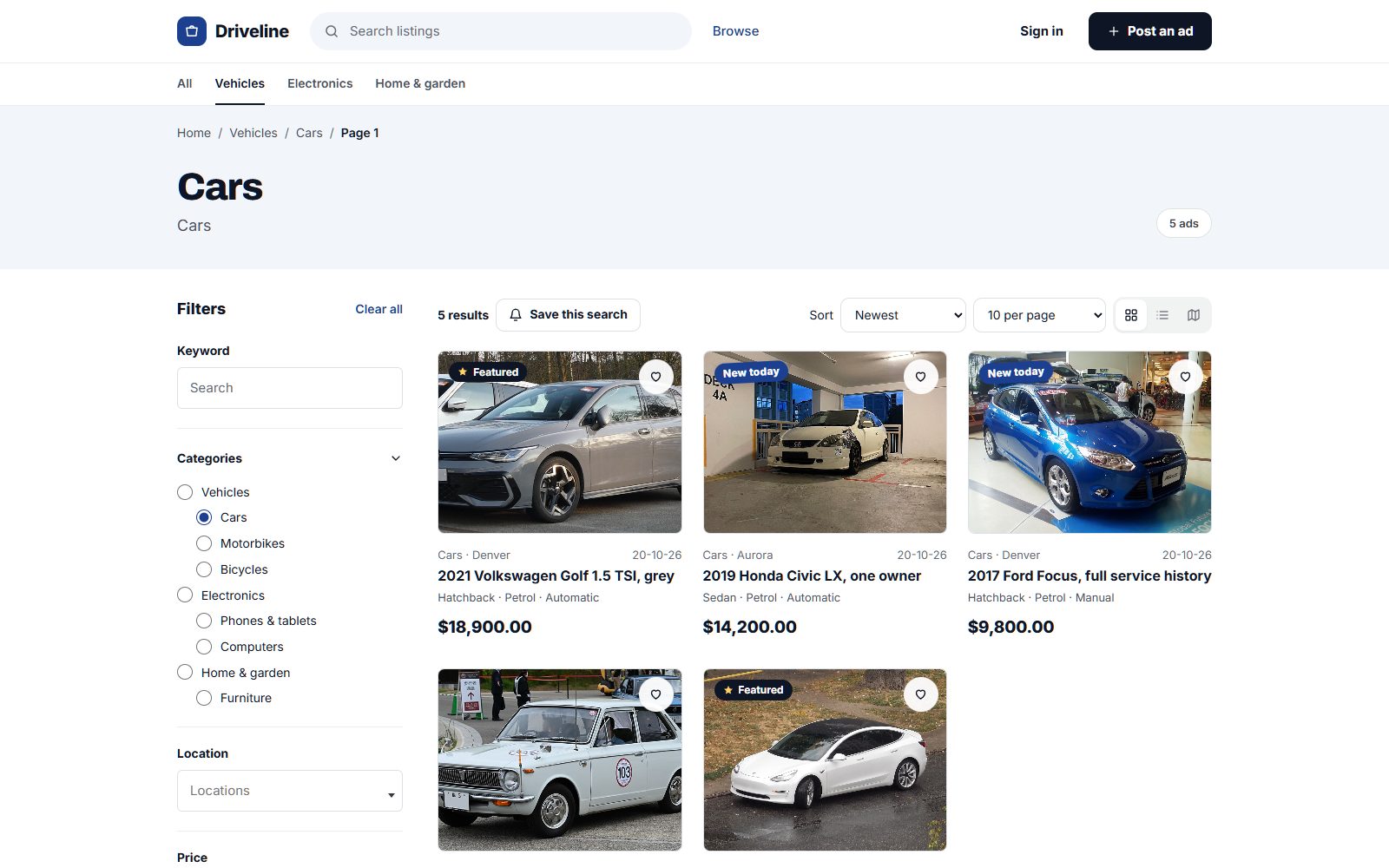
Keep categories to kinds of kitchen and put the equipment in fields. A baker filters on oven type and mixer size; a food truck operator filters on truck parking and water fill; a caterer filters on cold storage and prep table space. Checkboxes for equipment make the filters precise.
- Cooking: convection oven, deck oven, range burners, griddle, fryer, hood.
- Prep: stainless prep tables, stand mixers by size, slicer, food processor.
- Cleaning: three-compartment sink, hand sinks, dish machine.
- Storage: walk-in cooler, freezer space, dry storage shelving, each available to renters or not.
- Food trucks: truck parking, overnight parking, potable water fill, gray water and grease disposal.
- Approvals: the host's health permit status and any kosher, halal or gluten-free status, as the host states them.
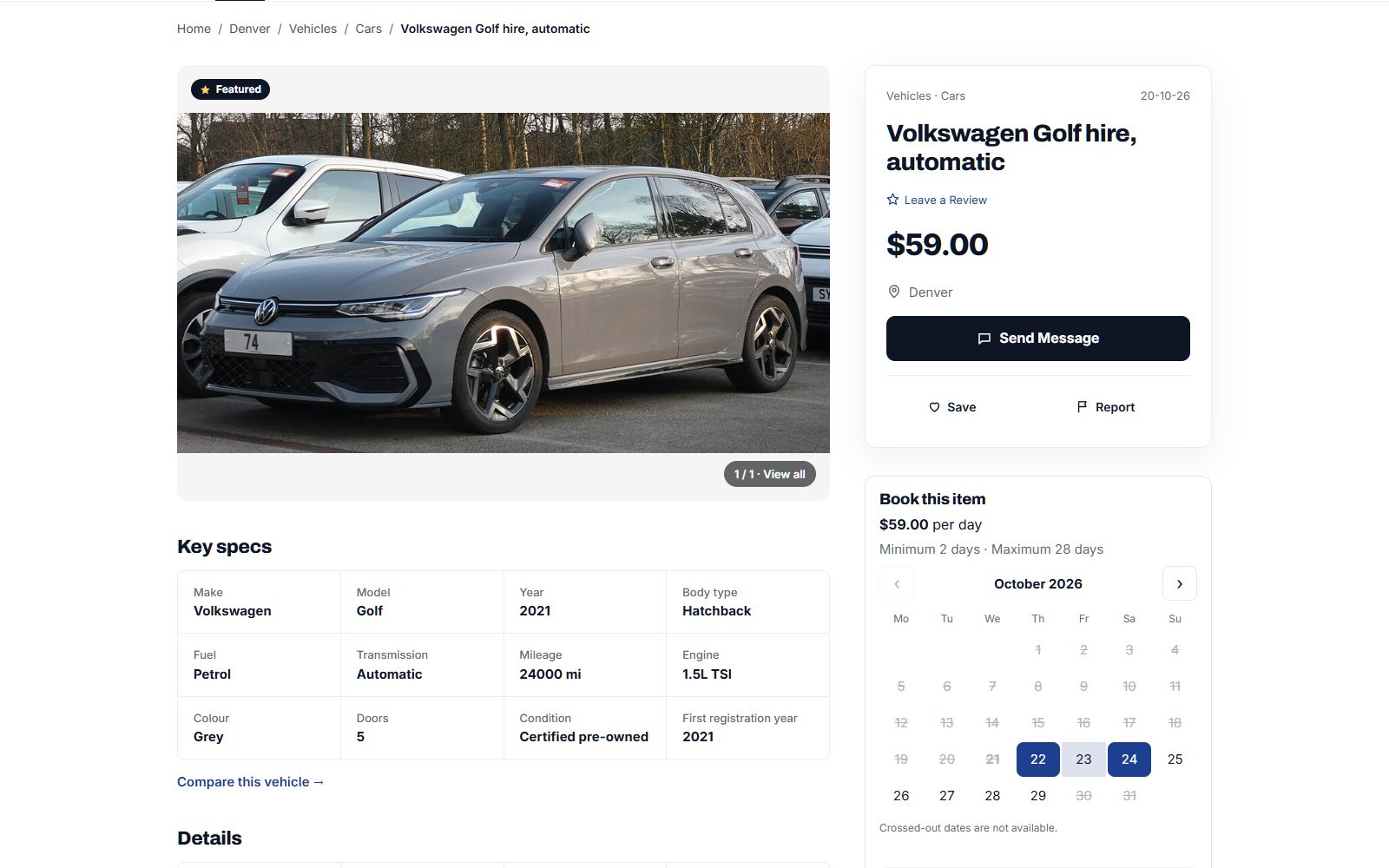
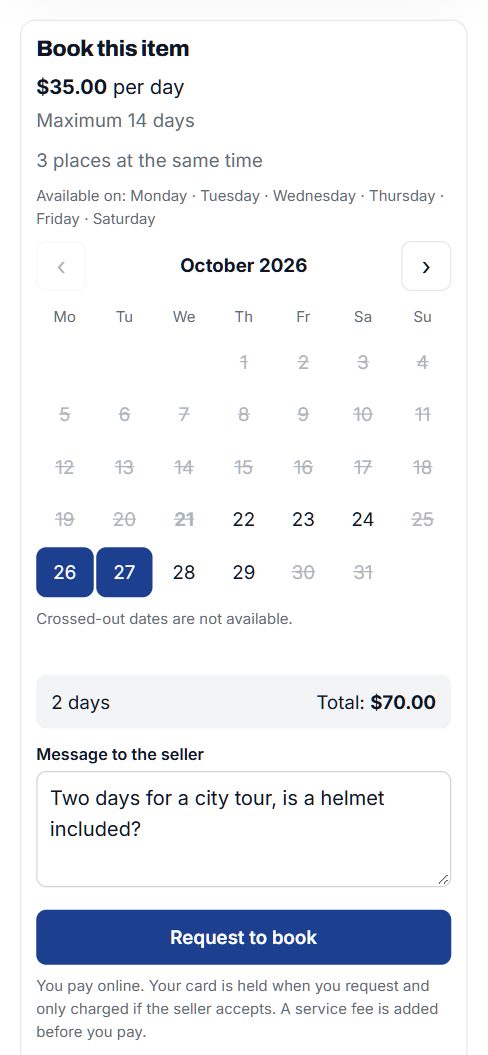
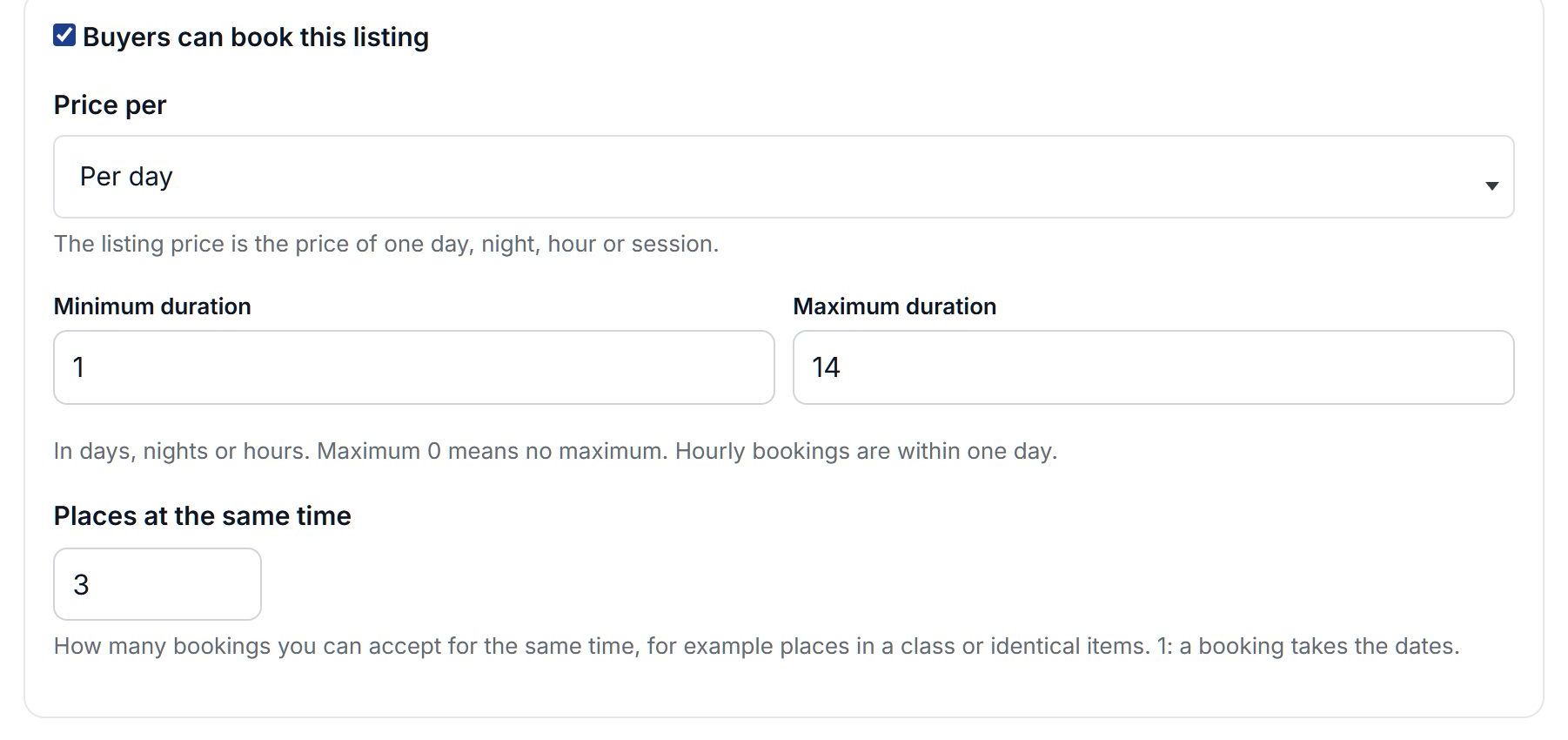
Commercial kitchens are often rented by the hour in the trade. Here, the calendar works in days and weeks: on the Marketplace plan a rental has a booking calendar, prices per day or week and a deposit. Set a day price, and have host and renter agree the exact shift, such as 5 a.m. to noon, in messages before the booking. Regular renters can book a whole week.
| Category | Example listings | Fields renters filter on |
|---|---|---|
| Restaurant kitchens (off hours) | Bistro kitchen free mornings and Mondays | Hood, burners, cold storage available, days free |
| Church and community kitchens | Hall kitchen with two ranges and dish machine | Dish machine, prep table space, parking |
| Bakery kitchens | Bakery with deck oven, closed Sundays | Deck oven, mixer size, proofer, sheet pan racks |
| Shared and commissary kitchens | Shared kitchen with weekly prep stations | Weekly price, dry storage, truck parking |
| Food truck support | Lot with water fill and gray water disposal | Overnight parking, water fill, grease disposal |
| Specialty kitchens | Gluten-free kitchen, host stated | Allergen status, kosher or halal status, packaging space |
Make allergen status a dropdown the host fills in, with "not stated" as the default rather than a blank.
Take a commission on bookings, and sell visibility to suppliers.
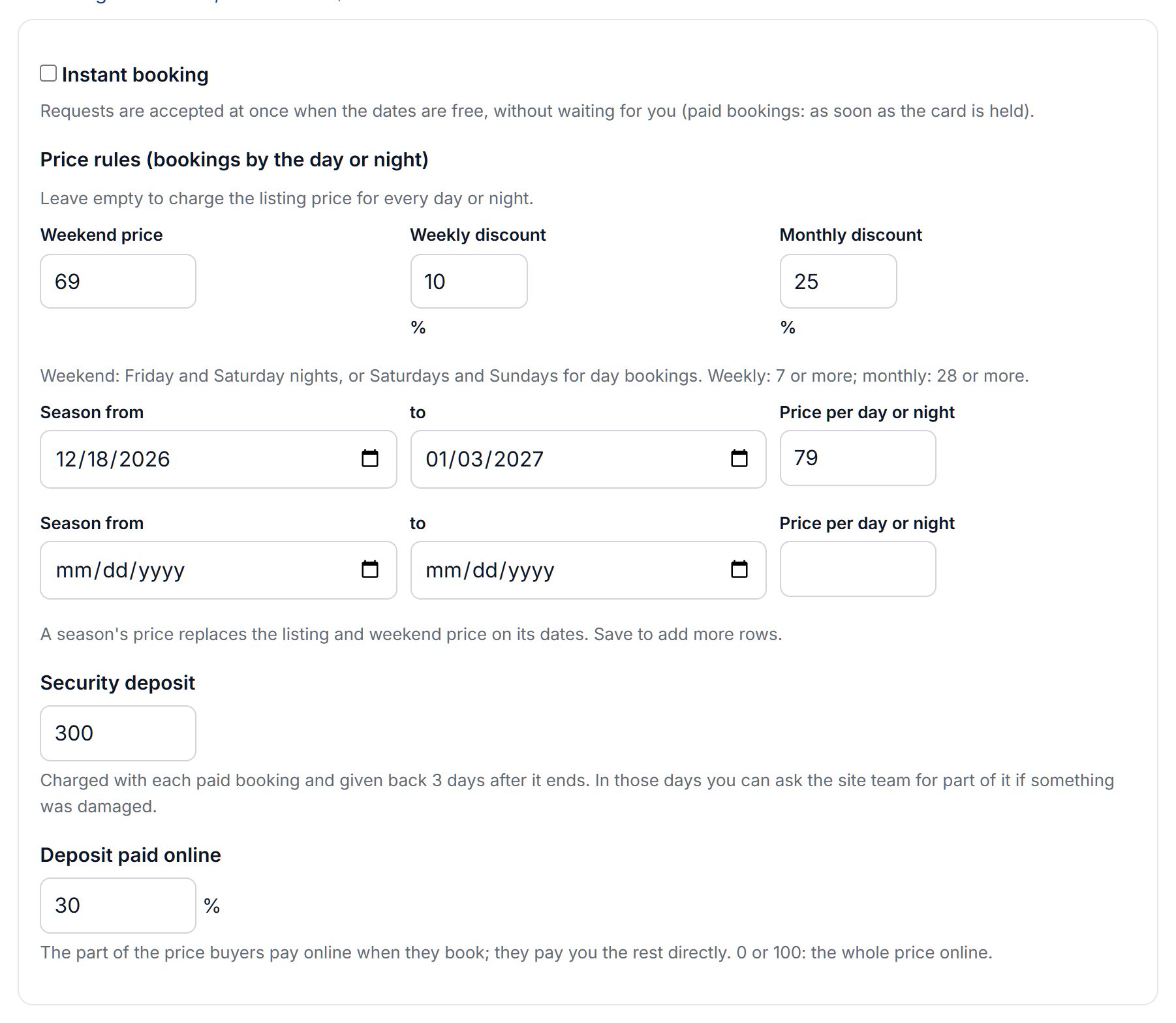
Renters pay on the site when they book, and you keep a commission on each booking. A church or community kitchen that rents a few times a month sees new income for no extra work, so a share is easy to explain. Restaurants care about wear on their equipment and cleaning, so they will set higher day prices and larger deposits, and that is their call.
Deposits cover cleaning, broken equipment and ingredients left in the cooler. Ask hosts to state on the listing exactly what the kitchen must look like at the end of a shift and what part of the deposit is kept if it does not. The deposit is between host and renter, so explain your rules without promising to settle disagreements.
A renter service fee can work once renters rely on the site, especially for food trucks booking a parking and water spot every week. Featured listings help hosts with empty days fill them. Memberships suit shared kitchens with several stations to fill. Food businesses buy packaging, ingredients and labels, so banner spaces sell to restaurant suppliers, packaging firms, label printers and food business courses.
Listing should be free for kitchens until bookings come in. A host risks nothing by trying, which matters with kitchen managers who are wary of strangers.
| Model | Works when | Switch it on |
|---|---|---|
| Commission per booking | Renters pay on the site | From the first booking |
| Renter service fee | Regular weekly renters | Once renters book again and again |
| Featured listings | Hosts with empty days to fill | When renters compare several kitchens |
| Host memberships | Shared kitchens with many stations | When a host lists several stations |
| Banner spaces | Suppliers, packaging, label printers | When renter traffic is steady |
Sign twenty kitchens before you invite a single baker.
Kitchens are the scarce side. Renters are easy to find once you have somewhere to send them: food business groups are full of people asking where to cook. So spend the first weeks on hosts, and aim for twenty or more kitchens across one metro area, with a mix of days and equipment.
Where the kitchens are
- Churches, synagogues, mosques and community halls. Many have inspected kitchens used for occasional dinners. Ask for the facilities manager or the person who books the hall.
- Restaurants closed one or two days a week, or open only for dinner. Approach the owner directly, outside service hours.
- Caterers and bakeries with idle days between orders.
- Shared kitchens and commissaries that want more renters for quiet shifts.
- Schools, clubs and union halls with kitchens that sit unused outside events.
- Hosts already advertising "kitchen for rent" in food business groups and on Craigslist.
Visit each kitchen, photograph the equipment with labels showing, and note the model and size of ovens and mixers. Ask the host which days and shifts are free, and block the rest on the calendar. Hosts worry about cleaning and wear more than money: show them your cleaning checklist, the deposit, and the reviews renters leave.
Put permits, food safety and cleaning at the center of your rules.
Food made in a rented kitchen is sold to the public, so the risks go beyond a dirty floor. Health departments set the rules, and they differ between cities, counties and states.
Permits and food safety
In many places a renter needs their own food business permit and food handler or manager certification, and food trucks may be required to operate from an approved commissary. Whether a given kitchen satisfies those rules depends on local health department decisions. Check the rules where you operate, ask hosts to state their permit status, and ask renters to confirm they hold what their business needs. Do not tell renters a kitchen is approved for their product; that is between them and the health department.
The usual problems
- Cleaning disputes: publish a standard end-of-shift checklist and ask both sides for photos at handover.
- Allergen cross-contact: a gluten-free baker cannot share space with a flour-heavy bakery. Make allergen status a host statement, never your guarantee.
- Equipment damage: deposits, and a host note on equipment that needs training first, like a slicer or dish machine.
- Missing ingredients: labeled, assigned shelf space in coolers.
- Liability insurance: many hosts require renters to carry it. Let hosts say so on the listing.
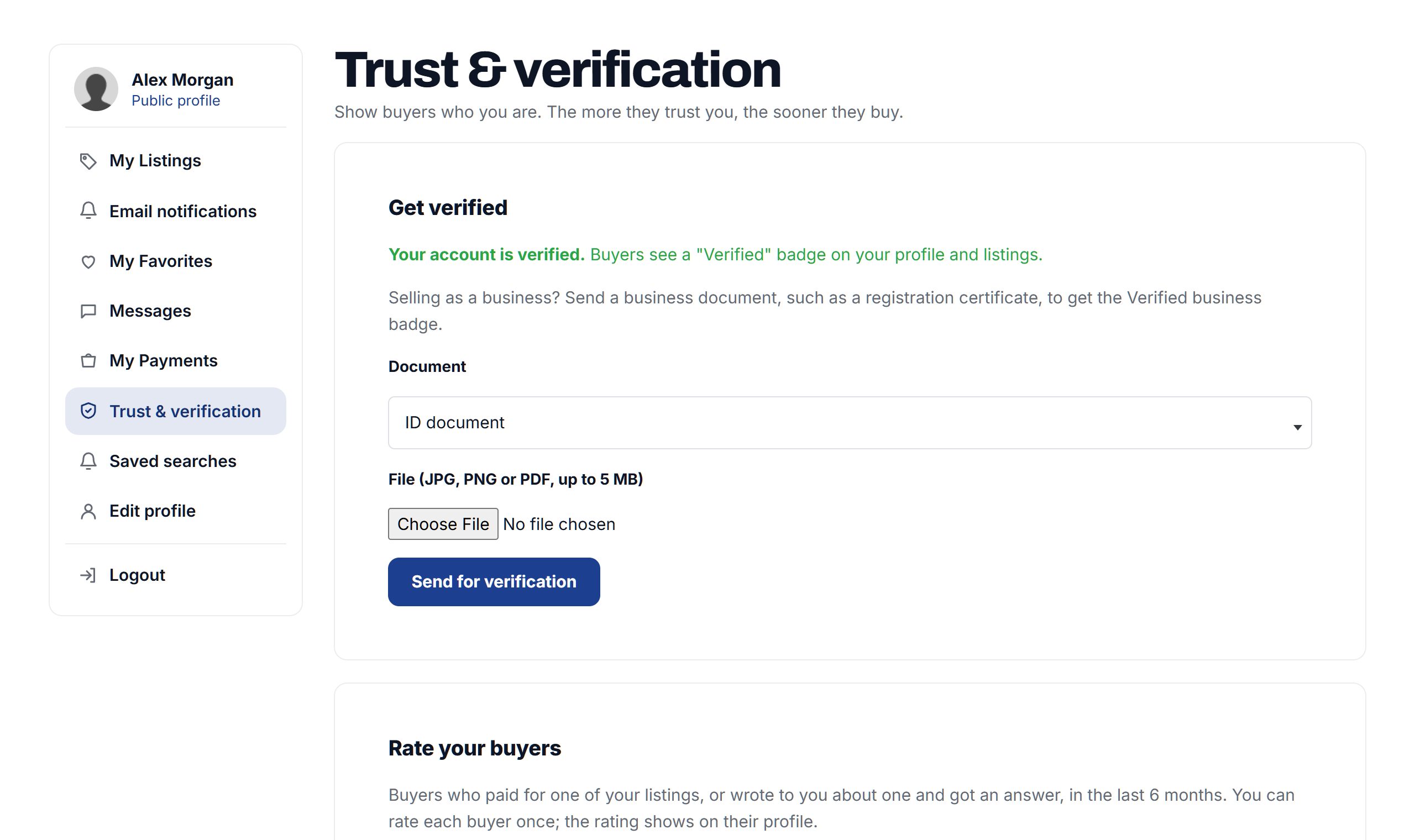
- Off-site payment: renters and hosts who move payment off the site lose the deposit and the reviews. Say so plainly, and remove repeat offenders.
Verified badges for hosts you have visited and reviews after every booking build trust on both sides.
Never call a kitchen approved for a renter's product. Ask each side to state what they hold, and leave approval to the health department.
Rank for kitchen searches by city, equipment and business type.
The searches are local and practical: "commercial kitchen for rent near me", "commissary kitchen [city]", "shared kitchen space [city]", "rent a commercial kitchen for baking", "food truck commissary [county]", "church kitchen for rent [city]" and "commercial kitchen with walk-in cooler". People also search for the steps around them: "how to start a catering business in [state]" and "do I need a commercial kitchen to sell baked goods".
Pages to build
- City and category pages: commissary kitchens, bakery kitchens and church kitchens in each city or county.
- Equipment pages: kitchens with a deck oven, a walk-in cooler or truck parking, built from your checkbox fields.
- Business-type guides: starting a food truck, a home bakery that has outgrown the home, a meal prep business, a packaged sauce. Explain what to ask a kitchen and point readers to their local health department for the rules.
- Host guides: renting out a church kitchen, filling a restaurant's closed days.
The business-type guides earn the most: a person searching how to start a food truck is your future renter long before they look for a kitchen. Keep legal points general and tell readers to check with their own health department.
Launch before farmers market and holiday baking season.
Two peaks shape demand. In late winter and spring, vendors prepare for farmers market season and food trucks get ready for summer events. In November and December, bakers and caterers take holiday orders and run out of space at home or in their own kitchen. Have kitchens listed four to six weeks before the peak you pick.
Partners
- Farmers market managers, who hear vendors ask about kitchens every season.
- Small business development centers and food business incubators.
- Culinary schools, whose graduates start catering and baking businesses.
- Food truck associations and event organizers.
- Restaurant supply stores, where both sides shop.
Checklist
- Pick one metro area and one renter type.
- Write your rules: permits stated by each side, cleaning checklist, allergen statements, deposits.
- Sign twenty kitchens and record their free days and shifts.
- Publish city, equipment and business-type pages.
- Present the site at a farmers market vendor meeting and in local food business groups.
- After each booking, collect reviews and fix cleaning complaints quickly.
A worked example: Ember and Oak Kitchen Exchange in Columbus, Ohio.
Ember and Oak Kitchen Exchange does not exist. It is a fictional site placed in Columbus, Ohio, to show how a kitchen rental marketplace fits together in a city with a busy food truck scene, dozens of weekend farmers markets and plenty of restaurants that close on Mondays.
Categories
- Restaurant kitchens
- Morning shifts
- Closed-day kitchens
- Church and community kitchens
- Bakery kitchens
- Shared kitchen stations
- Food truck support
- Parking with water fill
Who it serves
Renters are farmers market bakers whose home ovens can no longer keep up, food truck operators who need a base for prep, water and grease disposal, caterers who outgrew a borrowed kitchen, and two or three founders bottling a hot sauce or granola for local grocery shelves. Hosts are bistros that serve dinner only, a bakery closed on Sundays, a handful of church fellowship kitchens, and a shared kitchen that has full evenings but quiet early mornings.
How it started
The founder was a pastry cook who rented a church kitchen for her own wedding cake orders. Other bakers kept asking how she found it, so she offered to help the church fill its empty days. She then called restaurants listed as closed on Mondays and visited each kitchen with a notebook, writing down oven types, mixer sizes and cooler space, and taking photos of the equipment with its labels visible. She launched with 22 kitchens, each listing showing the free shifts, the end-of-shift cleaning checklist and the host's own statement about its health permit.
How it makes money
Renters book a day or a week and pay on the site with a deposit; the site keeps a commission on each booking. Hosts set the day price, state the shift they offer, such as 5 a.m. to noon, and agree any changes in messages before the booking. The shared kitchen pays for a host membership to fill its morning stations, and a packaging supplier and a label printer buy the banner spaces. Featured listings sell best in February, when market vendors look for kitchens before the season opens. Weekly renters, mostly food trucks, now make up the steadiest part of the income, because they book the same spot month after month.
The equipment photos with labels showing ended most back-and-forth: bakers could see the deck oven and mixer size before writing a single message.
| Listing | Price | Key details |
|---|---|---|
| Bistro kitchen, Mondays and Tuesdays | $160 per day | Six-burner range, hood, convection oven, one shelf in the walk-in |
| Church fellowship kitchen, north side | $110 per day | Two ranges, dish machine, long prep tables, no fryer |
| Bakery on its closed day | $190 per day | Deck oven, 60 qt mixer, proofer, Sundays only |
| Food truck spot with water fill | $240 per week | Overnight parking for one truck, potable water, gray water and grease disposal |
| Shared kitchen prep station | $520 per week | One station 6 a.m. to 2 p.m., dry storage shelf, cooler shelf |
The site and every listing above are invented for illustration.
The first 90 days: from one borrowed kitchen to a calendar of shifts.
Kitchen hosts say yes slowly. A pastor wants the board's approval, a restaurant owner wants to meet the renter, and both want to know what happens if the walk-in is left full of someone else's dough. Most of the first quarter goes on those conversations and on writing rules that answer them. Renters, by contrast, are easy to find, so the plan keeps them waiting until hosts are ready.
Set week 1 about three months before the peak you want. For farmers market season, that means a start around December; for holiday baking, early August. Learn what your health department says about shared and rented kitchens before you visit hosts, so you can point both sides to the right office without claiming to know the answer for their product. Track kitchens live, shifts open per week and bookings finished with a clean handover. A kitchen that gets a complaint about cleaning in its first month needs a visit from you, not just a message. Write down the questions hosts ask in every meeting, since the same five usually come up and belong on your host guide.
| Weeks | Focus | Done when |
|---|---|---|
| 1-2 | Pick the metro area and renter type, read the health department's guidance, write rules on cleaning, deposits, allergens and permits | Terms reviewed by a lawyer and the end-of-shift checklist written |
| 3-4 | Approach churches, community halls and restaurants closed one or two days a week | 15 hosts have agreed to a visit |
| 5-6 | Visit kitchens, photograph equipment with labels, record free shifts and storage space | 20 kitchens live with day prices, deposits and blocked dates |
| 7 | Publish city, equipment and business-type pages | Pages for bakers, food trucks and caterers are live |
| 8-9 | Present the site at farmers market vendor meetings, food truck groups and the small business center | Renters from three channels have created accounts |
| 10-11 | Follow the first bookings, check handover photos and cleaning, answer questions the same day | 10 bookings finished with no unresolved cleaning complaint |
| 12 | Collect reviews, ask regular renters about weekly bookings, offer featured spots before the peak | Every booking has two reviews and at least two renters book weekly |
Ways to build a kitchen rental marketplace, judged by kitchen needs.
Kitchen rentals ask a lot of the software behind them. Equipment has to be searchable as checkboxes, so a baker can filter for a deck oven and a walk-in at once. Each booking needs a calendar date, a deposit and payment that reaches the host. Hosts and renters need a private place to agree the shift, the cooler shelf and the cleaning standard before anyone arrives with flour. And permit and allergen statements have to sit on every listing as the host's own words.
Developers and a custom build
This route makes sense if hourly shift booking, document uploads for permits and insurance, or a renter onboarding course are central to your plan. Each of those adds months, and permit rules change, so the code will need upkeep.
A self-hosted script or WordPress plugin
Plugins for listings and bookings exist, but kitchen equipment fields, deposits and payouts to many hosts often come from different authors. Test the whole path, from search to a paid booking with a deposit, on a copy before you invite hosts. Plan for updates and security fixes as an ongoing job, not a one-off.
A hosted builder
A hosted builder such as Yclas covers equipment checkboxes as filters, and on the Marketplace plan rentals get a booking calendar, day or week prices and a deposit, with shifts agreed in on-site messages.
| Route | Fits when | Watch out for |
|---|---|---|
| Custom build with developers | Hourly shifts or permit document checks are the core of your idea | High cost and a long wait before the first booking |
| Self-hosted script or plugin | You have technical skill and a small, fixed set of kitchens | Equipment filters, deposits and host payouts from different plugins |
| Hosted builder | Day and week bookings with deposits fit your hosts | Exact shift times have to be agreed in messages |
| Shared spreadsheet and a contact form | You want to test demand with a few church kitchens | No deposits, no payments and a lot of phone calls |
What a commercial kitchen rental marketplace costs to run.
The software is the smallest part of the bill. Most of the cost is your time in the first months: finding the first listings, answering questions and checking what gets posted.
Plan for a legal review of your terms on deposits, cleaning and food safety, and time to learn what your local health department asks of shared kitchens. Permits, food handler certificates and liability insurance are costs for hosts and renters, not for you, but your guides should tell them to check.
| Cost | Typical range | On Yclas |
|---|---|---|
| Domain | $10 to $20 a year | Your own, with SSL included |
| Software and hosting | $0 to $100+ a month, plus plugins and updates | Marketplace $149 a month for checkout and commission |
| Design | $0 to $100 for a theme, or a designer | 109 looks included |
| Payment fees | About 3% per payment | Your Stripe or PayPal fees; Yclas takes nothing |
| Your time | 5 to 10 hours a week at the start | Finding listings, moderation, support |
Mistakes that close a kitchen rental marketplace.
- Calling a kitchen approved for a product. Whether a kitchen meets the rules for a renter's sauce, cake or food truck is up to the health department, and the answer can differ by county. Show the host's own permit statement, and send renters to the health department for approval. One wrong word on a listing can leave a renter with product they cannot legally sell.
- Hiding the shift inside a day price. A day price that really means 5 a.m. to noon leads to a caterer arriving at 2 p.m. with forty trays. Put the shift on every listing and confirm it in messages before each booking. Note the time needed for setup and cleaning too, since a seven-hour shift often holds five hours of cooking.
- No cleaning standard. Every host has a different idea of clean. Publish one end-of-shift checklist, ask hosts to add their own items to it, and ask for photos at handover so the deposit is decided on evidence.
- Treating allergen status as your claim. A renter with a gluten-free label trusts the kitchen's status with their customers' health. Make it a host statement with "not stated" as the default, and never repeat it as your promise.
- Forgetting storage. Bakers and caterers cannot carry everything in and out each shift. List cooler, freezer and dry shelf space as fields, and agree labeled shelves before the first booking. A kitchen with no storage for renters still has a place, but its listing should say so in the first line.
- Signing restaurants without the owner. A chef may agree in the afternoon and the owner may say no that evening. Talk to the person who signs the lease, and agree which equipment is off limits.
- Inviting renters before kitchens. Food business groups fill a site with renters in days. If they find three kitchens with no free shifts, they go back to posting "anyone know a kitchen" and stop checking your site.
- Ignoring insurance questions. Many hosts require renters to hold liability insurance, and some renters have never bought it. Let hosts say so on the listing and point renters to a broker, without promising any coverage yourself.
- Serving every renter type at once. Bakers, food trucks and meal prep services need different kitchens. Start with one, build the pages and partners for it, then add the next.
- Letting equipment damage go unrecorded. A slicer guard that goes missing or a mixer that burns out mid-batch starts an argument nobody can settle. Ask hosts to list equipment that needs training first and to note its condition in the handover photos, so the deposit rules have something to stand on.
Kitchen terms to know before you walk into a host's back door.
Kitchen managers, health inspectors and food founders use these words, so your fields and guides should too.
| Term | What it means |
|---|---|
| Commissary | A licensed kitchen that food trucks and caterers use as their base for prep, storage and cleaning. |
| Health permit | Permission from the local health department to prepare food for sale at a given place or business. |
| Food handler card | Proof of basic food safety training that some places require for anyone preparing food for sale. |
| Food protection manager | A person with a higher-level food safety certification that some places require on each shift. |
| Cottage food | Rules in many places that let certain low-risk foods be made at home for sale, within limits. |
| Three-compartment sink | A sink with three basins for washing, rinsing and sanitizing, standard in commercial kitchens. |
| Hood system | The ventilation and fire suppression over cooking equipment that fryers and ranges need. |
| Walk-in | A refrigerated room large enough to step into, used for bulk cold storage. |
| Reach-in | A commercial refrigerator or freezer with doors, used for smaller amounts of cold storage. |
| Deck oven | An oven with stone or steel decks that bakers use for bread and pastry. |
| Proofer | A warm, humid cabinet where dough rises before baking. |
| Cross-contact | When an allergen moves from one food or surface to another, such as flour in a gluten-free product. |
| Gray water | Used wash water from a food truck's sinks, which has to be emptied at an approved place. |
| Shift | The block of hours a renter is booked to use the kitchen, agreed between host and renter. |
The same steps for a commercial kitchen rental marketplace on Yclas.
- Describe your marketplaceThe setup wizard writes the categories, an About page and example listings from one sentence.
- Add fieldsThe details buyers filter on, as dropdowns, numbers or checkboxes.
- Bring sellersInvite them, import their stock from a spreadsheet, or post for them.
- Set the rulesChoose moderation, verified sellers, reviews and reports.
- Take paymentsOn Marketplace, buyers pay on the site and you keep a commission, with Stripe.
What does it cost to get a kitchen rental marketplace started?
Little beyond your time visiting kitchens and a lawyer's review of your terms. Local promotion through farmers markets and food business groups is cheap.
Can kitchens be rented by the hour?
The booking calendar works with day and week prices. Hosts set a day price and agree the exact shift with the renter in messages, and regular renters can book a week.
Do renters need their own permits?
Often yes, but it depends on the city, county or state and on what they make. Ask each side to state what they hold and send renters to their local health department.
How do I persuade a church to rent its kitchen?
Talk to the facilities manager, show the cleaning checklist and deposit, and offer to write the listing and enter the dates the kitchen is already in use.
Who is liable if someone gets sick from food made in a rented kitchen?
That depends on local law and the parties' insurance. Have a lawyer write your terms, ask hosts whether they require renter insurance, and check the rules where you operate.
How do I make money from kitchen bookings?
Take a commission on each booking, then add featured listings for hosts with empty days and banner spaces for food suppliers and packaging firms.
What about shared kitchens that already have waiting lists?
List them anyway; they still have quiet shifts. Your site also sends their overflow renters to church and restaurant kitchens nearby.
Can two renters share a kitchen on the same day?
Yes, if the host offers separate shifts and the cleaning standard is clear for each handover. List a morning and an afternoon shift as separate listings with their own day price, so each one has its own calendar.
What should a renter bring to a first shift?
Ask hosts to state it on the listing: their own small tools, ingredients, labels, cleaning supplies if not provided, and copies of any permits and insurance the host asked for. A short first-visit walk-through with the host prevents most mistakes.
How do I handle a renter who leaves the kitchen dirty?
Use the handover photos and your published checklist, let the host keep the part of the deposit their listing states, and record it in a review. Remove renters who repeat it.
Should I accept home kitchens as hosts?
Generally no, because food made for sale usually has to come from a permitted kitchen and home kitchens rarely qualify outside cottage food rules. Check the rules where you operate before you open a category for them.
Can renters store equipment between bookings?
Only if the host agrees and it is written on the listing, with the shelf or corner named. Weekly renters often need it, so a host who offers storage can charge a higher price.
Related pages.
The parts of Yclas this leans on.
You have the plan. Now open the first kitchen door.
Describe your site in a sentence and the setup wizard writes the categories, example listings and a look. Free for 15 days, no credit card.
Start my marketplace