How to build a dress rental marketplace for occasions worth dressing up for.
This guide covers a marketplace where women rent occasion dresses from boutiques and from each other for a few days: choosing an angle by event, size or style, the measurements renters filter on, rental prices with cleaning and deposits, a commission lenders accept, the first wardrobes, fit and damage rules, the searches to rank for, and a launch before wedding and prom season.
Free for 15 days · No credit card · Plans from $19 a month
Let a dress worn once earn again, and let renters wear it for less.
Many occasion dresses are worn once or twice and then hang in a closet. A bridesmaid dress, a ball gown for a gala, a cocktail dress for a work party, a designer piece bought for a wedding: each cost a good amount and will rarely be worn again. Meanwhile, a guest with five weddings this summer does not want to buy five dresses or be photographed in the same one twice.
The two sides
- Lenders: women with occasion dresses in their closets, dress rental boutiques, bridal and formal wear shops with sample or end-of-season stock, and stylists with a rental collection.
- Renters: wedding guests and bridesmaids, prom and homecoming students, gala and charity ball guests, women attending races, graduations and cultural celebrations, and anyone who wants a designer label for one night.
Pick the angle
- By occasion. Wedding guest dresses, black tie and gala gowns, prom, or dresses for cultural festivals and celebrations.
- By size. Plus-size and petite renters are underserved by many rental services.
- By area. A city where renters can try on and collect in person, which removes most fit worries.
- By style. Designer labels, modest fashion, or vintage occasion wear.
Today dresses are lent between friends, swapped in local groups, and resold on general resale sites. A rental site turns a dress that sits unused into a regular income for its owner.
Fit is the renter's biggest fear. Every choice you make should help her pick the right size first time.
Describe each dress with real measurements, not just a size label.
Keep categories to occasions and lengths: wedding guest, black tie and gowns, cocktail and party, prom and homecoming, bridesmaid, cultural and festival wear, and accessories such as clutches and wraps. Renters then filter on the details that decide whether a dress works.
Size labels differ between brands and countries, so ask lenders for the label size plus measured bust, waist, hips and length in inches, measured with the dress laid on a table. Add the stretch of the fabric (none, some, a lot), the fit (fitted, relaxed, empire waist), and whether the dress has been altered. A field for the lender's own height and the shoes worn in the photo helps a renter judge length.
Rental details complete it: price for a four-day and eight-day rental, the retail value, the deposit, whether cleaning is included, and whether try-on before booking is possible locally. Color, neckline, sleeve type, designer and occasion round out the filters.
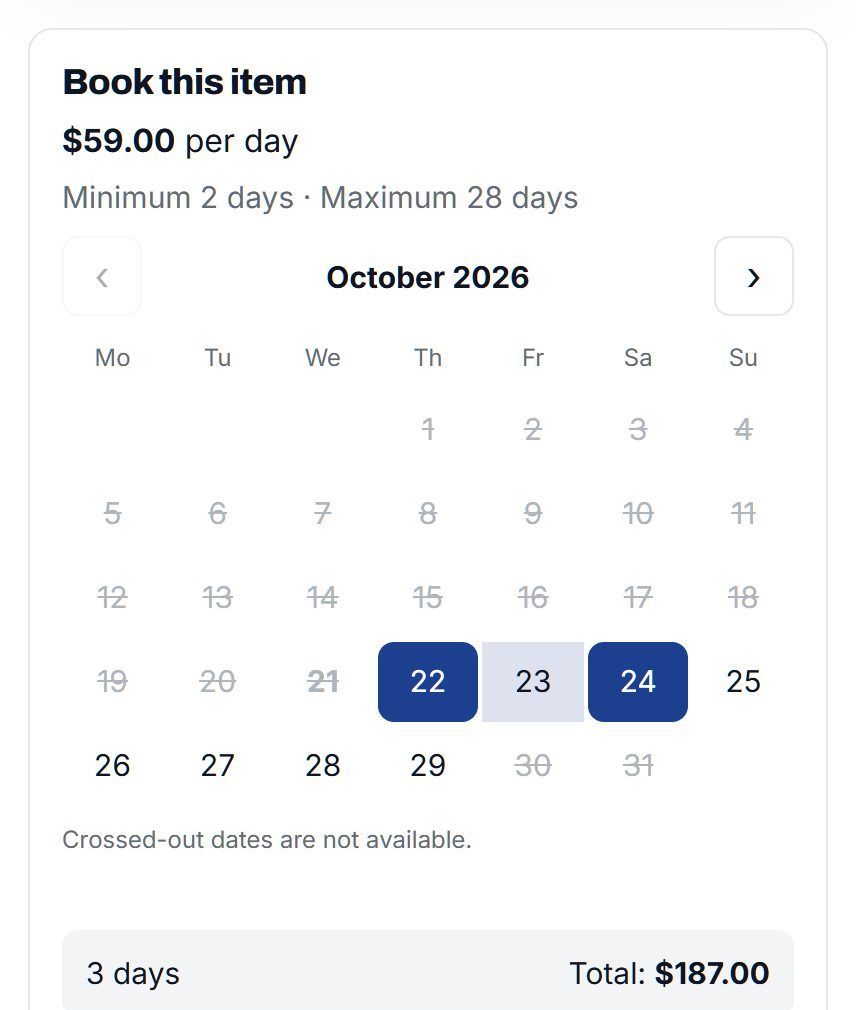
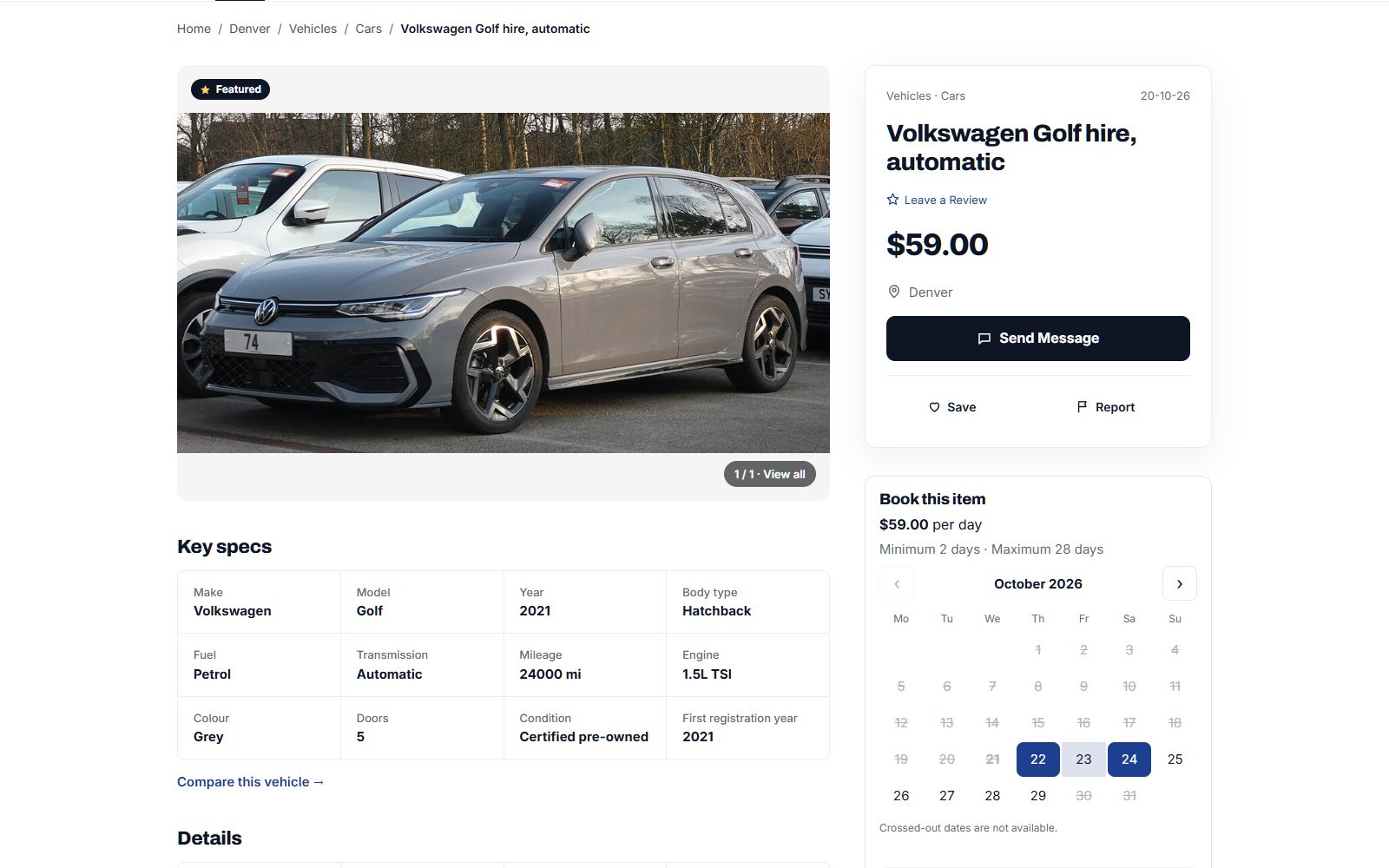
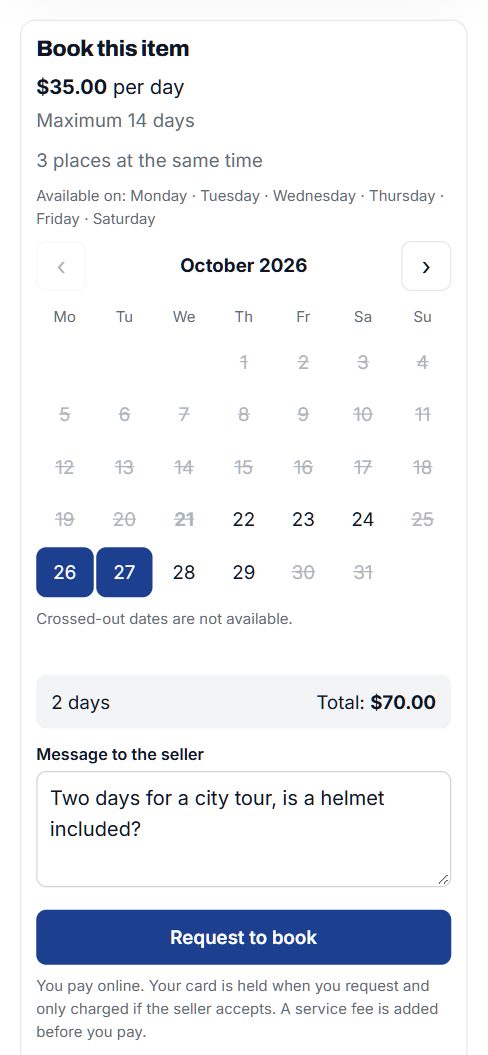
Yclas rentals come with a booking calendar, prices per day or week and a deposit. Ask lenders to block a few days after each rental for cleaning and checks, so a dress is never booked back to back without time for the dry cleaner.
| Category | Example listings | Fields renters filter on |
|---|---|---|
| Wedding guest | Floral midi dress by a well-known label, size 6 | Size, bust and waist, length, color, occasion season |
| Black tie and gowns | Sequin floor-length gown | Measurements, length, designer, retail value |
| Cocktail and party | Velvet mini dress for the holidays | Size, neckline, sleeves, stretch |
| Prom and homecoming | Corset ball gown with train | Size, length, color, alterations allowed |
| Bridesmaid | Set of five matching chiffon dresses | Sizes available, color, quantity |
| Cultural and festival wear | Lehenga for a wedding sangeet | Size, blouse fit, dupatta included, occasion |
Make the four measurements required number fields. They prevent more failed rentals than any photo.
Take a commission on each rental and charge for cleaning in the open.
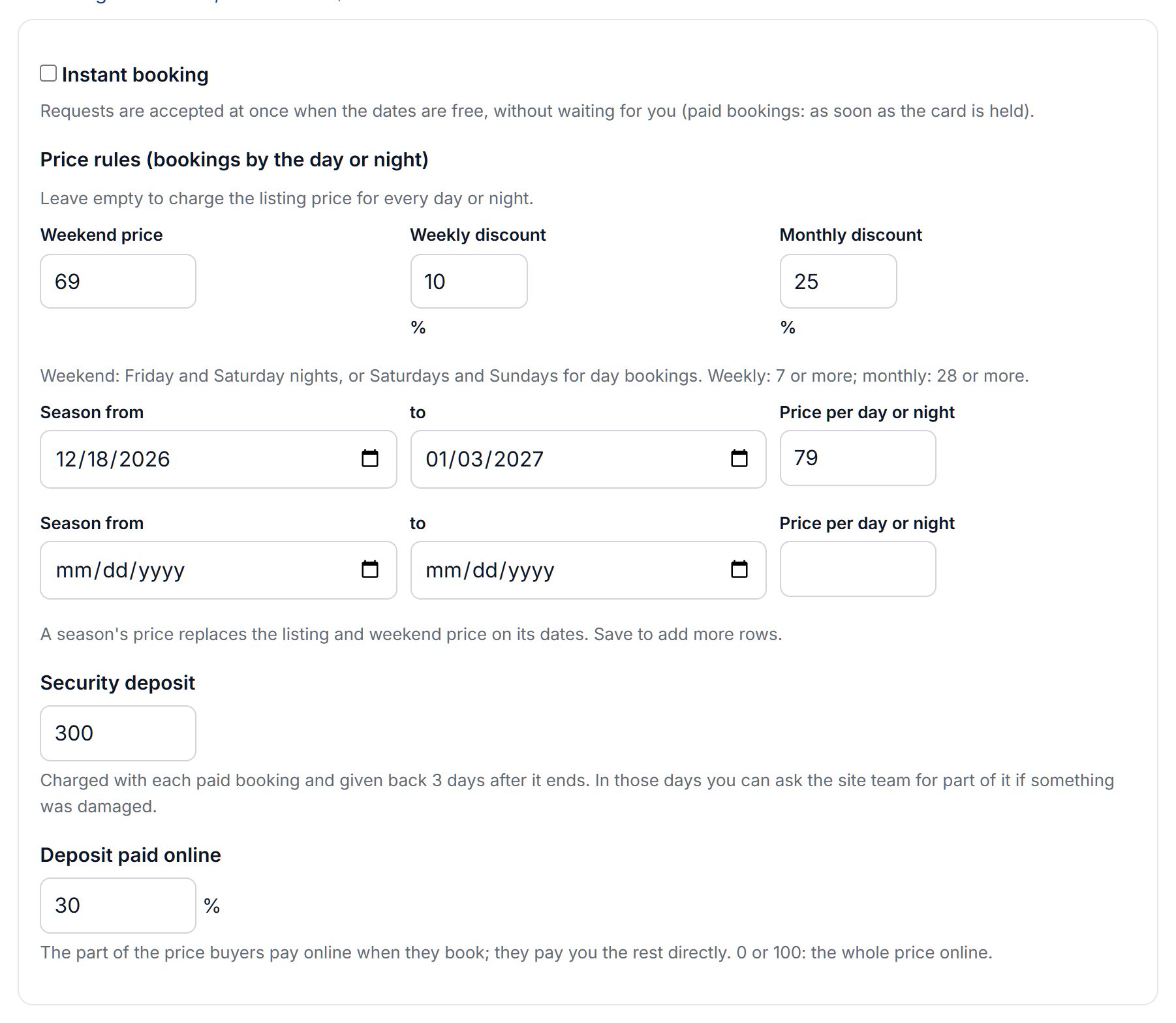
Each booking is paid on the site at checkout, and a commission on it is your income. Dress rentals are usually priced as a share of the retail value for a few days, so designer gowns earn far more per booking than mid-range dresses. Let lenders set their own prices, but publish guidance so a $90 dress is not listed for $80.
Cleaning is a real cost on every rental. Lenders can include it in the price or add a cleaning fee; either way, show it before booking so there are no surprises. The deposit covers stains that do not come out, tears, broken zippers and late returns. Deposits on designer pieces can be significant; on simpler dresses keep them low so renters are not put off.
A renter service fee can come once renters book repeatedly through the wedding season. Featured listings help lenders get seen in prom and wedding peaks. Lender memberships suit boutiques and stylists with large collections. Banner spaces suit hair and makeup artists, alterations tailors, photographers and event venues.
Private lenders often start with one or two dresses. Keep the start free and the commission simple so a first-time lender gives it a try.
| Model | Works when | Switch it on |
|---|---|---|
| Commission per rental | Renters book and pay on the site | From the first booking |
| Cleaning fee | Lenders pay for professional cleaning | On every listing from launch |
| Renter service fee | Renters return for several events a year | After the first wedding season |
| Featured listings | Many dresses compete for prom or holiday parties | When a category has dozens of dresses |
| Lender memberships and banners | Boutiques list collections; stylists and tailors want renters | Once boutiques and local services ask |
Fill the most rented sizes and occasions before you market to renters.
A renter needs choice in her size, for her event, on her date. Start with lenders who bring many dresses at once, then add closets of private owners.
- Bridal and formal wear boutiques. Samples, end-of-season stock and discontinued bridesmaid lines can earn as rentals. Their stock lists can be imported from a spreadsheet.
- Small dress rental businesses. Many run from a home studio or an Instagram account and would like a booking system and more reach.
- Stylists and fashion students. They keep collections for shoots and events.
- Women with occasion wear. Find them through wedding and bridesmaid groups, alumni and sorority networks, cultural community associations, and closet clean-out events.
- Prom dress drives and charities. Some collect gowns and may rent or lend through your site.
Run in-person intake days where lenders bring dresses to be measured and photographed on a mannequin or model. Consistent photos and measurements make the site look trustworthy and cut fit problems. Check each dress for stains and damage before it goes live.
Cover sizes 2 to 20 and the main wedding guest colors before you open. Gaps there cost the most bookings.
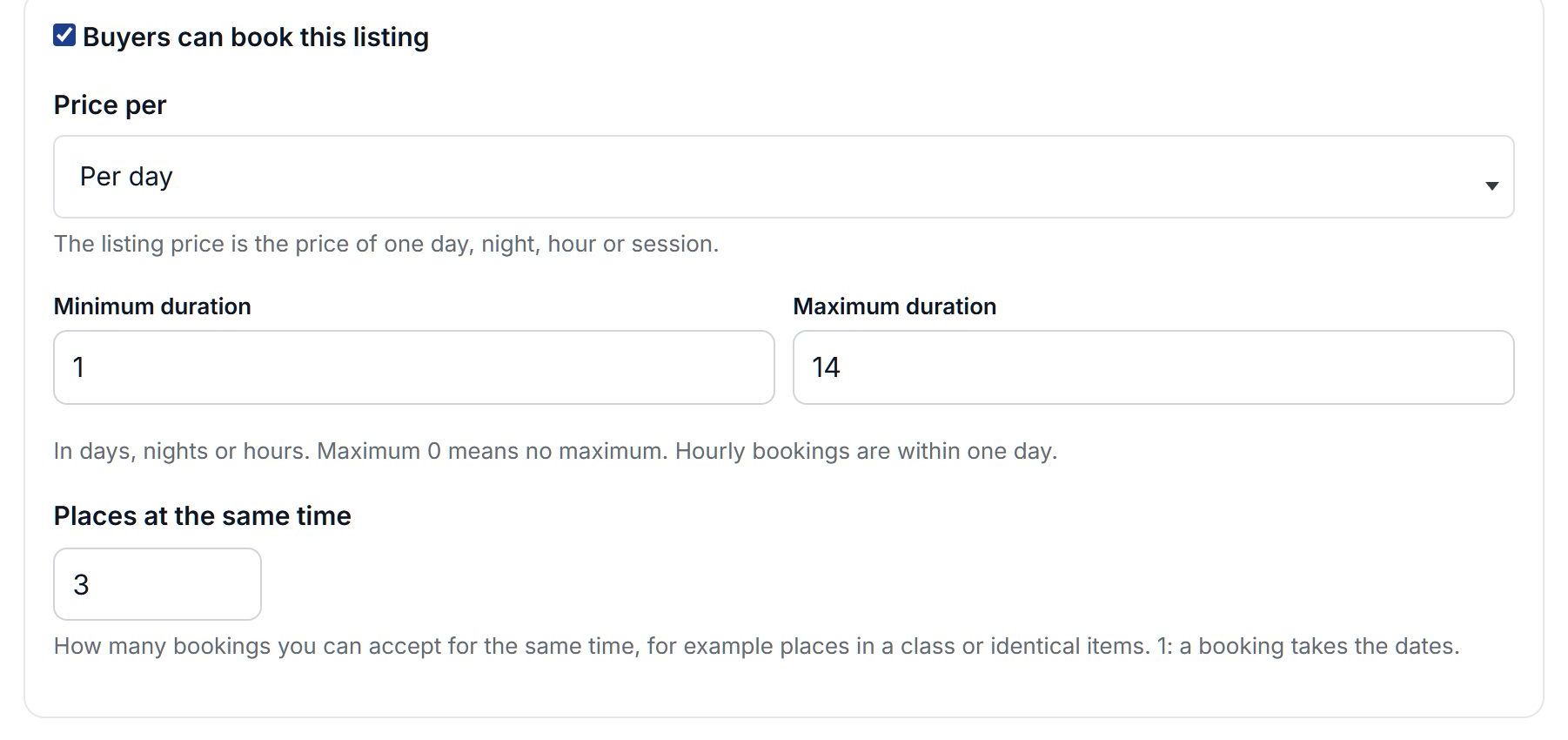
Write clear rules for fit, damage, cleaning and counterfeits.
Dress rental depends on trust in both directions: the renter trusts the dress will fit and arrive clean, and the lender trusts it will come back undamaged.
- Fit problems. The most common complaint. Real measurements, a size field for the lender's height, and local try-on reduce them. Set a clear rule for what happens if a dress does not fit, such as a backup dress or a partial refund, and publish it before launch.
- Damage and stains. Wine, makeup, fake tan and torn hems. Ask both sides to photograph the dress at handover and return. Define normal wear, and state when the deposit may be kept.
- Cleaning. Agree who cleans and how. Some fabrics such as silk, sequins and beading need specialist care; lenders should say so.
- Counterfeits. Fake designer dresses are common. Ask lenders of designer pieces for proof of purchase or clear label photos, and remove listings that look counterfeit. Moderation can hold new designer listings until you have checked them.
- Late returns. Another renter may be waiting. Set late fees and buffer days.
- Payment scams. Fake lenders asking for transfers outside the site. Renters should pay only through the site's checkout.
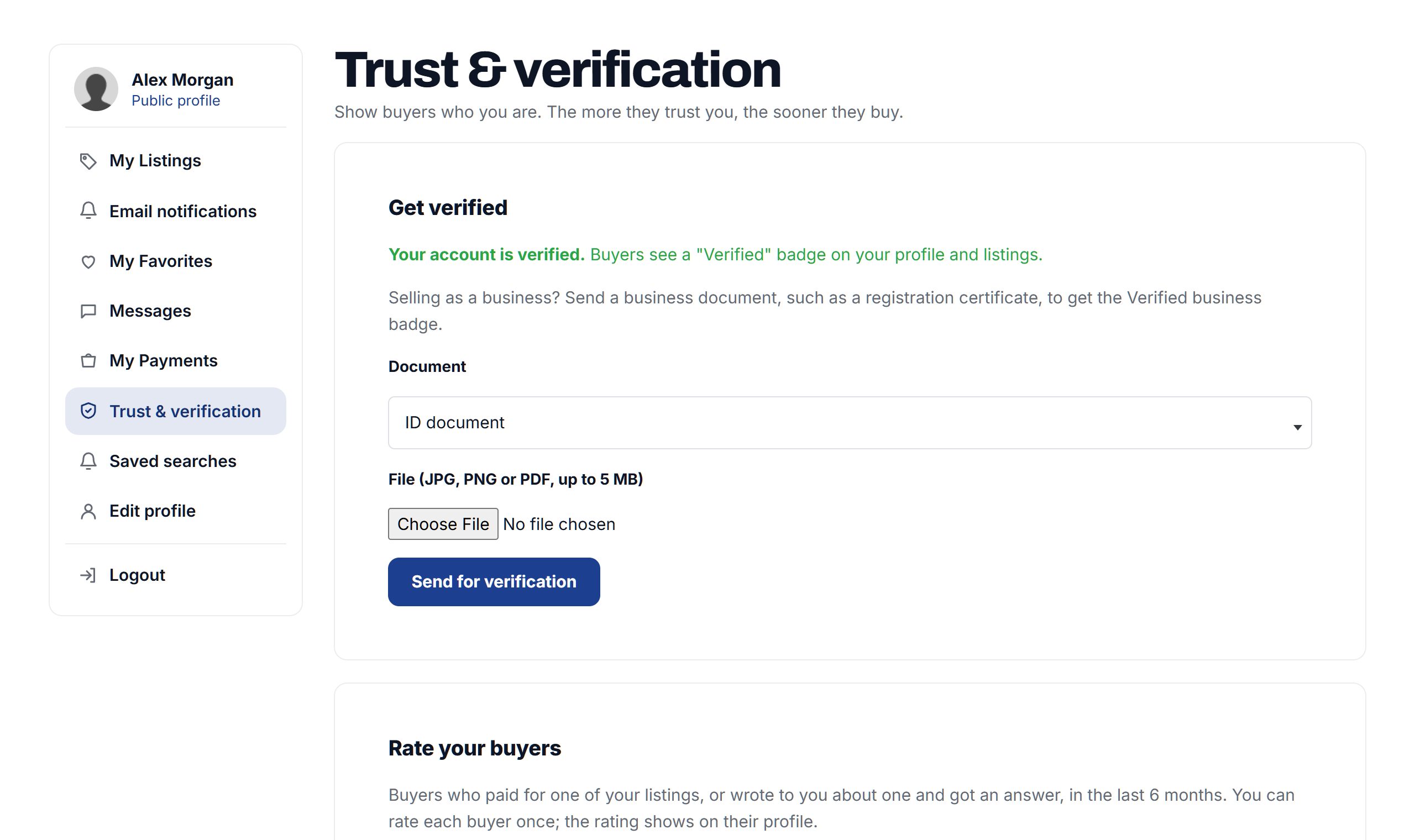
Reviews that mention fit, ratings for lenders and renters, and verified badges for established boutiques help everyone decide. Consumer rules on refunds differ by place, so check the rules where you operate.
Rank for the dress searches renters make weeks before an event.
Renters search with an event, a style and often a size: "rent a dress for a wedding", "black tie gown rental Chicago", "prom dress rental near me", "plus size formal dress rental", "designer dress rental for a gala", "rent a lehenga in Houston", "bridesmaid dress rental". Seasonal searches rise before proms, the holiday party season and spring weddings.
Pages to build
- Occasion and location pages: "Wedding guest dress rental in Atlanta", "Prom dress rental in Dallas". Every category and location gets its own page.
- Dress code guides: what black tie, cocktail, semi-formal and garden party really mean, with dresses that fit each.
- Size and fit guides: how to measure yourself, what stretch means for fit, how to choose length for your height and heels.
- Seasonal edits: spring wedding guest colors, winter gala looks, the year's prom styles.
Dress code guides are searched all year and shared in wedding groups. Write designer, color, size and occasion in every listing title.
Launch in one city before prom and the spring wedding season.
The calendar is clear in this niche. Prom and homecoming fill spring and early fall; weddings run from late spring to early fall; galas, charity balls and holiday parties fill November and December; graduations come in May and June. Cultural wedding seasons and festivals bring their own peaks. Launch two months ahead of the first one so dresses are listed when renters start looking.
First steps
- Choose one city where in-person try-on and pickup are practical.
- Sign up two or three boutiques and a few small rental businesses.
- Hold a dress intake day with a local bridal shop or community center.
- Partner with alterations tailors, hair and makeup artists and dry cleaners who see renters before and after the event.
Launch checklist
- Measured bust, waist, hips and length on every dress.
- Rental price, deposit and cleaning terms visible before booking.
- Buffer days set after each rental.
- Fit, damage and late return rules published.
- Designer listings checked for authenticity.
After the first season, look at the sizes and occasions renters searched for without finding a dress and recruit lenders to fill them.
A worked example: Second Toast Dress Exchange in the Research Triangle.
Second Toast Dress Exchange is a made-up site, described here so the steps in this guide can be seen working together. It serves Raleigh, Durham and Chapel Hill in North Carolina, an area with several universities, a full wedding calendar from April to October, and a large South Asian community whose weddings run over several days and call for a different outfit at each event.
Who it serves
Renters are wedding guests with a summer full of invitations, students heading to formals and galas, young professionals at charity events, and families attending multi-day weddings. Lenders are two bridal boutiques with sample stock, a stylist with a rental rail, a seamstress who rents lehengas and saris she has made, and around sixty women renting from their own closets.
Categories
- Wedding guest
- Daytime and garden
- Evening and black tie
- Formal and gala gowns
- Cocktail and party
- South Asian occasion wear
- Lehengas
- Saris and blouses
- Anarkalis
- Accessories
How it started
The founder had lent her own dresses to friends for years and kept a shared spreadsheet of who owned what. She held three intake evenings at a community hall, measured every dress laid out on a table, and photographed each one on the same mannequin under the same light. Bust, waist, hips and length were required fields from the first day. A local dry cleaner agreed a set price per dress for lenders, which made cleaning easy to explain on every listing.
Try-on changed everything. Renters could book a slot at the founder's small studio on Saturday mornings, which cut fit complaints sharply and brought in women who had never trusted renting a dress online. The seamstress began holding fittings there too, adjusting blouses for renters of her lehengas within the limits she set. Lenders liked the studio too: they could drop off and collect dresses there instead of meeting strangers at home.
How it makes money
Renters pay at checkout, and the site keeps a commission on each rental. The cleaning fee shown on each listing goes to the lender to cover the dry cleaner. Both boutiques pay for lender memberships, and a hair and makeup studio and an alterations tailor buy banner spaces each spring, when prom and wedding bookings overlap. Featured listings sell best in the weeks before prom, when dozens of gowns compete for the same Saturday.
Outfits for multi-day weddings had the least competition and the most loyal renters.
| Listing | 4 days / 8 days | Key details |
|---|---|---|
| Emerald satin midi dress, size 8 | $55 / $80 | Bust 35 in, waist 28 in, some stretch, cleaning included |
| Navy sequin gown, size 12 | $95 / $140 | Floor length for 5 ft 7 in with heels, retail value $650, $150 deposit |
| Red lehenga with dupatta | $120 / $170 | Adjustable waist, blouse fits bust 34 to 36 in, try-on available |
| Black velvet cocktail dress, size 4 | $40 / $60 | Above the knee, long sleeves, no stretch |
| Four sage chiffon bridesmaid dresses | $45 / $70 each | Sizes 4, 6, 10 and 14, floor length, matching sashes |
The first 90 days of a dress rental marketplace.
Dress rental runs on event dates, so count the ninety days back from the start of your area's prom and spring wedding season. A renter usually books two to six weeks before her event, which means dresses must be live well before the first big wedding weekend, not on it.
The first month belongs to rules and intake. Decide the fit policy, the cleaning arrangement and the damage terms before the first dress is photographed, because every lender will ask about all three. Then run intake days where every dress is measured and photographed the same way, and checked in good light for stains, pulled threads and missing beads before it goes live.
Measure readiness with a grid of sizes against occasions. A renter in a size 16 looking for a black tie gown should find more than one choice, and so should a size 4 looking for a garden wedding dress. Fill the grid before you advertise, and note every request you could not meet: those notes tell you which lenders to look for next.
Keep the first renters close. Call or message each one after the event to ask how the dress fit, and use what you hear to improve the measurement guide and the photos.
| Weeks | Focus | Done when |
|---|---|---|
| 1-2 | Fit policy, cleaning arrangement, damage and late return terms, with legal advice | Rules are published and a dry cleaner has agreed a price for lenders |
| 3-4 | Categories and required measurement fields; an intake kit of mannequin, tape and lights | A test listing cannot be saved without bust, waist, hips and length |
| 5-6 | Sign up boutiques and small rental businesses and import their stock | Two boutiques are live with at least fifty dresses between them |
| 7-8 | Private lender intake days through wedding groups and community associations | Sizes 2 to 20 each have a choice in wedding guest and black tie |
| 9-10 | Try-on slots, dress code guides, and outreach to tailors and makeup artists | Try-on can be booked and two partners mention the site to clients |
| 11-12 | First rentals returned, checked and reviewed | Ten rentals came back on time, were cleaned and have reviews that mention fit |
Three ways to build a dress rental marketplace.
Dress rental asks a lot of the listing and the calendar. Each dress is a single item, so its calendar must block the rental days plus buffer days for cleaning and for pickup or shipping. Renters filter on measurements as numbers, not just size labels, and many want to compare a dozen dresses in their size on a phone. Lenders range from a boutique with two hundred dresses to a woman with three.
A custom build by developers suits a plan centered on something specific, such as a style quiz that recommends dresses, a monthly subscription that swaps dresses, or a shipping and returns operation across the country. Those features are costly and need constant care.
A rental script or WordPress plugin on your own server can suit a boutique renting its own stock. For a marketplace, check that it handles many lenders, numeric measurement filters, deposits and buffer days. You will run the hosting, the updates and the payment security yourself.
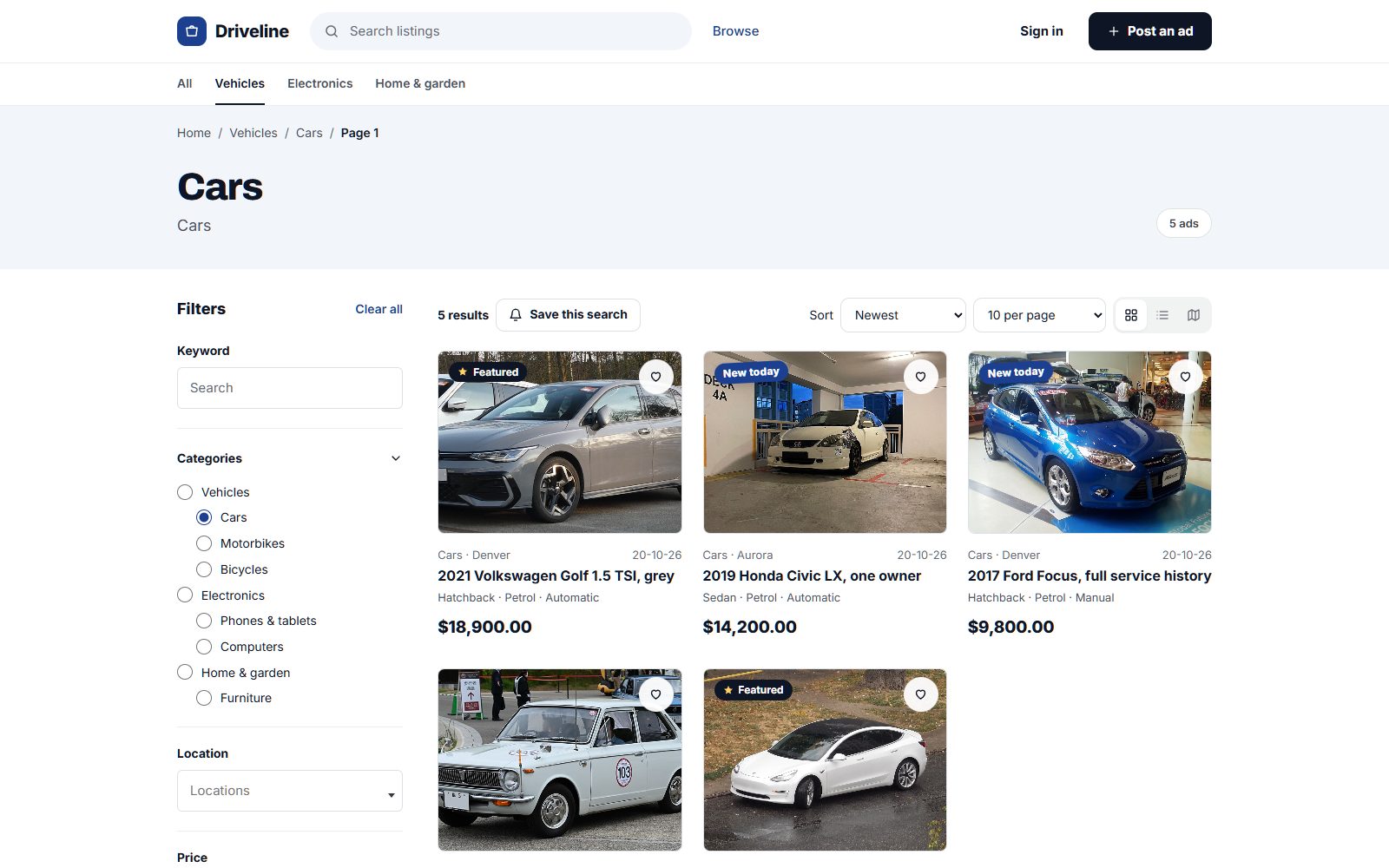
A hosted builder such as Yclas suits a founder who wants rentals with a booking calendar, prices per day or week and deposits, custom fields as filters and checkout through Stripe, and who would rather run intake days than servers. Build a few real listings with measurements before deciding, and search them by bust and length as a renter would. If the filters feel slow or confusing on a phone, renters will feel it too.
Whichever you pick, the fit and cleaning rules are yours to write and enforce.
| Route | Fits when | Watch out for |
|---|---|---|
| Developers build it | Your idea is a style quiz, a subscription or nationwide shipping | Cost, time to launch and upkeep of custom features |
| Script or plugin on your server | One boutique renting its own stock | Single-seller design, and measurement filters or buffer days may be missing |
| Hosted builder | Many lenders, rentals with deposits, measurement filters and local pickup | Set buffer days and fit rules clearly before lenders join |
What a dress rental marketplace costs to run.
The software is the smallest part of the bill. Most of the cost is your time in the first months: finding the first listings, answering questions and checking what gets posted.
Dress rental has a few costs other rentals do not: a mannequin and simple lighting for consistent photos, a tape measure and intake day expenses, and possibly an agreement with a dry cleaner for lenders. Legal advice on refund and damage terms is worth paying for before launch.
| Cost | Typical range | On Yclas |
|---|---|---|
| Domain | $10 to $20 a year | Your own, with SSL included |
| Software and hosting | $0 to $100+ a month, plus plugins and updates | Marketplace $149 a month for checkout and commission |
| Design | $0 to $100 for a theme, or a designer | 109 looks included |
| Payment fees | About 3% per payment | Your Stripe or PayPal fees; Yclas takes nothing |
| Your time | 5 to 10 hours a week at the start | Finding listings, moderation, support |
Mistakes that turn a dress rental site into a returns desk.
- Relying on size labels. A size 8 from one brand fits like a 6 or a 10 from another, and vintage sizes run smaller still. Without measured bust, waist, hips and length, fit complaints will swamp you. Make the measurements required.
- Inconsistent photos. Dresses photographed on a bed, a hanger and a friend in a dark hallway make the site look like a yard sale and hide the true color and length. Use one mannequin, one wall and one light for every intake.
- No buffer days. A dress returned on Monday morning cannot be cleaned and handed over that afternoon. Ask lenders to block cleaning days after every rental, so back-to-back bookings cannot happen.
- Leaving cleaning unclear. If renters think cleaning is included and lenders think it is not, every return ends in an argument. Pick one rule for the whole site, show the cleaning cost before booking, and ask lenders to name any fabric that needs a specialist cleaner.
- Accepting designer pieces on trust. Counterfeit designer dresses are common, and renting one out can bring legal trouble and angry renters. Ask for proof of purchase or clear label photos, and hold designer listings for review.
- Opening in the middle of wedding season. Renters book weeks ahead. A site that opens in June misses most summer weddings and waits for the holiday party season.
- Covering only small sizes. Many private lenders own sizes 2 to 8, so the catalog drifts small. Plus-size and tall renters are poorly served elsewhere and loyal when served well, so recruit lenders in those sizes on purpose.
- No plan for a dress that does not fit. A renter who opens the garment bag three days before a wedding and finds the dress too tight needs an answer at once. Publish the fit rule, such as a backup dress or a partial refund, before launch.
- No late return rule. A dress kept two extra days can wreck the next renter's wedding. Set a late fee, tell renters the return date in every booking message, and leave enough buffer that one late return does not ruin the following booking.
- Letting stains become arguments. Makeup on a neckline or a wine splash on a hem is normal in this trade, but a ruined dress is not. Agree with lenders which marks count as normal wear, what the cleaner can remove, and when the deposit covers a repair or a replacement.
- Ignoring accessories. Clutches, wraps, earrings and hair pieces finish the outfit and cost little to stock. Without them, renters go elsewhere for half the look and may not come back for the dress.
Dress rental terms lenders and renters use.
You will see these in listings, dress codes and renters' questions.
| Term | What it means |
|---|---|
| Black tie | A dress code calling for floor-length gowns or very formal cocktail dresses. |
| Cocktail attire | A dress code for knee-length or midi dresses, dressier than daytime wear. |
| Midi | A dress length that falls between the knee and the ankle. |
| Train | Fabric that extends behind a gown and trails along the floor. |
| Bodycon | A tight, stretchy style that follows the body closely. |
| Empire waist | A waistline that sits just below the bust. |
| Lehenga | A long, often embroidered skirt worn with a fitted blouse and a dupatta, common at South Asian weddings. |
| Dupatta | A long scarf worn with South Asian outfits, draped over the shoulder or head. |
| Retail value | The original price of the dress, used as the basis for rental prices and deposits. |
| Buffer days | Days blocked on the calendar after a rental for cleaning, checks and small repairs. |
| Backup size | A second size held or sent so a renter can switch if the first does not fit. |
| Pit to pit | The width across a dress from one underarm seam to the other, measured on a table and doubled to estimate the bust. |
| Sample dress | A dress a boutique used for try-ons in store, often sold off or rented at the end of a season. |
| Garment bag | A zipped cover that protects a dress in transit and in storage, usually returned with the dress. |
| Hem tape | Adhesive tape that shortens a hem temporarily without sewing or cutting the fabric. |
The same steps for a dress rental marketplace on Yclas.
- Describe your marketplaceThe setup wizard writes the categories, an About page and example listings from one sentence.
- Add fieldsThe details buyers filter on, as dropdowns, numbers or checkboxes.
- Bring sellersInvite them, import their stock from a spreadsheet, or post for them.
- Set the rulesChoose moderation, verified sellers, reviews and reports.
- Take paymentsOn Marketplace, buyers pay on the site and you keep a commission, with Stripe.
Do I need to buy dresses to start a dress rental marketplace?
No: boutiques and private lenders own the dresses, and you run the site and the rules. Spend instead on intake days, photography and a cleaner agreement.
Who pays for cleaning?
Usually the lender includes it in the price or adds a cleaning fee shown before booking. Decide one approach and apply it across the site.
What if the dress does not fit?
Good measurements and local try-on prevent most cases. Publish a fit rule before launch, for example a backup dress or a partial refund, and check consumer rules where you operate.
How do I handle fake designer dresses?
Ask for proof of purchase or label photos for designer listings, hold them for review, and remove anything that looks counterfeit. Renting out counterfeits can break the law in many places.
How much commission can I take?
Enough to run the site while lenders still earn well over a few rentals per dress. Boutiques may need a lower rate or a membership to list a full collection.
How do I find private lenders?
Wedding and bridesmaid groups, alumni and cultural associations, and closet clean-out events. Offer to measure and photograph their dresses for them.
Can I compete with the big rental subscription services?
Yes, by being local and personal: in-person try-on, plus sizes, cultural wear and boutique stock they do not carry. Renters on a deadline value pickup across town.
Should renters be able to try dresses on before booking?
Where you can offer it, yes. A try-on slot at a studio or a lender's home removes most fit worries; add it as a checkbox so renters can filter for dresses they can try. Book slots in advance so lenders are not waiting at home all day.
Can I offer shipping as well as local pickup?
Yes, if lenders agree to ship and the timing allows transit both ways plus cleaning. Shipping widens your audience but adds days to every rental, so set longer buffer days on shipped dresses. Ask for tracked shipping both ways, and agree who pays if a parcel arrives late.
How should a lender price a dress she has never rented?
Publish simple guidance based on retail value, condition and rental length, and point lenders to similar dresses already on the site. The lender still sets the final price, and can lower it after a few weeks without bookings.
What about alterations?
Most lenders forbid permanent alterations, though some allow temporary fixes such as hem tape. Add a field for what is allowed, and list local tailors who can advise renters.
Can I rent suits and menswear too?
You can, but it is a different audience with different fields: chest, waist, inseam and sleeve length. Start with dresses, and add suits only when lenders and renters ask for them, ideally with a tailor or formal wear shop as the first lender.
Related pages.
The parts of Yclas this leans on.
You have the plan. Now give your city's best dresses a second night out.
Describe your site in a sentence and the setup wizard writes the categories, example listings and a look. Free for 15 days, no credit card.
Start my marketplace