
How to build a furniture classifieds website that makes local pick-up easy.
This guide covers how to build a furniture classifieds website for used sofas, tables, beds, dressers and office furniture: the area and style to focus on, the measurements and details buyers filter on, how the site earns, where the first listings come from, bedbugs and tip-over risks, the searches to rank for, and a launch timed to moving season.
Free for 15 days · No credit card · Plans from $19 a month
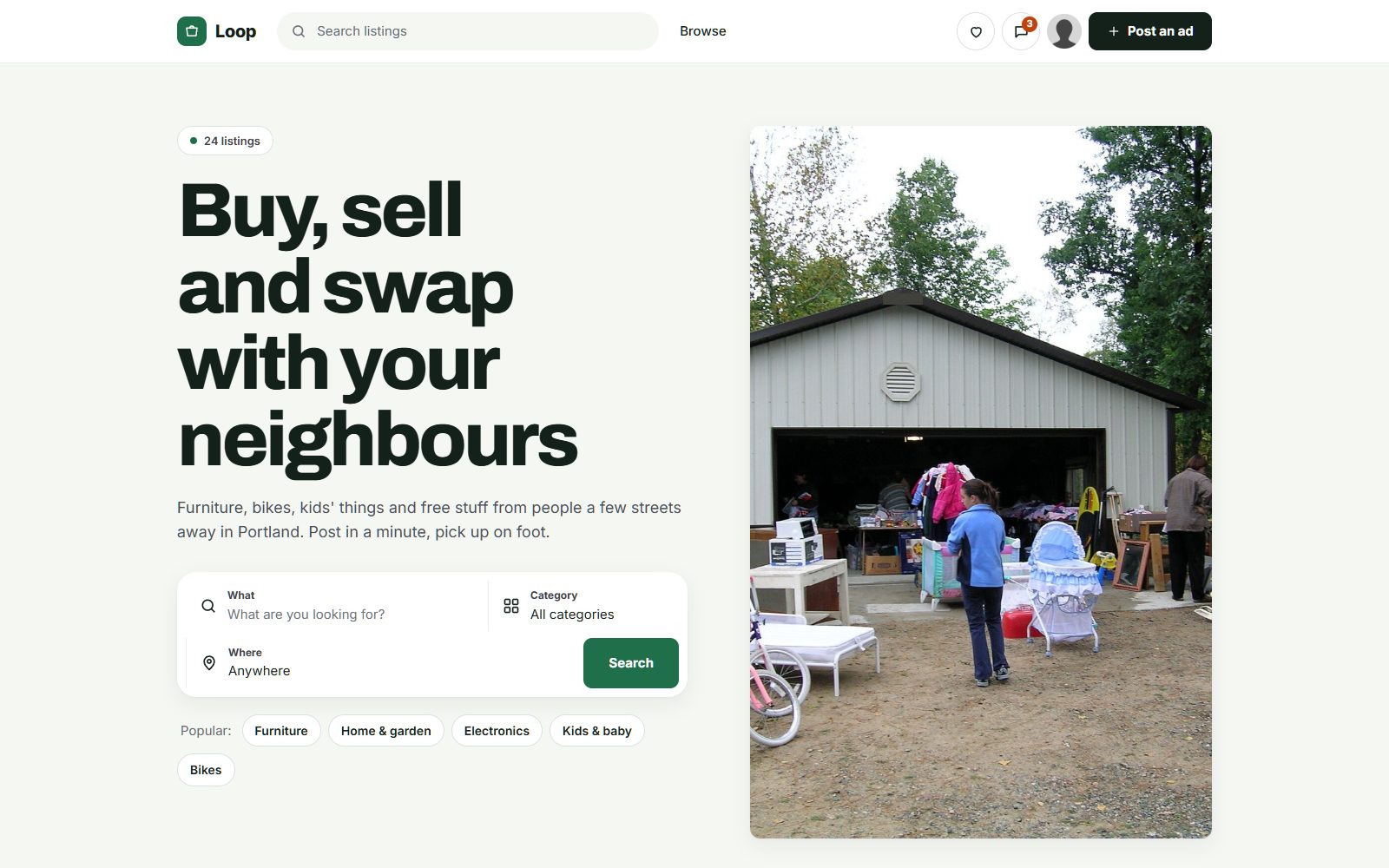
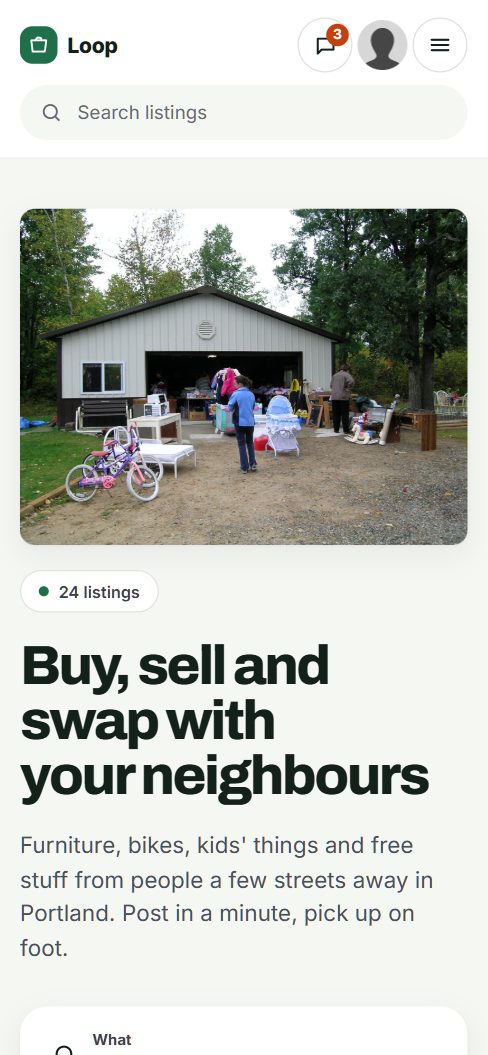
Build for one area, because furniture only sells within a truck ride.
Furniture is big, heavy and awkward to ship, so nearly every sale ends with someone carrying a sofa down a staircase. That makes it one of the most local categories there is. On general sites, furniture listings are buried among everything else, often without measurements, and buyers waste trips to see a table that will not fit their dining room.
Who uses the site
- People moving, who must sell or give away furniture by a fixed date and want it gone quickly.
- Renters and first-time homeowners furnishing a place on a budget.
- Vintage and design lovers hunting mid-century modern, antique and designer pieces.
- Small offices and startups buying desks and chairs from businesses that closed or moved.
- Dealers, consignment shops and estate sale companies with a steady flow of stock.
Choosing the angle
Pick a city or metro area first. Then choose a focus: everyday used furniture for movers and renters, vintage and designer pieces for collectors, or office furniture for businesses. A vintage site can stretch to a whole region, because collectors will drive for the right piece. An everyday site should stay tight, since nobody drives two hours for a used bookcase.
Today this trade happens on Facebook Marketplace and Craigslist, in neighborhood buy-nothing groups, at estate sales, garage sales and flea markets, in consignment and antique shops, and around college move-out week.
Measurements and a pick-up plan sell more furniture than a good photo. Build the site around both.
Ask for dimensions, materials and how the piece leaves the house.
A furniture buyer has two questions before price: will it fit, and how do I get it home. Fields should answer both, along with the details that separate solid wood from veneer and a clean sofa from a tired one.
Fields worth requiring
- Width, depth and height as number fields, so buyers can filter for a sofa under 80 inches or a desk that fits an alcove.
- Material: solid wood, veneer, metal, glass, leather, fabric.
- Style: mid-century modern, farmhouse, industrial, traditional, contemporary.
- Pick-up details: ground floor or stairs, elevator, needs disassembly, seller can help load, delivery available.
- Home: smoke-free and pet-free checkboxes, which buyers of upholstered pieces care about.
- Assembly: already assembled, or ready-to-assemble and still in the box.
Ask for one photo with a tape measure across the piece and one close-up of any wear. Those two photos remove most of the questions buyers send.
| Category | Example listings | Fields buyers filter on |
|---|---|---|
| Sofas and seating | Sofas, sectionals, armchairs, recliners | Width, seats, material, color, smoke-free and pet-free |
| Tables and dining | Dining tables, chairs, coffee tables, sideboards | Length, seats, material, extendable, chairs included |
| Bedroom | Bed frames, dressers, nightstands, wardrobes | Bed size, dimensions, material, anti-tip kit included |
| Storage and shelving | Bookcases, cabinets, TV stands, shoe racks | Height, width, material, assembled or in the box |
| Office furniture | Desks, standing desks, office chairs, filing cabinets | Brand, height adjustable, quantity, pick-up deadline |
| Vintage and antiques | Mid-century, antique and designer pieces | Era, maker, style, original or restored |
| Outdoor | Patio sets, loungers, garden benches | Material, seats, cushions included |
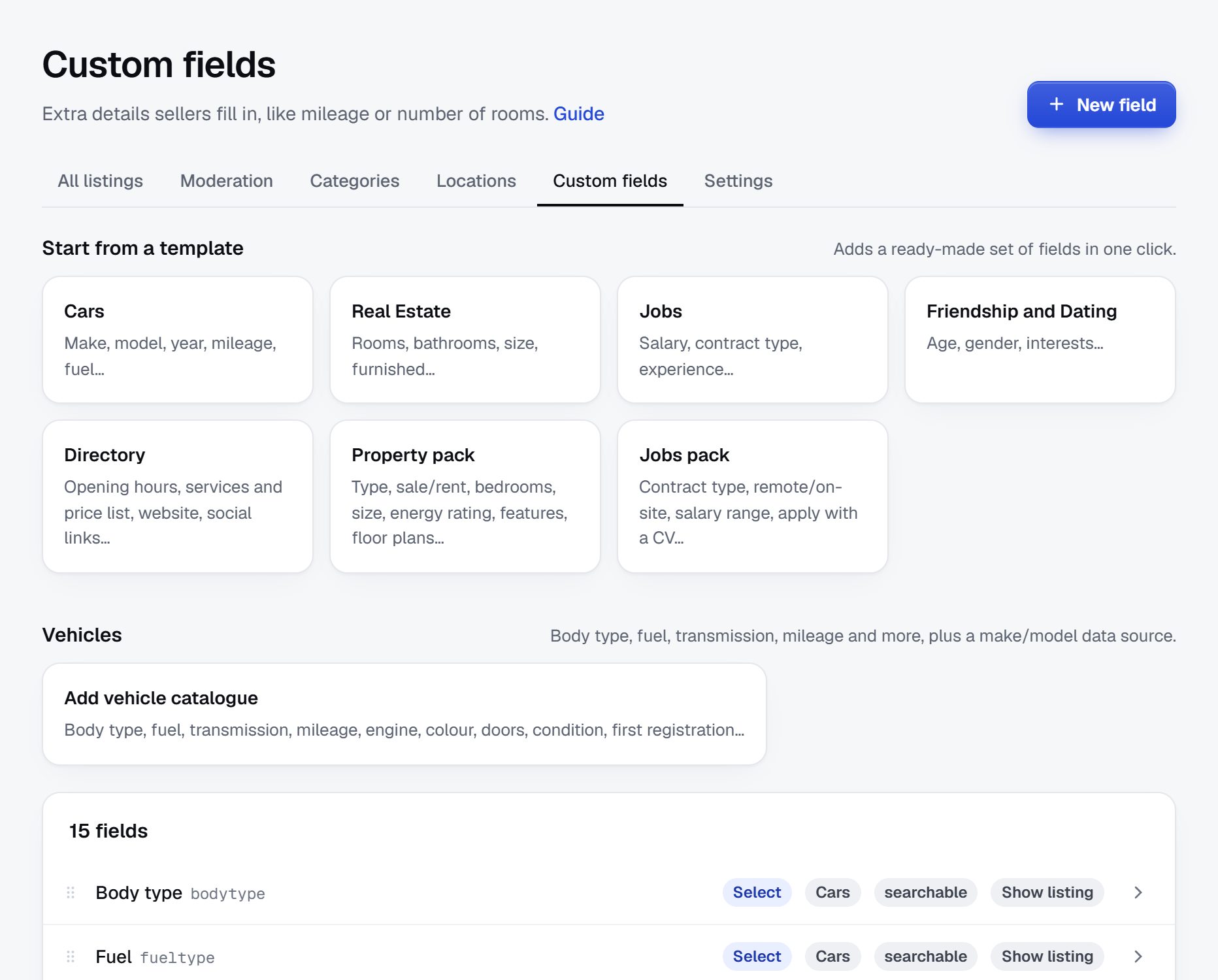
Yclas fields can be text, numbers, dropdowns, checkboxes or dates, and any of them can be required and used as a search filter, which suits width and height ranges.
Keep households free and charge the dealers and movers.
Furniture listings mostly come from households on a deadline, and they will not pay to post when free options exist. Keep posting free for them. The paying side of this niche is the businesses that sell furniture every week and the services every furniture sale needs.
- Featured listings and bumps suit people moving out by a fixed date and sellers of larger pieces such as sectionals and dining sets.
- Dealer memberships fit vintage dealers, consignment shops, estate sale companies and office furniture resellers, who list many pieces and want a seller profile.
- Banner spaces work for the services around the trade: movers and delivery drivers, upholsterers, furniture refinishers, storage units and junk removal.
- Pay to post in vintage and designer categories, once collectors visit that section often.
Delivery is the biggest gap in local furniture sales. A referral deal with one or two local movers who handle single items gives buyers a way home for their sofa and gives you a partner who sends sellers your way.
| Model | Works when | Switch it on |
|---|---|---|
| Featured listings and bumps | Movers need furniture gone by a date | A few hundred active listings |
| Dealer memberships | Consignment and vintage shops list weekly | When two or three dealers post regularly |
| Banner spaces | Movers, upholsterers and storage want local customers | Once local traffic is worth showing |
| Pay to post in vintage | Collectors check the vintage section often | When that category draws steady views |
| Mover referrals | Buyers keep asking how to get pieces home | When delivery questions fill your inbox |
Fill the site from people moving and the businesses that clear homes.
Furniture listings come in bursts: a family moves and lists a whole house, an office closes and lists forty chairs. Find the sources of those bursts and the site fills quickly.
Where to find them
- Estate sale companies. After each sale, they have unsold pieces that must leave the house. Offer to list everything left over for them.
- Consignment and vintage shops. Many have more stock than floor space. Bring their inventory in from a spreadsheet.
- Real estate agents and property managers. They know who is moving and who is leaving furniture behind at the end of a lease.
- Home stagers who refresh their furniture stock and need to sell the old pieces.
- Office furniture resellers and closing businesses, with desks and chairs in bulk.
- Colleges at move-out time, when students leave desks, beds and couches they cannot take with them.
Posting a whole room should not take a whole evening. On Yclas, a seller can take a photo of a dresser and let AI fill in the title, description, category and price for them to check, then add the measurements.
An estate sale company that lists every leftover piece can give you a full category in a single week.
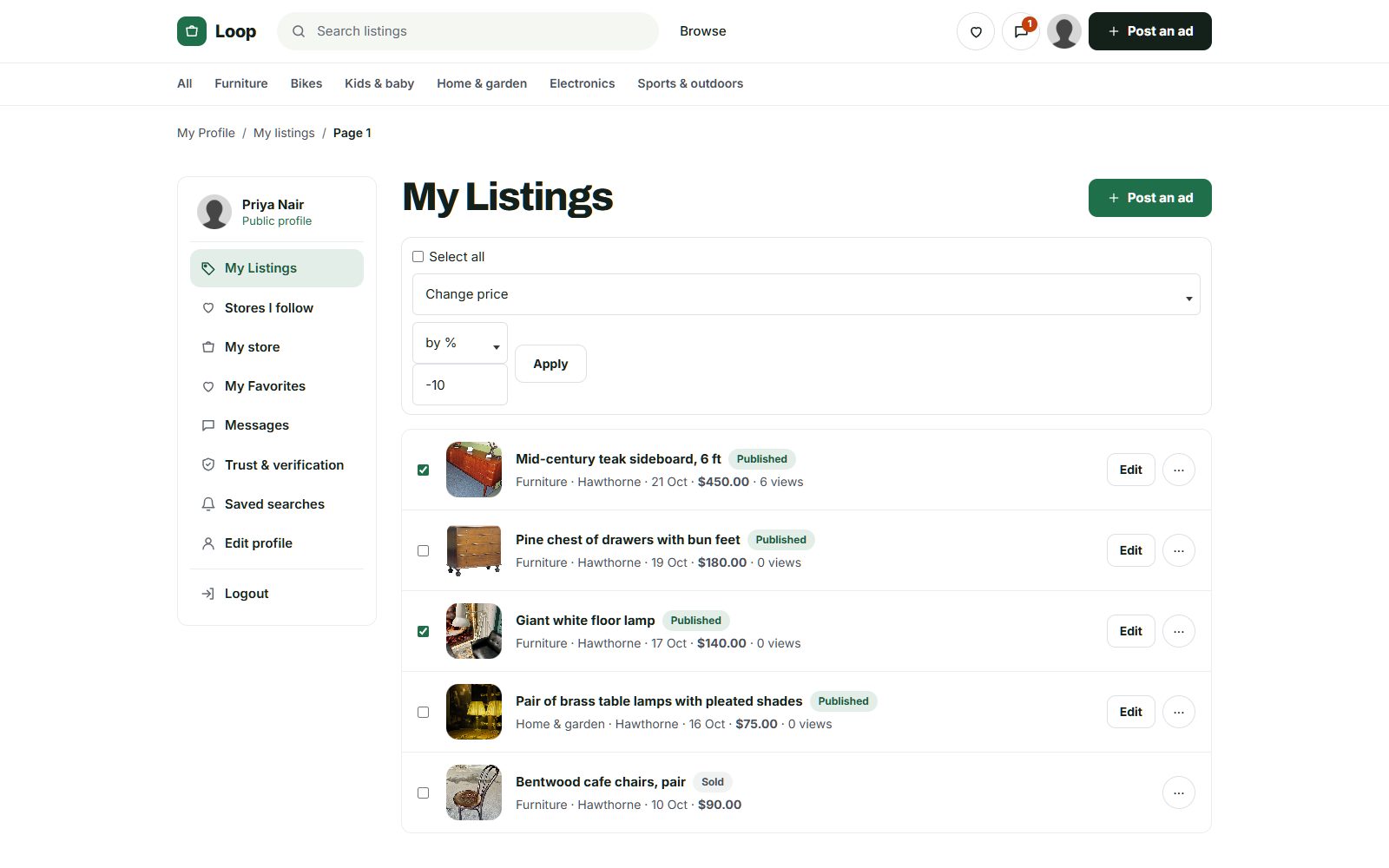
Plan for bedbugs, tip-overs, recalls and pick-up safety.
Furniture scams are less common than in electronics, but the risks here are about health and safety as much as money.
Common problems
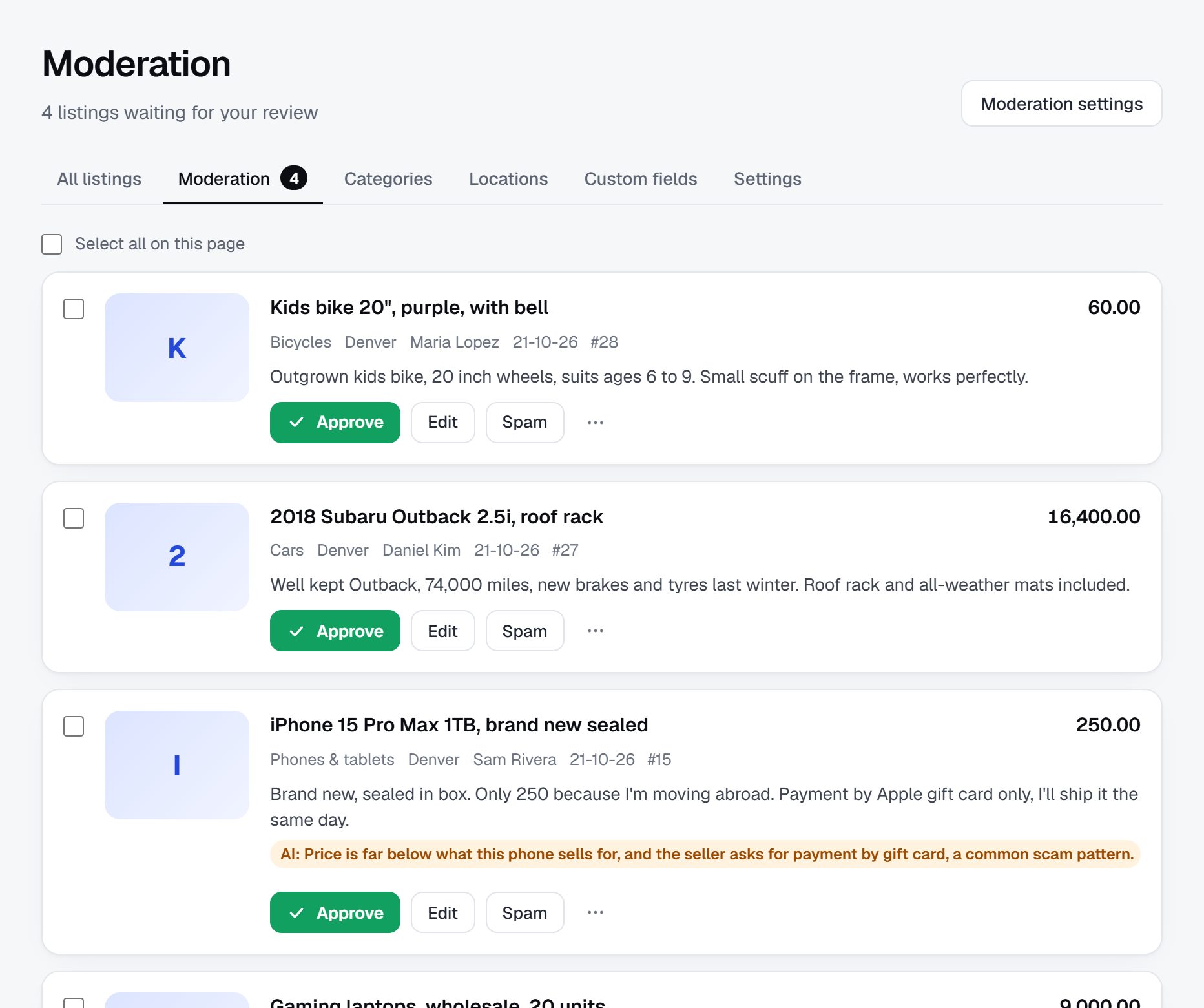
- Bedbugs. Upholstered furniture and mattresses can carry them into a buyer's home. Ask sellers to confirm the item comes from a home with no known infestation, and tell buyers to inspect seams and joints with a flashlight before taking anything inside.
- Used mattresses. Some places regulate the resale of used mattresses and bedding. Check the rules where you operate before allowing that category.
- Tip-over hazards. Dressers and tall chests can fall on children if they are not anchored to the wall. Ask sellers whether an anti-tip kit is included and remind buyers to secure tall pieces.
- Recalled and outdated children's furniture. Older cribs and some children's dressers may not meet current safety standards. Many sites ban used cribs entirely, and you should check the rules where you operate.
- Deposit scams. A fake seller asks for a deposit to hold a popular piece, or claims to be away and offers delivery after payment. Advise buyers to pay only when they see the item.
Rules to set
Approve listings by hand at first, require measurements and real photos, and ban stock photos copied from store websites. Publish a pick-up guide: bring a second person and straps, measure doorways first, meet in daylight, and let someone know where you are going.
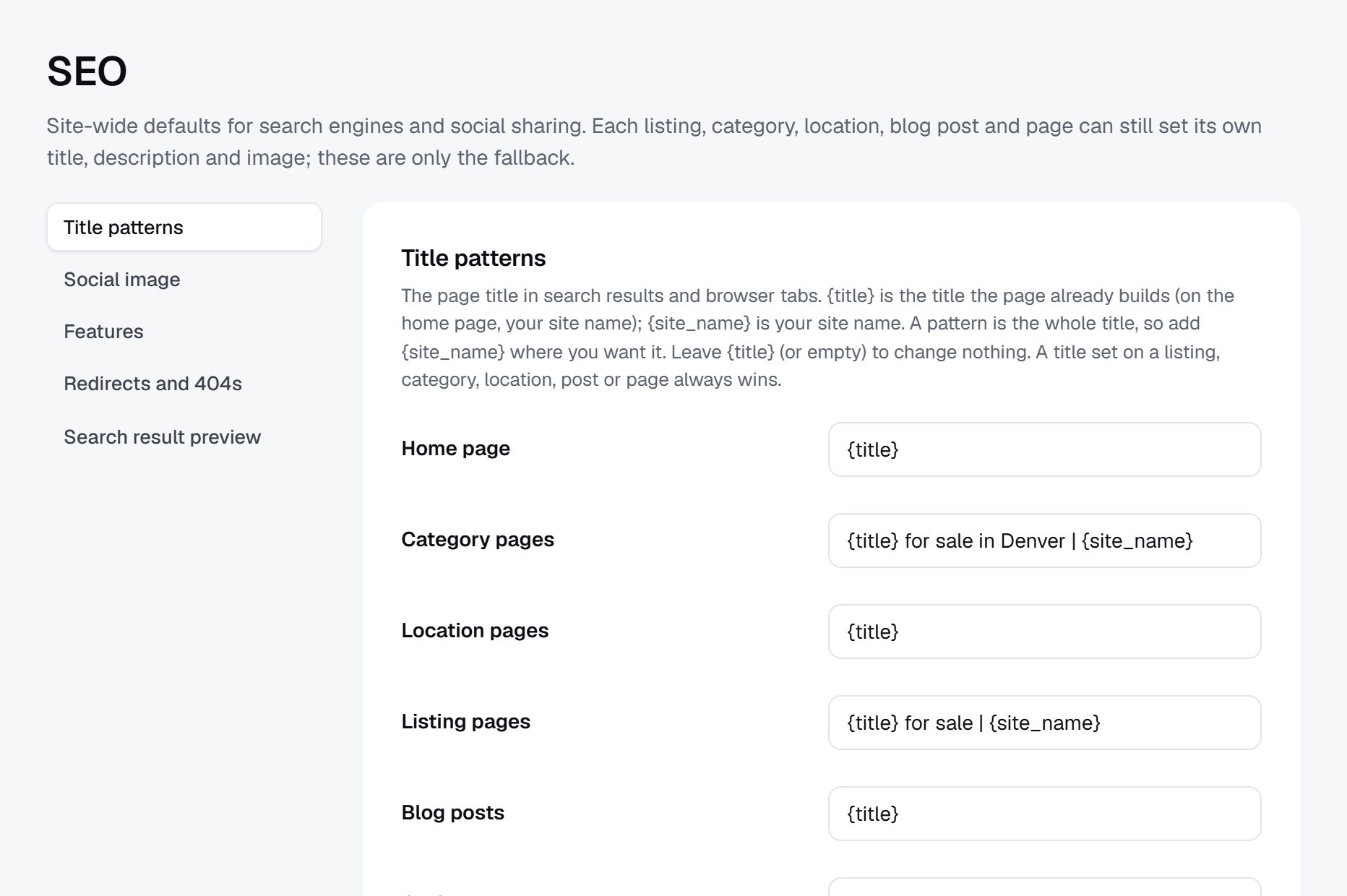
Rank for style, item and neighborhood searches.
Furniture searches combine an item, a style and a place. Many include the words used, vintage or near me, and the buyer usually wants to collect that week, so a page that matches the search converts well.
Searches to target
- "used sectional sofa near me"
- "mid century modern dresser for sale Portland"
- "used dining table and chairs"
- "used office chairs for sale"
- "free furniture pickup Austin"
- "antique furniture for sale near me"
Pages to build
- Category and neighborhood pages, such as sofas in one part of the city, because buyers think in driving distance.
- Style pages for mid-century, farmhouse and industrial, which collectors search by name.
- Buying guides: how to check a used sofa for bedbugs and damage, how to tell solid wood from veneer, how to measure a doorway and staircase before buying.
- Moving guides: what to sell before a move, how to price used furniture, and a checklist for a move-out sale.
Content ideas
A page on refinishing or reupholstering a cheap find brings visitors with an eye for a project, and local upholsterers will happily link to it.
Launch before the summer moving season.
Most moves happen in late spring and summer, and many leases end at the end of a month. College move-out in May and June leaves a lot of furniture behind, and move-in in August creates demand for the same pieces. Launch with a full site before that cycle starts.
Launch plan
- Pick one city or a few neighborhoods and reach 100 listings across sofas, tables, bedroom and storage before promoting the site.
- Sign up an estate sale company and a consignment shop, and list their stock.
- Agree referrals with one or two movers who carry single items.
- Contact property managers and agents so tenants who are moving hear about the site.
- Run a move-out push near a college in May, then promote to new arrivals in August.
Checklist
- Your own domain with SSL, and a headline naming the city and the kind of furniture you list.
- Measurement, material, style and pick-up fields as search filters.
- A map on each listing, so buyers can judge the drive.
- Rules on bedbugs, mattresses, cribs and stock photos.
- A pick-up safety guide and a list of movers.
- Saved searches with email alerts, so a buyer looking for one style of dresser hears the moment it is posted.
A worked example: a furniture hand-off site for one metro area.
Picture an invented site called Front Range Furniture Hand-Off, serving the Denver metro area from Boulder down to Littleton and out to Aurora in Colorado. It is fictional, but the region is a good fit: a lot of renters, frequent moves, a large university town at one end and a strong taste for mid-century and mountain cabin styles.
Categories at launch
- Living room
- Sofas and sectionals
- Chairs and recliners
- Coffee and side tables
- Dining
- Bedroom
- Bed frames
- Dressers and nightstands
- Home office
- Vintage and mid-century
Mattresses are left out on purpose until the founder has checked the local rules, and cribs are not allowed at all.
Who it serves
Most sellers are people moving, often with a date in their lease they cannot change. Most buyers are renters and first-time owners furnishing a place on a budget. A smaller but loyal group hunts mid-century pieces and drives across the metro for the right dresser. Two estate sale companies, a consignment shop and an office furniture reseller post regularly and account for a large share of the listings.
How it started
The founder had moved four times in six years and lost money each time on furniture she could not sell before the truck came. She started by contacting estate sale companies, which always have leftover pieces after the sale ends, and offered to list everything unsold for free. The first company sent photos of sixty pieces in one week, and most of them sold within a month, which convinced a second company to join without being asked twice. She then asked property managers at three large apartment complexes to mention the site in their move-out emails, and timed a push for the end of the spring semester in Boulder.
Where the money comes from
Households never pay to list a piece, and that rule has not changed since the first week. The estate sale companies, the consignment shop and the office reseller pay for seller memberships. Featured listings sell mainly to people moving at the end of the month who need a sofa gone by Saturday. Two movers who carry single items pay for banner spaces on the sofa and dining pages, and send sellers to the site in return. Vintage pieces get pay to post placement once collectors began checking that category daily.
The founder also keeps a short list of movers, upholsterers and refinishers on the site, which buyers use after almost every large purchase. The sample listings below are fictional, but they show how much a buyer needs to know to plan the trip.
| Listing | Price | Key details |
|---|---|---|
| Three-seat sofa, gray fabric | $250 | 84 in wide, pet-free and smoke-free, second floor, no elevator |
| Solid oak dining table, six chairs | $600 | 72 x 38 in, extends to 90 in, seller helps load |
| Mid-century walnut dresser | $850 | Six drawers, original pulls, refinished top, anti-tip kit |
| Electric standing desk | $220 | 48 x 30 in, memory presets, must go by Friday |
| Queen metal bed frame | $90 | Taken apart, hardware bagged, fits in a hatchback |
Ninety days to a full furniture site before the moving rush.
Furniture sites run on the moving calendar, so start your 90 days about three months before the busy season in your area. In most places that means beginning in February or March, so the site is full when late spring moves, college move-out and the summer lease changeover arrive.
The first month is about the businesses that produce furniture in bulk: estate sale companies, consignment and vintage shops, office furniture resellers and home stagers. They give you depth before any household arrives. Set up the dimension, material and pick-up fields first, because a site where half the listings lack measurements trains buyers to look elsewhere.
The second month is about the people who know who is moving: property managers, real estate agents and campus housing offices. The third month is the push itself, aimed at move-out week and the end of the month, followed straight away by promotion to new arrivals who need the same pieces.
Through all twelve weeks, watch how fast listings sell and which ones never do. Unsold pieces usually lack measurements, photos or a clear pick-up plan, and fixing those habits early pays off for the life of the site. Write to the sellers of those slow listings with one specific suggestion each, such as a photo of the back or the height of the seat, and see how many sell within a week.
| Weeks | Focus | Done when |
|---|---|---|
| 1-2 | Categories, dimension and pick-up fields, rules on bedbugs, cribs and stock photos | A sofa, a table and a dresser each list with required measurements |
| 3-4 | Estate sale companies and consignment shops | Two businesses list their leftover or floor stock |
| 5-6 | Office furniture resellers and home stagers | One office batch of desks or chairs is live |
| 7-8 | Property managers, agents and campus housing | Three complexes mention the site in move-out messages |
| 9-10 | Mover referrals and the pick-up safety guide | Two movers agreed and the guide linked from every listing |
| 11-12 | Move-out push, then promotion to new arrivals | 150 live listings and 40 saved searches for furniture types and sizes |
Ways to build a furniture site, and what this niche needs from each.
Furniture classifieds look simple, but a good one needs a few specific features. Width, depth and height must be number fields that buyers can filter by range, so someone with a 30-inch alcove sees only desks that fit. Every listing needs a location on a map, since buyers judge the drive before anything else. Listings should expire quickly or carry a deadline, because most sellers are moving. And businesses with dozens of pieces, such as estate sale companies, need to load them in one go.
Paying developers for a custom platform would let you build a doorway checker or a delivery quote tool tied to local movers. Those are nice ideas, but they take months and money before you have a single listing, and moderation, alerts and maps still have to be built.
Installing classifieds software or a WordPress plugin on your own hosting is cheaper. Check that dimension fields filter by range rather than as text, that maps work on every listing, and that you can import a spreadsheet. Hosting, backups, updates and spam remain your job.
A hosted builder such as Yclas already supports number fields as filters, maps, saved searches and spreadsheet import, which covers what a local furniture site needs on day one. You accept the platform's boundaries in exchange for spending your time with estate sale companies and property managers instead of servers.
Whatever the route, test it with a real estate sale list of fifty pieces. If importing them and adding measurements takes an evening rather than a week, it is the right tool for this niche. Then try posting a sofa from a phone, because that is how most households will list, standing in a living room with a moving date close.
| Route | Fits when | Watch out for |
|---|---|---|
| Custom platform | You want delivery quotes or room planning tools built in | Months of building, and maps and moderation still to do |
| Software or plugin on your own server | You can run hosting and want to own the code | Dimensions stored as text, no import, updates and spam on you |
| Hosted builder | You need dimension filters, maps and import ready now | Features limited to what the platform offers |
| Hosted builder with checkout | Vintage dealers want to ship smaller pieces to other cities | Needs the Marketplace plan; large pieces still sell best locally |
What a furniture classifieds site costs to run.
The software is the smallest part of the bill. Most of the cost is your time in the first months: finding the first listings, answering questions and checking what gets posted.
Beyond the platform and a domain, budget for flyers near campuses and apartment buildings and for time spent with estate sale companies and dealers. If you refer buyers to movers, agree in writing that the mover, not you, is responsible for damage during delivery.
| Cost | Typical range | On Yclas |
|---|---|---|
| Domain | $10 to $20 a year | Your own, with SSL included |
| Software and hosting | $0 to $100+ a month, plus plugins and updates | Starter $19 a month, Professional $99 |
| Design | $0 to $100 for a theme, or a designer | 109 looks included |
| Payment fees | About 3% per payment | Your Stripe or PayPal fees; Yclas takes nothing |
| Your time | 5 to 10 hours a week at the start | Finding listings, moderation, support |
Mistakes that sink furniture classifieds sites.
- Letting listings go up without measurements. A sofa with no width is a wasted trip waiting to happen. Make width, depth and height required in every category except small decor, and reject listings that put large in the size field. Ask for one photo with a tape measure so buyers can trust the numbers.
- Covering too wide an area. A site that spans a whole state shows buyers a dining set three hours away. Keep the area to what a buyer can drive across in under an hour, and show the neighborhood on every listing.
- Hiding the pick-up details. Stairs, elevators, narrow doors and whether the seller can help carry decide many sales. Ask for them in fields, not in the description, so buyers can filter for ground floor pick-ups.
- Leaving move-out listings up after the move. A dresser that was sold or left behind two weeks ago still shows as available, and buyers waste time messaging. Let sellers add a must go by date, expire listings soon after it, and send a reminder before.
- Allowing store photos. A picture copied from a retailer hides stains, scratches and sagging cushions. Require real photos and ban catalog images in your rules.
- Treating bedbugs as a taboo subject. Saying nothing does not make the risk go away. Ask sellers about it plainly, publish an inspection guide for upholstered pieces, and remove sellers who hide an infestation.
- Offering to deliver furniture yourself. Damage claims, injuries and missed slots will eat your time. Partner with movers who carry single items and let them carry the responsibility in writing.
- Mixing vintage dealers and households under one set of rules. Dealers want provenance, era and restoration notes; households want quick listings. Give vintage its own category with its own fields so neither side feels the form is wrong.
- Missing college move-out. In a college town, a few weeks in late spring produce more free and cheap furniture than the rest of the year. Plan a push with campus housing, or the furniture ends up on the curb.
- Ignoring deposit and delivery scams. A popular sectional at half the usual price, a seller who is out of town and a request for a deposit by app transfer is a pattern buyers fall for every moving season. Ban phrases tied to it, hold listings with prices far below the norm, and tell buyers never to pay before they see the piece.
- Pricing advice nobody can use. Sellers often price a sofa at what they paid for it, and it sits for weeks. Publish a short guide on pricing used furniture by age, material and condition, using what sold on your own site, and point every new seller to it.
Furniture terms a founder should know.
These terms come up in listings, buyer questions and dealer conversations, so use them the same way in your fields and guides.
| Term | What it means |
|---|---|
| Solid wood | Furniture made from whole pieces of timber, which can be sanded and refinished. |
| Veneer | A thin layer of real wood glued over a cheaper core, which cannot take heavy sanding. |
| MDF and particleboard | Engineered boards made from wood fibers or chips, common in budget furniture. |
| RTA | Ready to assemble: furniture sold in a box with parts and hardware to put together. |
| Case goods | Trade term for furniture with drawers, doors or shelves, such as dressers and cabinets. |
| Upholstered | Furniture covered in fabric or leather over padding, such as sofas and armchairs. |
| Sectional | A sofa made of several pieces that join together, often sold with a chaise. |
| Top-grain leather | Real leather with the outer surface sanded and finished, more durable than bonded leather. |
| Bonded leather | Leather scraps bonded to a backing, which tends to peel with age. |
| Dovetail joint | Interlocking wood joints in drawers, a common sign of solid construction. |
| Mid-century modern | Furniture design from roughly the 1940s to the 1960s, popular with collectors. |
| Original finish | The finish the maker applied, which collectors often value over a refinish. |
| Anti-tip kit | A strap or bracket that anchors a tall piece to the wall so it cannot fall forward. |
| Curb alert | A post announcing free furniture left outside for anyone to take. |
The same steps for a furniture classifieds site on Yclas.
- Describe your nicheThe setup wizard writes the categories, an About page and example listings from one sentence.
- Add fieldsSwitch on a field pack or add the fields your buyers filter on.
- Fill itImport dealer spreadsheets, invite sellers and post your own.
- Set the rulesChoose moderation, banned words and AI checks.
- Go liveChoose a plan, connect your domain, switch on paid listings when it is time.
How much should I budget to start a furniture classifieds site?
Plan for a hosted platform, a domain and a small local promotion budget around moving season. The larger cost is your time meeting estate sale companies, dealers and property managers.
Can a furniture site compete with Facebook Marketplace and Craigslist?
Yes, by making pick-up decisions easy: measurements, stairs or elevator, delivery options and a map on every listing. Buyers who waste fewer trips come back for the next piece.
Should I allow used mattresses?
Some places regulate their resale, and buyers worry about bedbugs. Check the rules where you operate, and if you allow them, require clear condition details and photos.
Should I offer delivery myself?
Not at first. Partner with local movers who carry single items, and let sellers say whether they can help load or deliver.
How do I get the first listings?
Work with estate sale companies, consignment and vintage shops, property managers and home stagers, and run a push around college move-out.
How does a furniture classifieds site make money?
Featured listings for people moving on a deadline, memberships for dealers and estate sale companies, and banner spaces for movers, upholsterers and storage businesses.
Should I cover a whole city or one neighborhood?
Start with an area people can drive across in half an hour. Furniture rarely sells beyond that, and a full local site does better than a thin wide one.
Should I allow free furniture listings?
Yes, in their own category. Free pieces bring visitors who often buy something else, but ask sellers to mark when an item is gone and to keep curb pickups to their own property. Free listings also attract resellers who grab everything to sell on, so add a rule against it and remove accounts that keep breaking it.
How do I handle sellers who must clear a home by a set date?
Add a must go by date field, let buyers sort by it, and offer a featured listing for people on a deadline. Expire those listings shortly after the date passes.
Can vintage dealers ship smaller pieces to buyers in other cities?
Checkout with shipping set per seller and a commission per sale is available on the Marketplace plan. It suits side tables, lamps and chairs more than sofas, so keep large pieces local. Ask dealers to state packing and shipping costs up front, because surprises at checkout lead to abandoned orders.
Should I accept ready-to-assemble furniture?
Yes, with a field saying whether it is assembled, taken apart or still in the box. Buyers want to know if it will survive another move, so ask sellers to mention loose joints or missing parts.
How do I cut down on buyers who do not show up for pick-ups?
Encourage sellers to confirm the time by on-site message the day before and to keep a backup buyer in line. Advise them not to promise a piece to anyone until a pick-up time is agreed, so other buyers keep asking in the meantime.
Related pages.
The parts of Yclas this leans on.
You have the plan. Now build your furniture site.
Describe your site in a sentence and the setup wizard writes the categories, example listings and a look. Free for 15 days, no credit card.
Start my classifieds site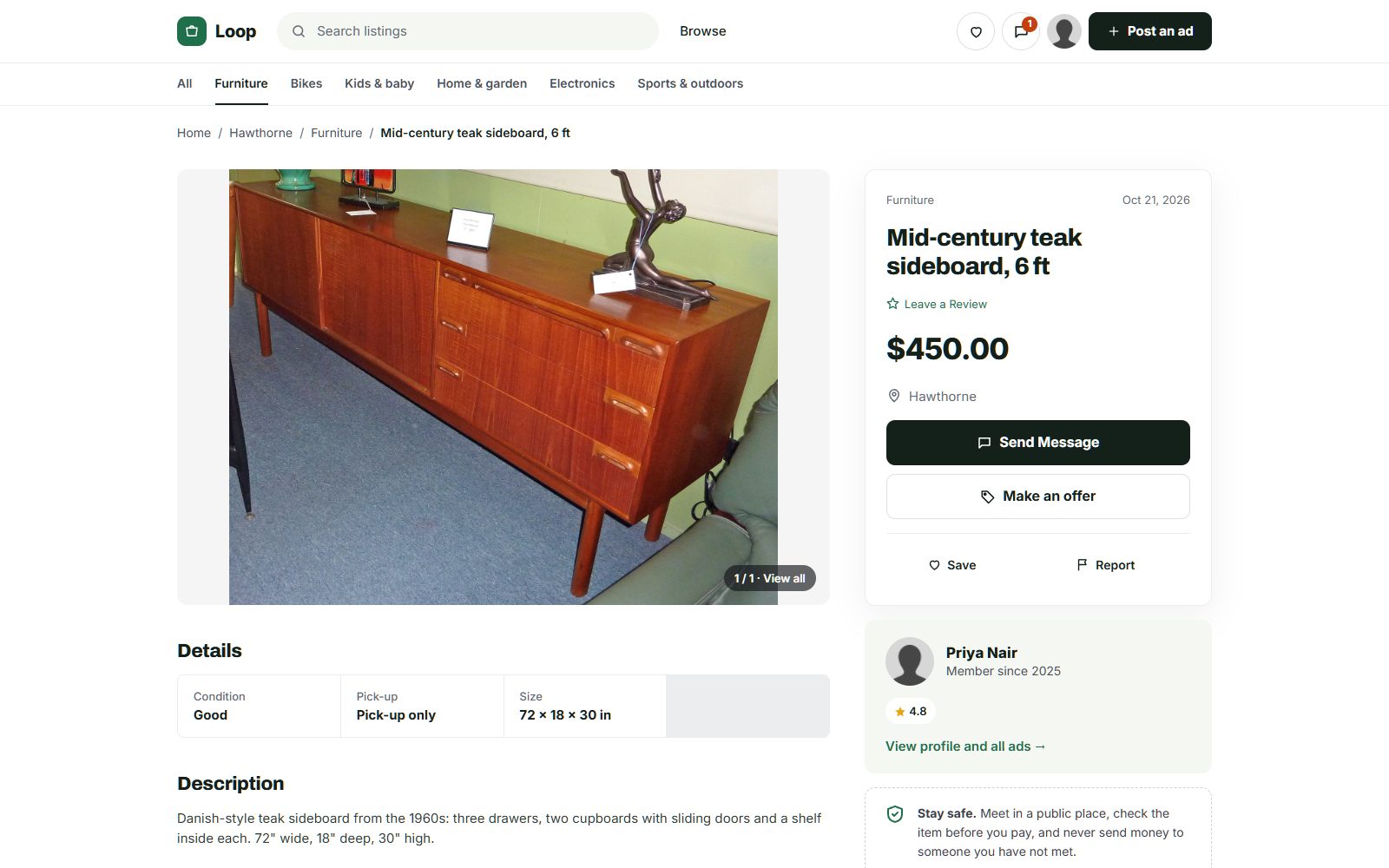
Photo credits
The screenshots show demo sites with made-up sellers. Their photos come from Wikimedia Commons, some cropped or with signs and plates blurred; these ones are under Creative Commons licences:
- McIntosh Teak Sideboard Circa 1960s, CC BY-SA 4.0
- Persian Rug Khorrasan 1, CC BY 2.0
- Fameg bentwood chairs of Poland 01, CC BY-SA 4.0
- View of the "Lost Dining Table and Chairs" in Eltham Palace - geograph.org.uk - 5797282, CC BY-SA 2.0
- Anglepoise Original 1227 Giant Floor Lamp, CC BY-SA 4.0
- Wooden Balance Bike for Kids oak frame with flame red tires, CC BY-SA 4.0
- Baby Crib (49935766018), CC BY 2.0
- Seth Thomas tambour mantel clock ca. 1930, CC BY-SA 4.0
- Rack of rock climbing gear at Horsethief Butte in a Mazamas class, CC BY 4.0
- Sideboard Teak 5 Door Rosando Furniture, CC BY-SA 4.0
- Teak 'Fresco' Sideboard by G Plan angled view, CC BY-SA 4.0