
How to build an appliance classifieds website that homeowners and landlords trust.
This guide explains how to build an appliance classifieds website for used washers, dryers, fridges, ranges and dishwashers: choosing an area and a buyer, the fields that tell a buyer whether an appliance fits, how the site earns money, where the first sellers come from, delivery and safety risks, the searches to rank for, and a launch plan.
Free for 15 days · No credit card · Plans from $19 a month
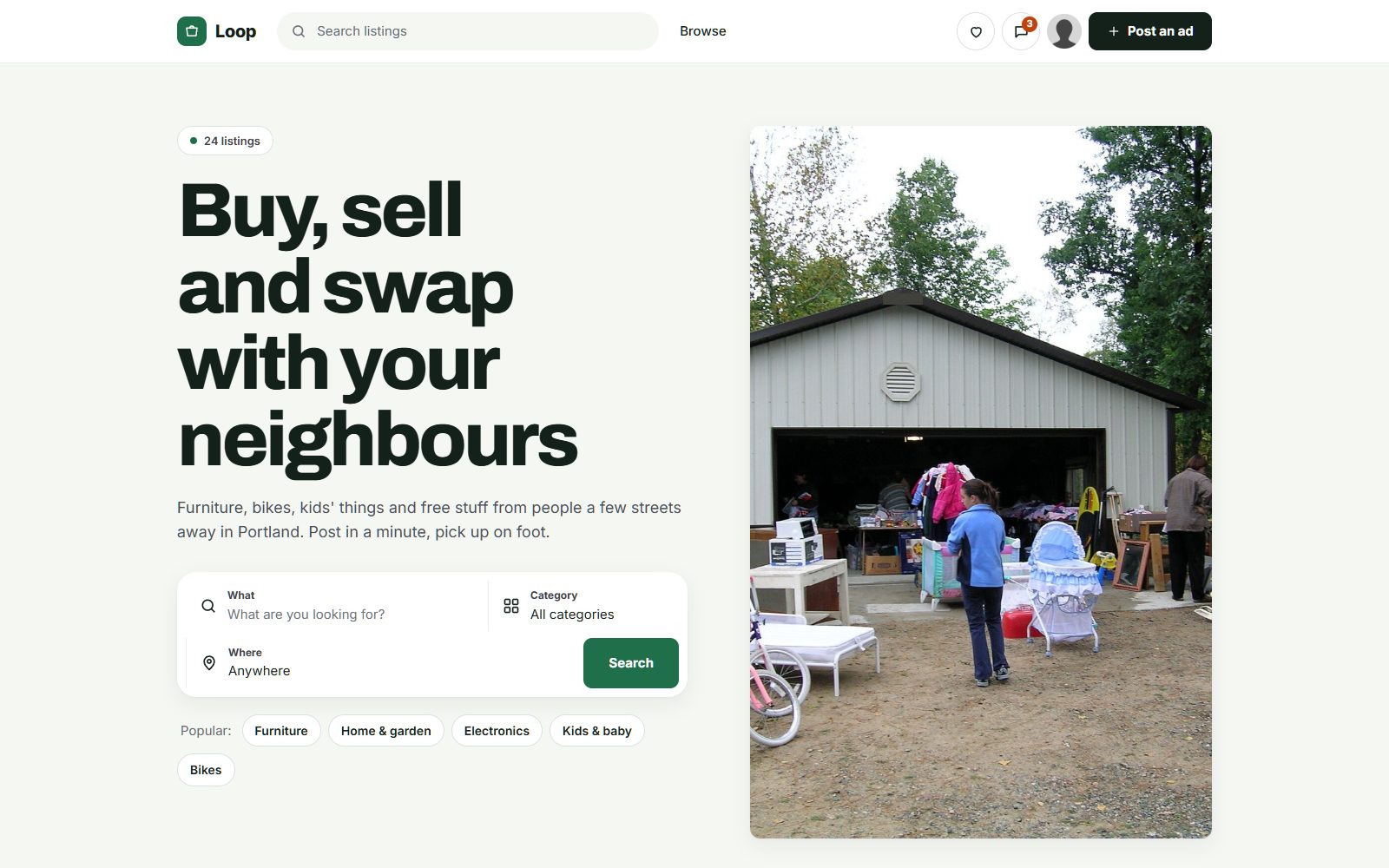
Build for one area, because appliances are heavy and need to fit.
A used washer or fridge is bought by someone who needs it this week: the old one broke, a tenant moved out, or a new house came empty. The buyer cares about three things a general site rarely shows: will it fit the space, will it work with the power, gas or water hookup, and can it be delivered. An appliance site that answers those questions, in one area, beats a long scroll of mixed listings.
Who uses the site
- Homeowners and renters replacing a broken appliance quickly and cheaply.
- Landlords and property managers who buy several units at once for rentals.
- House flippers and remodelers selling the old kitchen when a client upgrades.
- Used appliance dealers and refurbishers who repair and resell units with a short warranty.
- People moving who sell rather than move a fridge across the country.
Choosing the angle
Pick one metro area, since delivery decides most sales. Then decide whether you serve households mostly, or landlords and contractors who buy in volume. A site leaning to landlords needs bulk listings and stackable laundry pairs; a household site needs quick listings and a clear delivery option.
Today the trade happens on Facebook Marketplace and Craigslist, in used appliance stores and scratch and dent outlets, through repair technicians who resell trade-ins, at estate sales and through word of mouth among landlords.
Dimensions and hookup type answer the first question every appliance buyer has.
Ask for size, fuel and hookup on every listing.
Use categories named after the appliance, and keep them shallow. The fields carry the weight: a buyer with a 30-inch gap and a gas line filters by width and fuel before anything else, and a renter needs to know whether the washer and dryer stack.
Fields worth having everywhere
- Brand and model number: the model number lets a buyer look up the manual, parts and any recall.
- Width, height and depth: number fields in inches, so buyers can filter to their space.
- Color or finish: white, black, stainless, black stainless.
- Age: year of purchase or manufacture.
- Working condition: fully working, minor issue, for parts.
- Delivery: pickup only, seller can help load, delivery available.
For ranges and dryers, the fuel and power field is vital: gas or electric, and for electric dryers and ranges, the plug type. A buyer who discovers at pickup that the dryer needs a different outlet has wasted a trip and a truck rental.
| Category | Example listings | Fields buyers filter on |
|---|---|---|
| Refrigerators and freezers | French door fridges, top freezers, chest freezers, mini fridges | Width, height, cubic feet, ice maker, water line needed, finish |
| Washers | Top-load, front-load, stackable, portable | Type, capacity, width, age, working condition |
| Dryers | Electric dryers, gas dryers, stackable units, washer-dryer pairs | Gas or electric, plug type, width, stackable, age |
| Ranges and ovens | Freestanding ranges, wall ovens, cooktops | Gas or electric, width, number of burners, self-cleaning |
| Dishwashers | Built-in, portable, drawer dishwashers | Width, finish, age, noise level, working condition |
| Small kitchen and room appliances | Microwaves, range hoods, window AC units, dehumidifiers | Type, size, voltage, working condition |
| Parts and for repair | Control boards, doors, racks, units sold for parts | Brand, model number, part type |
Number fields for width and height let buyers filter to the exact space they have.
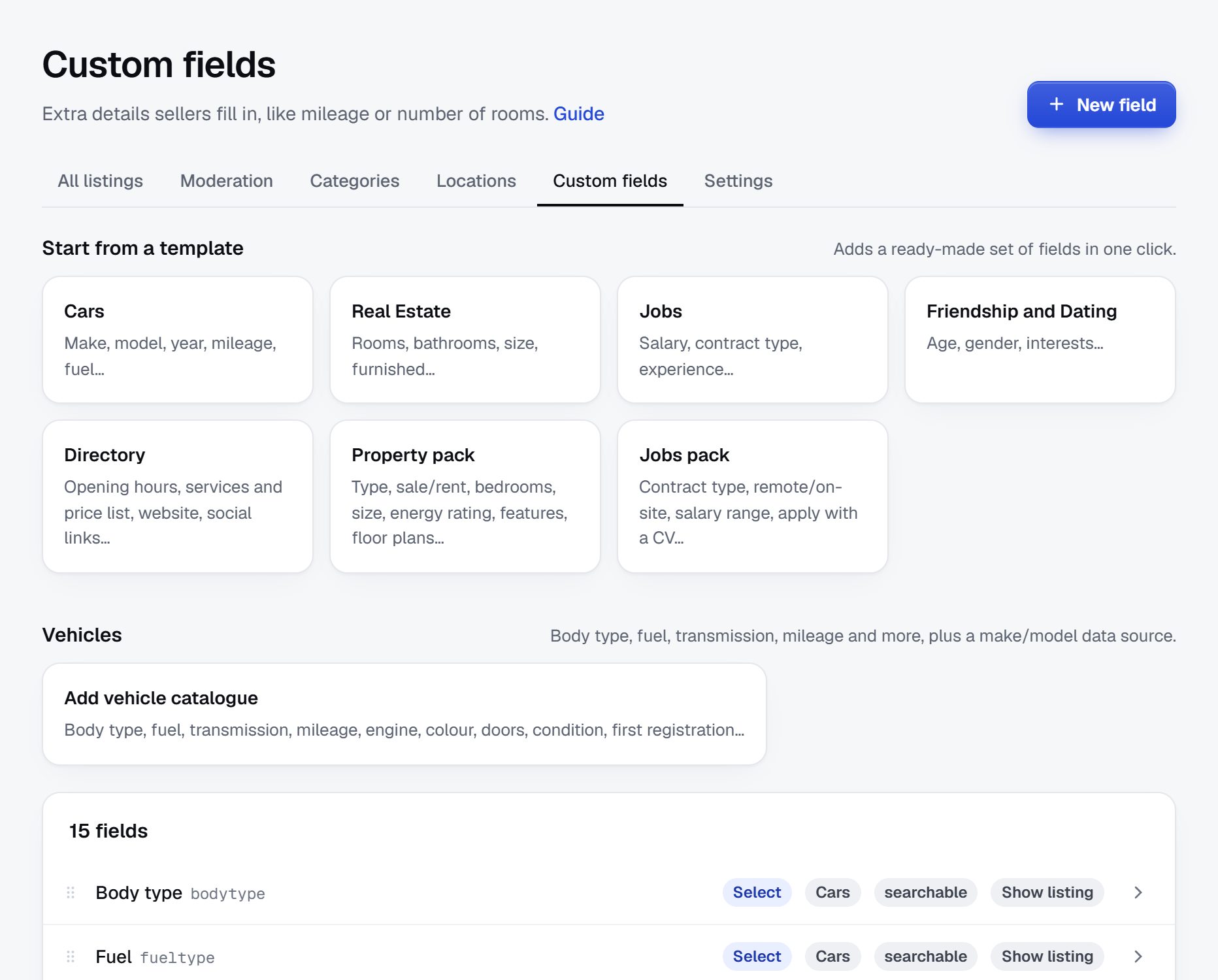
Keep households free and charge the dealers who list every week.
An appliance site has a mix of one-time private sellers and a steady group of dealers, refurbishers and landlords. Keep posting free for private sellers so stock is plentiful, and earn from the businesses that sell or serve appliances.
- Seller memberships suit used appliance stores and refurbishers who list dozens of units, often with a short warranty, and want a profile that works like a store front.
- Featured listings and bumps help sellers who need a unit gone before a move or a closing date.
- Paid posting in chosen categories can apply to dealers listing refurbished units, while private sellers stay free.
- Banner spaces fit appliance repair technicians, delivery and haul-away services, scrap and recycling yards, and parts suppliers.
Repair technicians are a good first advertiser. Buyers of used appliances often need a repair or an installation, and technicians want those customers. Switch on memberships once a few dealers list every week, and banners once traffic in your area is steady.
Dealers who refurbish and warranty units are your best paying sellers.
| Model | Works when | Switch it on |
|---|---|---|
| Free private posting | Households selling single units | At launch |
| Seller memberships | Dealers and refurbishers list weekly | When a few dealers post regularly |
| Featured listings and bumps | Sellers face a moving or closing date | After a few hundred active listings |
| Paid posting for dealers | Refurbished units in steady volume | Once dealers see buyers from the site |
| Banner spaces | Repair and delivery firms want local customers | Once traffic is steady |
Find the first sellers among dealers, landlords and remodelers.
The first 100 listings should cover every main appliance type, so a visitor who needs a dryer, a fridge or a range finds a few choices on the first visit. A few businesses can supply most of them.
Where the first listings come from
- Used appliance stores: they hold rows of refurbished units. Offer to list their stock free for the first months.
- Repair technicians: they take old units in trade and fix them up to sell.
- Kitchen remodelers and contractors: the old appliances from a remodel often work fine and need to go before the new ones arrive.
- Landlords and property managers: upgrades between tenants leave working units to sell.
- Real estate agents and movers: sellers often leave or sell appliances when they move.
- Scratch and dent outlets: new units with cosmetic damage sell well online.
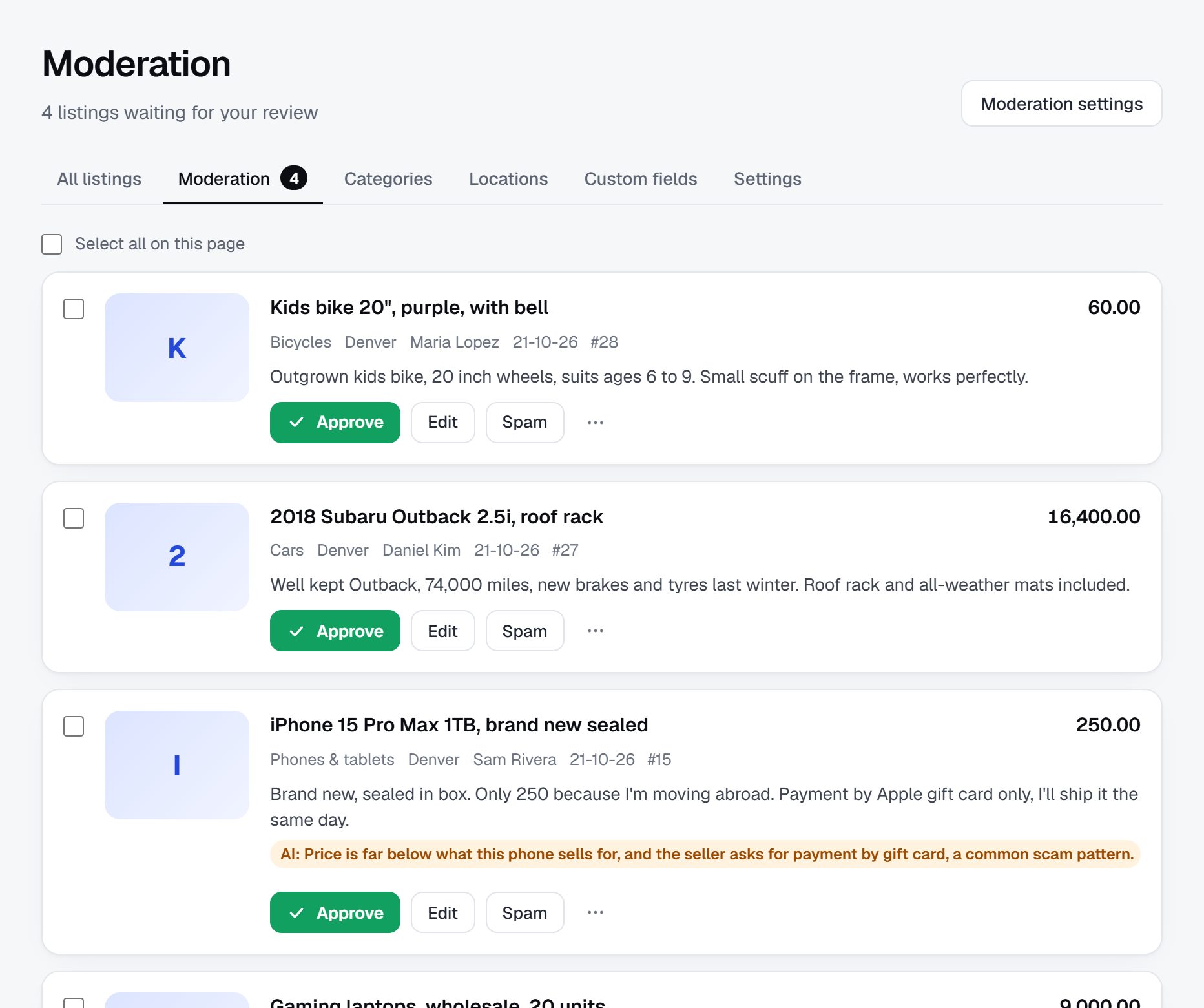
Most dealers keep a stock list with model numbers, sizes and prices. With Yclas, listings can be imported from a spreadsheet (CSV), so a store's stock goes live in one step. For households, AI listing from a photo lets the seller take a photo and AI fills in the title, description, category and price for them to check, then they add the measurements.
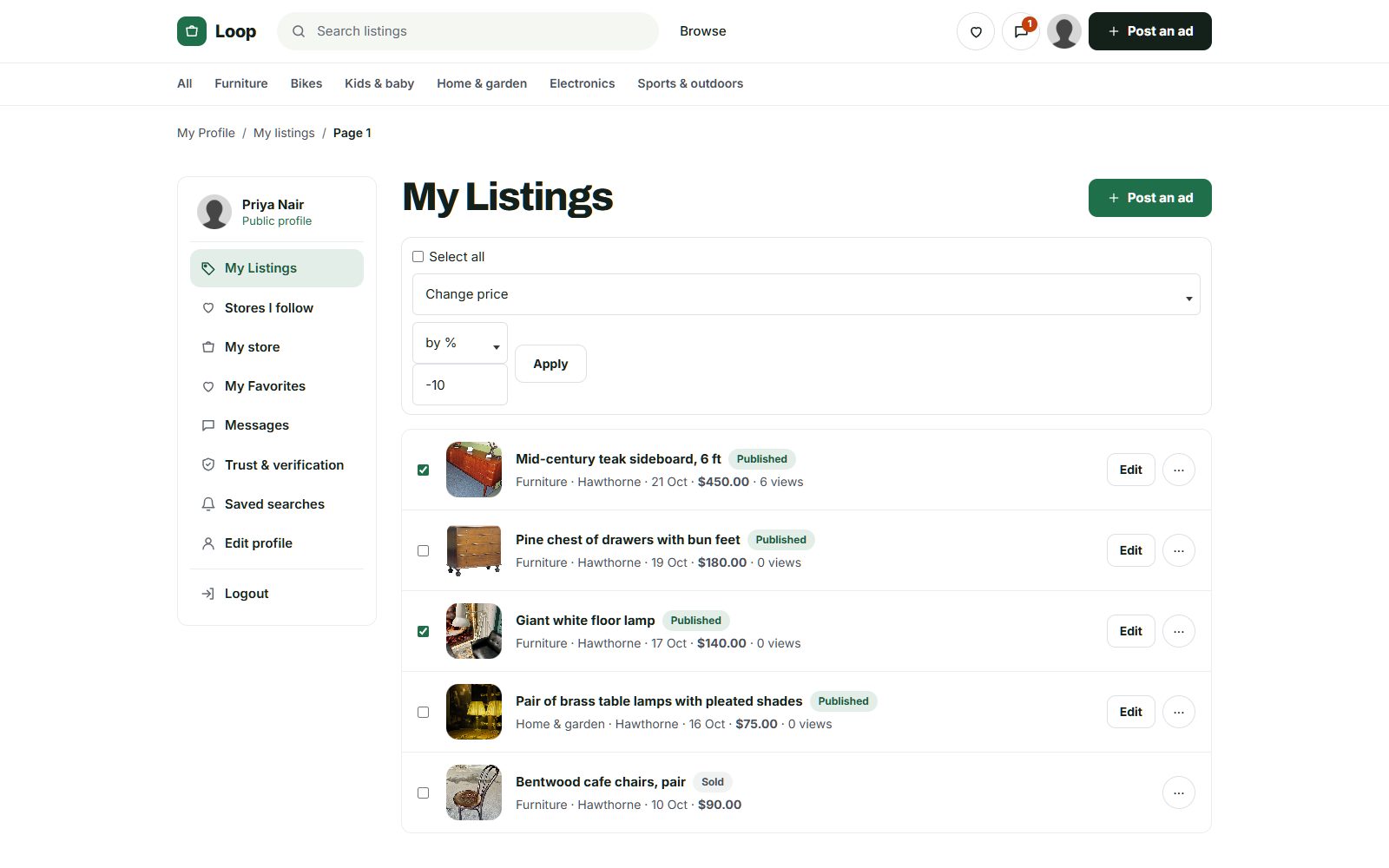
Handle recalls, hidden faults and delivery risk.
Used appliances carry practical risks: units that stop working a week after the sale, gas and electrical hazards, and injuries during moving. Clear rules and good advice protect buyers and the site.
Common problems
- Hidden faults: a washer that leaks or a fridge that stops cooling once moved. Ask sellers to state working condition honestly and, if possible, show the unit running in a video.
- Recalled models: some appliance models have been recalled for fire or other hazards. Ask sellers to check the model number against official recall lists before posting.
- Gas appliances: advise buyers to have gas ranges and dryers connected by a qualified installer. Check the rules where you operate, since many places require it.
- Refrigerants: disposal of old fridges and freezers is often regulated. Point sellers to local recycling services for units sold for parts.
- Scams: deposits for appliances that do not exist, and fake delivery services.
Safety advice for buyers
Ask for the model number before collecting, check the measurements against your space, see the unit running if you can, and bring enough people and a hand truck to move it safely. Ratings and reviews on dealer profiles help buyers choose sellers who stand behind their units.
A model number on every listing makes recall checks and part searches possible.
Rank for appliance type, size and town.
Appliance searches usually come from someone with an urgent need and a location. They type the appliance, a feature or size, and "near me" or their town.
Searches to aim for
- "used washer and dryer for sale [city]" and "used stackable washer dryer"
- "used refrigerator near me" and "36 inch french door fridge used"
- "used gas range for sale" and "30 inch electric range used"
- "is it worth buying a used fridge" and "how long do washers last"
- "sell my old appliances" and "who buys used appliances near me"
Pages to build
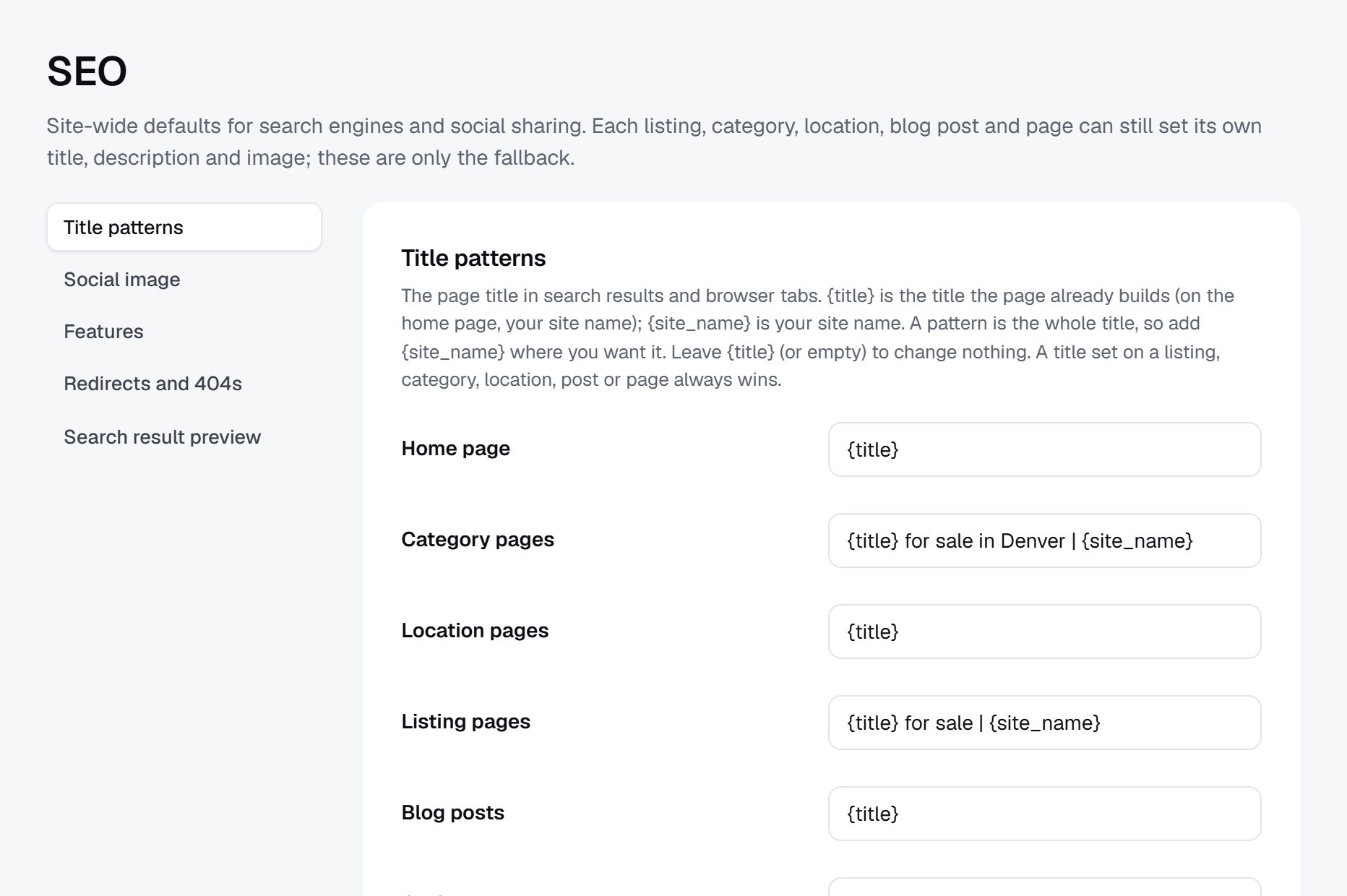
Every category and every town or neighborhood you cover gets its own page. Write buying guides people search before they buy: how to measure for a fridge, gas versus electric dryers, what to check on a used washer, and how to move an appliance without damaging it or your floor. Price guides built from your own listings, shown as ranges, help sellers set prices that sell.
Content ideas
- A guide for landlords buying appliances for several units.
- A guide to dryer plugs and outlets.
- Profiles of local repair technicians and refurbishers.
Launch in one metro area around moving season.
Appliances move with people. Summer is the busiest moving season in many places, and many leases turn over at the start of a month, so launch a few weeks before summer or before the start of a college year in a university town, when renters and landlords are buying.
Partners worth having
- A used appliance store or refurbisher that lists its stock.
- A repair technician who can be recommended to buyers.
- A delivery and haul-away service, so sellers can offer delivery.
- A landlord association or property management firm whose members buy and sell units.
Launch checklist
- Choose the area and your main buyer: households or landlords.
- Set up categories and the fields: dimensions, fuel and plug type, model number.
- Write the rules and the safety page: recalls, gas hookups, moving safely.
- Sign up two or three dealers and import their stock.
- Seed 100 listings across every main appliance type.
- Turn on saved searches with email alerts, so a buyer hears when a matching washer or fridge is posted.
- Promote to landlords and movers before moving season.
A worked example: a landlord-friendly appliance site in Columbus.
Hookup and Hum Exchange is fictional, made up for this guide. It serves the Columbus, Ohio metro area, a market with a large university, many rental properties and a crowded summer moving season.
How it started
The founder managed a few dozen rental units and spent every tenant turnover hunting for a working dryer or a range of the right width. She knew two refurbishers who sold reliable units with a short warranty but had nowhere good to show their stock. She imported both stock lists, invited the landlords she knew to post units replaced during upgrades, and opened the site in late spring, a few weeks before leases turned over near campus.
Who it serves
Renters and homeowners replacing a broken unit, landlords buying several at a time, and remodelers clearing out old kitchens. The landlord side became the steadiest: many buy the same white top-freezer fridge or stackable laundry pair again and again, and they filter by exact width and height before anything else. Many of those landlords now post their own replaced units each summer, which keeps the laundry category full.
Categories
- Kitchen
- Refrigerators
- Ranges and ovens
- Dishwashers
- Microwaves and range hoods
- Laundry
- Washers
- Dryers
- Stackable units and pairs
- Cooling
- Window AC units and dehumidifiers
- For parts
Window AC units got their own category because demand jumps in the first hot weeks of the year, and the founder wanted them easy to find on the home page right then.
How it makes money
Households list their units at no charge. The two refurbishers and a scratch and dent outlet pay for seller memberships, with profiles that state their warranty terms next to their stock. Landlords clearing several units at once often buy featured listings to sell them before a move-in date. A repair technician, a delivery and haul-away service and an appliance recycler rent banner spaces, and the delivery firm is also named in the buying guides as one option among several, never as part of the site.
The founder made the model number a required field from the first day, because it lets buyers check recalls and download manuals before they borrow a truck and drive across town.
She also added the details buyers asked about most to the posting form: whether a fridge needs a water line for its ice maker, which way its doors open, and whether a washer comes with its hoses. Questions in her inbox fell once those fields appeared.
| Listing | Price | Key details |
|---|---|---|
| Top-freezer fridge, 18 cu ft, white | $250 | 30 in wide, 66 in tall, ice maker ready, about six years old |
| Front-load washer and electric dryer pair | $550 | Stacking kit included, 4-prong dryer cord, refurbished with 90-day dealer warranty |
| 30-inch gas range, stainless | $380 | Four burners, self-cleaning, installer recommended, pickup only |
| Built-in dishwasher, black | $150 | 24 in wide, model number listed, removed during a remodel |
| Window AC unit, 10,000 BTU | $120 | Standard 115V outlet, remote included, fits windows 26 to 38 in wide |
The first 90 days, timed to moving season.
Appliance buyers arrive with a tape measure reading and a deadline, so the first 90 days are about having the right sizes on the site in one metro area, and making listings precise enough that nobody drives out for a unit that will not fit. Dealers and landlords supply most of the early stock, and moving season sets the date you are working toward.
Count back from the start of your area's busy moving period, often early summer or the weeks before a college year begins, and make week 12 land just before it. The rules and the safety page come first, because gas ranges, dryers and recalled models carry risks that buyers will ask about.
After launch, keep a note of the sizes and types buyers ask for and cannot find, such as 24-inch ranges or stackable pairs, and pass that list to your dealers each week. It turns their trade-ins into stock that sells.
Talk to a delivery partner early, ideally in week 4 or 5. Agree on what they charge, what they will not carry, such as units for upper floors with no elevator, and who answers for damage, and put it in writing before any seller names them.
Every listing without measurements is a wasted trip waiting to happen.
| Weeks | Focus | Done when |
|---|---|---|
| 1-2 | Area, categories, dimension, fuel and plug fields, model number required | A dryer listing cannot go live without fuel type, plug type and width |
| 3 | Safety page: recalls, gas hookups by a qualified installer, moving heavy units | The page is live and every range and dryer form links to it |
| 4-5 | Used appliance stores, refurbishers and a scratch and dent outlet | Two dealers have sent stock lists with model numbers and sizes |
| 6-7 | Import dealer stock; landlords and remodelers post replaced units | 100 listings live across fridges, laundry, ranges and dishwashers |
| 8-9 | Delivery partner, repair technician banners, saved searches | Sellers can name a delivery option and buyers are saving searches |
| 10-11 | Guides on measuring for a fridge, dryer plugs, and gas versus electric | Three guides are published and shared in local landlord groups |
| 12 | Moving season push to property managers, movers and campus housing boards | Two property managers buy through the site and one banner partner is signed |
Routes to building it, and what appliance listings demand.
The needs of an appliance site are practical. Number fields for width, height and depth must work as filters, the posting form has to ask for fuel, plug type and model number, and dealers need to upload stock lists instead of posting one unit at a time. Most buyers search on a phone, often while standing in the empty space where the old unit used to be. They still want photos, but mainly two: the rating label and the unit running.
Building it with developers is worth it only for something unusual, such as an automatic lookup of a model's dimensions and recall status. A feature like that depends on data you would have to license or maintain, and the rest of the build is standard classifieds work you would be paying to recreate. Most appliance sites never need that lookup, because a required model number field lets buyers check the details themselves in a minute.
Running an open-source classifieds script or a WordPress plugin on hosting you manage is cheaper to start. Check how its number fields filter: a buyer with a 30-inch gap needs every unit up to that width, not only units listed at exactly 30. Updates, spam control and backups are your job.
A hosted builder such as Yclas lets a founder who is busy with dealers and landlords skip the server work. As with any route, test it first with a real dealer's stock list and a few household listings before you invite the public. Whatever you choose, make sure dealers can update stock in bulk as units sell, or the site slowly fills with appliances that are long gone.
| Route | Fits when | Watch out for |
|---|---|---|
| Custom build | You want model lookups or delivery scheduling built in | Data licensing, a long build and ongoing upkeep |
| Classifieds script on hosting you manage | You can run a server and want control over fields | Range filters on dimensions may need custom work; updates and spam are yours |
| WordPress plugin | You already run a repair or appliance store site on WordPress | Search by size can slow as stock grows; check mobile posting |
| Hosted builder | You want your time spent with dealers, landlords and movers | Test number fields and spreadsheet import with real stock first |
What an appliance classifieds site costs to run.
The software is the smallest part of the bill. Most of the cost is your time in the first months: finding the first listings, answering questions and checking what gets posted.
Beyond the platform and a domain, the costs are local ads around moving season and printed cards for appliance stores and repair shops. If you promote a delivery partner, agree in writing who is responsible for damage or injury during delivery.
| Cost | Typical range | On Yclas |
|---|---|---|
| Domain | $10 to $20 a year | Your own, with SSL included |
| Software and hosting | $0 to $100+ a month, plus plugins and updates | Starter $19 a month, Professional $99 |
| Design | $0 to $100 for a theme, or a designer | 109 looks included |
| Payment fees | About 3% per payment | Your Stripe or PayPal fees; Yclas takes nothing |
| Your time | 5 to 10 hours a week at the start | Finding listings, moderation, support |
Mistakes that cost an appliance site its buyers.
- Letting listings go live without measurements. A fridge half an inch too tall for the cabinet opening means a wasted afternoon and a lost buyer. Make width, height and depth required, in inches, on every major appliance. Ask sellers to measure with the doors closed and handles included, and remind buyers to measure doorways and halls as well as the space itself.
- Treating gas or electric as a detail. A buyer with only a gas line cannot use an electric range, and a dryer with the wrong cord will not plug in. Make fuel and plug type required on ranges and dryers, and let buyers filter by them. A short guide to dryer cords, linked from the field, answers the question before anyone has to ask.
- Skipping the model number. Without it, buyers cannot check recalls, find a manual or order a part, and you cannot pull a recalled model when it is reported. Require it, and ask for a photo of the rating label inside the door or on the back.
- Promising delivery you do not control. If the site says delivery available and a seller's helper drops a washer down the stairs, the anger lands on you. Let sellers state their own delivery terms, and present delivery partners as independent businesses, with their own name and terms on their banner.
- Mixing parts units with working units. A dead fridge among working ones angers a buyer who needs cold food tonight. Keep a separate For parts category and make working condition a required field. Repair technicians are the real buyers of parts units, so tell them where to look.
- Overlooking the landlord buyer. Landlords buy repeatedly and in pairs, yet many sites are built only for one-time households. Talk to landlord associations and property managers, and let dealers say how many identical units they have. A landlord who furnishes several units a year is worth a phone call.
- Launching in a slow month. Appliance demand follows moves, lease dates and remodels. A launch in a quiet stretch leaves the site with stock and no buyers, and dealers lose patience. Time the launch before moving season, and if you are ready early, spend the quiet weeks signing up dealers and writing guides.
- Forgetting old fridge disposal. Units sold for scrap or left behind raise refrigerant and disposal questions in many places. Point sellers to local recycling services and check the rules where you operate. Recyclers who collect old units also tend to make good banner advertisers.
- Letting fake delivery services advertise. Scammers pose as delivery firms, collect a fee and never turn up. List only delivery partners you have checked yourself, and warn buyers never to pay a delivery fee to someone the seller did not name. Show that warning near the contact button on every listing.
Appliance terms worth knowing.
The terms buyers meet on rating labels, in listings and in questions to sellers.
| Term | What it means |
|---|---|
| Model number | The maker's code for an appliance's exact design, printed on a label inside the door or on the back. |
| Serial number | A code unique to one unit, which often reveals the month and year it was made. |
| Cubic feet (cu ft) | The usable space inside a fridge or freezer, or the drum size of a washer or dryer. |
| Top-load and front-load | The two washer designs: one opens on top, the other has a front door and can often be stacked. |
| Stackable | A washer and dryer designed to sit one on top of the other using a stacking kit. |
| 3-prong and 4-prong cord | The two common plug types for electric dryers and ranges in the US, which must match the outlet. |
| Freestanding range | A range with finished sides that can stand between cabinets or on its own. |
| Slide-in range | A range that sits flush with the counters, with its controls on the front. |
| Counter-depth | A fridge built to line up roughly with the kitchen counters instead of sticking out past them. |
| Scratch and dent | New appliances sold at a discount because of cosmetic damage from shipping or display. |
| Refurbished | A used unit that a dealer has inspected, repaired and cleaned before resale, sometimes with a warranty. |
| BTU | A heat unit used to rate window air conditioners and gas burners. |
| Refrigerant | The gas that does the cooling in fridges, freezers and air conditioners, whose handling is often regulated. |
| Haul-away | A service that takes the old appliance away when the replacement is delivered. |
The same steps for an appliance classifieds site on Yclas.
- Describe your nicheThe setup wizard writes the categories, an About page and example listings from one sentence.
- Add fieldsSwitch on a field pack or add the fields your buyers filter on.
- Fill itImport dealer spreadsheets, invite sellers and post your own.
- Set the rulesChoose moderation, banned words and AI checks.
- Go liveChoose a plan, connect your domain, switch on paid listings when it is time.
What are the startup costs for an appliance classifieds site?
Hosting, a domain, some printed cards and a modest local ad budget before moving season. The bigger investment is time spent visiting dealers and landlords.
Am I liable if a used appliance causes a fire or a gas leak?
Your rules should make sellers responsible for honest descriptions and recall checks, and advise professional installation for gas units. Check the rules where you operate on platform liability and product safety.
Should I offer delivery myself?
Not at first. Partner with a local delivery and haul-away service, and let sellers say whether they deliver.
Where do the first sellers come from?
Used appliance stores, repair technicians, kitchen remodelers and landlords. A few of them can fill most categories in your first weeks.
How does an appliance site make money?
Free posting for households, then memberships for dealers, featured listings for urgent sales, and banners for repair and delivery firms.
Can I compete with Facebook Marketplace for appliances?
In one area, yes, by letting buyers filter by size, fuel and plug type. Those filters save trips and wrong purchases.
Should I allow units sold for parts?
Yes, in a separate category. Repair technicians buy them, and clear labels keep them away from buyers who need a working unit.
Should dealers be able to offer warranties on the site?
Let dealers state their own warranty terms in the listing and on their profile, and make clear the warranty is between dealer and buyer. A warranty checkbox helps buyers filter for refurbished units that come with one.
Can stores list new appliances too?
Yes, scratch and dent and clearance units sell well next to used stock. Ask stores to mark them as new and say whether the maker's warranty still applies.
What about buyers who need installation?
Keep a list of independent installers and repair technicians, especially for gas units and dishwashers that need plumbing. Many buyers of used dishwashers and ranges underestimate this step, so mention it in your buying guides too.
Should I cover small appliances such as blenders and coffee makers?
Only lightly. They are cheap, easy to buy new and rarely worth a drive, so they mostly add clutter. Microwaves, window AC units and dehumidifiers are the exceptions worth a category, since they are bulky enough that buying used nearby makes sense.
What if a buyer says a unit stopped working after pickup?
Your rules should say sales are between buyer and seller and that working condition must be described honestly. Encourage buyers to see a unit running before they pay, and remove sellers who are reported again and again for misdescribing units.
Related pages.
The parts of Yclas this leans on.
You have the plan. Now build the go-to site for used appliances in your area.
Describe your site in a sentence and the setup wizard writes the categories, example listings and a look. Free for 15 days, no credit card.
Start my classifieds site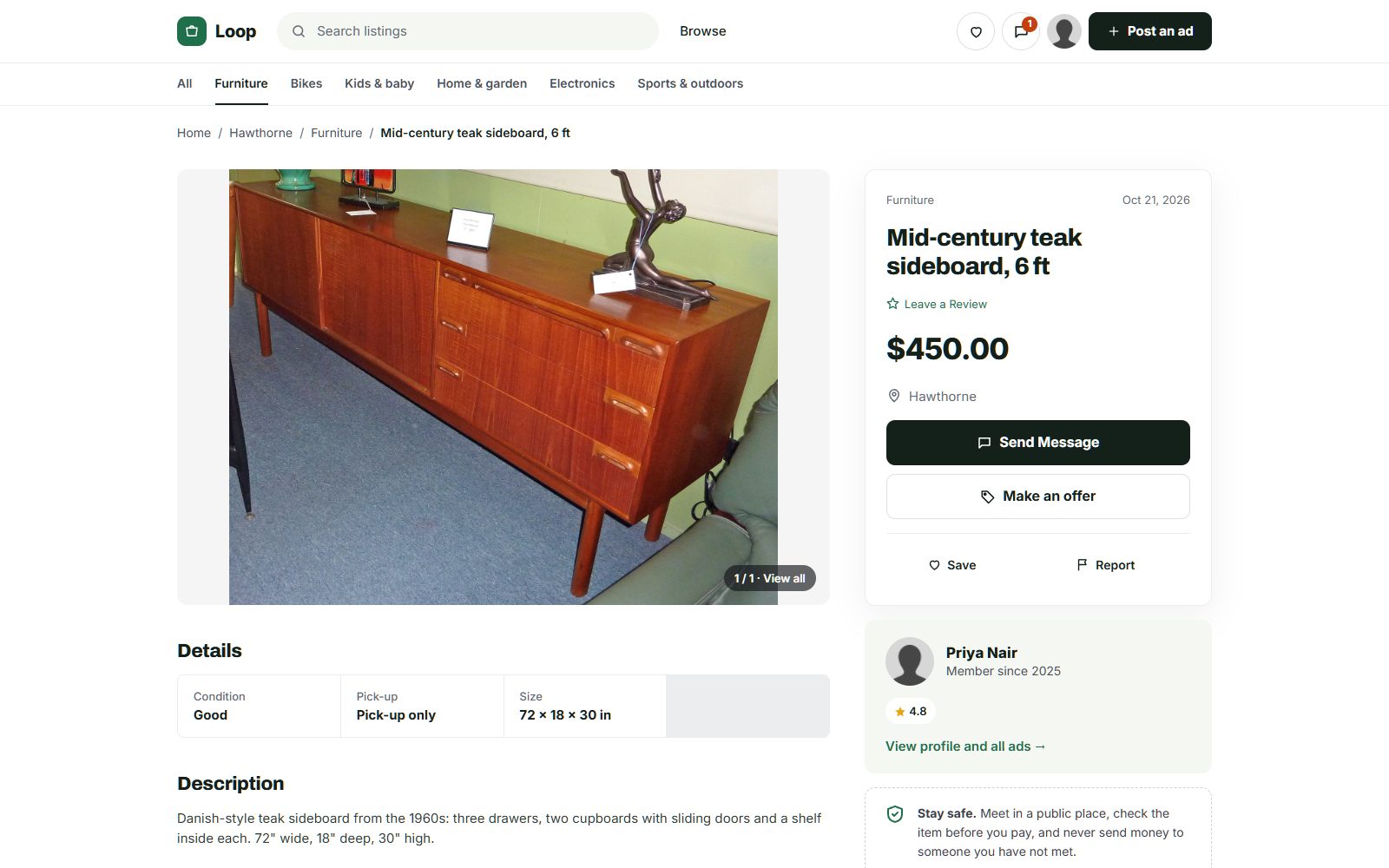
Photo credits
The screenshots show demo sites with made-up sellers. Their photos come from Wikimedia Commons, some cropped or with signs and plates blurred; these ones are under Creative Commons licences:
- McIntosh Teak Sideboard Circa 1960s, CC BY-SA 4.0
- Persian Rug Khorrasan 1, CC BY 2.0
- Fameg bentwood chairs of Poland 01, CC BY-SA 4.0
- View of the "Lost Dining Table and Chairs" in Eltham Palace - geograph.org.uk - 5797282, CC BY-SA 2.0
- Anglepoise Original 1227 Giant Floor Lamp, CC BY-SA 4.0
- Wooden Balance Bike for Kids oak frame with flame red tires, CC BY-SA 4.0
- Baby Crib (49935766018), CC BY 2.0
- Seth Thomas tambour mantel clock ca. 1930, CC BY-SA 4.0
- Rack of rock climbing gear at Horsethief Butte in a Mazamas class, CC BY 4.0
- Sideboard Teak 5 Door Rosando Furniture, CC BY-SA 4.0
- Teak 'Fresco' Sideboard by G Plan angled view, CC BY-SA 4.0