
How to build a motorcycle classifieds website riders actually use.
This guide walks through running a motorcycle classifieds site: picking a riding scene or area, the fields riders filter on, from engine size to license class, how dealers and private sellers pay, where the first 100 bikes come from, the stolen-bike and fake-seller problems to plan for, the searches to rank for, and a launch timed to riding season.
Free for 15 days · No credit card · Plans from $19 a month
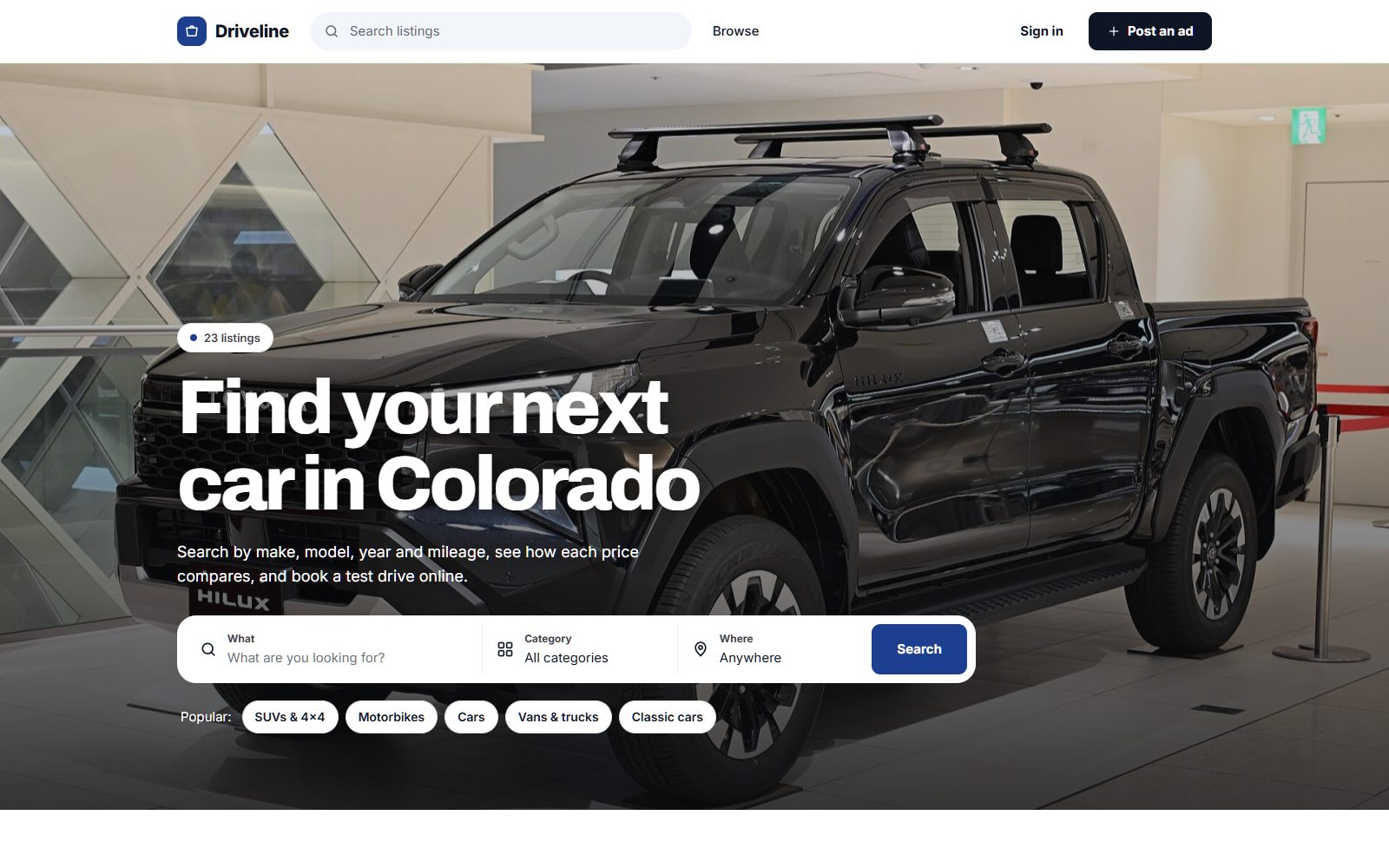
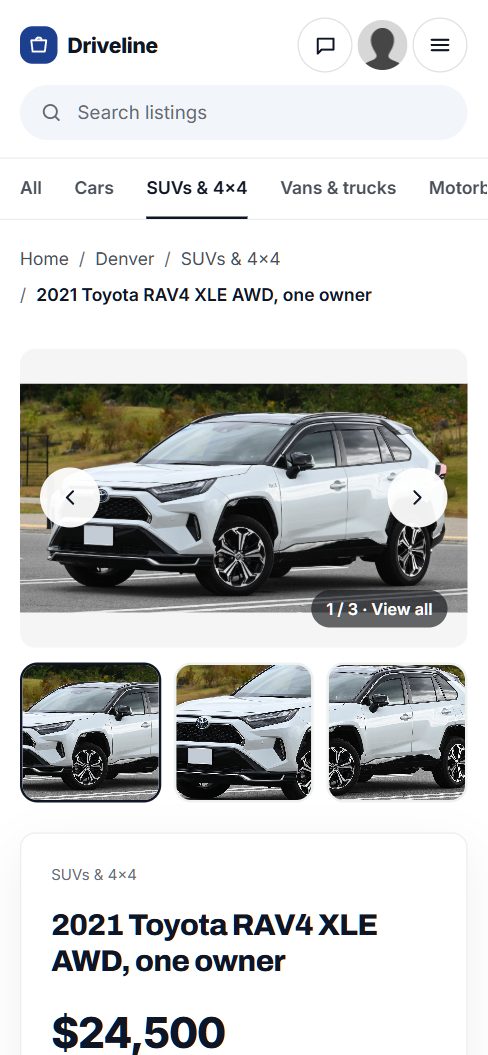
Build for riders the general sites lump in with cars.
On general car and buy-and-sell sites, motorcycles are an afterthought: one category, the same filters as a sedan, and a child's dirt bike listed next to a touring bike. Riders know exactly what they want, and they search in ways those sites do not support: by engine size, by riding style, by whether a new rider is allowed to ride it.
Ways to narrow it
- A riding style: adventure and dual-sport bikes, sport and track bikes, cruisers and baggers, vintage and café racers, or off-road and motocross.
- A region: a state or metro area where riders already meet at the same bike nights and dealers.
- A rider stage: first bikes and learner-legal bikes, which turn over fast because new riders often upgrade within a season or two.
- Bikes plus gear: helmets, jackets, luggage and parts sell all year, even when bikes do not.
Riders already trade in brand and model owner forums, regional riding groups on Facebook, track day paddocks and spring swap meets. The forums are full of knowledgeable sellers, but they have no search filters and listings vanish into long threads. That is the gap your site fills.
Riders trust other riders. A site run by someone who rides, with photos from local events, starts with credibility no general site has.
Organize by riding style and filter by engine size.
Riders think in styles first and engine size second. A buyer looking for a mid-size adventure bike does not want to scroll through scooters. Use the style as the category and make engine size a number field, so buyers can set a range.
- Required: make, model, year, engine size in cc, mileage, price and location.
- Useful filters: license class where it applies (A1, A2 and A in Europe, where A2 bikes are limited in power), ABS, transmission (manual, automatic or DCT), and whether the bike is street legal or off-road only.
- Disclosure fields: title status, VIN or frame number, previous drops or crashes, and modifications such as an aftermarket exhaust or lowered suspension.
Modifications work better as a checkbox list than as free text. Some buyers look for them (luggage, crash bars, heated grips), and others want a bike with no changes at all. Dirt bikes are usually judged by engine hours rather than miles, so add an hours field to that category.
Gear needs its own simple fields: item type, size, and for helmets the safety standard and year of manufacture, since buyers ask about both before anything else.
| Category | Example listings | Fields buyers filter on |
|---|---|---|
| Sport and naked | Supersports, naked roadsters, track bikes | Engine size, year, mileage, ABS, license class |
| Cruisers and touring | Cruisers, baggers, full tourers | Engine size, make, mileage, luggage, seat height |
| Adventure and dual-sport | Large adventure bikes, light dual-sports | Engine size, luggage, street legal, wheel sizes |
| Off-road and motocross | Motocross, enduro, trail and youth bikes | Engine size, two or four stroke, hours, wheel size |
| Scooters and mopeds | 50cc mopeds, maxi-scooters, electric scooters | Engine size or motor power, license class, mileage |
| Gear and parts | Helmets, jackets, boots, exhausts, luggage | Item type, size, condition, fits make and model |
Ask for engine size as a number, not text, so riders can filter by range, for example 300 to 700cc.
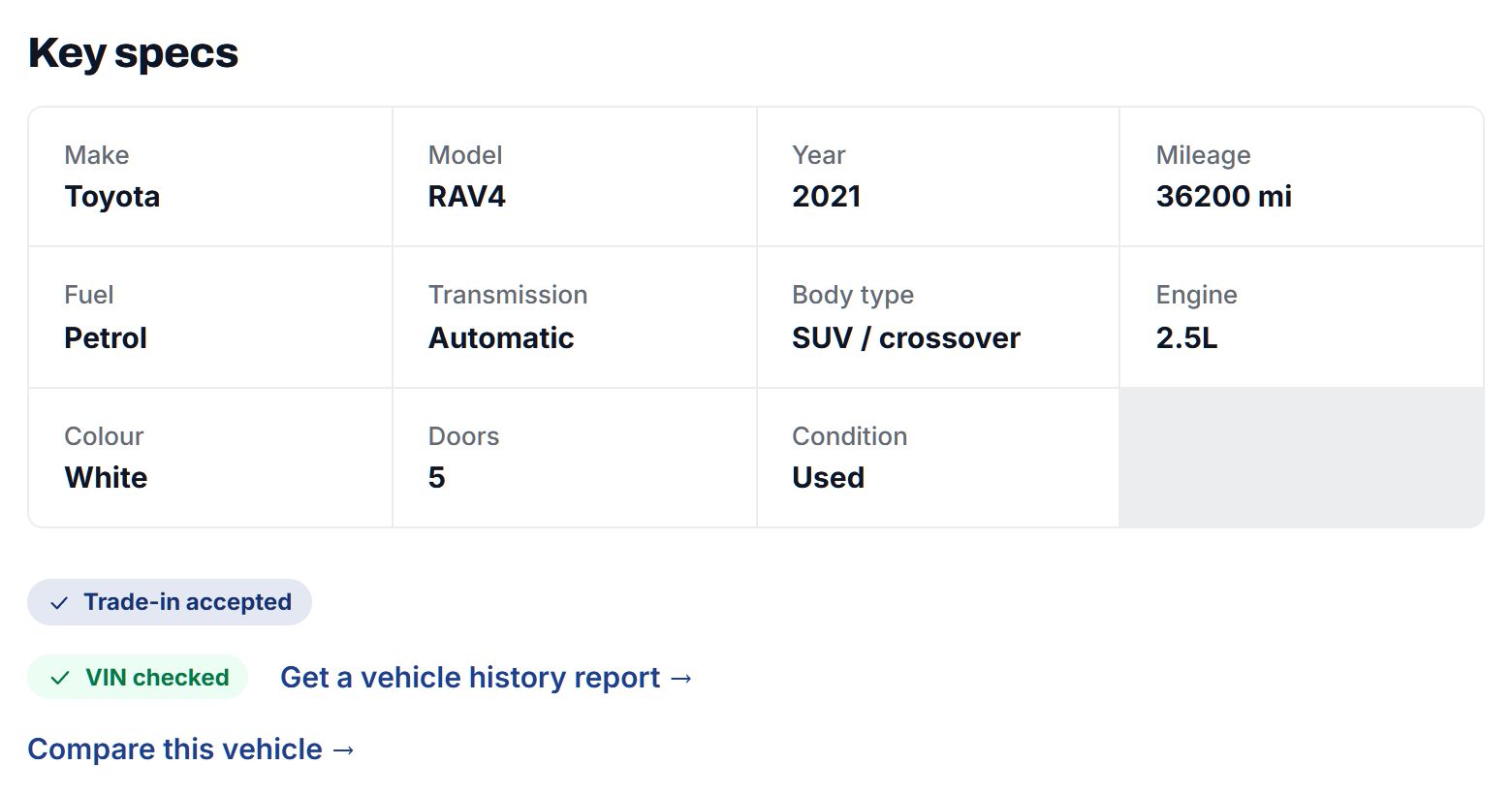
Make money where riders spend: dealers, gear and the spring rush.
Motorcycle sales are seasonal in most climates, and that shapes how you charge. Visibility is worth most in spring, when buyers are many and every seller wants to sell before riding season gets going. In winter, prices soften and listings sit.
- Keep posting free for private riders until the site has enough bikes that a new listing can get lost.
- Sell featured listings and bumps in spring, when sellers compete for the same buyers. A bump on a bike that has sat since the first frost is an easy sale.
- Offer dealer memberships to independent and used-bike dealers once they can see enquiries coming in. Powersports dealers also sell ATVs, side-by-sides and personal watercraft, which can become categories later.
- Banner spaces fit businesses riders already pay: motorcycle training schools, independent mechanics, tire fitters, winter storage and track day organizers.
- Pay to post works best in a narrow, high-value niche such as vintage or rare bikes, where sellers expect to pay and buyers will travel.
Gear sells all year and makes winter traffic worth something. Keep it free to post so the site stays busy between seasons and riders keep the habit of checking it.
| Model | Works when | Switch it on |
|---|---|---|
| Featured listings and bumps | Spring buyers compare many similar bikes | Your first full spring |
| Dealer memberships | Dealers get regular enquiries from your site | Once dealers ask to list more bikes |
| Banner spaces | Training schools, mechanics and storage want riders | Once local riders visit every week |
| Pay to post for vintage or rare bikes | Sellers expect a specialist audience | When collectors already browse the site |
| Auctions with Buy now | Classic, rare or project bikes draw several bidders | When sellers of rare bikes ask for it |
Find the first 100 bikes where riders already gather.
Motorcycle sellers are easy to find because riders gather. The work is showing up and offering to post for them.
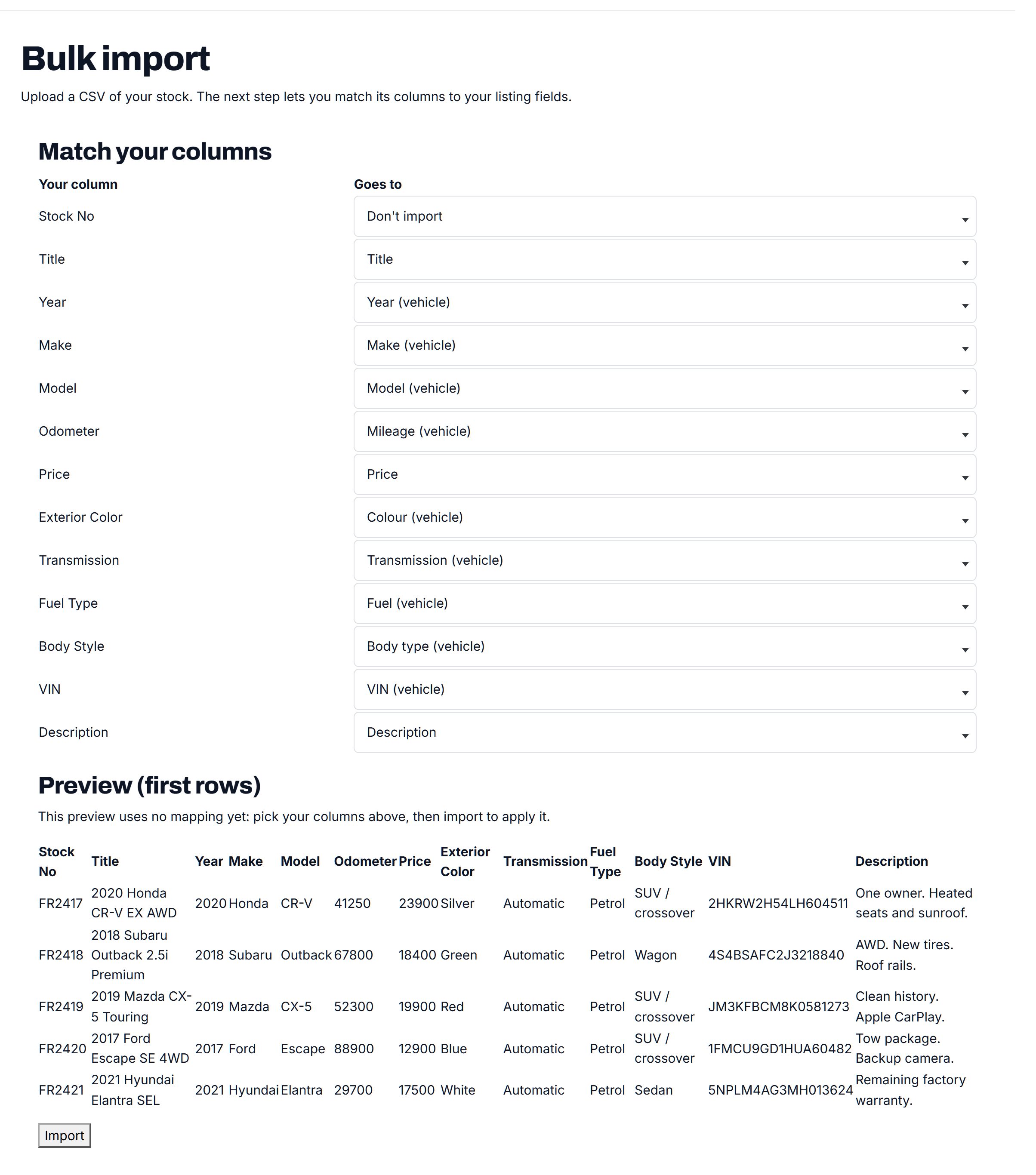
- Used and independent bike dealers: their stock fills several categories at once. Ask for a spreadsheet of their used bikes and bring it in as a CSV import.
- Owner forums and brand groups: message members selling in the for-sale threads and offer them a listing with real filters at no cost.
- Bike nights and coffee meets: weekly gatherings at bars, diners and dealers. Bring cards with a QR code that opens your posting page.
- Riding clubs and chapters: brand clubs and local chapters always have members upgrading.
- Motorcycle training schools: graduates need a first bike, and schools sell their training bikes when they replace them.
- Spring swap meets: parts and project bikes in bulk, and sellers who would rather post once than haul everything to the next meet.
Posting has to work from a phone in a garage. With Yclas a rider can take a photo of the bike and let AI fill in the title, description, category and price for them to check, then add the engine size and mileage.
Post your own bike and gear first. A site whose owner sells on it is easier to trust.
Keep stolen bikes and fake sellers off the site.
Motorcycles are far easier to steal than cars: two people and a van can take one in a minute. Stolen bikes and parts end up on classifieds sites, so your rules need to make that hard.
Risks typical of bike sites
- Stolen bikes and parts: a missing title, "lost the paperwork", frame and engine numbers ground off, or a nearly new bike sold only as parts.
- Cloned listings: photos copied from a real listing elsewhere, a low price, and a seller who cannot meet but will ship after a deposit.
- Hidden crash damage: bent forks, cracked frames and new fairings that cover a big crash.
- Used helmets: a helmet that has taken a hit can look perfect and no longer protect.
How to handle them
- Require the VIN or frame number on every road bike, and look hard at "parts only" listings of complete recent bikes.
- Approve listings by hand at first. As you grow, let AI hold suspicious listings for review and let riders report anything that looks stolen.
- Publish a buyer guide: meet in daylight, check the frame and engine numbers against the title, ask for a cold start, and never send a deposit for a bike you have not seen.
- Ask helmet sellers to state whether the helmet has been dropped or crashed, and tell buyers on the safety page to ask about a helmet's history.
Title rules for off-road bikes, and whether a bike without a title can be sold at all, vary a lot. Check the rules where you operate.
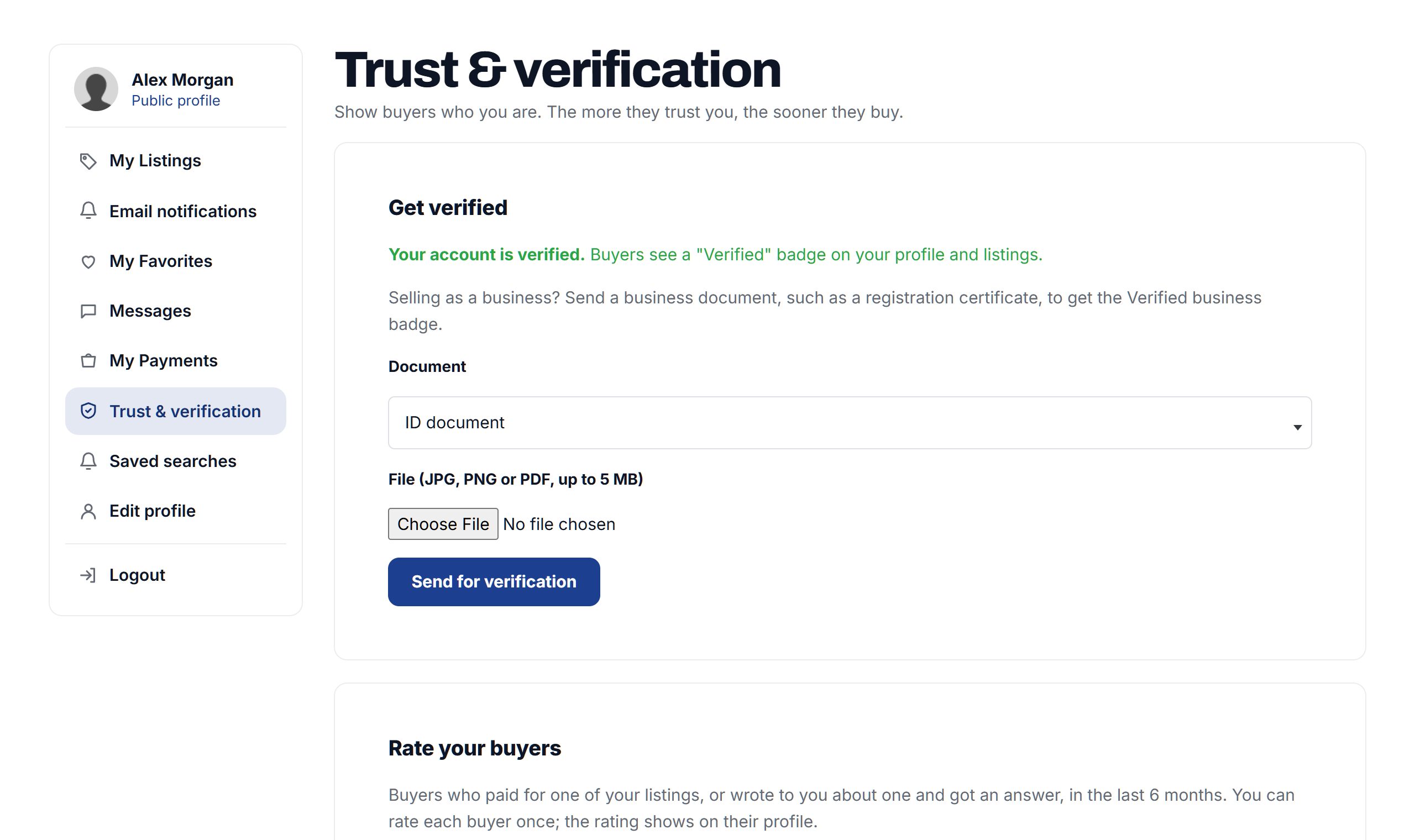
Rank for the model and engine-size searches riders type.
Riders search with precision. Typical searches look like "used Kawasaki Ninja 400 for sale", "A2 motorcycle for sale near me", "Harley Softail for sale Texas", "best beginner motorcycle under 500cc" and "used dirt bike for sale for kids". Each of those can be a page on your site.
Pages worth building
- Model pages for the bikes that sell most in your area, with current listings and a short note on what to check on that model.
- Engine-size and license pages: bikes under 500cc, learner-legal or A2 bikes, big tourers.
- Style plus location pages: cruisers in Phoenix, dirt bikes in your state.
- Buying guides: how to inspect a used motorcycle, what a cold start tells you, how to spot crash damage, and what to ask about service history.
- Seasonal guides: how to store a bike over winter, what to check after storage, and when prices are lowest.
Build titles from year, make, model and engine size, so a listing reads like the search: "2019 Yamaha MT-07 689cc, Denver". Keep sold bikes online marked as sold for a few weeks; popular models are searched constantly, and the page can point to similar bikes still for sale.
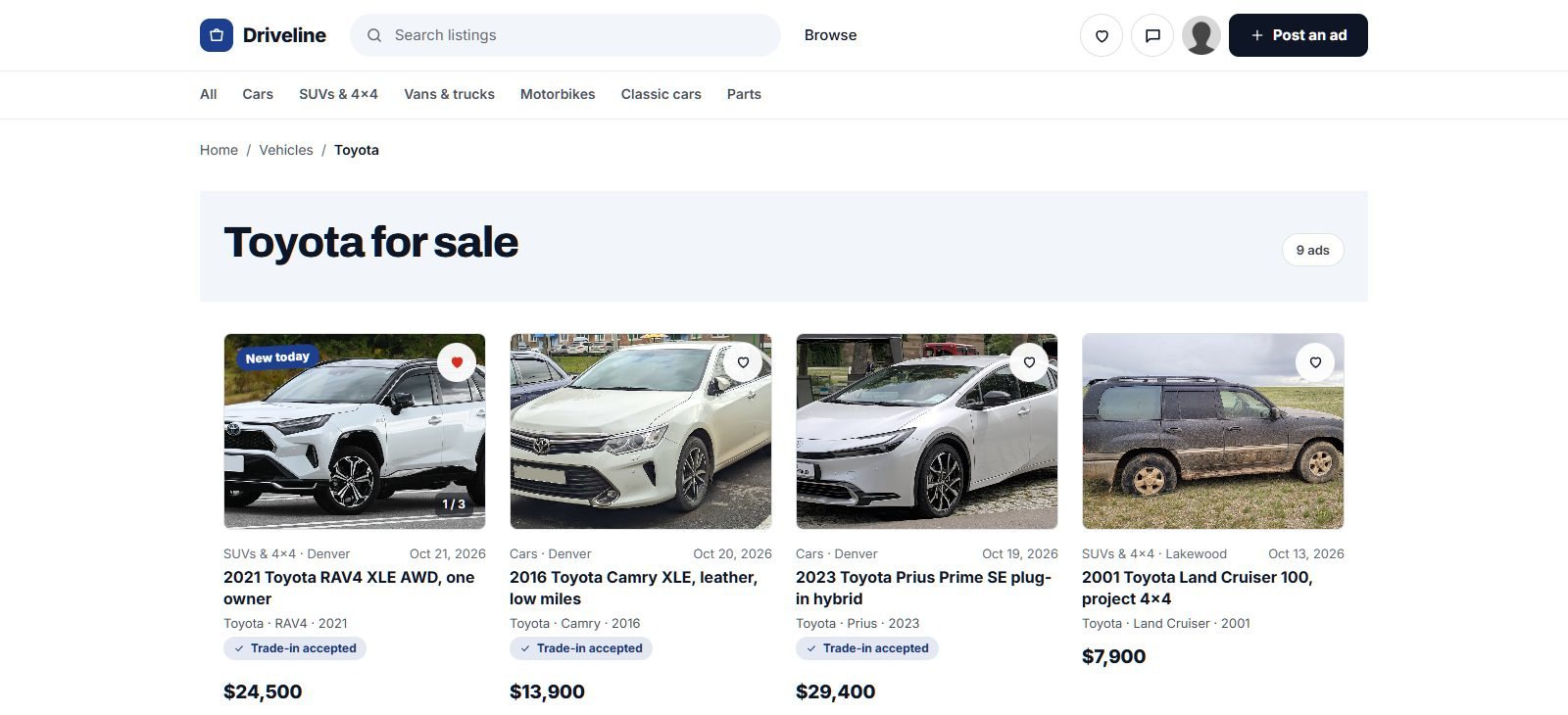
Launch in early spring, before riding season starts.
Timing matters more for a motorcycle site than for most niches. In regions with real winters, buyers start browsing in late winter and buy when the roads dry out, and sellers list in the same weeks. Build and fill the site over the winter, and launch in late winter or early spring. In warm climates the season is longer, but spring still tends to bring the busiest buying weeks.
Events and partners
- Indoor motorcycle shows in winter, where riders plan the season's purchase.
- Spring swap meets and bike nights, where you can sign up sellers in person.
- Big rallies such as Daytona Bike Week in March and Sturgis in August, if your niche is cruisers.
- Training schools, which can recommend your site to every graduate looking for a first bike.
Launch checklist
- Categories by riding style, with engine size, mileage and license class as filters.
- At least 100 bikes plus gear, from dealers, forums and your own garage.
- A buyer guide on stolen bikes and a posting rule requiring the VIN or frame number.
- Model and beginner-bike pages for your area.
- Cards for bike nights and a post in each regional riding group.
A worked example: Laurel Ridge Rider Exchange in the southern Appalachians.
Laurel Ridge Rider Exchange is an invented site, described here to make the advice concrete. It serves riders in western North Carolina and east Tennessee, a region of twisting mountain roads where sport-touring and adventure riders come from several states, and where locals buy, sell and swap bikes all season.
Who it serves
Three groups use it: local riders upgrading or downsizing, visiting riders who fell for the roads and want a bike to keep in the area, and new riders who just finished a training course. Sellers include two used-bike dealers, a shop that services adventure bikes, a training school replacing its small bikes, and private owners from the regional riding groups. Buyers coming from out of state often want a bike with luggage already fitted, so the founder made panniers, top case and crash bars checkboxes that show as filters.
Categories
- Road bikes
- Sport and sport-touring
- Adventure and dual-sport
- Cruisers and touring
- Off-road and trail
- First bikes under 500cc
- Gear, luggage and parts
How it started
The founder rides an adventure bike and had sold two bikes through forum threads that went quiet after a day. Over one winter he built the categories, added engine size, mileage, ABS and street legal as filters, and visited both dealers to get their used stock as spreadsheets. He listed his own spare panniers and a friend's dual-sport, then spent four Thursday evenings at the busiest bike night in the area handing out cards. The site opened in March with 110 bikes and about 60 gear listings, and riders shared it in the regional groups because the engine size filter saved them time. Visiting riders found it through a page listing adventure bikes for sale near the mountain roads they had come to ride, which the founder wrote in his first month.
How it makes money
Private posting is free. The two dealers pay a monthly membership after a free first season, and the adventure shop, a tire fitter and a winter storage barn each buy a banner. In April and May, private sellers pay for bumps, and the first bikes page carries featured listings that the training school buys for its retired fleet each fall. Gear keeps the site busy from November to February, when almost no bikes sell.
The lesson is focus: one region, the riding styles that region loves, and filters that answer the first questions riders ask.
| Listing | Price | Key details |
|---|---|---|
| 2019 BMW R 1250 GS | $15,200 | 24,000 miles, panniers, crash bars, dealer |
| 2021 Kawasaki Ninja 400 ABS | $4,900 | 3,800 miles, never dropped, private, A2 friendly |
| 2015 Harley-Davidson Street Glide | $13,400 | 31,000 miles, stage 1 exhaust, private |
| 2020 Honda CRF250L | $4,100 | Street legal, 6,500 miles, skid plate, training school |
| Shoei RF-1400 helmet, size M | $290 | Made 2023, no drops, private |
The first 90 days of a motorcycle site.
For a bike site, the calendar matters as much as the plan. The best start is around December, so that week twelve lands just as riders start browsing in earnest. If you start in late spring, do the same steps faster and lean on gear listings, because private bikes will already be selling elsewhere.
The goal by day ninety is simple: a rider in your area who searches for their next bike by style and engine size finds several real options, from sellers who answer. Every task below works toward that, and anything that does not, such as a logo contest or a national ad campaign, can wait until the second season.
Keep a list of riders who message you asking for a model you do not have yet. Those requests tell you which dealers and clubs to approach next, and they give you a reason to contact the rider again when a matching bike appears.
Treat the weeks around the indoor motorcycle shows as a deadline. Riders at those shows are deciding what to buy for the season, and a card that leads to a site already full of local bikes turns into a habit. A card that leads to an empty site is thrown away.
| Weeks | Focus | Done when |
|---|---|---|
| 1-2 | Choose region and riding styles, set categories, engine size, mileage and license class fields | A test bike filters correctly by cc range |
| 3-4 | Sign up used-bike dealers and import their stock | Two dealers live, with sold bikes removed weekly |
| 5-6 | Recruit private sellers from forums, brand clubs and riding groups | 100 bikes across at least four styles |
| 7 | Add gear and parts, write the stolen-bike buyer guide and posting rules | 50 gear listings and the guide published |
| 8-9 | Attend bike nights and indoor shows with cards | Cards handed out at three events, first signups traced to them |
| 10-11 | Build model, beginner and engine-size pages | Eight pages live, each with current bikes |
| 12 | Ask the training school and one dealer about paid placements | First paid featured listing or banner agreed |
Choosing how to build your bike site.
What a motorcycle site needs from its software is fairly specific: engine size as a number filter, checkbox lists for modifications and accessories, separate field sets for road bikes, dirt bikes and gear, phone posting that works in a garage, and a way to import dealer stock. Seasonal visibility tools such as bumps and featured listings matter more than in most niches, because spring is when sellers will pay.
A custom build is worth it only if you have something no package offers, such as a parts fitment database that matches every part to the bikes it fits. That kind of feature is expensive to build and to keep current.
A self-hosted classifieds script or WordPress plugin gives you full control and suits a founder who already runs servers. Check how it handles different fields per category, since a helmet and a touring bike share almost nothing. Plan for updates, spam and backups, which tend to get neglected during riding season when you would rather be out.
A hosted builder such as Yclas suits a rider who wants to spend winter signing up dealers and summer at bike nights. Custom fields shown as search filters, CSV imports, featured listings and moderation come ready, and the platform handles the server. Make a list of the filters your riders need and confirm each one works before you commit.
Whatever you pick, judge it the way a rider would: post a bike from your phone in the garage, with gloves just taken off, and see how long it takes. If that feels slow to you, private sellers will give up halfway.
| Route | Fits when | Watch out for |
|---|---|---|
| Custom build | You need a parts fitment database or other unique tools | Cost, build time, and keeping data current |
| Self-hosted script or WordPress plugin | You run servers and want full control | Per-category fields, updates, spam, backups |
| Hosted classifieds builder | You want time for dealers, clubs and events | Confirm every filter riders need before starting |
What a motorcycle classifieds site costs to run.
The software is the smallest part of the bill. Most of the cost is your time in the first months: finding the first listings, answering questions and checking what gets posted.
A bike site costs little to run beyond the site itself: printed cards and a stand at swap meets or bike nights, a few hours a week of moderation, and optional paid history checks if you want to offer them. Riders expect good photos, so set aside your own time to help early sellers with theirs.
| Cost | Typical range | On Yclas |
|---|---|---|
| Domain | $10 to $20 a year | Your own, with SSL included |
| Software and hosting | $0 to $100+ a month, plus plugins and updates | Starter $19 a month, Professional $99 |
| Design | $0 to $100 for a theme, or a designer | 109 looks included |
| Payment fees | About 3% per payment | Your Stripe or PayPal fees; Yclas takes nothing |
| Your time | 5 to 10 hours a week at the start | Finding listings, moderation, support |
Mistakes that stall motorcycle classifieds sites.
- Launching in summer with an empty site. By July most spring buyers have bought, and a new site looks dead until next year. Fill the site over winter and open before the first warm weekend, when riders start browsing and sellers start pulling covers off bikes they have decided to let go.
- Engine size as free text. Riders filter by range, and "650", "650cc" and "0.65L" cannot be filtered together. Make engine size a required number on every powered category, and use motor power for electric bikes and scooters.
- One category for everything with two wheels. A youth dirt bike, a maxi-scooter and a full tourer in one list frustrates every buyer. Use riding styles as categories, with different fields for off-road, road bikes and gear.
- No frame number rule. Without it, stolen bikes and parted-out bikes slip through, and the riding community will name your site as the place thieves sell. Require the VIN or frame number on road bikes and question "parts only" listings of recent complete bikes.
- Ignoring gear. Founders often see helmets and jackets as clutter. Gear is what keeps riders visiting in winter and what new riders buy first, so give it its own categories and simple size fields. A rider who sells a jacket on your site in January is likely to list the bike there in April.
- Treating used helmets like any other item. A helmet that has hit the ground can fail without visible damage. Ask sellers to state drops and the year of manufacture, and tell buyers on the safety page to ask about a helmet's history.
- Running it like an outsider. Riders spot a site run by someone who does not ride. Use your own photos from local events, write guides in a rider's voice, and show up at bike nights and swap meets in person. If you do not ride, partner with someone respected in the local scene who does.
- Letting dealers swamp private listings. A dealer with 80 bikes can push every private seller off the first page. Show seller type as a filter and consider limiting how many bumps one dealer can use each week.
- Not keeping sold bikes as pages. Popular models are searched constantly. Mark sold bikes as sold and point to similar ones, instead of deleting pages that already rank.
- Skipping the photo advice. Riders want to see the tank, the tires, both sides for scrapes and the dash with the mileage showing. Put a short shot list on the posting page; a bike photographed only from the good side invites the question every buyer asks first: has it been down?
Motorcycle terms you will hear from sellers and buyers.
These come up in listings, forum threads and dealer calls almost daily.
| Term | What it means |
|---|---|
| cc | Engine displacement in cubic centimeters, the main way riders size a bike. |
| A2 | A European license category limited to bikes of moderate power, common for newer riders. |
| Dual-sport | A street-legal bike built to ride on both pavement and dirt. |
| Adventure bike | A larger dual-purpose bike set up for long trips on mixed roads. |
| Naked bike | A road bike with little or no fairing, upright and practical. |
| Bagger | A cruiser fitted with hard saddlebags and usually a front fairing. |
| DCT | Dual-clutch transmission, an automatic gearbox used on some Honda models. |
| Two-stroke | An engine type common on dirt bikes, lighter and simpler but needing more frequent rebuilds. |
| Engine hours | The running time recorded on dirt bikes, used instead of mileage to judge wear. |
| Dropped | A bike that has fallen over, often at low speed, usually with cosmetic damage. |
| Slip-on | An aftermarket muffler that replaces only the end of the stock exhaust. |
| Cold start | Starting an engine that has not run for hours, which reveals problems a warm engine hides. |
| Swap meet | An event where riders buy and sell parts, gear and project bikes. |
| Bike night | A regular evening meetup of riders at a bar, diner or dealer, often weekly in season. |
The same steps for a motorcycle classifieds site on Yclas.
- Describe your nicheThe setup wizard writes the categories, an About page and example listings from one sentence.
- Add fieldsSwitch on a field pack or add the fields your buyers filter on.
- Fill itImport dealer spreadsheets, invite sellers and post your own.
- Set the rulesChoose moderation, banned words and AI checks.
- Go liveChoose a plan, connect your domain, switch on paid listings when it is time.
Is a motorcycle classifieds site big enough on its own?
It can be in a region or a riding style with active clubs and dealers. Many sites start with bikes and gear, then add ATVs, side-by-sides or scooters once the core is busy.
How do I compete with Cycle Trader and Facebook Marketplace?
Offer what they do not: filters riders care about, a focused local or style audience, and buying guides written by riders. Do not try to match their national volume.
When is the best time to launch a motorcycle site?
Late winter or early spring in most climates, so the site is full of bikes when buyers start looking. Use the winter to sign up dealers and bring in their stock.
Can people sell bikes without a title on my site?
That depends on local law and the type of bike, especially for off-road bikes. Check the rules where you operate, and at minimum require a frame number and show a missing title clearly in the listing.
How do I make money in winter when bikes don't sell?
Gear, parts and winter storage sell all year. Banner spaces for storage, servicing and training schools fill the quiet months.
Should I let dealers post?
Yes. Dealers fill categories fast and are the first to pay. Show seller type as a filter so riders who want private sales can find them.
How do I keep stolen bikes off the site?
Require the VIN or frame number, approve new sellers by hand, watch for parts listings of complete recent bikes, and remove anything reported with evidence quickly.
Should I include ATVs, side-by-sides and snowmobiles?
Only if your buyers and dealers overlap. Many powersports dealers sell all of them, so they can become categories later, but a launch focused on motorcycles is easier to explain and to fill.
Can I let riders sell bikes they are still paying off?
Many owners sell financed bikes legally by paying off the loan at the sale. Ask sellers to disclose any lien in a field, and tell buyers on the safety page to confirm the payoff before handing over money.
What should I do about electric motorcycles?
List them alongside gas bikes in the matching riding style, and add fields for battery capacity, range and charging type. Buyers compare them with similar gas bikes, not only with each other. Ask sellers for the battery's age and charging history too.
Is it worth running a site just for vintage bikes?
It can be, if you can reach collectors and clubs. Vintage buyers travel for the right bike and expect to pay to list, but there are fewer of them, so plan to cover a wide area or the whole country. Fields for originality, matching numbers and restoration history matter more there than mileage.
How do I handle sellers who ask for test rides?
Test rides are between buyer and seller, but your safety page can help: suggest sellers see a license and leave something of value with them, and that buyers wear full gear. Many sellers ask for the full price in cash before a ride.
Related pages.
The parts of Yclas this leans on.
You know the road ahead. Now build your motorcycle site.
Describe your site in a sentence and the setup wizard writes the categories, example listings and a look. Free for 15 days, no credit card.
Start my classifieds site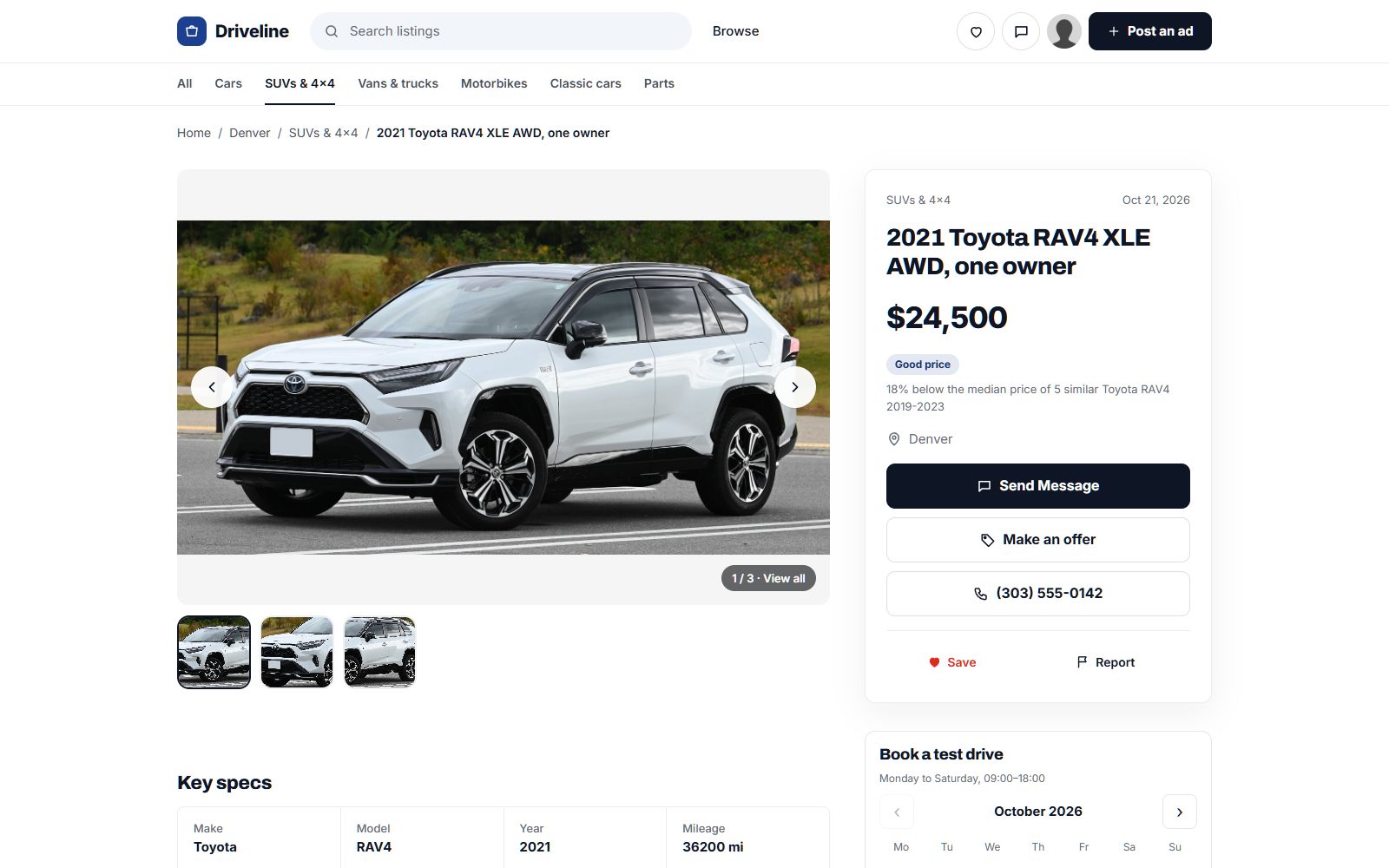
Photo credits
The screenshots show demo sites with made-up sellers. Their photos come from Wikimedia Commons, some cropped or with signs and plates blurred; these ones are under Creative Commons licences:
- Toyota Prius (XW60) Plug-in Hybrid IMG 9905, CC BY-SA 4.0
- Ford Mustang Mach-E GT IAA 2021 1X7A0176, CC BY-SA 4.0
- 1928 Alvis Front Wheel Drive (17355318404), CC BY 2.0
- Red Vespa scooter in front of Rocca Maggiore, Assisi, CC BY-SA 4.0
- Car alternator on a workbench surrounded by various auto parts in a garage setting, CC BY 2.0