
How to build a classic car classifieds website that collectors and restorers trust.
This guide covers how to build a classic car classifieds website for classics, projects and restorations: picking the eras or marques to focus on, the fields collectors check first, how the site earns money, where the first 100 cars come from, how to spot cloned cars and fake listings, which searches to target, and how to launch around show season.
Free for 15 days · No credit card · Plans from $19 a month
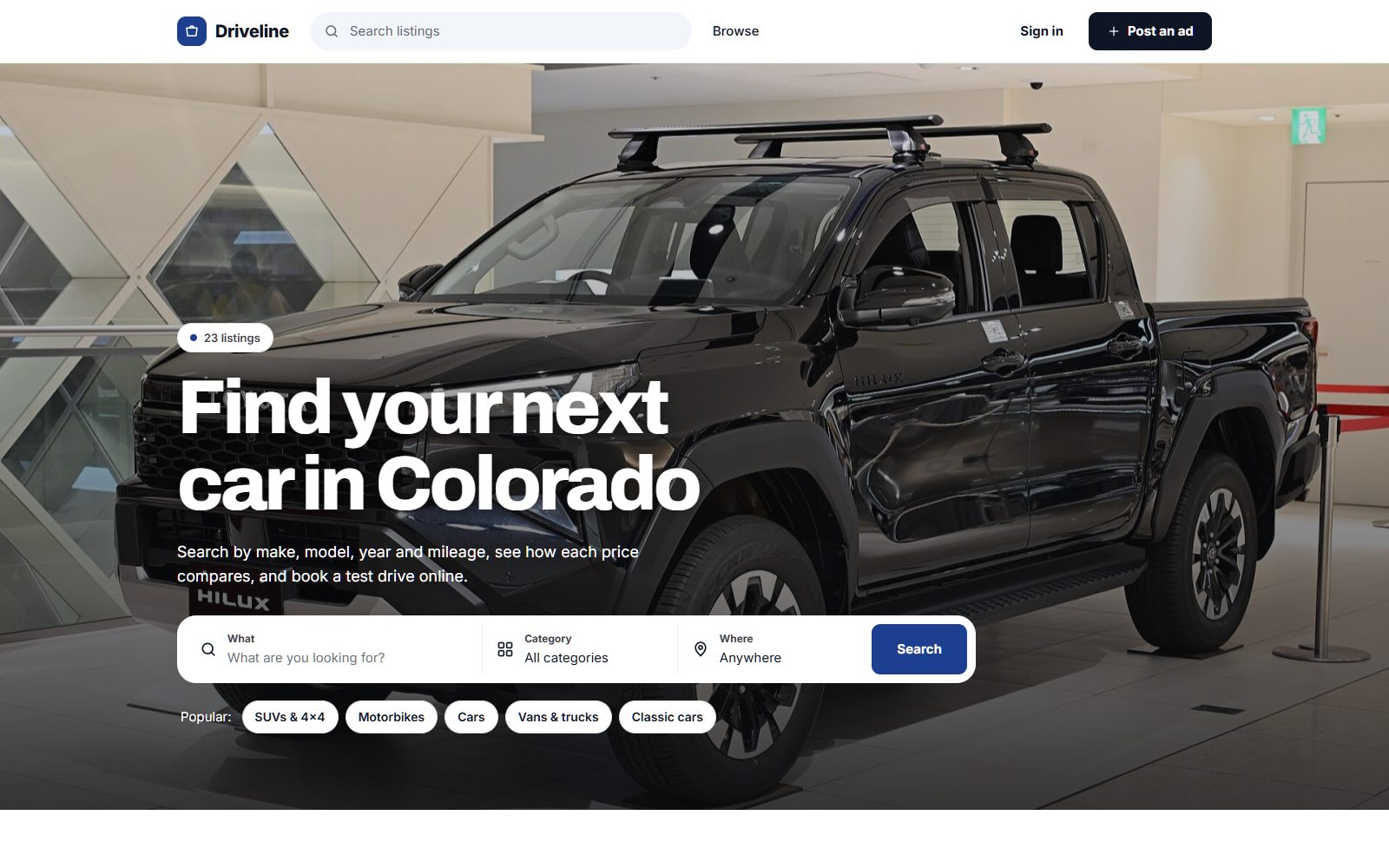
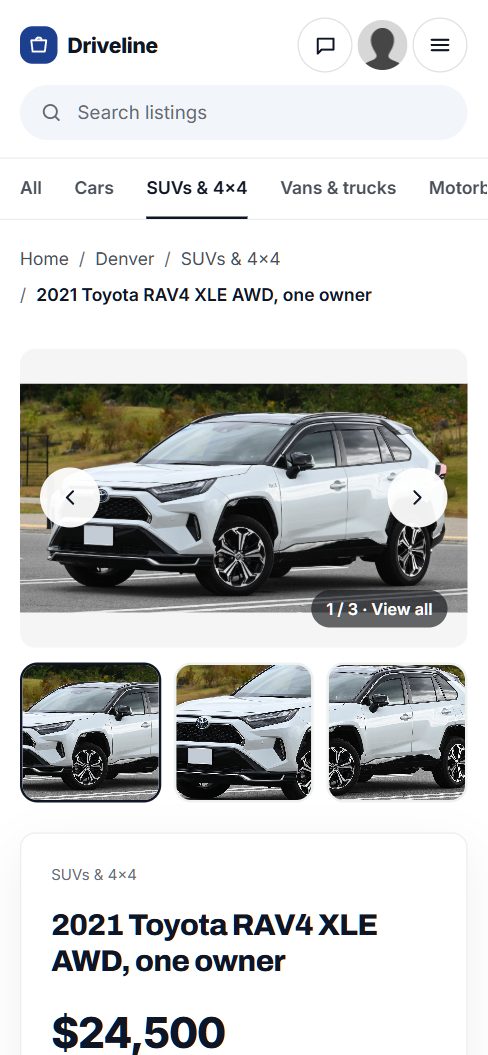
Pick an era, a marque or a kind of car to be known for.
Classic car buyers do not shop like used car buyers. They want a specific model, often a specific year and spec, and they care about originality, history and the quality of the restoration. On a general site a 1967 Mustang fastback sits next to a ten-year-old SUV, with no way to filter for matching numbers or restoration level.
Angles to choose from
- An era: pre-war cars, 1950s American cars, muscle cars, or the 1980s and 1990s cars a younger generation of buyers grew up with.
- A marque or origin: air-cooled Porsches, British sports cars, classic Land Cruisers, vintage Mercedes.
- A condition: projects and barn finds for restorers, or finished cars for buyers who want to drive this summer.
- A region: one country or state, where buyers can inspect cars in person.
Today classics sell through specialist sites such as Hemmings and ClassicCars.com, online auctions such as Bring a Trailer, the large live auctions, marque club magazines and forums, and word of mouth at car shows and cars and coffee meetups. Many owners of mid-value cars and projects find those channels too expensive or too slow, and fall back on Facebook groups.
The narrower your marque or era, the more your site reads like a club. That is what collectors look for.
Structure listings around originality and condition.
Collectors want to know what is original and what has been changed before they look at the price. Keep categories simple, by era or body type, and capture the details that decide value in fields.
- Restoration level as a dropdown: project, driver, restored, survivor, concours, restomod. It is the first filter most buyers use.
- Matching numbers as yes, no or unknown. For many models an original engine and gearbox changes the value a lot.
- Odometer with a choice of actual or unknown, since many old odometers have rolled over or been replaced.
- Documentation as checkboxes: build sheet, original paperwork, service records, restoration photos, heritage certificate.
- Title status: clean title, bill of sale only, salvage, no title. Projects often come without one.
Also ask for make, model, year, body style, engine, transmission and color, and whether the car is right-hand drive, imported or modified. A free text field for known faults, such as rust repairs or a non-original engine, saves buyers and sellers a lot of wasted calls.
| Category | Example listings | Fields buyers filter on |
|---|---|---|
| American classics | Tri-five Chevys, early Mustangs, classic pickups | Make, model, year, engine, matching numbers, restoration level |
| Muscle cars | Camaros, Chargers, GTOs | Engine code, transmission, documentation, matching numbers |
| European classics | MGBs, Porsche 911s, Mercedes SLs, Jaguar E-Types | Model, year, drive side, restoration level, service history |
| Projects and barn finds | Non-running cars, stalled restorations | Runs or not, rust areas, title status, parts included |
| Classic trucks and 4x4s | Early Broncos, Land Cruisers, Land Rovers | Engine, four-wheel drive system, modifications, odometer actual or unknown |
| Parts and memorabilia | Trim, engines, manuals, signs | Fits model, part number, original or reproduction |
Yclas field packs set up cars in one click; add restoration level and matching numbers as dropdowns on top.
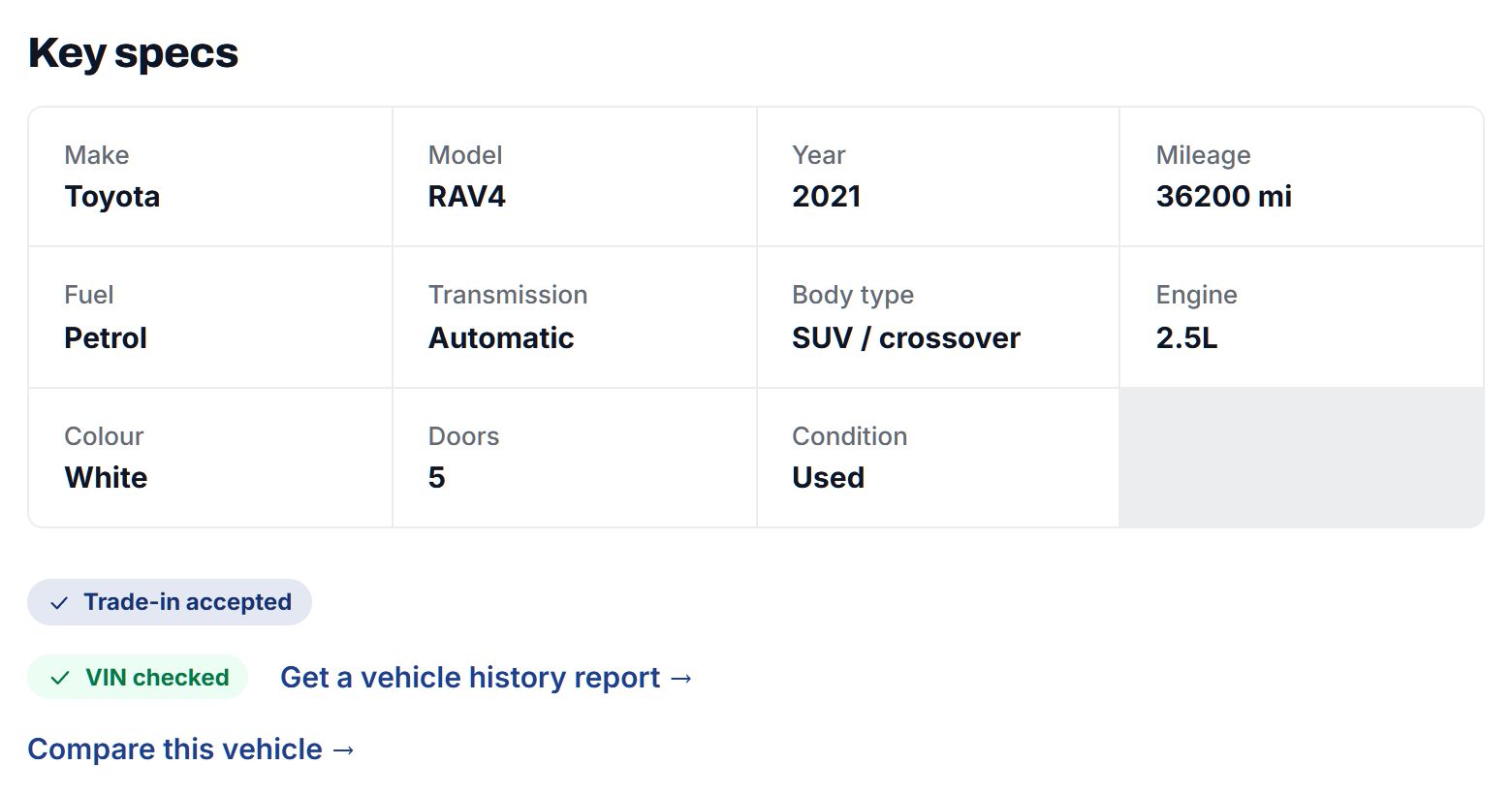
Let sellers pay for attention when the car is worth it.
A classic car listing can be worth a lot to its seller, but the audience has to come first. Keep posting free while you collect cars and buyers, and tell sellers you will start charging only when the site is sending them inquiries.
Specialist dealers and restoration shops are the first natural customers. They sell several cars a year, care about presentation, and usually already pay for listings or auction fees elsewhere. Offer a seller membership with a profile page, a verified badge and room for their whole stock. Featured listings suit private sellers of finished cars, who often want the top of the muscle car or British sports car category for a few weeks.
Auctions with bidding and a Buy now price give sellers a deadline, which can draw serious buyers. They work best for well-photographed cars with history, and less well for projects. Banner spaces suit businesses that serve owners: classic car insurers, restoration and upholstery shops, transport companies and storage.
Auctions create urgency, but they only work once enough bidders visit. Start with fixed price listings.
| Model | Works when | Switch it on |
|---|---|---|
| Free listings | You are building stock and trust | From day one |
| Dealer and restorer memberships | Shops list several cars and parts a month | Once two or three shops post regularly |
| Featured listings | Finished cars compete within popular categories | When muscle or European categories have daily visitors |
| Auctions with bidding and Buy now | Sellers want a deadline and buyers are active | Once you have regular bidders, for documented cars |
| Banner spaces | Insurers, restorers and transporters want owners | When you can show visitor numbers |
Find your first 100 classics through clubs, shops and shows.
Classic cars for sale are spread across many small places. Collect them in one, one source at a time.
- Marque and model clubs. Most have a classifieds section in a newsletter or forum. Offer members a free featured listing and the club a section of its own.
- Restoration shops. They know which customers are selling, and they have finished cars waiting for buyers and projects that stalled. Their photos are often good.
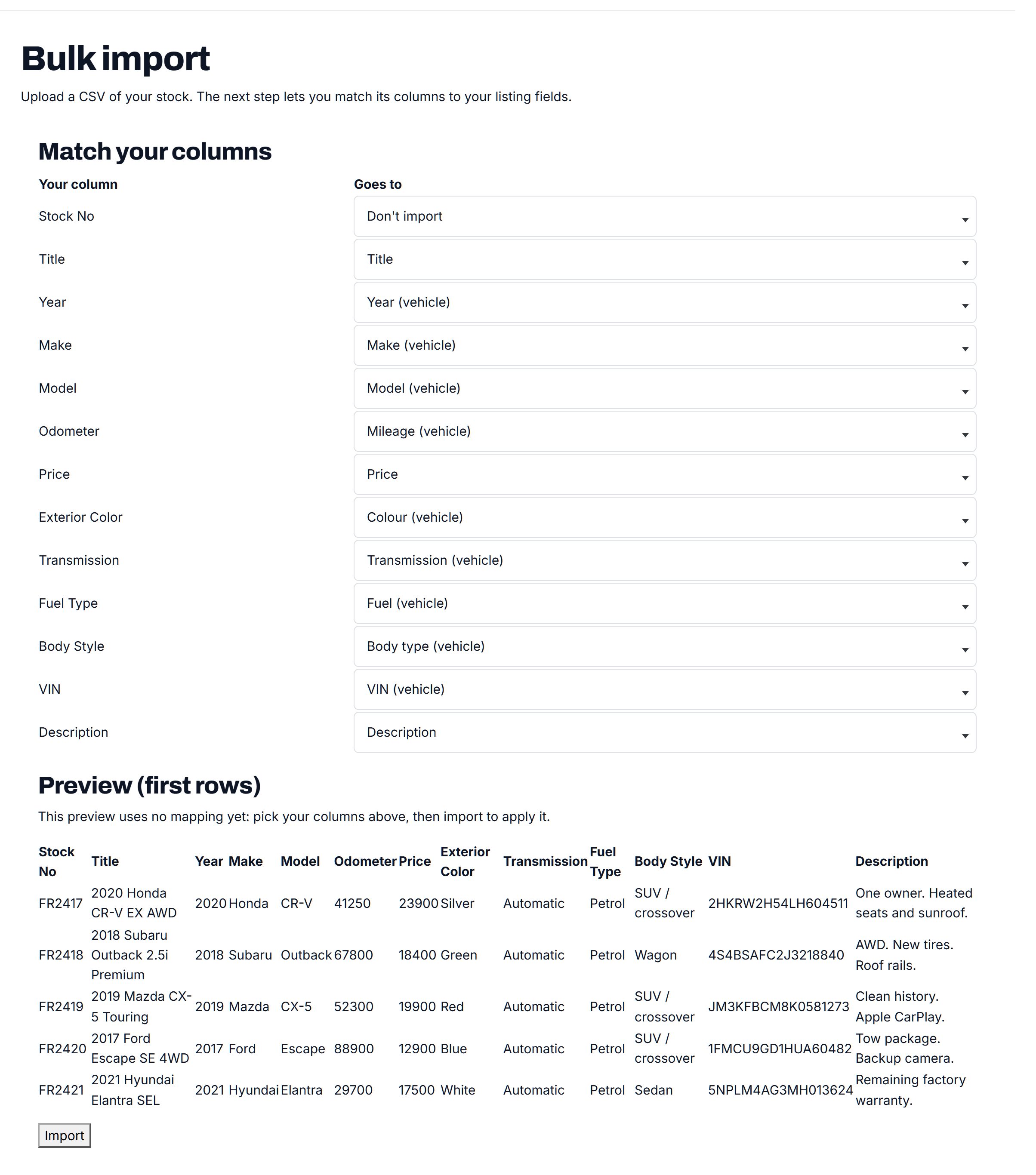
- Classic dealers. Ask for their stock list and import it from a spreadsheet, so their cars appear with every field filled in.
- Car shows and cars and coffee. Walk the show field, look for for-sale signs on dashboards and windshields, and give owners a card that explains how to post.
- Estates and long-time collectors. Families selling a collection need help listing many cars at once. Offer to post them.
- Parts sellers. Owners clearing out spares, manuals and trim bring repeat visits from restorers.
Good photos matter more here than on almost any other classifieds site. Ask for all four sides, the interior, the engine bay, the underside and any rust, and write a photo guide sellers can follow from their garage.
Watch for clones, fake listings and title problems.
Classic cars are a target for a few well-known frauds. The most common online is the fake listing: a desirable car at a tempting price, photos copied from an old sale, and a seller who cannot show it but offers delivery through a "buyer protection" program or a shipping company that turns out to be fake. The money goes and the car never existed.
Other risks are specific to old cars. Clones are ordinary models dressed up as rare versions, with fake badges or swapped VIN plates. Odometers have rolled over. Titles can be missing, from another state, or washed after the car was written off.
How to handle it
- Approve every listing while you are small, and run a reverse image search on new sellers' photos when the price looks too good.
- Ask for the VIN or chassis number on every car and show it on the listing.
- Verify dealers and restorers and give them a verified seller badge.
- Ban the scam phrases you see, and let AI hold suspicious listings for review.
Advice for buyers
See the car in person or send an independent inspector, check that the VIN matches the title and the body, ask for documentation of rare options, and never pay through a protection or shipping service the seller picked. Title and import rules for old vehicles differ by state and country, so check the rules where you operate.
Rank for the model and year searches collectors make.
Collectors search for exact models: "1967 Mustang fastback for sale", "Porsche 912 for sale", "classic Bronco for sale in California", "MGB roadster project", "1970 Chevelle SS 396 for sale". They also search for help: "how to tell a real SS from a clone", "what is a survivor car", "how much is a 1965 Impala worth".
Pages to build
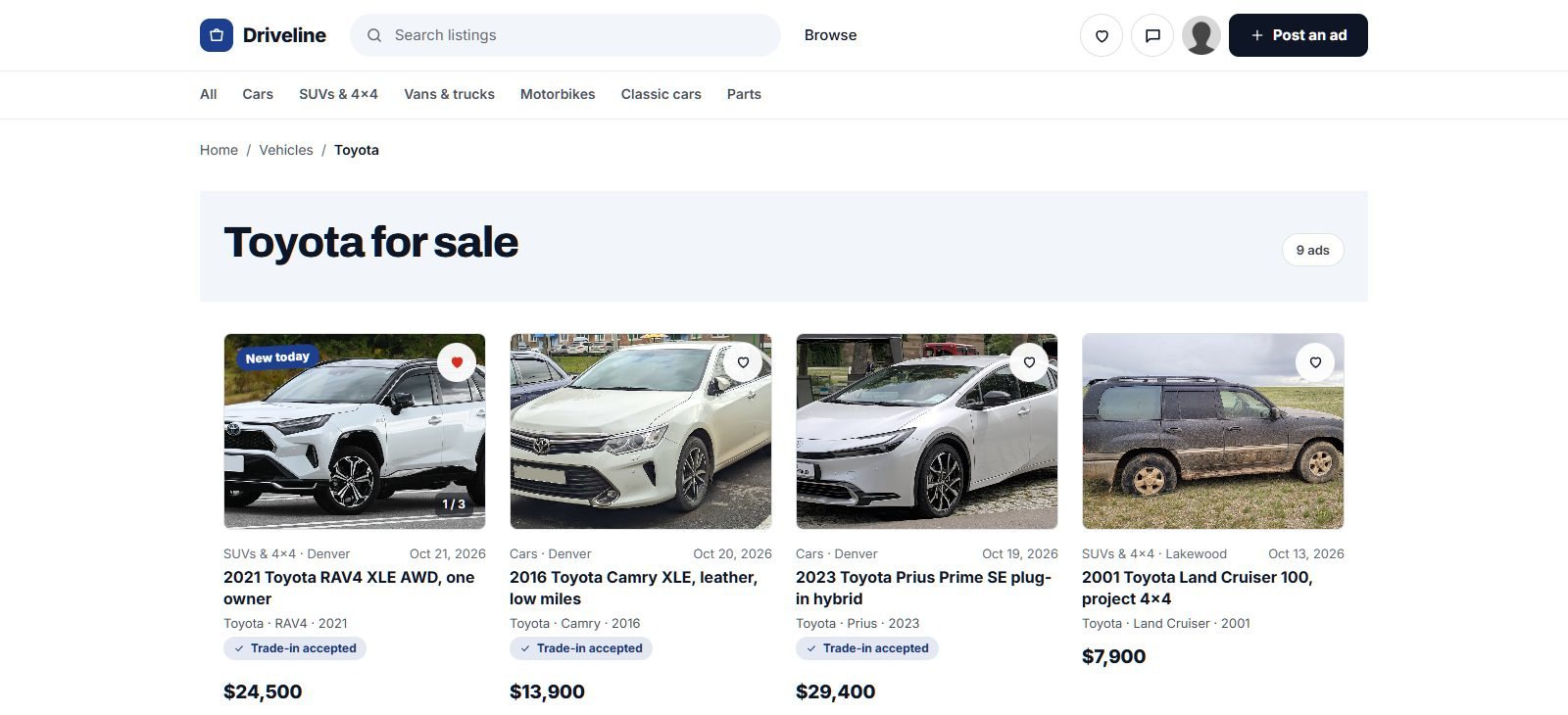
- Model pages for each popular model, with a title pattern like "Classic Ford Mustang for sale" and a short intro on its generations.
- Location pages by state or region, for buyers who want to inspect in person.
- Buying guides per model: rust areas, the options that matter, which numbers to check.
- Price guides built from your own sold listings. Keep sold cars visible with their asking price, marked as sold: collectors use past sales to judge value, and those pages keep collecting search traffic.
Content ideas that bring links from clubs and forums: a guide to restoration levels, a checklist for inspecting a project car, a guide to classic car transport, and short interviews with restorers in your region.
Classic buyers read before they buy. One good buying guide per model is worth writing.
Launch with one club and the show calendar.
Choose your first community: one marque club, one regional car scene or one type of car. Agree with the club that its members get free featured listings for the first months, and ask to announce the site in the newsletter and at the next meeting.
Show season shapes the year in most of the northern hemisphere. Cars come out of storage in spring, shows and cars and coffee run through summer, and big fall events such as the AACA Eastern Fall Meet in Hershey, Pennsylvania draw huge swap meet crowds. Many owners decide to sell in late summer and fall, before another winter of storage. Plan your launch for spring, so listings are in place when buyers are out looking.
Launch checklist
- Restoration level, matching numbers, title status and VIN as required fields.
- At least 100 real cars and parts listings, with photos from every side.
- A buyer safety page about fake listings, clones and shipping scams.
- A photo guide for sellers.
- Model and state pages with their own titles.
- Two partners in place: a club and a restoration shop or classic car insurer.
A worked example: a muscle car site for Michigan and northern Ohio.
Consider Two Lanes Classic Car Board, a made-up site for Michigan and northern Ohio. The area has deep roots in the American car industry, a long winter that keeps classics in storage for months, and a summer full of cruise nights and shows. The site serves buyers of American muscle cars and classic trucks from the 1960s and 1970s, along with the restorers, parts hoarders and club members who surround them.
Categories
- Muscle cars, 1964 to 1974
- GM: Chevrolet, Pontiac, Oldsmobile and Buick
- Ford and Mercury
- Mopar: Plymouth and Dodge
- Classic trucks
- Projects and barn finds
- Parts, literature and memorabilia
How it started
The founder restores Mopars in his spare time and belongs to two regional clubs. Each spring he watched members try to sell finished cars through the club newsletter, which came out every other month, or on general sites where they fielded lowball offers and obvious scam messages. He offered both clubs a free section with featured listings for members in the first season, and spent three weekends at cruise nights photographing cars with for-sale signs, with the owners' permission. By the start of June the site held 80 cars and about 150 parts listings. Most of the parts came from one retired restorer clearing out a garage, which gave restorers a reason to check the site every week.
Restoration level, matching numbers, title status and the VIN are required on every car. A free text field called known issues asks sellers to mention rust repair, replaced panels or a non-original engine, and the founder rejects listings where the photos clearly show something the text does not admit. That rule cost him a few listings early on, and it is the reason club members now recommend the site to each other.
How it makes money
Private sellers list free. Two restoration shops and a classic dealer pay a monthly membership for their stock, a profile page and a verified badge. Private owners buy featured listings in April and May, when buyers are looking for something to drive that summer. A classic car insurer and an enclosed transport company rent banner spaces. In the second year the site began running auctions with bidding and a Buy now price for well-documented cars, once enough regular buyers were visiting to make bidding worthwhile.
In a region with a car culture of its own, the club calendar can be your marketing plan.
| Sample listing | Asking price | Key details |
|---|---|---|
| 1969 Chevrolet Camaro RS coupe | $58,000 | 350 V8, automatic, engine not original, restored in 2012, clean title |
| 1970 Plymouth Road Runner | $72,500 | 383 V8, four-speed, matching numbers, broadcast sheet, driver-level restoration |
| 1966 Ford Mustang coupe project | $9,800 | 289 V8 not running, floor pans rusted through, title in hand, boxes of parts included |
| 1972 Ford F-100 Ranger | $24,000 | 360 V8, mostly original paint, odometer shows 61,000 with actual mileage unknown |
| Pair of door panels for 1967 to 1968 Camaro | $350 | Original GM, black, light wear, pickup at a summer show near Detroit |
Two Lanes Classic Car Board and these cars are fictional, made up to show the fields in use.
Your first 90 days with a classic car site.
The first 90 days of a classic car site are about earning a reputation in a small world. Collectors talk to each other at shows, in club meetings and on forums, and a new site gets judged quickly on two questions: are the cars real, and are the listings honest about condition? Spend the quarter making sure the answer to both is yes, even if that means fewer listings at first.
Time your start if you can. Launching in late winter gives you a few quiet weeks for setup and club conversations before cars come out of storage. Launching in high summer means you can collect listings fast at shows but have less time for guides and the safety page. In either case, set aside time every week to talk to sellers on the phone. Classic owners often want to tell the story of their car, and those conversations are how you learn which cars are coming up for sale before they are listed anywhere. Keep notes on who owns what, because many sellers decide over months, not days.
By day 90 you want a site that one club treats as its own, with at least 100 honest listings and a few early buyers who have already found a car on it.
| Weeks | Focus | Done when |
|---|---|---|
| 1-2 | Pick the era, marque or region, set up categories and condition fields | Restoration level, matching numbers, title status and VIN are required, and a sample listing has photos from every side |
| 3-4 | First club partnership | One club has agreed to a members' section and announced the site in its newsletter or at a meeting |
| 5-6 | Restoration shops and dealers | Two shops or dealers have sent their stock, and 40 or more cars are live |
| 7-8 | Safety page and photo guide | Advice on fake listings, clones and transport scams is published, along with a photo checklist for sellers |
| 9-10 | Shows and cruise nights | You have attended three events, handed out cards and added at least 30 cars from owners you met |
| 11 | First buying guides | Two model buying guides are live and shared with the partner club |
| 12 | Review and first paid offer | 100 cars and parts are live, and the busiest shop has been offered a membership |
Pick a way to build the classic car site.
A classic car site needs less unusual software than some niches, but it does need a few things done well: large, sharp photo galleries, condition fields that work as filters, a way to keep sold cars visible, and, later, auctions. Weigh the three main routes against those needs.
Commissioning a custom build lets you design everything, including features like a registry of known cars by VIN or a detailed history page per car. That suits a founder with funding and a clear idea of a feature collectors will pay for. For most new sites, the months of development delay the work that actually builds the audience: clubs, shows and listings.
Running a classifieds script or WordPress plugin on your own hosting gives control at a lower starting cost. Look closely at photo handling, since collectors expect many large images per car, and at whether sold listings can stay online. You also take on updates, backups, spam and security, which compete with weekends at shows for your time.
Using a hosted builder such as Yclas means the categories, condition fields, seller profiles, moderation and paid extras are ready, and someone else runs the servers. You give up some freedom over how pages work, so check that the photo galleries and fields suit the cars you plan to list. Ask, too, whether auctions with bidding are available for when you are ready for them, so you will not need to move platforms later.
Collectors care about the cars and the honesty of the listings far more than about the software behind them.
| Route | Fits when | Watch out for |
|---|---|---|
| Custom build | You have funding and a feature collectors will pay for, such as a VIN registry | Months of work before the first listing, and ongoing development costs |
| Script or plugin on your own hosting | You like owning the code and have someone to look after the hosting | Photo galleries that shrink images, sold listings that vanish, and maintenance during show season |
| Hosted builder | You want to spend your time at shows and with clubs | Check photo handling and condition fields against the cars you will list |
What a classic car classifieds site costs to run.
The software is the smallest part of the bill. Most of the cost is your time in the first months: finding the first listings, answering questions and checking what gets posted.
Expect to spend during show season: entry or vendor fees at car shows and swap meets, printed cards, and travel to clubs and shops. Some founders also pay a photographer to shoot the first listings well, which sets the standard for every seller after them.
| Cost | Typical range | On Yclas |
|---|---|---|
| Domain | $10 to $20 a year | Your own, with SSL included |
| Software and hosting | $0 to $100+ a month, plus plugins and updates | Starter $19 a month, Professional $99 |
| Design | $0 to $100 for a theme, or a designer | 109 looks included |
| Payment fees | About 3% per payment | Your Stripe or PayPal fees; Yclas takes nothing |
| Your time | 5 to 10 hours a week at the start | Finding listings, moderation, support |
Mistakes that sink classic car sites.
- Letting condition be described in adjectives. "Beautiful", "solid" and "must see" tell a collector nothing. Ask for restoration level from a fixed list and a known issues field, and refuse listings that leave both empty. Buyers who drive two hours to see a car described as solid and find rotten floors do not come back.
- Accepting cars without a VIN. A listing with no VIN or chassis number cannot be checked against the title or a model registry, and it is the easiest kind for a scammer to post. Make it required, and show it on the listing.
- Taking low-quality photos as normal. A classic with four blurry pictures loses to one with forty clear ones, and it drags down the look of the whole site. Publish a photo guide, ask for the underside and the rust, and help your first sellers reshoot. An afternoon spent with an owner and a phone camera often turns a car nobody asked about into one that sells.
- Starting with auctions. An auction with two bidders sells cars below their value, and sellers remember who cost them money. Run fixed price listings until regular buyers are visiting, then add auctions for documented cars with a reserve or a Buy now price that protects the seller.
- Spreading across every era and marque. A site with three Model As, two Corvettes and a Datsun looks random to everyone. Pick an era, a marque or a region and fill it before you widen.
- Missing the show calendar. Owners decide to sell at shows, in conversations, and in the weeks after the season ends. If you are not at the events in your region, the cars sell to someone who was. Put the big shows, swap meets and cruise nights in your calendar before the season starts.
- Removing sold cars. Collectors judge value by what similar cars have asked and sold for. Keep sold listings online, marked as sold, and turn them into price guides for each model. Those pages often become the ones forums link to when someone asks what a car is worth.
- Treating clubs as a channel to use once. A club that sees its members get serious buyers will mention the site in every newsletter. Give the club a section, featured slots for members and credit in your guides, and report back each season on how many of its members sold through you.
- Promising to arrange shipping or hold payments. Taking on transport or buyers' money makes you part of the deal, with the risks and rules that come with it. Point buyers to transport companies and inspectors they choose, and check the rules where you operate before handling money.
Classic car terms a founder should know.
Sellers and collectors will expect you to know these terms without asking.
| Term | What it means |
|---|---|
| Matching numbers | The engine, transmission and sometimes the axle are the ones the car left the factory with, confirmed by stamped codes. |
| Survivor | An unrestored car that has kept most of its original paint, interior and parts. |
| Restomod | A classic restored with modern parts such as a newer engine, brakes or air conditioning. |
| Concours | A restoration to show standard, judged against how the car looked when new. |
| Driver | A car in good enough condition to use and enjoy, with flaws that would cost points at a show. |
| Clone | An ordinary model altered to look like a rarer, more valuable version. |
| Tribute | A car built to resemble a rarer version and openly sold as such, not as the real thing. |
| Broadcast sheet | A factory document listing a car's options, often found under seats or behind panels. |
| Build sheet | A factory record of how a specific car was built, used to prove options and originality. |
| Barn find | A car discovered after years in storage, usually needing a full restoration. |
| Numbers-correct | Parts with the right codes and dates for the car, but not the ones it was built with. |
| Frame-off restoration | A restoration where the body is removed from the frame so every part can be restored. |
| Bill of sale only | A car sold without a title, which some states make hard to register. |
| Reproduction part | A newly made copy of an original part, usually cheaper and accepted on drivers but not on concours cars. |
The same steps for a classic car classifieds site on Yclas.
- Describe your nicheThe setup wizard writes the categories, an About page and example listings from one sentence.
- Add fieldsSwitch on a field pack or add the fields your buyers filter on.
- Fill itImport dealer spreadsheets, invite sellers and post your own.
- Set the rulesChoose moderation, banned words and AI checks.
- Go liveChoose a plan, connect your domain, switch on paid listings when it is time.
How much does it cost to start a classic car classifieds website?
Hosted software and a domain for a classics site cost little each month. Most of the real cost is time and travel to shows, clubs and restoration shops.
Should I run auctions or fixed price listings?
Start with fixed price, since auctions need several active bidders per car. Add auctions with a Buy now price later, for well-documented cars.
How do I compete with Hemmings and Bring a Trailer?
Pick a marque, era or region they serve less closely, keep listing free for private sellers, and build a club feel with guides and local events.
Do I need a dealer license to run a classic car site?
Running a site where owners list their own cars is different from selling cars yourself, but rules vary. If you plan to sell cars on consignment or handle buyers' money, check the rules where you operate.
How do I stop fake listings of cars that do not exist?
Approve new sellers' listings, check photos when the price looks low, ask for the VIN, and warn buyers never to pay through a shipping or protection service chosen by the seller.
Should I allow projects and parts?
Yes. Projects and parts bring restorers back every week, and today's project buyer is tomorrow's seller of a finished car.
When should I start charging?
When sellers report inquiries from the site. Start with memberships for dealers and restorers and featured listings, and keep private posting free until then.
How should I handle cars with no title?
Allow them only if sellers state it clearly in a title status field. Registering a car without a title is easy in some states and hard in others, so tell buyers to check the rules where they live before paying.
Should I allow restomods and modified cars?
Yes, but give them a restoration level of their own so purists can filter them out. Restomods have a large and growing audience, and many shops that build them are good candidates for memberships.
Do I need my own photographer?
Not for every car, but paying for well-shot first listings sets the standard for everyone who follows. After that, a clear photo guide and some patient feedback to sellers usually do the job. A short video walkaround, shot on a phone, also helps distant buyers decide whether to travel.
How do I check whether a car is a clone?
You usually cannot from photos, and you should not claim to. Ask for the VIN, build or broadcast sheets and documentation of rare options, and tell buyers to have a marque expert inspect anything sold as a rare version.
Should parts and literature have their own section?
Yes. Restorers hunt for trim, manuals and original parts all year, and those listings bring them back between car purchases. Ask whether a part is original or reproduction, since restorers price the two very differently.
Related pages.
The parts of Yclas this leans on.
You have the plan. Now build your classic car site.
Describe your site in a sentence and the setup wizard writes the categories, example listings and a look. Free for 15 days, no credit card.
Start my classifieds site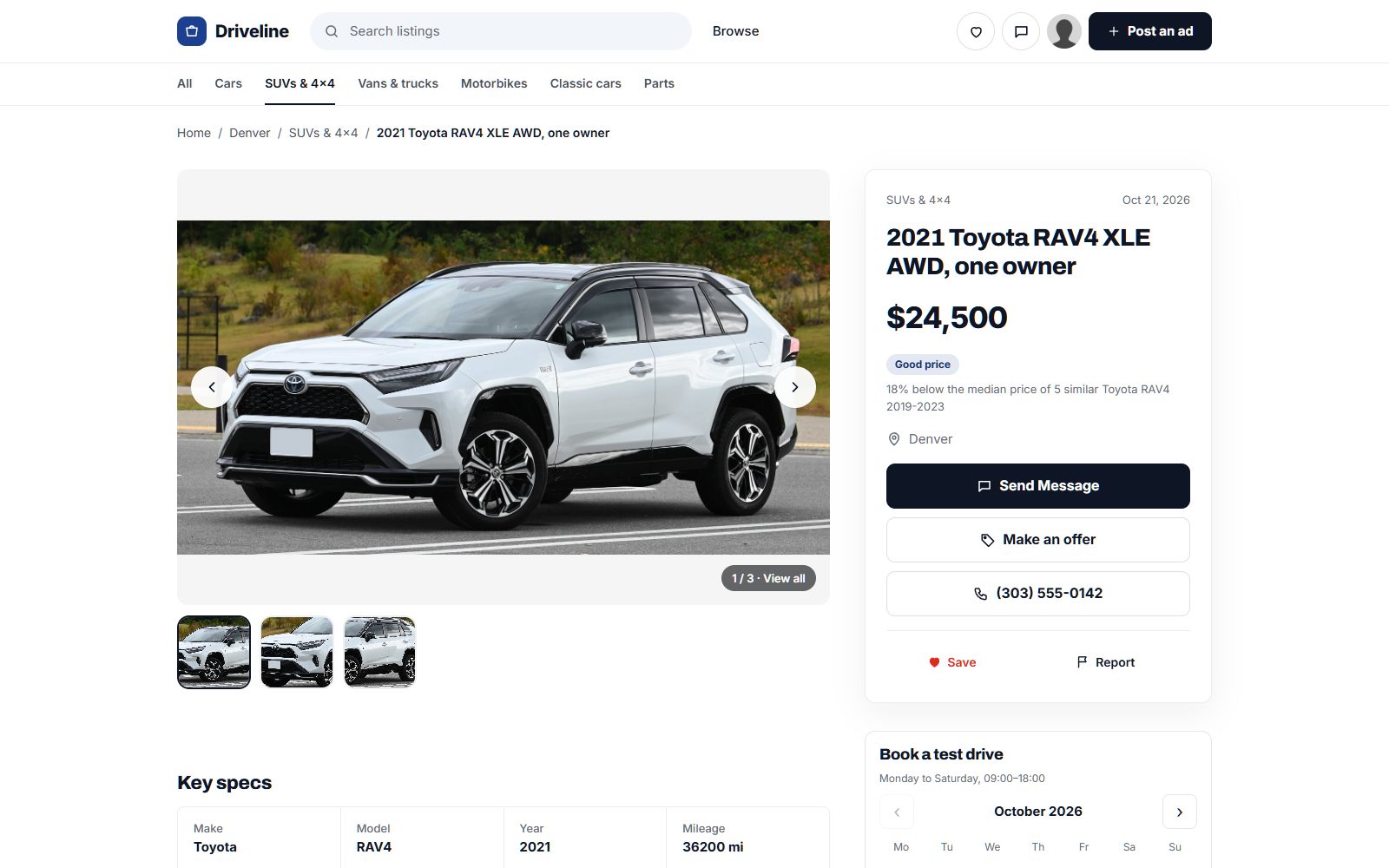
Photo credits
The screenshots show demo sites with made-up sellers. Their photos come from Wikimedia Commons, some cropped or with signs and plates blurred; these ones are under Creative Commons licences:
- Toyota Prius (XW60) Plug-in Hybrid IMG 9905, CC BY-SA 4.0
- Ford Mustang Mach-E GT IAA 2021 1X7A0176, CC BY-SA 4.0
- 1928 Alvis Front Wheel Drive (17355318404), CC BY 2.0
- Red Vespa scooter in front of Rocca Maggiore, Assisi, CC BY-SA 4.0
- Car alternator on a workbench surrounded by various auto parts in a garage setting, CC BY 2.0