
How to build an RV classifieds website campers come back to.
This guide covers running an RV and camper classifieds site: picking a region, RV class or buyer type, the fields RV buyers filter on, from length to sleeping capacity, how dealers and owners pay, where the first 100 RVs come from, water damage and deposit scams, the searches to rank for, and a launch timed to RV show season.
Free for 15 days · No credit card · Plans from $19 a month
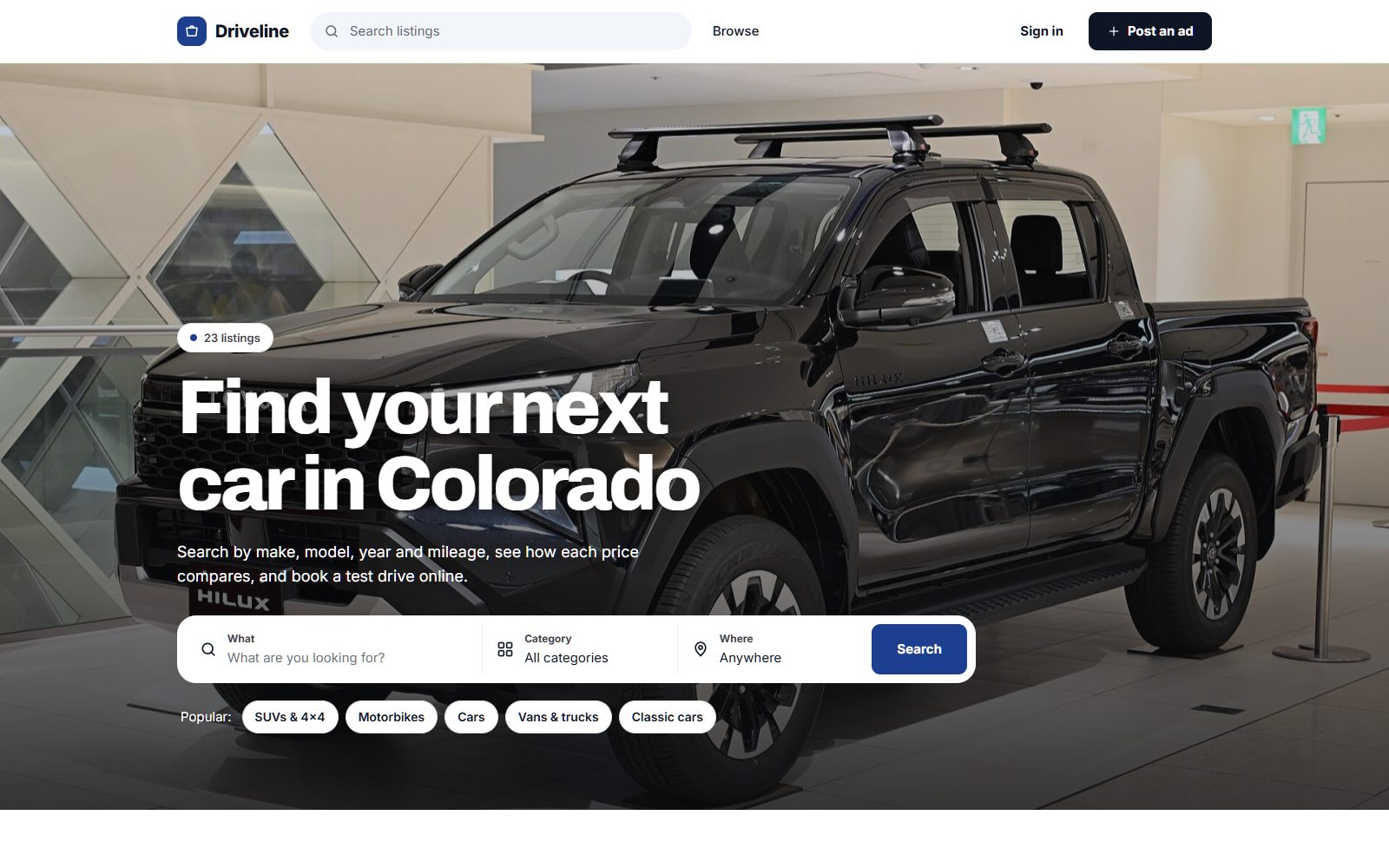
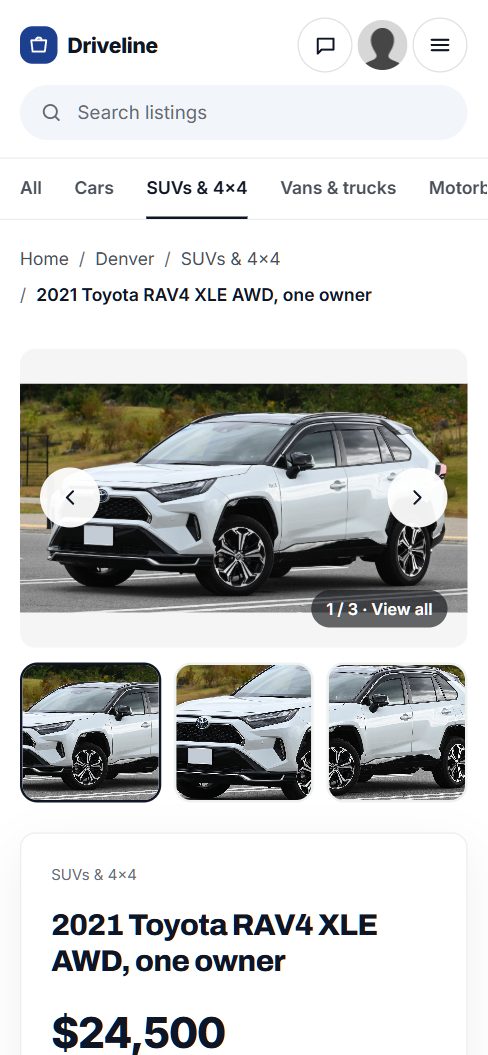
Serve RV buyers whose questions general sites cannot answer.
An RV buyer is buying a vehicle and a small home at once. They need to know whether it sleeps six, whether their pickup can tow it, how long it is, and whether it has a slide-out. On a general buy-and-sell site those answers are buried in descriptions, if they are there at all.
Choose your angle
- A region: RVs are usually bought within driving distance, because buyers want to walk through them first. A state or a cluster of states works well.
- A type: camper vans, truck campers, vintage trailers, toy haulers, or fifth wheels for full-time living.
- A buyer type: first-time families, retirees and snowbirds, full-timers, or weekend campers who want something light enough to tow with an SUV.
- Sales plus rentals: many owners rent out their RV when they are not using it, and many buyers rent before they buy.
RVs already change hands at dealer lots, consignment dealers, RV shows, campgrounds with a "for sale" sign in a window, owner forums for specific brands, and Facebook groups for full-timers and van lifers. Each of those is a place to find your first sellers, and each is frustrating for buyers who want to compare rigs side by side.
The best RV sites answer "will this fit my life" before the buyer has to message anyone.
Use the RV classes buyers know and filter on length and sleeps.
RV buyers already use the industry's classes, so use them as categories: Class A, Class B, Class C, travel trailers, fifth wheels, toy haulers, pop-ups and truck campers. Keep it to one level and put the rest into fields.
- For every RV: make, model, year, length, sleeps, number of slide-outs, price and location.
- Motorized RVs: chassis (for example Ford, Freightliner or Mercedes Sprinter), engine, fuel type, mileage and generator hours.
- Towables: dry weight (unloaded vehicle weight), GVWR and hitch weight, so buyers can check them against their tow vehicle's ratings.
- Layout and features: bunkhouse, rear kitchen, front bedroom, outdoor kitchen, solar, and whether it is set up for four-season use.
- Condition: roof type and last reseal date, any known water damage, and whether the RV has been stored under cover.
Weight fields matter more than they look. A family that buys a trailer their SUV cannot safely tow will not trust your site again. Make dry weight a required number on every towable, and remind buyers to check their own vehicle's limits.
| Category | Example listings | Fields buyers filter on |
|---|---|---|
| Class A motorhomes | Gas coaches and diesel pushers | Length, slide-outs, fuel, mileage, chassis |
| Class B and camper vans | Sprinter, Transit and ProMaster conversions | Chassis, 4x4, sleeps, solar, bathroom |
| Class C motorhomes | Cab-over motorhomes, Super C | Length, sleeps, mileage, generator hours |
| Travel trailers | Bunkhouses, couples' trailers, lightweight trailers | Dry weight, length, sleeps, slide-outs |
| Fifth wheels and toy haulers | Full-time fifth wheels, garage toy haulers | Hitch weight, garage length, slide-outs, GVWR |
| Pop-ups and truck campers | Folding campers, slide-in truck campers | Weight, fits truck bed, sleeps |
On Yclas, custom fields can be numbers, dropdowns, checkboxes or dates and are shown as search filters, so buyers can filter on length, sleeps and dry weight.
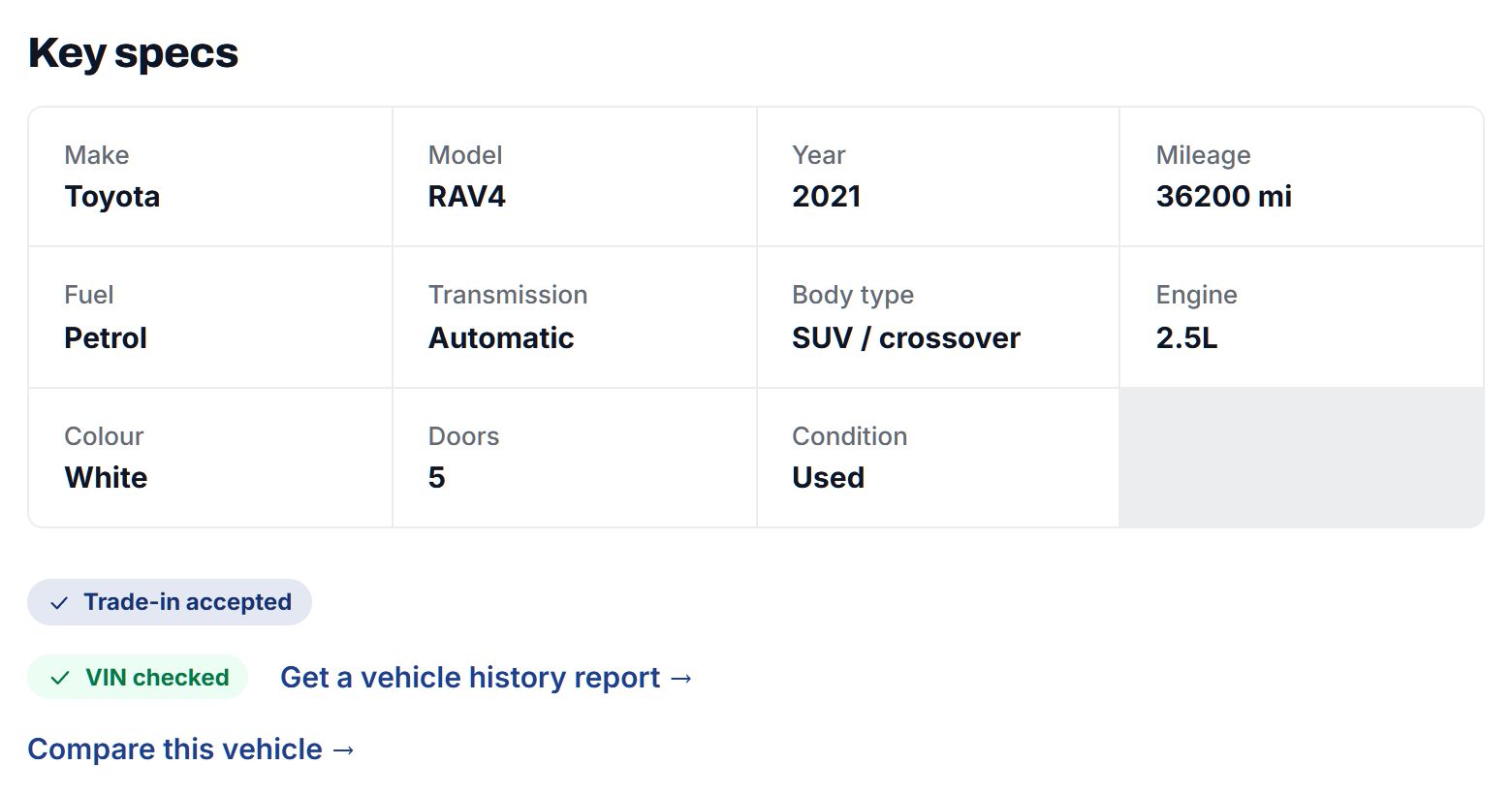
Combine dealer fees, featured listings and rentals.
RV sales are high-value and seasonal, and many RV owners want income from a rig they use a few weeks a year. That gives an RV site more ways to earn than most vehicle niches.
- Free posting at the start, for owners and dealers alike, so you reach a full first season.
- Featured listings in spring, when families shop for summer, and in late summer, when owners want to sell before storage fees start.
- Dealer and consignment memberships: consignment dealers sell owners' RVs for a fee, and they pay for places to show them.
- Rentals: owners can list their RV for rent with a booking calendar (on the Marketplace plan), prices per day or week and a deposit, and renters pay on the site.
- Banner spaces: RV storage lots, mobile RV technicians, inspectors, campgrounds and RV insurance agents all want to reach owners and buyers.
Rentals bring something beyond income: renters who like a rig become buyers of one. Show rental and sale listings for the same RV class next to each other, so a family that rented a Class C last summer finds the one to buy on your site.
| Model | Works when | Switch it on |
|---|---|---|
| Featured listings and bumps | Spring and late-summer buyers compare many rigs | Your first spring with full categories |
| Dealer and consignment memberships | Lots get messages from your buyers | When you can report leads per dealer |
| Rentals with deposits | Owners want income and renters want to try first | Once insurance and rental rules are clear |
| Banner spaces | Storage lots, RV techs and campgrounds want owners | When you can show RV owners visit monthly |
| Pay to post motorhomes | Your site is a known place to sell RVs locally | After a full season of steady enquiries |
Find the first 100 RVs at lots, campgrounds and storage yards.
RVs sit still for most of the year, often in the same few places. That makes sellers easier to find than you might expect.
- Consignment and used RV dealers: they hold owners' RVs and want more buyers. Ask for their inventory as a spreadsheet and bring it in as a CSV import.
- RV storage lots: many stored rigs belong to owners who rarely use them. Ask the lot owner to put up a flyer or pass on a note.
- Campgrounds and RV parks: seasonal sites often have RVs for sale on the spot, and park managers know who is selling.
- Brand owner clubs and rallies: Airstream, Winnebago and other brand clubs have members upgrading and selling all the time.
- Full-timer and van life groups: people coming off the road sell everything, rig included.
- Mobile RV technicians and inspectors: they see owners getting a rig ready to sell.
Walkthrough photos sell RVs: the floor plan, the bed, the bathroom, the roof. Show a short photo checklist on your posting page, and help the first sellers get theirs right.
An RV listing without a floor plan photo and the length gets questions instead of visits.
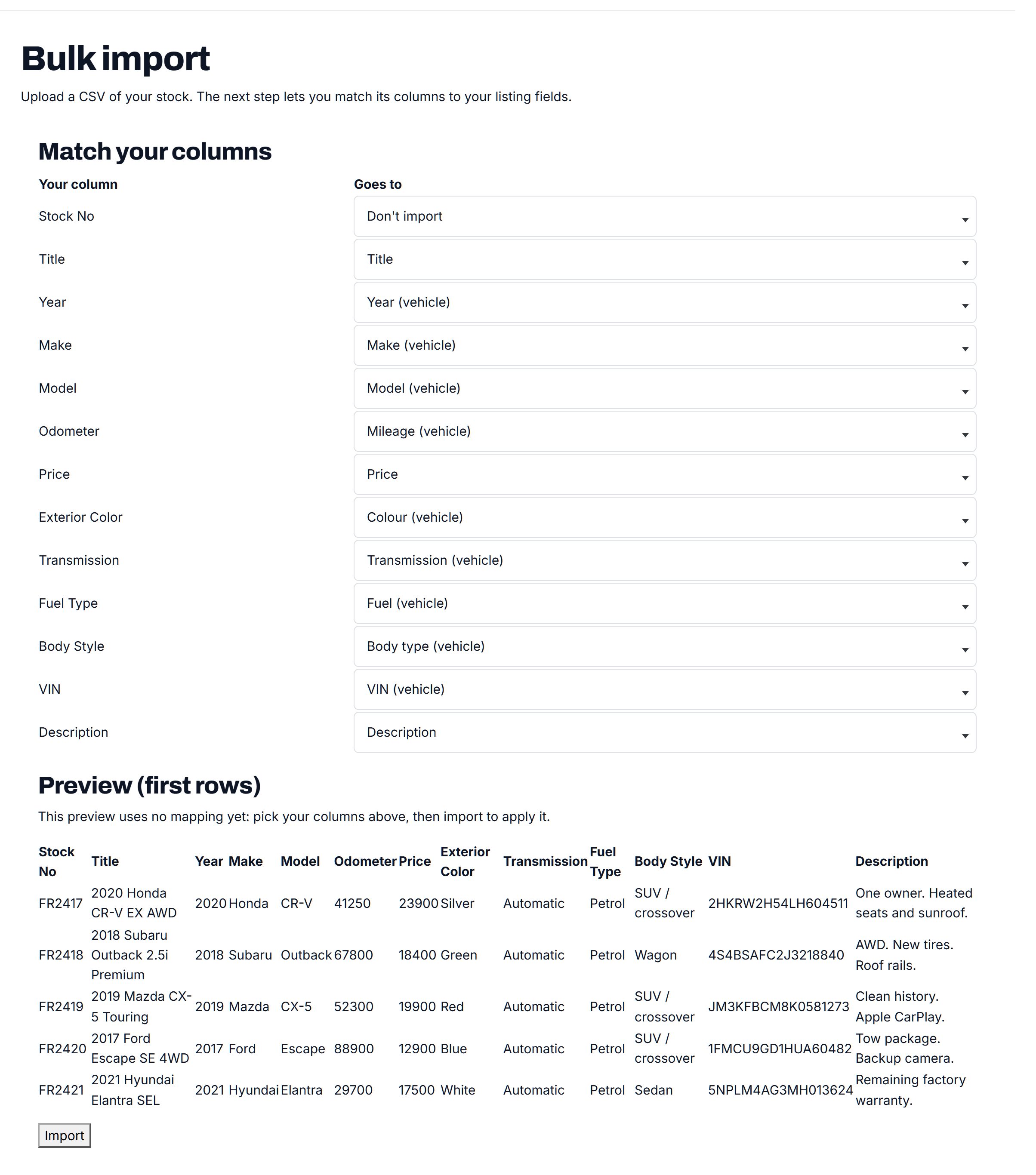
Plan for water damage, fake rigs and rental disputes.
RVs are expensive, hard to inspect and often sold far from where the buyer lives. That mix brings predictable problems.
- Fake listings with a story: a nearly new motorhome at a low price, an owner who is deployed or overseas, and a request to pay a shipping or escrow company. The RV does not exist.
- Hidden water damage: soft floors, delaminated walls and rotten roof decking that a fresh coat of sealant hides. It is among the most expensive problems in a used RV.
- Liens and titles: many RVs are financed over long terms, and an owner may owe more than the sale price.
- Rental problems: damage, late returns, disputes over deposits, and insurance that may not cover renting to strangers.
Rules and safety advice
- Require the VIN and approve listings by hand at first. Hold new accounts posting late-model RVs far below the going price.
- Ask sellers to disclose known leaks and roof repairs, and make that a field on the listing.
- Publish a buyer guide: walk through in person, press for soft spots on floors and walls, ask for roof and seal records, consider an independent RV inspection, and confirm there is no lien before paying.
- For rentals, ask owners to confirm their insurance covers renting, and set clear deposit and damage rules.
Rules on rental insurance, sales tax and registration differ by state and country, so check the rules where you operate before you allow rentals.
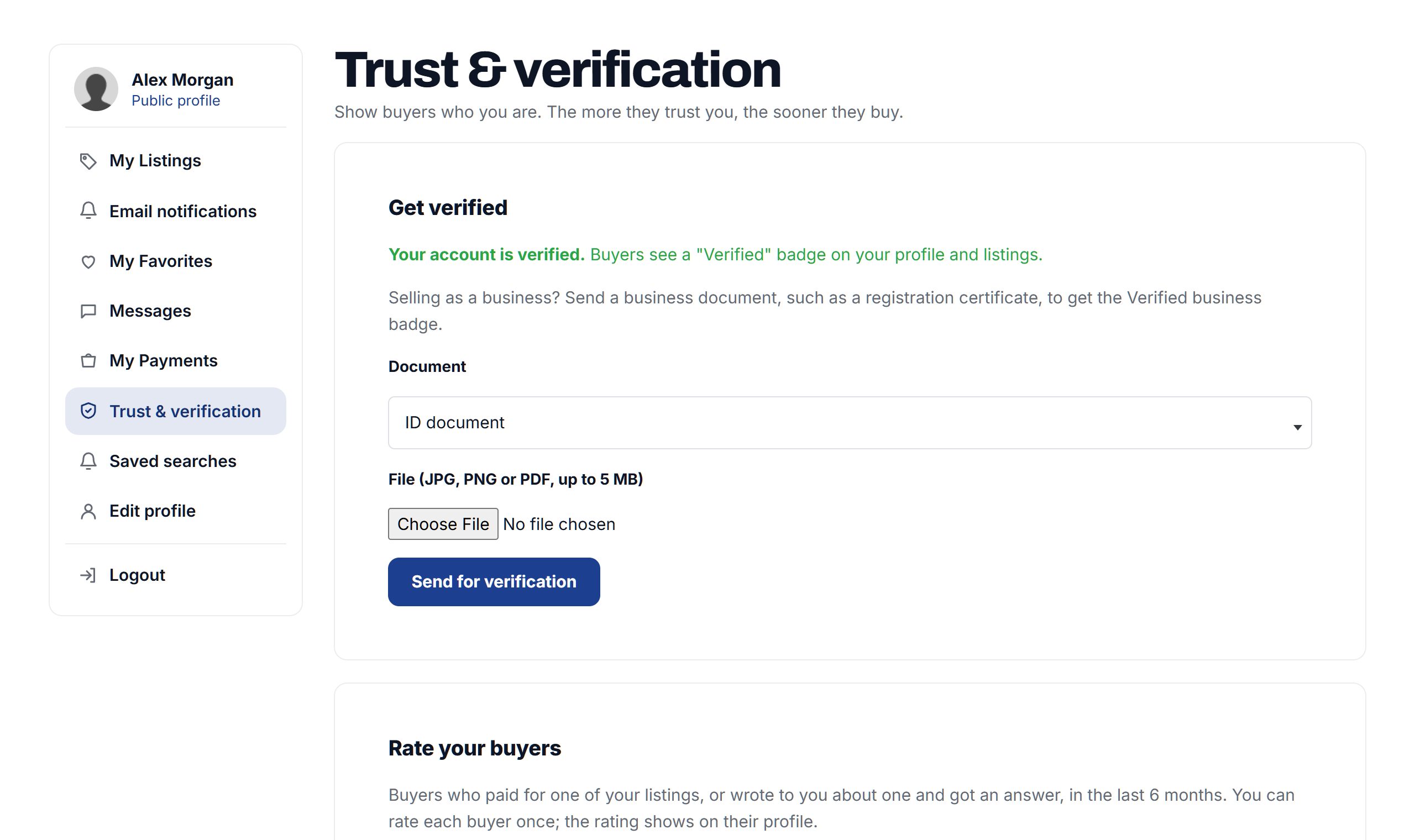
Rank for the RV searches families and snowbirds type.
RV searches mix type, size, brand and place: "used travel trailer for sale under 5000 lbs", "Class C RV for sale by owner", "Airstream for sale Florida", "bunkhouse travel trailer for sale", "camper van for sale near me". Most include something a general site cannot filter on, which is your advantage.
Pages that rank and convert
- Class and location pages: fifth wheels in your state, camper vans in a city.
- Layout pages: bunkhouses, rear kitchens, couples' coaches, which match how families search.
- Towing pages: travel trailers under a set dry weight, or trailers a half-ton pickup may tow, with a note to check the vehicle's own ratings.
- Buying guides: how to inspect a used RV for water damage, Class A versus Class C, what dry weight and GVWR mean, and what to ask a consignment dealer.
- Price and season guides: when RV prices drop, and what a ten-year-old travel trailer sells for in your region, from your own listings.
Put year, make, model, length and floor plan type in every title. RV buyers research for months before buying, so guides bring them back many times, and saved searches with email alerts tell them when the right rig appears.
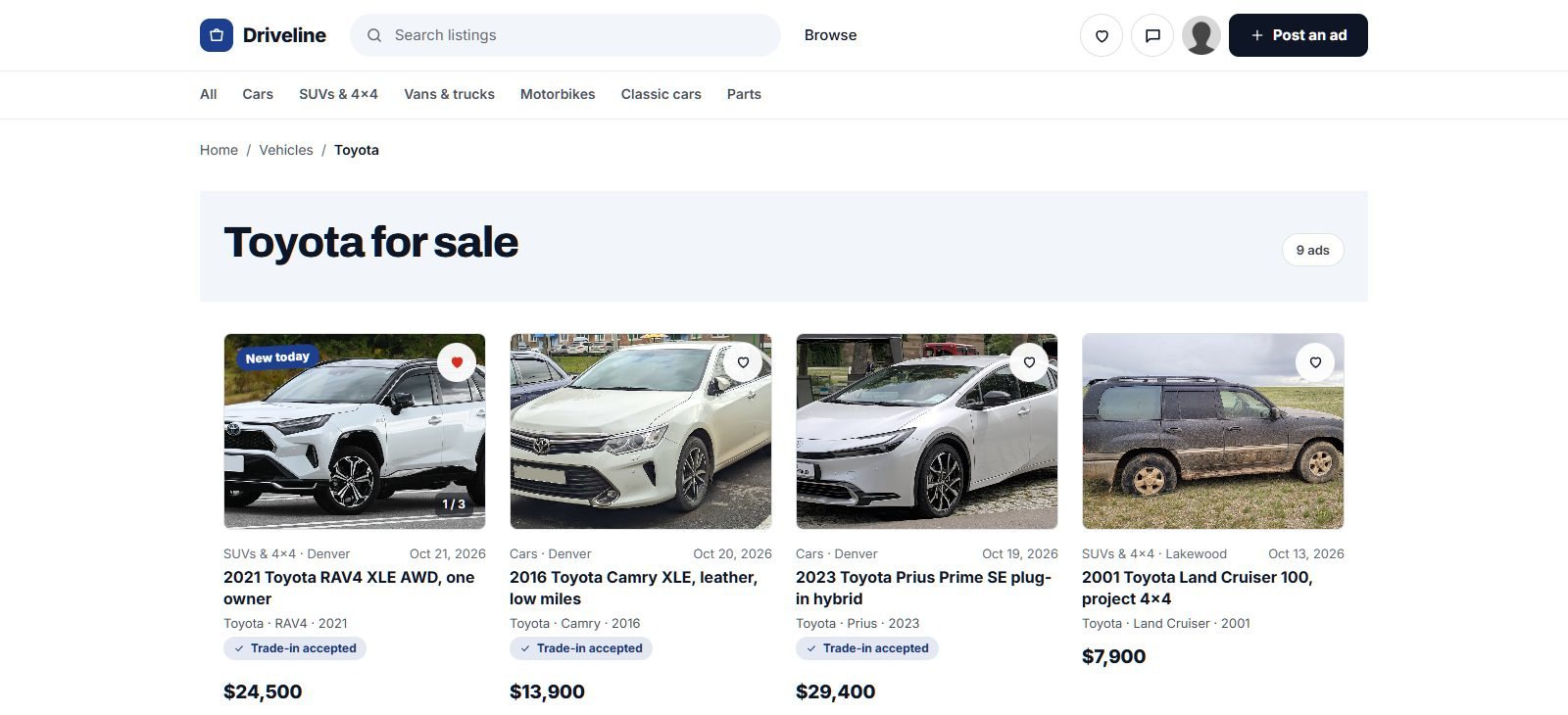
Launch before RV show season and fill the site over winter.
Most RV buying happens in spring and early summer, and much of the research happens at RV shows in late winter. Many regions have a large RV show between January and March, where families walk through dozens of rigs before deciding. A site launched in the fall has the winter to fill up and is ready when those buyers go home and start searching.
Late summer and fall are the second window: owners selling before winter storage, and snowbirds buying or selling as they head south. In warm states the pattern flips, with winter visitors arriving in the fall.
Partners
Storage lots, campgrounds, mobile RV technicians and RV inspectors meet owners every week and gain from a busy local market. Offer them a banner or a mention in a buying guide in return for a flyer at their office.
Launch checklist
- Categories by RV class, with length, sleeps, slide-outs and dry weight as filters.
- At least 100 RVs from consignment dealers, storage lots and owner groups.
- Water damage guide and lien advice on the buyer safety page.
- Class, layout and towing pages for your region.
- A table or flyers at the nearest RV show, and posts in the local camping groups.
A worked example: Cypress Coast RV Exchange on the Gulf Coast.
Cypress Coast RV Exchange is a fictional site, invented to show how an RV site can be put together. It covers the Florida Panhandle and coastal Alabama, a region with many campgrounds and RV parks, a large population of retirees, and a steady flow of snowbirds who arrive in the fall and leave in spring, often selling or swapping rigs as they go.
Who it serves
Three kinds of buyers use it. Snowbirds want a fifth wheel or a Class A to spend the winter in. Local families want a bunkhouse travel trailer they can tow to the beach on weekends. Retirees moving into a park model or an apartment are selling the rig they traveled in for years. Sellers include two consignment dealers, a used RV lot, a storage yard near the interstate whose owner knows every rig on site, and private owners from campgrounds and full-timer groups.
Categories
- Motorhomes
- Class A
- Class B and camper vans
- Class C
- Towables
- Travel trailers
- Fifth wheels and toy haulers
- Pop-ups and truck campers
- Parts, hitches and accessories
How it started
The founder and her husband sold their own fifth wheel after six years on the road and found nowhere that let buyers filter by length, sleeps or hitch weight. She set those up as required fields, added roof type, last reseal date and known leaks as disclosure fields, and spent a month visiting the two consignment dealers and the storage yard. The dealers sent their stock as spreadsheets; the storage yard owner put a flyer in every renewal envelope. She also posted in four regional full-timer groups and asked campground managers which guests had signs in their windows. The site opened in October, just as snowbirds arrived, with about 120 rigs.
How it makes money
Owners post free. Consignment dealers pay a monthly membership after a free first season, and featured listings sell best in late March and April, when snowbirds who are heading home want to sell rather than tow north. Banner spaces go to a mobile RV technician, an RV inspector and the storage yard. The inspector's banner is the most useful one on the site, because the buyer guide recommends an inspection before every purchase.
Nothing here required scale. It worked because the site matched the region's seasons and answered the questions RV buyers ask first: length, sleeps, weight and water damage.
| Listing | Price | Key details |
|---|---|---|
| 2018 Grand Design Reflection 303RLS fifth wheel | $38,500 | 34 ft, 3 slides, 2,100 lb pin weight, roof resealed 2024 |
| 2016 Thor Four Winds 28Z Class C | $46,900 | Ford E-450, 41,000 miles, sleeps 6, generator 310 hours |
| 2021 Jayco Jay Flight 264BH travel trailer | $22,800 | Bunkhouse, 5,200 lb dry weight, sleeps 8, dealer consignment |
| 2012 Tiffin Allegro Red 36 Class A diesel | $84,000 | Freightliner chassis, 340 hp, 2 slides, no known leaks |
| Blue Ox tow bar with base plate | $650 | Fits common late-model Jeeps, private seller |
The first 90 days of an RV site.
RV buyers research for a long time before they buy, so your first ninety days are less about volume and more about building a site worth returning to: enough rigs in each class, fields that answer the big questions, and guides people bookmark. The timing should line up with your region's buying season. In most of the country, start in the fall so week twelve lands around the winter RV shows. In snowbird regions, start in summer so you are ready when the winter visitors arrive.
Spend most of the early weeks in person. Storage yards, consignment lots and campgrounds are where rigs sit, and the people who run them decide whether owners hear about you. A flyer in a storage yard office is seen by owners every time they come for their rig.
Keep a log of what buyers message you about. Questions about towing weight, water damage and financing tell you which guides to write and which fields to make required.
Do not judge the site by sales in these first weeks. An RV buyer who saves a search in November may not buy until April. Count saved searches, repeat visitors and messages instead, and treat each one as a buyer you will see again when the season turns.
| Weeks | Focus | Done when |
|---|---|---|
| 1-2 | Pick the region, set RV classes as categories, and add length, sleeps, slide-outs and dry weight fields | A test rig filters correctly by class, length and weight |
| 3-4 | Visit consignment and used RV dealers and import their stock | Two dealers live, with weekly updates agreed |
| 5-6 | Reach owners through storage yards, campgrounds and brand clubs | Flyers in three storage yards, 100 rigs live |
| 7 | Publish the water damage guide, lien advice and posting rules | Disclosure fields required on every listing |
| 8-9 | Post in full-timer, van life and camping groups, and book a table at the nearest RV show | First messages from buyers outside your own network |
| 10-11 | Write class, layout and towing pages for your region | Ten pages live, each listing current rigs |
| 12 | Report leads to dealers and offer banners to technicians and inspectors | First paid membership or banner agreed |
How to build an RV site: three routes compared.
An RV site has to answer questions about a vehicle and a home at once. That means a lot of fields: class, length, sleeps, slide-outs, weights for towables, chassis and mileage for motorhomes, and disclosure fields for roofs and leaks. Buyers also want many photos, including the floor plan, and they come back for months, so saved searches with alerts and buying guides matter more than in faster niches.
Hiring developers makes sense if you plan something unusual, such as a tow calculator that checks a buyer's vehicle against each trailer, or floor plan diagrams drawn from a database. Those are useful, but they take months to build and need upkeep, and a tow calculator that gets a number wrong becomes a liability rather than a feature.
A classifieds script or WordPress plugin on your own server costs less to start and gives you control. Before you choose one, test whether it handles different field sets for motorhomes and towables, number filters for weight and length, and large photo galleries without slowing down. You will also handle updates, backups and spam yourself.
A hosted builder such as Yclas suits a founder who would rather spend time at storage yards and RV shows: custom fields shown as search filters, spreadsheet imports, saved searches with email alerts and moderation are built in. As with any platform, list the features you cannot do without and check each one before you start.
If you plan to add rentals later, factor that into the choice now, since moving a busy site to new software is far harder than choosing well at the start.
| Route | Fits when | Watch out for |
|---|---|---|
| Hiring developers | You want a tow calculator or floor plan tools | Cost, build time and long-term upkeep |
| Script or plugin on your own server | You want control and can run a server | Separate field sets, weight filters, photo galleries |
| Hosted classifieds builder | You want to focus on storage yards, dealers and shows | Check every must-have feature, including future rentals |
What an RV and camper classifieds site costs to run.
The software is the smallest part of the bill. Most of the cost is your time in the first months: finding the first listings, answering questions and checking what gets posted.
Plan for printed flyers for storage lots and campgrounds, a table at a regional RV show if you can get one, and moderation time. If you allow rentals, check the insurance and rental rules where you operate, and set aside time for handling deposit disputes.
| Cost | Typical range | On Yclas |
|---|---|---|
| Domain | $10 to $20 a year | Your own, with SSL included |
| Software and hosting | $0 to $100+ a month, plus plugins and updates | Starter $19 a month, Professional $99 |
| Design | $0 to $100 for a theme, or a designer | 109 looks included |
| Payment fees | About 3% per payment | Your Stripe or PayPal fees; Yclas takes nothing |
| Your time | 5 to 10 hours a week at the start | Finding listings, moderation, support |
Mistakes that sink RV classifieds sites.
- Leaving out weights on towables. A family that buys a trailer their SUV cannot safely tow will blame your site. Make dry weight and GVWR required numbers on every towable, and remind buyers to check their own vehicle's ratings. A towing guide that explains the difference between dry weight and loaded weight will be one of your most visited pages.
- Treating water damage as the seller's business. Leaks are among the most expensive problems in a used RV and among the easiest to hide with fresh sealant. Ask for known leaks, roof type and the last reseal date in fields, and keep the inspection advice prominent.
- Launching after the shows. In most regions buyers decide over the winter and buy in spring. A site that opens in May has missed the season. Fill it in the fall and be visible during RV show season, when families walk through rigs and go home to compare prices online.
- No floor plan photo. RV buyers choose by layout first. Listings without a floor plan photo or the layout type get questions instead of visits. Ask for one on every listing and add a layout dropdown, such as bunkhouse or rear kitchen.
- Mixing motorhomes and towables in one field set. A fifth wheel has no mileage and a Class A has no hitch weight. Use separate categories with the right fields so filters stay meaningful.
- Adding rentals too early. Rentals bring damage claims, deposit disputes and insurance questions. Launch with sales, learn the rental and insurance rules where you operate, and add rentals once the sales side runs smoothly.
- Ignoring the snowbird calendar. In warm states, the busy weeks are when winter visitors arrive and leave, not spring. Match your featured listing pushes and outreach to your region's real calendar.
- Letting consignment lots list rigs they no longer hold. Consignment stock changes fast as owners take rigs back or sell privately. Ask for weekly updates and remove anything missing from the new file.
- Writing guides that ignore the first-time buyer. Many RV buyers have never owned one. Guides on classes, weights, inspections and storage are what bring them back, and they are what national dealer sites rarely write well.
- Hiding the location. Buyers will drive a few hours to walk through the right rig, but not across the country on a guess. Require the town where the RV can be seen, and show distance on search results so a family can plan a weekend of viewings.
- Skipping the lien question. Many RVs are financed over long terms, and some owners owe more than the rig is worth. Add a field asking whether there is a loan, and tell buyers to confirm the payoff with the lender before handing over money.
RV terms every founder should know.
RV buyers, sellers and dealers use these terms constantly.
| Term | What it means |
|---|---|
| Class A | A large motorhome built on a bus-style or truck chassis, gas or diesel. |
| Class B | A camper van built inside a standard van body. |
| Class C | A motorhome built on a cutaway van chassis, usually with a bed over the cab. |
| Super C | A larger Class C built on a heavy-duty truck chassis. |
| Diesel pusher | A Class A with a diesel engine mounted at the rear. |
| Fifth wheel | A towable that hitches into a pickup's bed, with a raised front section over the truck. |
| Toy hauler | A towable or motorhome with a rear garage and ramp door for carrying vehicles. |
| Slide-out | A section of wall that extends outward when parked to add floor space. |
| Dry weight | The weight of the RV as built, before water, propane and cargo are added. |
| Hitch weight | The weight a trailer puts on the tow vehicle's hitch; called pin weight on a fifth wheel. |
| Bunkhouse | A floor plan with bunk beds, usually in a separate area for children. |
| Delamination | Separation of an RV's outer wall layers, often caused by water getting in. |
| Boondocking | Camping without hookups, which makes solar, batteries and tank sizes matter. |
| Consignment | A dealer selling an owner's RV for a fee or commission while the owner keeps it until sale. |
The same steps for an RV and camper classifieds site on Yclas.
- Describe your nicheThe setup wizard writes the categories, an About page and example listings from one sentence.
- Add fieldsSwitch on a field pack or add the fields your buyers filter on.
- Fill itImport dealer spreadsheets, invite sellers and post your own.
- Set the rulesChoose moderation, banned words and AI checks.
- Go liveChoose a plan, connect your domain, switch on paid listings when it is time.
Is there room for a new RV site next to RV Trader and Facebook Marketplace?
Yes, if you go narrower: one region, one RV type or one buyer type, with filters for length, sleeps and towing weight and guides that answer first-time buyers' questions.
Should I allow RV rentals as well as sales?
Rentals add income and bring future buyers, but they raise insurance and damage questions. Start with sales, then add rentals once you know the insurance and rental rules where you operate.
When should I launch an RV site?
In the fall or early winter, so the site is full before RV show season and the spring buying months.
How do I get RV dealers to list?
Start with consignment and used RV dealers, who want more buyers for owners' rigs. Bring in their stock for free and report the enquiries each one gets.
Do I need a dealer license to run an RV classifieds site?
Publishing owner listings is not usually dealing. Selling on consignment, brokering deals or holding payments can be, so check the dealer and licensing rules where you operate.
How do I protect buyers from water-damaged RVs?
Ask sellers to disclose leaks and roof repairs, publish an inspection guide, and recommend an independent RV inspection before any payment.
Should I include camper vans and van conversions?
Yes, as their own category. Van buyers search by chassis, 4x4 and whether there is a bathroom, and many self-built vans are sold by owners in van life groups.
Should park models and mobile homes be on an RV site?
Usually not at launch. Park models are often sold with a site lease and have their own rules, so they confuse RV buyers. Add them only if your region's parks ask and the rules are clear where you operate.
How do I handle rigs listed by full-timers who are traveling?
Ask sellers to state where the rig is now and when it can be seen. Buyers need to inspect in person, so a rig that keeps moving should say so in the listing. Remind sellers to update the location field as they travel, and to mark the listing paused while they are out of reach.
Should listings show the RV's warranty or extended service contract?
Add a checkbox for any transferable warranty or contract, and ask sellers to name the provider in the description. Buyers can then confirm the details themselves before relying on it.
Can dealers list new RVs as well as used ones?
They can, but new RVs from franchise dealers are usually on manufacturer and national sites already. Your strength is used and consignment rigs, so keep new units in a separate filter if you allow them.
How do I keep the site busy in the off-season?
Parts, hitches, tow bars and accessories sell all year, and owners shop for them before trips. Storage guides and winterizing advice also bring owners back during the quiet months, and a list of local storage yards with covered spaces is a page owners search for every fall.
Related pages.
The parts of Yclas this leans on.
You have the floor plan. Now build your RV site.
Describe your site in a sentence and the setup wizard writes the categories, example listings and a look. Free for 15 days, no credit card.
Start my classifieds site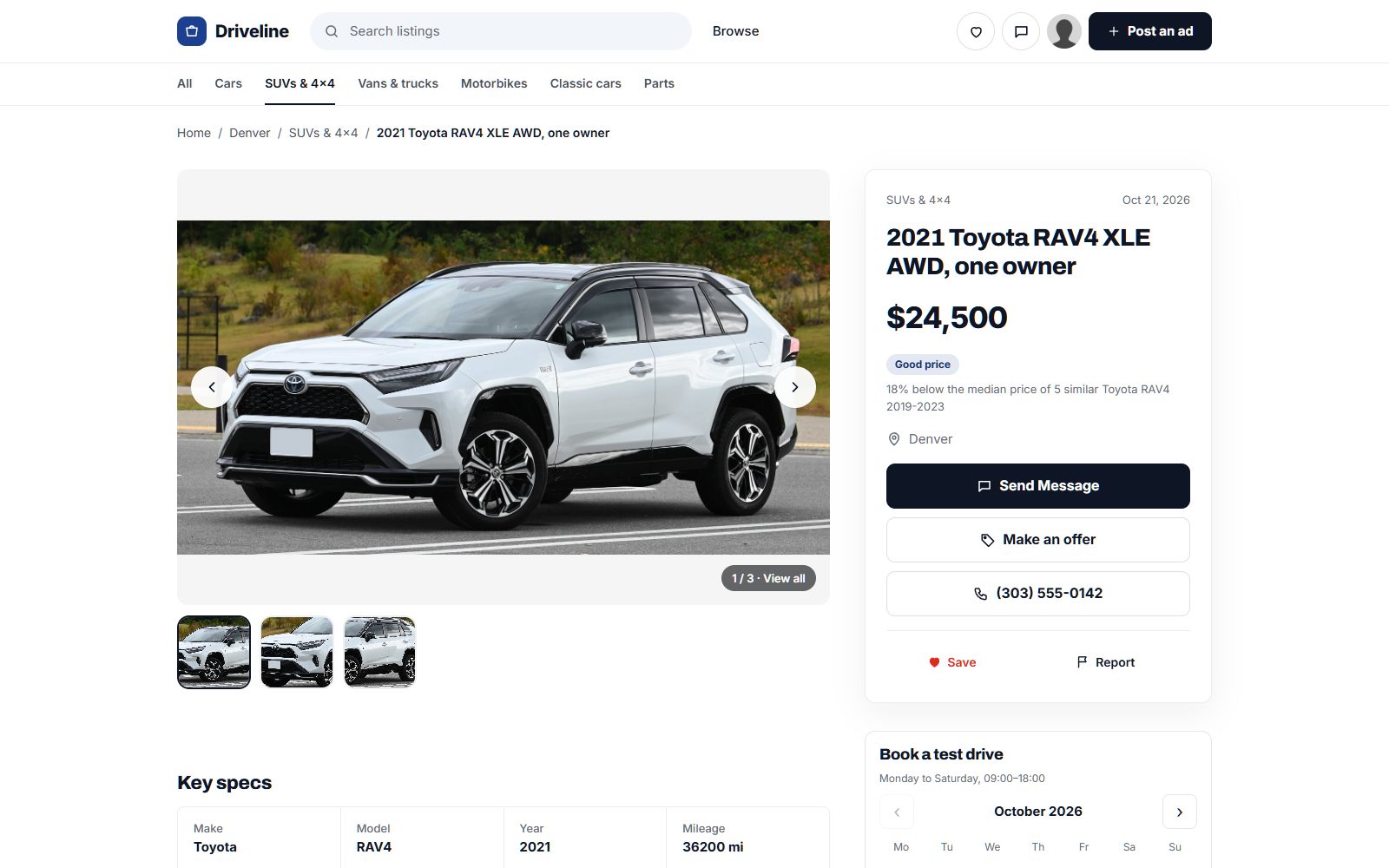
Photo credits
The screenshots show demo sites with made-up sellers. Their photos come from Wikimedia Commons, some cropped or with signs and plates blurred; these ones are under Creative Commons licences:
- Toyota Prius (XW60) Plug-in Hybrid IMG 9905, CC BY-SA 4.0
- Ford Mustang Mach-E GT IAA 2021 1X7A0176, CC BY-SA 4.0
- 1928 Alvis Front Wheel Drive (17355318404), CC BY 2.0
- Red Vespa scooter in front of Rocca Maggiore, Assisi, CC BY-SA 4.0
- Car alternator on a workbench surrounded by various auto parts in a garage setting, CC BY 2.0