
How to build a powersports classifieds website riders trust.
This guide covers what it takes to run a classifieds site for ATVs, side-by-sides, snowmobiles, dirt bikes and personal watercraft: picking a riding region or machine type, the fields riders filter on, how the site earns money, where the first 100 machines come from, title and theft checks, the searches to rank for, and a launch timed to the riding seasons.
Free for 15 days · No credit card · Plans from $19 a month
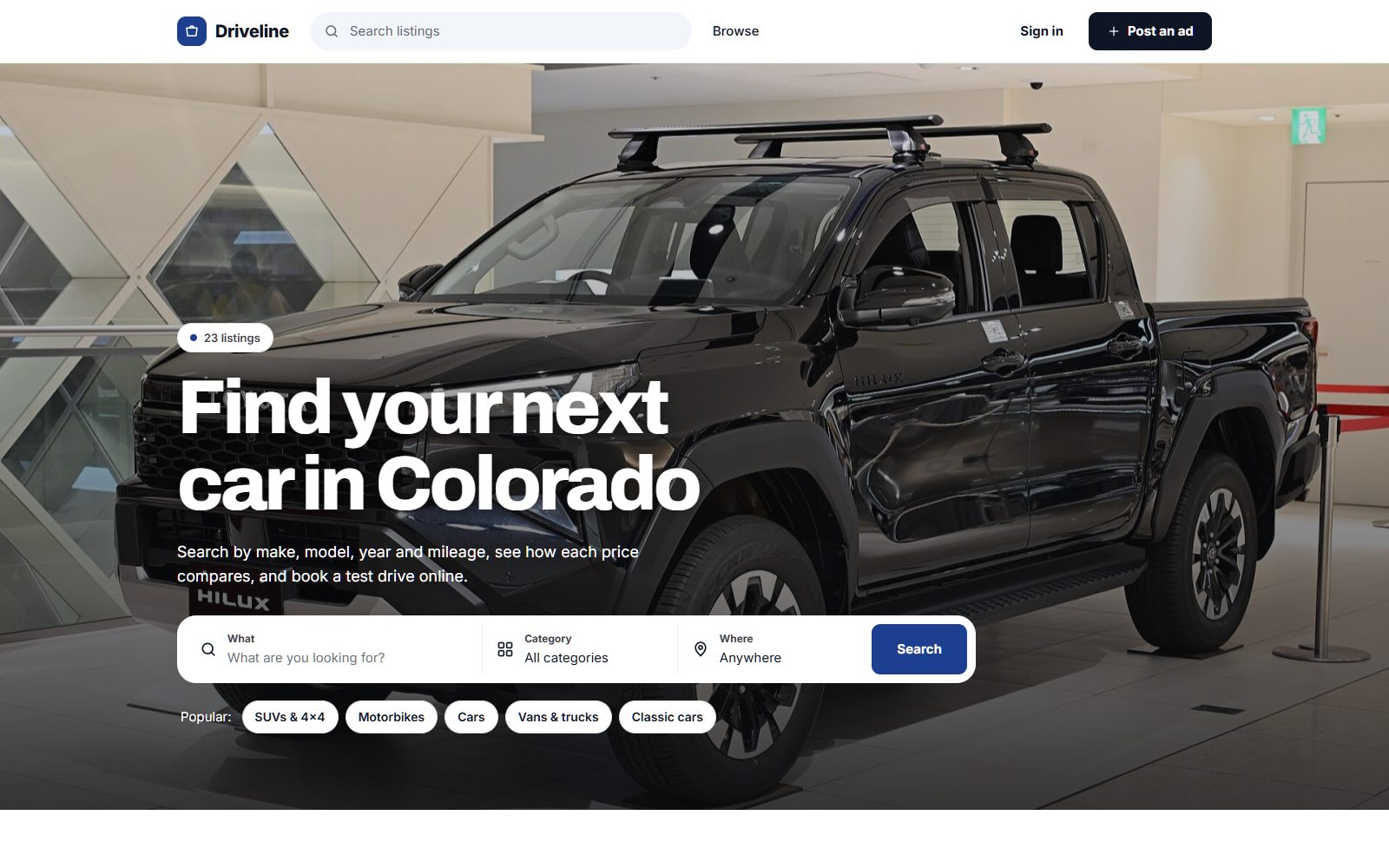
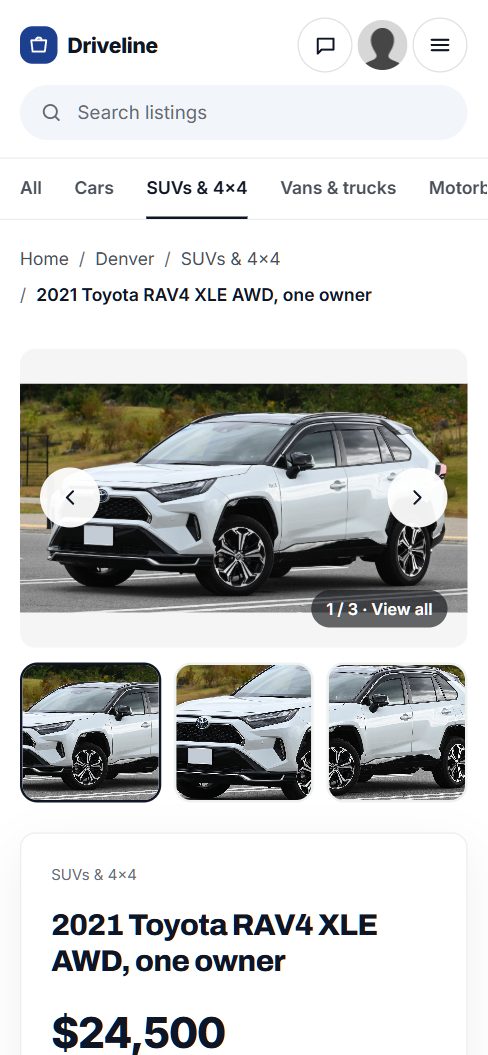
Pick a riding region or a machine type, not all of powersports at once.
Powersports buyers shop close to home. A side-by-side gets trailered, not shipped, and a snowmobile is only worth looking at if it can reach the seller in a day. That makes a regional site realistic: one state, one trail system, one lake region or one snowbelt.
General sites carry plenty of ATVs and sleds, but they treat them like any other item. A buyer cannot filter by engine size, track length or seating, and half the listings say "runs great" with no hours or miles. A focused site fixes that and becomes the place riders check first.
Three angles that work
- Snowbelt sleds: snowmobiles, trailers and gear for one region, where buying peaks before the first snow.
- Trail and farm UTVs: side-by-sides and utility ATVs for rural buyers who need a work machine as much as a toy.
- Lake toys: personal watercraft and trailers around a chain of lakes or a coast.
Where the trade happens today
Riders already buy and sell through Facebook groups for each trail system, regional riding forums, snowmobile and ATV club newsletters, swap meets at the start of the season, and the used row at powersports dealers. Spend a week reading those groups. Note which machines move fast, what buyers ask before they drive out, and which sellers post again and again: those are your first dealers.
A site that covers one riding region well beats a national site that covers it badly.
Use machine types as categories and put the specs in filters.
Keep categories to what a rider calls the machine. Everything else, such as brand, engine size and condition, belongs in fields buyers can filter on. Riders compare machines on a few numbers: year, engine displacement, hours or miles, and for sleds the track length. Make those required so every listing can be compared.
Add a title status dropdown (clean title, no title, bill of sale only, salvage). In many states off-road machines are titled or registered, and buyers who have been burned once will skip any listing that does not say. A VIN or serial on request checkbox helps too: sellers who tick it get more serious messages.
Parts, gear and trailers deserve their own categories. They post more often than whole machines and keep riders visiting between purchases. With Yclas custom fields, each of these can be a dropdown, number or checkbox, required or optional, and shown as a search filter.
| Category | Example listings | Fields buyers filter on |
|---|---|---|
| ATVs | 4x4 utility quads, sport quads, youth ATVs | Make, model, year, engine cc, 2WD or 4WD, hours, title status |
| Side-by-sides (UTVs) | Two-seat and four-seat trail and work UTVs | Make, seats, engine cc, hours or miles, cab or doors, plow or winch fitted |
| Snowmobiles | Trail, mountain and crossover sleds | Make, year, engine cc, 2-stroke or 4-stroke, track length, miles, reverse |
| Dirt bikes | Motocross, enduro and trail bikes | Make, year, engine cc, hours, street legal or off-road only |
| Personal watercraft | Jet skis and stand-up watercraft | Make, year, engine hours, seats, supercharged, trailer included |
| Trailers and parts | Sled decks, utility trailers, tracks, tires, exhausts | Fits make and model, condition, part type |
Hours matter for UTVs and watercraft, miles for sleds and road-going bikes: ask for the one riders actually use.
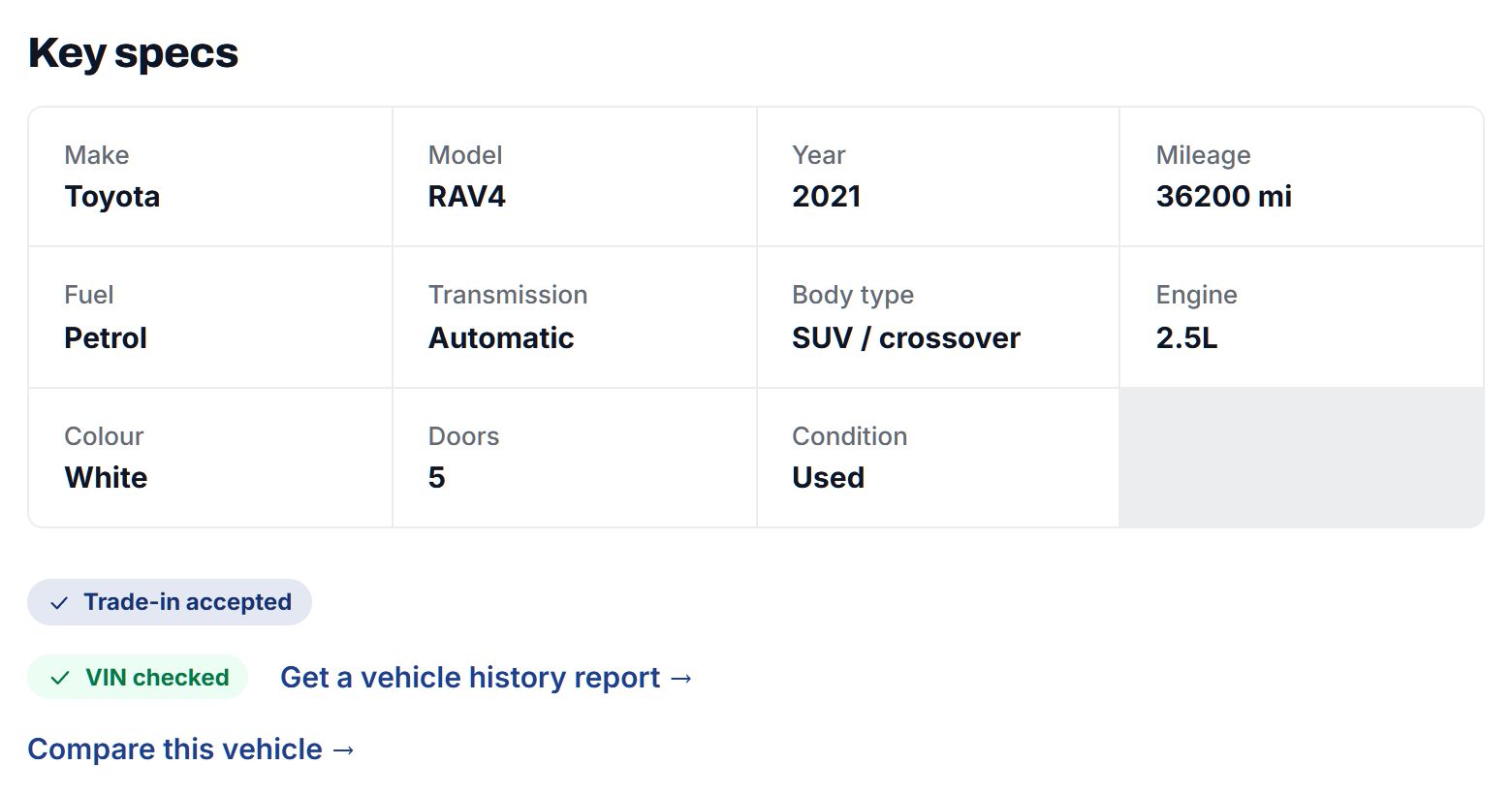
Earn from dealers and featured machines once riders are visiting.
Private sellers in powersports are price-sensitive: they are selling a sled to fund the next one. Keep private posting free while you build the audience. The money in this niche comes from dealers, who carry used and trade-in machines all year and want them in front of local riders.
Visibility is seasonal. A featured listing for a snowmobile is worth far more in October than in April, and a jet ski bump pays off in late spring. Time your paid extras to those peaks, and tell sellers when they work best.
Banner spaces suit local businesses that serve riders: repair shops, trailer dealers, trail-pass sellers, outfitters and insurance agents. Sell them once you can show monthly visitors for the region.
Pay to post works for whole machines once buyers are messaging sellers, because a sled or UTV is worth thousands. Leave parts and gear free: they bring riders back every week and cost you nothing to host.
| Model | Works when | Switch it on |
|---|---|---|
| Featured listings | Buyers browse a busy category and sellers want the top spot | Before each riding season, once a category has steady traffic |
| Bumps | Machines sit for weeks and sellers want them seen again | When the newest listings page fills quickly |
| Dealer memberships | Dealers post used and trade-in stock every month | After two or three dealers post regularly |
| Pay to post in machine categories | A sled or UTV is worth thousands to the seller | When those categories already get buyer messages |
| Banner spaces | Shops, trailer sellers and outfitters want local riders | When you can show regional visitor numbers |
Get the first 100 machines from dealers, clubs and swap meets.
Powersports has an advantage over many niches: dealers hold used stock all year, and trade-ins pile up every spring and fall. Start there.
- Independent powersports dealers. Visit or call the smaller dealers in your region first. Many have a used lot with 20 to 50 machines and a spreadsheet of stock. Import it for them and send them the link.
- Snowmobile and ATV clubs. Clubs maintain trails and run newsletters. Offer the club a free classifieds section or a sponsor spot in return for a mention to members.
- Swap meets and season openers. Spring swap meets for dirt bikes and fall sled swaps are where private sellers show up with machines and parts. Hand out cards and offer to post on the spot.
- Facebook groups. Message sellers who posted a machine in the last month and offer to put it on a site where buyers can filter by engine size and hours.
- Repair shops. Mechanics know who is selling and often hold consigned machines.
Make posting quick from the garage. With Yclas a seller can photograph the machine and let AI fill in the title, description, category and price for them to check before it goes live.
Ten dealers with full used lots will fill the site faster than a hundred private posts.
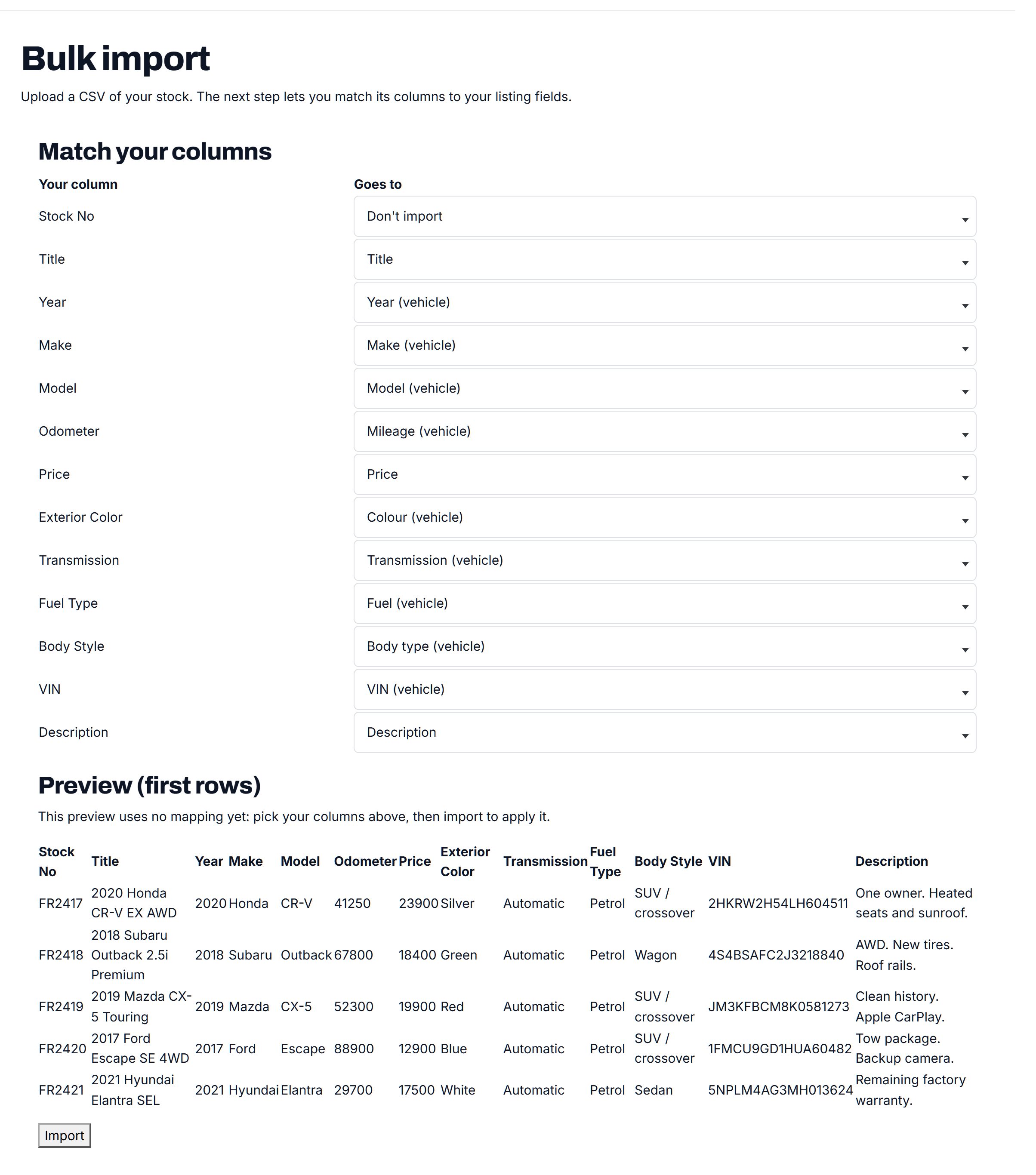
Handle stolen machines, title problems and deposit scams early.
Off-road machines are a common theft target: they sit in sheds and trailers, often without registration plates, and can be sold across a state line within days. A classifieds site that ignores this becomes the place thieves sell.
Rules to set from day one
- Ask sellers to state title status and to provide the VIN or serial number to buyers on request.
- Ban listings that say "no title, parts only" for complete, running machines, or hold them for review.
- Remove any listing reported as stolen until the seller can show proof of ownership.
Scams to watch for
- Too-cheap side-by-sides offered by a seller who is "deployed" or "moving" and wants a deposit before shipping. Real UTVs are almost never shipped by private sellers.
- Copied photos from dealer sites with a new phone number.
- Overpayment checks sent to sellers, with a request to refund the difference.
Safety advice for buyers
Publish a short guide: see the machine running, check the VIN against the title and the frame, run it through your state's stolen vehicle check where one exists, meet in daylight, and never pay a deposit for a machine you have not seen. Registration and title rules for off-road vehicles vary a lot, so check the rules where you operate before you write the guide.
Approve every listing while the site is small, and let AI hold suspicious ones once volume grows.
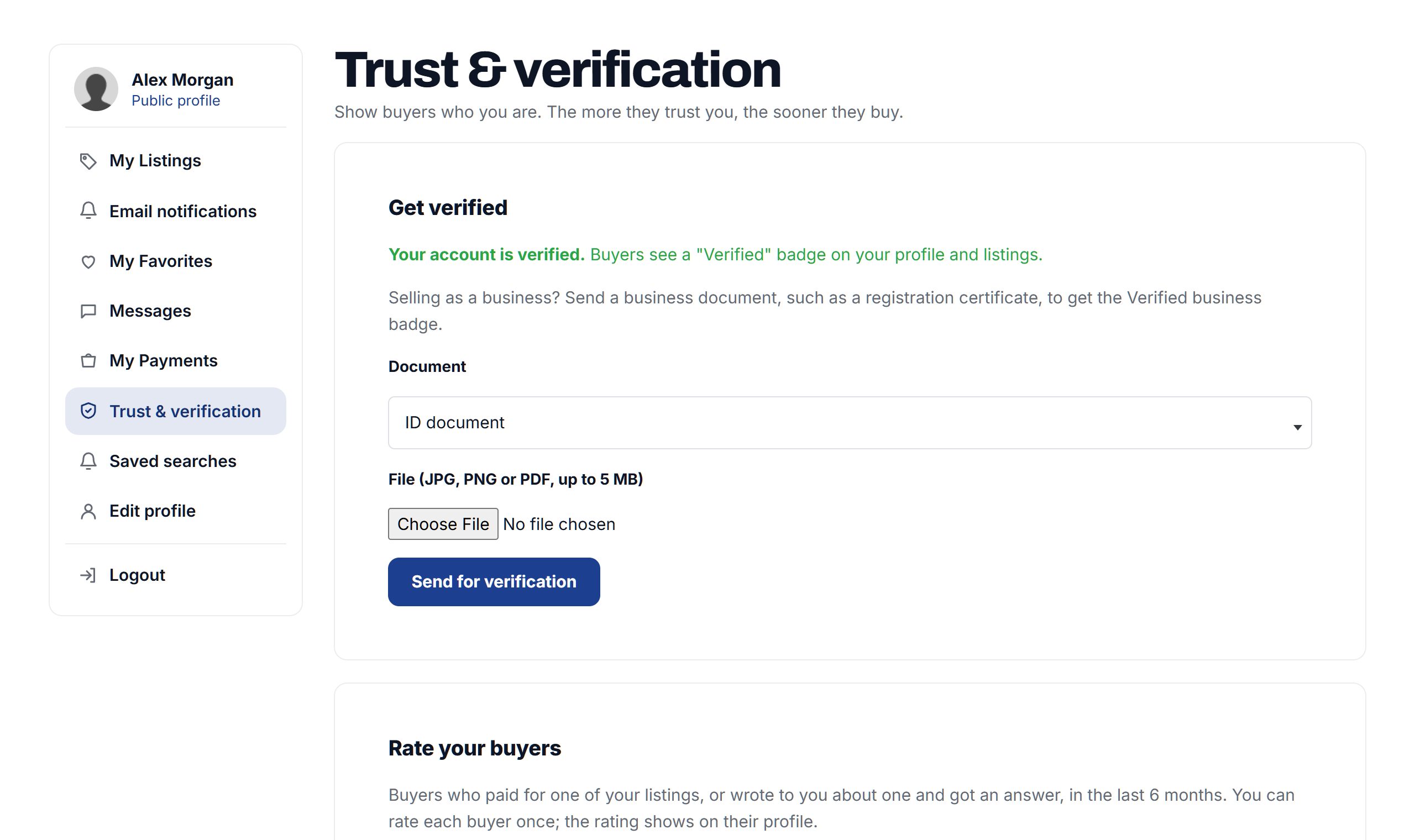
Rank for the machine, the region and the season.
Powersports searches are specific. Riders type the make, the model and the place, and they search in waves before each season.
- "used snowmobiles for sale in Michigan"
- "Polaris RZR for sale near me"
- "used side by side under 10000"
- "Can-Am Outlander 570 used price"
- "jet skis for sale with trailer"
Pages to build
- Category plus location pages: snowmobiles in each county or trail region, UTVs in each state you cover.
- Make pages: Polaris, Can-Am, Ski-Doo, Arctic Cat, Yamaha, Honda, Kawasaki, Sea-Doo. Riders are loyal to brands and search by them.
- Buying guides: what to check on a used sled, how to judge hours on a UTV, two-stroke versus four-stroke.
- Price guides: what a five-year-old trail sled or a mid-size utility ATV sells for in your region, based on what your own listings show.
Content ideas
Write a pre-season checklist for sleds in September and for watercraft in April, a guide to trailering and registration in your state, and short trail reports with links to the machines that suit them. Seasonal pages that come back every year collect links over time.
Keep sold machines online marked as sold for a few weeks. They still answer price questions and bring searchers back to live listings.
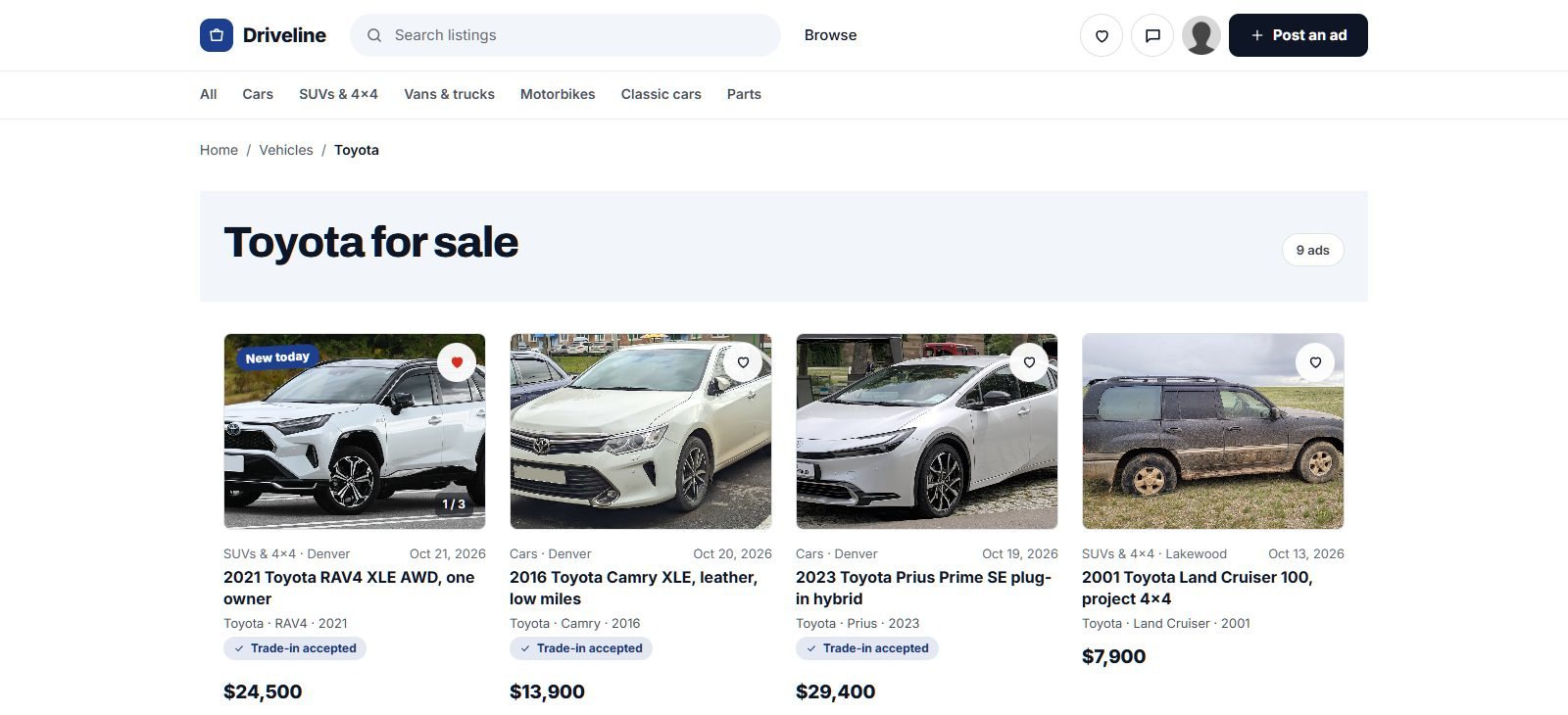
Launch a few weeks before the season, in one riding region.
Timing matters more here than in most niches. Snowmobile buying starts in late summer and peaks in the fall, before the first snow. ATV and dirt bike buying picks up in early spring. Watercraft sells from spring into early summer. Launch your first category four to six weeks before its peak, so listings are in place when buyers start searching.
First community
Pick one region with an active club and two or three cooperating dealers. Launch there, prove it works, then add the next trail system or lake region.
Partners
- Riding clubs and trail associations, for newsletters and event mentions.
- Independent dealers and repair shops, for stock and word of mouth.
- Swap meets, poker runs and season-opening rides, where you can meet sellers face to face.
Launch checklist
- Machine categories with required year, engine cc and hours or miles.
- Title status field and a buyer safety guide linked from every listing.
- At least 100 real machines and parts listings, mostly from your launch region.
- Location pages for every county or trail region you serve.
- A pre-season buying guide published before the launch post.
- Your own domain with SSL and a home page headline that names the region.
Miss the start of the season and you wait a year for the next one.
A worked example: a sled and trail site for one snowbelt region.
Picture Northwoods Sled and Trail Exchange, a fictional site for the Upper Peninsula of Michigan and the northern edge of Wisconsin. Its founder rides with a local snowmobile club and kept hearing the same story at the clubhouse: good used sleds vanished within a day, while buyers drove three hours to look at machines described as running fine that would not start in the driveway.
She launched in late August with one county, three dealers and only two machine types. Side-by-sides came the following spring, once farm buyers began asking for them.
Categories
- Snowmobiles
- Trail
- Mountain and deep snow
- Utility and crossover
- Side-by-sides and ATVs
- Utility
- Sport
- Trailers
- Parts and gear
- Tracks, skis and carbides
- Helmets and riding gear
Who it serves
Buyers are trail riders replacing an aging sled, cabin owners who want a second machine for guests, and hobby farmers who need a UTV with a plow blade. Sellers are mostly private riders trading up, plus five independent dealers who post their fall trade-ins and a repair shop that holds a few consigned machines each winter.
How it started
The first 60 listings came from dealer spreadsheets she imported herself. The rest came from a table at the club's fall swap, where she posted machines from riders' phones while they waited. Every sled listing had to give miles, track length, engine size and title status before it went live, and that rule is what riders mentioned when they told friends about the site. She also kept a short list of machines buyers had asked for but could not find, and called dealers with it every Monday, which turned several trade-ins into listings before they reached the auction.
How it makes money
Private posting stays free all year. Dealers pay a monthly membership from September to March and pause it over the summer. Featured listings sell best in October and November, when riders decide before the first snow, and two banner spaces go to a track and ski shop and a trailer dealer. In its second winter the site added a fee to post complete sleds and side-by-sides, while parts and gear stayed free.
One region, two machine types and a strict rule on miles and title status were enough to win the first winter.
| Listing | Price | Key details |
|---|---|---|
| 2019 trail sled, 600cc two-stroke, 137-inch track | $7,800 | 3,900 miles, clean title, new carbides, electric start and reverse |
| 2016 two-place enclosed sled trailer | $5,200 | Front ramp door, new tires last fall, title in hand |
| 2021 four-seat utility side-by-side | $16,500 | 410 hours, plow and winch fitted, full cab with heater |
| 2015 mountain sled, 800cc, 154-inch track | $5,900 | 6,200 miles, registration current, sold as is |
| Two helmets with heated visors | $180 | Sizes medium and large, one season of use |
The first 90 days: work backward from the riding season.
In powersports the calendar sets the deadline. If your first category is snowmobiles, day 90 should land a few weeks before buyers start shopping in earnest, which in most snowbelt regions means starting the plan in early summer. For dirt bikes and ATVs, start in late fall so the site is full by early spring. For watercraft, start in winter.
The order below matters more than the exact dates. Fields come before dealers, because a dealer who imports 40 machines into a site with no engine size or title status field will not do it twice. Dealers come before buyers, because riders who find an empty site do not come back. Club and swap meet outreach comes last, when you have something to show.
Track three numbers each week: live listings, listings with every required field filled in, and buyer messages. The second number tells you whether the site is becoming the place riders trust or just another pile of vague posts. If it falls, tighten the rules before you add more sellers.
| Weeks | Focus | Done when |
|---|---|---|
| 1-2 | Pick the region and first machine type; read the trail, club and swap groups | A list of 20 dealers, clubs and repeat sellers, with a contact for each |
| 3-4 | Set up categories and required fields: year, engine cc, miles or hours, track length, title status | Ten test listings filter correctly by engine size, track length and title status |
| 5-6 | Visit independent dealers and import their used inventory | Three dealers live with at least 60 machines between them |
| 7-8 | Write the buyer safety guide and contact riding clubs | Guide linked from every listing; two clubs agree to mention the site to members |
| 9-10 | Work a swap meet or season opener and message recent Facebook sellers | 100 live listings, at least a third from private riders |
| 11 | Run a pre-season featured listing offer for dealers | At least two dealers buy featured spots for their best machines |
| 12 | Build county and make pages and a first price guide | Pages live for every county served and the five most listed makes; first buyer messages counted |
Three ways to build it, and what powersports asks of each.
A powersports site has a few needs that decide the route. Each machine type needs its own required fields: track length means nothing for a jet ski, and hours mean little for a sled. Dealers need a way to bulk load used inventory and update it as trade-ins arrive. Riders post from the garage on a phone. And paid extras have to be ready before the season, because that is when they sell.
Building it yourself with developers makes sense only if you plan something no off-the-shelf tool does, such as decoding VINs automatically or syncing with a dealer management system. It is the slowest route, and you will pay for every change after launch, including the ones the first season teaches you.
Installing a classifieds script or a WordPress plugin on your own server gives you control and a low software cost. You also take on hosting, updates, backups and spam. Check carefully whether the script lets fields differ by category and whether those fields become search filters, since that is the heart of this niche.
A hosted builder such as Yclas gets you live fastest: categories, filters, imports and paid extras come ready, and someone else keeps the server patched. The trade-off is less freedom to change how pages work underneath. For most founders whose real job is signing dealers before the snow falls, that is a fair trade.
| Route | Fits when | Watch out for |
|---|---|---|
| Custom build with developers | You need VIN decoding, dealer system feeds or unusual workflows | Months of build time and a bill for every change after the first season |
| Classifieds script on your own server | You are technical and want full control of the code | Fields that cannot differ by machine type, plus updates, backups and server security |
| WordPress with a classifieds plugin | You already run a riding blog or club site on WordPress | Plugin conflicts after updates, slow search once listings grow, and spam sign-ups |
| Hosted builder | You want to launch before the season with filters and paid extras ready | Less control over how the site works underneath |
What a powersports classifieds site costs to run.
The software is the smallest part of the bill. Most of the cost is your time in the first months: finding the first listings, answering questions and checking what gets posted.
Beyond the site itself, budget for printed cards or a table at swap meets and club events, and possibly a sponsor spot in a club newsletter. If you offer vehicle history or stolen checks as a paid extra, those services charge per report.
| Cost | Typical range | On Yclas |
|---|---|---|
| Domain | $10 to $20 a year | Your own, with SSL included |
| Software and hosting | $0 to $100+ a month, plus plugins and updates | Starter $19 a month, Professional $99 |
| Design | $0 to $100 for a theme, or a designer | 109 looks included |
| Payment fees | About 3% per payment | Your Stripe or PayPal fees; Yclas takes nothing |
| Your time | 5 to 10 hours a week at the start | Finding listings, moderation, support |
Mistakes that sink powersports classifieds sites.
- Launching after the season has started. Sled buyers decide in the fall and ATV buyers in early spring. A site that opens when riders are already on the trails gets a trickle of visits and a reputation for being empty. Set your launch date from the season and work backward.
- Letting a vague phrase stand in for numbers. Riders read past descriptions and compare year, engine size, miles or hours, and track length. If those are optional, half your listings will skip them and buyers will go back to the groups. Make them required from the first listing.
- Covering every machine in a whole state on day one. Sleds, side-by-sides, dirt bikes and watercraft across a large state makes every category thin. Riders judge a site by the category they care about, so one full category beats five sparse ones.
- Ignoring title status. Stolen quads and sleds without paperwork are a real problem in this trade. A site with no title field and no report button becomes the easy place to move them, and the honest riders leave. Ask for title status on every machine and act on reports quickly.
- Allowing shipped-machine deposits. Private sellers almost never ship a UTV or a sled. Listings that ask for a deposit before delivery are nearly always fake, and one victim posting about it in a club group can cost you the region. Hold or remove them.
- Treating dealers like private sellers. Asking a dealer to type in 40 machines one by one ends the conversation. Import their spreadsheet, give them a profile with their address and hours, and show them the messages they received.
- Letting the site go quiet in the off-season. A sled site that shows nothing new from April to August looks abandoned when riders return. Push trailers, parts and gear in summer, publish buying guides, and add the next machine type before the quiet months begin.
- Charging private riders too early. Riders selling a machine to fund the next one will go back to free groups if you charge before buyers arrive. Earn first from dealers and seasonal featured listings.
- Hiding sold machines the day they sell. Sold listings are the best price evidence a rider can find for a five-year-old sled or a high-hour UTV. Mark them sold and leave them up for a few weeks, so buyers can see what machines like theirs really fetch and sellers stop asking for prices from ten years ago.
- Skipping the trailer question. Many sleds and watercraft are sold with a trailer, and many buyers have nowhere to put one. Without a trailer included field, the same question fills every message thread and some deals fall apart at pickup.
Powersports terms a founder should know.
These are the words riders and dealers will use in listings and messages, so use them the same way on your site.
| Term | What it means |
|---|---|
| UTV or SxS | A side-by-side: a utility or sport vehicle with seats next to each other, a steering wheel and usually a roll cage. |
| cc | Engine displacement in cubic centimeters, the main size measure riders use to compare machines. |
| Two-stroke and four-stroke | Two engine designs: two-strokes are lighter and punchier, four-strokes are usually quieter and use less fuel. |
| Track length | The length of a snowmobile's drive track in inches; longer tracks float better in deep snow. |
| Lug height | How tall the paddles on a sled track are; taller lugs dig into deep powder, shorter ones suit packed trails. |
| Carbides | Hardened runners under a sled's skis that bite into ice for steering and wear out over time. |
| Engine hours | The running time shown on the hour meter, the usual wear measure for UTVs, ATVs and watercraft. |
| PWC | Personal watercraft, the general term for jet skis and similar sit-down or stand-up craft. |
| Clean title | A title with no salvage brand and no lien recorded against the machine. |
| Bill of sale only | The seller has a receipt but no title; in places where off-road machines are titled, that can make registration difficult. |
| MSO | Manufacturer's statement of origin, the document a new machine ships with before it is first titled. |
| Trail permit or OHV registration | The sticker or registration many states and trail systems require before a machine can ride public trails. |
| 4WD and AWD | Drive systems that power all four wheels, a key filter for utility ATVs and side-by-sides used for work. |
The same steps for a powersports classifieds site on Yclas.
- Describe your nicheThe setup wizard writes the categories, an About page and example listings from one sentence.
- Add fieldsSwitch on a field pack or add the fields your buyers filter on.
- Fill itImport dealer spreadsheets, invite sellers and post your own.
- Set the rulesChoose moderation, banned words and AI checks.
- Go liveChoose a plan, connect your domain, switch on paid listings when it is time.
Do I need a dealer license to run a powersports classifieds site?
Usually not, because you list machines for others and do not buy or sell them yourself. Rules differ by state and country, so check the rules where you operate, especially if you plan to take consignments.
Should I cover snowmobiles, ATVs and watercraft from the start?
Start with the machines your launch region rides most, often sleds in the north or UTVs in farm country. Add the next type when the first category has steady listings and buyers.
How do I stop stolen machines being sold on my site?
Require title status, ask sellers to share the VIN on request, remove listings reported as stolen until ownership is shown, and tell buyers to check the VIN against the title and frame.
How do I get dealers to post their used stock?
Offer to import their used inventory spreadsheet for free and send them the messages it brings. Dealers commit once they see local buyers contacting them.
When should I start charging?
Keep private posting free at first. Charge dealers for memberships once several post regularly, and sell featured listings in the weeks before each riding season.
Can a small site compete with Facebook Marketplace and Craigslist?
Yes, in one region. Those sites cannot filter by engine size, hours or track length and are full of copied scam posts, so riders will use a focused site that has the local stock.
What is the slow season, and what do I do in it?
Each machine type has its quiet months. Use them to sign up dealers, write buying and price guides, and prepare the category that peaks next.
Should I accept listings for new machines from dealers?
It can help fill the site early, but keep the focus on used machines, since that is what buyers cannot find well elsewhere. If you allow new units, give them their own condition value so riders can filter them out.
How should I handle youth ATVs and dirt bikes?
Give them their own category with an engine size field and ask sellers to state the age range the maker recommends. Age and supervision rules for young riders vary, so point parents to the rules where they ride.
Should I allow trades, such as a sled for a side-by-side?
Many riders would rather trade than sell, so a trade wanted checkbox is worth adding. Ask that the listing still shows a price, or buyers have nothing to compare.
How many photos should a machine listing need?
Ask for at least the full machine from both sides, the hour meter or odometer, and the VIN or serial plate. Those photos answer the questions buyers otherwise send in messages.
Should I cover riding gear and helmets?
Yes, as a free category. Gear posts are frequent and bring riders back between machine purchases, though you may want a rule that used helmets show their age and any damage.
Related pages.
The parts of Yclas this leans on.
You have the trail map. Now build your powersports site.
Describe your site in a sentence and the setup wizard writes the categories, example listings and a look. Free for 15 days, no credit card.
Start my classifieds site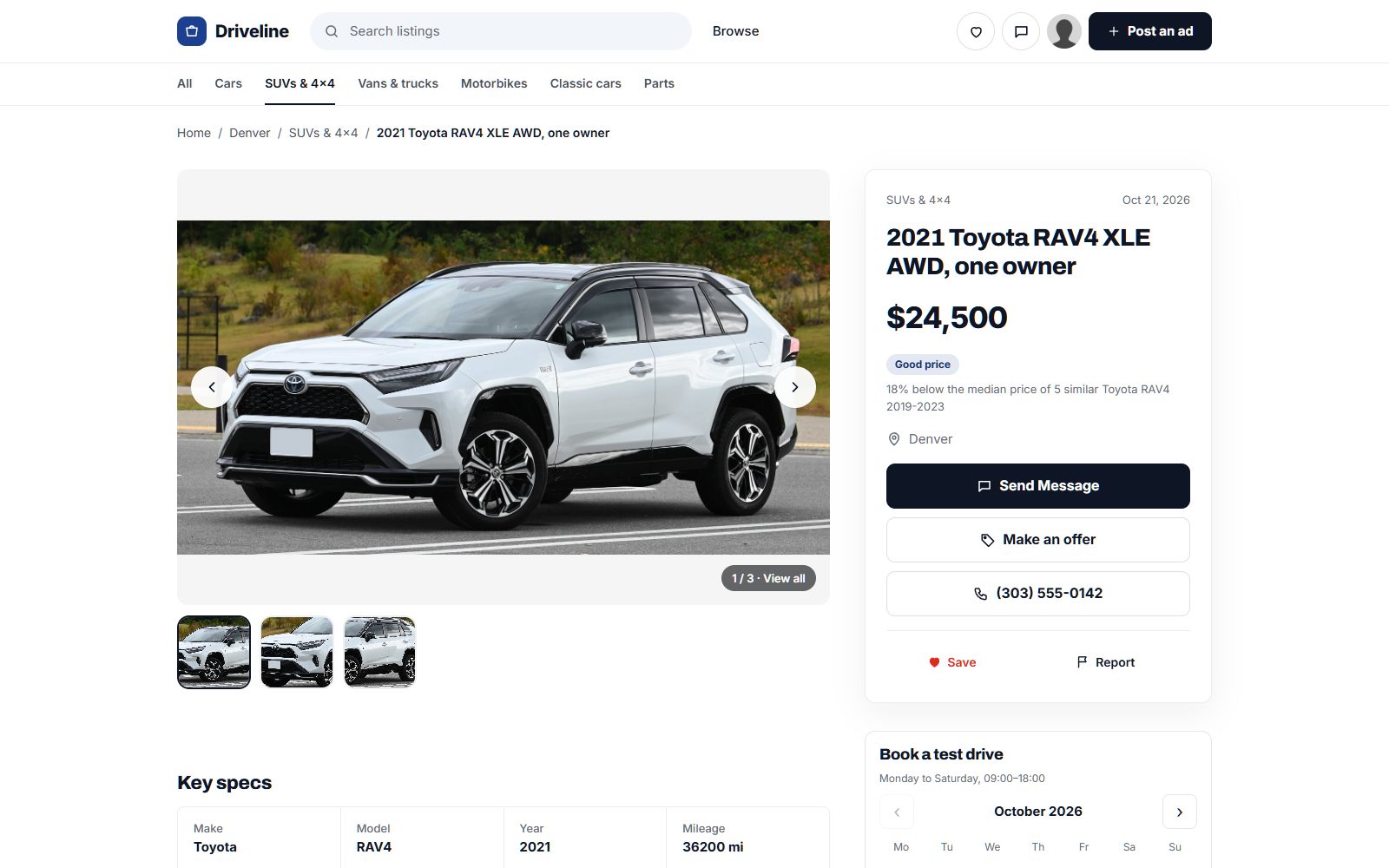
Photo credits
The screenshots show demo sites with made-up sellers. Their photos come from Wikimedia Commons, some cropped or with signs and plates blurred; these ones are under Creative Commons licences:
- Toyota Prius (XW60) Plug-in Hybrid IMG 9905, CC BY-SA 4.0
- Ford Mustang Mach-E GT IAA 2021 1X7A0176, CC BY-SA 4.0
- 1928 Alvis Front Wheel Drive (17355318404), CC BY 2.0
- Red Vespa scooter in front of Rocca Maggiore, Assisi, CC BY-SA 4.0
- Car alternator on a workbench surrounded by various auto parts in a garage setting, CC BY 2.0