
How to build a textbook classifieds website that students use every term.
This guide explains how to build a textbook classifieds website where students buy and sell course books by ISBN and course code: choosing a campus, the fields students search by, how a student-run site earns money, where the first listings come from, edition and access code problems, the searches worth ranking for, and a launch timed to the first weeks of term.
Free for 15 days · No credit card · Plans from $19 a month
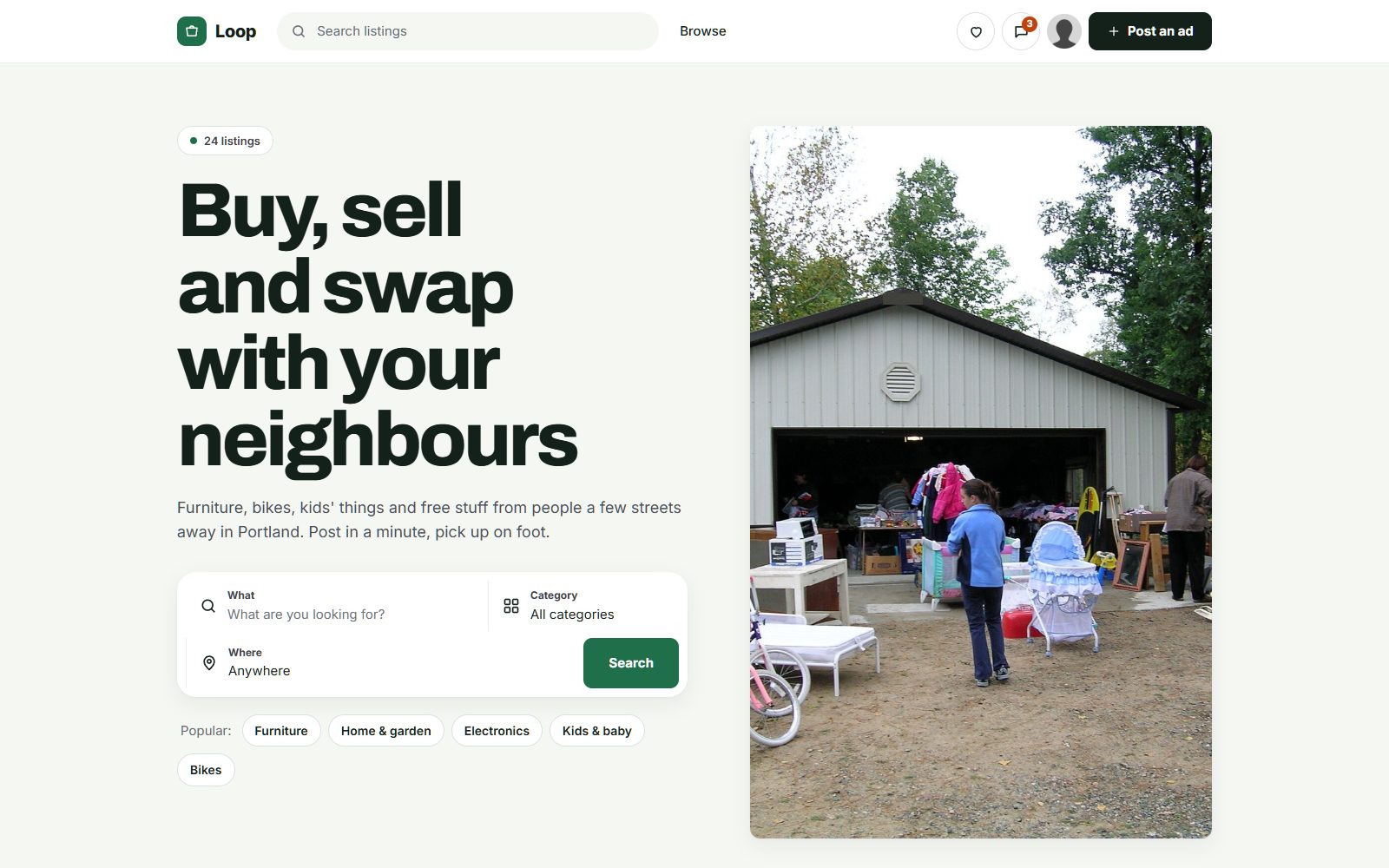
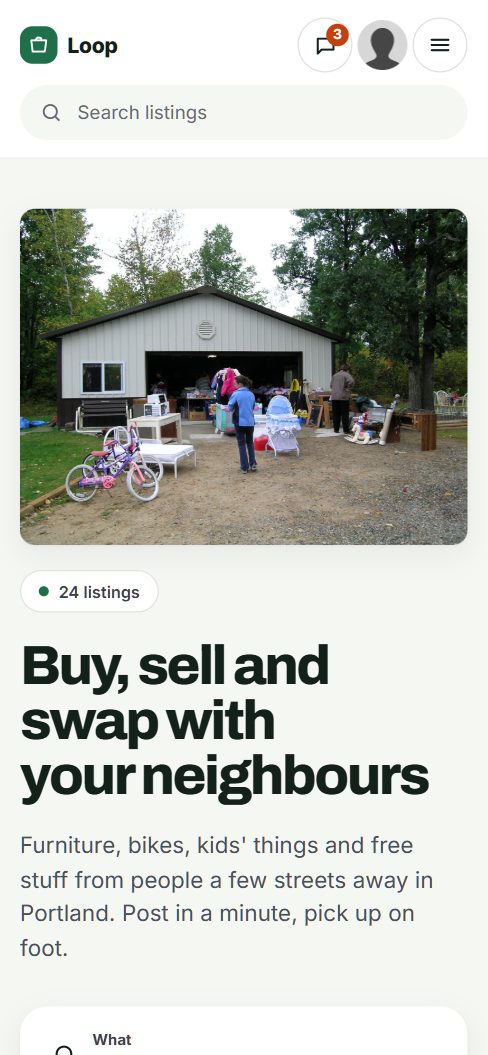
Build for one campus, because students buy for a course, not a title.
A student does not shop for a book. They shop for the reading list of ECON 101 with a particular professor this fall, and they want it cheaper than the campus bookstore. At the end of term they have the same book on a shelf and would rather sell it to the next student than back to a buyback desk. A textbook site connects those two students on the same campus, often in the same building.
Who uses the site
- Students buying at the start of each term, usually within a two or three week window.
- Students selling after finals and before moving out.
- Graduate students and teaching assistants clearing whole shelves of reference books.
- Student societies selling donated books to raise funds.
Choosing the angle
Start with one university or college. A campus site lets students meet in the library or student union to hand over books, with no shipping. Decide whether to stay on textbooks only or add dorm items, calculators and lab gear, which follow the same term rhythm. Some founders begin with one faculty, such as engineering or nursing, where books are expensive and the same editions are used for years.
Today the trade happens in class group chats, Facebook groups for each year, campus noticeboards, the bookstore buyback desk, rental services and online marketplaces such as Amazon and eBay. Students using those still have to check edition and ISBN by hand, and most group posts disappear within a day.
Search by course code is what makes a textbook site more useful than a group chat.
Let students search by ISBN, course and edition.
Textbooks are the rare niche where every item has an exact identifier. The ISBN tells a buyer whether a book is the right edition, and the course code tells them whether it is on their list. Ask for both on every listing, and keep categories as broad subject areas.
Fields that matter
- ISBN: required, with a note that the 13-digit number is on the back cover or copyright page.
- Course code: free text such as CHEM 201, so a student can search by it.
- Edition: a number field, since a professor who switches to the next edition makes older copies far less useful.
- Format: hardcover, paperback, loose-leaf, international edition.
- Access code: included and unused, used, or not included.
- Condition and markings: like new, highlighted, notes in margins.
A field for the professor or term is optional but helps, because two sections of the same course can use different books.
| Category | Example listings | Fields students filter on |
|---|---|---|
| Sciences and engineering | Calculus, organic chemistry, physics, statics | ISBN, course code, edition, access code, condition |
| Business and economics | Accounting, microeconomics, finance, marketing | ISBN, course code, edition, format, highlighting |
| Health and nursing | Anatomy atlases, pharmacology, nursing fundamentals | ISBN, course code, edition, access code, year |
| Humanities and social sciences | Readers, novels on reading lists, psychology texts | ISBN, course code, edition, notes in margins |
| Law and graduate texts | Casebooks, statutes, research methods | ISBN, edition, year, supplements included |
| Study gear | Graphing calculators, lab coats, goggles, drawing kits | Course code, model, condition |
A required ISBN field ends most arguments about the wrong edition before they start.
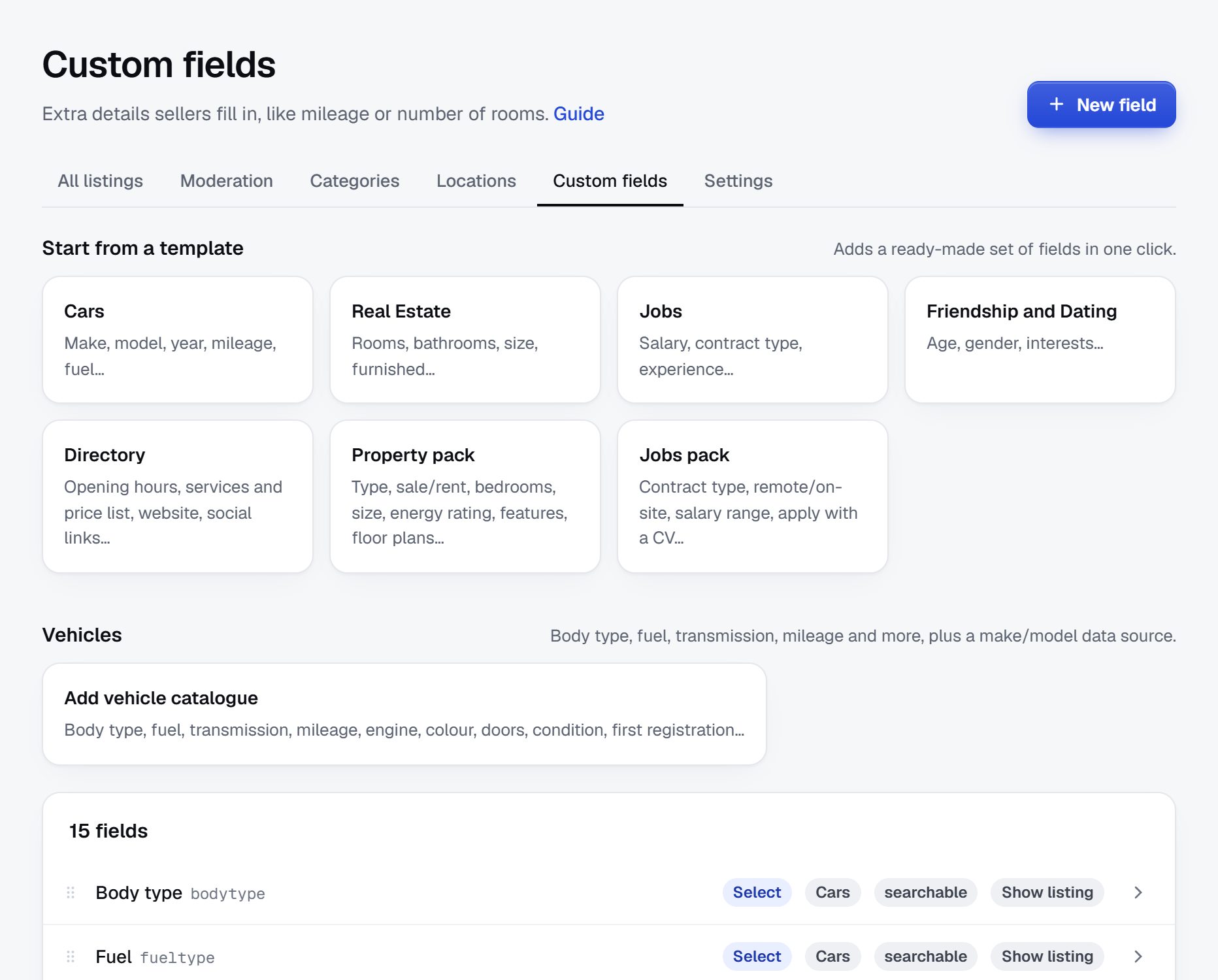
Keep it free for students, earn from the people who want to reach them.
Students will not pay to post a used book. Free posting is the only way to collect enough books for buyers to find their list. The money in a campus site comes from the businesses around student life and from volume at term start.
- Banner spaces fit local businesses that want students: cafes near campus, print shops, tutoring services, student housing and storage firms.
- Featured listings and bumps help in the busy first week of term, when a student wants a book seen before others list the same one.
- Paid posting for business sellers: used bookshops and tutoring companies that sell study guides can pay to post in chosen categories.
- Commission on paid sales: on the Marketplace plan, buyers can pay on the site with Stripe and you keep a commission, which suits a site that grows beyond one campus and ships books.
Start charging only once the site holds books for most first-year courses. Before that, every barrier slows the growth you need.
| Model | Works when | Switch it on |
|---|---|---|
| Free student posting | Always, to fill the course lists | At launch |
| Banner spaces | Local businesses want student reach | From the second term |
| Featured listings and bumps | Many copies compete in week one | Once popular courses have several copies |
| Paid posting for businesses | Bookshops and tutors want to list | When business sellers ask |
| Commission on paid sales | Books ship beyond one campus | On the Marketplace plan, once you add other campuses |
Collect books at the end of term, sell them at the start.
The textbook year has two moments. Books are listed in the last weeks of term and after finals, and they sell in the first weeks of the next one. Your first 100 listings should be collected at the end of a term, so the site is full when buyers arrive.
Where the first listings come from
- Your own year and course mates: ask everyone you know to post the books they no longer need.
- Student societies: subject societies such as the engineering or nursing society can run a collection drive and list donated books.
- Residence halls: move-out week leaves piles of books in common rooms. A table in the lobby with a phone and a laptop turns them into listings.
- Class representatives: they can share the site in course group chats.
- Graduating students: final-year students are happy to clear a shelf in one go.
- Teaching assistants: they know which edition each course uses this term.
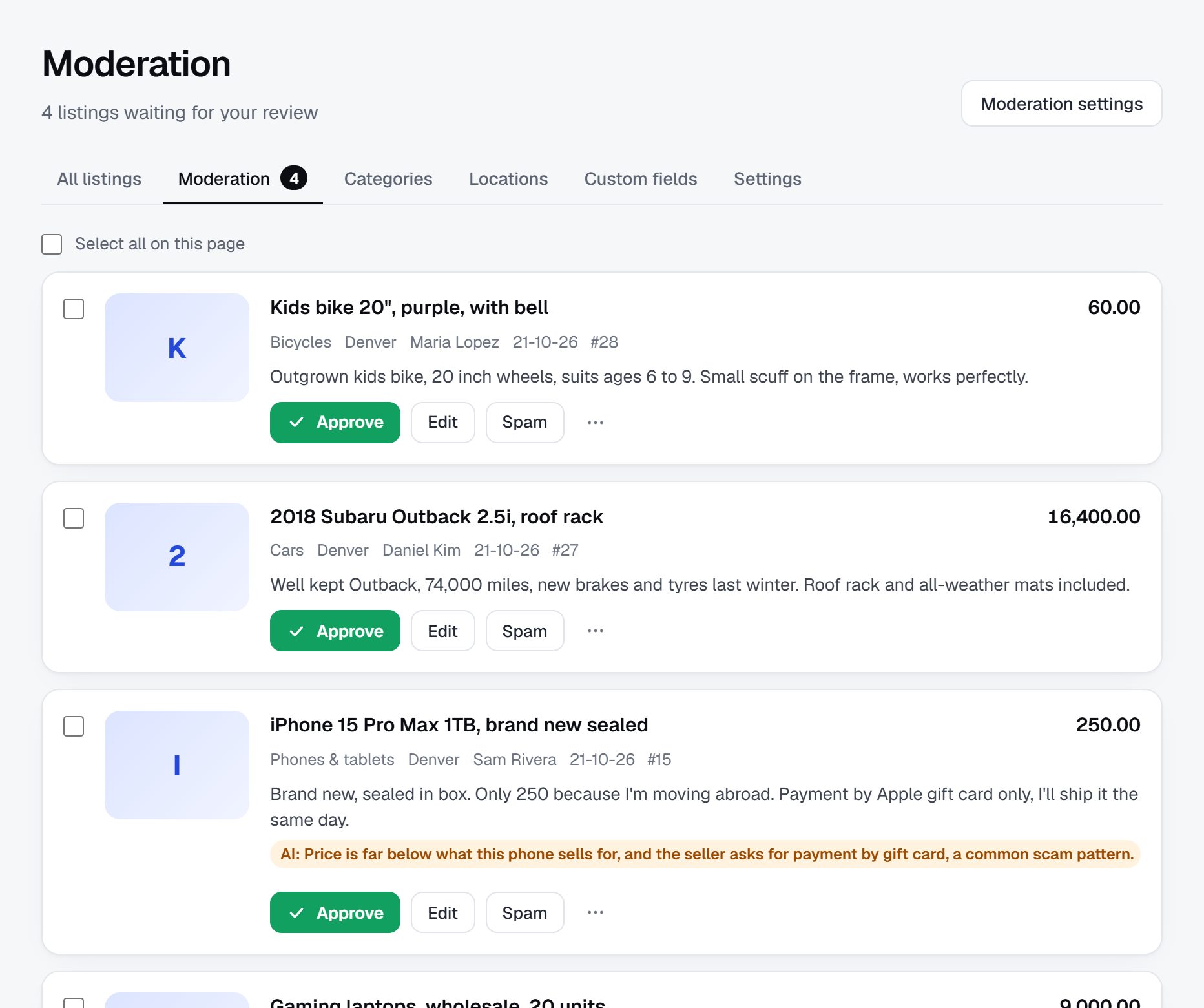
Make posting quick from a phone. With AI listing from a photo in Yclas, a student photographs the cover and AI fills in the title, description, category and price for them to check, then they add the ISBN and course code.
Run a listing drive in finals week, when students want their books gone.
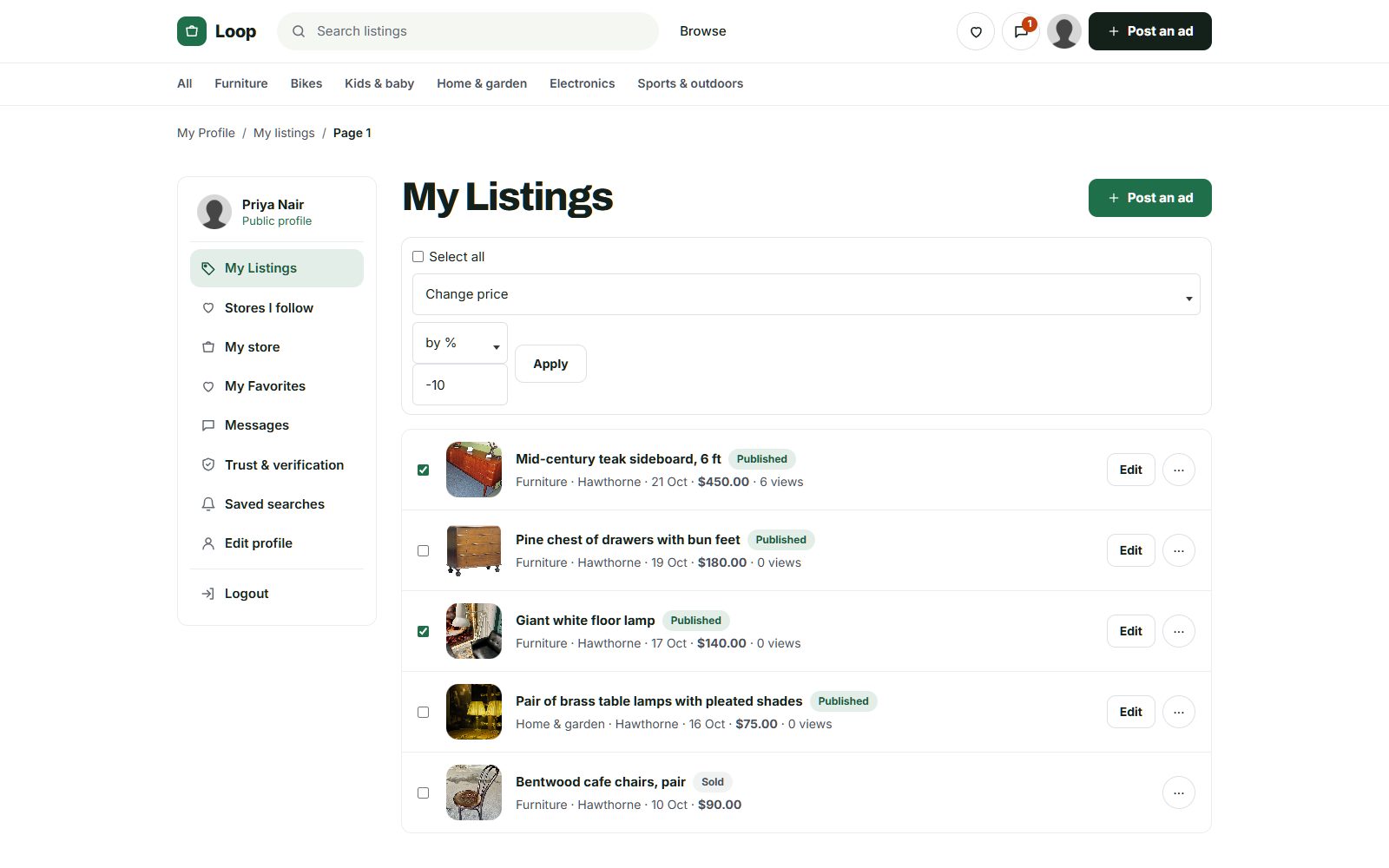
Prevent the wrong edition, the dead access code and the no-show.
Textbook scams are small but common, and students on a tight budget feel each one. The site's reputation depends on books matching their listings.
Common problems
- Wrong edition: the seller lists the old edition under the new one's title. A required ISBN field prevents most of it.
- Used access codes: many courses require an online code bundled with the book, and a code can usually be used once. Ask sellers to say clearly whether it is unused, and tell buyers to treat used codes as worthless.
- Counterfeit copies: cheap printed copies of popular textbooks circulate. Advise buyers to look for poor print quality and missing color, and ban copies in the rules.
- Illegal PDFs: ban scanned or digital copies of copyrighted books outright.
- Payment scams: sellers who ask for payment before meeting and never show up.
Safety for students
Recommend meeting in busy campus places such as the library entrance or student union, in daytime, and paying on handover. Show your rules on the posting form. Moderation that holds suspicious listings, reports from other students and ratings on seller profiles help keep the site clean. If you are a student, check your university's rules on running a business or using its name and logo, and check the rules where you operate on selling international editions.
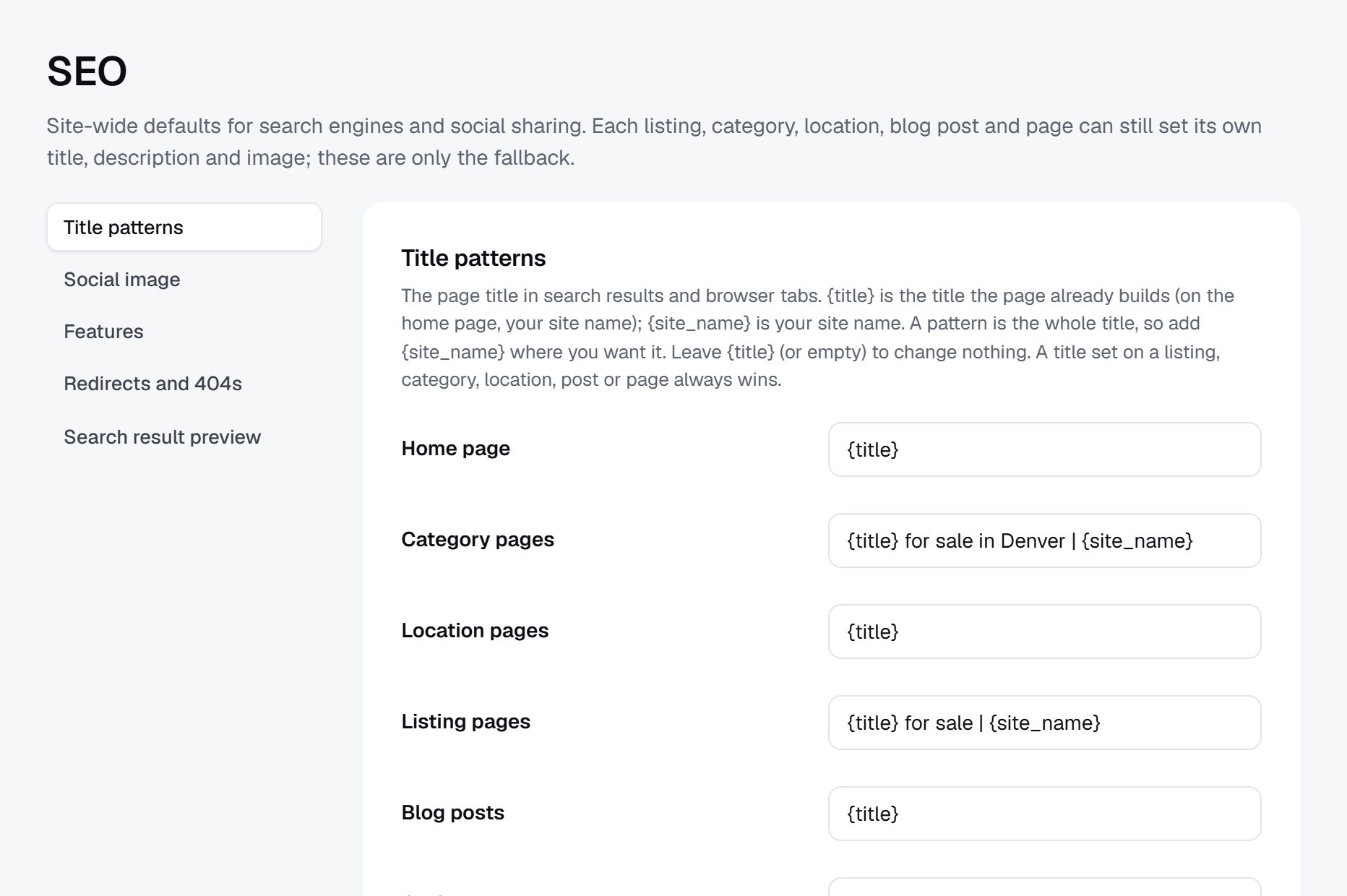
Rank for course codes and campus names.
Students search for exactly what they need, often typing the course code or ISBN straight into a search engine. Those searches have little competition from big sites when they include a campus name.
Searches to aim for
- "[university] textbooks for sale" and "used textbooks [university]"
- "CHEM 201 textbook [university]" and "ECON 101 book used"
- An ISBN typed on its own, such as "978" followed by the number
- "sell textbooks near me" and "where to sell textbooks [city]"
- "is the international edition the same" and "do I need the access code"
Pages to build
Every listing has its own page, with the ISBN and course code in the title. Build a page for each subject category and, if you cover more than one campus, each location. Guides worth writing: how to find the ISBN on your reading list, how to check whether an older edition will do, what an access code is and when you need one, and how to sell your books at the end of term.
Content ideas
- A term calendar for your campus: when to sell, when to buy.
- A guide to saving money on textbooks, including library reserves.
- A page per popular first-year course, listing the books and copies available.
Launch at the end of one term and go live for the start of the next.
Timing decides everything on a textbook site. Collect listings during finals and move-out, then promote hard in the week before classes start and the first two weeks of term, when students are buying. The fall term is the biggest, because first-year students arrive needing every book.
Partners worth having
- The student union or student government, which can share the site in welcome emails.
- Subject societies that run book drives.
- Resident advisers who can put up posters in halls.
- Local cafes and print shops willing to take banners and leave cards on the counter.
Launch checklist
- Pick one campus and set up subject categories with ISBN, course code and edition fields.
- Write the rules: no PDFs or copies, clear access code status, meeting places.
- Run a listing drive in finals week and reach 100 books across first-year courses.
- Put up posters and QR codes before the new term starts.
- Turn on saved searches with email alerts, so a student hears when their course book is posted.
- Ask class representatives to share the site in course chats in week one.
- After the first year, add a second campus nearby.
A worked example: a student-run book exchange in Athens, Georgia.
Spine and Syllabus Exchange is a fictional site created for this guide. It serves students at a large state university in Athens, Georgia, and it is run independently of the university, which its About page says in the first line.
How it started
Two third-year nursing students noticed that the same anatomy and pharmacology books passed from cohort to cohort through a messy group chat, with an argument about editions every term. They set the site up near the end of spring term, sat at a table in a residence hall lobby during move-out week, and listed books for anyone who stopped by, typing in the ISBN and course code for them. It was slow work, but it ended the edition arguments. By the end of that week the site held books for many of the large first-year science courses, and the nursing society put the link in its August welcome email.
Who it serves
Undergraduates first, especially first-years who need every book on the list, and students in programs where books are costly and editions change slowly, such as nursing, engineering and accounting. Graduate students sell reference books when they finish, and a few local tutors list study guides.
Categories
- Textbooks
- Sciences and engineering
- Health and nursing
- Business and accounting
- Humanities and social sciences
- Study gear
- Calculators
- Lab coats and goggles
- Dorm basics
- Mini fridges, desk lamps, storage
Dorm basics arrived in the second year. The students selling books at move-out also had fridges and lamps to get rid of, and the first-years arriving in August wanted exactly those.
How it makes money
Students post and browse for free, which is the point of the site. Two cafes, a print shop and a self-storage firm near campus rent banner spaces, booked mostly for the first three weeks of each term and for move-out week, when visits peak. Featured listings sell modestly in week one, when ten students list the same calculus book and one wants theirs seen first. A used bookshop downtown pays to post in the textbook categories. The founders keep costs low and run the site as a student business with a clear calendar, busy for a few weeks and quiet for the rest.
They also learned to time their messages. A post in each course group chat on the Sunday before term, linking to that course's page, brought more visits than any poster, and class representatives were glad to share it because it saved them answering the same question all week.
| Listing | Price | Key details |
|---|---|---|
| Calculus textbook, 9th edition, hardcover | $65 | MATH 1150, ISBN in listing, light highlighting, no access code |
| Anatomy and physiology text with lab manual | $80 | NURS 2100, 3rd edition, access code sealed and unused |
| Intro microeconomics, loose-leaf in a binder | $30 | ECON 1101, current edition, pencil notes in early chapters |
| Graphing calculator | $55 | Model named on the MATH 1150 syllabus, cover and batteries included |
| Mini fridge, 3.1 cubic feet | $45 | Within residence hall size rules, pickup in the lobby on move-out day |
The first 90 days, counted back from the start of term.
A textbook site runs on the academic calendar, so its first 90 days are planned backward from the first day of classes. You want the site built and tested before finals, a listing drive during finals and move-out, and your loudest promotion in the week before term and the first two weeks of it. If finals are more than twelve weeks away, use the extra time to recruit societies and class representatives.
The table assumes week 1 is about seven weeks before fall finals, with spring term starting around week 11. Shift it to fit your campus and its breaks. What matters is the order: fields and rules before any listing, and listings before any promotion, because a student who searches an empty site in week one will not try again in week three.
Write down which courses students ask about and cannot find. That list becomes the target for your next listing drive.
Line up helpers well before week 7. A listing drive needs two or three people at a table with phones for several days, and the busiest hours are evenings in the residence halls, when students are packing and glad to be rid of heavy books.
If the site is full when students return, course chats spread it for you.
| Weeks | Focus | Done when |
|---|---|---|
| 1-2 | One campus, subject categories, ISBN, course code, edition and access code fields | A test listing cannot be posted without an ISBN and shows the course code in its title |
| 3 | Rules on PDFs, copies, access codes and campus meeting places; independence line on the About page | Rules page is live and linked from the posting form |
| 4-6 | Subject societies, class representatives and teaching assistants | Three societies agree to run or promote a listing drive |
| 7-8 | Listing drive in halls and the library during finals and move-out | 100 books listed, covering most large first-year courses |
| 9-10 | Pages for popular courses, saved searches, posters with QR codes | Posters are up in every hall and the top 20 courses have their own pages |
| 11-12 | First weeks of term: course chats, welcome events, first banner talks | Students message sellers daily and two local businesses have asked about banners |
Three routes to a campus book exchange.
A textbook exchange needs a few things a general classifieds tool may not offer out of the box: a required ISBN field that buyers can search, a course code field, listings that expire after a term so old editions do not linger, and a phone-friendly posting form for students at a move-out table. Visits are also extremely seasonal, with most of the year's traffic squeezed into a few weeks, so the site has to stay quick in the first week of term. Buyers will also type an ISBN with and without dashes, so check how search handles both.
Writing it yourself, or with friends from computer science, is tempting on a campus full of programmers. It can be a fine learning project, but founders graduate, and the site often dies with the last person who understood the code. Decide early who will maintain it after you, and where the code and passwords will live when you leave.
A classifieds script or WordPress plugin on a rented server is cheap and flexible. You handle updates, spam and backups, and the server has to cope with the rush at term start. Check that custom fields can be searched and used as filters, since ISBN and course code search is the whole point.
A hosted builder such as Yclas removes the server and handover worries, which matters for a student-run site that may change hands every year or two. Check that it supports the fields you need, and keep the account under a society's or a partner's name so it survives graduation.
| Route | Fits when | Watch out for |
|---|---|---|
| Student-built app | You want a learning project and the developers will stay around | The site dies when its builders graduate unless the code is documented |
| Classifieds script on a rented server | You can manage a server and want full control | Term-start traffic, spam, updates and backups are all yours |
| WordPress plugin | A student society already runs a WordPress site | ISBN search and filters may need extra plugins or custom work |
| Hosted builder | You want the site to outlive one group of founders | You work within its features; keep the account in a shared name |
What a textbook classifieds site costs to run.
The software is the smallest part of the bill. Most of the cost is your time in the first months: finding the first listings, answering questions and checking what gets posted.
Costs are low: the platform, a domain, printed posters and a few hundred flyers for move-out and welcome week. If you take a commission on paid sales later, budget for payment processing fees and the shipping questions that come with them.
| Cost | Typical range | On Yclas |
|---|---|---|
| Domain | $10 to $20 a year | Your own, with SSL included |
| Software and hosting | $0 to $100+ a month, plus plugins and updates | Starter $19 a month, Professional $99 |
| Design | $0 to $100 for a theme, or a designer | 109 looks included |
| Payment fees | About 3% per payment | Your Stripe or PayPal fees; Yclas takes nothing |
| Your time | 5 to 10 hours a week at the start | Finding listings, moderation, support |
Mistakes that leave a textbook site empty in week one.
- Making the ISBN optional. Without it, buyers cannot be sure of the edition, and the arguments start at handover. Make it required, show it on every listing, and tell sellers it sits on the copyright page or the back cover. A small picture showing where to look saves you dozens of messages.
- Launching in the middle of term. Nobody is buying books in week seven. A launch then brings a few curious visits and an empty search, and those students do not come back. Launch for finals and the start of the following term. If you are ready in mid-term, spend the weeks recruiting societies and testing the posting form instead of announcing.
- Letting old listings pile up. A book sold in September but still listed in January wastes buyers' time and makes the site look abandoned. Ask sellers to mark books sold, expire listings after a term, and remind sellers before their listings lapse.
- Ignoring access codes. A buyer who pays for a bundle and finds the code already used feels cheated, even if the book itself is fine. Require an access code status on every listing and explain in a buying guide what a used code means. Tell buyers to ask their instructor whether their section uses the code at all, since some do not.
- Using the university's logo. It looks official and can bring a request to take the site down. Use your own name and logo, say plainly that you are independent, and read the university's rules on using its name. A line in the footer saying the site is not affiliated with the university avoids most confusion.
- Tolerating PDFs and printed copies. One scanned textbook invites a copyright complaint and tells honest sellers the site is not serious. Ban them in the rules, add PDF and ebook to your banned words, and remove reported listings the same day.
- Forgetting the handover after graduation. Student founders leave, and their sites often leave with them. From the first year, bring in a younger co-founder or a society that can take over, and keep logins and notes somewhere shared. A one-page guide to the term calendar, the rules and the partners means the next team does not start from zero.
- Spreading across campuses too early. Two half-empty campuses are worse than one full one, because every search on either returns too little. Add a second campus only when the first has copies for most large courses every term. Students rarely travel between campuses for a book, so each one has to fill on its own.
- Charging students anything. A posting fee of any size sends students straight back to the group chat. Earn from local businesses and featured listings in week one instead, and even those should wait until each big course has several copies listed.
Textbook terms to get right.
Terms used by students, bookstores and publishers, which your fields and rules should use correctly.
| Term | What it means |
|---|---|
| ISBN | The 10 or 13-digit number that identifies one edition and format of a book. |
| Edition | A version of a textbook; a new one may change chapters, page numbers and problem sets. |
| Access code | A one-time code for an online homework or course platform, often sold with the book. |
| Loose-leaf | An unbound, hole-punched version of a textbook meant to go in a binder. |
| International edition | A version printed for sale outside the US, sometimes with different exercises or a soft cover. |
| Instructor's edition | A copy meant for teachers, often with answers, and usually marked not for resale. |
| Bundle | A textbook packaged with an access code, study guide or lab manual. |
| Buyback | A bookstore or online service buying used textbooks back from students, usually at a low price. |
| Course code | A course's department and number, such as CHEM 201, as printed on reading lists. |
| Reading list | The books a professor requires or recommends for a course in a given term. |
| Custom edition | A version printed for one university or course, with its own ISBN, which may be hard to resell elsewhere. |
| Textbook rental | A book borrowed for one term from a bookstore or service and returned at the end. |
| Move-out week | The days at the end of the year when students leave residence halls and clear their rooms. |
The same steps for a textbook classifieds site on Yclas.
- Describe your nicheThe setup wizard writes the categories, an About page and example listings from one sentence.
- Add fieldsSwitch on a field pack or add the fields your buyers filter on.
- Fill itImport dealer spreadsheets, invite sellers and post your own.
- Set the rulesChoose moderation, banned words and AI checks.
- Go liveChoose a plan, connect your domain, switch on paid listings when it is time.
Can a student start a textbook site with almost no money?
Yes. Beyond hosting and a domain, the main spend is posters and flyers at the end and start of term. The real investment is a week of your time running listing drives.
Is it legal to sell used textbooks?
Reselling a physical book you bought is generally allowed, but copies, scanned PDFs and some international editions can raise copyright questions. Check the rules where you operate and ban copies and PDFs in your rules.
Can I use my university's name and logo?
Using the name in a description is usually different from using the logo or implying the university runs the site. Check your university's rules before launch, and say clearly that the site is independent.
How do I get students to list books?
Run drives in finals and move-out week, work with subject societies, and make posting take under a minute from a phone.
How does a campus textbook site make money?
Free posting for students, then banners for local businesses, featured listings in the first week of term, and paid posting for bookshops and tutors.
How do I compete with the bookstore buyback desk?
Sellers usually get more from another student than from buyback, and buyers pay less than new. Show the difference on your home page with real listings.
What about digital textbooks and access codes?
Only list access codes that are unused and clearly described, and leave out digital books entirely, since they usually cannot be transferred.
Should I add dorm furniture and other student items?
It helps from the second year, because students selling books at move-out also sell fridges, lamps and storage, and first-years want them in August. Keep books as the main section so the site stays known for them.
What about custom editions printed for our university?
Allow them, since students on your campus need them, but ask sellers to put custom edition in the title. They often carry their own ISBN and are rarely useful at other schools.
Can the site keep going after I graduate?
Plan for it early. Recruit a younger co-founder or hand the site to a student society, keep accounts and notes in a shared place, and write down the term calendar you follow. A site that has a second team ready by your final year rarely loses its momentum.
Should I let people list instructor's editions?
Many sites ban them, because they are usually marked not for resale and can contain answers. Check the rules where you operate and decide before launch.
How can I help sellers price their books?
Point them to other listings of the same ISBN on the site, and publish simple advice: price under the bookstore's used price, and lower again for an older edition or a missing access code.
Related pages.
The parts of Yclas this leans on.
You have the plan. Now build the book exchange for your campus.
Describe your site in a sentence and the setup wizard writes the categories, example listings and a look. Free for 15 days, no credit card.
Start my classifieds site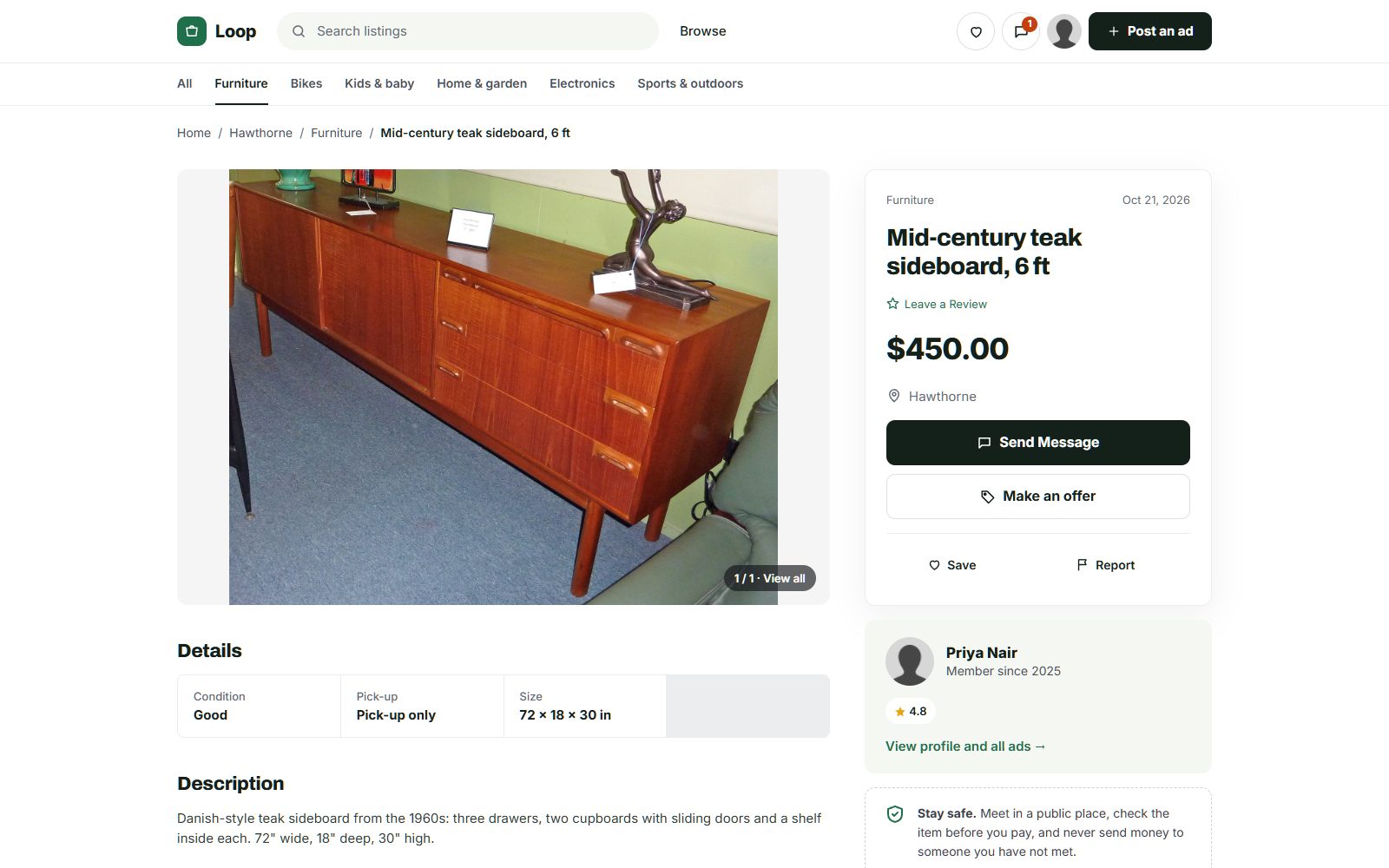
Photo credits
The screenshots show demo sites with made-up sellers. Their photos come from Wikimedia Commons, some cropped or with signs and plates blurred; these ones are under Creative Commons licences:
- McIntosh Teak Sideboard Circa 1960s, CC BY-SA 4.0
- Persian Rug Khorrasan 1, CC BY 2.0
- Fameg bentwood chairs of Poland 01, CC BY-SA 4.0
- View of the "Lost Dining Table and Chairs" in Eltham Palace - geograph.org.uk - 5797282, CC BY-SA 2.0
- Anglepoise Original 1227 Giant Floor Lamp, CC BY-SA 4.0
- Wooden Balance Bike for Kids oak frame with flame red tires, CC BY-SA 4.0
- Baby Crib (49935766018), CC BY 2.0
- Seth Thomas tambour mantel clock ca. 1930, CC BY-SA 4.0
- Rack of rock climbing gear at Horsethief Butte in a Mazamas class, CC BY 4.0
- Sideboard Teak 5 Door Rosando Furniture, CC BY-SA 4.0
- Teak 'Fresco' Sideboard by G Plan angled view, CC BY-SA 4.0