
How to build a livestock classifieds website that farmers and ranchers trust.
This guide covers how to build a livestock classifieds website for cattle, sheep, goats and pigs: picking a region and a species, the fields buyers sort on, such as head count, class and bred status, how the site earns money, where the first sellers come from, animal ID, health papers and welfare, the searches to rank for, and a launch around calving and weaning.
Free for 15 days · No credit card · Plans from $19 a month
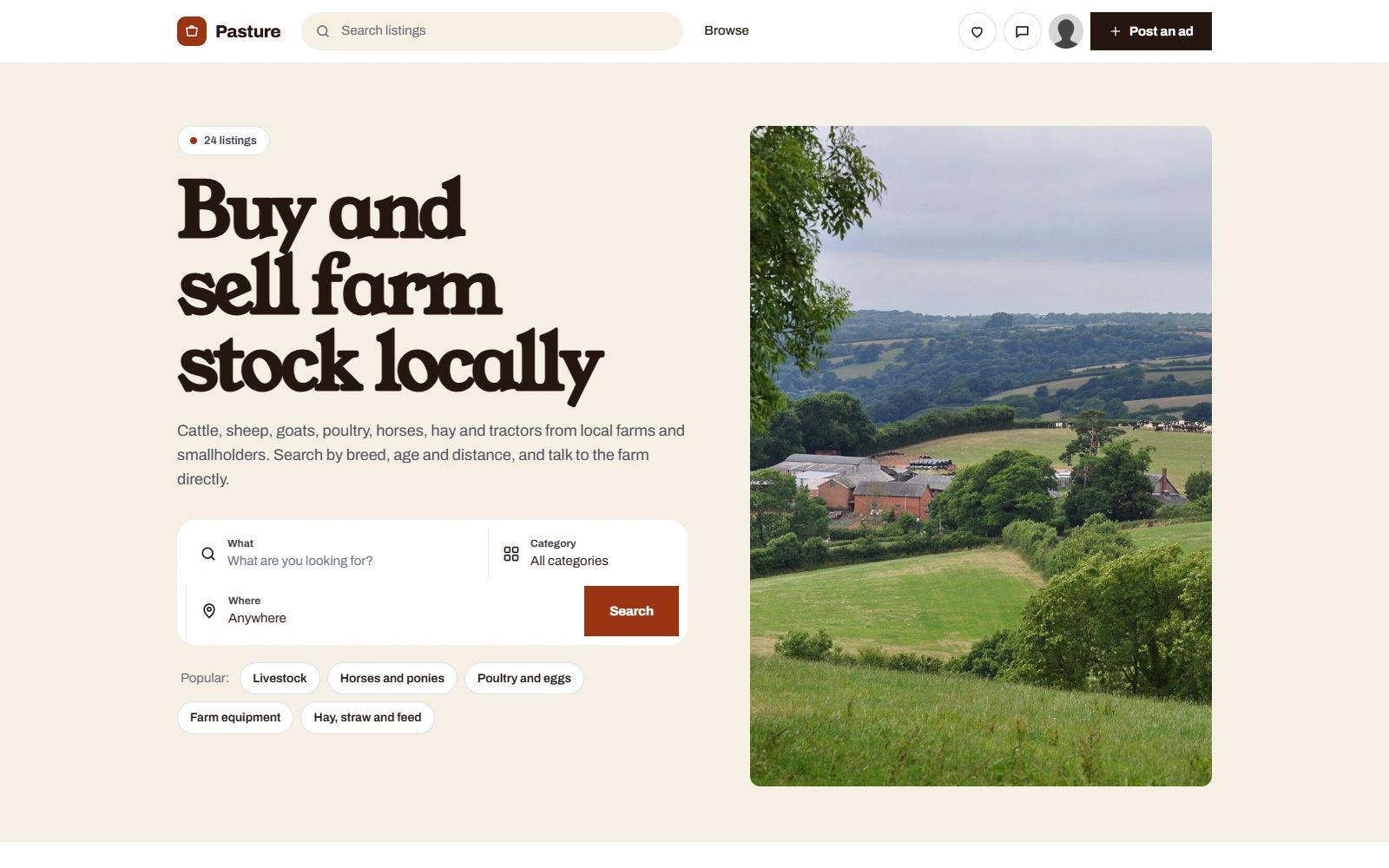
Serve one farming region and the species it raises.
Livestock is bought by people who know exactly what they need: twenty bred heifers due in spring, a registered ram to put on ewes this fall, a pair of weaner pigs for the freezer, a 4-H wether for the county fair. Many general sites restrict or ban the sale of live animals, and the ones that allow them cannot sort by breed, class or head count. So most private trade still runs through sale barns, breed associations, word of mouth and farm groups online.
Who buys and sells
- Commercial cattle and sheep producers buying replacement females and breeding males.
- Seedstock breeders selling registered bulls, rams, bucks and boars.
- Small farms and homesteaders buying a few goats, feeder pigs or a family milk cow.
- Show families looking for project animals for 4-H and FFA.
Picking the angle
Livestock moves by trailer, so most buyers stay within a day's haul. Pick one region and its main species first: beef cattle in one state, sheep and goats across a few counties, or small-farm livestock around one city's rural edge. A species angle works across a wider area when buyers travel for genetics, as with registered seedstock.
Do not set out to replace the local sale barn. Auctions suit fat cattle and large lots; your site suits private treaty sales, breeding stock, small lots and show animals, where buyers want to see details and talk to the seller first.
Private treaty sales of breeding stock and small lots are where a listing site helps most.
Use the words stockmen use: class, head count and bred status.
Categories should follow species, with breeding stock and show animals split out because their buyers search differently. Fields carry the rest. A rancher wants to filter to bred heifers, Angus or Angus cross, due in March, at least ten head, within a set distance.
Fields that decide a sale
- Species and breed, including crosses.
- Class: for cattle, cow, bred heifer, open heifer, cow-calf pair, bull, steer or calf; similar lists for ewes, rams, does, bucks, gilts and boars.
- Head count and whether the lot is sold together or split.
- Age or birth date and weight.
- Bred status: bred, exposed or open, with service sire and expected due date.
- Registered or commercial, with registration numbers where buyers expect them.
- Health: vaccination program, recent testing, and whether animals are tagged with official ID.
- Price per head, per pound or per lot.
Ask sellers for the facts buyers phone about anyway. A listing that answers them gets serious calls instead of a dozen questions.
| Category | Example listings | Fields buyers filter on |
|---|---|---|
| Cattle | Bred heifers, cow-calf pairs, feeder steers, bottle calves | Breed, class, head count, weight, bred status, due date |
| Sheep | Bred ewes, ewe lambs, hair sheep, wool breeds | Breed, class, head count, lambing date, registered |
| Goats | Meat goats, dairy does, kids, wethers | Breed, purpose, class, age, kidding date, tested |
| Pigs | Feeder pigs, weaners, bred gilts, sows | Breed, weight, head count, age, purpose |
| Breeding males | Bulls, rams, bucks and boars for sale or lease | Breed, age, registration, performance data, semen tested |
| Show animals | 4-H and FFA steers, lambs, goats and barrows | Species, breed, weight, birth date, show eligibility |
| Handling equipment | Panels, chutes, feeders, stock trailers | Type, size, condition, price |
Price per head and price per pound are both common, so let sellers choose the unit and show it beside the price.
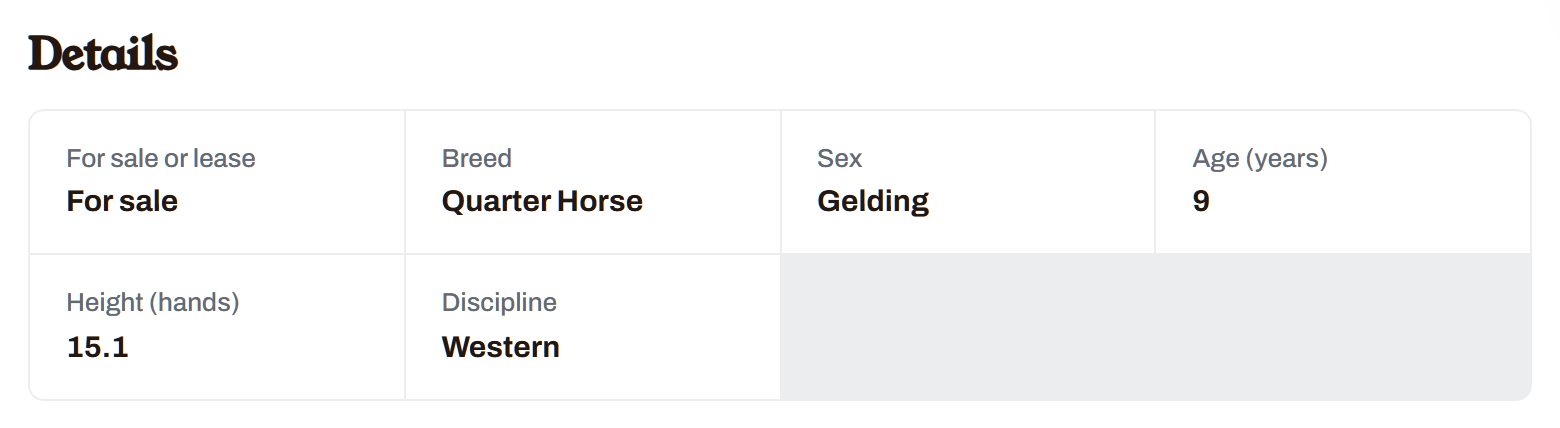
Free posting for farms, paid visibility for seedstock and services.
Farmers are careful with money and quick to judge whether something is worth it. Let every farm post free while the site grows, and make sure the first buyers find real animals. Charge once the site sends sellers inquiries they would not have had otherwise.
- Featured listings suit sellers with large lots or animals that need to move before winter feed runs short.
- Paid posting for breeding males fits seedstock producers, who already pay to promote bulls, rams and bucks before each sale season.
- Memberships for breeders and order buyers give a seller profile, every listing in one place and a verified seller badge.
- Banner spaces suit large animal vets, feed mills, livestock haulers, fencing contractors, equipment dealers and farm lenders.
Keep the price of extras modest and tied to seasons. A bump in the weeks before fall weaning means more to a cattle seller than a monthly fee they forget about. Show season is a second peak: families buying project animals compare breeders closely, and featured show animals sell well in the months before fair entries close.
| Model | Works when | Switch it on |
|---|---|---|
| Featured listings and bumps | Buyers check the site through the buying season | Once a few hundred animals are listed |
| Pay to post breeding males | Seedstock sellers compete for buyers | Before bull and ram sale season |
| Breeder memberships | Producers list every season | When several breeders post regularly |
| Banner spaces | Vets, feed mills and haulers want local farms | When you can show visitors per county |
| Featured show animals | Families shop for 4-H and FFA projects | A few months before project tag-in deadlines |
Find the first sellers through breeders, fairs and the feed store.
Livestock people trust other livestock people. Your first listings come from getting known in a few places where farmers meet.
Where farmers already gather
- Breed associations and their state chapters, whose member lists and sale catalogs name the breeders in your area.
- County fairs and junior shows, where breeders sell project animals and parents ask where to find the next one.
- Feed stores, co-ops and farm supply stores, with bulletin boards full of handwritten livestock ads. Ask permission to post those sellers' animals online for them.
- Extension offices and 4-H and FFA leaders, who know which families raise and sell animals.
- Large animal vets, who hear about herd dispersals and retiring farmers before anyone else.
- Farm groups online, where people already post animals for sale.
A breeder with a sale list in a spreadsheet can go online in an afternoon, since listings can be imported from a CSV. Many older farmers will not post themselves, so offer to post for them from a phone call and a few photos. Younger ranchers can post from the pasture: on Yclas they take a photo and AI fills in the title, description, category and price for them to check.
A herd dispersal listed in full brings more buyers than any advert you could buy.
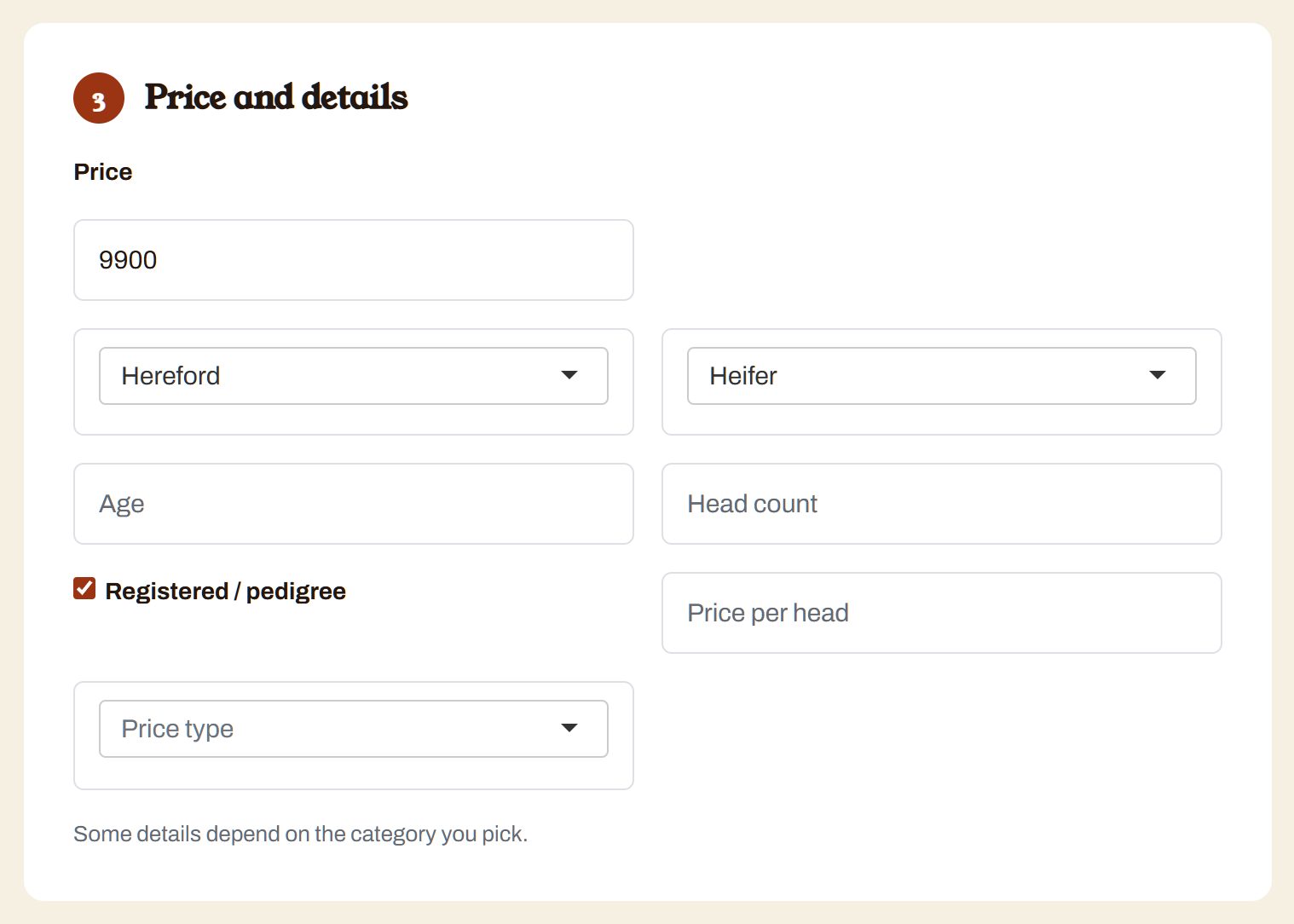
Take animal ID, health papers and welfare seriously.
Selling live animals brings obligations that a furniture site never faces. Write rules that show buyers and sellers you take them seriously.
Paperwork and animal health
Many places require official ID tags, health certificates or movement records when livestock changes hands or crosses a state or county line, and some run disease programs for particular species. These rules differ by country, state and species and they change, so do not summarize them as fact on your site. Ask sellers to state which ID and health records come with the animals, tell buyers to check the rules where they live, and point both to their state or national agriculture department.
Welfare
- Refuse listings of sick, injured or emaciated animals, and ask for recent photos.
- Keep meat and other food products out of livestock categories, since they fall under separate food safety rules.
- Set a clear position on very young animals such as bottle calves, and ask sellers to state their age and feeding.
Scams
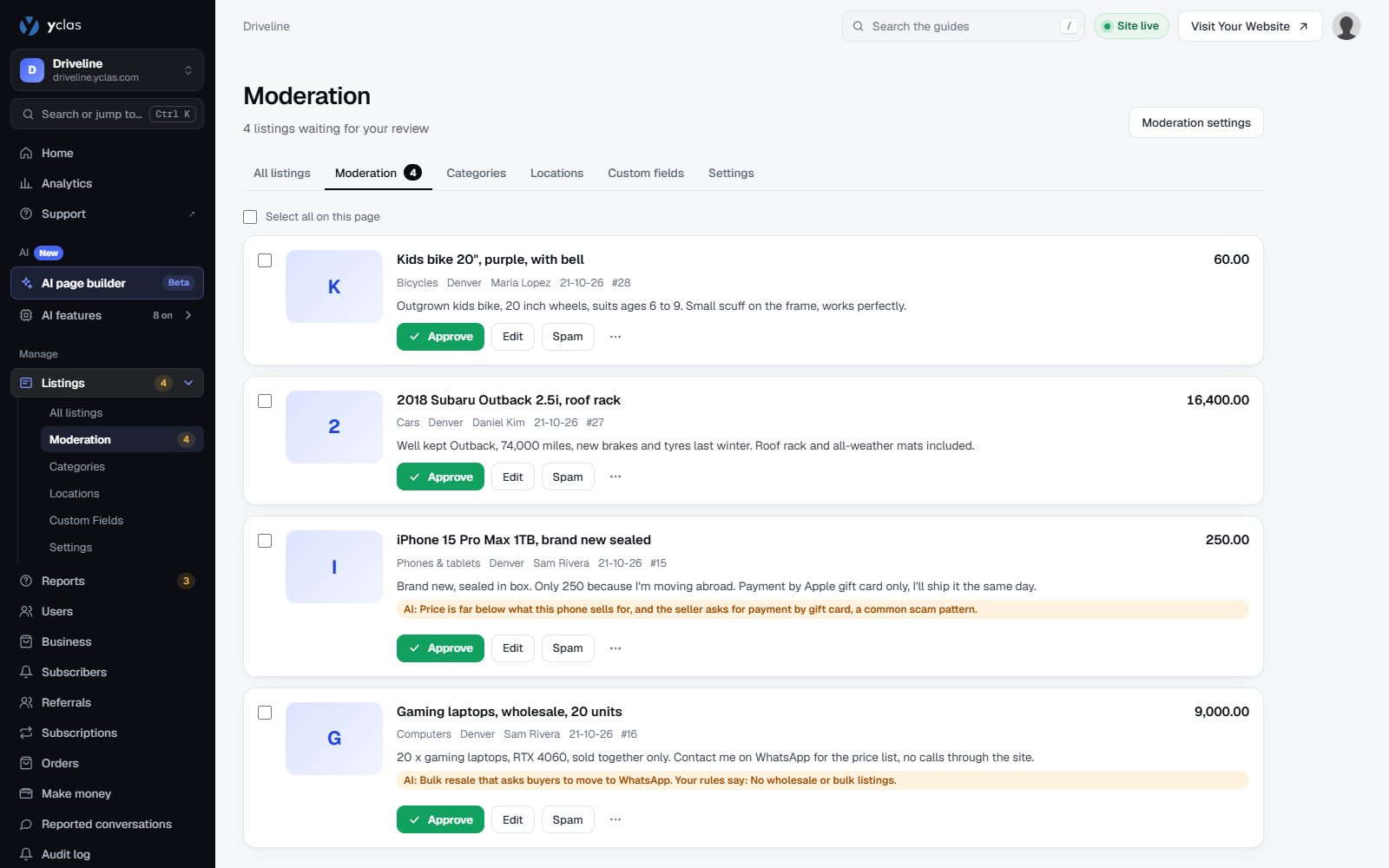
The common scam is a low-priced lot hundreds of miles away, with a seller who wants a deposit and hauling fee wired before anyone sees the animals. Approve every listing at first, verify known breeders with a badge, and tell buyers to see animals or use a trusted agent before paying. Advise written bills of sale that record the animals' ID.
Rank for species, class and county.
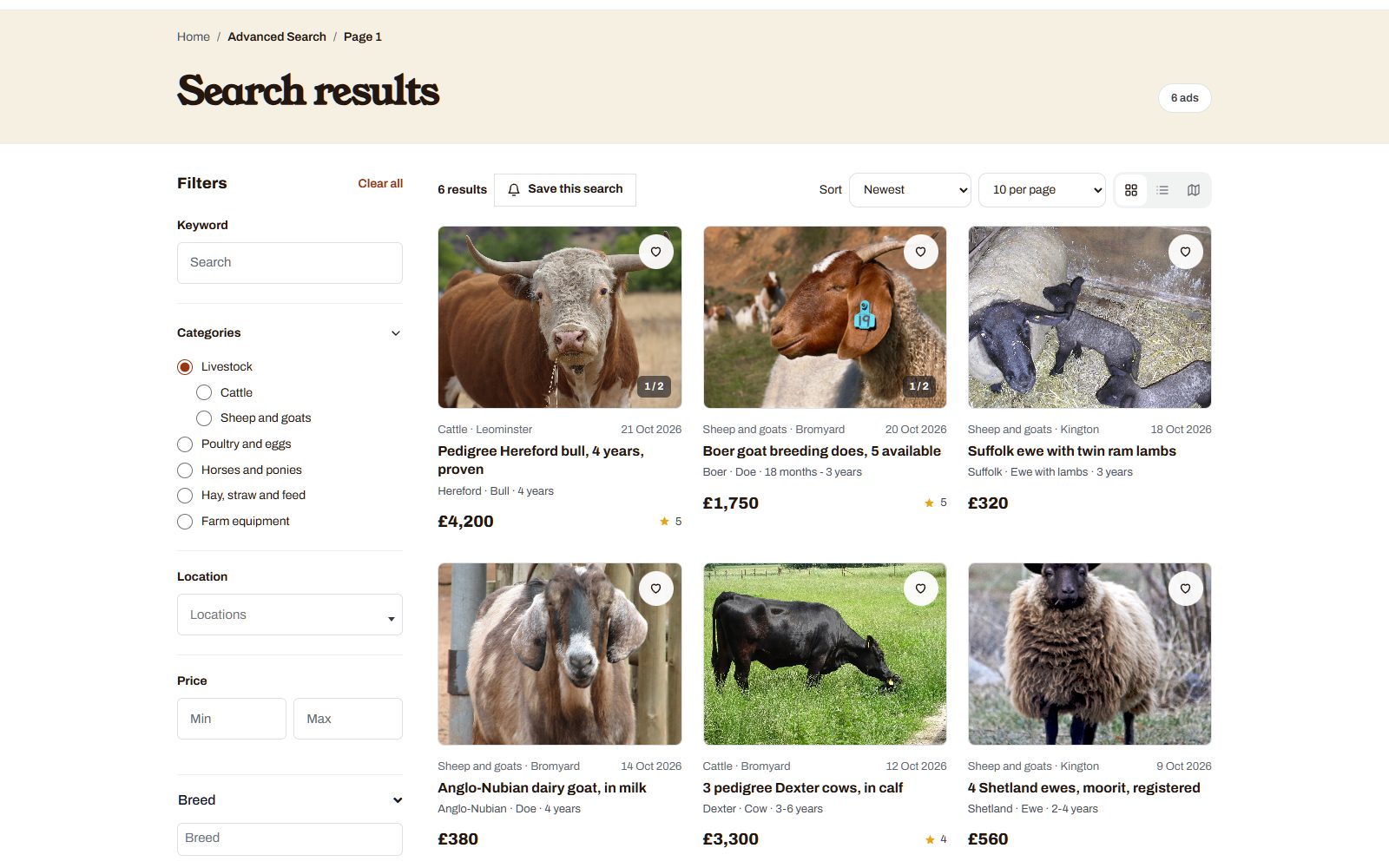
Livestock searches combine a breed or class with a place, and many of them come from phones in a pickup. That suits category and location pages.
Searches to target
- "bred heifers for sale Missouri"
- "Angus bulls for sale near me"
- "Boer goats for sale"
- "Katahdin sheep for sale Ohio"
- "feeder pigs for sale near me"
- "show lambs for sale"
- "Nigerian Dwarf goats for sale"
Pages to build
- Species, breed and state pages, built from your own listings, such as Hereford cattle in Kansas.
- Class pages, such as cow-calf pairs or bred ewes, because buyers search by class as much as by breed.
- Buying guides: buying your first goats, what to ask before buying bred heifers, how to choose a show lamb, what to check at a pig farm.
- A seasonal calendar for your region: when calves are weaned, when ram sales happen, when fair entries close.
Keep sold lots online for a while marked as sold. Breeders' names and bloodlines are searched for years, and a sold page can send that visitor to the same breeder's current animals.
Launch before the season your region buys in.
Livestock trade follows the calendar. Calving, lambing and kidding fill late winter and spring; spring and early summer bring feeder pigs and show project sales; fall brings weaning, bred female sales and culling before winter feeding. Launch a few weeks before the busiest selling season in your region, so buyers find animals the first time they visit.
Launch plan
- Pick one region and its main species, and sign up ten breeders or farms.
- Post or import their animals, each with class, head count and health details.
- Ask the extension office, a feed store and a large animal vet to share the site.
- Set up at a county fair, a breed show or a field day with cards and a tablet.
- Share full categories, such as every bred heifer in the state, in farm groups.
Checklist
- Species, breed, class, head count and bred status as search filters.
- Posting rules covering welfare, recent photos and ID and health records.
- A buyer guide on seeing animals, paperwork and safe payment.
- Saved searches with email alerts, so buyers hear when the right lot is posted.
- Your own domain with SSL, plus terms and a privacy policy that mention animal sales.
A worked example: Bluestem Pasture Trader, Flint Hills of Kansas.
Bluestem Pasture Trader is a made-up site, used here to show how a livestock classifieds site comes together in practice. Picture a rancher's daughter who came home to the Flint Hills after a few years in town and noticed that her father still sold his replacement heifers through phone calls, a sale barn notice board and a cousin's Facebook post. Buyers two counties over never heard about them until they were gone, and her father had no way to show them the heifers' breeding dates or vaccination program before they drove out to look.
Who it serves
The site covers eastern Kansas and the edge of Oklahoma, roughly a half-day's haul with a gooseneck stock trailer. Its main users are cow-calf operators buying and selling bred females and bulls, with a busy corner for show families buying 4-H and FFA projects and a smaller one for homesteaders after a few goats or a pair of feeder pigs.
Categories at launch
- Cattle
- Bred females and pairs
- Bulls
- Feeder and stocker cattle
- Sheep and goats
- Pigs
- Show projects
- Equipment and hay
How it started
She began at the kitchen table with her father's phone book. Eight breeders agreed to let her post their sale animals, and two of them sent sale lists in a spreadsheet, which went online in an evening. A breed association's state chapter shared the link in its newsletter, and she set up a table with a laptop at the county fair, posting show lambs and goats for families while their kids washed animals in the barn. Older ranchers called her with details and she posted for them, sending a text with the link once the listing went live. Within three months the site carried a little over 400 head across about 90 listings, and the bull category had become the place neighbors checked before the spring breeding season.
How it makes money
Posting is free for farms. Seedstock breeders pay to post bulls in the Bulls category from January through April, when commercial herds buy. Three breeders took memberships for a seller profile and a verified seller badge. Banner spaces sell to a large animal vet clinic, a livestock hauler and a fencing contractor, and featured show projects go up each spring before fair tag-in. She reviews the prices every fall, once she can see which extras sellers bought again.
The site worked because it covered the private sales the sale barn never handled.
| Listing | Price | Key details |
|---|---|---|
| 22 Angus cross bred heifers | $2,650 per head | Bred to a calving-ease Angus bull, due March 1-30, ultrasound confirmed, sold as one lot |
| Registered Hereford bull, 2 years old | $5,800 | Semen tested, performance data available, easy fleshing, 1,650 pounds |
| 15 Katahdin ewes and ram lambs | $325 per head | Hair sheep, closed flock, ewes exposed in October, mixed ages |
| Boer wether, 4-H market project | $400 | Born January, 65 pounds, tagged, eligible for county and state fair |
| 8 feeder pigs, Duroc cross | $110 each | About 50 pounds, weaned three weeks ago, pickup only on the farm |
The first 90 days on a livestock site.
Livestock people decide slowly and remember everything, so the first three months are about earning a reputation rather than chasing visitors. Your goal by day 90 is simple: a buyer looking for bred heifers, a ram or a show goat in your region should find several real options from sellers they can phone, and every listing should carry class, head count and health details.
Fit the plan to your region's calendar. In much of cow-calf country, bred female and bull buying peaks from fall through early spring; show families shop for projects in late winter and spring; feeder pig buyers appear in spring. Start your 90 days so that week 9 lands just before your region's busiest buying season, and the site has stock when buyers arrive.
Treat paper and phone as part of the plan. Many of your best sellers will never log in, so budget time each week to post for them and to call with news of inquiries. A seller who hears that three people asked about his bred ewes is the best advertising you will get.
| Weeks | Focus | Done when |
|---|---|---|
| 1-2 | Choose region and main species; set class, head count, bred status, price unit and health fields | A test lot of bred heifers shows every filter on a phone, including price per head |
| 3-4 | Write posting rules on welfare, recent photos, ID and health records; ban meat sales | Rules and a buyer guide are published and linked from each category |
| 5-6 | Call breeders from association member lists and visit two feed stores | Ten farms have agreed to list and two have sent sale lists |
| 7-8 | Post and import the first lots, including animals for sellers who phone in | One hundred head across at least forty listings are live |
| 9-10 | Set up at a fair, breed show or field day; ask the extension office to share the site | Twenty new listings posted at the event and one newsletter mention |
| 11-12 | Line up a vet, hauler or feed mill for the first banner; plan seasonal paid extras | One local business has agreed to a banner and bull or ram listings are ready for paid posting |
How to build it: custom, self-hosted or hosted.
A livestock site needs strong structured fields more than clever design. Buyers filter by species, breed, class, bred status, head count and due date, and sellers price by the head, by the pound or by the lot. Lots need to be posted as one listing with a count. Many users browse on a phone with patchy rural signal, so pages must load quickly and photos must not be huge. And because many sellers phone in their animals, you need an easy way to post on someone's behalf and to bulk import sale lists.
Building it yourself
Paying developers to build a custom site lets you add things like expected progeny differences shown in a chart or a link to registry records. It takes months and an ongoing budget, and it makes most sense for a breed association or an auction company that already keeps its own data.
Installing a script or plugin
Self-hosted classifieds software or a WordPress plugin can work if you are comfortable maintaining a server. Check that fields such as head count and price per pound are real numbers you can filter on, and that the site stays fast on a weak phone signal once it carries hundreds of photos of cattle.
A hosted builder
A hosted builder such as Yclas handles hosting, security and updates, and lets you set up species categories, custom fields as search filters and CSV import without code. It suits a founder who would rather spend Saturdays at fairs and sale barns than on a server. The trade-off is less control over specialist features, which most regional livestock sites do not need in their first years.
| Route | Fits when | Watch out for |
|---|---|---|
| Custom development | A breed association or auction company wants registry data and its own tools | Cost and time, and a site that depends on one developer |
| Self-hosted script or WordPress plugin | You can run a server and want full control | Number fields that do not filter, slow pages in the country, upkeep |
| Hosted builder | You want breeders listing before the next buying season | Less room for specialist features like progeny data charts |
What a livestock classifieds site costs to run.
The software is the smallest part of the bill. Most of the cost is your time in the first months: finding the first listings, answering questions and checking what gets posted.
Budget for a domain, printed cards and booth or vendor fees at fairs and breed shows. Consider having a lawyer or your state agriculture department look over your posting rules on ID, health papers and banned listings before launch.
| Cost | Typical range | On Yclas |
|---|---|---|
| Domain | $10 to $20 a year | Your own, with SSL included |
| Software and hosting | $0 to $100+ a month, plus plugins and updates | Starter $19 a month, Professional $99 |
| Design | $0 to $100 for a theme, or a designer | 109 looks included |
| Payment fees | About 3% per payment | Your Stripe or PayPal fees; Yclas takes nothing |
| Your time | 5 to 10 hours a week at the start | Finding listings, moderation, support |
Mistakes that lose farmers' trust.
- Using town words instead of stockmen's words. A category called Cows and a field called Animal type tell a rancher you do not know the trade. Use class names they use every day, such as bred heifer, open heifer, pair, stocker and feeder, and let a couple of trusted breeders read your categories before launch.
- Making price per head the only option. Feeder cattle and pigs often sell by the pound, breeding stock by the head and dispersals by the lot. Let sellers pick the unit and show it next to the price, or buyers will misread listings, compare the wrong numbers and waste calls on both sides.
- Expecting every farmer to post online. Many of the best sellers in your region will never create an account. If you do not offer to post for them from a phone call and a few photos, you lose the herd dispersals and seedstock lists that make a site worth visiting.
- Leaving health and ID details optional. Buyers ask about vaccinations, testing and official tags on almost every call. Make the health field required, ask sellers to state which records come with the animals, and point everyone to their own agriculture department for the rules.
- Allowing meat in the livestock categories. Freezer beef and pork bring separate food safety rules and a different kind of buyer. Keep them out, or give them a separate section only after checking the rules where you operate.
- Posting every species everywhere. A site with three cattle listings, two goats and one alpaca in each county looks empty. Fill the main species in one region, then add others once that category moves animals every week.
- Ignoring the seasons. A site that launches after the fall run or after bull sale season has nothing to offer buyers for months. Map your region's calving, weaning, breeding and fair dates, and launch ahead of the busiest one.
- Tolerating out-of-state deposit scams. A cheap lot of bred heifers hundreds of miles away with a seller who wants the deposit and hauling paid by wire is a classic fraud. Approve every listing at first, verify known breeders, and remove suspect listings quickly. Publish a short warning page, since a buyer who loses a deposit through your site will tell every neighbor.
- Letting sold lots disappear. Breeders' names and bloodlines are searched long after a sale. Mark lots sold rather than deleting them, and link to the breeder's current animals so that search still brings a buyer to the site.
Livestock terms you will see in every listing.
Write your fields and guides in these terms, since they are the words sellers and buyers already use.
| Term | What it means |
|---|---|
| Bred heifer | A young female that has not calved yet and is confirmed pregnant. |
| Open | Not pregnant, used for heifers, cows, ewes and does. |
| Pair | A cow sold together with her calf at side. |
| Exposed | A female that has been run with a male but not yet confirmed pregnant. |
| Private treaty | A sale agreed directly between buyer and seller rather than at auction. |
| Seedstock | Registered breeding animals sold to improve other herds and flocks. |
| Commercial | Animals raised for production rather than registered breeding, often crossbred. |
| Dispersal | The sale of a whole herd or flock, often when a farmer retires. |
| EPDs | Expected progeny differences, figures that predict how a breeding animal's offspring will perform. |
| Feeder cattle | Weaned calves sold to be grown and finished by another operation. |
| Wether | A castrated male sheep or goat, common as a show project. |
| Gilt | A young female pig that has not yet had a litter. |
| Semen tested | A bull whose fertility has been checked by a vet before sale. |
| Bottle calf | A young calf raised on milk replacer instead of by its mother. |
The same steps for a livestock classifieds site on Yclas.
- Describe your nicheThe setup wizard writes the categories, an About page and example listings from one sentence.
- Add fieldsSwitch on a field pack or add the fields your buyers filter on.
- Fill itImport dealer spreadsheets, invite sellers and post your own.
- Set the rulesChoose moderation, banned words and AI checks.
- Go liveChoose a plan, connect your domain, switch on paid listings when it is time.
How much does it cost to start a livestock classifieds site?
Running the site on a hosted platform costs little; the main spending is a domain, printed materials and fair or show fees. The real investment is your time with breeders and farm groups.
Am I responsible for health papers and animal ID?
Sellers and buyers carry those duties, but your rules should ask sellers to state what records come with the animals. Rules differ by country, state and species, so check the rules where you operate.
Should my site compete with the local sale barn?
No. Auctions suit large lots and market animals; your site suits private sales of breeding stock, small lots and show animals, where buyers want details first.
Can I allow meat sales on a livestock site?
Selling meat falls under separate food safety rules. Most livestock sites keep it out, or give it a separate category only after checking the rules where they operate.
How do I get older farmers to list?
Offer to post for them from a phone call and a few photos, and ask breed associations, feed stores and vets to vouch for the site.
How does a livestock site make money?
Free posting at first, then featured listings, paid posting for bulls, rams and bucks, breeder memberships, and banners for vets, feed mills and haulers.
Should I cover every species at once?
Start with the species your region raises most. Add others once that category has steady buyers and you know the sellers.
Should I let sellers post lots without photos?
Allow it for farmers who phone in their animals, but mark those listings and ask for photos later. A photo of the lot in the pasture or pen gets far more serious calls than text alone, so encourage it whenever you can. A short video of cattle walking in the pen helps too.
How do I handle price per pound listings?
Let the seller choose price per head, per pound or per lot, and ask for an approximate weight when the price is per pound. Show the unit beside the price so buyers compare fairly. For lots sold by weight, suggest the seller states whether the price is on the farm scale or at a certified scale, and any shrink they expect.
Can I list livestock guardian dogs and working dogs?
Many livestock sites do, since ranchers buy guardian dogs and herding dogs alongside stock. If you do, apply the welfare rules you would expect on a pet site and check the rules where you operate on dog sales. Give them their own category with breed, age, working experience and whether they have been raised with stock.
What happens if a buyer finds an animal was sick?
The sale is between buyer and seller, but your rules should ask sellers to disclose known health issues and testing. Collect reviews after sales, remove sellers who hide problems, and encourage buyers to involve their own vet before buying. A written bill of sale that lists each animal's ID also helps both sides if questions come up later.
Should I include hay, feed and equipment?
A small section for hay, panels, feeders and stock trailers keeps farmers visiting between buying seasons. Keep it secondary to the animals, so the site stays known for livestock. Sellers of handling equipment are often the same farms, which helps.
Related pages.
The parts of Yclas this leans on.
You have the plan. Now build your livestock site.
Describe your site in a sentence and the setup wizard writes the categories, example listings and a look. Free for 15 days, no credit card.
Start my classifieds site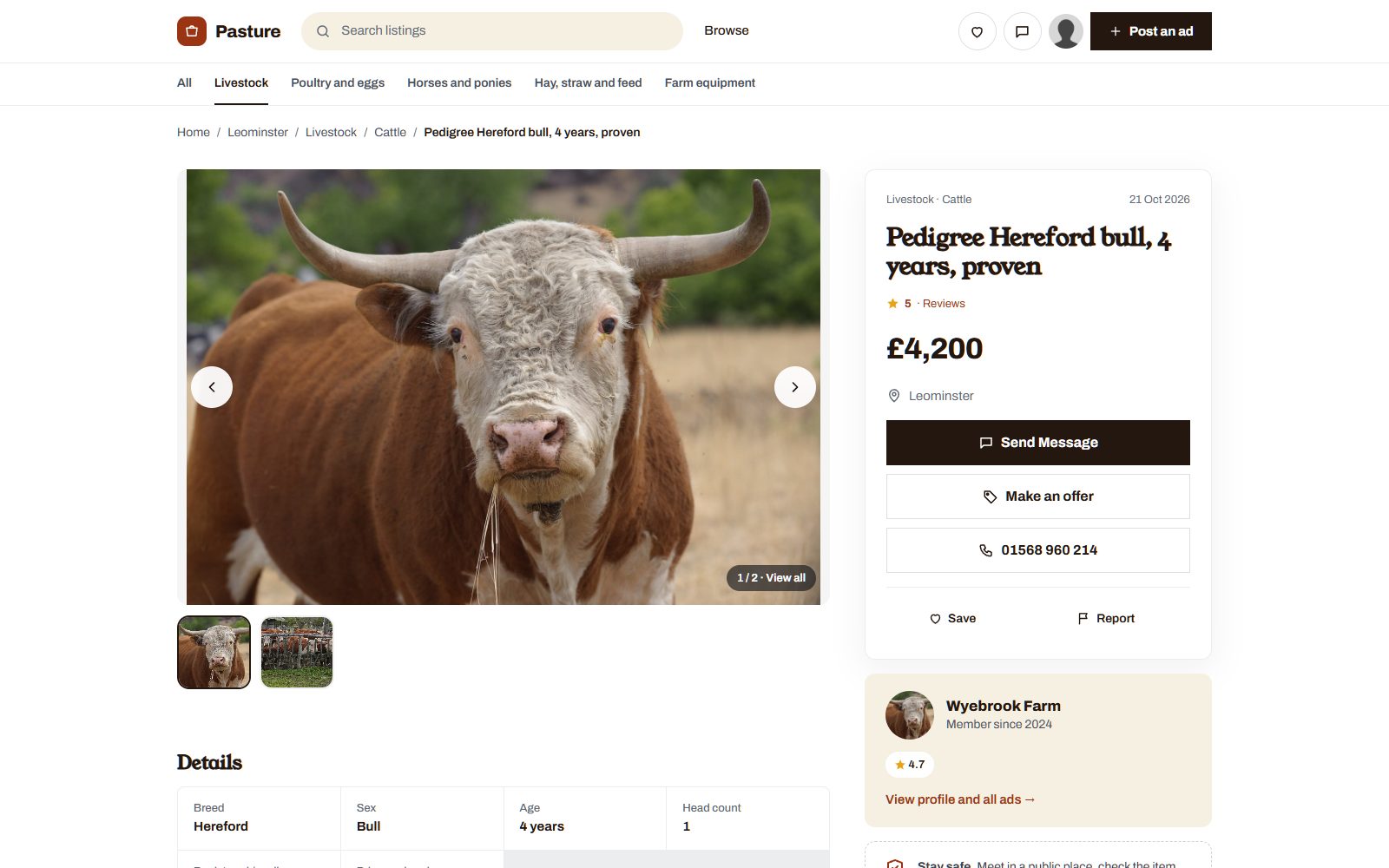
Photo credits
The screenshots show demo sites with made-up sellers. Their photos come from Wikimedia Commons, some cropped or with signs and plates blurred; these ones are under Creative Commons licences:
- Cattle Ranch (5451966167) by Alex Proimos from Sydney, Australia, CC BY 2.0
- Cattle in pasture, Alaska by L T Hunter, CC BY 2.0
- Dexter cattle PM16-2 by Pieter Delicaat, CC BY-SA 4.0
- Suffolk Ewe with twin lambs by J gareth p at English Wikipedia, CC BY-SA 3.0
- Sheep in a field in Alsager 02 by Dominic Nelson, CC BY-SA 4.0
- Shetland sheep moorit by Jean, CC BY 2.0
- Boer goat444 by Benjamint444, CC BY-SA 3.0
- Flock of Rhode Island Red, Easter Egger, and Barred Plymouth Rock Hens by HeatherLion, CC BY-SA 3.0
- Pekin duck in Buddha park lake, Eluru by iMahesh, CC BY-SA 4.0
- Quarter Horse(REFON)-cleaned by José Reynaldo da Fonseca, derivative work by Pitke, CC BY 2.5
- Haflinger 3607 by Flominator by Flominator, CC BY-SA 3.0
- Cheval (Gypsy horse) by Gzen92, CC BY-SA 4.0
- Harvest Straw Bales in Schleswig-Holstein by Jan van der Crabben (Photographer), CC BY-SA 2.0
- Trailer and Barn, South Hall Farm, Paglesham - geograph.org.uk - 8117991 by Roger Jones, CC BY-SA 2.0
- Mid Devon , Countryside ^ Farmland - geograph.org.uk - 1953042 by Lewis Clarke, CC BY-SA 2.0